
Shop Gold at SilverPoured and explore gold bullion, fractional gold, gold coins, collectible gold, and premium gold bars built for modern stackers and collectors.
Welcome to the SilverPoured Shop Gold hub — a collector-focused guide to physical gold ownership, bullion products, premiums, liquidity, storage, and long-term collecting strategy. Whether you are comparing fractional pieces, one-ounce bullion, government-issued coins, private-mint bars, or premium releases, Shop Gold is designed to help buyers understand what they are purchasing and why different gold products can trade at very different prices.

Physical gold combines high value density with broad market recognition. A relatively small coin or bar can represent substantial purchasing power, while widely traded bullion products may be recognized by dealers and collectors around the world. That combination of portability, durability, liquidity, and long-term demand is one reason many buyers shop gold as part of a broader precious-metals strategy.
Buyers who shop gold should still look beyond spot price alone. Two products containing the same amount of gold can carry very different premiums because of mint reputation, fabrication cost, packaging, condition, scarcity, design, certification, or collector demand. Understanding those differences helps buyers separate intrinsic metal value from the additional price attached to the finished product.
Why People Buy Physical Gold
People buy physical gold for different reasons. Some prioritize long-term wealth preservation, some want a compact store of value outside traditional financial accounts, and others enjoy government-issued coins, historic designs, proof issues, certified pieces, or modern collectible bullion. A buyer may also value the ability to hold a tangible asset directly rather than relying entirely on a financial claim.
Many collectors shop gold by balancing several priorities at once: premium over spot, product recognition, liquidity, weight, purity, storage, and collector appeal. A low-premium bar may be attractive for efficient accumulation, while a sovereign coin can offer stronger recognition and a collectible series may provide an entirely different ownership experience.
There is no single best gold product for every buyer. The appropriate choice depends on budget, intended holding period, resale expectations, storage plans, and whether the buyer values lowest cost, flexibility, recognition, or collectibility. Shop Gold works best as a decision framework rather than a list of products that everyone should own.
Fractional Gold and Smaller Entry Points
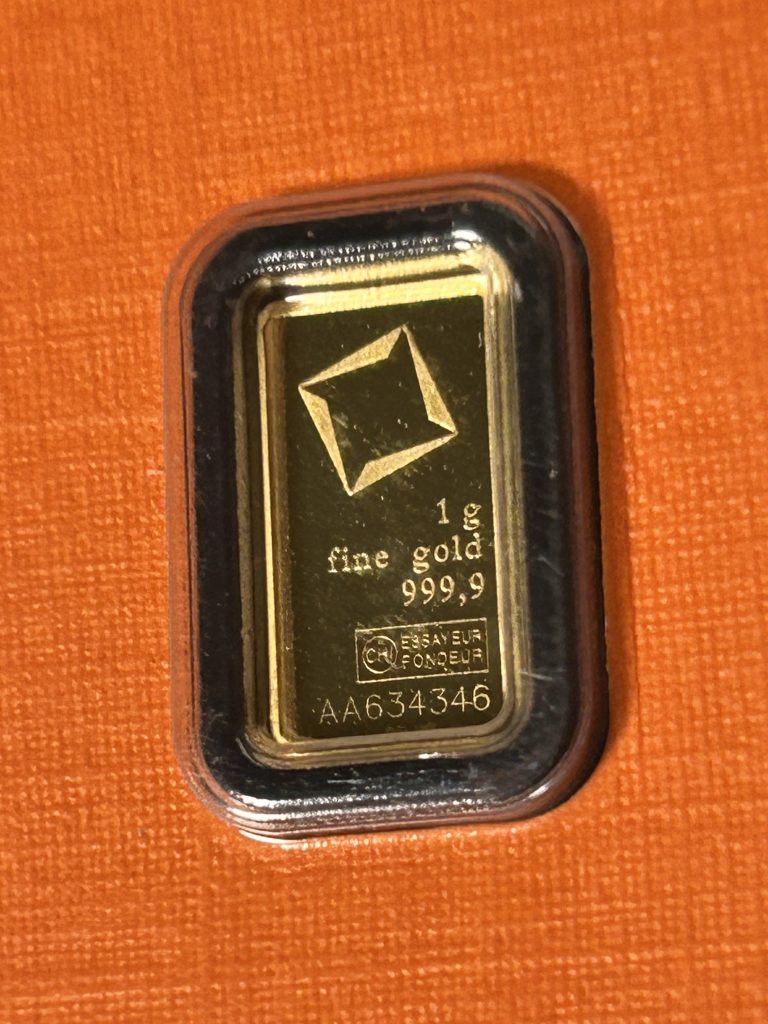
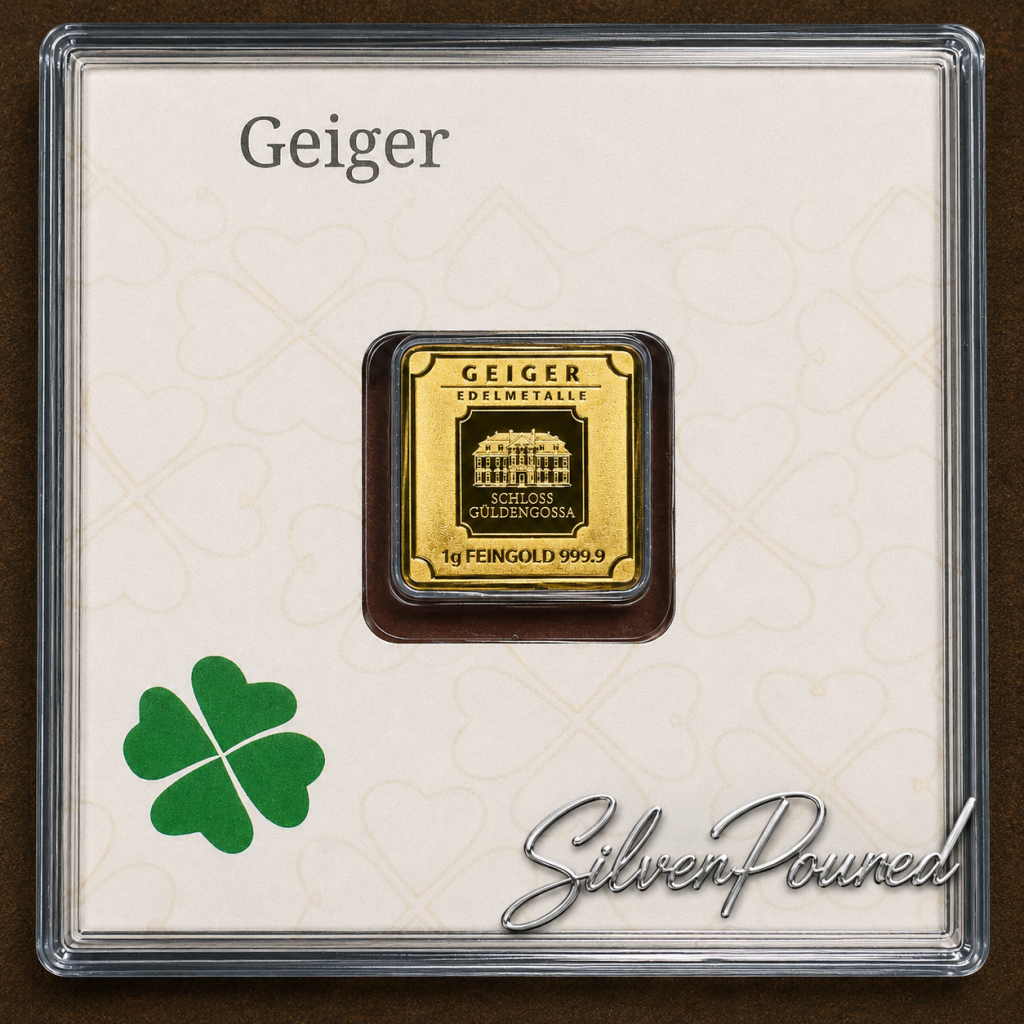
Fractional gold allows buyers to own physical gold in smaller denominations such as one gram, 1/20 ounce, 1/10 ounce, and 1/4 ounce products. These sizes can lower the initial cash requirement for a purchase and may make it easier to build a position gradually instead of committing to a full ounce at once.
Many buyers shop gold in fractional sizes because flexibility can matter as much as premium efficiency. Smaller pieces can be useful for staged purchases, gifts, collection-building, or future sales where the owner may prefer to liquidate only part of a position. That flexibility helps explain why fractional products remain popular even though they often cost more per ounce than larger bullion.
Fractional products generally carry higher premiums because refining, minting, packaging, inspection, distribution, and dealer handling do not shrink in direct proportion to the amount of gold inside each piece. Buyers comparing fractional products can learn more from SilverPoured’s Why Fractional Gold Costs More guide, which is the correct gold-focused resource for that premium structure.
Fractional gold is not automatically a worse value simply because its premium per ounce is higher. A buyer who needs smaller purchase increments, easier partial resale, or a lower entry price may rationally accept that premium in exchange for flexibility. Collectors who shop gold should compare the total purpose of the product rather than judging every size by premium percentage alone.

Gold Coins vs Gold Bars
Gold coins and gold bars can contain the same amount of fine gold while serving different buyer priorities. Government-issued coins often provide strong recognition, established specifications, recognizable designs, and collector demand. Private-mint bars may emphasize efficient accumulation, compact storage, assay packaging, and competitive premiums.
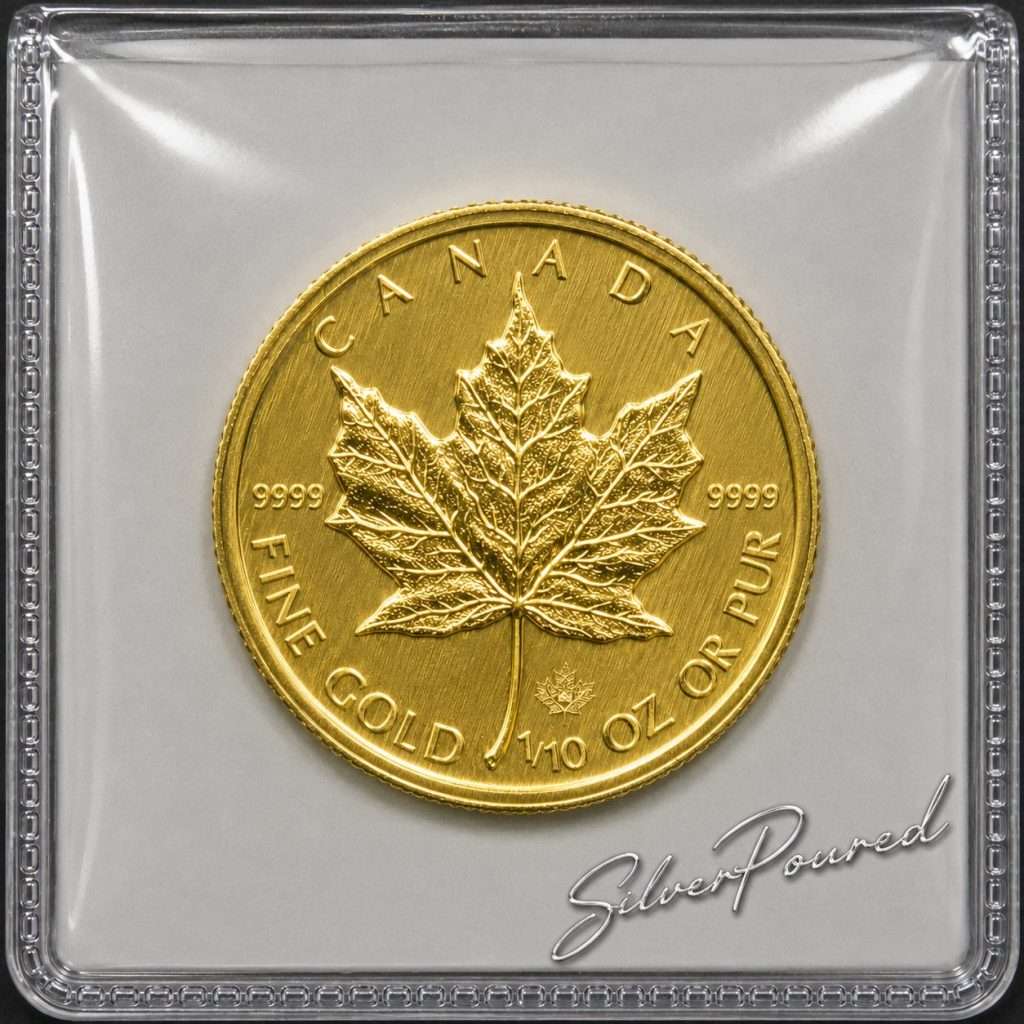
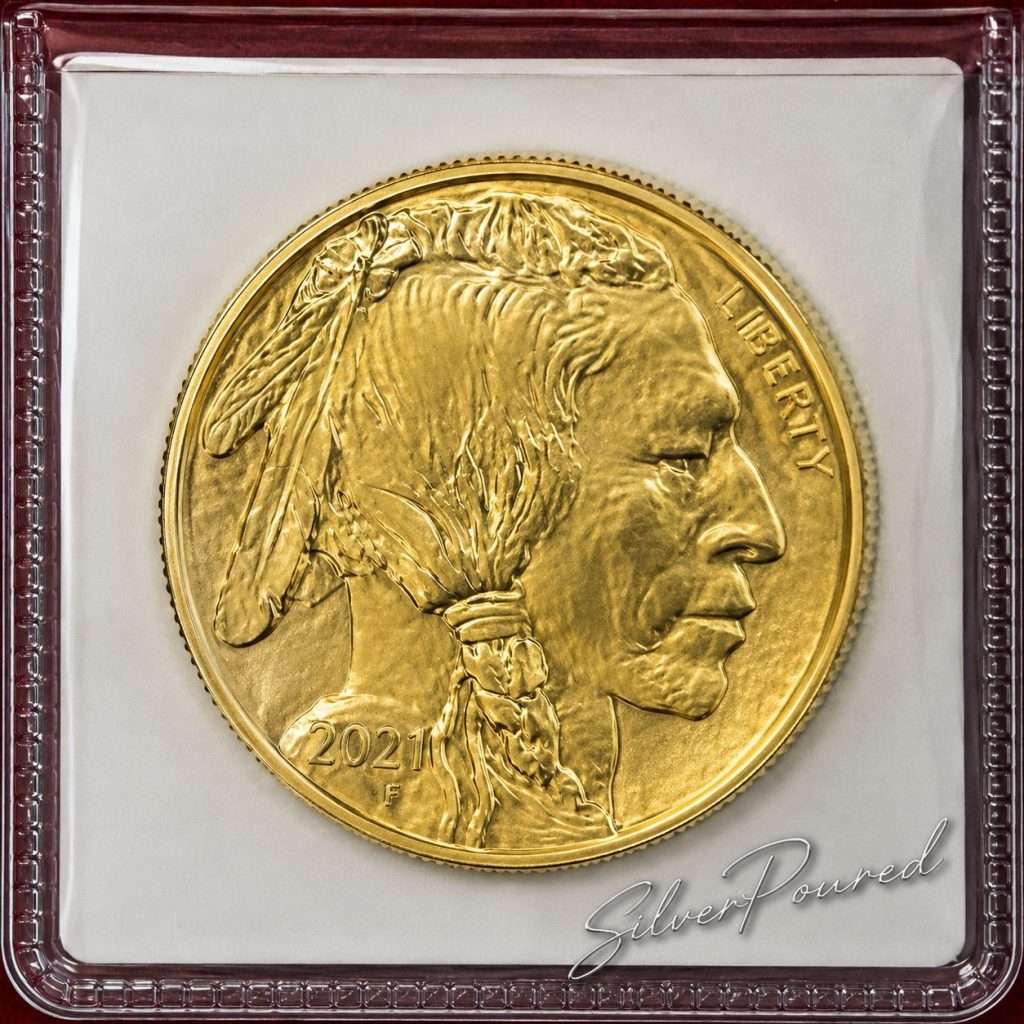
Collectors who shop gold coins may prefer products such as American Gold Eagles, Gold Buffalos, Canadian Maple Leafs, Krugerrands, Britannias, or other sovereign issues because those products are widely known. Buyers focused on bars may prefer established refiners, serialized assay cards, or larger formats that can reduce the premium per ounce.
Many experienced buyers eventually own both. Coins can add recognition and collector appeal, while bars can provide efficient exposure to physical gold. The better comparison is not “coin or bar” in isolation, but which format better matches the buyer’s intended use, premium tolerance, storage plan, and resale expectations.

Gold Product Comparison
| Gold Product | Common Buyer Goal | Premium Tendency | Typical Strength |
|---|---|---|---|
| 1 gram bars | Small entry point or gifting | Higher | Low initial cash requirement |
| Fractional sovereign coins | Flexible stacking and collecting | Moderate to high | Recognition plus smaller size |
| 1 oz government coins | Long-term stacking and liquidity | Moderate | Broad market recognition |
| 1 oz private-mint bars | Efficient accumulation | Lower | Compact standardized bullion |
| Larger bars | Lower premium per ounce | Often lowest | Efficient bulk ownership |
| Collectible gold releases | Collector-focused ownership | Varies widely | Design, rarity, condition, or presentation |
This comparison shows why buyers should shop gold by purpose rather than by price alone. A product with a higher premium may still be the better fit when recognition, denomination, presentation, or collector demand matters. A lower-premium product may be more appropriate when the goal is simply to accumulate the greatest amount of gold for the available budget.
Understanding Gold Premiums
Gold spot price establishes the market value of the underlying metal, but physical products usually trade above that level. Premiums can reflect refining, minting, fabrication, distribution, dealer margin, assay packaging, certification, mint reputation, scarcity, condition, and collector demand. Those components explain why equal-weight products can sell at different prices even when their fine-gold content is identical.
Collectors who shop gold should compare premiums within similar product categories. A generic one-ounce bar should not be evaluated the same way as a proof coin, a certified historic piece, a low-mintage release, or a fractional product. The premium only becomes meaningful when the buyer understands what is creating it.
Collectors who shop gold should remember that a high premium is not a guarantee of future appreciation. Collector demand can change, limited products can become less popular, and some premiums are difficult to recover on resale. Buyers should decide whether they are paying for efficient metal ownership, recognized bullion, or a collectible feature and then evaluate the price accordingly.
Government-Issued Coins and Private-Mint Bars
Government-issued bullion coins benefit from recognizable designs, published specifications, established mint reputations, and broad dealer familiarity. Products such as American Gold Eagles, American Gold Buffalos, Canadian Maple Leafs, Britannias, and Krugerrands can be easier for many buyers and dealers to identify quickly because they are widely traded.
Private-mint gold bars can provide a different balance. Established refiners often produce standardized bars in assay packaging with stated weight, purity, and serial information. Buyers who shop gold primarily for bullion efficiency may prefer these products when premiums are competitive and the refiner is well recognized.
Recognition matters, but it should not be confused with guaranteed value. A widely known product can improve marketability and buyer confidence, yet resale still depends on condition, authenticity, current gold prices, dealer spreads, and market demand at the time of sale.
Match Gold Products to the Buying Goal
| Buying Goal | Product Type Often Considered | Reason |
|---|---|---|
| Lowest premium | Recognized gold bars | Efficient accumulation close to metal value |
| Smaller budget | Fractional gold | Lower initial cash requirement |
| Gifting | Small bars or fractional coins | Compact size and presentation |
| Long-term stacking | 1 oz bars or sovereign coins | Balance of recognition and efficiency |
| Collectibility | Government coins or limited releases | Design, history, rarity, or collector demand |
| Liquidity | Widely recognized coins and bars | Broad dealer familiarity |
| Diversification | Mix of bars and coins | Different premium and resale characteristics |
Matching the product to the objective helps buyers shop gold with more discipline. A purchase can be attractive for one goal and inefficient for another. The same fractional coin that looks expensive to a bulk stacker may be useful to a collector who values denomination flexibility, while a large bar that minimizes premium may not fit a buyer who expects to sell in smaller increments.
Gold products should be judged against the job they are meant to perform. Premium efficiency, liquidity, recognition, denomination, collector appeal, and storage can point to different choices. Experienced buyers who shop gold often own more than one format because no single coin or bar optimizes every goal at the same time.
Buying Gold Online Safely
Buyers who shop gold online should begin by identifying exactly what is being offered. The listing should clearly state weight, purity, mint or refiner, product type, packaging, condition when relevant, and the price being charged. Buyers should also understand shipping, insurance, payment terms, return policies, and any dealer-specific restrictions before completing a purchase.
Collectors who shop gold online should compare dealer reputation and product recognition along with price. A familiar bullion product from an established dealer may command a slightly different premium than an unfamiliar product from an unknown seller, but the additional confidence, documentation, and resale familiarity can matter later.
Secondary-market purchases deserve additional attention when collector premiums are involved. Clear photographs, certification numbers, assay packaging, serial information, purchase records, and known provenance can help support authenticity. When a seller claims rarity, low mintage, or special production status, that claim should be verified before it becomes part of the price decision.
Gold Storage, Documentation, and Long-Term Care
Gold is chemically durable, but physical condition and documentation can still matter. Proof coins, certified pieces, assay-packaged bars, and collectible releases may lose presentation quality if holders are damaged, surfaces are handled unnecessarily, or original packaging is discarded. Storage should match the value and type of the collection.
Collectors may use home safes, bank safe-deposit arrangements where available, or insured third-party vault storage depending on collection size, access needs, and personal risk tolerance. The storage decision should consider security, insurance, privacy, accessibility, and the importance of preserving original holders or packaging.
Documentation is equally important. Buyers who shop gold for long-term ownership can preserve invoices, purchase dates, photographs, assay cards, certification information, serial numbers, and other provenance records. Those records may help with insurance, estate planning, authentication, or resale years later.
Avoid unnecessary cleaning of collectible or certified gold. Although pure gold resists corrosion, surface alteration can reduce collector appeal, and abrasive cleaning can permanently change a coin or bar. When condition contributes to value, preservation is generally more important than making the piece look brighter.
Original packaging and records can become more important as collector premium rises. A generic bullion bar may trade primarily on weight and purity, while a certified coin, limited release, or assay-packaged bar can depend more heavily on condition and documentation. Collectors who shop gold should preserve the information that helps explain exactly what the piece is.
Gold Liquidity and Resale Value
Liquidity describes how readily a product can be converted back into cash at a competitive market price. Widely recognized gold coins and bars often benefit from established specifications and broad dealer familiarity, which can simplify authentication and price discovery during resale.
Liquidity is not the same as guaranteed profit. A buyer can purchase a highly liquid gold product and still sell at a loss if the gold price falls or if the original premium is not recovered. Dealers also operate with buy-sell spreads, so the price a buyer pays and the price a dealer offers at the same moment are normally different.
Collectors who shop gold with resale in mind should consider recognition, condition, packaging, certification, and likely buyer demand before purchasing. A specialized collectible may have a higher potential premium but a narrower buyer pool, while a common bullion coin may have less collector upside but a broader resale market.
Should You Wait to Buy Gold?
No one can know the perfect short-term entry point in advance. Buyers who wait for an exact price may see the market move lower, higher, or sideways, while product premiums and availability can change independently of spot. For long-term owners, the purchase decision is often better framed around goals, affordability, and product quality than around predicting one day’s price movement.
Some buyers shop gold gradually through multiple purchases rather than making one large transaction. This can spread entry prices across different market conditions and reduce the pressure to perfectly time a single purchase. Fractional products can support this approach, although their higher premiums should still be considered.
The total cost also matters. A slightly higher spot price paired with a lower product premium can sometimes produce a better all-in purchase than a lower spot price with unusually high premiums. Buyers should compare the delivered price, not simply the headline gold quote.
Building a Long-Term Gold Collection
Most gold collections develop gradually. A buyer may begin with a one-gram bar, a fractional coin, or a single one-ounce product and then expand as experience grows. Over time, the collection may include different weights, sovereign issues, private-mint bars, certified coins, or collectible releases.
Collectors who shop gold over many years often become more selective rather than simply buying more. They learn which premiums they are willing to pay, which mints or refiners they trust, which formats are easiest to store, and which products fit their resale or collecting goals. That knowledge can matter more than chasing every new release.
Keeping a simple acquisition record can improve long-term decision-making. Recording purchase date, dealer, product, weight, price paid, premium, and documentation can help the owner compare past decisions and understand how the collection developed. This is especially useful when a portfolio contains both bullion-focused and collector-focused gold.
Successful long-term ownership does not require one universal strategy. Some buyers focus on total fine-gold weight, others prefer recognizable sovereign coins, and others build collections around historic designs or special releases. Shop Gold should support the goal the owner actually has, not pressure every buyer into the same product mix.
Recognition, Authentication, and Buyer Confidence
Collectors who shop gold often value recognition because familiar products are easier to research and compare. Established government mints and respected refiners publish consistent specifications, and major bullion products often have deep histories of dealer trading and collector ownership.
Authentication becomes more important as value rises. Buyers who shop gold should understand the difference between a recognizable design and a verified product. Weight, dimensions, purity, packaging, certification, serial information, provenance, and professional testing can all become relevant depending on what is being purchased.
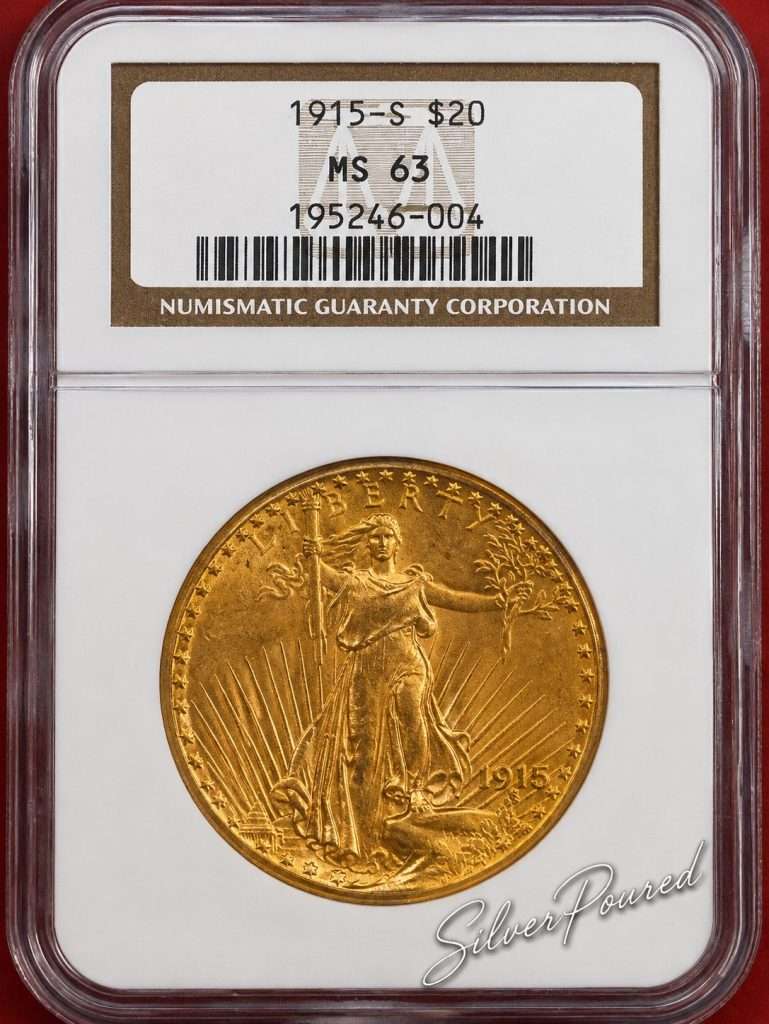
Certified coins add another layer because the holder identifies the grading service, grade, and certification number, while assay-packaged bars may include refiner information and serialized identification. These features can support confidence, but collectors should still verify high-value purchases through appropriate channels rather than assuming packaging alone proves authenticity.

Common Gold Buying Mistakes
A common mistake is focusing only on the lowest advertised price without comparing the complete product and transaction. Weight, purity, premium, dealer reputation, shipping, payment method, product recognition, condition, and resale expectations can all affect whether the purchase is actually competitive.
Another mistake is assuming that every premium will be recovered later. Buyers who shop gold for collectible reasons should understand that secondary-market demand can change. A premium may reflect scarcity or craftsmanship, but it may also reflect temporary popularity, packaging, or retail conditions that do not transfer fully to resale.
Buyers can also overcomplicate a collection by purchasing products that do not match their objectives. Someone focused on low-cost bullion accumulation may not need expensive collector releases, while a collector who values historic or certified pieces may not be satisfied with generic bars purchased solely for low premium.
Finally, neglecting documentation or storage can create unnecessary problems later. A high-value collection is easier to manage when the owner knows what was purchased, where it came from, what documentation belongs with it, and how it is being protected.
Shop Gold with SilverPoured
Shop Gold was created to help collectors compare fractional gold, one-ounce bullion, government-issued coins, private-mint bars, certified pieces, collectible releases, premiums, liquidity, storage, and long-term ownership through one educational resource. The goal is not to reduce every decision to spot price, but to explain the factors that determine whether a product fits the buyer’s purpose.
Buyers who shop gold with a clear framework can compare products more effectively. Understanding fine-gold content, premium structure, recognition, liquidity, authentication, documentation, and collector demand helps separate a good fit from a purchase that simply looks attractive in the moment.
Whether you are making a first gold purchase or refining an established precious-metals collection, informed ownership comes from combining product knowledge with disciplined buying. Shop Gold is designed to support that process while connecting collectors with the broader SilverPoured library of bullion education, pricing tools, calculators, and collector resources.
Related SilverPoured Resources
Continue researching Shop Gold through SilverPoured resources covering fractional gold, sovereign bullion coins, gold values, premiums, precious-metals buying, and collector-focused market education.
Gold Bullion and Collector Guides
American Gold Buffalo Value
Gold Britannia Value
Maple Leaf Value
Quarter Eagle Value Guide
Why Fractional Gold Costs More
Premiums and Bullion Buying
Premium Over Spot Explained
Why Bullion Dealers Charge Premiums
Best Silver Dealers
Best Place to Buy Silver Online
Precious Metals IRA Guides
Physical Metals and Market Education
Shop Silver
Shop Copper
What Is My Silver Worth?
How Is the Price of Silver Determined?
Poured’s BullionEngine
Purchase Precious Metals from a Trusted Dealer
Collectors who shop gold may compare government-issued coins, fractional products, private-mint bars, and other physical precious metals before deciding what best fits their goals. Weight and purity establish the underlying metal content, while premium, recognition, liquidity, packaging, condition, and collector demand can influence the total purchase price.
Golden State Mint offers gold, silver, copper, fractional precious metals, and other modern bullion products for collectors and stackers. Comparing standardized bullion from an established dealer can help buyers evaluate product specifications, premiums, available weights, and physical-metal formats before purchasing.
Collector Insight
The best product for someone who wants to shop gold depends on the job that gold is expected to perform. A low-premium bar can emphasize efficient metal ownership, a recognized sovereign coin can emphasize liquidity and familiarity, and a fractional or collectible issue can emphasize flexibility or collector appeal. Comparing purpose before premium makes very different gold products easier to evaluate on their own merits.
Keep SilverPoured Free
SilverPoured is built to help collectors and precious-metals investors make smarter decisions through free calculators, original photography, coin research, value references, collector education, and independent market resources. Every page is created to make valuable precious-metals information available without requiring a paid subscription.
This Shop Gold resource combines original SilverPoured photography with education covering fractional gold, bullion coins, bars, premiums, liquidity, authentication, storage, documentation, and long-term physical-gold ownership. Every contribution helps fund continued precious-metals research, original photography, calculator development, and expansion of the free SilverPoured Authority Library.
Your support allows SilverPoured to remain independent while building one of the web’s most comprehensive free libraries for coin collectors, bullion buyers, precious-metals researchers, and long-term investors.