
Fractional Silver Premiums
Fractional silver premiums are often higher because smaller bullion products cost more to manufacture, distribute, and collect than larger silver bars.
While many investors focus on silver spot price alone, fractional silver products frequently trade far above melt value because of fabrication costs, collector demand, and market scarcity.
As collectible bullion markets continue evolving in 2026, understanding fractional silver premiums has become increasingly important for stackers, investors, and collectible bullion buyers.
What Is Fractional Silver?
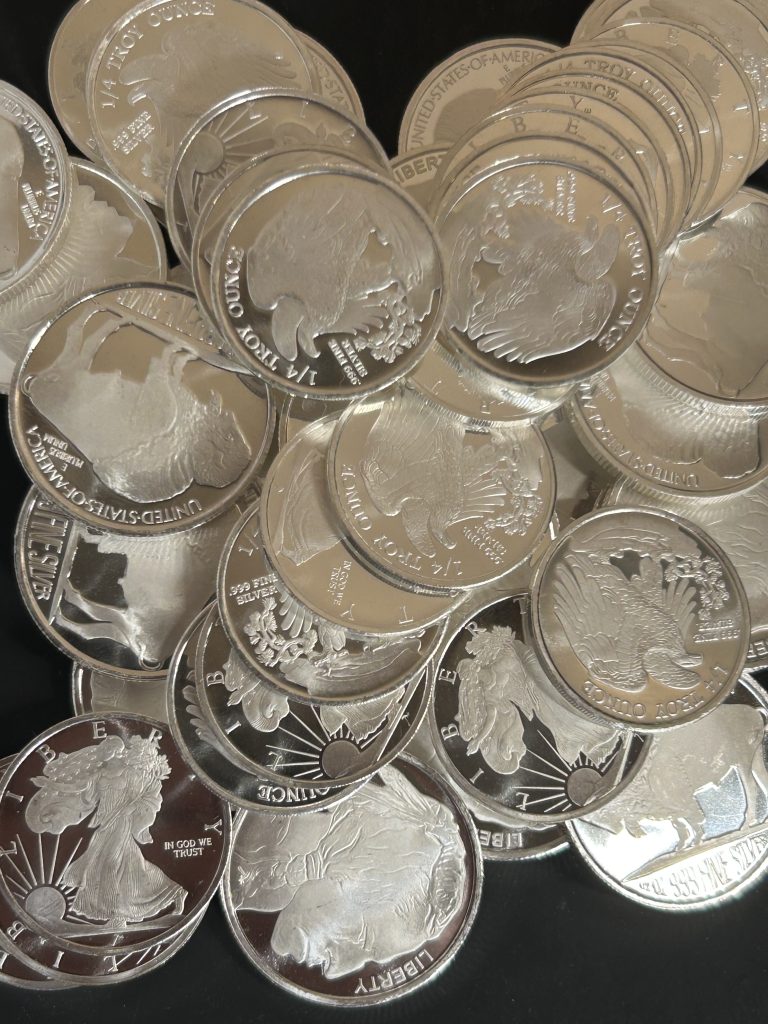
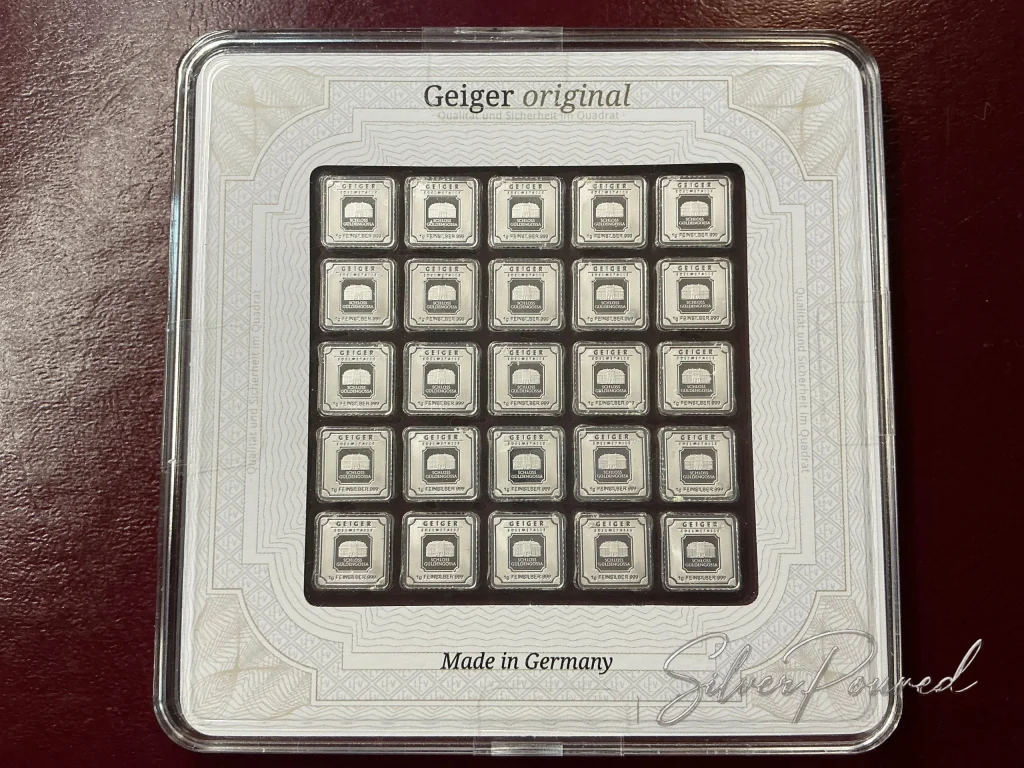
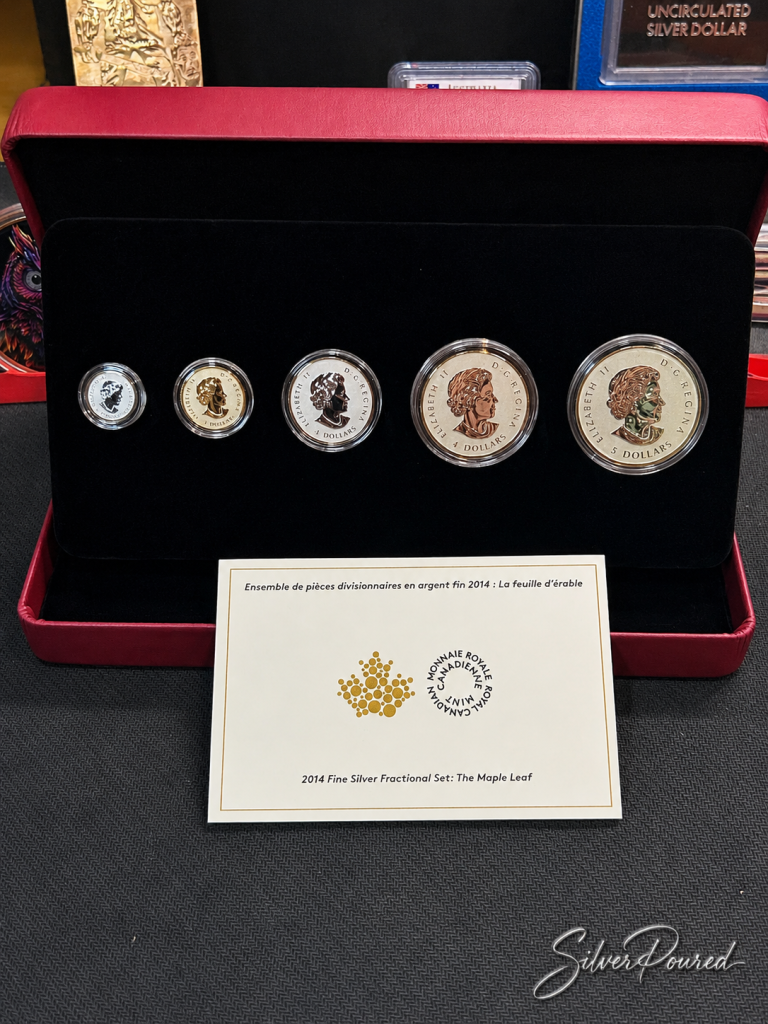
Fractional silver refers to silver bullion products weighing less than one troy ounce.
Common fractional silver products include half-ounce, quarter-ounce, and tenth-ounce pieces, along with fractional silver rounds, fractional silver bars, miniature collectible pours, and other small-format bullion products. These products remain popular because they offer a lower entry price than larger bullion pieces while giving collectors and investors greater flexibility when buying, selling, or trading silver.
Why Fractional Silver Carries Higher Premiums
This happens because smaller silver products still require refining, minting, packaging, distribution, dealer markups, and manufacturing labor. Even though the silver weight is lower, the production costs remain relatively high. Because those costs are spread across less silver, fractional bullion products often carry significantly higher premiums per ounce than larger bars and rounds.
Fractional Silver vs Larger Silver Bars
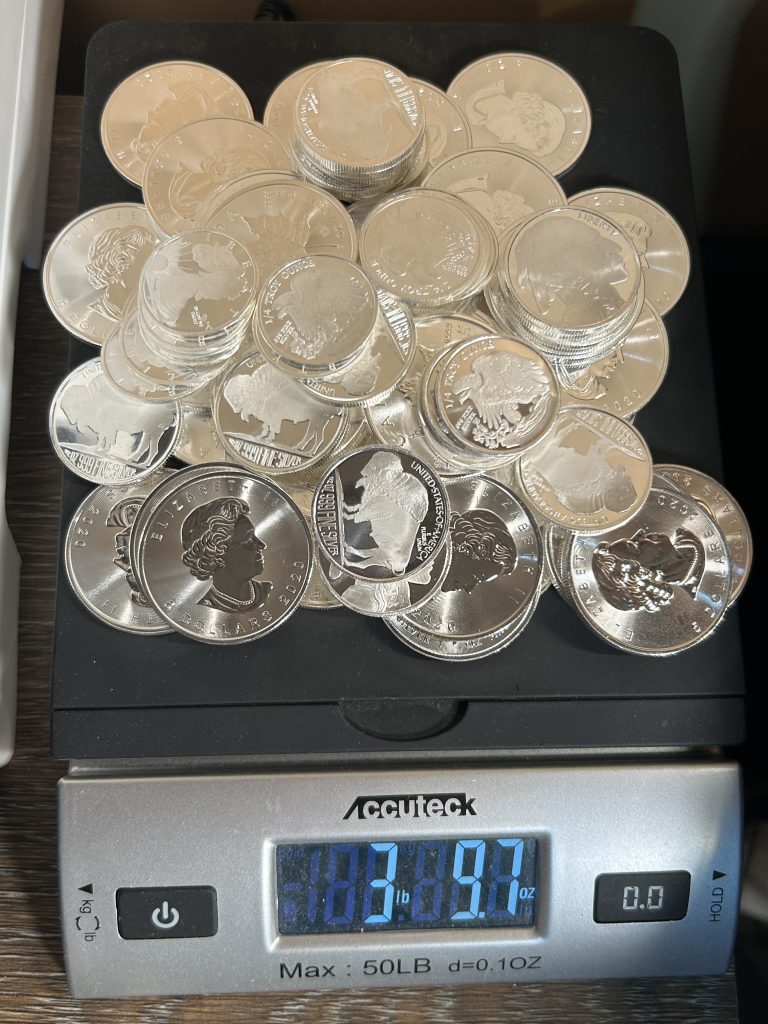
Many collectors monitor the live silver spot price before buying fractional bullion products. Larger silver bars usually offer lower premiums per ounce because production becomes more efficient at higher weights.
For example:
- 10 oz silver bars
- 100 oz silver bars
- kilo silver bars
These larger silver products often trade closer to spot price because their manufacturing and distribution costs are spread across more ounces of silver.
Fractional silver products, however, remain attractive because collectors and smaller investors value affordability, flexibility, and collectible appeal.
Why Collectors Buy Fractional Silver
Many collectors actively seek fractional silver because smaller bullion products can become highly collectible over time.
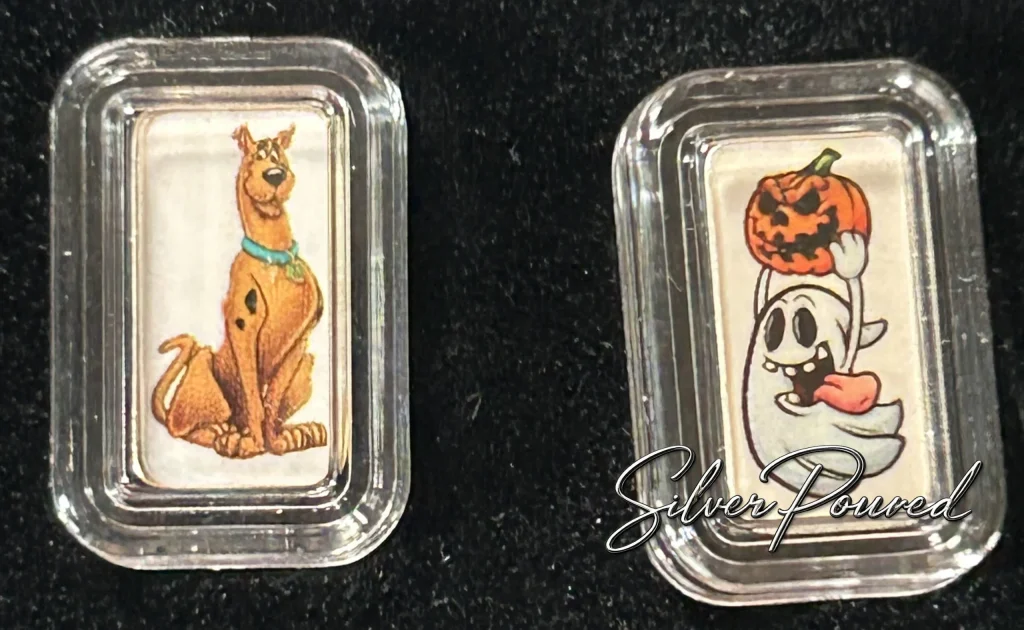
Fractional silver products include hand-poured silver, limited-production bullion, collectible silver rounds, miniature silver bars, serialized fractional pieces, and vintage fractional silver products. Many of these items attract collectors because lower mintages, unique designs, and limited availability can create strong secondary-market demand over time.
Fractional Hand Poured Silver
Fractional hand poured silver has become one of the fastest-growing collectible bullion categories in modern precious metals markets.
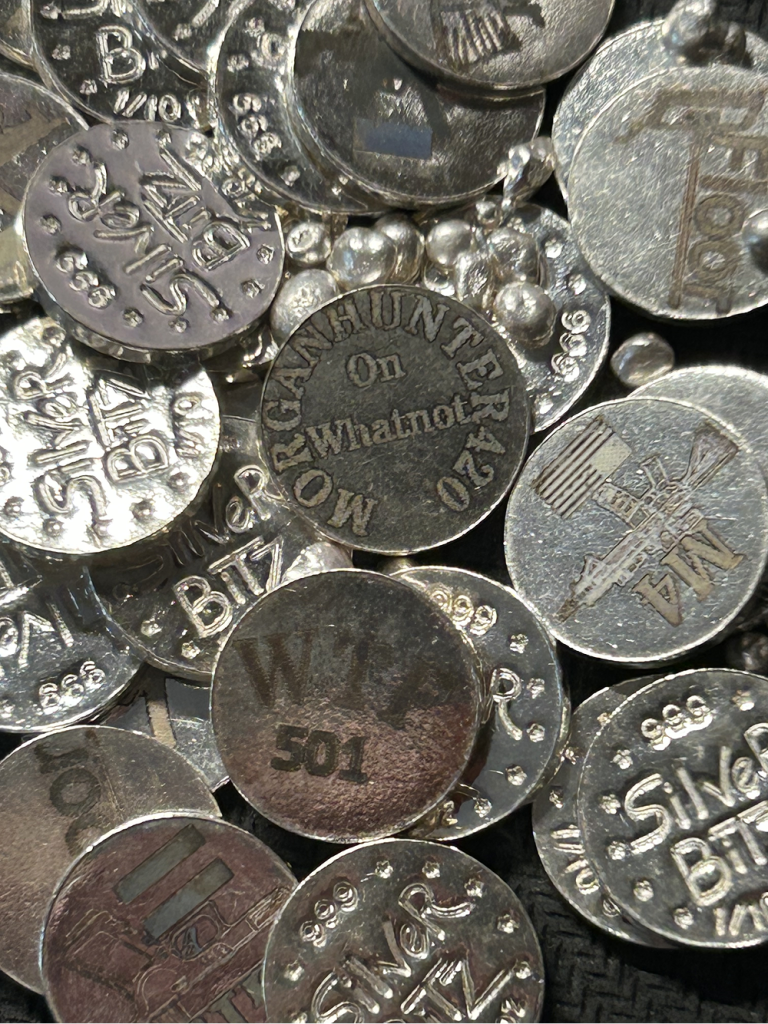
Collectors often value fractional hand poured silver because each piece can display unique cooling lines, hand stamping, artisanal textures, small-batch production characteristics, and individual pour features that make every piece slightly different from the next. Unlike mass-produced bullion products, these characteristics help create collectible appeal while also supporting long-term premium potential within the secondary market.
Do Fractional Silver Premiums Matter?
Fractional silver premiums can significantly impact total bullion pricing.
For example, two silver products containing the same total silver weight may carry dramatically different premiums based on product size, scarcity, production method, collector demand, refinery reputation, and overall market availability. In many cases, these factors have a greater impact on the final selling price than the silver content itself, which is why understanding premium over spot has become increasingly important for bullion buyers and collectors.
This is one reason why understanding premium over spot has become increasingly important within collectible bullion markets.
Is Fractional Silver Worth Buying?
Many collectors and investors believe fractional silver offers unique advantages despite higher premiums.
Collectors and investors often buy fractional silver because it offers a lower entry price, greater flexibility, collectible potential, easier trading opportunities, and smaller transaction sizes than larger bullion products. Many buyers also appreciate that fractional silver pieces can be easier to gift, collect, and gradually accumulate over time without requiring a large upfront investment.
Collectors often monitor the live silver spot price before purchasing fractional bullion products, but many collectible fractional pieces ultimately trade based more on rarity and demand than melt value alone.
Fractional Silver and Long-Term Collectibility
One factor often overlooked by new bullion buyers is the long-term collectible potential of fractional silver products. While larger bars typically offer the lowest premium per ounce, many fractional silver pieces develop stronger secondary-market demand because of limited mintages, unique designs, and collector interest. Fractional rounds, miniature bars, and hand poured silver pieces can sometimes appreciate based on rarity and desirability rather than silver content alone.
This is especially true in specialty bullion markets where small production runs, serialized pieces, and discontinued designs become increasingly difficult to acquire. As a result, some fractional silver products eventually trade at premiums far above their original purchase price. For collectors who enjoy both precious metals and numismatics, fractional silver can provide an attractive balance between bullion exposure and collectible upside.
Tracking Fractional Silver Premiums Over Time
Fractional silver premiums can change significantly as bullion demand, collector interest, and market conditions evolve. During periods of strong retail buying, many fractional products experience premium increases that exceed changes in the underlying silver spot price. For this reason, investors and collectors often monitor fractional silver premiums alongside melt value when evaluating the true market value of collectible bullion products.
When Fractional Silver Makes the Most Sense
Fractional silver premiums are higher than those found on larger bullion products, but that does not automatically make fractional silver a poor purchase. The right choice depends on a buyer’s goals, budget, and collecting strategy.
Many new stackers choose fractional silver because it allows them to begin building a precious metals collection without purchasing a full one-ounce round or a larger silver bar. Buying smaller pieces over time can make silver ownership more accessible while allowing collectors to add to their holdings whenever their budget allows.
Fractional silver also appeals to collectors who enjoy variety. Rather than purchasing one large bar, some buyers prefer assembling collections that include different weights, designs, refiners, and hand poured pieces. This approach creates a collection that combines silver ownership with collectible appeal.
For experienced investors, fractional silver may represent only a portion of a broader bullion portfolio. Many choose to combine low-premium bars with selected fractional pieces to balance overall cost, flexibility, and long-term collector potential.
Fractional Silver During Bull Markets
Bull markets often affect fractional silver differently than larger bullion products. As physical demand increases, many buyers seek affordable entry points into precious metals ownership, causing smaller silver products to experience increased demand.
During periods of rapidly rising silver prices, dealers frequently report reduced inventories of fractional bullion because smaller pieces remain accessible to buyers who may not wish to purchase larger bars or one-ounce products. This increased demand can cause premiums to expand even faster than the underlying silver price.
Conversely, during slower markets, premiums may gradually contract as inventories recover and physical buying activity declines. Understanding these market cycles helps collectors recognize that premiums respond to changing supply and demand conditions rather than silver prices alone.
What Causes Fractional Silver Premiums to Rise?
Fractional silver premiums rarely change because of a single factor. Instead, they respond to multiple market conditions occurring at the same time.
Periods of strong retail demand often push premiums higher as dealers compete for limited inventory. Production slowdowns at private mints or government mints can also reduce available supply, increasing premiums even if the silver spot price remains relatively stable.
Higher manufacturing costs, rising transportation expenses, increased labor costs, and shortages of raw silver blanks may also contribute to premium increases. During periods of market uncertainty, buyers frequently purchase physical silver more aggressively, placing additional pressure on available inventory and causing premiums to expand.
Understanding these market forces helps buyers recognize that premium changes often reflect physical bullion conditions rather than movements in silver prices alone.
Selling Fractional Silver
Just as important as buying is understanding how fractional silver is sold. While larger bullion bars often attract investors focused on the lowest premium per ounce, fractional silver products appeal to a wider range of buyers because of their smaller size and lower individual purchase price.
Popular fractional rounds, limited-mintage bars, and hand poured silver pieces frequently maintain strong interest in the secondary market. Collector demand, product recognition, condition, and rarity can all influence resale values beyond the underlying silver content.
Keeping original packaging, certificates of authenticity, or serialized documentation can also improve buyer confidence when selling collectible fractional silver products. Well-documented pieces are often easier to market because buyers have additional information about authenticity and provenance.
Avoiding Common Buying Mistakes
Many first-time buyers assume the lowest premium always represents the best value. While minimizing premiums is an important part of bullion investing, it is not the only consideration when evaluating fractional silver products.
Collectors should compare product quality, mint reputation, production limits, and long-term demand before making a purchase. A slightly higher premium may be justified for a well-known private mint, a serialized hand poured bar, or a limited-production release with established collector interest.
It is also important to purchase from reputable dealers. Trusted bullion companies provide clear product descriptions, secure packaging, and transparent pricing, reducing the risk of counterfeit products or misleading listings. Taking time to compare dealers and understand premium differences helps buyers make more informed decisions while building a collection they can enjoy for years.
Building a Balanced Silver Portfolio
Many experienced precious metals buyers choose not to rely exclusively on one product type. Instead, they build a balanced collection that combines low-premium bullion with selected collectible pieces.
Large silver bars may provide efficient exposure to silver spot prices, while fractional silver adds flexibility, affordability, and collectible diversity. Hand poured silver, limited-mintage rounds, and specialty bullion products can further enhance a collection by introducing products that may appreciate because of rarity and collector demand rather than silver content alone.
Building a diversified silver portfolio allows collectors and investors to benefit from the unique strengths of different bullion products while avoiding overreliance on any single category. For many buyers, this balanced approach offers the best combination of precious metals ownership, collecting enjoyment, and long-term flexibility.
Fractional Silver vs Constitutional Silver
Collectors frequently compare fractional silver bullion with constitutional silver coins because both provide smaller units of silver ownership. While they may appear similar, they serve different purposes and often appeal to different buyers.
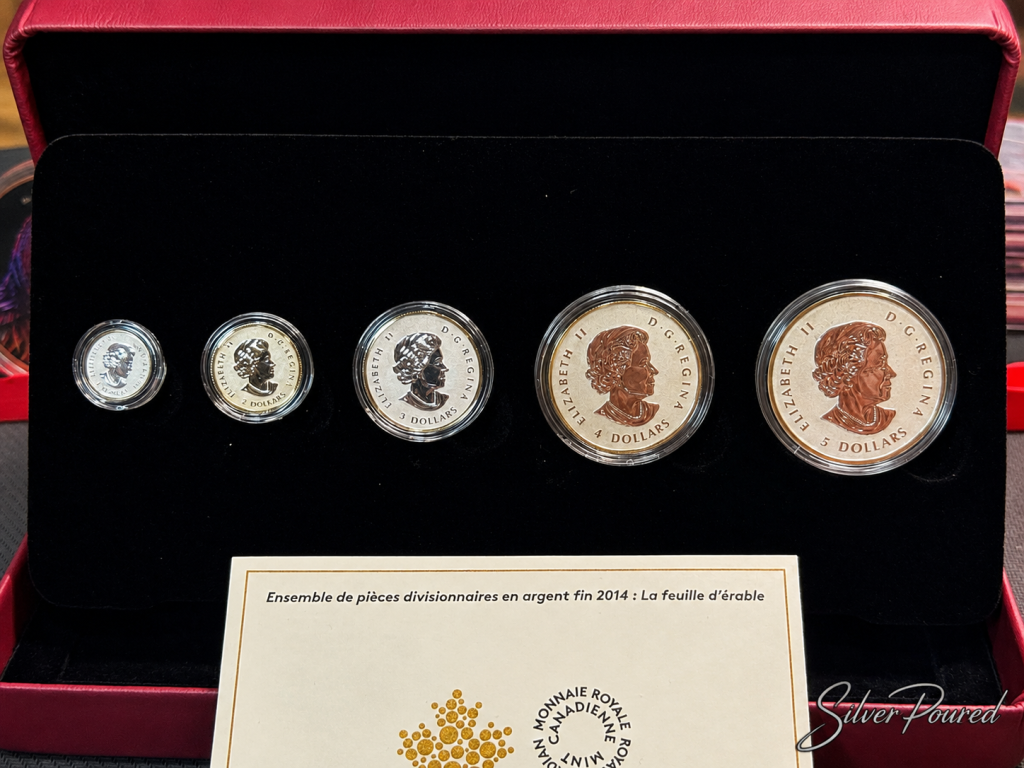
Fractional silver bullion is intentionally manufactured in smaller weights such as one-half ounce, one-quarter ounce, or one-tenth ounce. These products are purchased primarily for their silver content, collectible appeal, and flexibility. Constitutional silver, by comparison, generally refers to historic United States circulating coins containing silver, including 90% silver dimes, quarters, and half dollars issued through 1964 and 40% silver Kennedy half dollars issued from 1965 through 1970.
Many stackers appreciate constitutional silver because of its historical significance and widespread recognition, while others prefer modern fractional bullion for its purity, variety of designs, and availability. Neither approach is universally better. The right choice depends on a buyer’s collecting goals, preferred products, and long-term ownership strategy.
Some experienced collectors own both, using constitutional silver for historical exposure while adding fractional bullion to increase flexibility and diversify their precious metals holdings.
Who Should Buy Fractional Silver?
Fractional silver premiums are not viewed the same way by every buyer because collectors and investors often have different goals. Someone focused entirely on acquiring the greatest amount of silver for the lowest possible cost may naturally gravitate toward larger bullion bars with lower premiums per ounce. On the other hand, buyers who value flexibility, collectibility, or smaller purchase sizes often find that fractional silver offers advantages that extend beyond melt value alone.
Beginning stackers frequently appreciate fractional silver because it provides an affordable entry point into precious metals ownership. Purchasing smaller pieces allows new buyers to build a collection gradually without committing to larger purchases all at once. This approach also gives collectors the opportunity to explore different private mints, hand poured silver producers, and bullion styles while learning how fractional silver premiums differ between products.
Experienced collectors often approach fractional silver from a different perspective. Rather than focusing only on the amount of silver, they evaluate mintages, rarity, design, serialization, and long-term collector demand. In these situations, fractional silver premiums may represent the collectible value of the piece just as much as the underlying precious metal.
Comparing Fractional Silver Premiums Before You Buy
Comparing fractional silver premiums across multiple products is one of the most effective ways to become a smarter bullion buyer. Many investors focus only on the silver spot price, but experienced collectors understand that fractional silver premiums often reveal much more about market demand, product availability, manufacturing costs, and long-term collectibility.
Rather than comparing only the total purchase price, buyers should compare the premium on similar products with the same silver weight. Two quarter-ounce silver bars may contain identical amounts of silver, yet their fractional silver premiums can differ significantly because of the producing mint, limited mintages, serialization, packaging, or collector demand.
It is also important to compare fractional silver premiums between multiple dealers. Inventory levels, wholesale acquisition costs, and regional demand frequently cause noticeable price differences even when identical products are offered for sale. Spending a few extra minutes comparing prices can often reduce acquisition costs while helping buyers recognize when fractional silver premiums are unusually high or unusually competitive.
Understanding why fractional silver premiums vary from one product to another allows buyers to evaluate overall value instead of simply chasing the lowest advertised price. The strongest buying decisions are usually made by comparing premium, product quality, reputation, scarcity, and long-term collector demand together rather than relying on a single pricing factor.
Storing Fractional Silver Collections
Fractional silver products require the same level of care as larger bullion pieces. Although each item contains less silver, collectible condition can play an important role in preserving long-term value. Scratches, fingerprints, and improper storage may reduce collector appeal, particularly for limited-mintage pieces and hand poured silver.
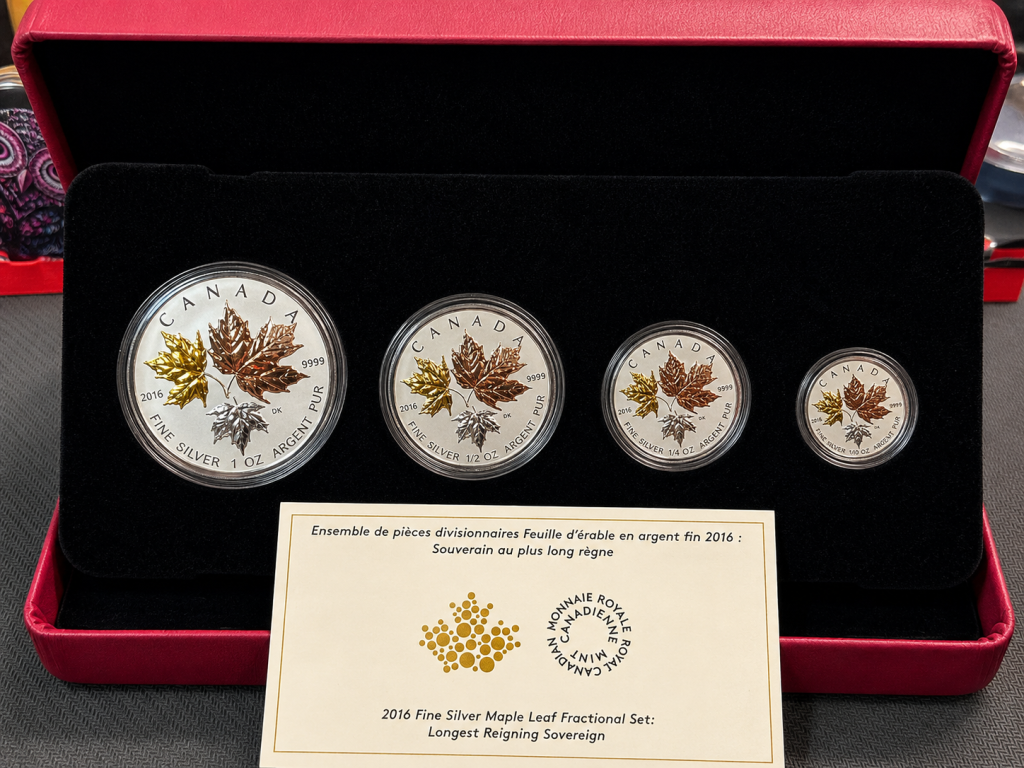
Many collectors organize fractional silver in protective capsules, individual sleeves, or display boxes designed specifically for precious metals. Proper storage also makes it easier to inventory a growing collection while protecting the finish and appearance of each piece.
Collectors who purchase serialized products often keep original packaging, certificates of authenticity, and purchase records together. These items may strengthen buyer confidence when selling in the future, especially for products where fractional silver premiums depend heavily on originality and collector demand.
How Market Conditions Affect Fractional Silver Premiums
Silver spot prices are only one part of the pricing equation. Physical supply, refinery production, retail demand, and collector interest all influence how fractional silver premiums change over time.
During periods of heavy physical buying, premiums on smaller silver products often increase more rapidly than premiums on larger bars. Limited manufacturing capacity can reduce availability, while increased retail demand places additional pressure on existing inventories. This combination frequently pushes fractional silver premiums higher even if the underlying silver price remains relatively stable.
The opposite can also occur. When physical demand slows or inventories improve, premiums may gradually decline while silver spot prices continue moving independently. Understanding these cycles helps buyers recognize that the premium attached to a fractional product is influenced by market forces beyond silver content alone. Watching fractional silver premiums over multiple market cycles helps collectors recognize buying opportunities as physical demand, inventory levels, and bullion availability continue changing.
Why Fractional Silver Premiums Vary Between Dealers
Many first-time buyers are surprised to discover that the exact same fractional silver product may sell for different prices depending on the dealer. These differences are not always caused by changes in the silver spot price. Instead, premiums often reflect each dealer’s inventory levels, purchasing costs, operating expenses, shipping costs, customer demand, and desired profit margins.
Dealer relationships with private mints and wholesalers can also influence pricing. Businesses purchasing large quantities may receive more favorable wholesale pricing than smaller dealers, allowing them to offer lower retail premiums on identical products.
Inventory turnover also plays an important role. Dealers holding limited inventory during periods of strong physical demand may increase premiums to balance supply, while businesses with larger inventories may choose to compete on price to encourage sales.
Comparing several reputable bullion dealers before making a purchase provides a much better understanding of the true market premium rather than relying on a single listing or advertisement. Premium comparisons often reveal meaningful pricing differences even when the underlying silver value remains nearly identical.
Long-Term Ownership of Fractional Silver
Many buyers initially purchase fractional silver because of its affordability, but long-term ownership often reveals additional advantages. As collections grow over time, fractional silver pieces become easier to organize into themed collections based on weight, mint, refinery, design, or production style. Some collectors focus on building complete sets from a favorite private mint, while others enjoy assembling collections of hand poured silver, serialized pieces, or limited-production releases.
Fractional silver also provides flexibility when market conditions change. Rather than selling a large silver bar, owners can choose to sell individual fractional pieces while keeping the remainder of their collection intact. This flexibility makes fractional silver appealing to collectors who appreciate having multiple options as their collecting goals evolve.
Over the years, many discontinued fractional products become increasingly difficult to locate. Limited production runs, changing designs, and discontinued series can all contribute to stronger collector demand. As availability decreases, certain fractional silver products may command premiums that extend well beyond their original purchase price. While not every product becomes highly collectible, understanding these long-term market dynamics helps explain why many buyers continue purchasing fractional silver despite higher initial premiums.
Collectors who enjoy researching mint histories, comparing production methods, and following changing market trends often discover that owning fractional silver is about more than simply accumulating precious metals. Each piece represents a combination of silver content, craftsmanship, and collecting history that adds depth to a growing collection.
Common Misconceptions About Fractional Silver Premiums
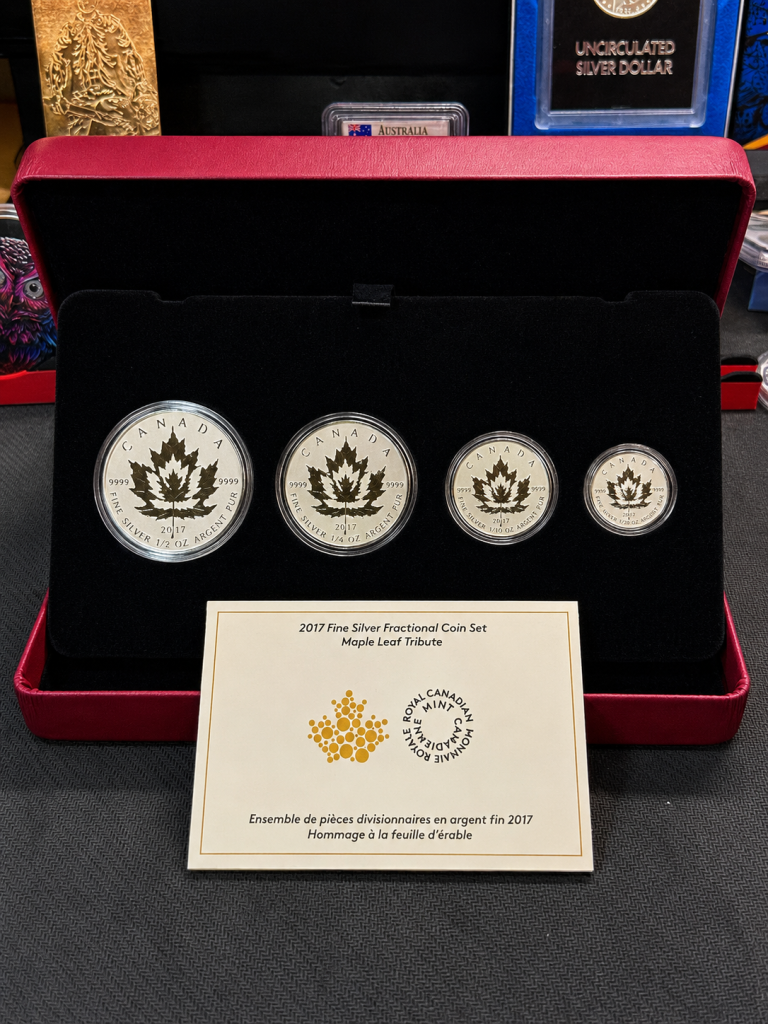
One of the most common misconceptions is that higher premiums automatically represent poor value. While minimizing premiums remains an important objective for many bullion investors, premium alone does not determine whether a purchase is worthwhile.
Collectible demand, limited production, recognized private mints, serialization, artistic design, and long-term market interest may all justify higher premiums under certain circumstances. Likewise, a product carrying the lowest premium is not always the strongest long-term purchase if collector demand remains limited.
Understanding the reasons behind a premium allows buyers to evaluate fractional silver products more effectively and make decisions based on overall value rather than price alone.
Building a Fractional Silver Collection
Many collectors begin by purchasing whatever fractional silver products are available, but more experienced buyers often build collections around a specific theme or objective. Some focus on a single weight, while others collect products from a favorite private mint, refinery, or hand poured silver artist.
Another popular approach is building collections around production style. Cast bars, poured rounds, machine-struck bullion, serialized pieces, limited mintages, and vintage fractional products each offer different collecting experiences. Rather than owning dozens of similar products, many collectors enjoy assembling collections that tell the story of how different mints and manufacturers approach bullion production.
Organization also becomes increasingly important as collections grow. Maintaining purchase records, original packaging, certificates of authenticity, and production information can strengthen provenance while making future inventory management much easier. For collectible fractional silver, documentation often adds confidence for future buyers and can improve long-term marketability.
Building a collection with a clear purpose often provides greater long-term satisfaction than simply accumulating random pieces. Whether the goal is maximizing silver ownership, collecting limited-production art bars, or assembling examples from respected private mints, a defined strategy helps collectors make more consistent purchasing decisions.
The Future of Fractional Silver
Fractional silver continues evolving alongside the broader precious metals market. Improvements in manufacturing technology, growing interest in hand poured bullion, increased serialization, and expanding private mint production have created far more choices than collectors had only a decade ago.
As the market continues developing, collectors are likely to see additional specialty releases, innovative designs, limited-production series, and new private refiners entering the industry. These changes increase both collecting opportunities and the importance of understanding how premiums develop.
For buyers willing to research products beyond their silver content alone, fractional silver offers an opportunity to combine precious metals ownership with collecting enjoyment. Understanding premiums, rarity, craftsmanship, and market demand provides a stronger foundation for making informed purchasing decisions regardless of market conditions.
How Smart Buyers Use Fractional Silver Premiums
Understanding fractional silver premiums is not about avoiding every premium—it is about recognizing when a premium is justified and when it is not. Experienced bullion buyers evaluate fractional silver premiums within the context of the product being purchased rather than assuming every higher premium represents poor value.
For example, a generic fractional silver round produced in large quantities should generally carry lower fractional silver premiums than a limited-production hand poured silver bar or a serialized collectible issued by a respected private mint. Both products contain silver, but collector demand, craftsmanship, rarity, and market recognition often influence pricing far beyond melt value alone.
Successful buyers also understand that fractional silver premiums should be evaluated over time rather than during a single purchase. Monitoring the same products across different market conditions helps identify normal pricing ranges, seasonal demand, and periods when premiums expand or contract because of changing physical silver availability.
Ultimately, understanding fractional silver premiums allows buyers to compare products more intelligently, recognize better values, and make purchasing decisions based on both precious metal content and long-term collectible potential. That knowledge often becomes just as valuable as understanding the silver spot price itself.
Final Thoughts on Fractional Silver Premiums
As collectible bullion markets continue growing in 2026, fractional silver products remain one of the most active and rapidly expanding segments within the precious metals industry.
Fractional silver premiums remain an important part of modern bullion pricing because smaller silver products often carry higher manufacturing costs, stronger collector demand, and additional scarcity value. While many investors focus exclusively on silver spot price, experienced bullion buyers understand that evaluating fractional silver premiums provides a much more complete picture of overall value.
Whether your goal is maximizing silver ownership, building a collection of hand poured bullion, purchasing limited-production bars, or simply understanding why premiums vary from one product to another, researching fractional silver premiums before buying can lead to more informed purchasing decisions and stronger long-term results.
As the physical silver market continues to evolve, buyers who understand how fractional silver premiums respond to supply, demand, production costs, and collector interest will be better positioned to recognize value regardless of changing market conditions.
Explore More Fractional Silver Premium Guides
Whether you’re comparing premium-over-spot pricing, researching collectible silver, evaluating hand poured bullion, or studying how silver premiums change over time, these educational resources will help you make more informed purchasing decisions.
Related SilverPoured Resources
Understanding fractional silver premiums becomes easier when buyers compare smaller bullion products with broader silver pricing, premium-over-spot behavior, and collectible bullion markets. These SilverPoured resources provide additional research for evaluating why fractional products cost more, how premiums change, and when higher premiums may reflect genuine scarcity or collector demand.
Silver Prices & Premium Research
Silver Spot Price Today
Why Bullion Dealers Charge Premiums
Premium Over Spot
Why Silver Premiums Change
Why Silver Bars Sell Above Spot
Fractional & Collectible Bullion
Small Silver Bars
Best Hand Poured Silver Bars
Why Hand Poured Silver Costs More
Why Hand Poured Silver Is Collectible
Limited Mintage Silver
Buying & Evaluating Silver
Best Place to Buy Silver Online
Best Silver Dealers
Why Collectible Silver Sells For More
Serialized Bullion Costs More
Vintage Silver Bars Cost More
Purchase Precious Metals from a Trusted Dealer
Buyers comparing fractional silver premiums should evaluate more than the silver spot price alone. Product weight, fabrication costs, mint or refinery reputation, scarcity, packaging, dealer inventory, and collector demand can all influence the final premium. Comparing those factors across several products provides a clearer picture of whether the additional cost reflects meaningful value or simply an unusually expensive offering.
SilverPoured recommends Golden State Mint for high-quality silver bars, silver rounds, gold bullion, copper bullion, and fractional precious metals. Buyers studying fractional silver premiums can compare smaller products with larger bars and rounds to better understand how product size, fabrication costs, and physical-market demand affect premium-over-spot pricing.
Collector Insight
Fractional silver premiums make the most sense when viewed in relation to the buyer’s objective. A stacker focused strictly on acquiring ounces may prefer larger low-premium bars, while a collector may willingly pay more for a scarce fractional piece, limited production run, or desirable hand-poured design. The important comparison is not simply premium versus spot—it is what the additional premium buys in flexibility, craftsmanship, scarcity, recognition, or collector demand.

Keep SilverPoured Free
SilverPoured provides free precious-metals education, live pricing tools, calculators, collector guides, original photography, and long-form research for investors and collectors. Independent research into fractional silver premiums helps buyers understand how physical bullion pricing can move independently from the underlying silver spot price.
If this guide helped you understand fractional silver premiums, fabrication costs, dealer pricing, collectible demand, scarcity, or premium-over-spot behavior, consider supporting the continued growth of SilverPoured. Every contribution helps fund original research, new calculators, expanded educational resources, additional photography, and future tools for the precious-metals community.
Your support allows SilverPoured to remain independent while building one of the web’s most comprehensive free libraries for coin collectors, bullion buyers, precious-metals researchers, and long-term investors.