
What Are Vintage Silver Bars?
Vintage silver bars are older bullion products produced by refiners or mints that are no longer operating or no longer producing specific designs. Unlike newly manufactured bullion that can be replenished through ongoing production, the available supply of many older bars is permanently limited.
Collectors often value vintage bullion because older products preserve pieces of precious-metals history that cannot simply be recreated. Historical refinery markings, rare logos, discontinued designs, limited production runs, serialized production, and older manufacturing styles can all contribute to collector interest.
As surviving examples move into long-term collections, certain vintage silver bars become increasingly difficult to locate. This combination of finite supply, refinery history, recognizable characteristics, and sustained collector demand helps distinguish vintage bullion from ordinary modern products valued primarily for silver content.
Why Vintage Silver Bars Carry Higher Premiums
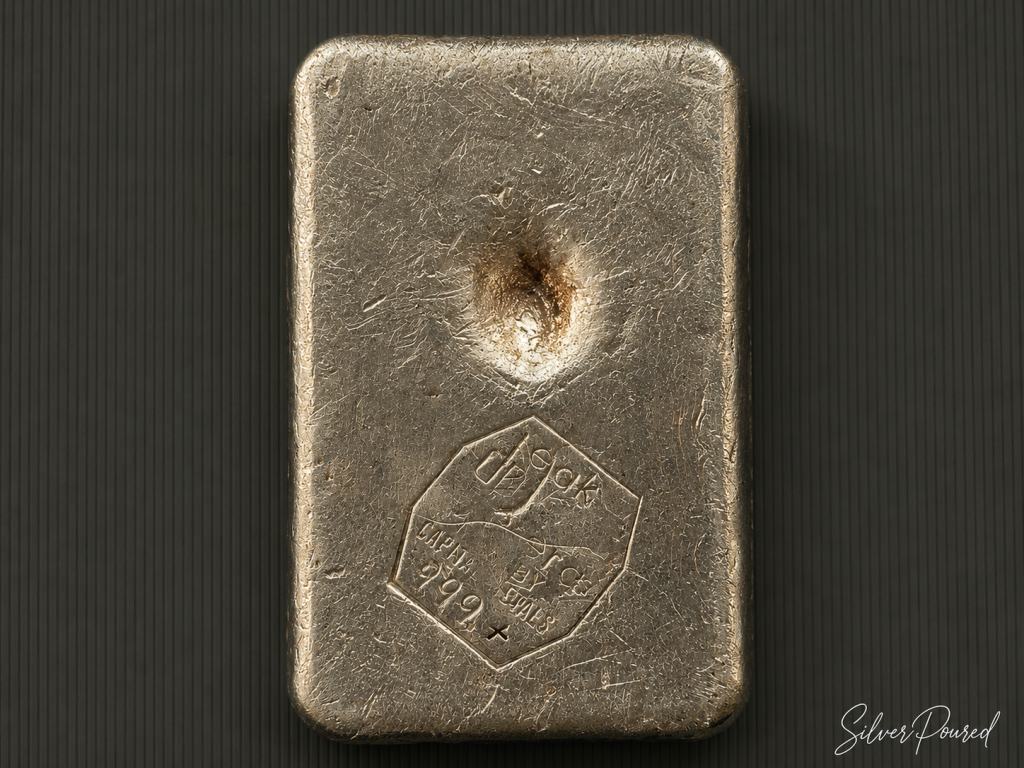
Many vintage silver bars survive in surprisingly small numbers because original production may have been limited and surviving pieces have gradually moved into long-term private collections. When collector demand remains strong while available inventory declines, buyers may compete for the relatively few examples returning to the market, supporting premiums that extend well beyond intrinsic silver value.

Vintage silver bars frequently trade above melt value because their market price can reflect much more than metal content. Scarcity, historical significance, refinery reputation, surviving population, collector demand, secondary-market competition, unusual production characteristics, and desirable serial numbers can all influence premium pricing.
Supply can become particularly important because discontinued products cannot simply be manufactured again to satisfy additional demand. When desirable examples disappear into established collections, replacement becomes more difficult for both collectors and dealers.
Some sought-after vintage bullion can therefore trade for multiples of its intrinsic silver value. That does not mean every old bar is rare or valuable; the strongest premiums generally develop when limited availability is matched by genuine collector interest.
Scarcity and Older Bullion Products
Scarcity remains one of the largest drivers of vintage bullion premiums because the available supply of discontinued products can decline over time. Vintage refinery bars, rare logos, serialized bullion, discontinued pours, older hand-poured silver, and limited-production bars may become progressively harder to locate as examples enter private collections.
Scarcity by itself does not guarantee a premium. An obscure product with little buyer interest can remain difficult to find without becoming especially valuable. Stronger pricing tends to develop when limited supply intersects with refinery recognition, historical significance, distinctive craftsmanship, or an established collector following.
This relationship between supply and demand helps explain why vintage silver bars cost more than otherwise comparable bullion when collectors actively compete for a limited number of surviving pieces.
Vintage Hand Poured Silver
Vintage hand-poured silver remains especially popular among collectible bullion buyers because it combines historical significance with visible evidence of older production methods. Natural cooling lines, hand stamping, irregular surfaces, pour marks, historic refinery character, and small-batch manufacturing can give individual bars distinctive identities.
Those characteristics are not merely decorative. They can provide clues about how a bar was produced and help collectors compare known examples from particular refiners or production periods. Original surfaces and manufacturing characteristics are therefore often important when evaluating collectible appeal.
Unlike generic bullion valued primarily for efficient silver ownership, desirable vintage poured pieces can combine intrinsic metal value with craftsmanship, refinery history, scarcity, and secondary-market collector demand.
Vintage Silver Bars in Today’s Market
Vintage silver bars continue attracting collectors who want physical silver with characteristics that modern mass-produced bullion cannot necessarily provide. Historic refinery products can combine precious-metal ownership with discontinued designs, older manufacturing techniques, scarcity, and a connection to earlier periods of the bullion industry.
Modern bullion remains useful for buyers prioritizing efficient silver accumulation, while vintage products serve a different segment of the market. Understanding why vintage silver bars cost more helps buyers recognize when an asking price reflects genuine collectible characteristics rather than silver content alone.
Do Vintage Silver Bars Hold Value?
Vintage silver bars can derive value from both their intrinsic metal content and their collectible market, but future premiums are never guaranteed. Silver spot price establishes an underlying metal-value component, while scarcity, collector demand, historical significance, refinery reputation, condition, and secondary-market availability can influence the additional amount buyers are willing to pay.
Collectors often monitor the live silver price when evaluating vintage bullion, but desirable older bars may trade primarily according to rarity and demand once their collectible premium becomes substantial. Completed sales of comparable pieces can therefore provide important context alongside spot price.
Understanding why vintage silver bars cost more gives buyers a better framework for evaluating that difference. The goal is not to assume that age automatically creates value, but to determine whether a particular bar has the scarcity, refinery history, originality, craftsmanship, and collector demand needed to support its premium.
How Collectors Identify Vintage Silver Bars
Experienced collectors evaluate far more than silver content when identifying vintage bullion. Refinery markings, stamped logos, serial numbers, poured characteristics, finish, dimensions, weight, purity markings, and manufacturing style can all provide useful evidence about a bar’s origin and production period.
Many older products display characteristics that differ from modern precision-manufactured bullion. Hand-stamped lettering, irregular poured surfaces, natural cooling lines, older refinery logos, distinctive mold shapes, and historical purity stamps can help collectors compare an unknown piece with documented examples.
No single characteristic should automatically establish authenticity or value. When older bars carry substantial premiums, experienced buyers compare several identifying features together and investigate inconsistencies before accepting claims about refinery, age, rarity, or production history.
Vintage Silver Bars vs Modern Bullion
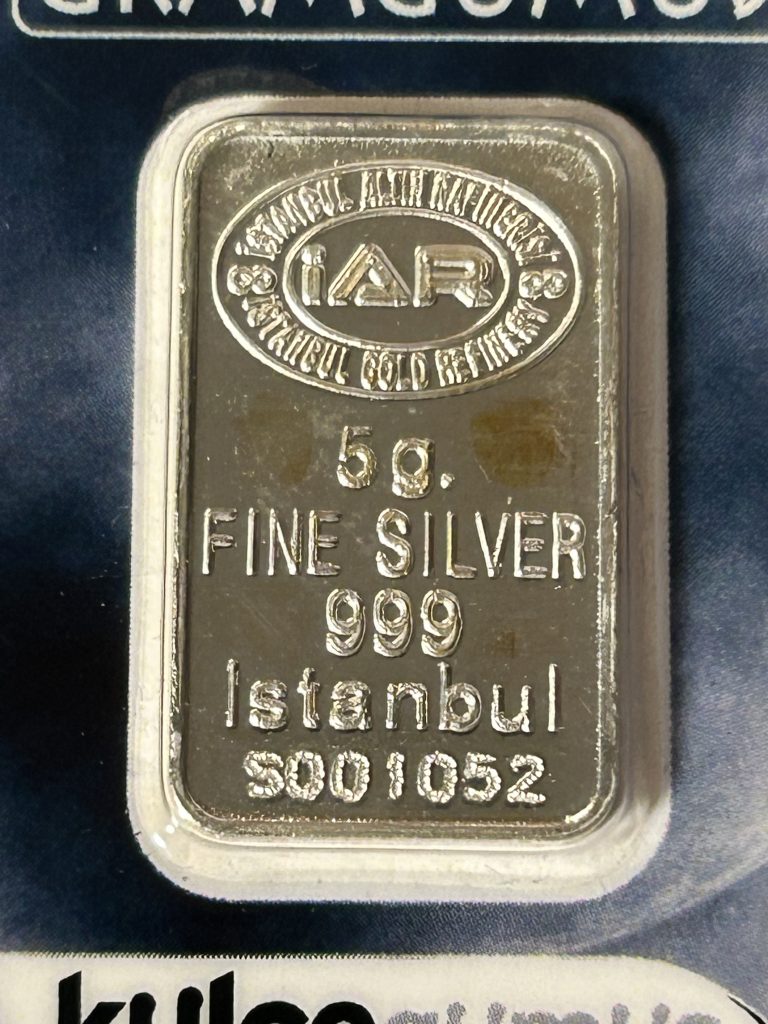
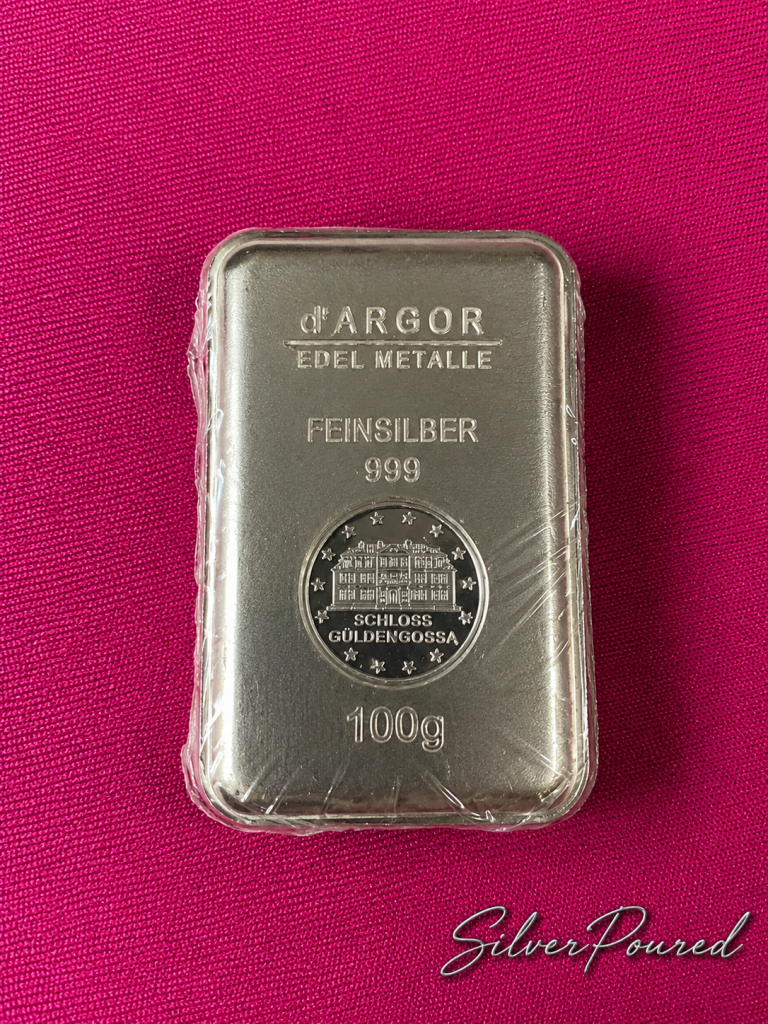
Modern bullion is generally manufactured to provide consistent weight, dimensions, purity, and appearance across large production runs. These products can be excellent choices for buyers focused primarily on efficient silver ownership, recognizable brands, and straightforward liquidity.
Older refinery products often serve a different market. Discontinued refinery marks, older manufacturing techniques, hand-poured finishes, irregular shapes, limited production, and historical associations can create collectible interest that does not exist simply because a bar contains silver.
This distinction helps explain why vintage bullion can cost more than comparable modern products. Buyers may be paying for a finite historical object, recognizable refinery history, unusual craftsmanship, or a scarce surviving example rather than merely purchasing ounces of silver.
What Makes One Vintage Silver Bar More Valuable Than Another?
Not every older silver bar commands the same premium. Age alone does not determine value, and two bars containing identical amounts of silver can trade very differently when collectors view their refinery history, scarcity, condition, or craftsmanship differently.
| Factor | Why It Matters |
|---|---|
| Refinery reputation | Recognized historic refiners may attract stronger collector demand |
| Scarcity | Fewer surviving examples can make replacement more difficult |
| Serial numbers | Individually numbered or unusual examples may interest specialized collectors |
| Condition and originality | Original surfaces, markings, and undisturbed character are often preferred |
| Historical significance | Production era and refinery history can create additional interest |
| Craftsmanship | Distinctive hand-poured characteristics can increase individuality and appeal |
The strongest collectible older bullion often combines several favorable characteristics at once. A recognized refinery, limited surviving supply, original surfaces, unusual production traits, and sustained collector demand can together support a stronger premium than any one factor would create independently.
Buying Vintage Silver Bars
Buying older collectible bullion requires more research than purchasing ordinary modern bullion because many desirable products no longer move through routine retail distribution. Collectors may encounter older refinery pieces through established bullion dealers, coin shows, auctions, estate collections, and experienced private sellers.
Comparing multiple examples can help establish realistic expectations for price and condition. Completed sales are especially useful because asking prices may reflect seller expectations rather than what collectors have actually paid for comparable older bars.
The size of the premium should influence the depth of the research. When a seller asks substantially more than intrinsic silver value, buyers have greater reason to verify refinery markings, dimensions, production style, condition, provenance, scarcity, and market demand before purchasing.
Authenticating Vintage Silver Bars
Authenticating older bullion works best when several characteristics agree. Refinery markings, weight and purity stamps, serial numbers, dimensions, poured surfaces, manufacturing style, and documented provenance can reinforce one another. A convincing logo or aged appearance alone should never substitute for careful comparison when a collectible premium materially exceeds silver value.
Refinery markings are often among the first features examined on older silver bars. Historic logos, stamped names, weight markings, purity designations, and serial numbers can provide clues about where and when a product was manufactured.
Construction methods provide additional evidence. Vintage hand-poured products may display irregular shapes, natural cooling lines, hand-stamped lettering, rounded edges, and surface characteristics created during pouring and cooling. These features can differ from modern bullion, although appearance alone does not prove authenticity.
Collectors can also compare weight and dimensions with documented examples from the same refinery when reliable reference information is available. Significant inconsistencies deserve additional investigation, particularly when rarity or provenance materially affects the asking price.
Original invoices, refinery packaging, auction records, estate documentation, and established ownership history can strengthen provenance. Documentation is not available for every genuine bar, but credible records can improve confidence when they agree with the physical characteristics of the piece.
Historic Refinery Names and Collector Interest
Many historic bullion products remain desirable because they preserve the history of refiners that helped shape the physical precious-metals market. When companies close, change ownership, retire logos, or discontinue product lines, surviving bars become finite examples of those production periods.
Recognized refinery names can develop dedicated collector followings, especially when their products appear infrequently on the secondary market. Familiarity with those manufacturers can help collectors understand why certain older pieces consistently attract stronger interest than other bars of comparable weight.
Refinery reputation should still be evaluated alongside scarcity, originality, condition, historical significance, and demonstrated buyer demand. A famous name cannot guarantee future value, but it can be an important component of collectible appeal when supported by the rest of the evidence.
Preserving Vintage Bullion
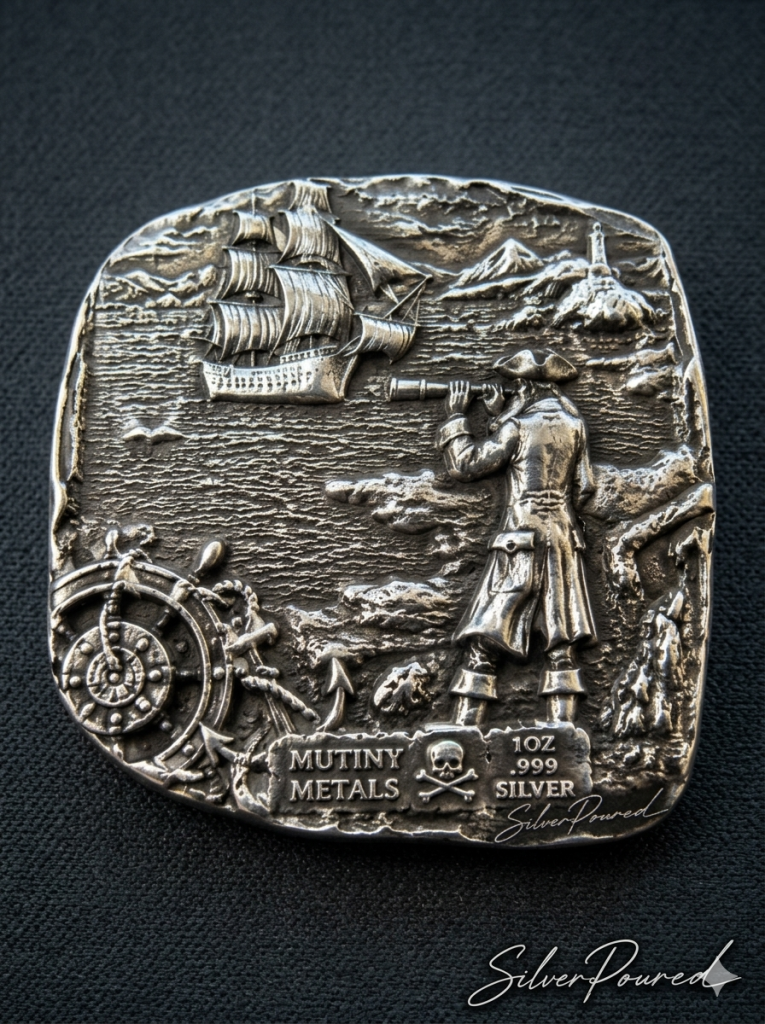
Proper storage helps preserve the condition and collector appeal of older bullion. Protective holders, archival materials, and secure storage can reduce unnecessary handling while helping preserve original surfaces, markings, toning, and other characteristics important to collectors.
Cleaning older bullion is generally discouraged because polishing or chemical treatment can permanently alter original surfaces. Natural toning, poured textures, age-related characteristics, and honest wear may form part of a bar’s history, and aggressive cleaning can reduce collector desirability.
Accurate records are valuable as well. Photographs, purchase information, provenance documents, dimensions, weights, and identifying characteristics can help collectors organize older bullion while supporting future authentication, insurance, estate planning, or resale decisions.
Why Vintage Bullion Becomes More Difficult to Find
Discontinued bullion differs from newly manufactured silver because its original supply cannot expand to satisfy new demand. Many historic refinery products stopped production years or decades ago, leaving collectors to compete for the surviving examples that eventually return to the secondary market.
As desirable vintage bullion moves into long-term collections, fewer examples may circulate through dealers, auctions, estate sales, and private transactions. This gradual reduction in available inventory can make replacement increasingly difficult even when the broader silver market remains well supplied.
This finite-supply dynamic is central to understanding why vintage silver bars cost more. When buyers continue seeking products that cannot be manufactured again, scarcity can become increasingly important to market value.
Comparing Vintage Bullion Across Different Refiners
Different refiners developed their own logos, molds, stamping methods, dimensions, serial-number systems, finishes, and production characteristics. Learning those differences helps collectors identify manufacturers and better understand the historical context surrounding vintage bullion.
Some producers became known for distinctive hand-poured bullion, while others manufactured pressed or serialized products. Changes in logo design, stamp placement, typography, purity markings, and dimensions can sometimes help distinguish different production periods from the same company.
Knowledge of historic refiners also improves price comparison. Collectors who understand which vintage bullion pieces appear regularly and which seldom reach the market are better positioned to determine whether a premium reflects genuine scarcity or merely an ambitious asking price.
Building a Vintage Bullion Collection
Strong vintage bullion collections are usually built through research, patience, and selective purchasing rather than by chasing every available bar. A clear focus—such as a historic refinery, production era, poured style, or serialized series—can make it easier to recognize meaningful additions and avoid paying exceptional premiums for pieces that do not advance the collection.
Some collectors focus on a single historic refinery, while others pursue hand-poured bars, serialized pieces, unusual weights, discontinued logos, or products representing several manufacturers. Either approach can work when the collection has a clear purpose.
| Collection Strategy | Primary Focus |
|---|---|
| Historic Refineries | Build around specific refinery names |
| Hand-Poured Bullion | Emphasize distinctive poured craftsmanship |
| Serialized Bars | Focus on individually numbered pieces |
| Mixed Vintage Collection | Combine multiple refiners, weights, and styles |
| Historic Production Eras | Collect bullion representing different periods |
Patience is especially valuable because desirable vintage bullion may appear only occasionally. Buyers who understand the refinery, product type, and normal market range can wait for stronger opportunities instead of treating every listing as urgent.
Researching Historic Bullion Before Buying
Research provides the context needed to evaluate historic bullion intelligently. Refinery history, production methods, historical markings, documented dimensions, serial-number patterns, previous sales, and known surviving examples can all help buyers understand what they are considering.
Comparing multiple examples is particularly useful. Photographs, dimensions, weight markings, poured characteristics, stamp placement, and condition can reveal whether a prospective purchase is consistent with documented products from the same refinery or production period.
Auction archives, established bullion dealers, collector communities, and long-standing precious-metals references can provide additional evidence about discontinued products. Using several sources reduces dependence on a seller’s description or a single asking price.
Why Vintage Bullion Appeals to Long-Term Collectors
Collectors often appreciate vintage bullion because each surviving piece can represent part of precious-metals manufacturing history. Historic refinery names, discontinued logos, distinctive poured finishes, and older production methods create individuality that differs from standardized modern bullion.
The appeal can extend beyond investment value. Collectors may enjoy researching a refinery, locating difficult examples, comparing production styles, preserving original surfaces, and assembling groups that document particular manufacturers or eras.
That combination of physical silver, history, craftsmanship, scarcity, and collector participation helps explain why vintage bullion remains an established specialty within the broader bullion market.
Final Thoughts on Vintage Silver Bars
Vintage bullion occupies a distinctive place in the precious-metals market because its value can extend beyond silver content alone. Scarcity, refinery history, originality, craftsmanship, condition, surviving supply, and collector demand can all influence the premium attached to an individual bar.
Understanding why vintage silver bars cost more means separating genuine collectible characteristics from age alone. Not every old bar deserves a substantial premium, but desirable vintage bullion from recognized refiners can become increasingly difficult to replace as surviving examples move into established collections.
Collectors evaluating vintage bullion should compare physical characteristics, refinery history, provenance, completed sales, and documented examples before paying materially above intrinsic value. Research becomes increasingly important as the premium grows because vintage bullion pricing can reflect scarcity, history, and collector demand that ordinary silver-value comparisons do not capture. Experienced buyers who research vintage bullion before purchasing are better positioned to distinguish meaningful collectible premiums from unsupported asking prices.
For buyers who appreciate both physical silver and bullion history, vintage bullion can offer a finite connection to earlier refiners and manufacturing periods. Careful authentication, patient purchasing, and disciplined research remain the strongest foundation for building a meaningful vintage bullion collection over time.
Related SilverPoured Resources
Continue researching vintage bullion through SilverPoured resources covering collectible silver, limited production, serialized bars, bullion premiums, silver values, and the market forces that influence prices above intrinsic metal value.
Vintage & Collectible Bullion
What Makes Silver Bars Collectible
Serialized Silver Bars
Limited Mintage Silver
Why Collectible Silver Sells For More
Why Rare Silver Bars Cost More
Bullion Premium Education
Premium Over Spot Explained
Silver Bullion Premiums
Why Silver Bars Sell Above Spot
Why Bullion Dealers Charge Premiums
Why Silver Premiums Change
Silver Prices & Value Tools
Silver Spot Price Today
Silver Melt Value Calculator
What Is Silver Melt Value?
Silver Spot vs Bid vs Ask Price
Best Silver Dealers
Purchase Precious Metals from a Trusted Dealer
Collectors researching vintage bullion should distinguish the collectible market for discontinued refinery products from the pricing of newly manufactured investment-grade bullion. Both contain precious metal, but scarcity, refinery history, originality, craftsmanship, and collector demand can cause older products to trade very differently from current production.
SilverPoured recommends Golden State Mint for investment-grade silver bars, silver rounds, gold bullion, copper bullion, and fractional precious metals. Modern bullion provides buyers with an important comparison point when evaluating how much of an older bar’s asking price reflects silver content and how much reflects collectible characteristics.
Comparing reputable modern bullion with vintage bullion can help collectors evaluate physical metal ownership, product recognition, market premiums, and the different reasons buyers may choose one category over another.
Collector Insight
The age of a silver bar is only one part of its collectible story. Strong vintage bullion premiums are more defensible when refinery history, limited surviving supply, originality, recognizable production characteristics, and sustained collector demand support one another. Comparing documented examples and completed sales helps buyers distinguish genuine market scarcity from an asking price based primarily on the word “vintage.”
Keep SilverPoured Free
SilverPoured is built to help collectors and precious-metals investors make smarter decisions through free calculators, original photography, coin research, value references, collector education, and independent market resources. Every page is created to make valuable precious-metals information available without requiring a paid subscription.
This vintage bullion resource helps collectors understand refinery history, scarcity, authenticity, craftsmanship, secondary-market demand, and the factors that can support collectible value beyond silver content alone. Every contribution helps support continued research, original educational resources, calculators, photography, and expansion of the SilverPoured Authority Library.
Your support allows SilverPoured to remain independent while building one of the web’s most comprehensive free libraries for coin collectors, bullion buyers, precious-metals researchers, and long-term investors.