
Silver melt value is the estimated intrinsic value of the pure silver contained within a coin, bar, round, or other silver product based on the current live silver spot price. It measures only the value of the precious metal itself and does not include rarity, collector demand, dealer premiums, or historical significance. As a result, silver melt value provides the universal pricing baseline buyers, sellers, collectors, and investors use to evaluate the underlying silver content of physical precious metals.
Whether evaluating a one-ounce silver bar, a Morgan Dollar, a bag of junk silver, sterling flatware, or a hand-poured silver bar, silver melt value establishes the starting point for comparison. Every physical silver product contains a measurable amount of precious metal, and that intrinsic metal value changes as the live silver spot price moves throughout the trading day. Understanding silver melt value helps explain why similar products can share identical intrinsic value while selling for dramatically different market prices.
Understanding Silver Melt Value
Silver melt value represents the intrinsic value of the pure silver contained within an item. It answers one simple question: “What is the silver itself worth at the current market price?” Silver melt value is often referred to as intrinsic value because it measures only the underlying precious metal content without considering collectible or market premiums. The calculation ignores rarity, historical significance, condition, grading, and collector demand so buyers can focus solely on the underlying precious metal content.
This concept serves as the foundation of precious metals pricing. Dealers reference intrinsic metal value when purchasing bullion, investors monitor it while tracking portfolios, and collectors use it to compare underlying silver content with collectible premiums. Although the final selling price of a silver product may differ substantially from its melt value, understanding intrinsic value provides an essential starting point for evaluating any physical silver purchase.
Because silver prices fluctuate continuously during global market hours, the item’s intrinsic value also changes throughout the day. Live pricing tools automatically recalculate intrinsic value using current market data, allowing buyers and sellers to make informed decisions based on the latest silver spot price rather than outdated information.
Why Silver Melt Value Matters
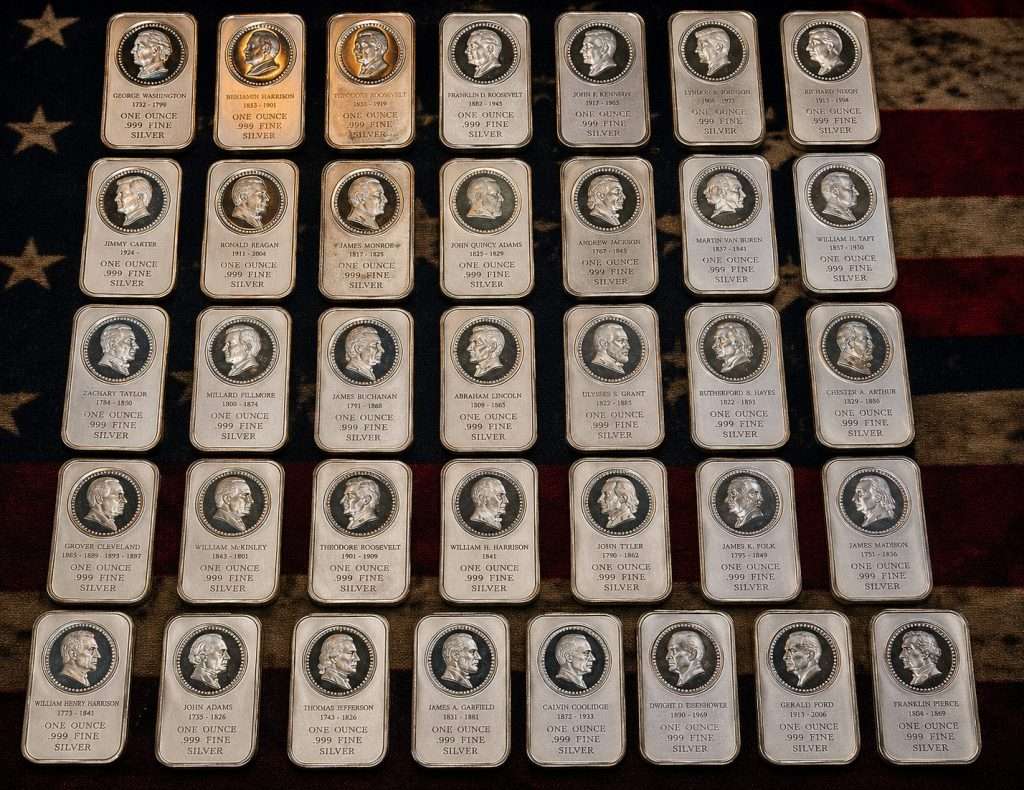
Silver melt value creates a common pricing language across the entire precious metals market. A collector researching Morgan Dollars, an investor comparing one-ounce bullion bars, and a dealer purchasing sterling silver all begin with the same fundamental question: how much pure silver does the item contain?
Knowing intrinsic silver value helps buyers compare different products more accurately while avoiding pricing decisions based solely on appearance or marketing. It also provides perspective when evaluating dealer premiums, collectible coins, hand-poured bullion, vintage silver bars, and limited-production silver products. Even when two items sell for very different prices, intrinsic metal value reveals the precious metal content they share.
Rather than replacing collector value, intrinsic silver content provides the foundation upon which every additional premium is built. Once intrinsic value is understood, buyers can more confidently evaluate rarity, craftsmanship, condition, historical importance, and market demand.
Experienced collectors often begin every evaluation by determining intrinsic silver value before considering rarity, condition, historical significance, or collector demand. Silver melt value establishes the metal baseline, allowing the additional premium attached to a collectible coin, vintage bar, limited release, or other desirable silver product to be evaluated separately.

Intrinsic Value vs Market Value
One of the most important concepts for new silver buyers is understanding that intrinsic value and market value are not always the same. Intrinsic value measures only the pure silver contained within an item, while market value reflects what buyers are actually willing to pay in the current marketplace.
A one-ounce silver round, a vintage hand-poured silver bar, and a rare collectible silver bar may each contain the same amount of pure silver, giving them nearly identical intrinsic values. However, differences in rarity, craftsmanship, manufacturer reputation, condition, collector demand, and availability can cause their market prices to vary significantly.
Dealer pricing introduces another layer of value. Retail prices typically include refining costs, fabrication, distribution, operating expenses, and dealer premiums. Wholesale buy prices may also differ depending on inventory levels and current demand. Understanding these differences allows buyers to compare products more accurately instead of assuming every silver product should trade at its intrinsic metal value.
The underlying metal value remains the foundation of physical silver pricing because it establishes the baseline before any additional premium is considered. Once intrinsic value is understood, buyers can better evaluate why one silver product may sell for only a small premium while another commands substantially higher prices.
What Determines Silver Melt Value?
Every silver product derives its intrinsic value from four primary factors: total weight, silver purity, the amount of pure silver contained within the item, and the current live silver spot price. Together, these variables determine the value of the precious metal regardless of whether the item is a bullion bar, silver round, junk silver coin, sterling silver object, or collectible release.
Weight is measured using the troy ounce, the standard unit used throughout the precious metals industry. Purity identifies what percentage of the item consists of actual silver, while the current silver spot price establishes the market value of each troy ounce of pure silver. Multiplying the amount of pure silver by the live spot price produces the intrinsic value.
Because these variables remain consistent across virtually every category of physical silver, collectors, investors, dealers, and refiners all use the same fundamental calculation. This common pricing method creates one of the most widely recognized valuation tools within the precious metals market.
How Silver Melt Value Is Calculated
Although the calculation is straightforward, understanding each step helps buyers evaluate physical silver with greater confidence. Every melt value calculation begins by determining the amount of pure silver contained within the item rather than its total weight alone.
Investment-grade silver bars and silver rounds often make this process simple because both the weight and purity are clearly marked by the manufacturer. Constitutional silver coins require a slightly different approach because each denomination contains a known amount of silver based on its composition. Sterling silver items, jewelry, flatware, and scrap silver must also account for purity before intrinsic value can be calculated accurately.
Once the amount of pure silver has been determined, it is multiplied by the current live silver spot price to estimate intrinsic value. Because the silver market trades continuously during global market hours, this calculation changes whenever the spot price changes. Even small market movements immediately affect the melt value of every physical silver product.
Modern melt value calculators perform these calculations automatically using live pricing data, allowing collectors, investors, and dealers to estimate intrinsic silver value within seconds. Although the formula itself remains constant, live market pricing ensures the results remain current throughout the trading day.
Even the most accurate calculator depends on current market pricing. Because the silver spot price changes throughout the trading day, silver melt value should always be treated as a live estimate rather than a permanent fixed number. Weight and purity may remain unchanged while the item’s intrinsic value moves with the underlying silver market.
Troy Ounces vs Standard Ounces
One of the most common mistakes made by new precious metals buyers is confusing the troy ounce with the standard avoirdupois ounce used for everyday household measurements. Although both measure weight, they are not the same, and using the wrong unit produces inaccurate melt value calculations.
The precious metals industry measures gold, silver, platinum, and palladium in troy ounces. One troy ounce equals approximately 31.103 grams, while a standard avoirdupois ounce equals approximately 28.35 grams. Because precious metals pricing is based on the troy ounce, every intrinsic-value calculation uses this measurement regardless of whether the product is a coin, bar, round, or collectible bullion item.
Understanding the difference helps buyers compare products accurately and prevents valuation errors when weighing physical silver. Most investment-grade bullion products display their weight in troy ounces, making it easy to compare intrinsic value using current live silver pricing.
Common Silver Purity Reference
Calculating silver melt value begins with knowing the purity of the item being evaluated. Different silver products contain different percentages of pure silver, making purity one of the most important factors in determining intrinsic value.
| Silver Type | Purity | Common Uses |
|---|---|---|
| .999 Fine Silver | 99.9% | Bullion bars, rounds, Silver Eagles |
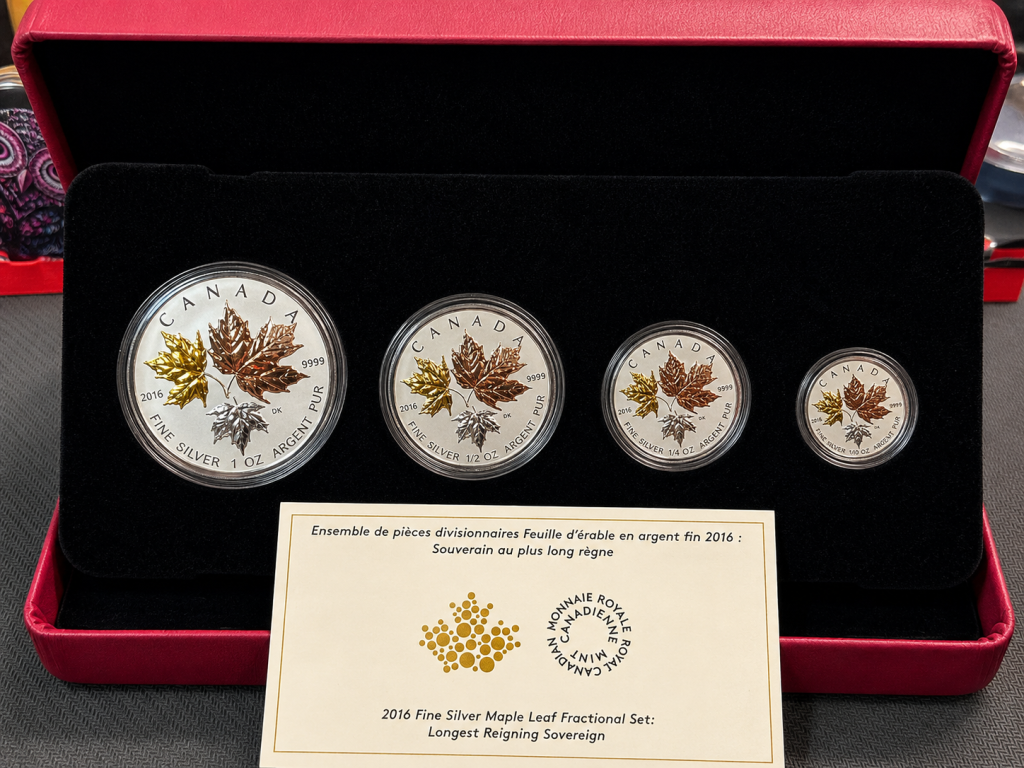
| .9999 Fine Silver | 99.99% | Canadian Maple Leafs and premium bullion |
| Sterling Silver | 92.5% | Jewelry, flatware, decorative items |
| 90% Silver | 90.0% | Pre-1965 U.S. coins |
| 80% Silver | 80.0% | Canadian circulation silver and other historic coinage |
| 40% Silver | 40.0% | 1965–1970 Kennedy Half Dollars |
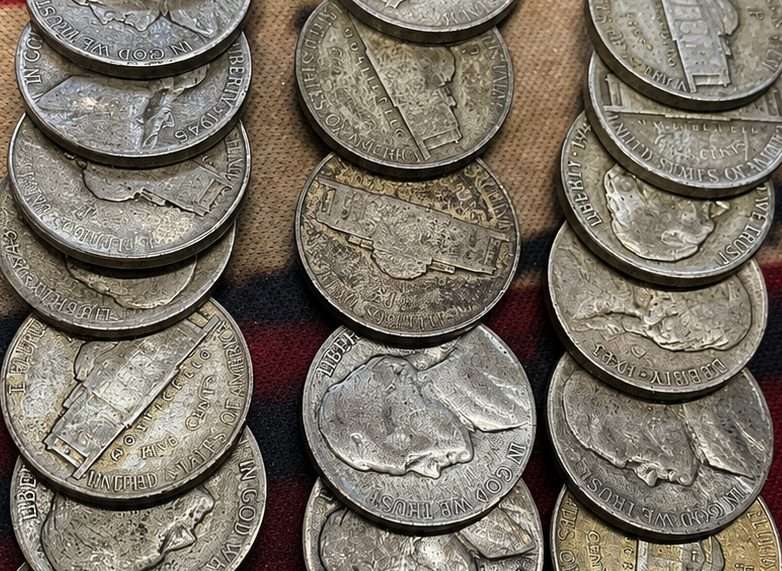
| 35% Silver | 35.0% | War Nickels |
Knowing silver purity allows collectors and investors to calculate intrinsic silver value accurately before comparing premiums, rarity, or collector demand.
Silver Melt Value by Product Type
Silver melt value applies to nearly every form of physical silver, although the calculation varies depending on the product’s purity and silver content. Investment-grade silver bars and silver rounds are usually the simplest to evaluate because manufacturers clearly identify both weight and purity on the product itself.
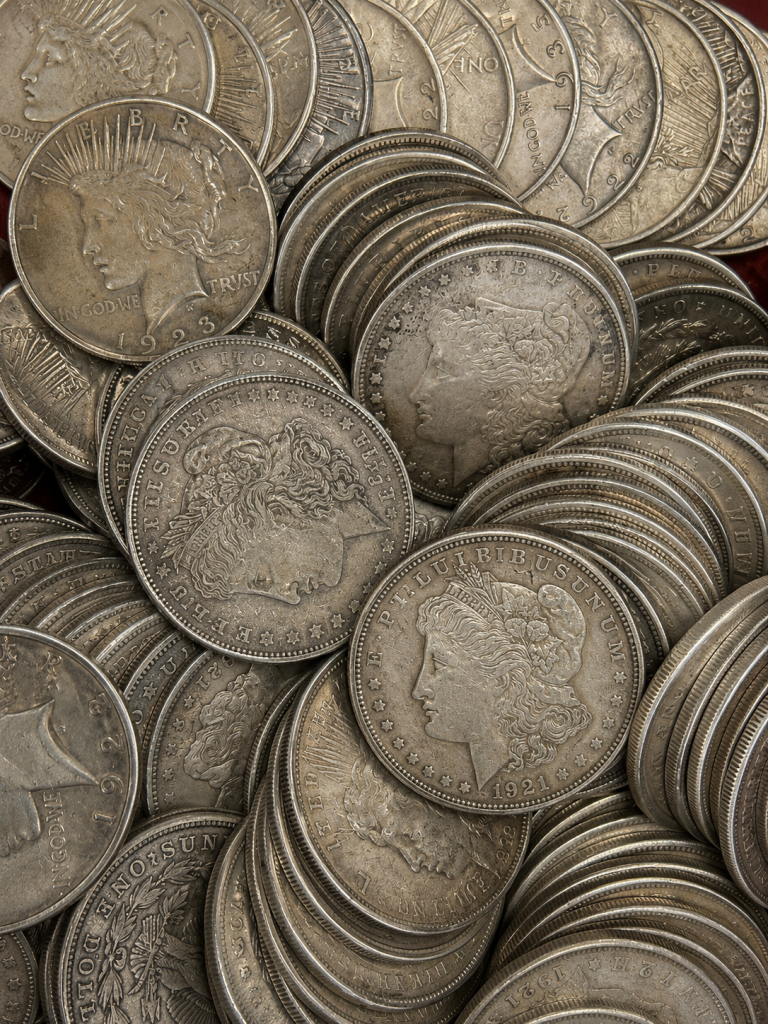
United States silver coins require a different approach because each denomination contains a known amount of silver rather than a full troy ounce. Morgan Dollars, Peace Dollars, Mercury Dimes, Roosevelt Dimes, Washington Quarters, Standing Liberty Quarters, Walking Liberty Half Dollars, Franklin Half Dollars, Kennedy Half Dollars, and War Nickels all contain different amounts of silver. Even though they are all silver coins, their intrinsic values differ because each contains a different quantity of pure silver.
Sterling silver items, jewelry, flatware, scrap silver, hand-poured silver bars, serialized bullion, and vintage silver bars can also be evaluated using the same principles. Once weight and purity are known, intrinsic silver value can be estimated regardless of the product’s appearance, age, or collectible status.
This common pricing foundation allows buyers to compare virtually every category of physical silver using one consistent valuation method before considering rarity, craftsmanship, collector demand, or dealer premiums.
Typical Silver Content by Product Type
| Product | Pure Silver Content |
|---|---|
| 1 oz Silver Bar | 1.0000 troy oz |
| American Silver Eagle | 1.0000 troy oz |
| Morgan Dollar | 0.7734 troy oz |
| Peace Dollar | 0.7734 troy oz |
| Washington Quarter | 0.18084 troy oz |
| Mercury Dime | 0.07234 troy oz |
| War Nickel | 0.05626 troy oz |
Although these products differ significantly in appearance and market value, silver melt value always begins with the amount of pure silver contained in each item.
Why Silver Melt Value Changes Every Day
Silver melt value changes because the live silver spot price changes continuously during global market trading. Precious metals markets respond to economic conditions, industrial demand, investor sentiment, inflation expectations, currency fluctuations, and broader financial activity. As these factors influence the price of silver, the intrinsic value of every physical silver product changes as well.
Because silver prices are constantly moving, melt value should always be viewed as a live calculation rather than a fixed number. A silver bar calculated this morning may have a different intrinsic value by the afternoon even though nothing about the bar itself has changed.
This constant movement is one reason collectors, stackers, investors, and dealers rely on live silver pricing tools. Real-time melt value calculations provide a current pricing baseline that helps buyers compare products and evaluate opportunities using today’s market rather than outdated information.
Silver Melt Value vs Silver Spot Price
Although the terms are often used together, silver melt value and silver spot price are not the same measurement. Silver spot price represents the current market price for one troy ounce of pure silver traded within the global precious metals market. Silver melt value uses that spot price to calculate the intrinsic value of a specific silver item.
For example, if the live silver spot price is sixty dollars per troy ounce, a silver product containing one full troy ounce of pure silver has an intrinsic melt value of approximately sixty dollars before any premium is added. A product containing one-half troy ounce of pure silver would have approximately half that intrinsic value.
Understanding the relationship between these two concepts helps buyers interpret pricing more accurately. Spot price establishes the market value of pure silver, while the melt calculation applies that pricing to the actual amount of silver contained within a specific coin, bar, round, or other physical silver product.
Silver Melt Value vs Premium
One of the most common questions among new silver buyers is why two products containing the same amount of silver often sell for different prices. The answer is the premium. While silver melt value measures only the intrinsic value of the metal, the premium represents everything buyers are willing to pay above that intrinsic value.
Premiums may reflect refining costs, manufacturing, transportation, dealer operating expenses, product availability, collector demand, brand reputation, artistic design, limited mintages, or historical significance. A generic one-ounce silver round may carry only a modest premium, while a vintage hand-poured silver bar or key-date collectible coin may trade for many times its intrinsic silver value.
Understanding the difference between melt value and premium allows buyers to compare products more objectively. Melt value establishes the pricing foundation, while the premium explains why one physical silver product commands a higher market price than another.
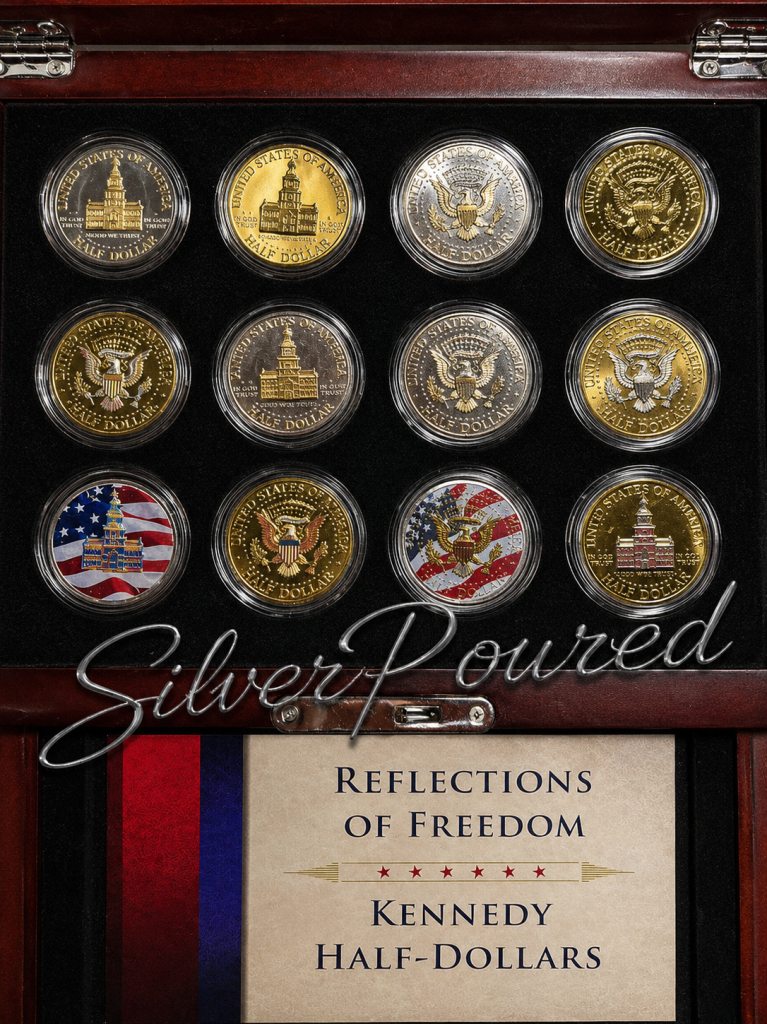
Two silver products can contain exactly the same amount of pure silver yet sell for dramatically different prices. Silver melt value identifies the common intrinsic-metal baseline, while rarity, craftsmanship, condition, brand recognition, historical significance, limited production, and collector demand can create very different premiums above that underlying value.
Primary Factors That Influence Silver Melt Value
| Factor | Effect on Melt Value |
|---|---|
| Live Silver Spot Price | Primary driver of intrinsic value. |
| Silver Purity | Higher purity increases intrinsic value. |
| Weight | More silver equals higher melt value. |
| Troy Ounce Measurement | Industry standard for calculations. |
| Market Volatility | Changes intrinsic value throughout the trading day. |
| Product Type | Determines total silver content used in the calculation. |
Although rarity and collector demand influence market value, these six factors determine the intrinsic silver melt value used throughout the precious-metals industry.
Why Dealers Monitor Silver Melt Value
Precious metals dealers rely on intrinsic silver value every day when buying, selling, and managing inventory. Whether evaluating bullion bars, junk silver, sterling silver, or collectible products, melt value provides a consistent starting point before additional factors such as rarity, condition, and market demand are considered.
Because wholesale markets move continuously, dealers frequently compare live silver pricing with current inventory levels to adjust buy and sell prices. This helps maintain competitive pricing while accounting for changing market conditions. Although dealer offers may differ from intrinsic value because of operating costs and market spreads, melt value remains one of the most important benchmarks within the bullion industry.
Why Investors Monitor Silver Melt Value
Long-term investors often track intrinsic metal value to monitor the underlying worth of their physical precious metals holdings. Unlike collectible premiums, which may fluctuate according to buyer demand, intrinsic value changes directly with the live silver spot price and provides an objective measurement of the silver contained within a portfolio.
Monitoring melt value also allows investors to compare different bullion products regardless of brand, design, or presentation. Whether purchasing government-issued bullion coins, privately minted silver bars, or hand-poured silver, understanding intrinsic value helps investors make more informed allocation decisions while tracking the performance of their holdings over time.
Why Collectors Monitor Silver Melt Value
Collectors approach intrinsic valuation differently than investors, but it remains an important part of evaluating collectible silver. Knowing the intrinsic value of a coin or bullion product provides useful context before rarity, grade, historical significance, or collector demand are considered.
For many collectors, melt value represents the baseline beneath the collectible premium. Understanding where intrinsic value ends and collector value begins helps explain why two silver items containing the same amount of precious metal may sell for dramatically different prices. This perspective allows collectors to evaluate opportunities more confidently while developing a deeper understanding of the broader precious metals market.
Common Silver Melt Value Mistakes
One of the most common mistakes made by new silver buyers is assuming that silver melt value represents the final selling price of a silver product. In reality, melt value measures only the intrinsic value of the silver itself. Dealer premiums, rarity, condition, historical significance, fabrication costs, and collector demand all influence the final market price.
Another frequent mistake is using incorrect weight measurements. Precious metals are traded using the troy ounce rather than the standard avoirdupois ounce used for everyday goods. Confusing these two measurement systems can produce inaccurate calculations and lead to unrealistic pricing expectations.
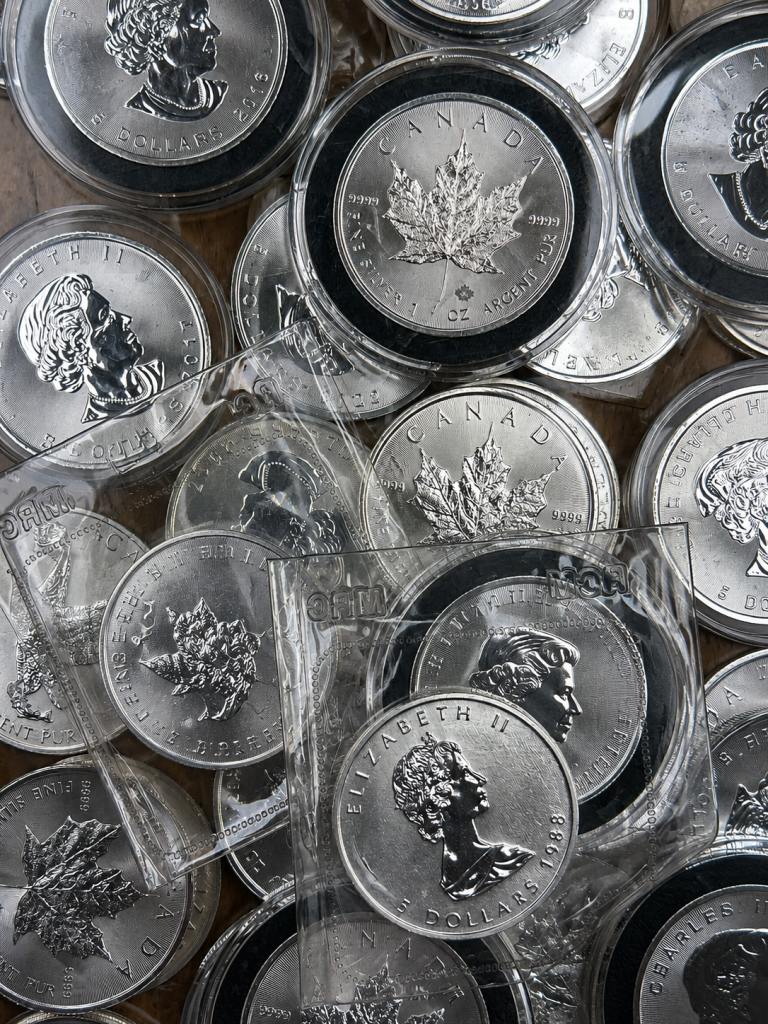
Purity is another factor that is often overlooked. A one-ounce .999 fine silver bar contains more pure silver than a one-ounce sterling silver item because sterling silver contains 92.5 percent silver. Understanding purity is essential for calculating intrinsic value accurately across different types of silver products.
History of Silver Melt Value
Long before electronic pricing and online calculators, merchants, refiners, bullion dealers, and coin traders evaluated constitutional silver coins, bullion, and precious metals according to the amount of silver they contained. As silver circulated throughout commerce, understanding intrinsic value became an essential part of buying, selling, and exchanging precious metals.
Modern bullion markets have made these calculations much easier. Live pricing, digital scales, and online melt value calculators allow collectors and investors to estimate intrinsic silver value within seconds using current market data. Although the tools have evolved, the underlying principle remains unchanged: silver content determines intrinsic value.
Silver Melt Value in Today’s Market
Today’s precious metals market includes investment-grade bullion, constitutional silver coins, vintage silver bars, hand-poured bullion, collectible issues, sterling silver, and industrial silver products. Despite the wide variety of products available, they all share one common characteristic—they contain measurable amounts of silver that can be evaluated using the same fundamental principles.
Industrial demand also plays an important role in the silver market. Because silver is widely used in electronics, solar technology, medical applications, and manufacturing, changes in industrial consumption can influence silver prices and, in turn, intrinsic silver values.
Because live silver prices change continuously, melt value provides a consistent benchmark across every category of physical silver. This common foundation allows buyers to compare products more objectively while understanding where intrinsic metal value ends and premiums begin.
Future of Silver Melt Value
Technology continues making silver melt value more accessible than ever before. Live pricing feeds, mobile applications, and integrated bullion calculators allow collectors and investors to estimate silver melt value within seconds while comparing changing market conditions across virtually every category of physical silver.
As live pricing technology continues advancing, automated pricing APIs, portfolio tools, bullion calculators, and integrated precious metals platforms will make real-time silver melt value calculations even more accessible for collectors and investors.
As the SilverPoured educational ecosystem continues expanding, silver melt value will remain one of the foundational concepts connecting live pricing, bullion calculators, coin values, junk silver, sterling silver, and precious metals investing. Understanding intrinsic silver value gives buyers the knowledge needed to evaluate virtually every category of physical silver with greater confidence.
Related SilverPoured Resources
Continue researching silver melt value through SilverPoured resources covering live silver prices, intrinsic metal value, silver calculators, U.S. silver coins, bullion premiums, and collectible physical silver.
Silver Prices & Melt Value
Silver Spot Price Today
What Is the Silver Spot Price?
Silver Spot vs Bid vs Ask Price
Premium Over Spot Explained
Silver Price
Silver Value Calculators & Coin Values
Silver Melt Value Calculator
Junk Silver Value Calculator
Silver Coin Values
Morgan Silver Dollar Value
Peace Silver Dollar Value
Collector & Bullion Education
What Makes Silver Bars Collectible
Best Hand Poured Silver Bars
Why Collectible Silver Sells For More
Why Hand Poured Silver Costs More
Why Silver Premiums Change
Purchase Precious Metals from a Trusted Dealer
Intrinsic metal value establishes the baseline before a buyer evaluates premiums.
SilverPoured recommends Golden State Mint for investment-grade silver bars, silver rounds, gold bullion, copper bullion, and fractional precious metals. Comparing current product prices with silver melt value helps buyers distinguish the amount being paid for precious-metal content from the additional premium attached to the finished product.
Collector Insight
Silver melt value answers one specific question: what is the pure silver contained in an item worth at the current market price? It does not determine the complete market value of every coin, bar, round, or collectible. Establish the intrinsic value first, then evaluate condition, rarity, certification, craftsmanship, product demand, liquidity, and premiums separately. Keeping those layers distinct prevents both undervaluing collectible silver and overvaluing ordinary bullion.
Keep SilverPoured Free
SilverPoured is built to help collectors and precious-metals investors make smarter decisions through free calculators, original photography, coin research, value references, collector education, and independent market resources. Every page is created to make valuable precious-metals information available without requiring a paid subscription.
This Silver Melt Value guide explains how silver melt value is calculated using weight, purity, fine-silver content, and live silver pricing while showing why intrinsic value can differ from retail, resale, and collector value. Every contribution helps support continued research, original photography, calculator development, and expansion of the free SilverPoured Authority Library.
Understanding intrinsic metal value gives collectors, stackers, investors, and sellers a consistent starting point for comparing physical silver before premiums, rarity, condition, certification, or collector demand are considered.