
What is the silver spot price? The silver spot price is the current market price for one troy ounce of silver based on real-time global trading activity.
Understanding what is the silver spot price helps buyers compare silver bars, coins, bullion, junk silver, and collectible silver products before premiums are added.
What Is the Silver Spot Price?
The silver spot price is the base market value used across the precious metals market. It is not the final price most buyers pay for physical silver. Instead, it acts as the starting point before premiums, dealer costs, product scarcity, and collector demand are added.
Silver spot price is usually quoted in U.S. dollars per troy ounce and changes throughout the trading day as global markets move.
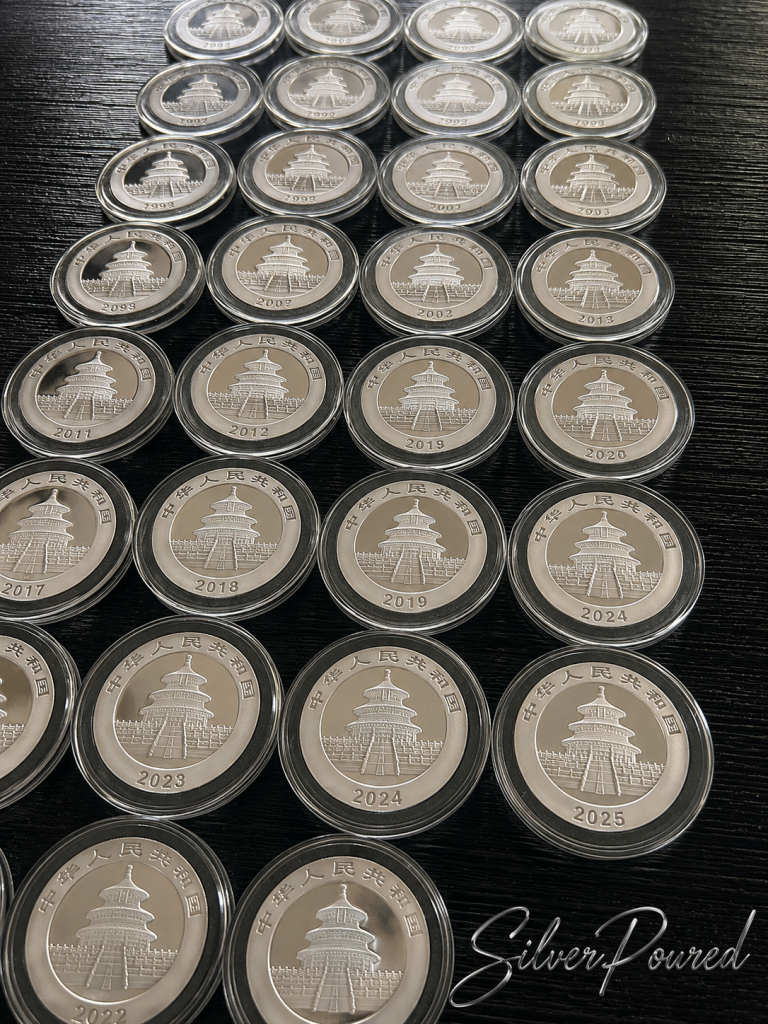
Why the Silver Spot Price Changes
The silver spot price establishes the underlying market baseline, but it rarely matches the final price buyers pay for physical silver. Refining, fabrication, distribution, dealer costs, product availability, scarcity, and collector demand can all create premiums above spot. Two one-ounce products can therefore contain the same amount of silver while selling at very different retail prices.

The silver spot price changes continuously as buyers and sellers trade silver around the world. Unlike a fixed retail price, the spot market reflects real-time activity across global precious metals markets, where economic conditions, investor sentiment, industrial demand, currency movements, and geopolitical events all influence pricing.
During periods of economic uncertainty, many investors increase their exposure to precious metals as a potential store of value. Strong investment demand can place upward pressure on silver prices, while improving economic conditions or reduced investor demand may have the opposite effect. Industrial consumption also plays a significant role because silver is widely used in electronics, solar technology, medical devices, automotive manufacturing, and numerous industrial applications.
Because silver trades nearly around the clock through global financial markets, the silver spot price may change many times throughout the day. This constant movement allows investors, collectors, refiners, and bullion dealers to monitor current market conditions while valuing physical silver products.
Silver Spot Price vs Physical Silver Prices
Many first-time buyers are surprised to learn that physical silver rarely sells at the exact silver spot price. The spot price represents the current market value of unfabricated silver, while physical bullion includes additional costs associated with refining, manufacturing, transportation, distribution, and dealer operations.
Premiums vary depending on the product being purchased. Generic silver rounds and bars often carry relatively low premiums, while government-issued bullion coins, collectible silver bars, hand-poured silver, limited mintage releases, and vintage bullion frequently trade well above the underlying silver value. Understanding this distinction helps explain why two products containing identical amounts of silver may sell for different prices despite sharing the same melt value.
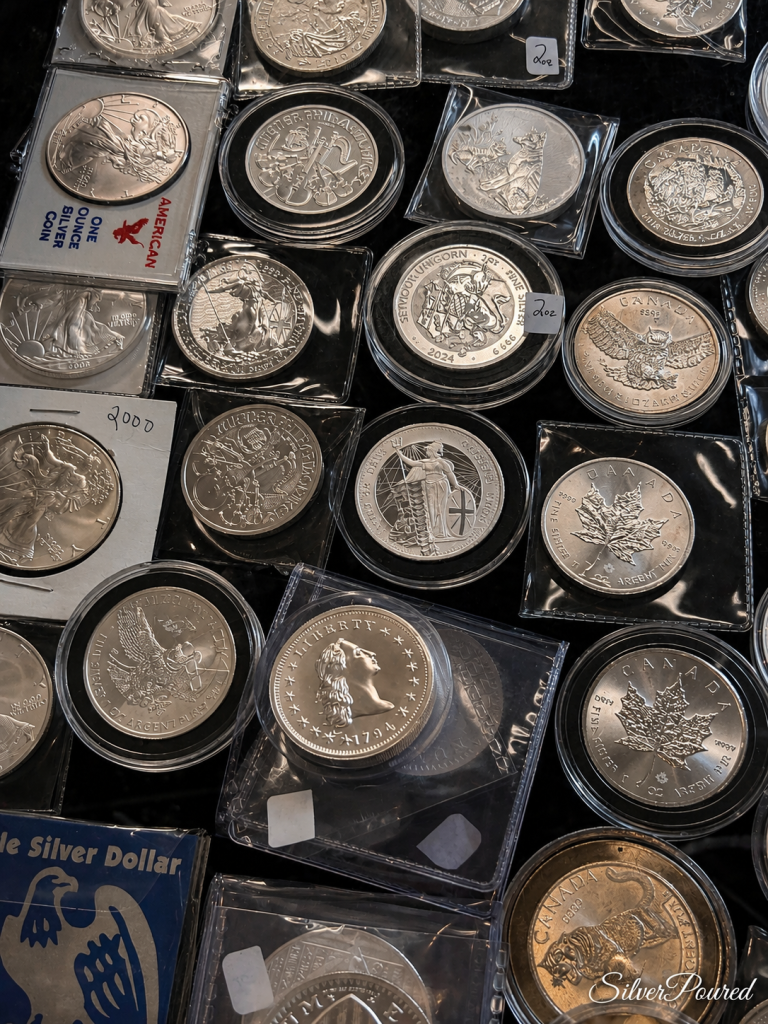
Who Uses the Silver Spot Price?
The silver spot price serves as the pricing foundation for nearly every segment of the precious metals market. Investors monitor it before purchasing bullion, coin dealers reference it when buying and selling inventory, refiners use it when processing precious metals, and collectors compare it against premiums for collectible products.
Jewelry buyers, scrap silver sellers, pawn shops, and estate buyers also reference the silver spot price when evaluating silver items. Whether someone owns modern bullion, constitutional silver coins, sterling silver, or collectible bars, the spot price provides the starting point for determining intrinsic silver value before premiums or discounts are considered.
Experienced bullion buyers monitor the silver spot price before making purchases, but they also compare premiums across multiple dealers. Spot establishes the metal reference; the premium shows how much more the physical product costs. Evaluating both numbers provides a much clearer picture of value than watching the silver spot price alone.
Why Monitoring the Silver Spot Price Matters
Following the silver spot price helps buyers make more informed purchasing decisions while providing context for changes in the broader precious metals market. Although short-term price movements are common, many long-term investors focus on market trends rather than day-to-day fluctuations.
Understanding how the silver spot price influences bullion premiums, melt value calculations, dealer pricing, and collector demand allows both investors and collectors to better evaluate opportunities across the precious metals market. Whether purchasing a single silver round or building a diversified bullion collection, monitoring the silver spot price remains one of the most valuable habits for anyone involved in physical silver ownership.
Primary Factors That Influence the Silver Spot Price
| Factor | Market Impact |
|---|---|
| Industrial Demand | Electronics, solar panels, medical technology, and manufacturing increase silver consumption. |
| Investment Demand | Bullion buying, ETFs, and precious-metals investing influence market prices. |
| Inflation | Higher inflation often increases interest in precious metals. |
| Interest Rates | Central bank policy can influence investor demand for silver. |
| U.S. Dollar Strength | Silver is globally priced in U.S. dollars. |
| Mining Supply | Global mine production affects long-term availability. |
Although short-term movements may appear unpredictable, these primary market forces collectively influence the live silver spot price used throughout the precious-metals industry. Understanding what is the silver spot price helps investors recognize why market prices change throughout the trading day and why what is the silver spot price remains the foundation for bullion pricing, melt value calculations, dealer premiums, and long-term precious-metals investing.
What Affects the Silver Spot Price?
Several major factors influence the silver spot price throughout the trading day. Although price movements can appear random over short periods, they are generally driven by changing supply and demand across global financial and industrial markets.
Economic uncertainty often increases demand for precious metals as investors seek assets that may help preserve purchasing power during periods of inflation, market volatility, or geopolitical instability. When investor demand rises, silver prices frequently respond higher.
Industrial consumption also plays a significant role because silver is an essential component in electronics, solar panels, electric vehicles, medical equipment, batteries, and numerous manufacturing applications. Strong industrial demand can increase pressure on available supply and influence market pricing.
Currency strength, particularly movements in the U.S. dollar, also affects silver. Because silver is internationally priced in U.S. dollars, changes in currency values often influence global buying activity. A weaker dollar may encourage additional precious metals demand, while a stronger dollar can sometimes create downward pressure on silver prices.
Interest rates, central bank policies, mining production, recycling activity, and global investment flows also contribute to short-term and long-term silver price movements. Together, these factors create the constantly changing market conditions reflected by the live silver spot price.
Why Silver Investors Watch Market Trends
Experienced investors often pay attention to broader market trends instead of reacting to every small price movement. While the silver spot price can fluctuate throughout the day, long-term trends frequently provide more meaningful insight into changing market conditions.
Many investors compare silver prices with inflation data, interest rates, precious metals demand, industrial growth, and overall economic conditions before making purchasing decisions. Understanding these relationships helps investors place daily price changes into a broader market context rather than focusing only on short-term volatility.
Following long-term trends also helps buyers recognize periods when physical bullion premiums, dealer inventories, and overall market demand differ from underlying silver prices. This broader perspective allows investors and collectors to make more informed decisions when buying, selling, or holding physical silver.
Common Questions About the Silver Spot Price
Many new investors ask, “What is the silver spot price?” because it serves as the foundation for nearly every physical silver transaction. Understanding what is the silver spot price allows buyers to compare bullion products, evaluate dealer premiums, and calculate intrinsic silver value before making a purchase.
Another common question is what is the silver spot price based on. The answer is that the silver spot price reflects the current market value of unfabricated silver traded in global wholesale markets. It changes continuously as buying and selling activity takes place around the world.
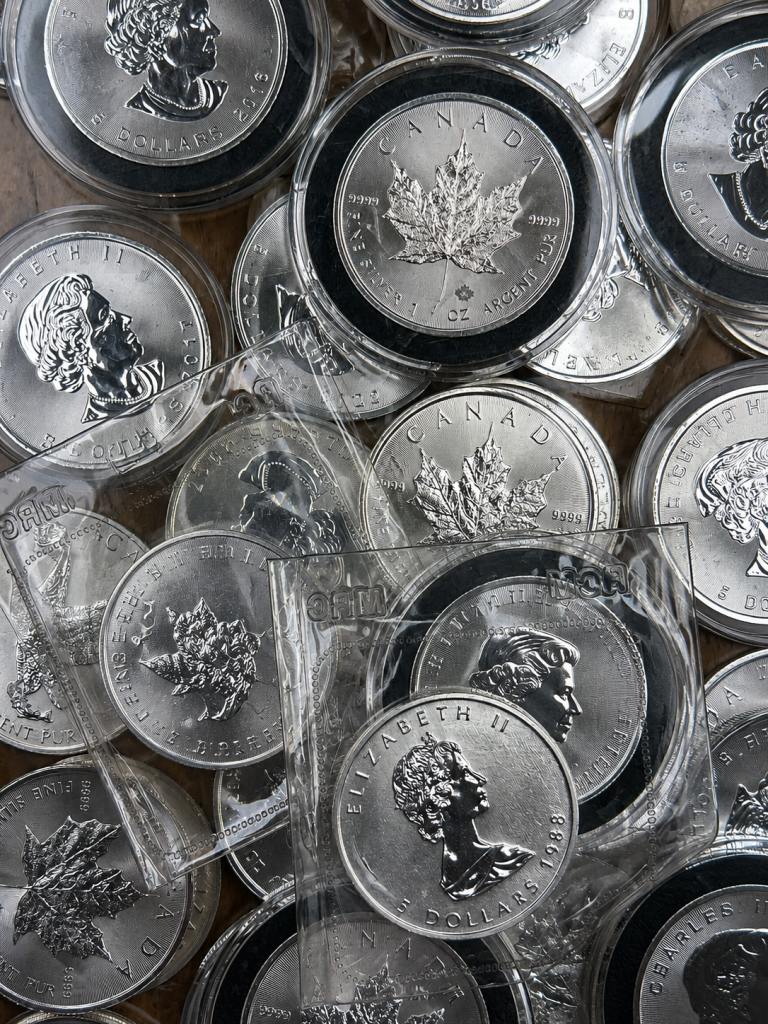
People also wonder what is the silver spot price compared to the price they pay at a dealer. Physical silver products almost always include premiums above the silver spot price to cover refining, manufacturing, transportation, distribution, and dealer operating costs. This explains why the retail purchase price is normally higher than the quoted market price.
Using the Silver Spot Price When Buying Silver
Understanding what is the silver spot price helps buyers compare investment-grade silver bars, silver rounds, government bullion coins, junk silver, and collectible bullion more effectively. Rather than looking only at the final purchase price, experienced investors often compare premiums above spot to determine overall value.
Learning what is the silver spot price also helps investors recognize changing market conditions. During periods of increased demand, dealer premiums may rise even if the underlying silver market changes very little. At other times, premiums may fall while the silver spot price continues moving higher.
Whether purchasing bullion for investment or collecting physical silver for long-term ownership, understanding what is the silver spot price provides the knowledge needed to evaluate pricing, compare products, and make more informed buying decisions.
Knowing the silver spot price helps buyers separate intrinsic metal value from the additional value attached to a finished or collectible product. Rarity, limited mintage, condition, certification, craftsmanship, brand recognition, and collector demand can all move a physical-silver price above its metal baseline. Compare the underlying silver first, then evaluate what the individual product adds.
Why What Is the Silver Spot Price Matters to Every Silver Buyer
Understanding what is the silver spot price gives investors and collectors a reliable starting point for evaluating virtually every silver purchase. Whether buying a single silver round or building a large bullion portfolio, knowing the current market price helps buyers compare products from different dealers and recognize when premiums are unusually high or low.
Many experienced precious metals investors monitor what is the silver spot price before making purchases because even small market movements can affect the overall cost of larger bullion orders. While dealer premiums remain important, the underlying spot price continues serving as the benchmark used throughout the precious metals industry.
Understanding what is the silver spot price also helps collectors evaluate older silver coins, junk silver, sterling silver, collectible bullion, and investment-grade silver bars. Although collectible products often trade above melt value because of rarity and demand, the live market price remains the foundation for determining intrinsic silver value.
Why the Silver Spot Price Is Important for Long-Term Investors
Long-term investors generally focus less on daily price swings and more on how the silver market performs over extended periods. Learning what is the silver spot price allows buyers to follow broader market trends while understanding how inflation, industrial demand, investor sentiment, and global economic conditions influence precious metals pricing.
Many successful silver investors gradually build their holdings over time instead of attempting to predict every short-term movement. Understanding what is the silver spot price provides valuable market context while helping buyers make informed purchasing decisions based on long-term objectives rather than temporary market volatility.
Who Uses the Silver Spot Price?
| User | Why It Matters |
|---|---|
| Bullion Investors | Track precious-metals market performance. |
| Coin Collectors | Compare intrinsic value with collector premiums. |
| Bullion Dealers | Establish buy and sell pricing. |
| Refiners | Determine precious-metals purchasing values. |
| Jewelry Buyers | Estimate intrinsic silver content. |
| Estate Buyers | Evaluate silver assets consistently. |
Although every group uses the same live market benchmark, each applies the silver spot price differently depending on investment goals, business needs, or collecting objectives. Understanding what is the silver spot price helps buyers compare physical silver more accurately while separating intrinsic metal value from dealer premiums, collector demand, and final retail pricing.
How the Silver Spot Price Is Determined
The silver spot price is not created by one universal formula or set by a single dealer. It develops through active global silver markets as buyers and sellers continuously establish prices through trading, including futures and wholesale precious-metals markets. Market data providers then use current trading information to publish silver price references for investors, dealers, collectors, and financial markets.
Bid and ask prices describe the two sides of a market. The bid represents a price buyers are willing to pay, while the ask represents a price sellers are willing to accept. Some pricing services may display a midpoint between bid and ask as a reference quote, but that midpoint should not be confused with a universal formula that determines the global silver spot price.
Understanding what is the silver spot price therefore requires looking beyond a single calculation. Futures trading, wholesale market activity, currencies, interest rates, industrial demand, investment demand, inventories, and arbitrage all contribute to price discovery. This is why legitimate silver quotations can differ slightly among data providers while still reflecting the same broader market.
Silver Spot Price and Physical Silver
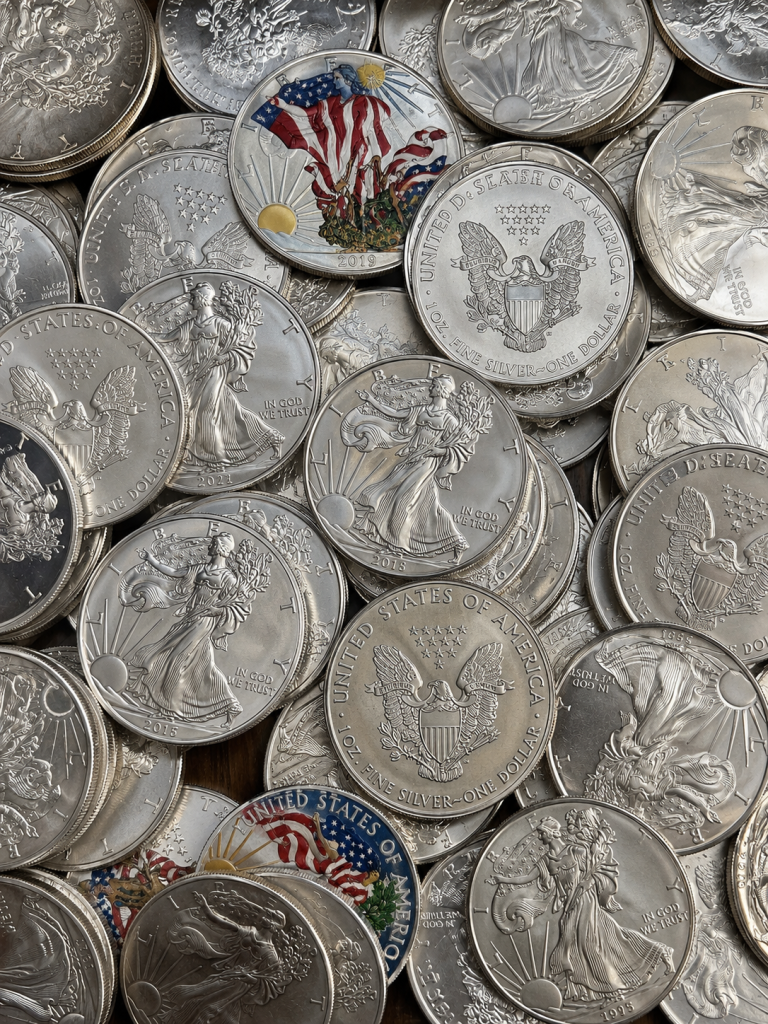
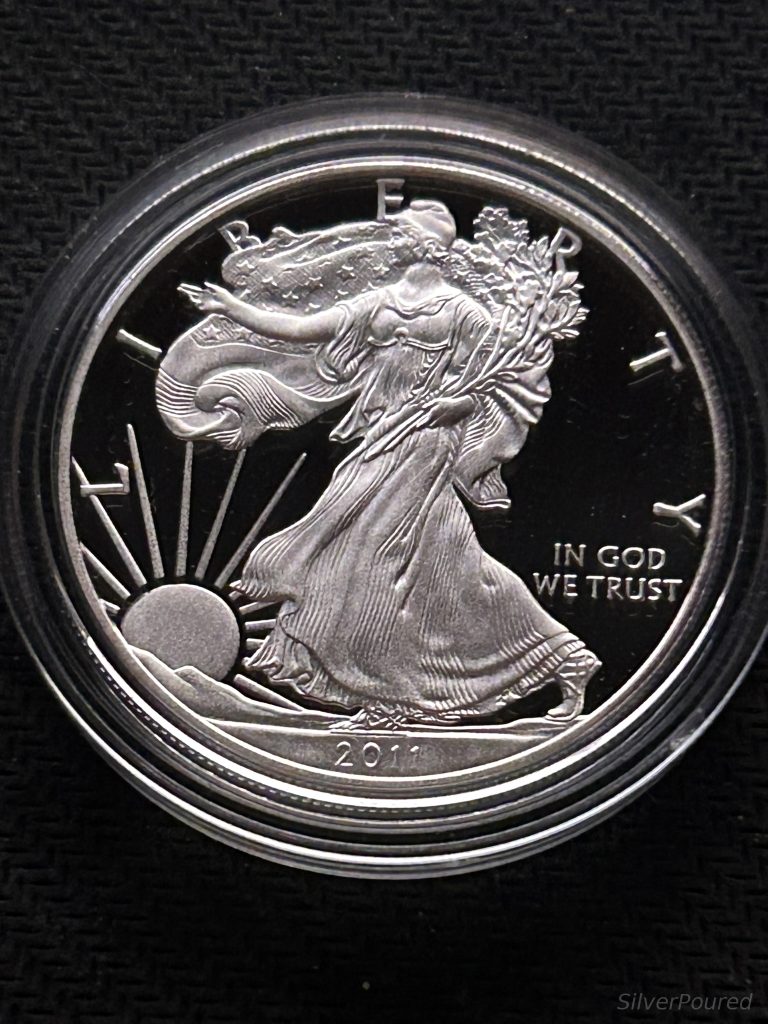
The silver spot price affects American Silver Eagles, silver bars, hand-poured silver, collectible bullion, junk silver, and generic silver rounds. Two products can contain the same amount of silver but sell for very different prices because premiums vary.
Collector demand, limited mintages, condition, brand recognition, and product style can all push physical silver above spot price.
Silver Spot Price vs Other Silver Pricing Terms
| Pricing Term | Meaning |
|---|---|
| Silver Spot Price | Current market price of one troy ounce of silver. |
| Silver Melt Value | Intrinsic value of the silver contained within a specific item. |
| Bid Price | Highest current buying price. |
| Ask Price | Lowest current selling price. |
| Premium | Amount paid above the silver spot price. |
| Retail Price | Final purchase price after premiums are added. |
Understanding how these pricing terms relate to one another helps investors evaluate bullion products, compare dealer pricing, and separate intrinsic silver value from collectible or retail premiums.
Spot Price vs Physical Silver Price
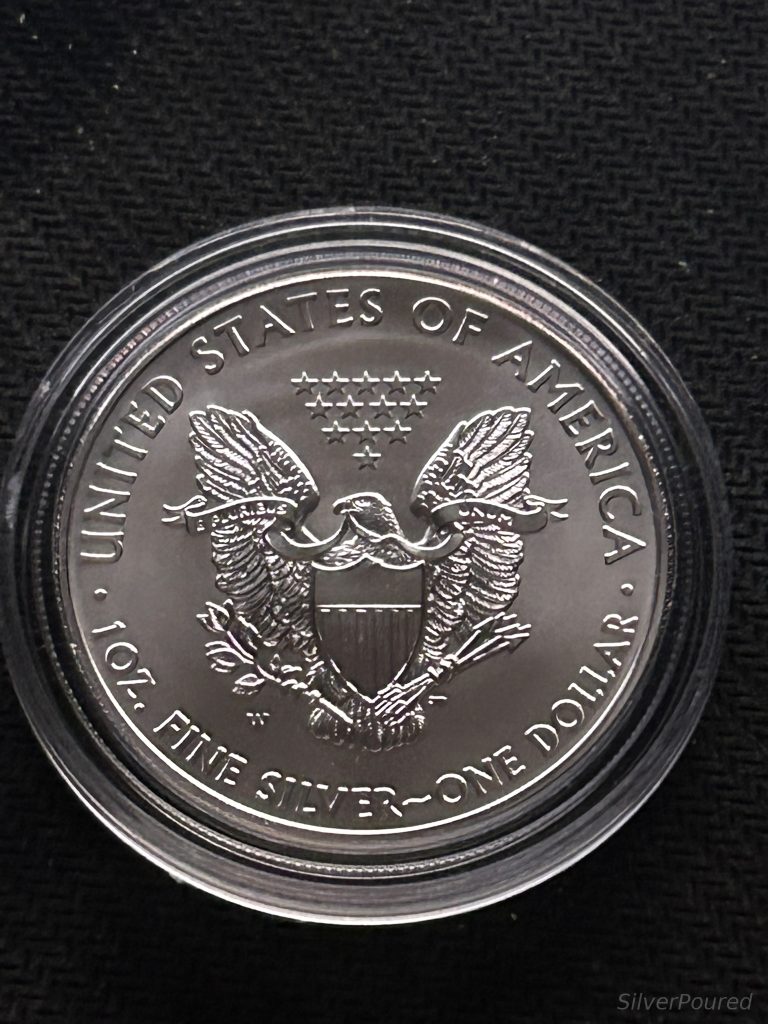
When buying silver, most people pay more than the silver spot price. This extra amount is called a premium. Premiums can cover minting, refining, dealer margins, scarcity, packaging, condition, and collector demand.
This is why knowing what is the silver spot price matters. It helps separate raw silver value from added market premium.
Using Spot Price to Make Better Buying Decisions
Understanding what is the silver spot price helps buyers compare silver bars, coins, bullion, junk silver, and collectible silver products before premiums are added.
The silver spot price acts as the starting point. Premiums are then added depending on factors such as mint popularity, product scarcity, collector demand, condition, and manufacturing costs.
Understanding what is the silver spot price also helps buyers compare similar silver products more accurately before evaluating dealer premiums and collectible value.
For example, two silver products may each contain one ounce of silver, yet one may sell for substantially more because of rarity or collector appeal.
The silver spot price helps estimate melt value, compare dealer premiums, provide market context, track long-term silver trends, and support informed buying decisions. Most experienced buyers use spot price as a reference point rather than relying on it as the only pricing metric.
Collectors, stackers, and silver buyers frequently use spot price alongside premium analysis rather than relying on spot price alone.
Many experienced silver buyers avoid focusing only on daily price movement. Watching long-term silver trends often provides more useful information than reacting to hourly changes. Economic conditions, inflation expectations, industrial demand, and investor sentiment can all influence the silver spot price over time.
Why Understanding What Is the Silver Spot Price Matters
Many new buyers ask, what is the silver spot price, before purchasing physical silver for the first time. Understanding what is the silver spot price helps investors compare bullion products, evaluate dealer premiums, and estimate intrinsic silver value more accurately. Because what is the silver spot price is one of the most searched questions in the precious-metals market, buyers often use it as the starting point for researching silver pricing.
Using the Silver Spot Price Alongside Other Silver Tools
While understanding the live market price is an important first step, many investors also use additional valuation tools when researching physical silver. Melt value calculators, silver coin value guides, and bullion premium comparisons provide additional context that helps buyers evaluate different products more accurately.
For example, a silver melt value calculator estimates the intrinsic metal value of coins, bars, rounds, and scrap silver based on current market conditions. Coin value guides add another layer by explaining how collector demand, rarity, mint marks, condition, and historical significance can influence prices beyond melt value alone.
Bullion investors frequently compare premiums across government-issued coins, generic silver rounds, investment-grade silver bars, and collectible bullion before making purchasing decisions. Understanding how these products are priced allows buyers to identify opportunities while recognizing the differences between intrinsic metal value and collectible market value.
Using multiple resources together provides a more complete picture of the precious metals market. Rather than relying on a single number, experienced investors often combine live market pricing with melt value calculations, premium analysis, and collector research to make informed decisions when buying, selling, or holding physical silver.
Building Confidence as a Silver Investor
Learning what is the silver spot price is one of the first steps toward becoming a more informed precious metals investor. While daily market movements naturally attract attention, experienced buyers often focus on understanding long-term market trends, comparing dealer premiums, and purchasing quality bullion that aligns with their investment goals.
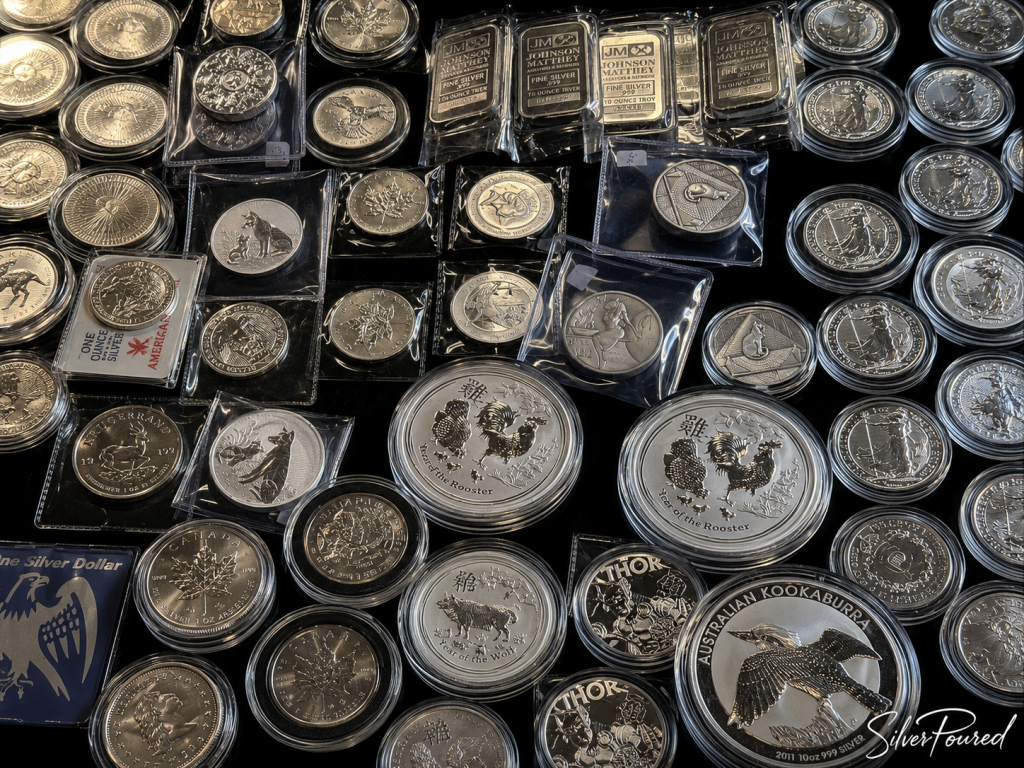
As investors gain experience, they typically begin comparing different forms of physical silver, including government-issued bullion coins, privately minted silver rounds, investment-grade silver bars, junk silver, and collectible bullion products. Each category serves a different purpose, but all are ultimately influenced by the underlying silver market.
Understanding what is the silver spot price also helps buyers recognize opportunities when premiums change, compare products across multiple dealers, and make purchasing decisions based on both current market conditions and long-term ownership objectives. Combining market knowledge with careful research allows investors to build physical silver holdings with greater confidence over time.
A Strong Foundation for Every Silver Buyer
Understanding what is the silver spot price provides a solid foundation for anyone interested in buying, selling, or collecting physical silver. Whether comparing bullion products, evaluating dealer premiums, or researching silver coin values, knowing how the market establishes intrinsic silver value helps buyers make informed decisions.
As precious metals markets continue evolving, understanding what is the silver spot price remains one of the most valuable pieces of knowledge for both new investors and experienced collectors. Combined with careful research and long-term planning, it helps build confidence when purchasing physical silver in any market environment.
Related SilverPoured Resources
Understanding what is the silver spot price becomes more useful when buyers can compare the live market benchmark with bid and ask prices, melt value, physical bullion premiums, and collectible value. Continue through these SilverPoured resources to see how the underlying silver market connects with real-world physical silver pricing.
Silver Prices & Market Fundamentals
Silver Spot Price Today
Silver Price
Silver Spot vs Bid vs Ask Price
Why Silver Bid Price Matters
What Is the Silver Ask Price?
Silver Calculators & Value Tools
Silver Melt Value Calculator
What Is Silver Melt Value?
Silver Coin Values
Junk Silver Value Calculator
Poured’s Cheat Sheet — Live Silver Values
Bullion Premiums & Buying Silver
Premium Over Spot Explained
Why Silver Premiums Change
Why Bullion Dealers Charge Premiums
Best Silver Dealers
Best Place to Buy Silver Online
Purchase Precious Metals from a Trusted Dealer
After learning what is the silver spot price, buyers can use that market benchmark to compare premiums across silver bars, silver rounds, government-issued bullion coins, and other physical precious metals. Spot establishes the underlying silver reference, while fabrication, availability, dealer costs, product recognition, liquidity, and collector demand help determine the final purchase price.
SilverPoured recommends Golden State Mint for investment-grade silver bars, silver rounds, gold bullion, copper bullion, and fractional precious metals. Comparing the live market reference with the total delivered price helps buyers distinguish intrinsic metal value from the additional premium attached to a finished physical product.
Collector Insight
Understanding what is the silver spot price means understanding the starting point, not the final checkout price of physical silver. Spot provides the underlying market reference. The price of a specific coin, round, or bar can then move above that baseline because of fabrication, dealer costs, scarcity, condition, certification, product demand, or collector interest. Separate the metal reference from the physical-product premium before comparing value.
Keep SilverPoured Free
SilverPoured is built to help collectors and precious-metals investors make smarter decisions through free calculators, original photography, coin research, value references, collector education, and independent market resources. Every page is created to make valuable precious-metals information available without requiring a paid subscription.
This What Is the Silver Spot Price guide explains the live market benchmark behind physical silver, price discovery, bid and ask quotations, melt value, bullion premiums, and real-world buying decisions. Every contribution helps support continued precious-metals research, original photography, calculator development, and expansion of the free SilverPoured Authority Library.
Learning what is the silver spot price gives buyers a stronger foundation for comparing physical silver, evaluating dealer premiums, understanding intrinsic metal value, and separating changes in the underlying market from changes in product-specific premiums.