
The silver bid price is the highest price a buyer is willing to pay for silver at a specific moment. It represents the buy side of the precious metals market and provides an important pricing reference for collectors, investors, dealers, and silver stackers. While the live silver spot price receives significant attention, bid pricing provides additional insight into current buying activity and real-world market demand.
Whether someone is selling a one-ounce silver round, a silver bar, junk silver coins, or investment-grade bullion, the silver bid price helps establish what buyers are currently willing to pay before product-specific premiums and collectible value are considered. Final offers can vary by product, dealer, condition, recognition, and market demand, so understanding bid pricing helps buyers and sellers interpret physical silver transactions more accurately.
What Is Silver Bid Price?
Silver bid price represents the highest price a buyer is currently willing to pay for a specific quantity of silver. In an active market, buyers submit bids while sellers establish asking prices. When a buyer and seller agree on price, a transaction can occur.
Within physical precious metals markets, the silver bid price serves as a reference for dealers purchasing bullion, investors evaluating holdings, collectors comparing offers, and stackers deciding whether to sell. Bid pricing usually follows the broader silver market closely, but individual buying offers can differ because dealers manage their own inventory, expenses, resale opportunities, and customer demand.
Understanding the silver bid price provides a stronger foundation for interpreting precious metals pricing than looking at spot price alone. Bid, ask, spot, dealer spreads, and physical bullion premiums describe different parts of the same marketplace.
Evaluating these indicators together helps collectors and investors understand how silver is actually bought and sold while avoiding the assumption that every transaction occurs at one published market number.
Why Silver Bid Price Matters
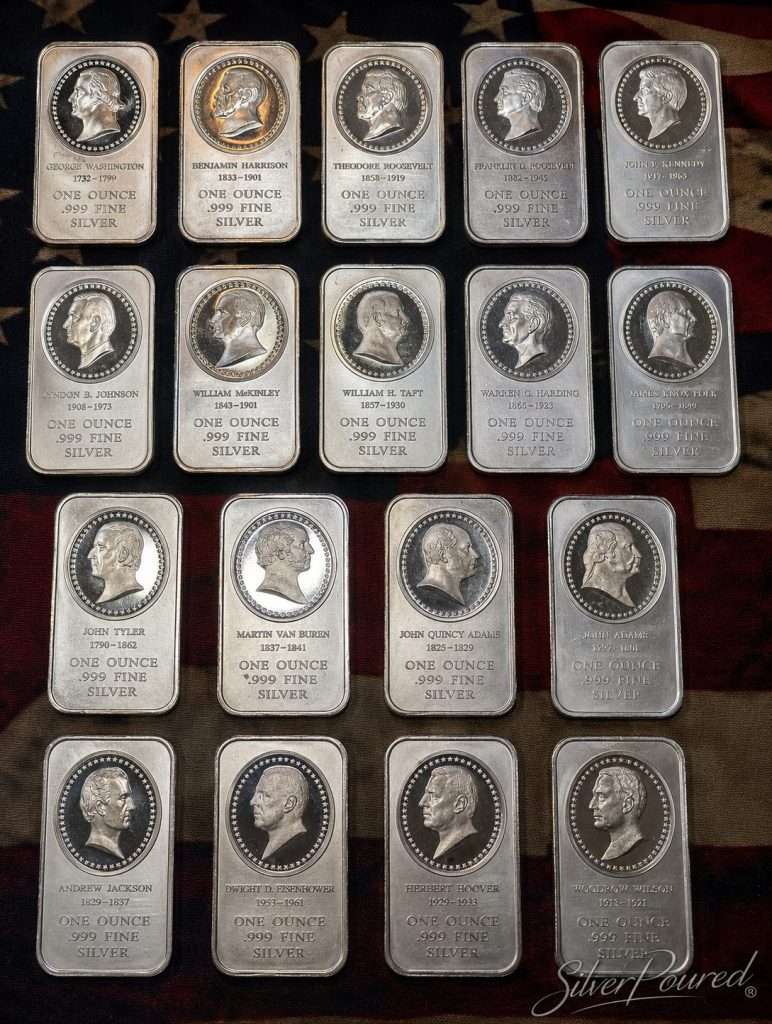
The silver bid price reflects what buyers are currently willing to pay, making it a useful indicator of real-world buying activity. Comparing bid price with spot price, ask price, dealer spreads, and product-specific premiums provides a clearer picture of the physical silver market than relying on one published number alone.

The silver bid price helps explain the buying side of the precious metals market. Spot price provides a broad market benchmark, while bid price reflects the amount buyers are prepared to offer under current conditions.
This distinction becomes especially useful when comparing dealer offers or preparing to sell physical bullion. A seller may see one live silver price on a market screen while receiving somewhat different offers from individual dealers because each business has its own inventory requirements, resale demand, transaction costs, and purchasing strategy.
Competitive bids can indicate healthy demand for physical silver, while weaker offers or wider spreads may reflect softer demand, excess dealer inventory, reduced liquidity, or changing market conditions. Bid pricing therefore adds practical context to the broader silver market.
Who Determines the Silver Bid Price?
No single company or organization independently sets the silver bid price for the entire market. Bid pricing develops continuously as buyers participate across global precious metals markets.
Commodity markets, institutional traders, bullion dealers, refiners, wholesalers, and investors all contribute to the buying and selling activity that influences silver pricing. Market information moves rapidly between these participants as trading conditions change.
Physical bullion dealers also establish their own buying offers. Current silver prices provide a foundation, but inventory levels, operating costs, transaction size, product recognition, resale liquidity, and customer demand can influence the amount an individual dealer is prepared to pay.
As a result, two reputable dealers may quote slightly different buying prices for the same silver product at the same time. Understanding this decentralized process helps explain why comparing multiple offers can be useful when selling bullion.
Silver Bid Price vs Silver Spot Price
The silver bid price and silver spot price usually move in the same general direction, but they describe different aspects of the market. Spot price is a broad benchmark associated with wholesale silver trading, while bid price represents what a buyer is currently willing to pay.
| Pricing Term | What It Represents |
|---|---|
| Silver Spot Price | A widely referenced market benchmark for silver. |
| Silver Bid Price | The highest current price a buyer is willing to offer. |
| Silver Ask Price | The price at which a seller is willing to sell. |
| Bid-Ask Spread | The difference between the current bid and ask prices. |
Dealer buying prices may vary from broad market benchmarks because physical transactions include additional considerations. Inventory needs, transaction costs, product liquidity, market volatility, and physical demand can all influence an offer.
Understanding the relationship between spot and bid pricing helps sellers interpret dealer offers more accurately and helps buyers recognize that physical silver markets involve more than simply matching a published spot price.
Understanding the Bid-Ask Spread
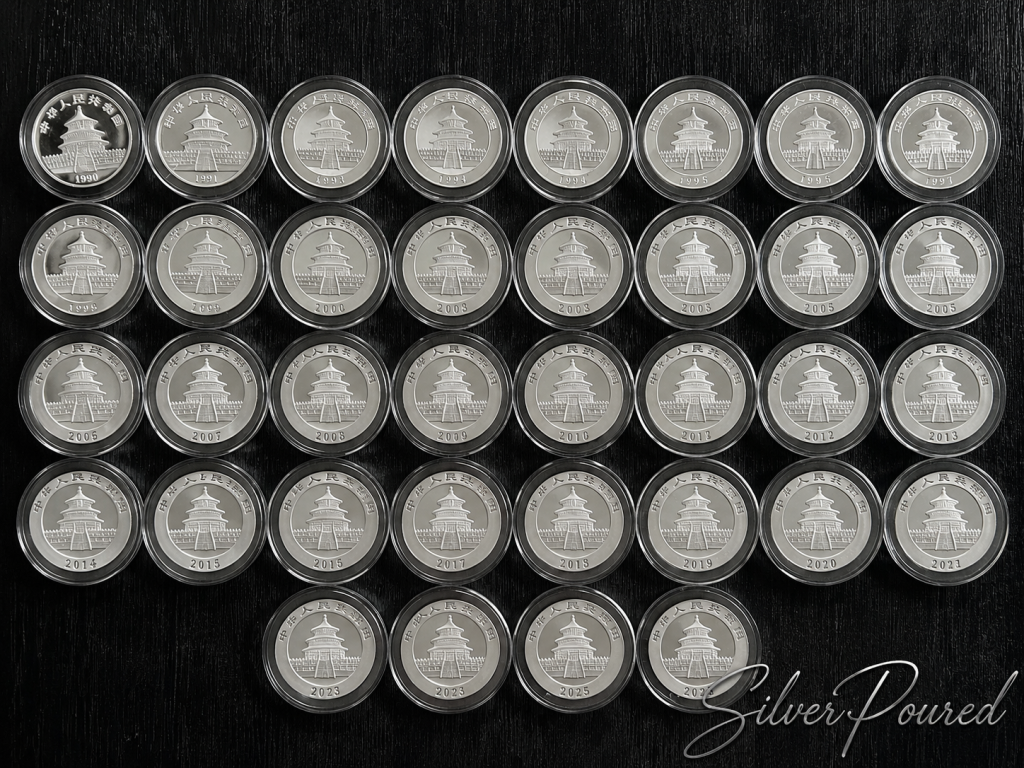
Every active silver market includes buyers and sellers. The bid represents what a buyer is willing to pay, the ask represents what a seller is willing to accept, and the difference between them is the spread. Watching the spread alongside the silver bid price can provide useful context about liquidity and current trading conditions.
The bid-ask spread is a normal feature of active markets. Buyers generally want to purchase at the lowest acceptable price, while sellers seek the highest price available. The distance between those two values reflects the current spread.
Spreads can expand or contract as market conditions change. During periods of strong liquidity and stable trading, bid and ask prices may remain relatively close. During periods of volatility, uncertainty, or reduced market activity, the spread can widen as buyers and sellers adjust their expectations.
Physical bullion markets introduce additional considerations because dealers must account for inventory, product demand, shipping, authentication, handling, and resale conditions. A dealer’s actual buying and selling prices therefore may not perfectly mirror quoted wholesale-market spreads.
Why Bid Prices Change Throughout the Day
Bid prices can move throughout the trading day as precious metals markets respond to changing information. Economic reports, inflation expectations, interest-rate decisions, industrial demand, currency movements, geopolitical events, and investor sentiment can all influence silver pricing.
Dealer buying offers may change as well. A business that needs inventory may bid aggressively for recognized silver products, while another dealer with substantial inventory may offer less for the same material.
Market volatility can cause offers to adjust rapidly because dealers must consider the price at which they may be able to resell the silver after purchasing it. This is one reason collectors and investors often check current pricing immediately before completing significant transactions.
Dealer Buying Activity
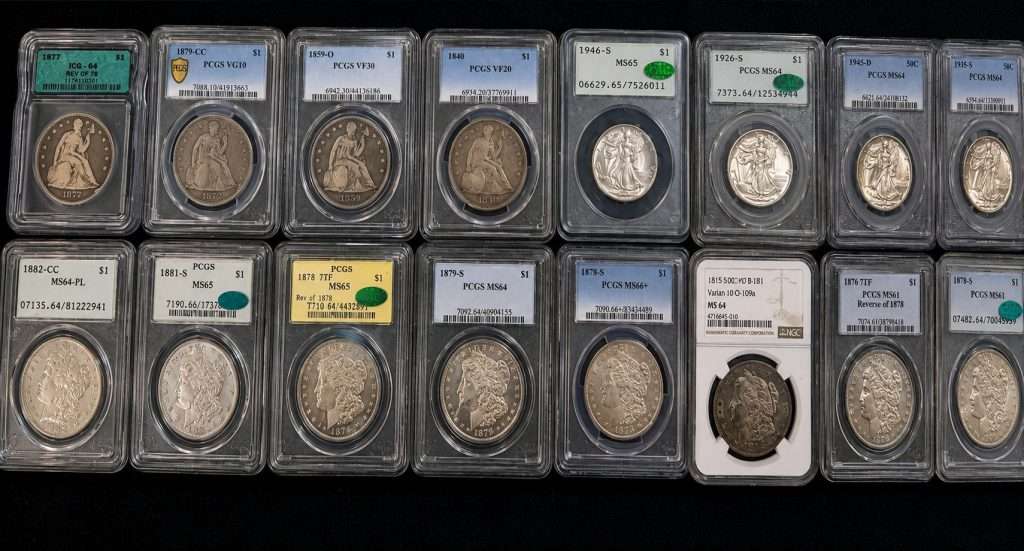
Bullion dealers use current market pricing as a foundation for purchasing offers, but every dealer manages inventory differently. Some businesses may actively seek particular silver products to replenish stock, while others may reduce buying activity when inventory is already sufficient.
Product type matters. Widely recognized silver coins, rounds, and bars can receive competitive offers because dealers understand their specifications and generally have established resale markets. Less familiar products may require additional evaluation before a dealer determines an appropriate bid.
Collectible bullion can behave differently from generic silver. Vintage bars, limited-production pieces, serialized bullion, or products from recognized makers may receive offers above intrinsic silver value when a dealer believes collector demand supports an additional premium.
For this reason, the silver bid price provides a starting point rather than a guaranteed final offer for every physical silver product.
Physical Silver vs Paper Silver Markets
Silver price discovery occurs within a global financial marketplace that includes futures contracts and other financial instruments, while physical bullion markets also respond to real-world supply, fabrication capacity, inventory, transportation, and customer demand.
During periods of elevated physical demand, dealer buying activity can remain strong even while broader markets experience volatility. Temporary shortages, refinery backlogs, product scarcity, or increased retail demand can influence physical bullion premiums and dealer offers.
Conversely, abundant dealer inventory or weaker retail demand may reduce buying offers even when the underlying silver market remains relatively stable. These differences are why investors should distinguish broad market pricing from the actual economics of a physical bullion transaction.
Understanding how physical and financial markets interact provides useful context for interpreting the silver bid price without assuming every bullion product will trade at precisely the same relationship to spot.
How Product Type Influences Buying Offers
Not every silver product receives the same buying offer, even when two items contain identical amounts of pure silver. Product recognition, resale liquidity, collector interest, condition, authenticity, and dealer demand can all influence the amount a buyer is willing to pay.
Widely recognized government bullion coins and investment-grade silver bars often receive competitive offers because dealers can identify and resell them efficiently. Generic silver products may trade primarily according to metal content and prevailing market conditions.
Collectible bullion can require a different evaluation. Vintage silver bars, hand-poured products, serialized bullion, limited-production releases, and scarce collector pieces may receive offers above intrinsic silver value when secondary-market demand supports an additional premium.
The silver bid price therefore establishes useful market context, while the characteristics of the individual product help determine the final buying offer.
Why Investors Watch Dealer Buying Activity
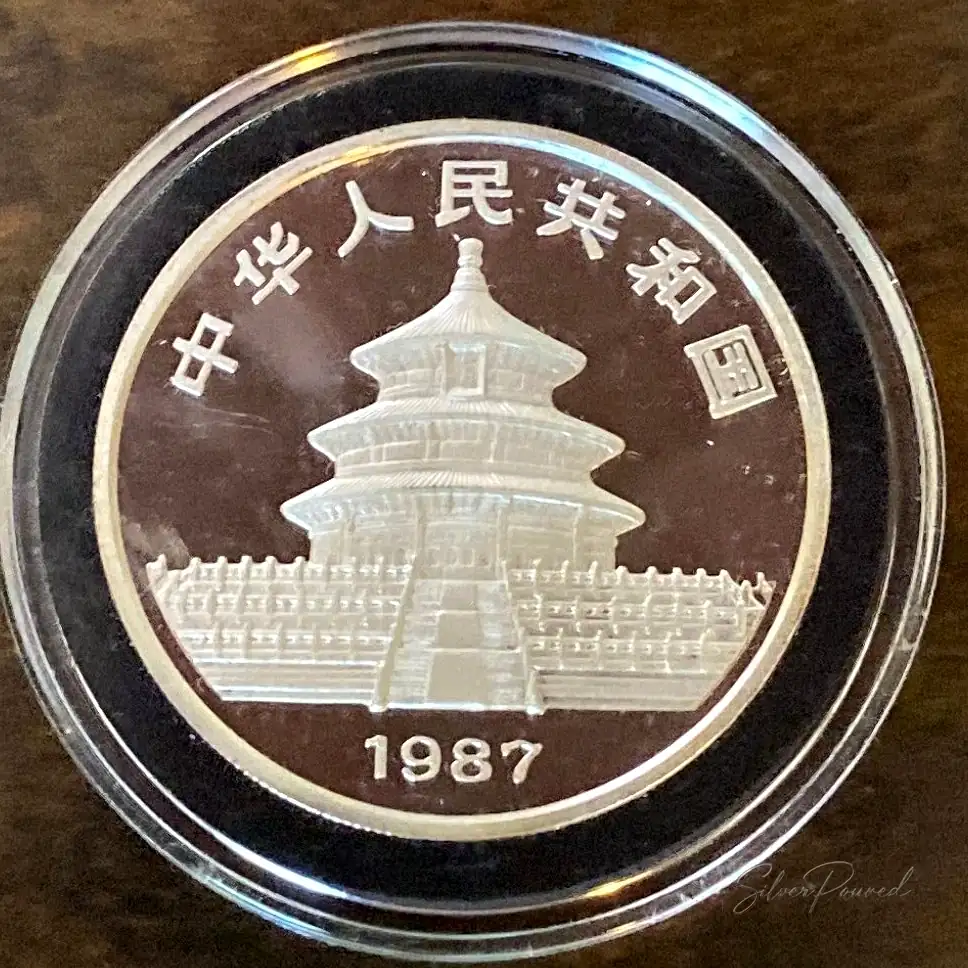
Investors and collectors may monitor dealer buying activity because it provides information beyond a published market benchmark. Competitive offers can indicate healthy dealer demand for physical silver, while weaker offers may reflect changing inventory conditions, lower resale demand, or reduced market activity.
Rather than relying on one pricing indicator, buyers and sellers can compare spot price, silver bid price, ask price, dealer spreads, product premiums, and physical availability. Viewing these measurements together provides a broader picture of current market conditions.
Dealer activity is especially relevant when the physical market behaves differently from broader financial markets. Strong retail demand, limited product availability, or dealer inventory needs may affect physical buying offers even when movements in the underlying silver market are relatively modest.
Selling Silver Using Bid Prices
Experienced sellers often compare multiple dealer bids before accepting an offer because buying prices can vary with inventory needs, product recognition, transaction size, condition, and current demand. Comparing several reputable offers provides better market context than assuming one published silver bid price determines what every dealer must pay.
Understanding current bid pricing becomes especially important when selling physical silver. The live spot price provides useful market context, but an actual dealer offer reflects the buyer’s current willingness to purchase that particular product.
Dealers may consider the product’s weight, purity, manufacturer, condition, authenticity, market recognition, inventory needs, and expected resale demand before making an offer. Products with established resale markets can be easier to price than unusual or highly specialized collectibles.
Collectible silver may also require separating bullion value from collector value. A scarce vintage bar or limited-production piece could receive an offer above its intrinsic silver value if the buyer recognizes a viable collector market.
Comparing offers from multiple reputable buyers can help sellers establish realistic expectations. Differences between dealer bids do not necessarily mean one business is using an incorrect silver price; they can reflect different inventory requirements, resale opportunities, transaction costs, and customer demand.
Common Misunderstandings About Silver Bid Price
One common misunderstanding is assuming that the silver bid price represents the exact amount every buyer will pay. Published bid prices are market references. Individual physical-silver offers can vary according to dealer policies, inventory requirements, transaction size, product type, condition, and resale demand.
Another misconception is assuming bid price and spot price are interchangeable. They are closely related, but they describe different parts of the market. Spot provides a broader benchmark, while a bid represents a buyer’s willingness to purchase.
Buyers may also assume that every collectible premium will be reflected in a standard bullion bid. That is not necessarily true. A dealer must recognize the collectible characteristics and believe sufficient resale demand exists before offering more than ordinary bullion value.
Understanding these distinctions helps collectors and stackers interpret market pricing more realistically while avoiding the expectation that one quoted number determines every physical silver transaction.
Silver Bid Price in Today’s Market
Modern precious metals markets allow the silver bid price to change throughout the global trading day. Electronic trading, live market feeds, dealer pricing systems, and widespread access to financial information allow buyers and sellers to follow current market conditions rapidly.
Physical silver transactions still involve considerations beyond electronic price feeds. Product recognition, liquidity, condition, fabrication, dealer inventory, shipping, and customer demand can influence actual buying offers.
This distinction is important because faster access to pricing information does not eliminate the economics of physical bullion. A live bid provides a market reference; an actual transaction still involves a specific buyer, seller, and product.
Future of Silver Bid Pricing
Access to live bid pricing continues becoming faster and easier as market-data services, dealer platforms, mobile applications, and bullion tools improve. Buyers and sellers can now compare market conditions more quickly than was possible when pricing information moved primarily through dealers, newspapers, or delayed financial reports.
Technology can reduce the delay between changes in the broader silver market and dealer pricing, but it does not eliminate differences between individual buying offers. Dealers will continue managing inventory, liquidity, expenses, product demand, and resale opportunities independently.
For collectors and investors, the practical advantage is greater transparency. Understanding how the silver bid price interacts with spot price, ask price, dealer spreads, and physical bullion demand remains more useful than following any one number in isolation.
Using Silver Bid Price to Make Better Decisions
The silver bid price becomes most useful when evaluated alongside other market information. Buyers and sellers can compare the current bid with spot price, ask price, dealer spreads, product premiums, and recent physical-market activity before making significant transactions.
For buyers, bid pricing can provide perspective on current demand and the relationship between dealer buying and selling prices. A competitive bid environment may indicate active physical trading, while wider spreads or weaker bids can reflect changing inventory or market conditions.
For sellers, comparing current bids from several reputable dealers can establish realistic expectations. Differences between offers often reflect business conditions and the specific product being evaluated rather than dramatic disagreement about silver’s underlying market value.
Collectors can use bid pricing to separate intrinsic silver value from collectible value. A rare silver bar, limited-production release, or sought-after bullion coin may trade above ordinary bullion levels because collector demand supports an additional premium.
The strongest decisions come from combining market information with product knowledge. Understanding weight, purity, authenticity, condition, liquidity, collector demand, and current silver bid price provides a more complete basis for evaluating a physical silver transaction.
Economic Factors That Influence Bid Prices
The silver bid price responds to activity within precious metals markets, while broader economic conditions can influence how aggressively buyers participate. Inflation expectations, interest-rate decisions, currency strength, industrial demand, geopolitical uncertainty, and investor sentiment may all contribute to changing silver-market conditions.
Periods of economic uncertainty can increase investor interest in physical precious metals, potentially strengthening demand for bullion. Other environments may produce softer investment demand or different inventory conditions, affecting dealer purchasing behavior.
Industrial consumption also matters because silver is used across electronics, solar and renewable-energy applications, medical technologies, manufacturing, and other industries. Changes in industrial demand can influence the broader silver market and eventually affect physical bullion pricing.
No single economic factor determines the silver bid price by itself. Evaluating economic conditions alongside spot price, ask price, spreads, physical demand, and dealer activity provides better context than attempting to explain every short-term movement through one variable.
Related SilverPoured Resources
Continue exploring SilverPoured’s silver-pricing, bullion-value, premium, and dealer resources to understand how the silver bid price interacts with spot price, ask price, dealer spreads, physical demand, and real-world buying offers.
Silver Market Prices
Silver Spot Price Today
What Is the Silver Spot Price?
Silver Spot vs Bid vs Ask Price
What Is the Silver Ask Price?
Premium Over Spot Explained
Silver Values and Calculators
Silver Melt Value Calculator
What Is Silver Melt Value?
Silver Coin Values
Junk Silver Value
Silver Eagle Calculator
Buying, Selling, and Bullion Premiums
Why Bullion Dealers Charge Premiums
Silver Bullion Premiums
Why Silver Premiums Change
Best Silver Dealers
Best Place to Buy Silver Online
Purchase Precious Metals from a Trusted Dealer
Understanding the silver bid price helps buyers and sellers compare physical bullion transactions more accurately by separating broad market pricing from individual dealer offers, product premiums, inventory demand, liquidity, and collectible value.
Golden State Mint offers silver bars, silver rounds, gold bullion, copper bullion, and fractional precious metals for collectors and investors. Comparing recognized bullion products with current market pricing can help buyers understand how spot price, bid price, ask price, dealer spreads, product demand, and market conditions influence physical precious-metals transactions.
Collector Insight
A published silver bid price provides useful market context, but an actual physical-silver offer still depends on the buyer and the product. Dealer inventory, resale liquidity, transaction size, product recognition, condition, and collector demand can all influence what a buyer is willing to pay. Comparing several reputable offers can provide a clearer picture of the current physical market.
Keep SilverPoured Free
SilverPoured is built to help collectors and precious-metals investors make smarter decisions through free calculators, original photography, coin research, value references, collector education, and independent market resources. Every page is created to make valuable precious-metals information available without requiring a paid subscription.
This guide explains the silver bid price by examining buyer offers, spot price, ask price, bid-ask spreads, dealer inventory, product demand, liquidity, physical bullion premiums, and changing market conditions. Every contribution helps support continued precious-metals research, original photography, free calculators, bullion education, and expansion of the SilverPoured Authority Library.
Your support allows SilverPoured to remain independent while building one of the web’s most comprehensive free libraries for coin collectors, bullion buyers, precious-metals researchers, and long-term investors.