
Silver bullion premiums are the amounts buyers pay above the underlying silver value when purchasing physical bars, rounds, government bullion coins, hand-poured pieces, and other silver products.
Silver spot price provides the metal-value benchmark, but it is not the same as the retail price of physical bullion. Refining, fabrication, minting, distribution, dealer costs, product availability, market demand, and collectible characteristics can all influence silver bullion premiums. Understanding those components helps buyers determine why two products containing the same amount of silver can sell for very different prices.
What Are Silver Bullion Premiums?
Silver bullion premiums represent the difference between a physical silver product’s underlying metal value and the price required to purchase it. If silver is trading at $35 per troy ounce and a one-ounce round sells for $40, the product carries a $5 premium above the underlying silver value.
That additional amount is not automatically profit for the seller. Physical silver must move through a real supply chain. Refining, fabrication, minting, labor, packaging, transportation, insurance, wholesale distribution, inventory financing, payment processing, and dealer operating costs can all contribute to the final retail price.
Premiums also reflect demand. A widely available generic round may trade relatively close to spot, while a government bullion coin, discontinued vintage bar, serialized pour, or scarce collectible can sell substantially higher because buyers value characteristics beyond raw silver content.
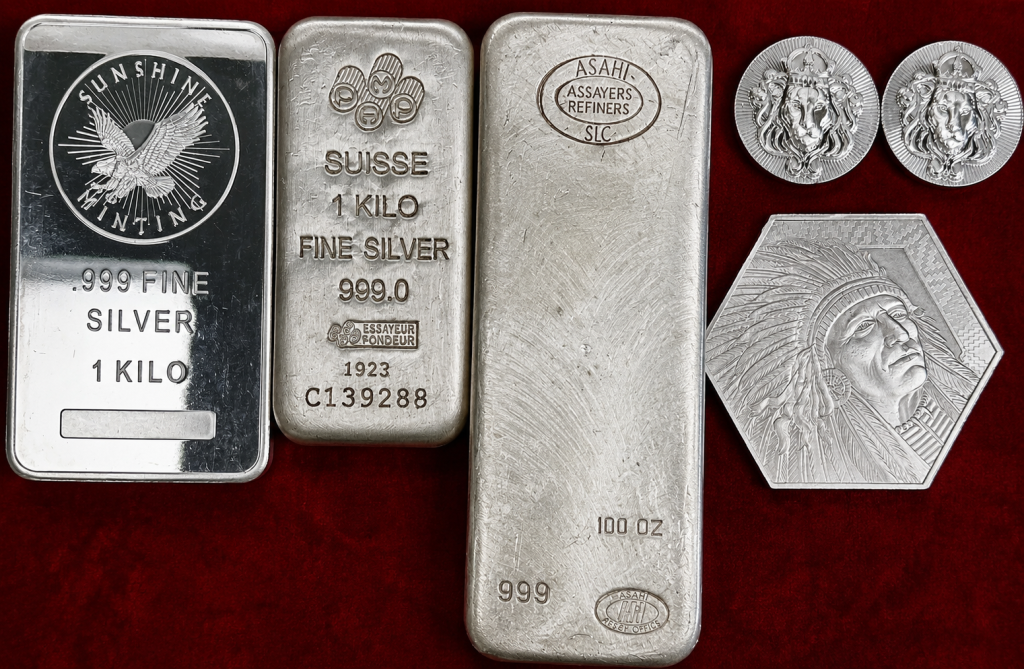
Why Silver Bullion Premiums Exist
The simplest way to understand silver bullion premiums is to separate the metal from the finished product. Silver has an underlying market value, but converting that metal into a recognizable one-ounce round, government coin, ten-ounce bar, serialized product, or hand-poured collectible requires additional work and distribution.
Manufacturing costs vary by format. A large standard bar may be relatively efficient to produce per ounce, while a smaller fractional piece can require additional fabrication and packaging relative to the amount of silver it contains. Government bullion coins may incorporate minting, distribution, and strong brand recognition, while artisan products can involve substantial hands-on labor.
Dealer economics also contribute. Dealers must acquire inventory, store and insure it, process transactions, manage price risk, ship orders, and maintain enough margin to operate. Wholesale replacement cost can change quickly when physical demand increases, which is one reason retail premiums do not always move in lockstep with spot.
Silver bullion premiums therefore reflect a combination of physical production and marketplace conditions rather than one universal markup applied to every ounce.
Spot Price, Melt Value, and Premium
Spot price, melt value, and premium describe different parts of physical silver pricing. Spot price is a market benchmark for silver. Melt value estimates the value of the fine silver contained in a particular item. Premium is the additional amount the market requires for the finished physical product.
| Pricing Component | What It Represents |
|---|---|
| Silver spot price | Market benchmark for silver |
| Melt value | Value of the fine silver contained in the item |
| Product premium | Amount paid above underlying silver value for the physical product |
| Collector premium | Additional value associated with rarity, maker, grade, history, scarcity, or demand |
Confusing these components can lead to poor comparisons. A collectible silver dollar, hand-poured bar, and generic bullion round may each contain valuable silver, but their final prices can be influenced by completely different premium structures.
Two products containing the same amount of .999 fine silver can sell for dramatically different prices without either price being automatically wrong. Silver bullion premiums can reflect fabrication, recognition, scarcity, craftsmanship, historical importance, or collector demand. The useful question is not simply which product costs more, but what the buyer is receiving for the additional premium.

Why Some Silver Products Carry Higher Premiums
Different silver products occupy different parts of the silver bullion premiums market. Generic rounds and standard bars often appeal to buyers seeking efficient silver accumulation because production is standardized and inventory can be relatively plentiful. Their prices are generally influenced more heavily by metal value, ordinary fabrication costs, and dealer spread.
Government-issued bullion coins can command higher premiums because buyers recognize the issuing mint, specifications, designs, and established secondary markets. Products with particularly strong demand or constrained availability may trade at premiums substantially above generic bullion.
Hand-poured silver can carry additional premium because of small-batch production, individual surface characteristics, maker reputation, hand stamping, unusual molds, or artistic finishing. Serialized products can add documented identity, while vintage bars may attract buyers because the original manufacturer or design is no longer available.
Silver bullion premiums become increasingly collector-driven when the buyer is seeking a particular maker, date, serial number, grade, variety, design, or discontinued product rather than simply another ounce of silver.
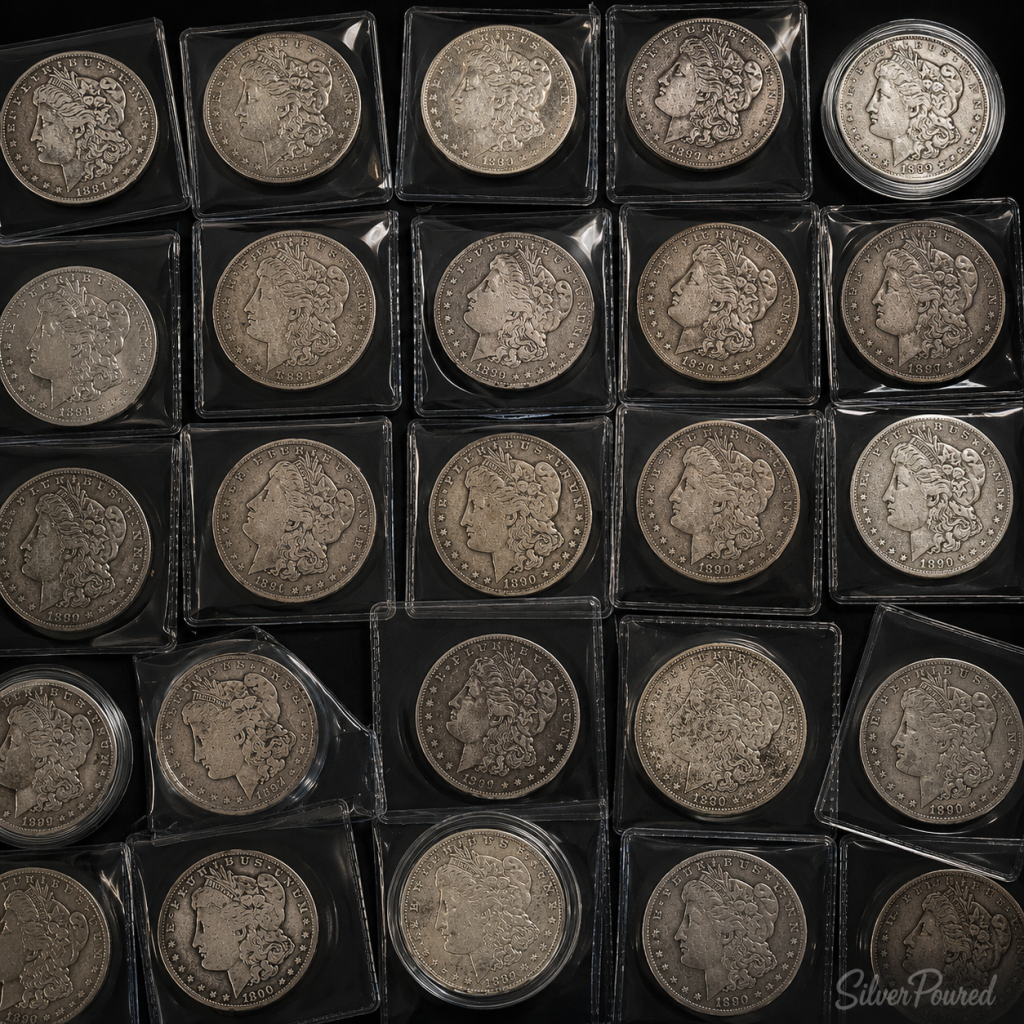
Typical Premium Differences by Product Type
| Bullion Category | General Premium Tendency | Primary Premium Drivers |
|---|---|---|
| Generic silver rounds | Lower | Fabrication, distribution, dealer spread |
| Generic silver bars | Lower | Weight, fabrication, brand, availability |
| Government bullion coins | Moderate or higher | Mint recognition, demand, availability |
| Hand-poured silver bars | Higher | Craftsmanship, maker, small-batch production |
| Serialized silver bars | Higher | Maker, production context, identification, demand |
| Vintage silver bars | Potentially high | Refiner, age, scarcity, provenance, collector demand |
These categories describe general tendencies rather than guaranteed pricing. A common vintage bar can sometimes trade for less than a highly demanded modern release, while a government coin may experience unusually high premiums during periods of constrained supply. Actual pricing depends on the specific product and market at the time of sale.
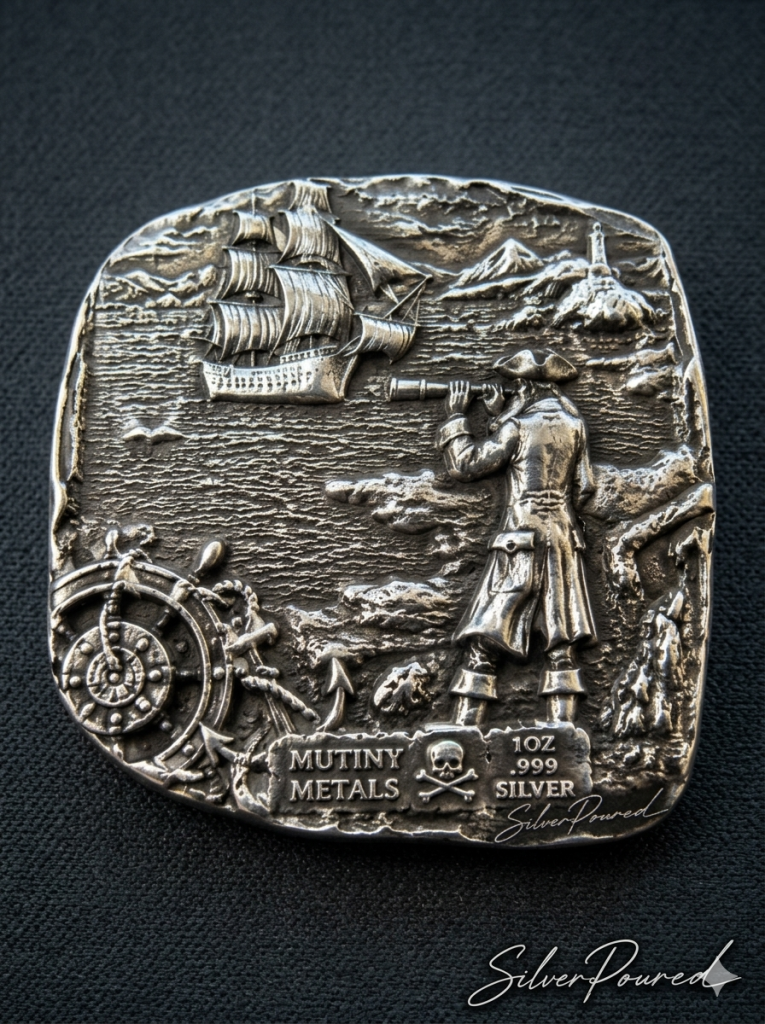
What Causes Silver Bullion Premiums to Change?
Silver bullion premiums are dynamic. They can rise or fall even when the underlying spot price changes very little because physical supply and demand operate differently from the broader quoted silver market. Dealer inventory, wholesale availability, manufacturing capacity, transportation, investor activity, and collector demand can all affect the amount buyers pay above metal value.
During periods of heavy physical buying, popular products may become difficult for dealers to replace. Wholesale costs can rise, retail inventory can tighten, and buyers may compete for limited available supply. Those conditions can push premiums higher without requiring an equivalent increase in silver spot price.
The opposite can happen when demand moderates or production catches up. Increased availability and competition among dealers can compress premiums even if silver itself remains at a similar price. Buyers who track silver bullion premiums over time can therefore see meaningful changes in the all-in cost of physical ownership that are not obvious from spot alone.
Collectible products introduce another layer. A discontinued bar, scarce serial range, popular hand-poured release, or low-population certified coin can develop stronger secondary-market demand while ordinary bullion premiums are falling. Product-specific collector markets do not always follow the broader retail bullion cycle.

Low-Premium vs High-Premium Silver
Lower and higher silver bullion premiums can both have legitimate roles because different products serve different objectives. A stacker focused on maximizing fine-silver weight may prefer generic bars and rounds, while a collector may willingly pay more for craftsmanship, rarity, historical significance, serialization, or a particular design.
Neither approach is inherently superior. The important question is whether the premium matches the purpose of the purchase. Paying a collectible premium makes little sense for a buyer interested only in acquiring the greatest number of ounces, while refusing every premium above generic bullion may prevent a collector from owning the pieces that actually interest them.
Many experienced buyers combine the two approaches. Lower-premium bullion can provide efficient physical silver exposure, while selected premium products can add historical, artistic, or specialized collector value.
A higher premium is neither automatically good nor automatically bad. The relevant question is what supports it. Silver bullion premiums backed by established collector demand, recognized craftsmanship, scarcity, or historical significance should be evaluated differently from temporary retail markups created by short-term inventory pressure.
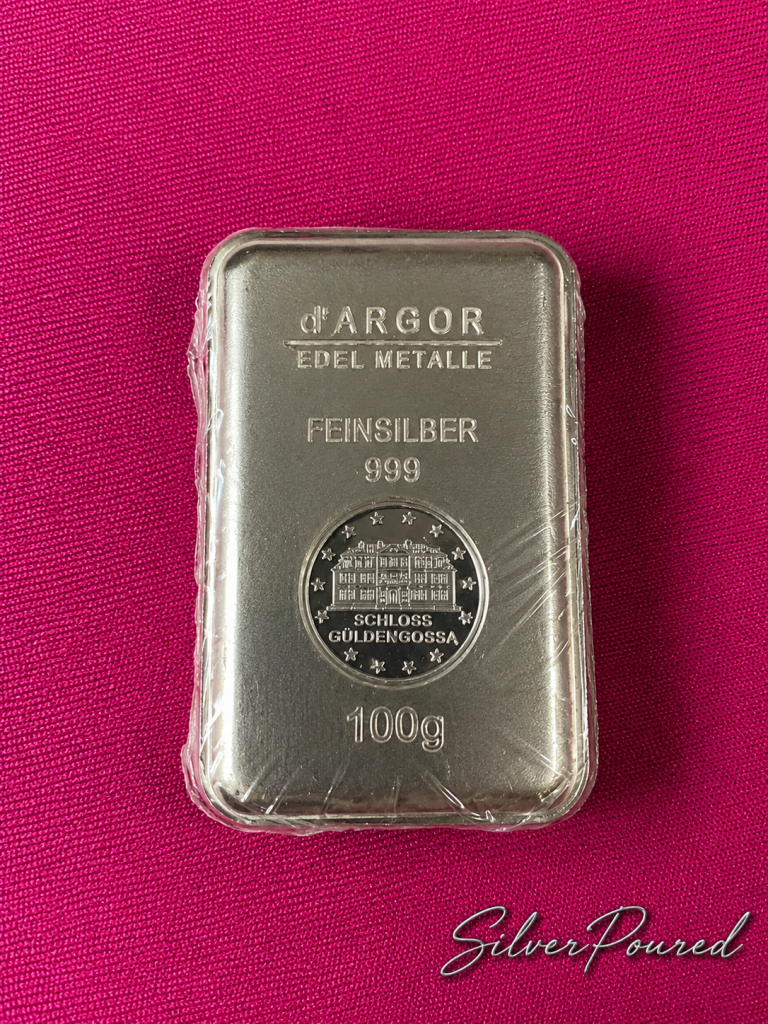
Dealer Premiums vs Secondary-Market Premiums
The premium attached to newly manufactured bullion is not always the same as the premium found in the secondary market. New products include current fabrication, packaging, distribution, wholesale, and dealer costs. Previously owned bullion can trade differently depending on availability, recognition, condition, collector interest, and how difficult the exact product is to replace.
Some secondary-market silver sells close to melt value because supply is plentiful and buyers view the product primarily as bullion. Other pieces develop stronger silver bullion premiums after production ends, particularly when a respected refiner, recognizable design, serialized run, or limited release attracts sustained collector demand.
Experienced buyers therefore compare more than one asking price. Dealer retail listings, auction results, private sales, buyback offers, and current availability can help establish whether a premium reflects a broad market or an unusually optimistic seller.
Replacement Difficulty and Scarcity
Replacement difficulty is one of the most useful ways to think about collectible premiums. Generic bullion can often be replaced with another comparable bar or round. A discontinued refinery bar, scarce serialized piece, unusual hand-poured design, or low-population certified issue may be much harder to replace once sold.
Scarcity alone is not enough. A product can be difficult to find without having strong demand. Silver bullion premiums become more defensible when limited availability is combined with buyers who actively compete for the same product.
This distinction prevents collectors from treating every low-mintage or discontinued item as automatically valuable. Production history, surviving supply, maker reputation, condition, market recognition, and actual transaction activity should all be considered before scarcity becomes part of the purchase price.
Condition, Packaging, and Documentation
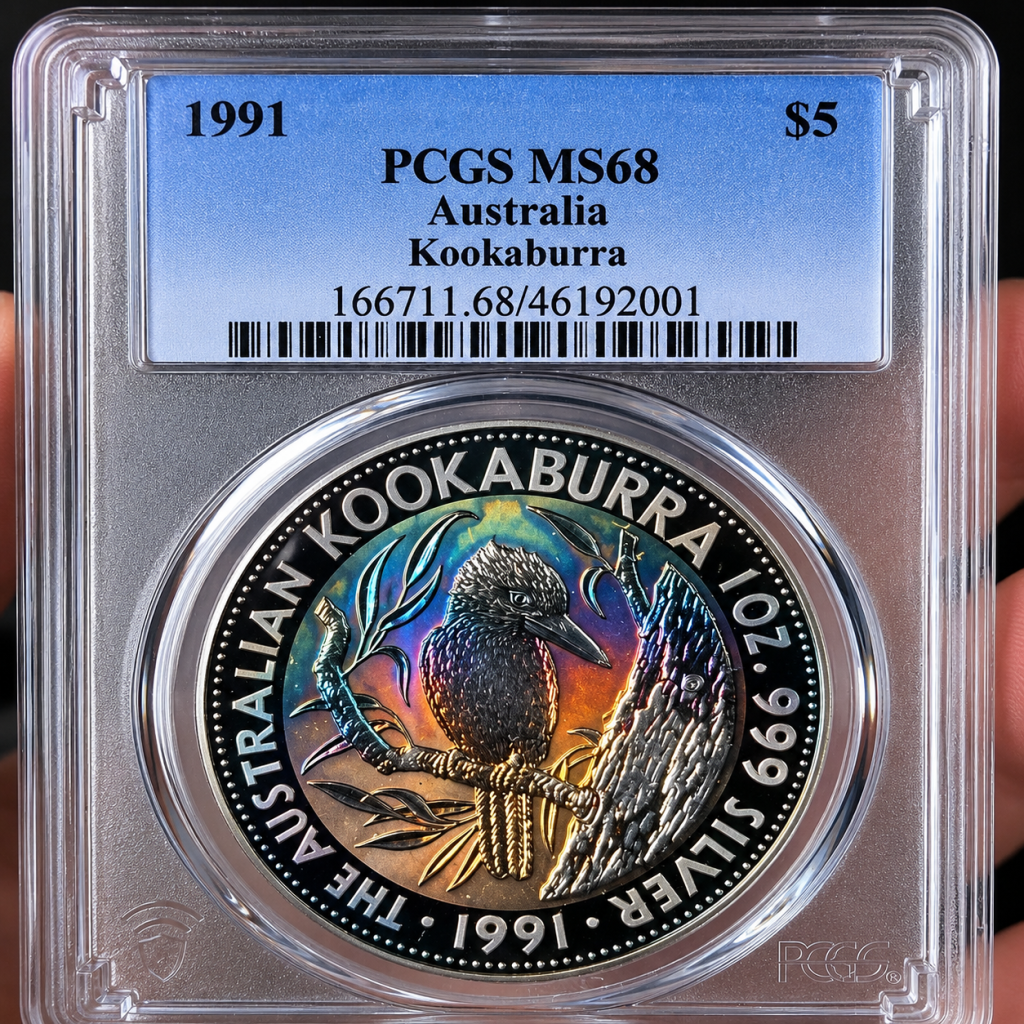
Condition matters differently across silver categories. Minor contact marks may have little significance on generic stacking bullion, while scratches, cleaning, altered surfaces, damaged holders, or missing packaging can materially affect a collectible product. Buyers should judge condition according to the type of silver being evaluated.
Original assay cards, certificates, grading holders, serial numbers, purchase records, photographs, and maker documentation can also support buyer confidence. These materials do not automatically create value, but they can help establish authenticity, provenance, and production context when silver bullion premiums depend on more than metal content.
Collectors should be cautious about aggressively cleaning older or collectible silver. Removing toning, polishing surfaces, or altering an original finish can reduce collector appeal even when the underlying silver remains unchanged.
Common Mistakes When Evaluating Silver Bullion Premiums
| Common Mistake | Better Approach |
|---|---|
| Buying only by spot price | Compare metal value, product premium, and total delivered cost |
| Assuming the lowest premium is always best | Match the product to the buyer’s actual objective |
| Assuming every high premium will appreciate | Identify the demand, scarcity, or craftsmanship supporting it |
| Ignoring resale spreads | Consider likely buyback value and buyer depth |
| Confusing scarcity with demand | Verify that buyers actually compete for the product |
| Ignoring condition or documentation | Preserve characteristics that may support collector value |
One of the biggest mistakes is assuming the cheapest physical silver is automatically the strongest purchase. Lower silver bullion premiums can be ideal for efficient stacking, but the product should still be authentic, recognizable enough for the intended resale market, and purchased from a seller the buyer trusts.
The opposite mistake is assuming that an expensive premium proves quality or future appreciation. A high asking price can reflect genuine scarcity and demand, but it can also reflect temporary excitement, thin inventory, aggressive retail pricing, or an unrealistic seller.
Careful buyers ask what specifically supports the premium and whether that characteristic is likely to matter to future buyers. That question is more useful than treating every premium as either wasted money or guaranteed collector value.
Silver bullion premiums are easiest to evaluate when the buyer can explain exactly why the product costs more than its silver content. Fabrication, recognition, scarcity, condition, maker reputation, historical significance, and collector demand can all be legitimate reasons. A premium becomes harder to defend when the buyer cannot identify what supports it beyond the seller’s asking price.
When Paying a Higher Premium Can Make Sense
A higher premium can be reasonable when the product offers characteristics the buyer deliberately values. Recognized craftsmanship, established collector demand, documented rarity, important production history, exceptional condition, or a difficult-to-replace design can justify paying more than the price of generic bullion.
Hand-poured silver illustrates this clearly. The buyer may be paying for small-batch production, distinctive surfaces, hand stamping, unusual molds, maker reputation, or limited availability in addition to the fine-silver content. Vintage refinery bars can carry premiums because the original manufacturer is gone and surviving examples are permanently limited.
Serialized products may also appeal to collectors who value documented identity or specific production runs. Serialization does not create rarity by itself, but it can become meaningful when combined with a desirable maker, limited production, matching sets, or strong secondary-market demand.
Balancing Premiums Within a Silver Collection
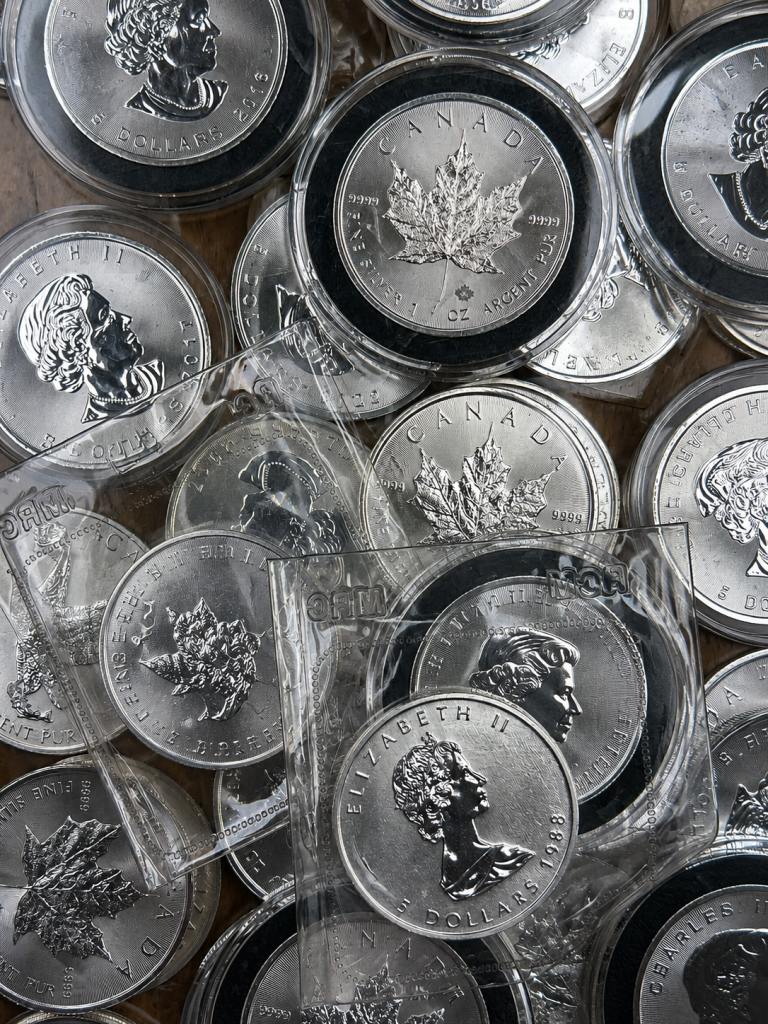
Many experienced collectors combine lower-premium bullion with selected higher-premium pieces instead of choosing only one approach. Generic rounds and bars can help maximize fine-silver ownership, while vintage, hand-poured, serialized, government-issued, or certified products can add collector interest and exposure to different parts of the physical silver market.
The balance depends on the owner’s goals. Someone primarily concerned with bullion weight may keep premium products to a small portion of the collection. A collector focused on historic refiners or artisan pours may willingly devote more of the budget to pieces whose value depends on characteristics beyond silver content.
Silver bullion premiums should therefore be evaluated within the context of the collection rather than in isolation. A premium that is inefficient for one buyer may be entirely reasonable for another if the product fulfills a different purpose.
Evaluating Premiums Before You Buy
Before purchasing physical silver, compare the underlying silver value with the total asking price and identify what creates the difference. Evaluating silver bullion premiums this way makes it easier to determine what the additional money is buying. Then compare similar products across several sellers or recent transactions to establish whether the premium is broadly supported by the market or limited to one listing.
Buyers should also consider future liquidity. A product can be desirable and still have a narrow resale market. Government bullion and common bars may attract a broad range of buyers, while specialized collectibles may require more time or the right venue to achieve their strongest price.
Replacement difficulty deserves attention as well. A generic bar can usually be replaced with another generic bar. A scarce vintage refiner, discontinued pour, matching serial set, or unusual certified issue may not be available again when the buyer wants it.
Evaluating silver bullion premiums through metal value, product characteristics, market demand, liquidity, and replacement difficulty produces a much stronger comparison than looking at the dollar premium alone.
Building a Long-Term Bullion Strategy
A long-term bullion strategy does not require predicting exactly which premium will rise next. Buyers can instead focus on products they understand, premiums they can explain, and purchase decisions that match their financial and collecting objectives.
Stackers may prioritize recognizable low-premium products and gradually add collectible pieces as their knowledge grows. Collectors may begin with artisan or vintage silver and later add ordinary bullion for balance. Either approach can work when the buyer understands why each product belongs in the collection.
Recordkeeping can improve that process. Tracking purchase price, silver value at acquisition, premium paid, seller, product details, serial information, and documentation gives the owner a clearer history of how different purchases performed over time.
Using Silver Bullion Premiums to Make Better Buying Decisions
Understanding silver bullion premiums helps buyers compare physical silver without treating every ounce as interchangeable. Generic bars, government coins, hand-poured pieces, serialized products, vintage refinery bars, and collectible silver may contain similar amounts of metal while serving very different markets.
The strongest comparison begins with intrinsic silver value and then identifies everything being paid for above that amount. Manufacturing, distribution, recognition, craftsmanship, scarcity, condition, provenance, and collector demand can all contribute to the final price.
Buyers who understand those components can decide when lower silver bullion premiums support efficient accumulation and when a higher premium is justified by qualities they intentionally want to own. The goal is not to eliminate premiums, but to understand them well enough to know what the additional money is buying.
As experience grows, silver bullion premiums become a useful market signal rather than simply an added cost. Tracking how they change across product categories can help collectors recognize physical-demand cycles, compare dealer pricing, identify genuine scarcity, and make more disciplined long-term bullion decisions.
Related SilverPoured Resources
Continue researching silver bullion premiums through SilverPoured resources covering spot price, physical bullion pricing, dealer premiums, collectible silver, hand-poured bars, scarcity, and changing market conditions.
Silver Prices and Premium Fundamentals
Silver Spot Price Today
What Is the Silver Spot Price?
Silver Spot vs Bid vs Ask Price
Premium Over Spot Explained
Why Silver Premiums Change
Bullion Pricing and Dealer Education
Why Bullion Dealers Charge Premiums
Why Silver Bars Sell Above Spot
Why Rare Silver Bars Cost More
Why Collectors Pay More for Silver
Best Place to Buy Silver Online
Hand-Poured and Collectible Silver
Best Hand-Poured Silver Bars
What Makes Silver Bars Collectible
Serialized Silver Bars
Vintage Silver Bars
Limited Mintage Silver
Purchase Precious Metals from a Trusted Dealer
Understanding silver bullion premiums gives buyers a stronger framework for comparing physical products before purchasing. Silver content establishes the intrinsic metal foundation, while fabrication, dealer costs, recognition, availability, craftsmanship, scarcity, and collector demand can influence the amount paid above that underlying value.
Golden State Mint offers silver bars, silver rounds, gold, copper, fractional precious metals, and other modern bullion products for collectors and stackers. Comparing current products from an established dealer can help buyers see how silver bullion premiums differ across weights, formats, manufacturers, and physical-bullion categories.
Collector Insight
Silver bullion premiums become much easier to evaluate when the buyer can explain exactly what exists above the underlying silver value. Ordinary fabrication and dealer costs may support one portion of the premium, while recognition, craftsmanship, scarcity, condition, provenance, or collector demand may support another. The strongest comparison identifies those components instead of assuming every premium is either wasted money or guaranteed future value.
Keep SilverPoured Free
SilverPoured is built to help collectors and precious-metals investors make smarter decisions through free calculators, original photography, coin research, value references, collector education, and independent market resources. Every page is created to make valuable precious-metals information available without requiring a paid subscription.
This silver bullion premiums guide combines original SilverPoured photography with education covering spot price, physical bullion pricing, dealer spreads, fabrication costs, scarcity, collectible demand, secondary-market behavior, and long-term buying strategy. Understanding silver bullion premiums helps readers distinguish intrinsic silver value from the additional price attached to a specific physical product. Every contribution helps fund continued precious-metals research, original photography, calculator development, and expansion of the free SilverPoured Authority Library.
Your support allows SilverPoured to remain independent while building one of the web’s most comprehensive free libraries for coin collectors, bullion buyers, precious-metals researchers, and long-term investors.