
Rare silver bars often command premiums above their intrinsic silver value because they combine precious metal ownership with scarcity, historical significance, collector demand, and limited availability. While silver content establishes intrinsic value, rarity, history, and collector demand often cause certain bars to trade well above melt value. Understanding these influences helps collectors and investors recognize the factors that shape market pricing beyond the value of the silver itself.
Whether a silver bar becomes rare because of a discontinued refinery, limited production, hand-poured craftsmanship, low surviving populations, or strong collector demand, rarity develops when supply can no longer satisfy buyer interest. Although not every older bullion product becomes valuable, truly scarce examples often become highly sought after within the secondary precious metals market.
What Are Rare Silver Bars?
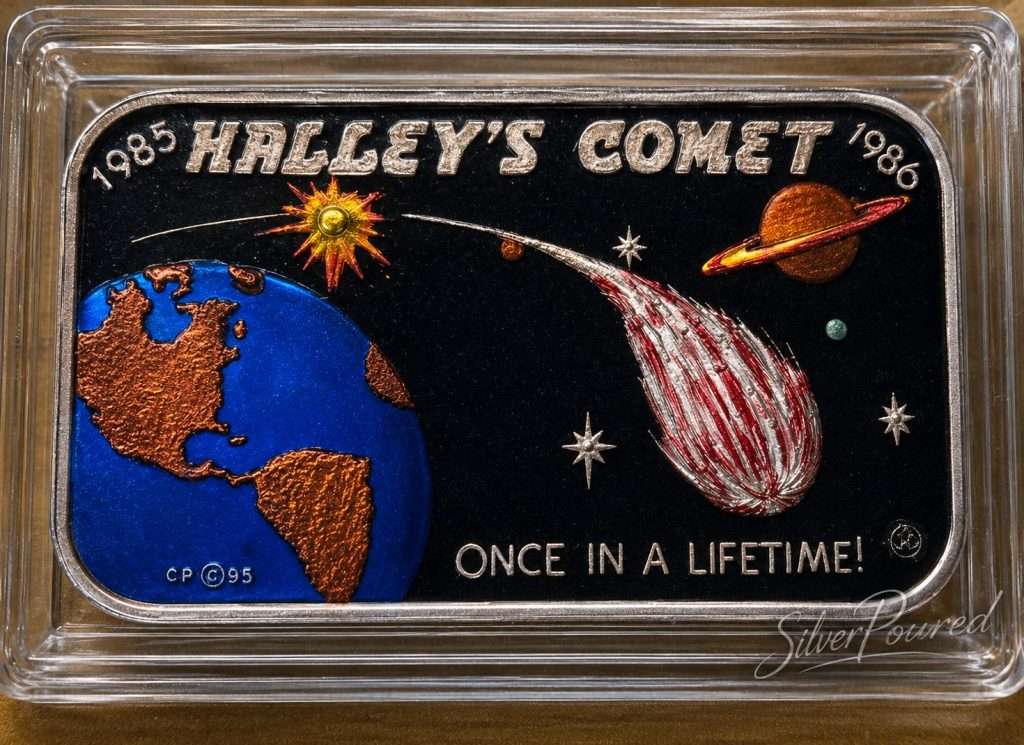
True rarity develops when limited supply meets sustained collector demand. A silver bar may be old without being rare, while some modern limited-production bars become highly collectible only a few years after release. Age can provide historical interest, but scarcity and continuing buyer demand are what create meaningful rarity.

These collectible bullion products have become difficult to obtain because relatively few examples remain available for purchase. Unlike standard investment bullion that can often be replaced with another identical bar, rare silver bars possess characteristics that distinguish them from ordinary bullion products.
Rarity may result from limited production, discontinued manufacturers, historic refineries, vintage poured silver, serialized production, unusual shapes, artistic designs, manufacturing errors, or exceptionally low survival rates. In many cases, multiple factors combine to increase collector demand over time.
It is important to understand that age alone does not make a silver bar rare. Many older bullion products remain readily available today, while some modern limited-production releases become difficult to locate only a few years after they were issued. True rarity develops when supply becomes limited while collector interest continues growing.
Why Rare Silver Bars Cost More
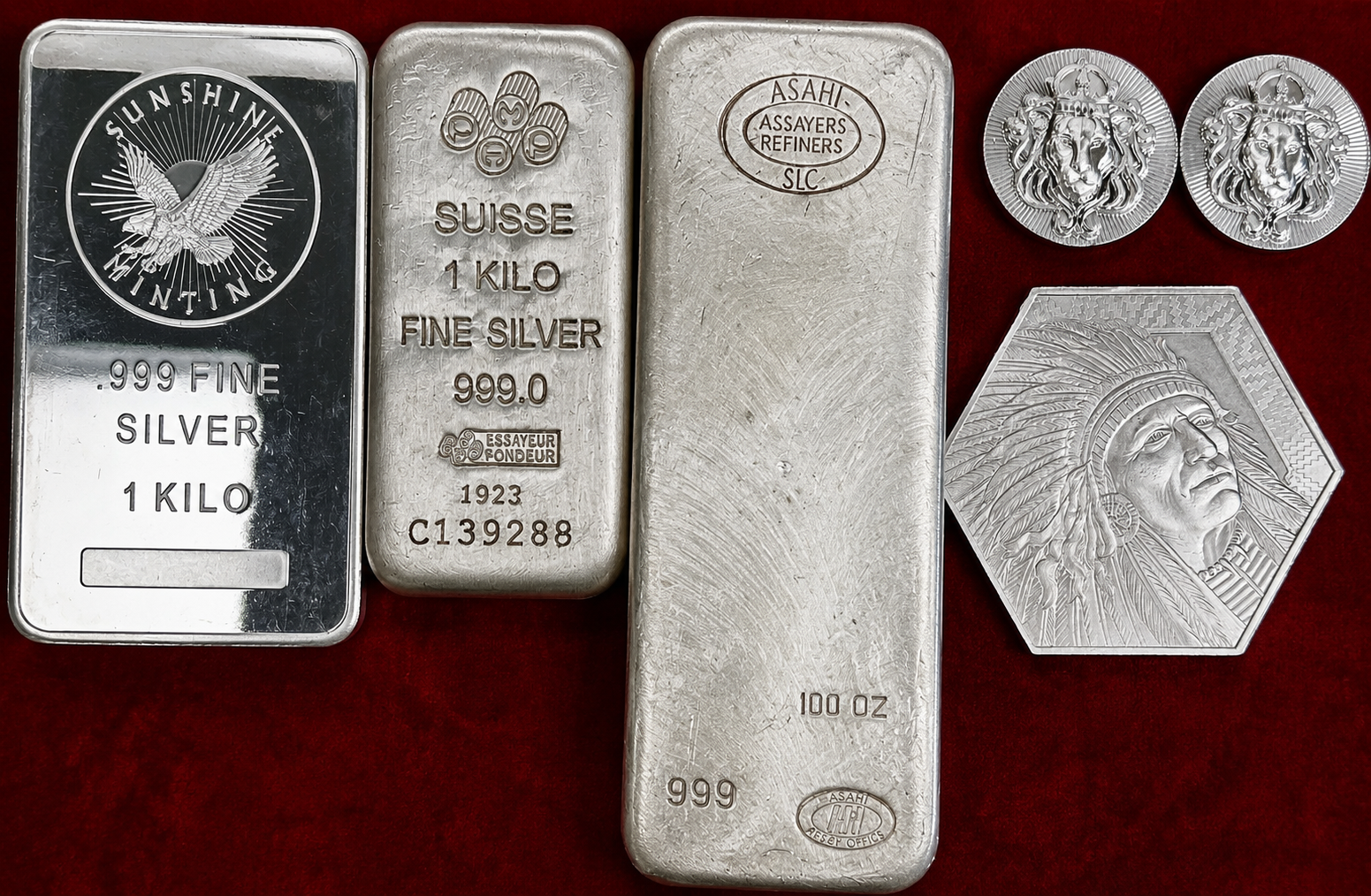
The value of scarce collectible bars extends beyond their silver content because buyers often compete for products that cannot be easily replaced. While every silver bar contains measurable intrinsic value based on weight and purity, collector premiums develop when scarcity combines with strong market demand.
Manufacturer reputation, historical importance, artistic craftsmanship, vintage appeal, low surviving populations, documented production numbers, and collector recognition all influence premium pricing. These factors explain why two silver bars containing identical amounts of silver may sell for dramatically different prices within the secondary bullion market.
Understanding this relationship between intrinsic value and collectible value helps buyers evaluate premiums more confidently while comparing different categories of bullion products.
Many experienced collectors compare rarity alongside craftsmanship, refinery reputation, historical significance, documented production history, and long-term collector demand rather than relying on scarcity alone. Evaluating these characteristics together provides a more complete picture of why some rare silver bars command substantial premiums while others continue trading much closer to their intrinsic silver value.
How Silver Bars Become Rare
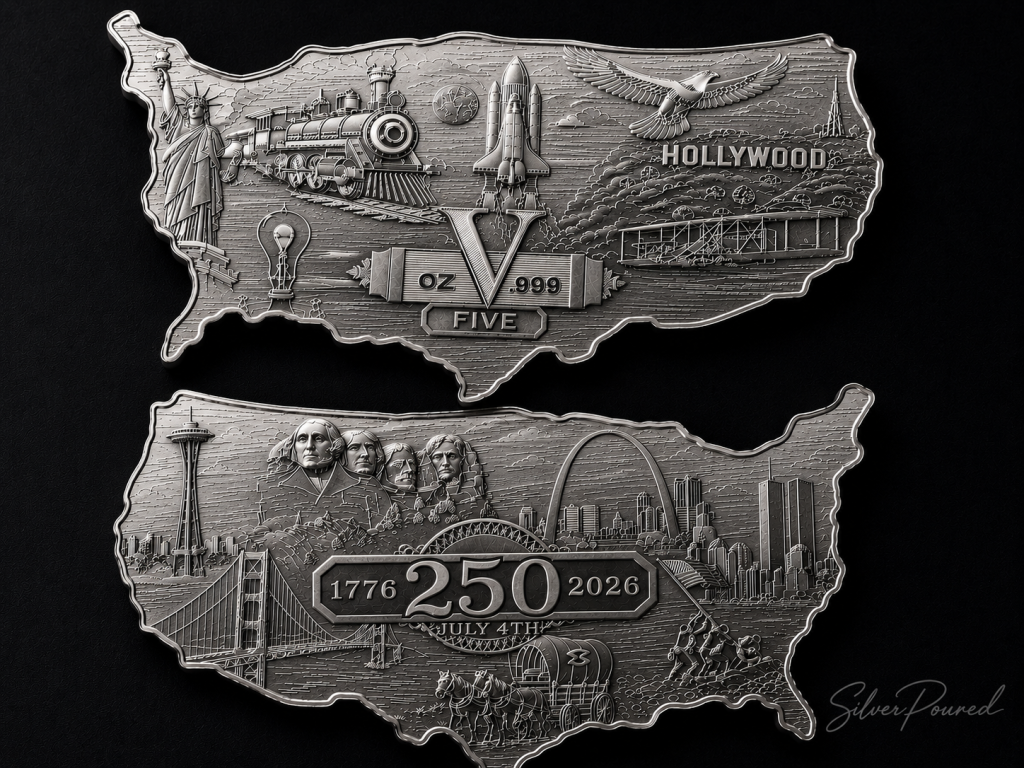
Rare silver bars become scarce in different ways. Some were intentionally produced in limited quantities, while others became rare gradually as refiners closed, production ended, and surviving examples disappeared into long-term collections. Understanding how scarcity developed can help collectors distinguish intentional limited production from genuine market attrition.
Collectible silver bars become scarce in several different ways, and understanding these differences helps explain why certain products command stronger premiums than others. Some bars were intentionally produced in limited quantities, while others became rare only after years of circulation, private ownership, or refinery closures reduced the available supply.
Limited-production releases are often designed to create exclusivity from the beginning. Private mints may manufacture only a few hundred or a few thousand examples before retiring a design, making those bars increasingly difficult to locate as collectors acquire and hold them.
Other bullion products become rare naturally over time. Historic refineries close, production methods change, molds are retired, and older silver bars disappear into long-term collections. In many cases, the surviving population becomes far smaller than the original production run, creating genuine scarcity that was never intentionally planned.
Understanding whether rarity developed through limited production or long-term market attrition helps collectors evaluate scarcity more accurately while comparing different categories of collectible bullion.
Vintage Silver Bars
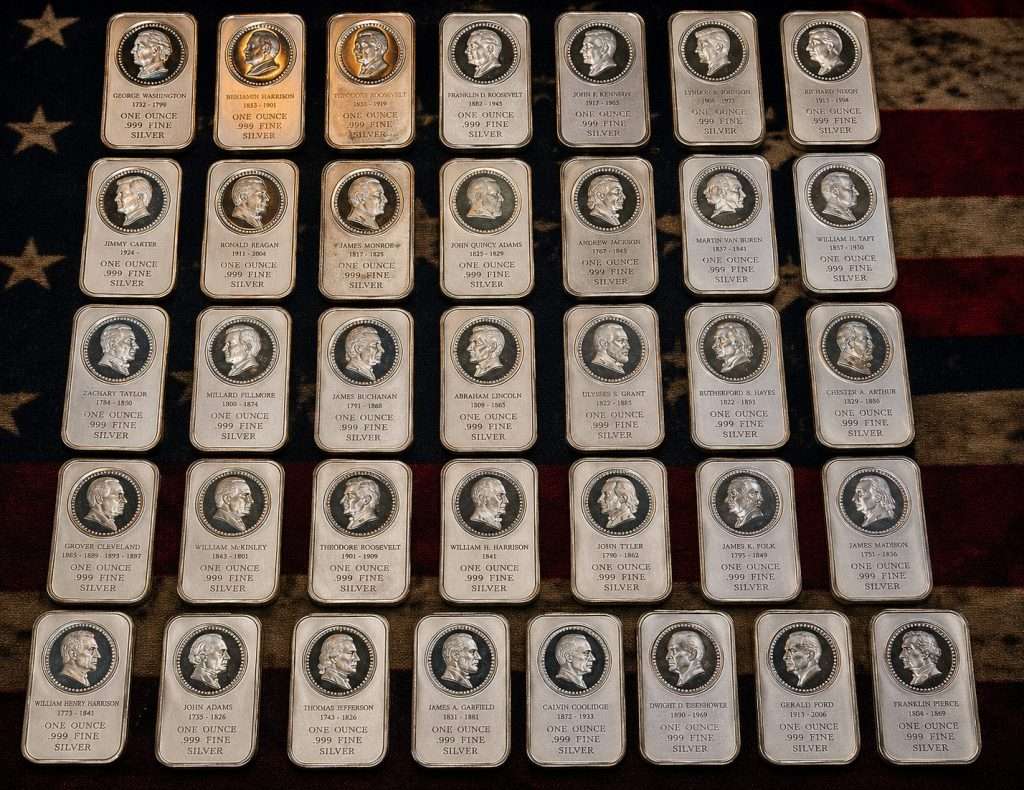
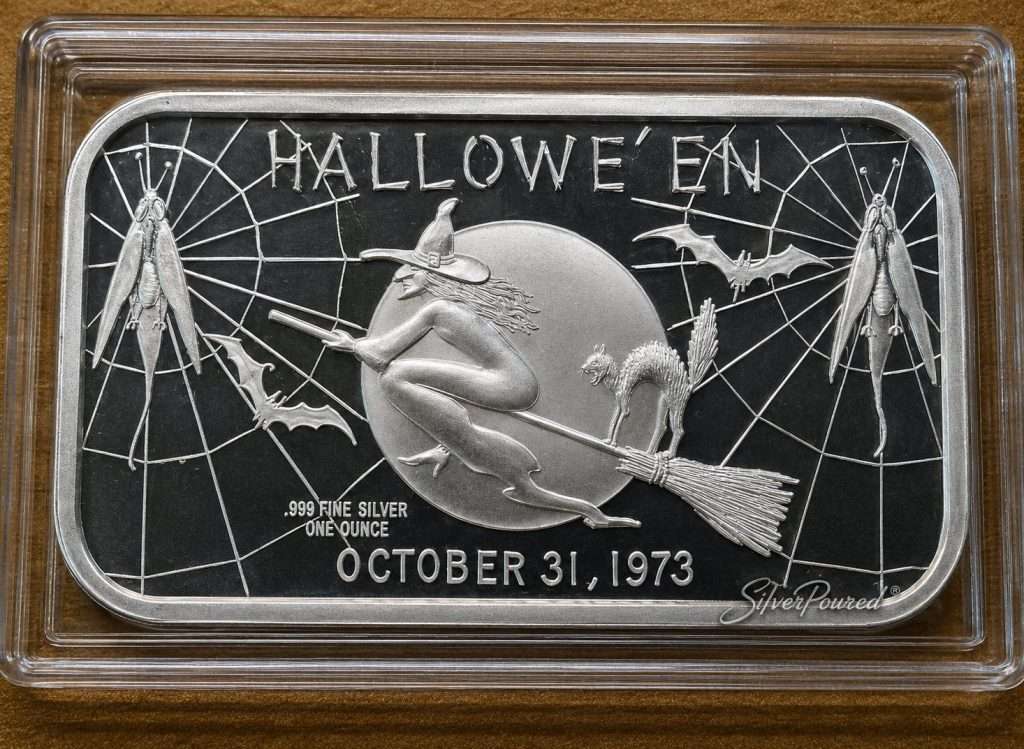
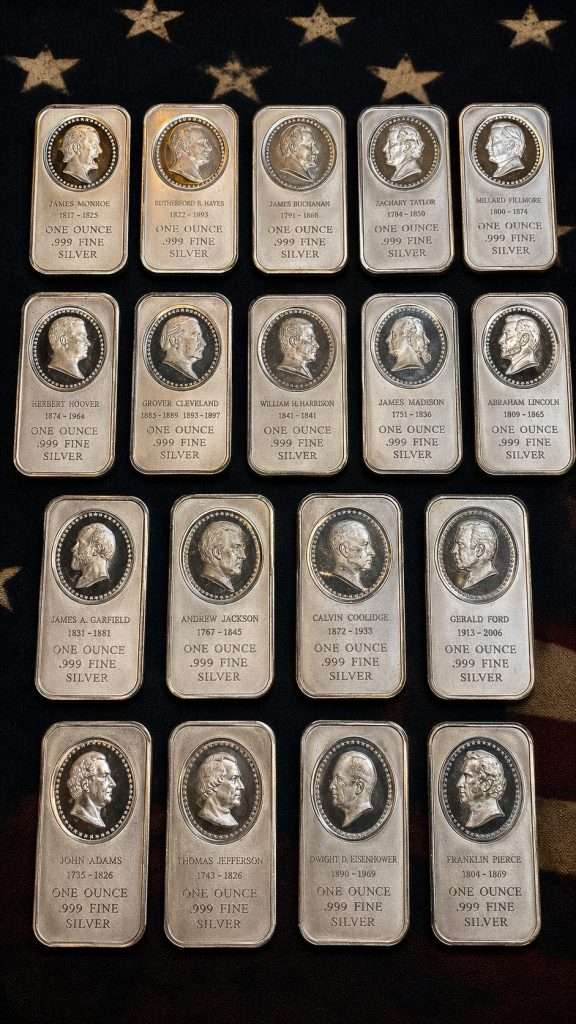
Vintage silver bars remain one of the most recognizable categories within the rare silver bar market because they represent an earlier era of precious metals production. Many were manufactured by refiners that no longer exist or were produced using methods that have since been replaced by modern minting technology.
Collectors often appreciate vintage bars for their historic refinery names, older logos, distinctive hallmarks, poured manufacturing techniques, and limited surviving populations. Unlike newly produced bullion, many vintage silver bars cannot be reproduced once a refinery closes or a particular design is discontinued.
As collector interest continues growing, well-preserved vintage silver bars frequently command premiums that reflect both their intrinsic silver value and their historical importance within the precious metals market.
Rare Hand Poured Silver Bars
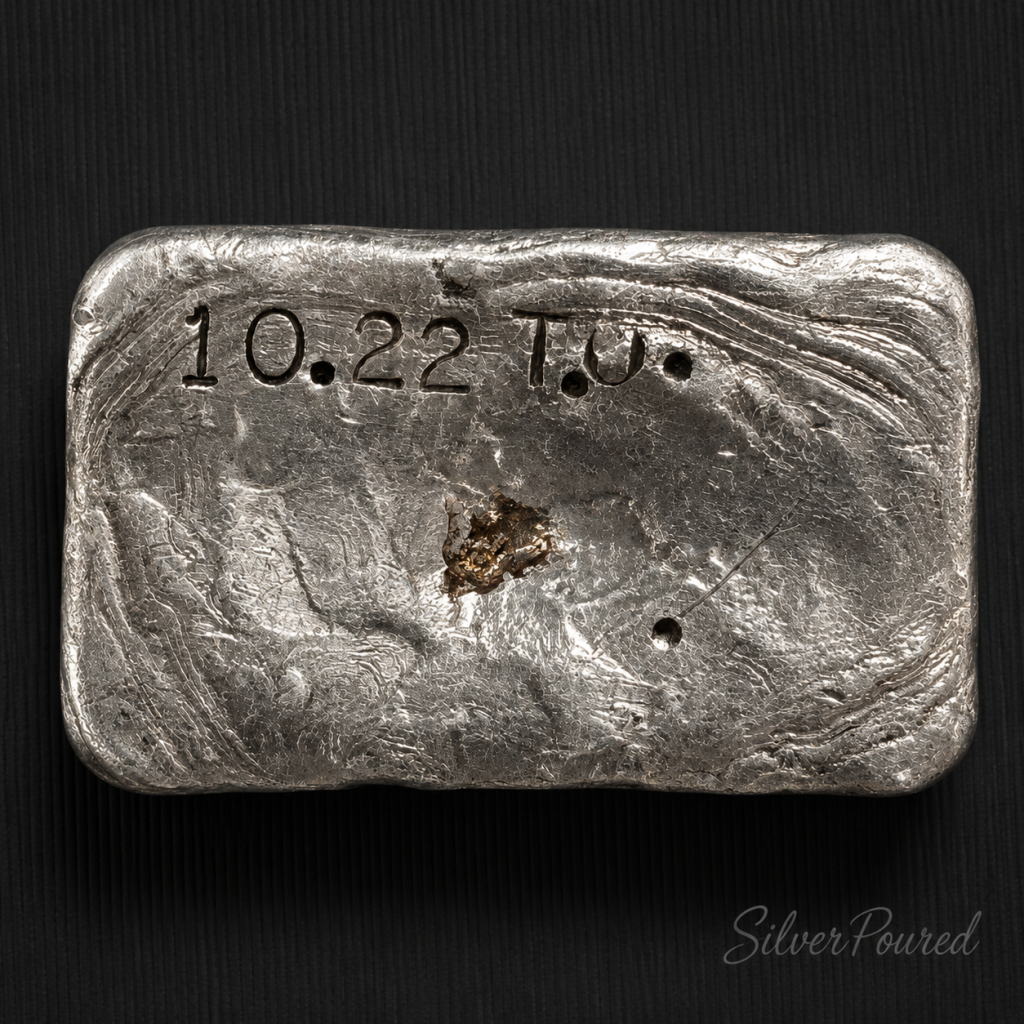
Hand-poured silver occupies a unique position within the collectible bullion market because every pour develops its own individual characteristics. Cooling lines, hand stamping, weight variations, surface texture, and artisanal craftsmanship make each bar slightly different from every other example, even within the same production run.
Rare hand-poured silver bars become especially desirable when they originate from respected makers, small-batch producers, discontinued artists, or early production periods. As more examples enter long-term collections, remaining pieces often become increasingly difficult to acquire, strengthening collector demand within the secondary market.
Unlike mass-produced bullion products, hand-poured silver combines intrinsic precious metal value with craftsmanship, individuality, and scarcity, creating multiple reasons why collectors may be willing to pay substantial premiums above melt value.
Refinery Reputation and Collector Confidence
The reputation of a refinery often plays a significant role in determining whether a silver bar becomes highly collectible. Bullion produced by well-known refiners with long histories of quality manufacturing frequently attracts stronger collector confidence than products from unknown or short-lived manufacturers. Over time, certain refinery names become recognized for craftsmanship, consistency, and historical importance, increasing demand among collectors.
When a respected refinery closes, changes ownership, or permanently retires a product line, existing silver bars become part of a fixed historical supply. Unlike modern bullion that can continue being produced indefinitely, discontinued refinery products become increasingly dependent on the secondary market. As collector demand grows and available inventory declines, premiums may strengthen even though the silver content remains unchanged.
Understanding refinery reputation helps collectors evaluate scarce bullion beyond weight and purity alone. The history behind the manufacturer often becomes part of the collectible appeal, particularly for vintage bullion and discontinued production.
Serialized Rare Silver Bars
Serialization can add another level of collectibility to rare silver bars by giving each piece a permanent individual identity. While a serial number alone does not make a silver bar rare, it allows collectors to distinguish one specific example from every other bar produced within the same series.
Low serial numbers, consecutive sets, early production pieces, and documented production runs often generate additional collector interest when combined with already scarce bullion products. As more serialized bars move into private collections, identifying and locating specific examples may become increasingly difficult, further strengthening their appeal within the secondary market.
Collectors frequently value scarce serialized bullion because the combination of documented identity, respected manufacturers, long-term provenance, and limited availability creates a stronger overall collectible profile than silver content alone.
Collector Demand and Market Behavior
Rarity alone does not guarantee strong premiums. Collector demand ultimately determines whether scarce silver bars become highly desirable within the marketplace. Some products remain difficult to locate but attract little buyer interest, while others develop enthusiastic collector communities that actively compete for available examples.
Market behavior can also change over time. New discoveries, growing collector awareness, published research, online communities, auction visibility, and educational resources may all influence demand for specific rare silver bars. As information becomes more widely available, collectors often begin recognizing products that previously received little attention.
Understanding the relationship between rarity and collector demand helps buyers evaluate collectible bullion more objectively. The strongest long-term premiums typically develop when limited supply is matched by sustained collector interest, historical significance, and broad market recognition.
Authentication and Identifying Rare Silver Bars
As silver bars become more valuable, authentication becomes increasingly important. Rare silver bars often attract greater scrutiny because strong premiums may encourage counterfeits, altered products, or inaccurate descriptions within the secondary market. Buyers should evaluate more than appearance alone when determining authenticity. A serial number creates identity, but authentication determines whether that identified bar is genuine.
Manufacturer markings, weight, purity stamps, dimensions, hallmarks, serial numbers, and overall manufacturing characteristics all help establish confidence. Original packaging, receipts, certificates, and documented ownership history may provide additional support, but no single feature should be considered proof of authenticity by itself.
Collectors who understand authentication are better prepared to evaluate rare silver bars objectively while reducing the risk of purchasing altered or misrepresented bullion products.
Buying Rare Silver Bars
Purchasing scarce collectible bullion requires balancing market appeal with careful research. Experienced buyers often compare historical sales, evaluate refinery reputation, verify authenticity, review photographs, and understand why a particular bar has become desirable before committing to a purchase.
While rarity can justify higher premiums, buyers should avoid assuming every older silver bar is automatically valuable. Understanding production history, surviving populations, collector demand, and overall market activity helps determine whether a premium reflects genuine scarcity or simply optimistic pricing.
Taking time to compare similar examples and purchasing from reputable dealers or established collectors can improve long-term confidence while reducing unnecessary risk.
Protecting and Preserving Rare Silver Bars
Proper storage helps preserve both the condition and long-term desirability of rare silver bars. Original packaging, assay cards, certificates, and accompanying documentation should be retained whenever possible because collectors often value complete presentations.
Handling should be minimized to reduce fingerprints, scratches, and surface damage. Protective holders, dry storage conditions, and careful organization help maintain the physical condition of collectible bullion while preserving the characteristics that contribute to long-term collector appeal.
Although silver content determines intrinsic value, condition frequently influences collectible value. Preserving rare silver bars carefully allows future buyers to evaluate the product as accurately as possible while maintaining confidence in its authenticity and history.
Selling Rare Silver Bars
Selling rare silver bars involves more than simply weighing the silver and applying the current spot price. Buyers often evaluate rarity, refinery reputation, condition, provenance, collector demand, and recent market activity before determining what they are willing to pay. Understanding these factors helps sellers present their bullion more effectively while setting realistic expectations.
High-quality photographs, accurate descriptions, original packaging, receipts, certificates, and any documented ownership history can strengthen buyer confidence. When rare silver bars possess identifiable characteristics that distinguish them from common bullion, clearly communicating those details often results in stronger interest within the secondary market.
Collectors who understand why a particular bar is desirable are generally better positioned to recognize its value than buyers focused solely on intrinsic silver content. Matching the product with the appropriate audience is frequently just as important as understanding current silver prices.
Common Mistakes When Buying Rare Silver Bars
One of the most common mistakes is assuming that every old silver bar is automatically rare. Age alone does not create collectible value. Many vintage bullion products remain widely available, while some modern issues become difficult to locate because of limited production or strong collector demand.
Another mistake is paying substantial premiums without understanding why a particular bar commands higher prices. Researching the manufacturer, production history, surviving availability, and collector interest provides a much stronger foundation for evaluating rarity than appearance alone.
Collectors should also avoid relying exclusively on serial numbers, online listings, or unsupported claims of rarity. Authenticity, documentation, provenance, and informed market research all contribute to making confident purchasing decisions.
Rare Silver Bars in Today’s Market
Today’s collectible silver bar market includes vintage refinery products, historic hand-poured bullion, serialized issues, discontinued private mint releases, artistic pours, limited-production bars, and other scarce bullion that appeals to both investors and collectors. While silver spot price continues influencing intrinsic value, market demand often determines how much additional premium buyers are willing to pay.
Online marketplaces, specialty dealers, collector communities, and educational resources have made rare silver bars more visible than ever before. As information becomes easier to access, collectors are increasingly able to research production history, compare similar examples, and make more informed decisions when building their collections.
Although market preferences naturally evolve over time, the strongest rare silver bars continue sharing common characteristics: identifiable history, limited availability, respected manufacturers, and sustained collector interest.
Future of Rare Silver Bars
The market for rare silver bars continues evolving as new collectors enter the precious metals hobby and experienced buyers place greater emphasis on originality, documentation, and historical significance. Digital research, online auction archives, collector communities, and improved access to information have made it easier to identify desirable bullion while increasing awareness of previously overlooked refiners and limited-production issues.
As more collectible silver bars move into long-term private collections, the available supply of many sought-after pieces may continue declining. Although future premiums can never be guaranteed, products supported by recognized manufacturers, documented production history, strong collector demand, and lasting historical appeal are often better positioned to remain desirable within the secondary market.
Understanding why rare silver bars cost more allows buyers to evaluate opportunities using knowledge rather than speculation. By combining intrinsic silver value with careful research, collectors can make more informed decisions while building collections focused on quality rather than quantity.
Rare Silver Bars Context
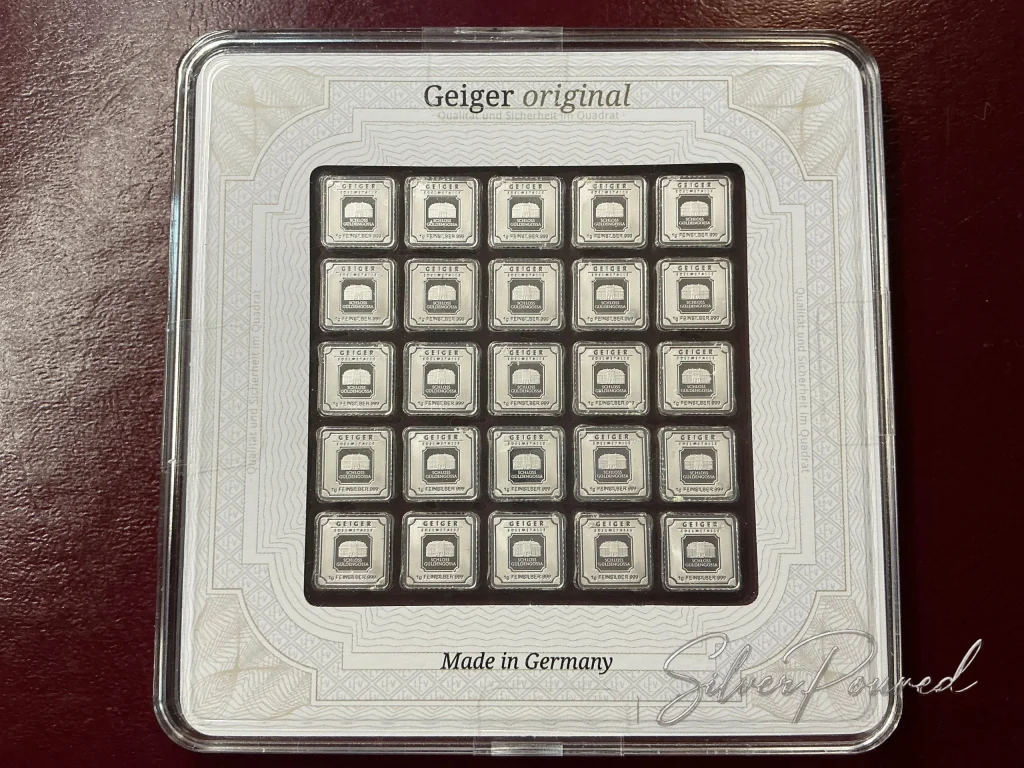
Rare silver bars occupy a unique position within the precious metals market because they combine tangible silver ownership with collectible history. Unlike generic bullion, these products are often valued for the stories they represent, the refiners that produced them, the production methods they preserve, and the collector communities that continue documenting their significance.
Whether the rarity originates from a historic refinery, hand-poured craftsmanship, serialized production, limited mintage, discontinued designs, or exceptionally low surviving populations, the strongest rare silver bars typically combine multiple characteristics that reinforce long-term collector demand. Understanding these relationships helps buyers recognize why some silver bars trade close to melt value while others command substantial premiums within the collectible bullion marketplace.
Related SilverPoured Resources
Continue exploring SilverPoured’s rare-bar, collectible-bullion, premium, and pricing resources to understand how scarcity, refinery history, craftsmanship, provenance, condition, and collector demand influence physical silver values.
Rare and Collectible Silver Bars
Vintage Silver Bars
Why Serialized Bullion Costs More
What Makes Silver Bars Collectible
Why Collectible Silver Sells For More
Limited Mintage Silver
Bullion Premium Education
Premium Over Spot Explained
Why Bullion Dealers Charge Premiums
Why Silver Premiums Change
Why Collectors Pay More for Silver
Why Limited Mintage Bullion Costs More
Silver Prices and Value
Silver Spot Price Today
Silver Melt Value Calculator
What Is Silver Melt Value?
Silver Coin Values
Best Silver Dealers
Purchase Precious Metals from a Trusted Dealer
Understanding why rare silver bars cost more helps buyers compare collectible bullion with ordinary investment silver while considering scarcity, refinery history, craftsmanship, provenance, condition, authenticity, and sustained collector demand.
Golden State Mint offers silver bars, silver rounds, gold bullion, copper bullion, and fractional precious metals for collectors and investors. Comparing readily available bullion with scarce or historic silver bars can help buyers distinguish intrinsic metal value from premiums created by rarity, recognition, condition, and collector interest.
Collector Insight
Rarity deserves a premium only when collectors have a reason to care about the limited supply. Refinery history, identifiable production, provenance, original surfaces, condition, unusual craftsmanship, and sustained market recognition can all strengthen a scarce bar’s collectible profile. Completed sales are especially useful for separating genuine market demand from optimistic asking prices.
Keep SilverPoured Free
SilverPoured is built to help collectors and precious-metals investors make smarter decisions through free calculators, original photography, coin research, value references, collector education, and independent market resources. Every page is created to make valuable precious-metals information available without requiring a paid subscription.
This guide explains why rare silver bars cost more by examining scarcity, refinery history, craftsmanship, provenance, condition, authenticity, surviving availability, and long-term collector demand. Every contribution helps support continued precious-metals research, original photography, free calculators, bullion education, and expansion of the SilverPoured Authority Library.
Your support allows SilverPoured to remain independent while building one of the web’s most comprehensive free libraries for coin collectors, bullion buyers, precious-metals researchers, and long-term investors.