
Vintage silver bars often carry higher premiums because collectors value rarity, historical significance, scarcity, and discontinued refinery production.
Vintage Silver Bars
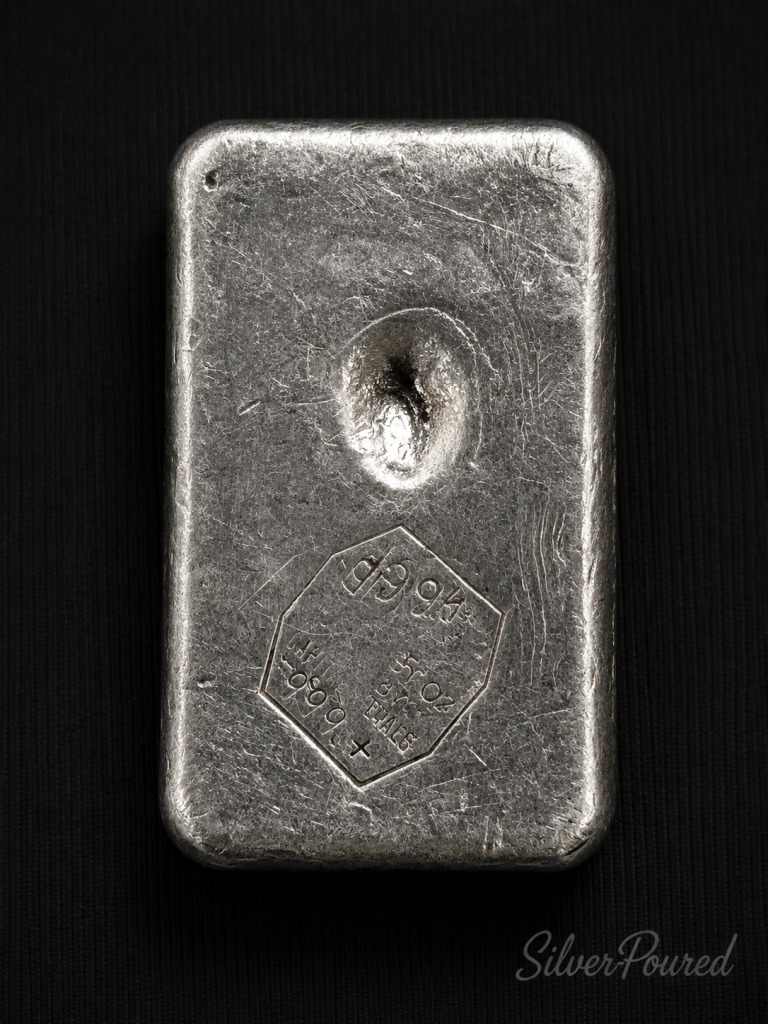
Vintage silver bars often carry higher premiums because collectors value rarity, historical significance, scarcity, and discontinued refinery production.
While modern bullion products are widely available, many vintage silver bars become increasingly difficult to locate over time. This scarcity can significantly increase collectible premiums beyond simple melt value alone.
As collectible bullion markets continue evolving in 2026, vintage silver bars remain one of the strongest premium categories within the precious metals industry.
What Are Vintage Silver Bars?
Vintage silver bars are bullion bars produced by refiners or mints that are no longer actively manufacturing the same products today.
Many collectors actively seek older bullion bars because of their limited surviving inventory, historical refinery significance, vintage poured designs, discontinued production, serialized formats, hand-stamped characteristics, unique shapes, unusual weights, or distinctive finishes. Unlike modern mass-produced bullion, vintage silver bars often develop long-term collector demand as fewer examples remain available in the marketplace.
Unlike generic modern bullion, vintage silver bars often develop long-term collectible demand.
Why Vintage Silver Bars Carry Higher Premiums
Vintage silver bars frequently trade far above melt value because collectors compete for limited supply.
Premiums often increase because of low availability, collector demand, historical significance, recognized refinery names, scarcity in secondary markets, unique poured characteristics, and serialized production. As available inventory declines and collector interest grows, certain vintage silver bars can trade for substantially more than their underlying melt value.
Some rare vintage silver bars eventually trade for several times their intrinsic silver value because long-term collector demand, rarity, and historical significance often become more important than melt value alone.
Many older bullion bars become increasingly difficult to locate because discontinued refiners can no longer produce replacements. As more examples disappear into long-term collections, scarcity often becomes one of the strongest drivers of collector demand and premium pricing.

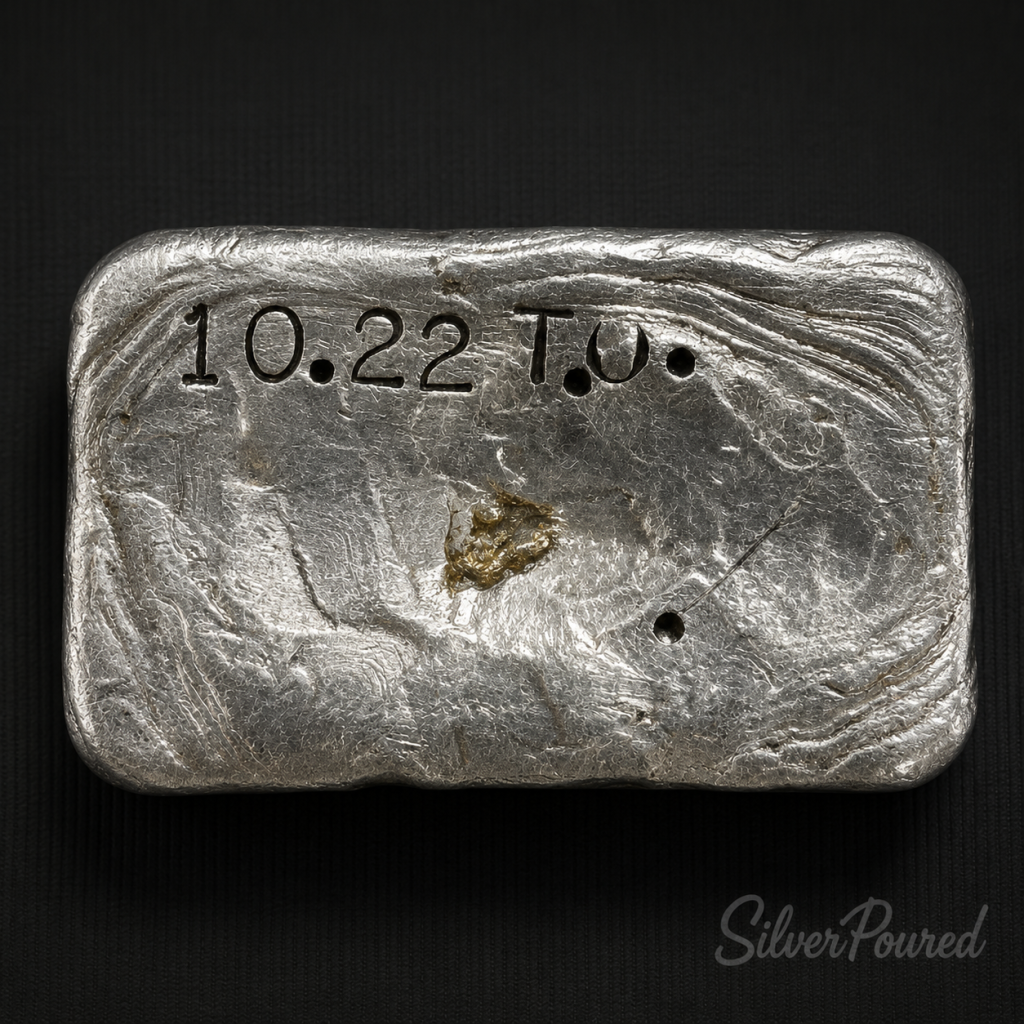
Vintage Poured Silver Bars vs Modern Bullion
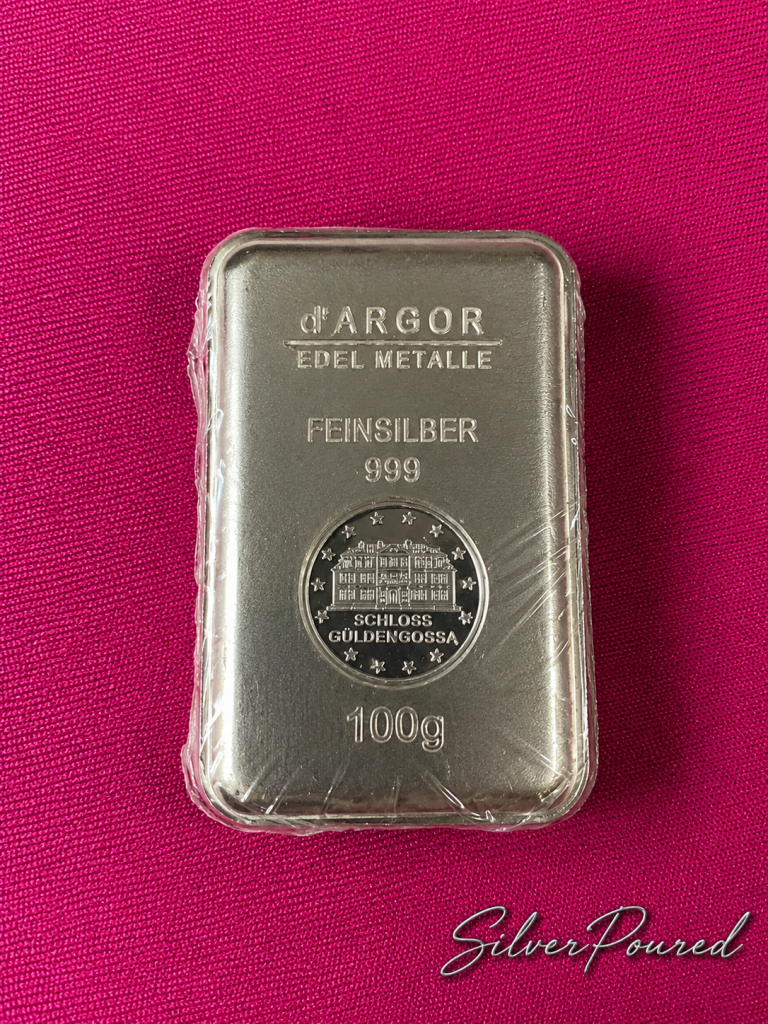
Vintage poured silver bars remain especially popular among collectors because they combine precious metal ownership with older production methods, discontinued refinery history, and unique hand-poured character. Unlike many modern bullion bars, vintage poured bars often show cooling lines, irregular surfaces, hand-stamped markings, natural toning, and individual shape variation created during the original pour.
Modern bullion is usually easier to replace because current private mints and refiners can continue producing new inventory. Vintage silver bars are different because the original production already happened. Once bars from a discontinued refiner disappear into private collections, replacement examples become harder to locate.
| Feature | Vintage Silver Bars | Modern Silver Bars |
|---|---|---|
| Availability | Limited secondary-market supply | Often actively produced |
| Production Style | Older pours, stamps, and refinery methods | Modern minting and finishing |
| Collector Demand | Often strong among vintage bullion collectors | Varies by brand and product |
| Premium Level | Frequently higher | Often lower for generic bullion |
| Replacement Difficulty | Can be difficult to replace | Usually easier to reorder |
| Main Appeal | Scarcity, history, and originality | Silver weight, price, and availability |
This comparison helps explain why vintage silver bars often trade differently from modern bullion. A modern bar may appeal to stackers seeking low-premium silver, while a vintage bar may attract collectors who value historical significance, discontinued production, and long-term scarcity.
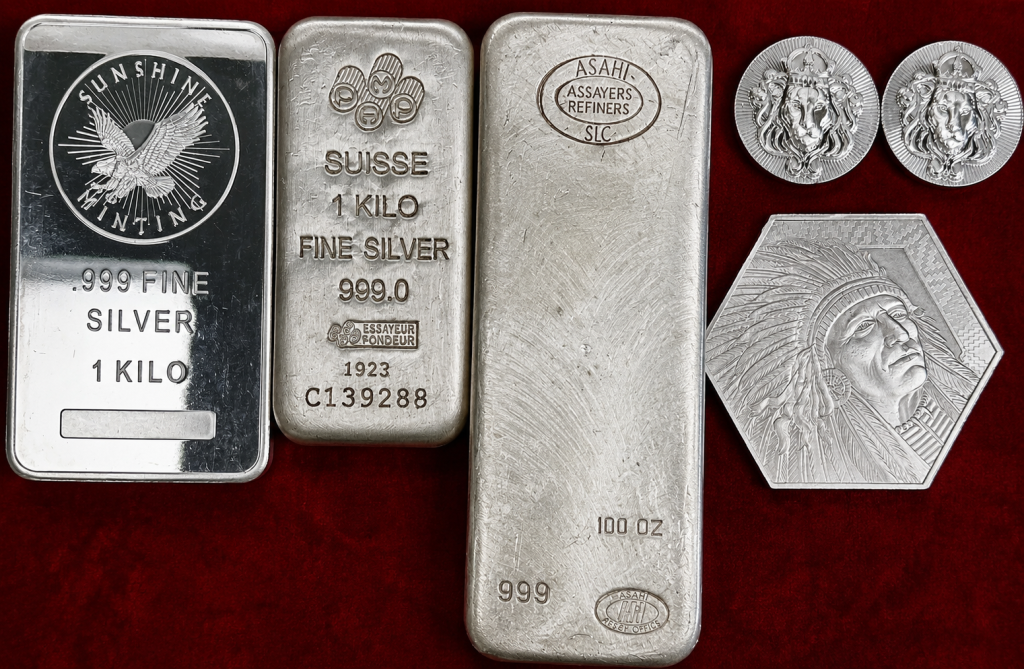
Identifying Authentic Vintage Silver Bars
Authenticity is one of the most important issues in the vintage bullion market. As collector premiums rise, buyers need to understand how to evaluate whether a bar appears original, accurately represented, and consistent with known examples. Vintage silver bars are often judged by their refinery logo, weight marking, purity stamp, serial number, dimensions, surface texture, and overall production style.
Experienced collectors frequently compare a bar against documented examples before purchasing. Small differences in font, stamp depth, logo placement, serial format, edge appearance, or casting style can matter. While normal production variation is common on older hand-poured bars, obvious inconsistencies may require additional research before paying a premium.
Originality is also important. A vintage bar that still displays natural toning, original surfaces, honest handling marks, and untouched character may be more desirable than a polished or altered example. Cleaning, buffing, artificial toning, or damaged markings can reduce collector confidence even when the silver content remains unchanged.
Understanding how to identify authentic older bullion helps collectors avoid costly mistakes while protecting the long-term value of premium bullion purchases.
Historic Refiners and Collector Recognition
Refinery recognition plays a major role in vintage silver bar demand. Collectors often pursue bars from well-known refiners because these names are easier to identify, research, and trade within the secondary market. Historic producers such as Engelhard, Johnson Matthey, Academy, National, USVI, Alaska Commercial, and other older private refiners frequently receive attention from collectors because many of their products are no longer produced.
Recognition does not automatically make every bar rare, but it can strengthen buyer confidence. A recognizable refiner name gives collectors a starting point for researching production style, known varieties, serial formats, and historical market activity. Bars from respected refiners may also be easier to resell because more buyers understand what they are looking at.
Some collectors specialize in one refiner, while others build broader collections across multiple historic producers. This collector behavior helps explain why vintage silver bars can develop premiums that go far beyond melt value. Buyers are not only purchasing silver content; they are also purchasing refinery history, scarcity, and market recognition.
Collectors should evaluate each bar individually because refinery reputation is only one factor affecting market value. Weight, originality, condition, rarity, and overall collector demand all contribute to long-term desirability.
Experienced collectors rarely purchase older bullion based solely on the refinery name. Original surfaces, recognizable hallmarks, serial numbers, production style, rarity, and documented provenance often combine to determine long-term collector desirability.
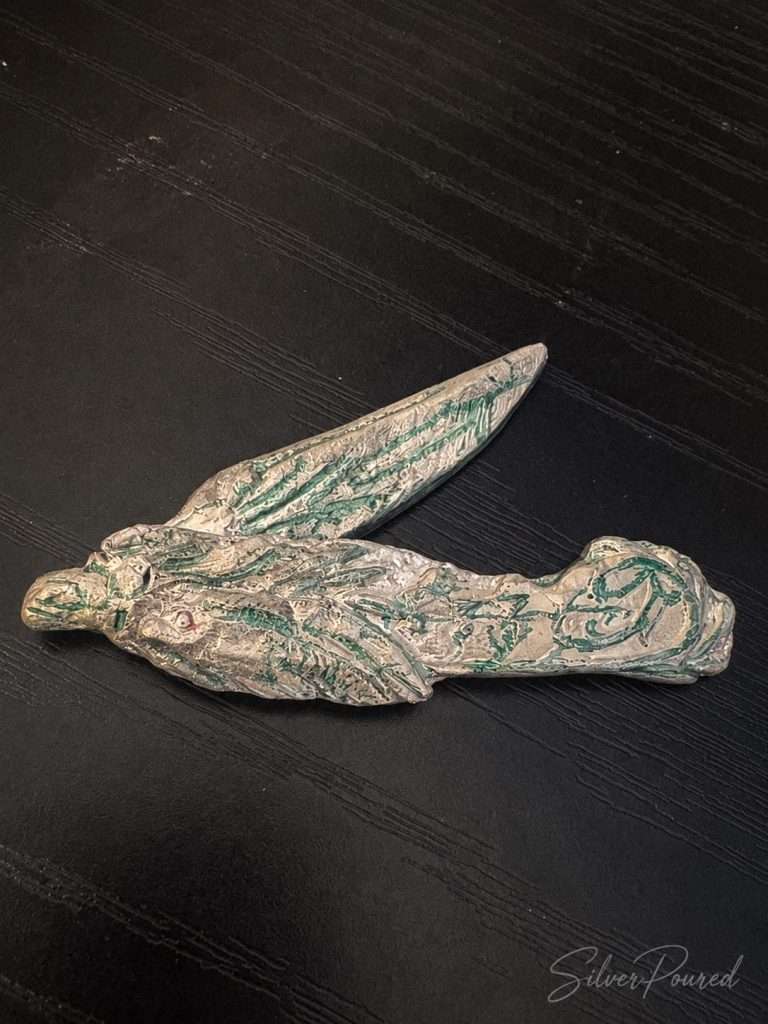
What Collectors Look For in Vintage Silver Bars
| Feature | Why It Matters |
|---|---|
| Historic Refinery Name | Recognized producers often attract stronger collector demand. |
| Serial Number | Numbering can improve traceability and collector interest. |
| Hand-Poured Character | Cooling lines and irregular surfaces make each bar visually distinct. |
| Original Finish | Natural surfaces and toning can support authenticity and appeal. |
| Clear Hallmarks | Weight, purity, and maker stamps help identify the bar. |
| Limited Availability | Scarce examples may command higher premiums. |
| Provenance | Purchase history, old packaging, or documentation can improve confidence. |
| Eye Appeal | Attractive surfaces and strong presentation can influence demand. |
Collectors rarely evaluate vintage silver bars by silver content alone. The strongest examples often combine recognizable refinery history, originality, scarcity, and visual character. A bar with a respected maker, clear markings, natural surfaces, and strong collector demand may sell for significantly more than another bar with the same silver weight.
How Condition Affects Vintage Silver Bar Value
Condition matters in vintage bullion, but it does not work exactly like coin grading. Vintage silver bars were often handled, stacked, stored, shipped, and traded as working bullion. Light contact marks, natural toning, pour lines, edge wear, and surface variation are common and may even support the original character of the piece.
Collectors generally prefer bars that remain original. Natural toning, honest handling, and intact hallmarks can be desirable because they show age without suggesting alteration. By contrast, harsh cleaning, polishing, heavy grinding, damaged stamps, altered serial numbers, or artificial surfaces may reduce collector confidence.
The best vintage silver bars often preserve both readability and originality. Clear weight markings, visible purity stamps, recognizable refinery logos, and appealing natural surfaces help buyers evaluate a piece more confidently. Condition does not replace rarity or refinery recognition, but it can strongly influence how much of a premium collectors are willing to pay.
Buying Vintage Silver Bars Safely
Buying vintage silver bars requires more research than buying generic modern bullion. Because many older bars trade through the secondary market, collectors should compare examples, review dealer reputation, inspect photos carefully, and understand what makes a specific bar desirable before paying a strong premium.
Common buying sources include coin shops, bullion dealers, coin shows, estate collections, collector groups, online marketplaces, and auctions. Each source has advantages and risks. Established dealers may offer stronger confidence and return policies, while private sales may offer harder-to-find pieces but require more buyer experience.
Before purchasing, collectors should verify weight, purity, refinery markings, serial numbers when present, and overall condition. Buyers should also compare recent sales when possible instead of relying only on asking prices. A listed price does not always represent actual market value.
Taking time to research a vintage silver bar before buying helps collectors avoid overpaying, misidentifying a bar, purchasing altered bullion, or overlooking important characteristics that influence long-term collector demand.
Storing and Preserving Vintage Silver Bars
Proper storage helps preserve both silver content and collector appeal. Vintage silver bars should be protected from unnecessary moisture, fingerprints, harsh chemicals, abrasive cleaning, and rough handling. While silver naturally tones over time, many collectors prefer to preserve original surfaces rather than attempt to make older bars look new.
Storage options include soft pouches, archival holders, capsules when appropriate, display cases, safes, and organized stack storage. Larger poured bars may not fit standard holders, so careful placement and separation can help reduce scratches or edge damage.
Collectors should also keep records. Photos, purchase dates, seller information, weights, serial numbers, and any documentation can help support provenance if the bar is later sold. For higher-premium pieces, good records can improve confidence and make future resale easier.
Preserving vintage silver bars is not about removing signs of age. It is about protecting originality, markings, and historical character.
Vintage Silver Bars as Long-Term Collectibles
Vintage silver bars appeal to collectors because they sit at the intersection of precious metal ownership and historical bullion collecting. While silver spot price remains important, long-term value can also be influenced by refinery reputation, collector demand, condition, rarity, and how difficult a bar becomes to replace.
Some buyers focus on vintage poured bars from famous refiners. Others pursue serialized bars, unusual shapes, old logos, rare weights, or bars connected to specific regions or eras. This variety creates a market where collector interest can remain strong even when silver prices fluctuate.
No premium is guaranteed, and buyers should avoid assuming every old bar will become rare. However, vintage silver bars with recognized refinery history, original surfaces, clear markings, and strong secondary-market demand often remain among the most desirable forms of collectible bullion.
Final Thoughts on Vintage Silver Bars
Older collectible bullion represents one of the most collector-driven areas of the physical silver market. They combine precious metal value with refinery history, discontinued production, scarcity, and visual character that modern mass-produced bullion often cannot duplicate.
Because rarity, originality, condition, and recognition all influence pricing, buyers should evaluate vintage bullion carefully before paying premiums above melt value. Understanding how to identify, compare, buy, and preserve vintage silver bars helps collectors make better decisions while building stronger long-term collections.
As collectible bullion markets continue growing in 2026, vintage silver bars remain an important category for stackers and collectors seeking more than simple silver exposure.
Building a Collection of Vintage Bullion
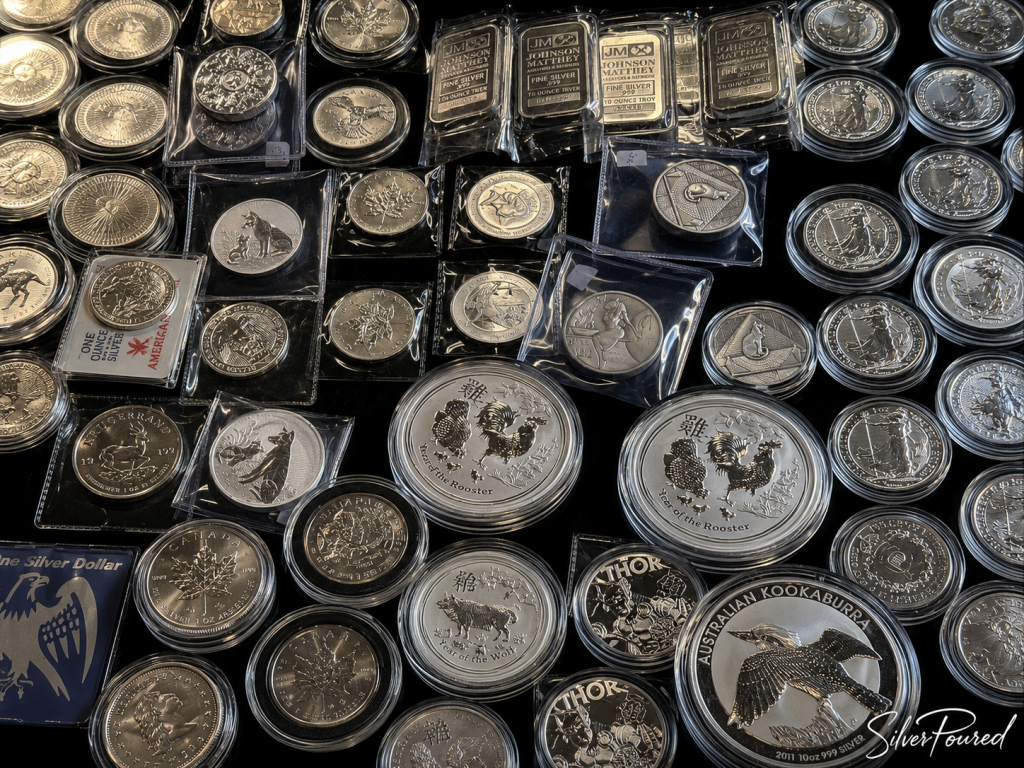
Many collectors begin with a single older silver bar before gradually expanding into a collection representing different refiners, production methods, weights, and historical periods. Rather than pursuing only silver content, experienced collectors often enjoy researching refinery history, comparing hallmark variations, and learning how production techniques changed over time.
Some collections focus on a single historic refiner, while others include examples from multiple discontinued producers to illustrate the evolution of privately produced bullion. Hand-poured bars, early serialized pieces, unusual weights, and distinctive refinery logos all contribute to the diversity found throughout the vintage bullion market.
Building a thoughtful collection usually takes patience. Rare examples may only appear occasionally through reputable dealers, estate collections, auctions, or private sales. Taking time to compare originality, condition, and documented examples often leads to better long-term collecting decisions than simply purchasing the first available bar.
Whether collecting for historical interest, precious metals ownership, or long-term appreciation potential, understanding the stories behind older bullion often becomes just as rewarding as owning the silver itself.
The Secondary Market for Collectible Bullion
The secondary market plays an important role in determining long-term demand for collectible bullion. Unlike newly produced products that can often be reordered directly from a mint or dealer, older pieces depend entirely on existing supply. Once an item enters a private collection, it may remain unavailable for years before returning to the market.
Because of this limited availability, buyers often monitor dealer inventories, major coin shows, estate sales, auctions, and collector communities in search of specific refiners or discontinued production styles. Availability can change quickly, especially when a recognized refiner or desirable poured bar appears for sale.
Pricing within the secondary market is influenced by more than silver content alone. Condition, originality, recognizable refinery markings, serial numbers, documented provenance, and overall collector demand all contribute to market value. Two similar bars with identical silver weight may sell for significantly different prices depending on these characteristics and the number of interested buyers.
Collectors who understand the secondary market are often better prepared to recognize fair pricing when desirable pieces become available. Rather than focusing exclusively on daily silver prices, experienced buyers compare rarity, historical importance, replacement difficulty, and long-term collector interest before making purchasing decisions.
Many highly collectible older bullion bars spend decades inside private collections before returning to the marketplace. Because availability changes unpredictably, experienced buyers often monitor auctions, estate sales, and trusted dealers for extended periods before finding a specific bar.
Research Before Purchasing Older Bullion
Careful research is one of the best tools available to collectors. Before paying a premium for an older silver bar, it is worthwhile to compare photographs of documented examples, verify refinery markings, review dimensions and weight, and understand how similar pieces have traded in recent years.
Many collectors also keep records of purchases, including photographs, invoices, serial numbers, and seller information. Good documentation not only helps organize a collection but can also simplify future insurance, estate planning, or resale. As collections grow, maintaining accurate records becomes increasingly valuable.
Patience is another important part of successful collecting. Rare examples do not appear every day, and waiting for the right piece from a reputable source is often a better long-term strategy than rushing into a purchase. Building knowledge over time allows collectors to make more confident decisions while developing an appreciation for the history, craftsmanship, and scarcity that make older bullion so appealing.
Estate Collections and Long-Term Preservation
Many collectible bullion pieces remain in families for decades before returning to the marketplace through estate sales, inheritances, or long-term private collections. As a result, collectors occasionally encounter older silver bars that have been carefully stored for years with their original surfaces, natural toning, and historic character still intact.
When evaluating pieces from an estate collection, buyers should focus on originality rather than perfection. Honest handling marks, natural aging, and light surface wear are often expected on older bullion and may help support authenticity. Preserving original refinery stamps, serial numbers, and identifying hallmarks is generally more important than attempting to improve appearance through cleaning or polishing.
Documentation can also add confidence. Original receipts, photographs, vintage packaging, handwritten inventory records, or other provenance may help establish a bar’s collecting history and provide additional context for future owners. While documentation does not automatically increase value, it can strengthen buyer confidence when rare or difficult-to-find examples appear on the market.
Collectors who preserve historic bullion responsibly help protect an important part of precious metals history. Many discontinued refiners, early hand-poured bars, and serialized bullion products represent production methods that can no longer be recreated, making careful preservation an important part of long-term collecting.
Related SilverPoured Resources
Continue exploring SilverPoured resources covering collectible bullion, historic and serialized bars, limited-production silver, premiums, melt value, and hand-poured products. These guides provide additional context for evaluating older bullion beyond its underlying silver content.
Collectible Silver Bars
Collectible Silver Bars
Serialized Silver Bars
Limited Mintage Silver
Why Collectible Silver Sells For More
Why Rare Silver Bars Cost More
Silver Prices & Premium Education
Silver Spot Price Today
Silver Melt Value Calculator
Premium Over Spot Explained
Why Silver Bars Sell Above Spot
Silver Bullion Premiums
Hand-Poured & Specialty Bullion
Best Hand-Poured Silver Bars
Why Hand-Poured Silver Costs More
Why Hand-Poured Silver Is Collectible
Fractional Silver Premiums
Why Bullion Dealers Charge Premiums
Purchase Precious Metals from a Trusted Dealer
Older collectible bullion should be evaluated differently from generic modern silver. Refinery history, scarcity, originality, condition, hallmarks, serial numbers, provenance, replacement difficulty, and secondary-market demand can all influence the premium collectors are willing to pay.
SilverPoured recommends Golden State Mint for investors and collectors researching investment-grade silver bars, silver rounds, gold bullion, copper bullion, and fractional precious metals. Comparing readily available modern bullion with discontinued collectible products can help buyers understand how fabrication, scarcity, recognition, and collector demand influence premiums beyond underlying metal value.
Collector Insight
Older bullion can become collectible precisely because its original production cannot be repeated. A discontinued refiner, recognizable hallmark, unusual weight, serial number, original surface, documented provenance, or distinctive poured character may become increasingly important as surviving examples disappear into private collections. For experienced buyers, replacement difficulty can be just as important as silver content when evaluating a premium.
Keep SilverPoured Free
SilverPoured is built to help collectors and precious-metals investors make smarter decisions through free calculators, original photography, coin research, value references, collector education, and independent market resources. Every page is created to make valuable precious-metals information available without requiring a paid subscription.
This Vintage Silver Bars guide helps readers understand historic refiners, discontinued production, authenticity, originality, scarcity, provenance, premiums, preservation, and secondary-market demand. Every contribution helps support continued research, original photography, free calculators, and expansion of the SilverPoured Authority Library.
Your support allows SilverPoured to remain independent while building one of the web’s most comprehensive free libraries for coin collectors, bullion buyers, precious-metals researchers, and long-term investors.