
Silver Melt Value Calculator
Use the silver melt value calculator to estimate the intrinsic value of physical silver using live silver spot pricing. Enter the weight and purity of silver bars, rounds, jewelry, scrap, or other silver items to calculate the approximate value of the pure silver they contain.
The calculator can also help evaluate common U.S. silver coins and junk silver when the correct composition is selected. Silver products vary substantially in purity, so accurate weight, unit, and silver content are essential for a reliable calculation.
The silver melt value calculator measures intrinsic precious-metal value only. Actual market prices may be higher or lower because of dealer spreads, fabrication premiums, rarity, condition, certification, collector demand, brand recognition, and other market factors.
Looking for coin-specific research? Visit the Silver Coin Values guide for U.S. coin composition, melt-value, and collector-value information.
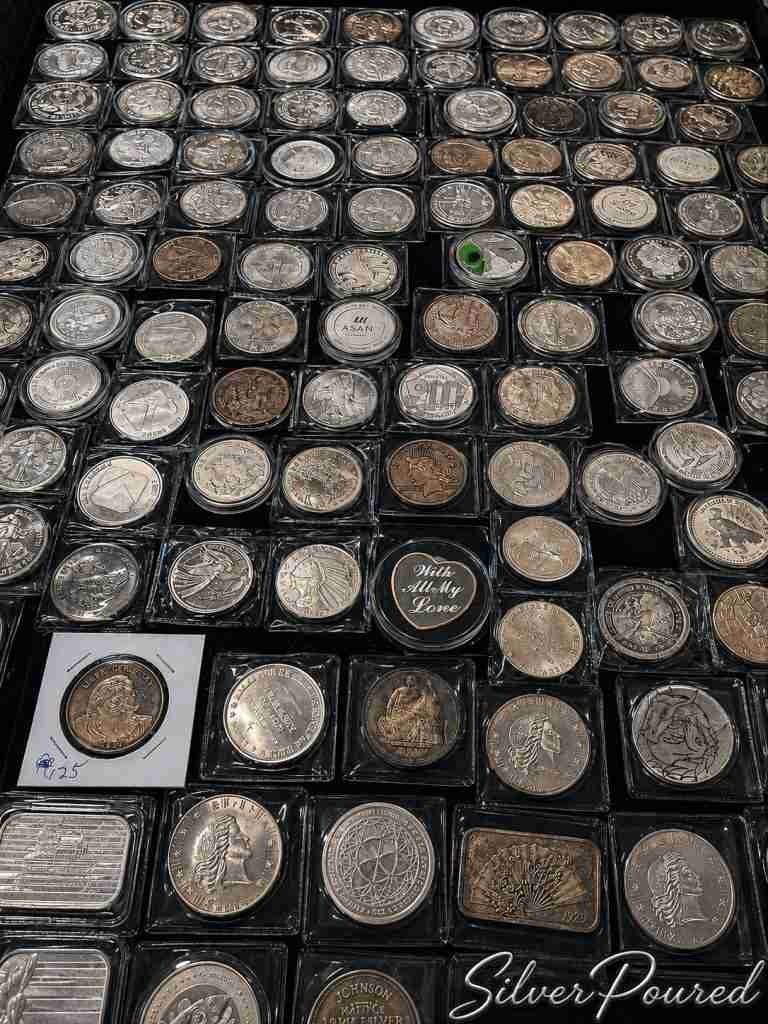
How the Silver Melt Value Calculator Works
The silver melt value calculator determines intrinsic value by combining three primary inputs: the amount of metal being evaluated, its silver purity, and the current silver spot price. Weight is converted into troy ounces when necessary so the metal quantity can be compared with the market price of silver.
The basic calculation is:
Total Weight × Silver Purity × Silver Spot Price = Silver Melt Value
For example, one troy ounce of .999 fine silver contains approximately 0.999 troy ounce of pure silver. Sterling silver at .925 contains 92.5% silver, while traditional 90% U.S. silver coinage contains 90% silver by weight when produced to original specifications.
Because spot price changes throughout the trading day, the result also changes as the silver market moves. A live calculator provides a current intrinsic-value reference rather than relying on a static price chart or an older calculation.
Weight, Purity, and Silver Content
Weight alone does not determine silver value. Two objects can weigh exactly the same while containing different amounts of pure silver because their compositions are different. Correct purity selection is therefore just as important as an accurate weight measurement.
| Silver Type | Typical Purity | Common Examples |
|---|---|---|
| Four-Nines Fine Silver | .9999 | Selected high-purity government and private-mint bullion |
| Fine Silver | .999 | Silver bars, rounds, and modern bullion coins |
| Sterling Silver | .925 | Jewelry, flatware, hollowware, and decorative silver |
| Traditional U.S. Silver Coinage | .900 | Many pre-1965 dimes, quarters, and half dollars |
| 40% Silver | .400 | 1965–1970 Kennedy half dollars |
| War Nickel Silver | .350 | Qualifying 1942–1945 Jefferson nickels |
The silver melt value calculator depends on the purity entered or selected. Choosing .999 for a sterling-silver item, for example, would overstate the amount of pure silver present and produce an inaccurate intrinsic-value estimate.
Weight tells you how much material you have; purity tells you how much of that material is actually silver. A silver melt value calculator needs both measurements to establish intrinsic value accurately. The difference between .900, .925, .999, and .9999 may appear small on an individual ounce, but it becomes increasingly important as the amount of metal grows.

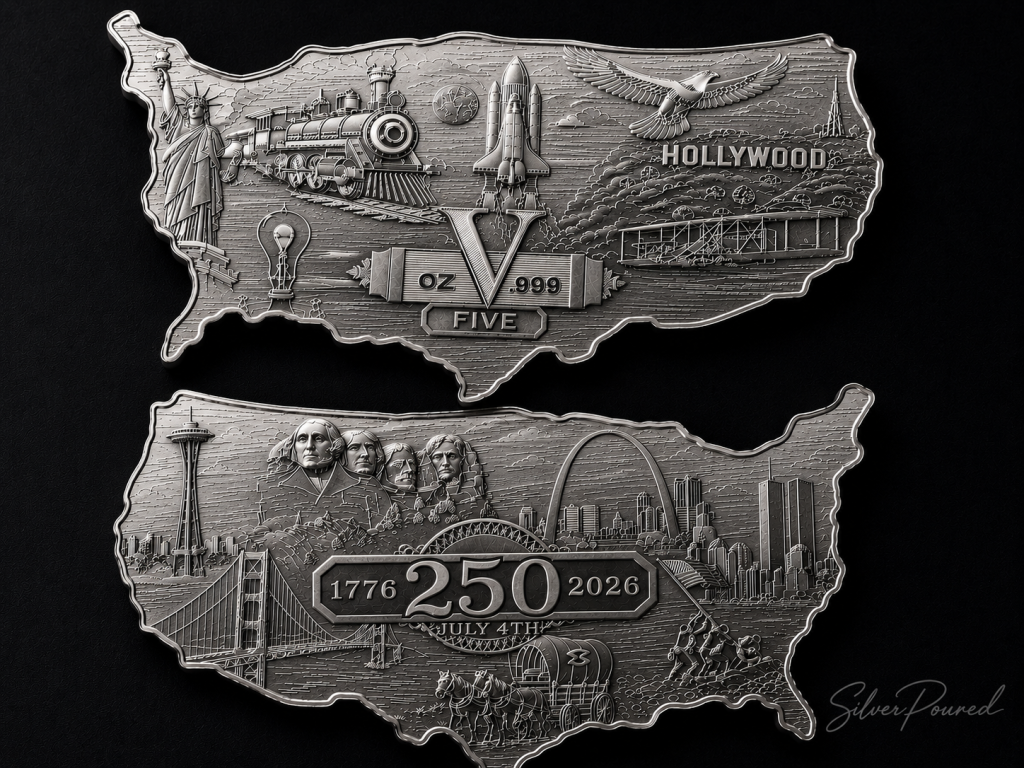
Troy Ounces vs Standard Ounces
Precious metals are priced in troy ounces, not the standard avoirdupois ounces commonly used for food and household goods. One troy ounce equals approximately 31.1035 grams, while one avoirdupois ounce equals approximately 28.3495 grams.
Confusing these units can materially distort a calculation. When silver is weighed in grams, kilograms, standard ounces, or another supported unit, the amount must be converted correctly before it is compared with a spot price quoted per troy ounce.
The silver melt value calculator handles supported unit conversions so users can work from the measurement they actually have while maintaining a common troy-ounce basis for precious-metal pricing.
Common Silver Melt Value Calculations
The same intrinsic-value formula can be applied to many forms of physical silver. What changes is the weight, purity, or known fine-silver content of the item being evaluated.
| Material | Primary Calculation Consideration |
|---|---|
| .999 or .9999 Bullion | Confirm weight and exact stated purity |
| Sterling Silver | Use .925 purity and accurate item weight |
| 90% U.S. Silver Coins | Use the correct coin composition or known fine-silver content |
| 40% Kennedy Half Dollars | Do not calculate them as 90% silver |
| 35% War Nickels | Verify the coin is a qualifying wartime silver issue |
| Mixed Scrap Silver | Separate different purities before calculating whenever possible |
Mixed lots deserve particular care. Combining sterling, fine silver, coin silver, and unidentified material under one assumed purity can produce a misleading result. Separate known compositions first and calculate each group independently before adding the values together.
Why Silver Melt Value Matters
Intrinsic silver value gives buyers and sellers a common reference point before premiums, discounts, or collectible characteristics are considered. Knowing that baseline makes it easier to evaluate bullion prices, dealer offers, estate holdings, scrap silver, and mixed collections.
For buyers, the silver melt value calculator helps reveal how much of an asking price represents actual silver and how much represents premium. For sellers, it establishes an approximate metal-value benchmark before comparing offers from dealers, refiners, coin shops, estate buyers, or private purchasers.
For long-term stackers, tracking intrinsic value also makes it easier to compare different physical-silver products on a common basis. A vintage bar, generic round, government bullion coin, and bag of circulated U.S. silver may carry very different premiums even though each ultimately contains measurable amounts of silver.
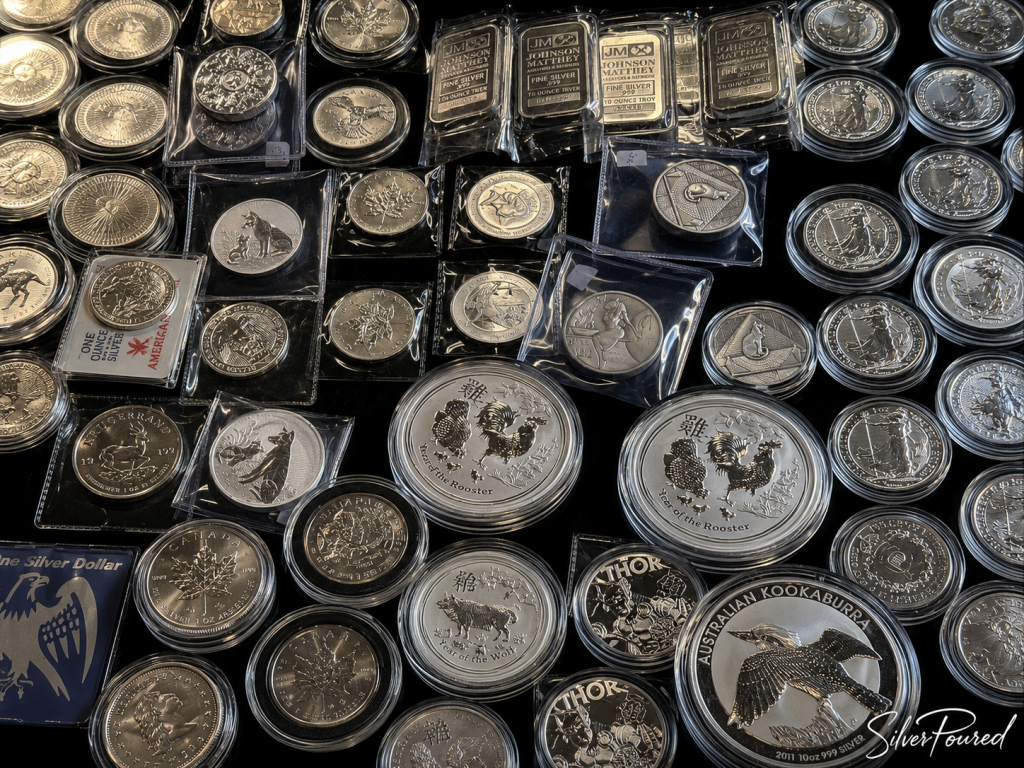
Melt Value vs Market Value
Melt value and market value answer different questions. Melt value estimates what the contained silver is worth at the current market price. Market value reflects what someone may actually pay for the complete physical item.
A generic silver round may trade relatively close to intrinsic value, while a scarce coin, vintage poured bar, serialized piece, limited-mintage release, or certified collectible can sell substantially above melt. Brand recognition, fabrication, condition, rarity, provenance, and collector demand can all contribute to that difference.
The silver melt value calculator should therefore be treated as a valuation baseline rather than a complete appraisal. Once intrinsic value is established, additional characteristics can be researched separately to determine whether the item deserves a premium.
Melt value answers a precise question: what is the silver itself worth? It does not determine what a collector will pay for rarity, condition, provenance, certification, or historical significance. Using the silver melt value calculator first keeps intrinsic metal value separate from the premium attached to the physical object.
Why Dealers Pay Below Melt Value
The result shown by a silver melt value calculator represents theoretical intrinsic silver value, not a guaranteed purchase offer. Dealers, coin shops, refiners, estate buyers, and other professional purchasers must account for the costs and risks involved in acquiring and reselling physical metal.
Those costs can include testing, sorting, refining, shipping, insurance, payment processing, inventory management, and exposure to changing silver prices. A dealer also needs sufficient margin between acquisition cost and eventual resale price to operate the business.
Recognized investment-grade bullion may receive offers relatively close to intrinsic value because its weight, purity, and resale market are easier to establish. Mixed scrap, damaged jewelry, unidentified silver, and low-purity material may receive larger discounts because additional verification or refining is required.
Understanding this distinction allows sellers to use the silver melt value calculator correctly. Melt value establishes the metal baseline; an actual offer reflects the form of the silver, its marketability, verification requirements, transaction costs, and the buyer’s operating spread.
How Professional Buyers Verify Silver
Accurate melt value begins with accurate identification. Before making an offer, professional buyers may verify weight, dimensions, purity markings, magnetic response, construction, and other physical characteristics to determine whether an item matches its stated precious-metal content.
Depending on the material and transaction, testing can also involve electronic precious-metals analyzers or X-ray fluorescence equipment. These non-destructive methods can provide additional information about metal composition when visual inspection and markings alone are insufficient.
Recognizable bullion from established government or private mints is often easier to evaluate than mixed estate material, jewelry, scrap, or unidentified pieces. Even then, buyers should confirm authenticity before relying on stated specifications.
A silver melt value calculator cannot determine whether an item is genuine. It assumes the entered weight and purity are correct. Verification therefore comes before valuation whenever authenticity or composition is uncertain.
Precise mathematics cannot correct inaccurate inputs. Professional silver evaluation begins by establishing what the item actually is, how much it weighs, and how much silver it contains. Once those facts are verified, the silver melt value calculator can turn them into a meaningful intrinsic-value benchmark using the current silver market.
Common Mistakes When Calculating Silver Melt Value
| Common Mistake | Better Approach |
|---|---|
| Confusing standard ounces with troy ounces | Confirm the measurement unit before calculating |
| Using the wrong purity | Verify the alloy or stated fineness |
| Treating .900, .925, .999, and .9999 as identical | Use the actual purity of the item |
| Assuming every old U.S. coin contains silver | Verify denomination, date, and composition |
| Using total gross weight when non-silver material is present | Account for stones, base metals, handles, or other components when applicable |
| Treating melt value as guaranteed resale value | Evaluate spreads, refining costs, and collectible premiums separately |
Small input errors become more significant as the amount of material increases. An incorrect purity or unit may make little apparent difference on a tiny item but can materially distort the estimated value of a large bullion holding or estate collection.
Why Refiners and Assayers Matter
Investment-grade bullion generally requires relatively little processing because its specifications are already established. Scrap silver, sterling flatware, jewelry, industrial material, and mixed precious-metal lots can require additional testing, sorting, melting, or refining before their recoverable silver content is known.
An assayer determines or verifies composition, while a refiner processes material to recover usable precious metal. The theoretical silver content remains important, but processing costs and recoverable yield influence the amount a professional buyer can ultimately pay.
Not every gross ounce of scrap material becomes an equivalent amount of marketable fine silver. Solder, stones, base-metal components, contamination, and other non-silver material can reduce recoverable yield. This is another reason the result from a silver melt value calculator should be viewed as an intrinsic benchmark rather than an automatic settlement price.
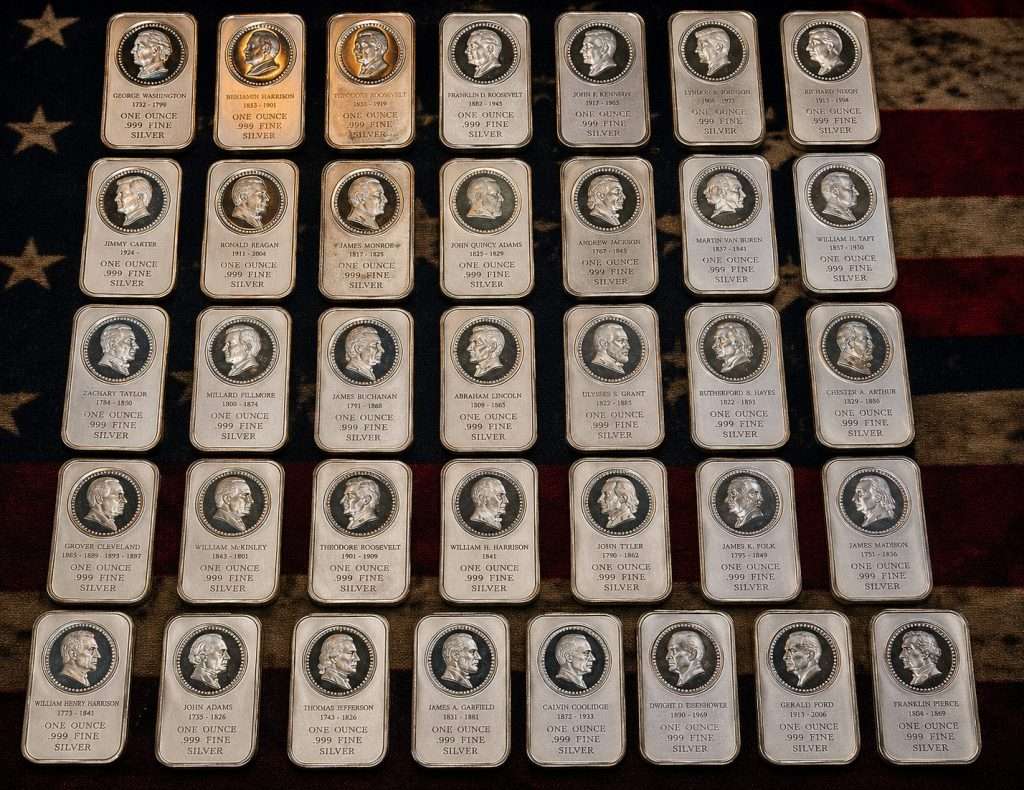
Who Uses a Silver Melt Value Calculator?
Bullion investors, coin collectors, dealers, estate executors, jewelry buyers, refiners, recyclers, pawn shops, appraisers, and private sellers can all use intrinsic silver value as a common starting point. Their eventual transaction prices may differ, but the underlying silver calculation remains based on measurable metal content.
Collectors may use a silver melt value calculator to determine whether a coin or bullion product is trading primarily for its metal content or for a substantial collector premium. Estate owners can use it to organize mixed holdings before seeking professional appraisal, while bullion investors can compare premiums across different physical-silver products.
Professional buyers use the same underlying concept when evaluating inventory, although their final bids must incorporate resale expectations, verification costs, market conditions, and operating margins.
When Silver Melt Value Is Most Useful
Intrinsic value becomes especially useful whenever physical silver changes hands. Before buying, a purchaser can establish the silver baseline and compare it with the asking price. Before selling, an owner can calculate approximately how much silver is present and compare that figure with competing offers.
Estate evaluation is another important use. An inherited collection may contain bullion bars, circulated U.S. silver coins, sterling objects, modern government bullion, and collectible pieces. Calculating intrinsic value helps establish an initial framework before numismatic or collectible premiums are researched.
The silver melt value calculator can also help with portfolio tracking. Because spot price changes over time, the underlying metal value of a physical-silver holding changes even though the quantity of silver owned remains the same.
Using Melt Value as a Buying Tool
Experienced precious-metals buyers often begin by establishing intrinsic value and then measuring the asking price above that baseline. This difference helps reveal the premium being charged for fabrication, distribution, recognition, scarcity, or collector demand.
A low-premium generic round may appeal to a buyer focused primarily on accumulating silver weight. A government bullion coin may justify a larger premium because of recognition and liquidity. A vintage poured bar or scarce collectible coin may carry an even larger premium because buyers value characteristics unrelated to raw metal content.
The silver melt value calculator makes these products easier to compare because it separates the common metal component from the characteristics that create additional market value.
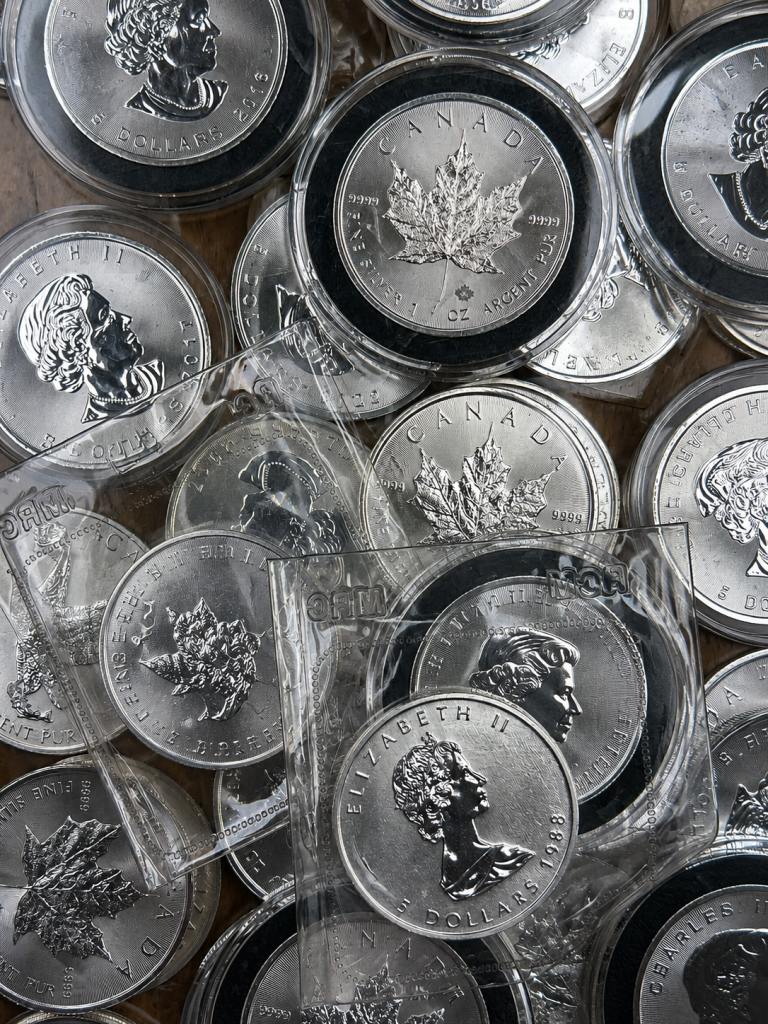
Using a Silver Melt Value Calculator Correctly
Using a silver melt value calculator correctly begins by identifying the item and confirming the correct unit, weight, and purity. If those inputs are wrong, the resulting intrinsic value will also be wrong regardless of how accurately the calculator performs the mathematics.
Fine bullion may be .999 or .9999 pure, sterling silver is typically .925, traditional U.S. circulating silver coinage may be .900, Kennedy half dollars from 1965 through 1970 contain 40% silver, and qualifying wartime Jefferson nickels contain 35% silver. These compositions should never be treated interchangeably when using a silver melt value calculator.
After calculating intrinsic value, evaluate the physical item separately. Rare dates, key varieties, certification, vintage bullion, limited mintages, serial numbers, provenance, condition, and collector demand may justify a market value substantially above melt. A silver melt value calculator establishes the metal baseline without assigning those additional premiums.
Used this way, the silver melt value calculator provides a consistent first step without pretending that every silver item should trade strictly by weight.
Fine bullion may be .999 or .9999 pure, sterling silver is typically .925, traditional U.S. circulating silver coinage may be .900, Kennedy half dollars from 1965 through 1970 contain 40% silver, and qualifying wartime Jefferson nickels contain 35% silver. These compositions should never be treated interchangeably.
After calculating intrinsic value, evaluate the physical item separately. Rare dates, key varieties, certification, vintage bullion, limited mintages, serial numbers, provenance, condition, and collector demand may justify a market value substantially above melt.
Used this way, the silver melt value calculator provides a consistent first step without pretending that every silver item should trade strictly by weight.
When Melt Value Should Not Be Your Only Guide
Some physical silver should never be evaluated solely as scrap or bullion. Rare coins, key dates, certified pieces, historic medals, vintage poured bars, scarce serialized bullion, and limited-production collectibles can derive substantial value from characteristics beyond their silver content.
A Morgan Dollar and a generic silver round, for example, can both contain measurable amounts of silver while occupying very different collector markets. Likewise, two bars of similar weight and purity may command different prices if one is a scarce vintage issue with established collector demand.
The strongest process is sequential: establish intrinsic silver value first, then research the complete object. This protects valuable collectibles from being treated as ordinary melt while still giving the owner an objective metal-value baseline.
A silver melt value calculator is a measuring tool, not a substitute for collector research. Establish the metal value first. Then ask whether rarity, condition, certification, provenance, historical importance, or market demand makes the complete item worth more than the silver it contains.
Getting the Most Accurate Results
Use a reliable scale appropriate for the material being measured and confirm whether its output is grams, troy ounces, standard ounces, or another unit. For marked bullion, compare the measured weight with the manufacturer’s stated specifications when appropriate.
Verify purity rather than estimating it from appearance. Hallmarks, mint specifications, known coin compositions, professional testing, and established product documentation can provide stronger evidence than color or visual appearance alone.
Use a current silver price when establishing intrinsic value. Silver trades throughout the market day, so an older price can produce a calculation that no longer reflects current conditions.
Finally, keep intrinsic value and transaction value separate. The silver melt value calculator tells you what the contained silver is approximately worth at the current market price. It does not guarantee what a dealer will pay or what a collector will offer.
How Refining Loss Affects Silver Value
Theoretical silver content and recoverable refined silver are not always identical. Scrap jewelry, industrial material, mixed alloys, and other complex items can contain solder, base metals, stones, contamination, or components that must be separated during processing.
Those processing requirements create cost and can affect final settlement. Investment-grade bullion generally presents less uncertainty because recognized products have established specifications and usually require less processing before resale.
A silver melt value calculator remains useful because it establishes the theoretical intrinsic benchmark. Refiners and professional buyers can then account separately for assay results, recoverable yield, processing expense, and settlement terms.
Silver Melt Value as a Long-Term Reference
Intrinsic value provides a consistent way to track a physical-silver holding over time. As silver spot price rises or falls, the metal component of a collection changes in value even when the owner has not added or removed any silver.
Regularly checking the silver melt value calculator can help stackers compare new purchases with existing holdings, evaluate changing premiums, and understand how much of a portfolio’s market value comes directly from silver.
This approach is particularly useful when a collection contains several product types. Bars, rounds, junk silver, government bullion, sterling items, and collectible coins can all be reduced to an intrinsic silver baseline before their individual premiums are considered.
Final Thoughts on the Silver Melt Value Calculator
The silver melt value calculator provides a practical starting point for understanding the intrinsic value of physical silver. Accurate weight, correct purity, proper unit conversion, and current silver pricing work together to establish the amount of pure silver present and its approximate market value.
That calculation can support buying, selling
Related SilverPoured Resources
Continue researching silver melt value through SilverPoured resources covering live silver prices, U.S. silver coins, bullion premiums, collectible silver, and the factors that influence physical-silver market value.
Silver Prices and Value
What Is Silver Melt Value?
Silver Spot Price Today
What Is the Silver Spot Price?
Silver Spot vs Bid vs Ask Price
Poured’s Cheat Sheet — Live Silver Values
Silver Coin Value Guides
Silver Coin Values
Junk Silver Value Calculator
Morgan Silver Dollar Value
Peace Silver Dollar Value
Walking Liberty Half Dollar Silver Value
Bullion Premiums and Collecting
Premium Over Spot Explained
Why Silver Premiums Change
Why Bullion Dealers Charge Premiums
Best Place to Buy Silver Online
Collectible Silver Bars
Purchase Precious Metals from a Trusted Dealer
Understanding intrinsic silver value provides a useful baseline before purchasing physical precious metals. Silver bars, rounds, government bullion coins, and circulated silver coinage can contain measurable amounts of silver while carrying different premiums because of fabrication, recognition, availability, liquidity, and collector demand.
Golden State Mint offers investment-grade silver bars, silver rounds, gold bullion, copper bullion, and fractional precious metals. Comparing current bullion prices with the silver melt value calculator can help buyers understand how much of a product’s asking price represents metal value and how much represents market premium.
Collector Insight
Intrinsic value is one of the cleanest reference points in physical silver because it separates the metal from everything layered above it. The silver melt value calculator establishes that baseline using weight, purity, and current silver pricing. Once the metal value is known, buyers and collectors can evaluate premiums, rarity, condition, certification, provenance, and market demand separately.
Keep SilverPoured Free
SilverPoured is built to help collectors and precious-metals investors make smarter decisions through free calculators, original photography, coin research, value references, collector education, and independent market resources. Every page is created to make valuable precious-metals information available without requiring a paid subscription.
This Silver Melt Value Calculator gives readers a free way to estimate intrinsic silver value using live market pricing while learning how weight, purity, unit conversion, premiums, dealer spreads, and collectible characteristics affect physical silver. Every contribution helps fund continued precious-metals research, original photography, calculator development, and expansion of the free SilverPoured Authority Library.
Your support allows SilverPoured to remain independent while building one of the web’s most comprehensive free libraries for coin collectors, bullion buyers, precious-metals researchers, and long-term investors.