
Morgan Silver Dollar Value begins with a measurable precious-metal foundation. Every standard circulation-strike Morgan Dollar contains approximately 0.7734 troy ounces of pure silver, giving collectors a straightforward way to estimate intrinsic melt value from the current silver spot price. Numismatic premiums can then increase the market price according to date, mint mark, rarity, condition, originality, certification, and collector demand.
This distinction is important because a Morgan Silver Dollar is both a historic United States coin and a substantial piece of 90% silver. Common circulated examples may remain comparatively close to their precious-metal foundation, while Carson City issues, key dates, high-grade certified coins, Prooflike and Deep Mirror Prooflike examples, VAM varieties, and exceptional original pieces can trade for significantly more.
This guide separates intrinsic silver value from collectible value so buyers, sellers, heirs, and long-term collectors can understand what actually drives Morgan Silver Dollar Value. The calculation starts with silver content, then expands into rarity, preservation, market availability, grading, varieties, provenance, and real-world collector demand.
Morgan Silver Dollar Silver Content
Standard Morgan Dollars struck from 1878 through 1904 and again in 1921 contain 90% silver and 10% copper. Each coin has a total weight of 26.73 grams and contains approximately 0.7734 troy ounces of pure silver.
Because that silver specification is fixed, the intrinsic portion of Morgan Silver Dollar Value moves with the silver market. When spot silver rises, the melt-value foundation increases. When spot falls, the intrinsic foundation declines according to the same 0.7734-troy-ounce calculation.
Circulation wear can reduce the physical weight of heavily worn coins slightly, but the standard specification remains the conventional basis used when discussing the silver content of the series.
| Specification | Standard Morgan Silver Dollar |
|---|---|
| Classic Production | 1878–1904 and 1921 |
| Composition | 90% silver, 10% copper |
| Total Weight | 26.73 grams |
| Pure Silver Content | Approximately 0.7734 troy ounces |
| Face Value | $1.00 |
| Diameter | 38.1 mm |
| Edge | Reeded |
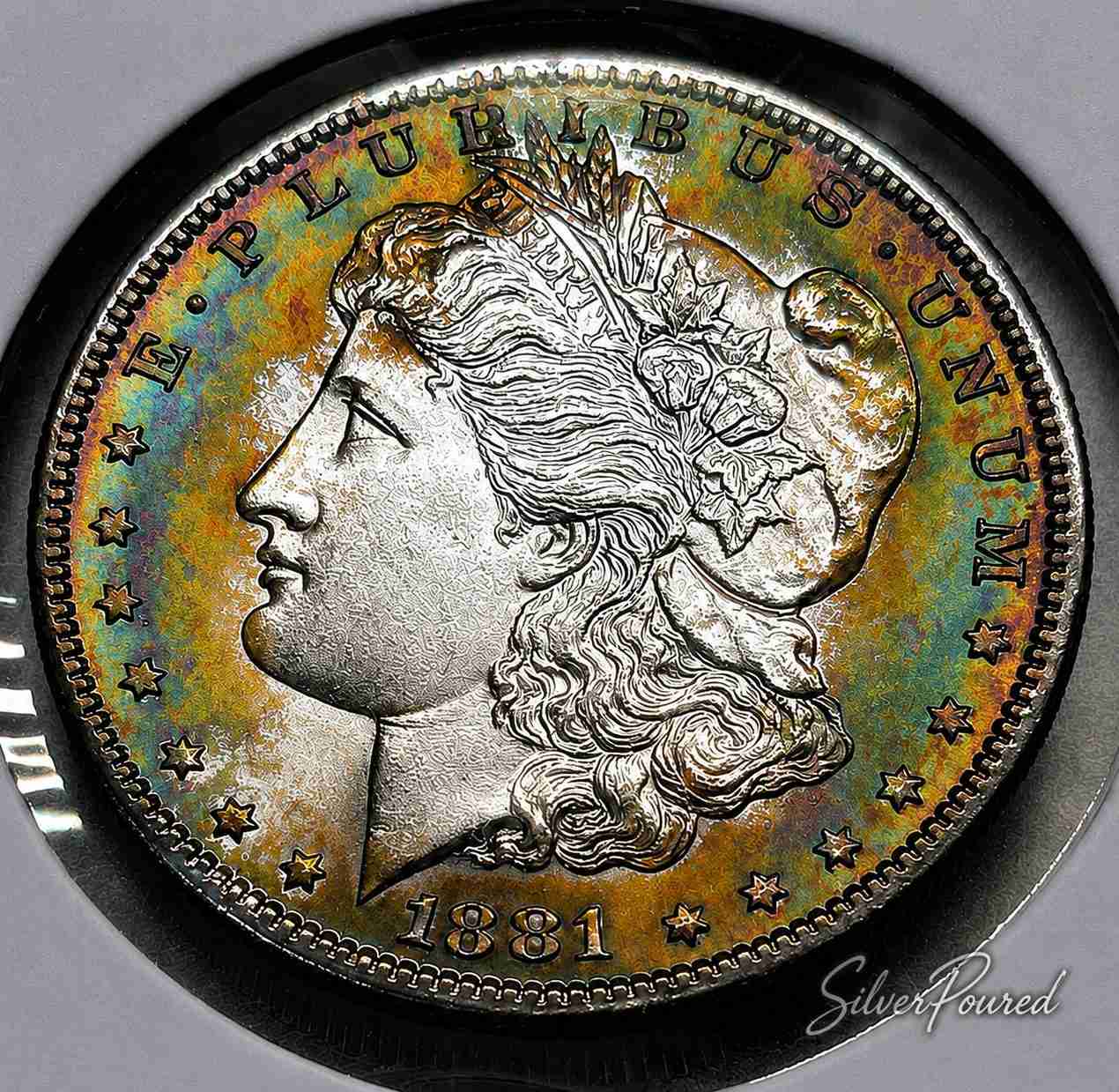
How to Calculate Morgan Silver Dollar Value From Silver
The intrinsic calculation uses the coin’s approximate pure silver weight:
0.7734 troy ounces × current silver spot price = estimated intrinsic silver value.
If silver were $100 per troy ounce, for example, the silver content would represent approximately $77.34. At $50 silver, the same calculation would produce approximately $38.67. The formula changes automatically with spot because the amount of silver inside the standard coin remains fixed.
This calculation establishes only the metal foundation. Morgan Silver Dollar Value can be substantially higher when collectors pay additional premiums for characteristics unrelated to the amount of silver inside the coin.
Morgan Silver Dollar Melt Value at Different Silver Prices
The following examples show how approximately 0.7734 troy ounces of pure silver translates into intrinsic value at different hypothetical silver prices. These figures represent metal value only and do not include numismatic premiums.
| Silver Price per Troy Ounce | Approximate Silver Value per Morgan |
|---|---|
| $25 | $19.34 |
| $50 | $38.67 |
| $75 | $58.01 |
| $100 | $77.34 |
| $125 | $96.68 |
| $150 | $116.01 |
| $200 | $154.68 |
The table demonstrates why the silver market matters even when a coin has substantial collectible value. Rising silver increases the intrinsic floor beneath every standard example, while numismatic premiums can move independently according to scarcity and demand.
Melt Value vs. Collector Value
Melt value and collector value measure different things. Melt value reflects the precious metal contained in the coin. Collector value reflects what buyers will pay for the individual piece after considering its identity, scarcity, preservation, surfaces, and desirability.
A common circulated coin may carry a relatively modest premium above its silver foundation. A scarce Carson City issue, key date, exceptional Mint State example, important VAM, or visually outstanding toned coin can occupy a market where silver content represents only a small portion of the final selling price.
That separation is the foundation of accurate Morgan Silver Dollar Value research. Silver establishes an objective starting point, but the individual coin determines how much additional numismatic value the marketplace assigns.
Every standard Morgan Silver Dollar begins with approximately 0.7734 troy ounces of pure silver, but identical silver content does not create identical market prices. Date, mint, rarity, condition, originality, grading, varieties, provenance, and collector demand can separate two coins dramatically. Calculate the metal foundation first, then evaluate the individual coin before deciding what it is actually worth.

Why Morgan Silver Dollars Sell Above Melt Value
Collector demand is the primary reason many examples trade above their intrinsic silver value. The series has been collected for generations and supports active markets for dates, mint marks, grades, varieties, toned coins, certified pieces, Carson City issues, and specialized surface designations.
Rarity creates another layer. Some dates and mint marks survive in much smaller numbers than others, while certain otherwise available issues become genuinely difficult at high grades. Buyers competing for a limited supply can push prices far beyond what the silver content alone would justify.
Condition and originality also matter. Strong mint luster, attractive natural toning, minimal distracting marks, sharp strikes, and problem-free original surfaces can increase demand. Cleaning, damage, questionable color, or other impairments can reduce the collectible premium even though the underlying silver remains.
When Should You Sell Morgan Silver Dollars?
Deciding when to sell begins with identifying what type of coin you own. Common circulated pieces can be compared with current silver prices and dealer buy levels, while scarce dates, Carson City issues, certified Mint State coins, important varieties, and exceptional original examples require numismatic research before accepting a bullion-based offer.
Morgan Silver Dollar Value can change because the silver market and collector market do not always move together. Rising spot prices increase the intrinsic foundation, while rarity, grade, availability, and collector demand determine whether an additional premium strengthens or weakens.
Before selling, identify the date and mint mark, examine condition and originality, check for recognized varieties, and determine whether professional certification is relevant. A coin worth substantially more as a collectible should not be grouped automatically with ordinary 90% silver.
Completed auction transactions and dealer buy prices can provide different information. Auction records help establish what comparable collector coins have actually sold for, while dealer bids provide evidence of what a professional buyer may currently pay to acquire the coin for resale.
The strongest selling decision compares several forms of evidence rather than relying on one asking price. Morgan Silver Dollar Value is best established by comparing silver content, recent completed sales, rarity, certification, condition, and current market liquidity together.
Building a Morgan Silver Dollar Collection
The Morgan series offers collecting strategies for nearly every budget. Some collectors begin with common circulated coins, while others pursue complete date-and-mint sets, Carson City issues, certified Mint State examples, VAM varieties, naturally toned coins, or PL and DMPL pieces.
A date-and-mint collection introduces the differences among Philadelphia, Carson City, New Orleans, San Francisco, and Denver production. It also exposes collectors to the way scarcity changes across the series, from readily available issues to coins that can become major financial commitments.
Condition-focused collectors may choose fewer coins but pursue stronger preservation. Original luster, strike quality, minimal distracting marks, attractive toning, and eye appeal become increasingly important as the numerical grade rises.
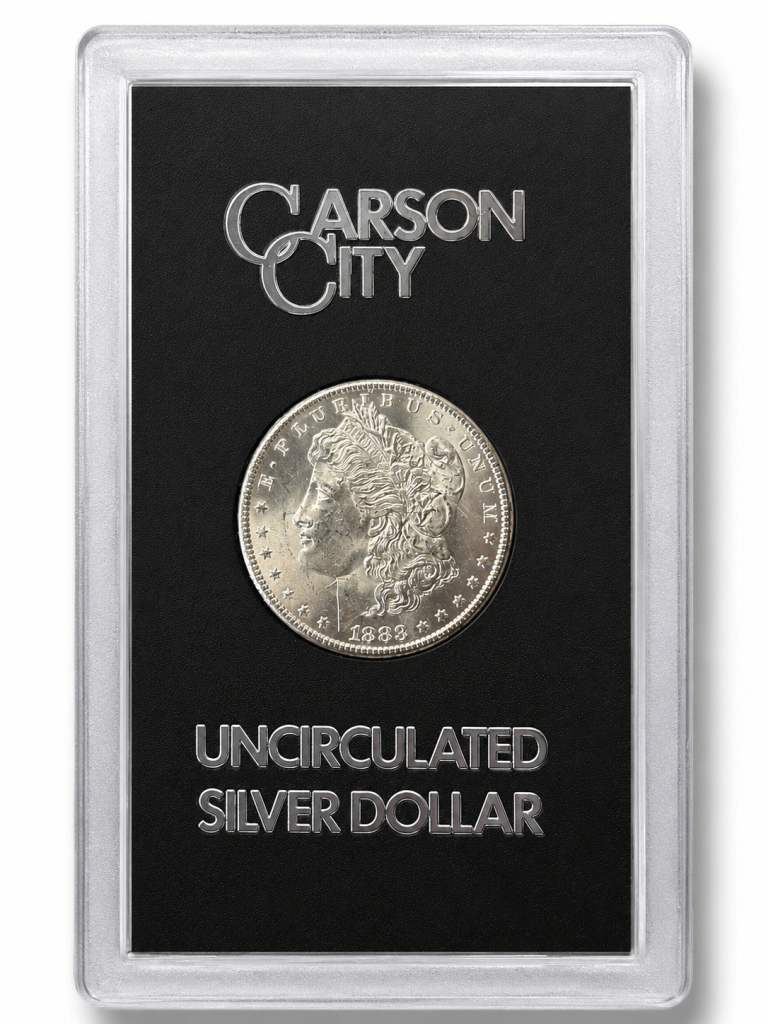
Other collectors specialize in history. Carson City pieces and original GSA material connect directly with western coinage and Treasury releases, while vintage grading holders and documented provenance can preserve another layer of collecting history.
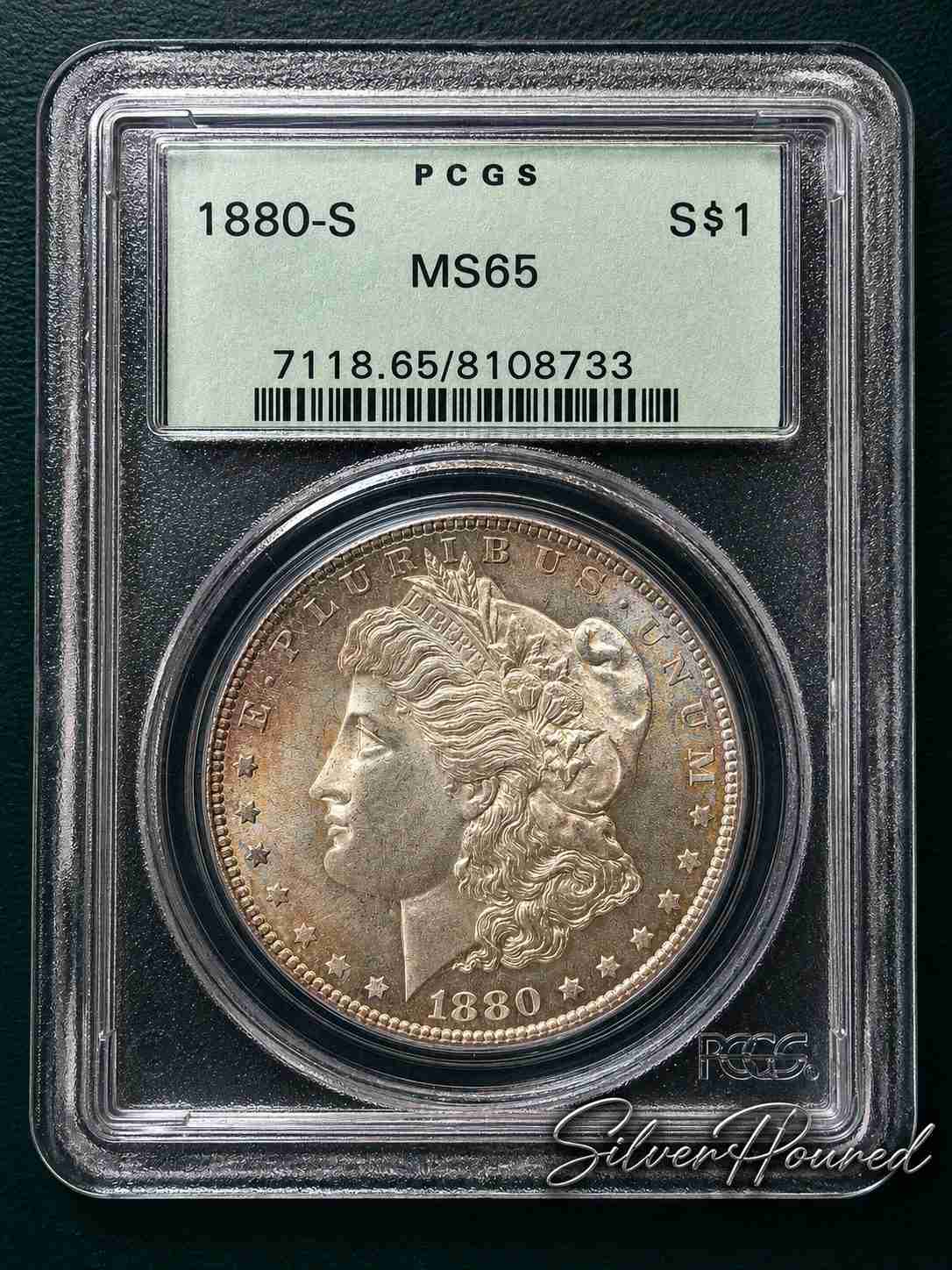
Whatever the strategy, Morgan Silver Dollar Value should be compared within the appropriate market. A common circulated coin, a certified MS65 example, an attributed VAM, and a Carson City GSA piece may all contain the same amount of silver while appealing to very different buyers.
Morgan Silver Dollars in Estate and Inherited Collections
Morgan Dollars frequently appear in inherited collections because generations of Americans saved them as silver, collectibles, souvenirs, and family keepsakes. An inherited group can contain ordinary circulated coins alongside pieces that deserve substantially more individual attention.
The first step should be organization rather than cleaning or selling. Separate coins by date and mint mark while keeping original holders, grading labels, government packaging, auction tags, boxes, certificates, and written records with the corresponding pieces.
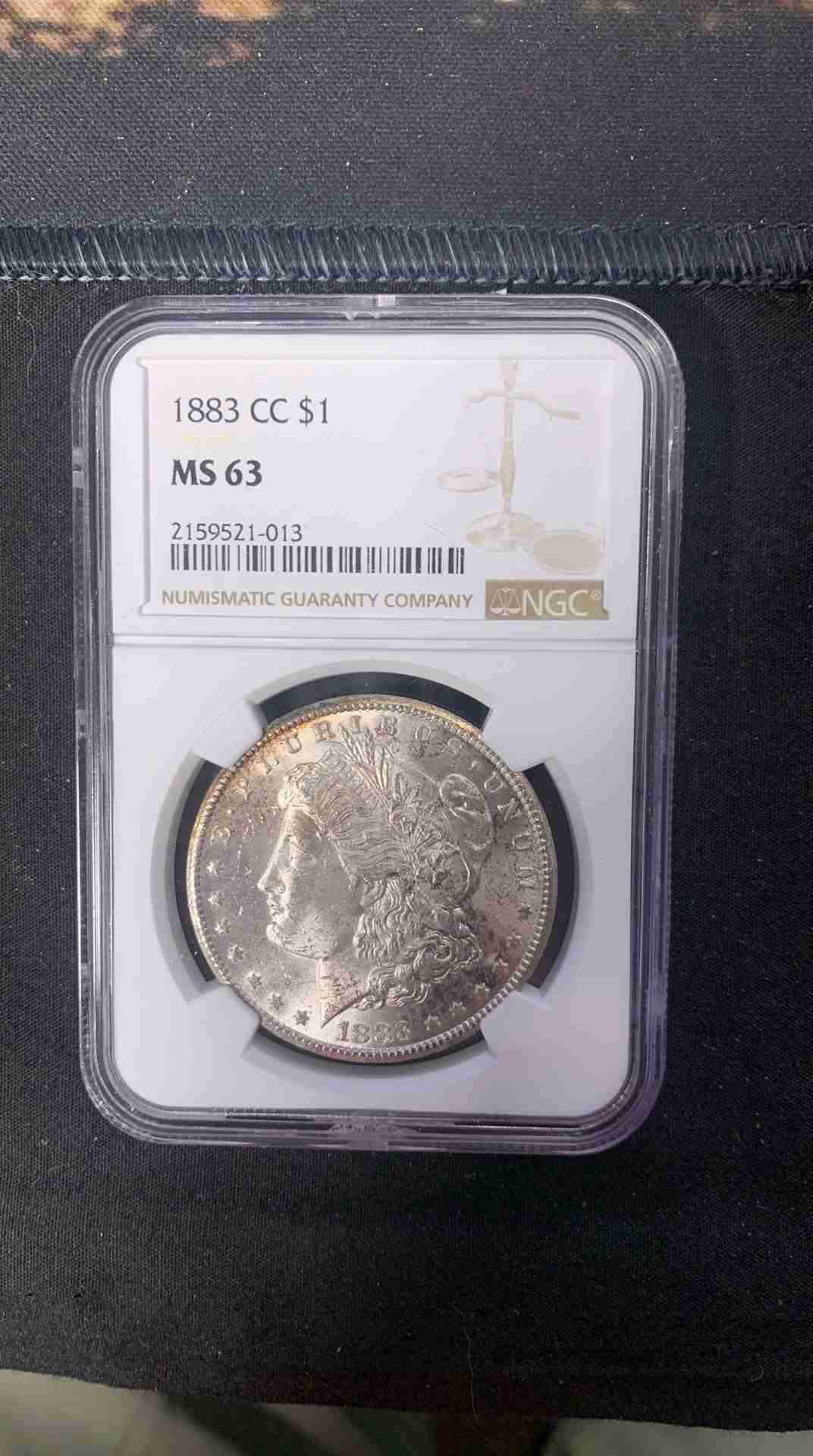
Certified coins should generally remain in their holders. Removing a coin eliminates its existing certification and can make authentication and grade more difficult for future buyers to evaluate.
Raw coins should remain uncleaned. Polishing or rubbing an old silver dollar can permanently alter original surfaces and reduce collector demand even though the coin retains its underlying precious-metal content.
Morgan Silver Dollar Value within an estate can vary dramatically from coin to coin. Carson City pieces, better dates, important VAMs, PL or DMPL coins, high-grade examples, natural toning, and original government packaging should be researched individually before the collection is valued as a group.
Professional Grading and Morgan Silver Dollar Value
Professional grading can help establish authenticity and condition for coins valuable enough to justify certification costs. Major grading services examine submitted coins, assign numerical grades to accepted pieces, and encapsulate them in tamper-evident holders.
Certification is particularly useful for key dates, Carson City issues, high-grade Mint State coins, important varieties, PL and DMPL examples, and other pieces whose collector premium depends heavily on authenticity or condition.
Grade is not the only consideration. Two coins carrying the same numerical grade can differ in luster, strike, marks, toning, originality, and overall eye appeal. Buyers may therefore prefer one example substantially over another even when the labels appear equivalent.
Morgan Silver Dollar Value can rise sharply at grades where surviving populations become genuinely scarce. A date that is plentiful in MS63, for example, may become much harder to locate at MS65 or above, creating condition rarity even when the original mintage was large.
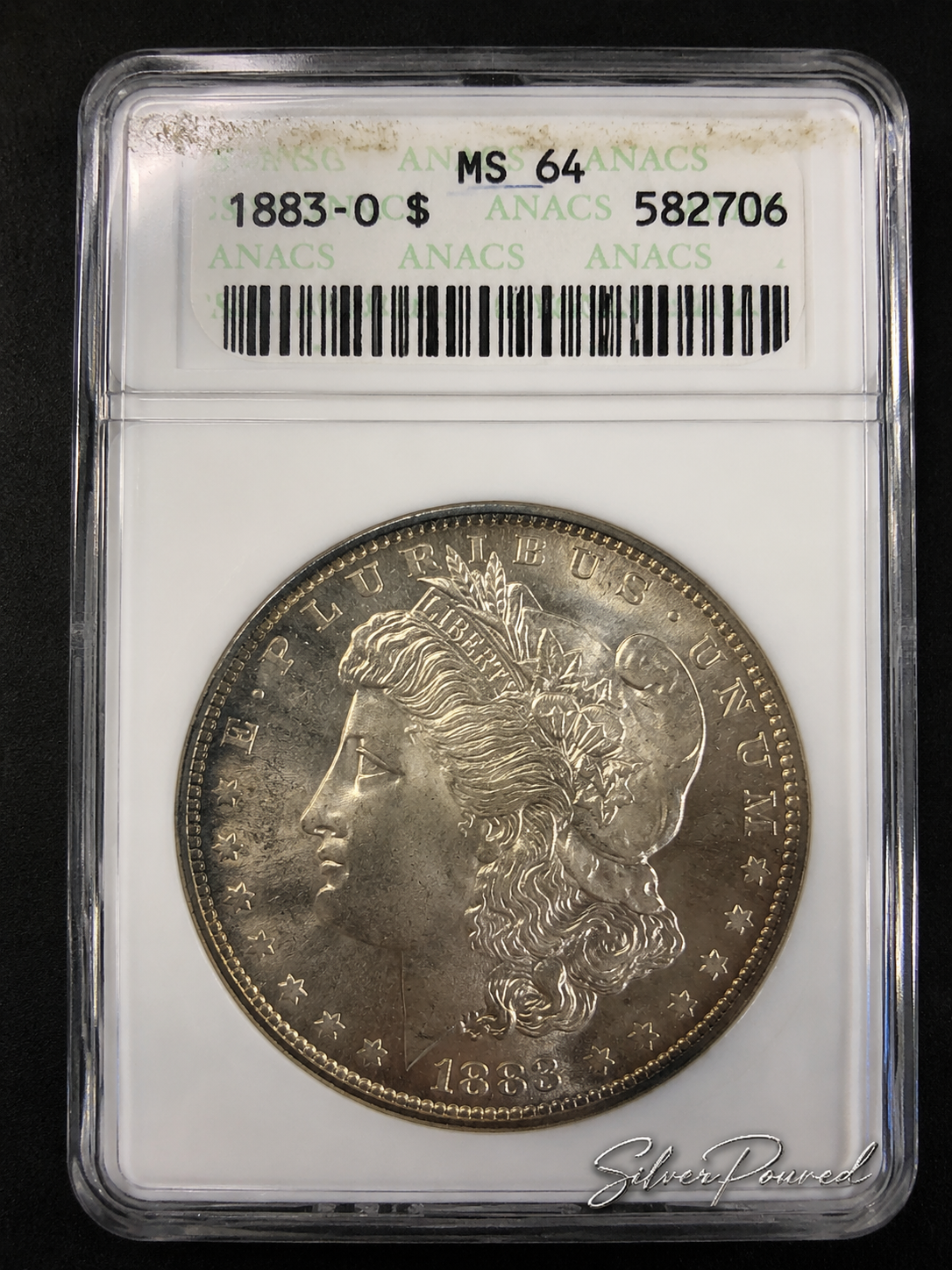
Why Morgan Silver Dollar Value Can Exceed Melt by So Much
The difference between intrinsic silver value and collector price can become enormous because collectors are not simply buying 0.7734 troy ounces of silver. They are buying a particular surviving coin with a specific date, mint, condition, appearance, history, and level of scarcity.
Key dates provide the clearest example. A scarce issue remains scarce regardless of whether silver rises or falls by several dollars per ounce because collectors competing to complete sets are pursuing that exact coin rather than a generic amount of precious metal.
Condition can create similar separation. High-grade survivors represent only a fraction of the coins originally struck, and the finest known or near-finest known examples can attract advanced collectors competing for very limited supply.
Originality and visual quality matter as well. Naturally toned coins, strong mint luster, sharp strikes, clean surfaces, and attractive overall appearance can produce premiums that cannot be explained by metal content or mintage alone.
Specialized demand adds further layers. Carson City provenance, GSA packaging, VAM attribution, PL and DMPL surfaces, vintage holders, and other characteristics can create distinct collector markets within the broader series.
For these reasons, Morgan Silver Dollar Value should always be separated into two questions: what is the silver worth, and what additional premium does this specific coin justify?
An inherited group of Morgan Dollars should never be priced from silver weight alone before every date, mint mark, holder, and unusual characteristic has been checked. Most pieces may prove relatively common, but a single Carson City issue, key date, important variety, exceptional grade, or original GSA coin can represent more collector value than numerous ordinary examples combined.
Morgan Silver Dollar Specifications
Physical specifications provide an important foundation for authentication and Morgan Silver Dollar Value research. Standard circulation strikes produced from 1878 through 1904 and again in 1921 share the same basic weight, diameter, composition, and silver content regardless of date or mint mark.
| Specification | Morgan Silver Dollar |
|---|---|
| Classic Production | 1878–1904 and 1921 |
| Face Value | $1.00 |
| Composition | 90% silver, 10% copper |
| Pure Silver Content | Approximately 0.7734 troy ounces |
| Total Weight | 26.73 grams |
| Diameter | 38.10 mm |
| Thickness | Approximately 2.4 mm |
| Edge | Reeded |
| Designer | George T. Morgan |
| Mint Marks | None, CC, O, S, D |
These specifications help collectors identify genuine coins, estimate intrinsic silver value, and recognize examples that deserve additional scrutiny. They also provide a consistent physical baseline for Morgan Silver Dollar Value research before rarity, condition, and collector premiums are considered.
The specifications themselves do not determine Morgan Silver Dollar Value beyond the precious-metal foundation. Date, mint mark, rarity, preservation, originality, certification, varieties, and collector demand explain why coins sharing identical physical specifications can trade at dramatically different prices.
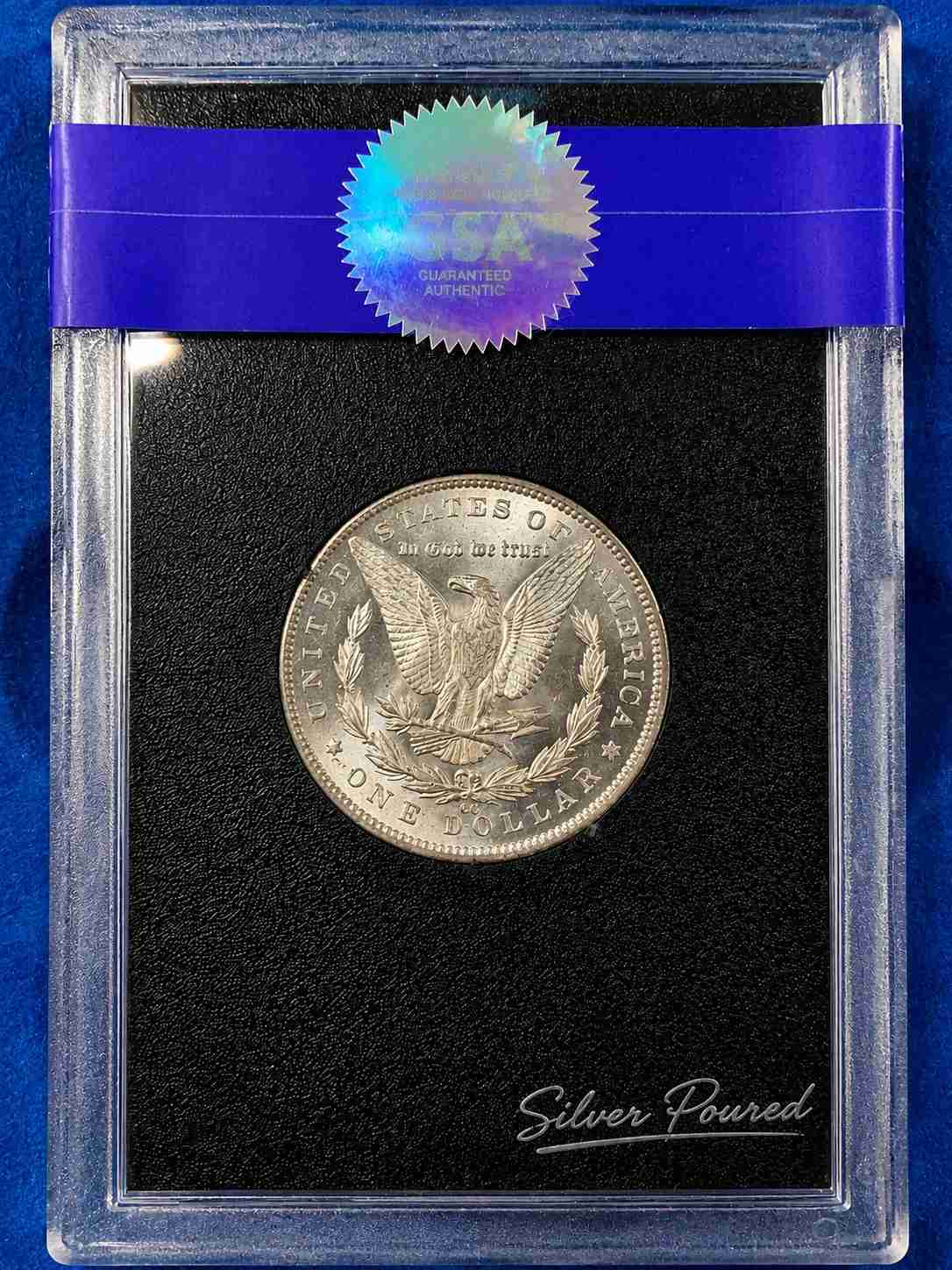
Morgan Silver Dollar Mintage and Rarity
Mintage records provide valuable historical evidence, but production totals should never be treated as a complete rarity ranking. Morgan Silver Dollar Value depends on the number of desirable coins available to collectors today, not simply the number originally struck.
Circulation, melting, Treasury storage, government releases, losses, damage, collector saving, and hoard discoveries all changed surviving populations after production. Some high-mintage issues remain readily available because enormous numbers survived, while other dates become difficult because relatively few desirable examples remain.
Condition can create another form of rarity. Morgan Silver Dollar Value can increase sharply when an otherwise available date becomes scarce in upper Mint State grades because only a small percentage survived with the luster, strike, and surface preservation required for those levels.
For this reason, Morgan Silver Dollar Value research should combine original mintage with estimated survival, certified populations, grade distribution, market availability, and collector demand.
Morgan Silver Dollar Mintage Appendix
The following annual totals provide historical context for classic Morgan Dollar production. These figures summarize production by year across the series and should be used as a starting point rather than a substitute for date-and-mint research.
| Year | Total Mintage |
|---|---|
| 1878 | 22,495,550 |
| 1879 | 14,806,000 |
| 1880 | 16,812,100 |
| 1881 | 12,760,000 |
| 1882 | 11,100,000 |
| 1883 | 12,290,000 |
| 1884 | 14,070,000 |
| 1885 | 17,787,000 |
| 1886 | 19,963,000 |
| 1887 | 20,290,000 |
| 1888 | 19,183,000 |
| 1889 | 21,726,000 |
| 1890 | 16,802,590 |
| 1891 | 9,320,000 |
| 1892 | 2,757,000 |
| 1893 | 792,000 |
| 1894 | 110,000 |
| 1895* | 880 Proof only |
| 1896 | 9,976,000 |
| 1897 | 9,822,000 |
| 1898 | 15,884,000 |
| 1899 | 7,779,000 |
| 1900 | 8,830,000 |
| 1901 | 6,962,000 |
| 1902 | 8,636,000 |
| 1903 | 4,652,000 |
| 1904 | 2,788,000 |
| 1921 | 86,730,000 |
The 1895 entry represents Proof production and should not be interpreted as an ordinary circulation-strike mintage. The 1893-S, struck separately at San Francisco with a reported production of 100,000 coins, remains the lowest-mintage regular circulation issue of the classic series.
Annual totals can also conceal major differences among individual mints. Morgan Silver Dollar Value must therefore be researched using the exact date-and-mint combination rather than the annual production figure alone.
Key Dates and Morgan Silver Dollar Value
The 1893-S is one of the defining key dates because its reported production of 100,000 coins created a limited original supply for collectors pursuing complete traditional sets. Surviving problem-free examples can command substantial premiums across grades.
The 1889-CC is another major target, combining Carson City history with limited availability. Other issues can become particularly challenging in higher grades even when their original production appears less dramatic.
The 1895 Proof occupies a different category. Its extremely limited Proof production and unusual place within the series have made it one of the most famous Morgan-related rarities.
These examples demonstrate why Morgan Silver Dollar Value cannot be determined from age or silver content alone. The exact issue, surviving population, condition, originality, and strength of collector demand all matter.
Mintage is historical evidence, not a complete price guide. Morgan Silver Dollar Value becomes clearer when production figures are compared with surviving populations, Treasury-hoard history, certified grades, condition rarity, market availability, and collector demand. A coin struck in large numbers can still become difficult in exceptional condition, while a lower-mintage issue may remain obtainable if substantial quantities survived.
Frequently Asked Questions About Morgan Silver Dollar Value
How much silver is in a Morgan Silver Dollar?
A standard classic Morgan Dollar contains approximately 0.7734 troy ounces of pure silver. The coin is composed of 90% silver and 10% copper and has a standard total weight of 26.73 grams.
How do I calculate Morgan Silver Dollar Value?
Multiply approximately 0.7734 troy ounces by the current silver spot price to estimate intrinsic silver value. Then evaluate any additional numismatic premium separately according to date, mint mark, rarity, condition, originality, certification, varieties, and collector demand.
Are Morgan Silver Dollars worth more than melt value?
Many are. Even common circulated examples can trade above their intrinsic silver value because the series has substantial collector demand. Scarce dates, Carson City issues, high grades, PL or DMPL coins, VAM varieties, and exceptional original pieces can command much larger premiums.
What is the key date Morgan Silver Dollar?
The 1893-S is the lowest-mintage regular circulation issue of the classic series, with a reported production of 100,000 coins. The 1889-CC is another major key date, while the 1895 Proof occupies its own famous rarity category.
Where is the mint mark on a Morgan Dollar?
The mint mark appears on the reverse beneath the wreath and above the lettering in “DOLLAR.” Philadelphia issues generally have no mint mark, while Carson City, New Orleans, San Francisco, and Denver coins use CC, O, S, and D.
Should I clean a Morgan Silver Dollar?
Collectors generally should not clean Morgan Dollars. Polishing, rubbing, abrasive cleaning, and other surface alteration can permanently damage originality and reduce the collectible portion of Morgan Silver Dollar Value.
Should an expensive Morgan Dollar be professionally graded?
Professional grading can be useful for key dates, Carson City issues, important varieties, high-grade coins, PL or DMPL examples, and other pieces valuable enough to justify authentication and grading costs.
Does toning increase Morgan Silver Dollar Value?
Attractive natural toning can increase collector demand when buyers consider the color original and visually appealing. Toning does not create a guaranteed premium, and artificial, unattractive, or environmentally damaged surfaces can reduce desirability.
Final Thoughts on Morgan Silver Dollar Value
Morgan Silver Dollar Value begins with approximately 0.7734 troy ounces of pure silver, but the metal calculation is only the first step. The series has one of the deepest collector markets in United States numismatics, allowing individual coins to trade far beyond their intrinsic silver content.
Date, mint mark, surviving population, condition, originality, grading, Carson City provenance, Treasury-hoard history, VAM attribution, PL and DMPL surfaces, natural toning, and collector demand can all influence the premium attached to a particular coin.
The most useful approach to Morgan Silver Dollar Value is to separate the two components. Calculate the silver foundation first, identify the exact coin, and then determine what evidence supports an additional collector premium.
Whether buying, selling, inheriting, or building a long-term collection, understanding both the precious-metal foundation and the numismatic market provides the clearest picture of Morgan Silver Dollar Value.
Related SilverPoured Resources
Continue researching Morgan Silver Dollar Value through SilverPoured resources covering classic silver dollars, Carson City coinage, silver content, melt value, spot prices, mint marks, collector premiums, and other United States silver coins.
Morgan Dollar & Silver Dollar Research
Morgan Dollar Value Guide
Carson City Morgan Dollar
Carson City Mint
Peace Dollar Silver Value
What Do Coin Mint Marks Mean?
Silver Content & Melt Value
Silver Melt Value Calculator
Silver Spot Price Today
What Is Silver Melt Value?
How Much Silver Is in U.S. Coins?
Silver Coin Values
Collector Premiums & Silver Markets
Premium Over Spot Explained
Why Silver Premiums Change
Why Collectible Silver Sells for More
Junk Silver Value
Silver Spot vs Bid vs Ask Price
Purchase Precious Metals from a Trusted Dealer
Collectors researching Morgan Silver Dollar Value may also compare historic United States silver coins with newly produced investment-grade bullion. Classic Morgan Dollars can carry premiums for rarity, date, mint mark, condition, originality, certification, toning, varieties, and collector demand, while modern bullion generally provides a more direct way to acquire precious-metal weight.
When purchasing physical precious metals, compare purity, weight, current silver value, total delivered cost, dealer premiums, reputation, shipping policies, and product availability. Separating intrinsic metal value from collectible value makes it easier to understand what portion of a purchase price represents silver and what portion represents a numismatic premium.
Collector Insight
Morgan Silver Dollar Value begins with approximately 0.7734 troy ounces of pure silver, but that metal foundation is only the starting point. Date, mint mark, surviving population, condition, originality, grading, Carson City provenance, Treasury-hoard history, VAM attribution, PL or DMPL surfaces, natural toning, and collector demand can all create additional value beyond melt.
Keep SilverPoured Free
SilverPoured is built to help collectors and precious-metals investors make smarter decisions through free calculators, original photography, coin research, value references, collector education, and independent market resources. Every page is created to make valuable precious-metals information available without requiring a paid subscription.
This Morgan Silver Dollar Value resource is designed to help collectors understand silver content, melt value, mint marks, Treasury hoards, grading, Carson City issues, VAM varieties, PL and DMPL coins, originality, collector premiums, and the difference between bullion value and numismatic value. Every contribution helps support continued research, original photography, calculator development, and expansion of SilverPoured’s precious-metals education.
Your support allows SilverPoured to remain independent while building one of the web’s most comprehensive free libraries for coin collectors, bullion buyers, precious-metals researchers, and long-term investors.