
Junk Silver Value (90% Silver Calculator & Melt Value)
Use this junk silver value calculator to estimate the melt value of 90% silver coins based on face value and the live silver spot price. Whether you are pricing dimes, quarters, or half dollars, this page helps you quickly calculate current silver value.
For mixed silver items or larger collections, use the silver melt value calculator to calculate total value using live silver prices.
Junk silver value is based on the amount of pure silver contained in pre-1965 U.S. coins. Because these coins contain 90% silver, their melt value rises and falls with the silver market.
Silver Spot Price: Updates live — Track current silver price
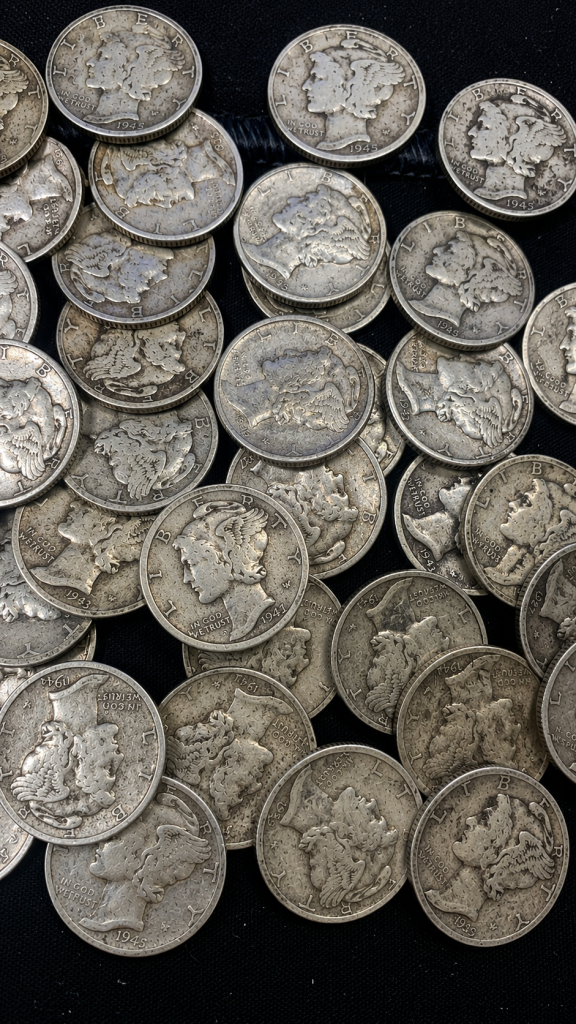
Calculate junk silver value using face value, silver content, and live silver prices.
| Face Value | Approximate Silver |
|---|---|
| $10 | 7.15 oz |
| $25 | 17.875 oz |
| $50 | 35.75 oz |
| $100 | 71.5 oz |
| $500 | 357.5 oz |
| $1,000 | 715 oz |
How Junk Silver Value Is Calculated
Junk silver value is calculated by converting face value into total silver content and then multiplying that silver content by the current silver spot price. For 90% U.S. silver coins, each $1.00 face value contains about 0.715 troy ounces of silver.
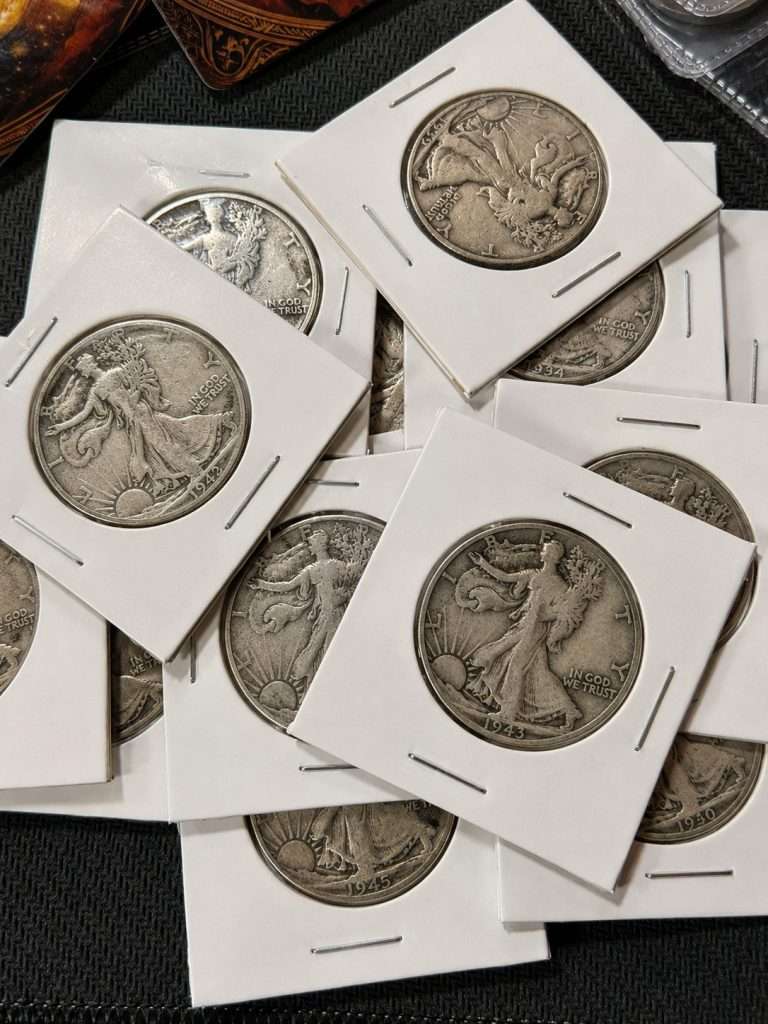
What Is Constitutional Silver?
Experienced stackers researching junk silver value eventually encounter the term “constitutional silver.” Constitutional silver refers to U.S. coins that were originally struck for circulation using silver as part of their official composition. In most cases, this includes pre-1965 dimes, quarters, and half dollars containing 90% silver, along with certain other historic U.S. silver coinage.
Although the terms are often used interchangeably, junk silver and constitutional silver are not always identical. “Junk silver” generally describes common-date circulated coins that trade primarily for their silver content rather than collector value. “Constitutional silver” emphasizes that these coins were once legal tender produced by the United States Mint with standardized silver compositions established under U.S. coinage laws.
Understanding this distinction helps buyers better interpret dealer listings, auction descriptions, and bullion advertisements. Some dealers prefer the term constitutional silver because it highlights the coins’ history and official status, while others continue using junk silver because it has become the accepted industry term for bullion-grade circulating silver coins.
Whether described as junk silver or constitutional silver, these coins remain popular because their silver content is widely recognized throughout the precious metals industry. Since every common 90% silver coin contains a standardized amount of precious metal, calculating junk silver value remains straightforward using face value and the live silver spot price. This consistency has helped constitutional silver remain one of the most actively traded forms of physical silver for generations.
Understanding the relationship between junk silver and constitutional silver helps buyers interpret dealer listings more accurately. Regardless of the terminology used, standardized silver content makes junk silver value easy to estimate using face value and current silver prices.

Inheriting Junk Silver
Many people first begin researching junk silver value after inheriting a coin collection from a parent, grandparent, or other family member. Older jars of coins, coffee cans, coin albums, and canvas bank bags often contain pre-1965 silver coins that may be worth substantially more than their face value because of their silver content.
The first step is identifying which coins actually contain silver. Dimes, quarters, and half dollars dated 1964 and earlier generally contain 90% silver, while Kennedy half dollars dated 1965 through 1970 contain 40% silver. War nickels minted from 1942 through 1945 also contain silver, although at a lower percentage than traditional constitutional silver coinage.
After separating the silver coins, many collectors total the face value before using a junk silver value calculator to estimate their melt value based on the current spot price. This provides a quick baseline for understanding the intrinsic silver value of the collection before considering any potential collector premiums.
It is also important to look for coins that may be worth more than their silver content alone. Better dates, key dates, proof coins, certified examples, mint errors, and high-grade pieces can carry significant numismatic premiums beyond their melt value. Taking a few extra minutes to separate these coins before selling can prevent valuable collector pieces from being priced only for their silver content.
Whether you inherit a handful of silver dimes or several bags of constitutional silver, understanding constitutional silver provides the foundation for making informed decisions. Once the silver content has been identified and the melt value calculated, collectors can more confidently determine whether a collection should be sold as bullion, evaluated individually, or preserved for its historical and numismatic value.
Before selling inherited silver coins, separate bullion from collectible pieces. Calculating junk silver value establishes a baseline, but key dates, higher grades, and rare varieties may be worth substantially more than melt value.
Buying Junk Silver for Maximum Junk Silver Value
Buying junk silver begins with understanding face value, current silver prices, and dealer premiums. Purchasing from established bullion dealers helps ensure authenticity while allowing buyers to compare pricing across the market before making a purchase.
Why Dealer Prices Can Vary
Many first-time buyers are surprised to discover that junk silver value is not always identical from one dealer to another. While the silver content of pre-1965 U.S. coins never changes, the final purchase price often includes a premium above melt value that reflects current market conditions, inventory levels, and physical demand.
Bullion dealers typically calculate pricing using the spot silver price as a starting point before adding a premium to cover operating costs, sourcing inventory, shipping, insurance, and market risk. During periods of strong demand, these premiums can increase as available supplies become more difficult to replace. Conversely, when physical demand slows or dealer inventories grow, premiums may narrow even if the silver spot price remains relatively stable.
Buyback pricing follows a similar process. Most dealers purchase junk silver based on the current melt value while adjusting their offer according to prevailing market conditions and expected resale demand. Dealers with strong local demand or limited inventory may pay more aggressively than those with abundant stock, making it worthwhile for sellers to compare multiple offers before completing a transaction.
Understanding how dealers establish pricing helps investors look beyond the advertised silver spot price. By comparing both melt value and dealer premiums, buyers gain a clearer picture of true market pricing and can make more informed decisions when adding junk silver to their collection or selling existing holdings.
Junk silver value reflects more than silver content alone. Dealer premiums, inventory levels, and physical demand all influence the final market price buyers and sellers actually encounter.
Comparing multiple dealers before purchasing is one of the easiest ways to maximize junk silver value while avoiding unnecessary premiums.
When Junk Silver Is Worth More Than Melt Value
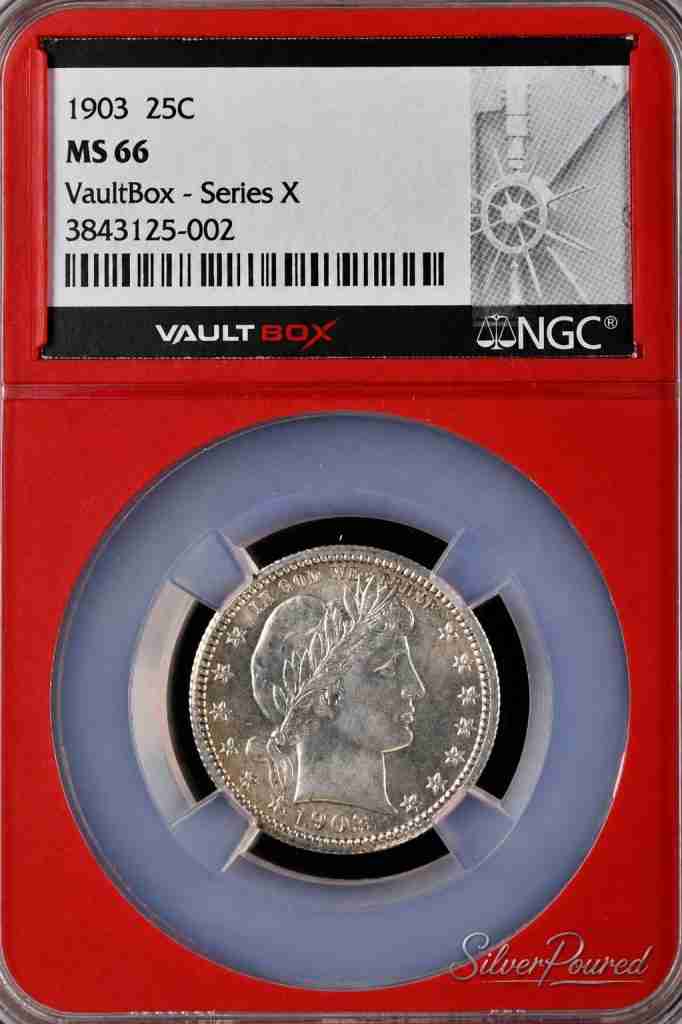
Although junk silver value is usually calculated using silver content and the current spot price, not every coin should be valued strictly as bullion. Certain coins found in junk silver lots can be worth substantially more than their melt value because of collector demand, rarity, or exceptional preservation.
Many collections contain overlooked key dates, semi-key dates, proof coins, mint errors, and high-grade examples that deserve individual evaluation. A common-date Mercury dime may trade primarily for its silver content, while a scarcer date in Mint State condition could be worth many times its intrinsic silver value. The same principle applies to Washington quarters, Franklin half dollars, Walking Liberty half dollars, and other popular 90% silver series.
Collectors also pay premiums for naturally toned coins, Full Bell Lines Franklin half dollars, Full Bands Mercury dimes, Full Head Standing Liberty quarters, and coins certified by professional grading services. These characteristics add numismatic value that extends well beyond the underlying silver content.
For this reason, experienced buyers rarely assume that every coin in a junk silver lot has identical value. Many quickly examine dates, mint marks, condition, and overall eye appeal before determining whether a coin belongs in the bullion category or should be evaluated individually as a collectible. Understanding this distinction allows investors to calculate junk silver value accurately while avoiding the mistake of selling valuable collector coins for melt value alone.
Not every 90% silver coin should be treated as bullion. Checking dates, mint marks, condition, and collector demand before selling helps prevent valuable numismatic coins from being priced only for their silver content.
Most junk silver value calculations focus on common-date U.S. dimes, quarters, and half dollars struck in 90% silver, particularly circulated coins that trade primarily for their precious-metal content.
| Coin | Silver Content | Composition |
|---|---|---|
| Mercury Dime | 0.07234 oz | 90% |
| Roosevelt Dime (1946–64) | 0.07234 oz | 90% |
| Washington Quarter | 0.18084 oz | 90% |
| Standing Liberty Quarter | 0.18084 oz | 90% |
| Barber Quarter | 0.18084 oz | 90% |
| Franklin Half Dollar | 0.3617 oz | 90% |
| Walking Liberty Half Dollar | 0.3617 oz | 90% |
| Kennedy Half Dollar (1964) | 0.3617 oz | 90% |
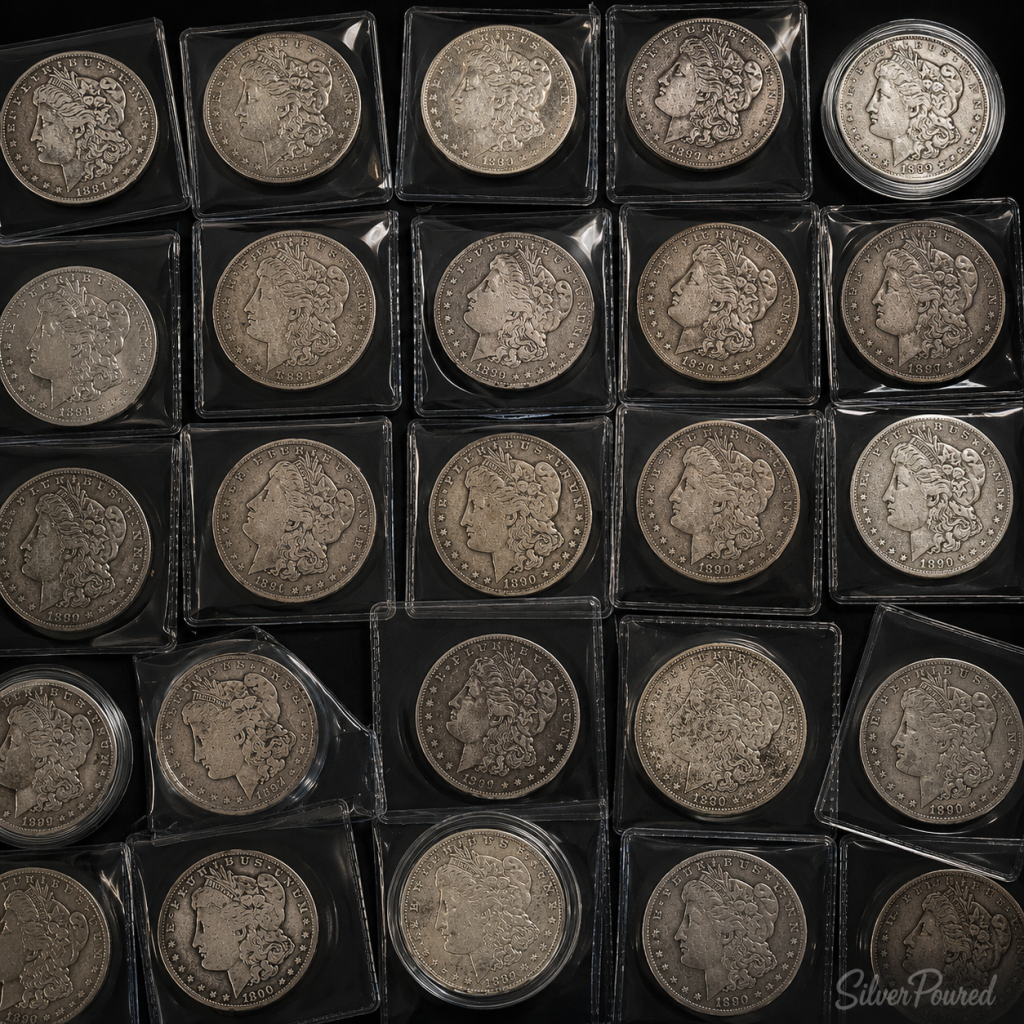
Different 90% silver coins can be grouped together by face value for melt calculations.
Why Junk Silver Value Matters
Knowing junk silver value helps you evaluate whether a coin lot is priced fairly. Dealers and collectors often buy and sell 90% silver coins based on face value, so understanding the melt value gives you a strong reference point.
It also helps you compare junk silver against modern bullion products. In some markets, junk silver carries higher premiums because of recognizability, divisibility, and demand.
For broader melt calculations, use our silver melt value calculator. For live market updates, see our silver spot price page. Knowing junk silver value before buying or selling helps investors compare dealer pricing, estimate melt value, and make better precious metals decisions.
Junk Silver vs Modern Silver Bullion
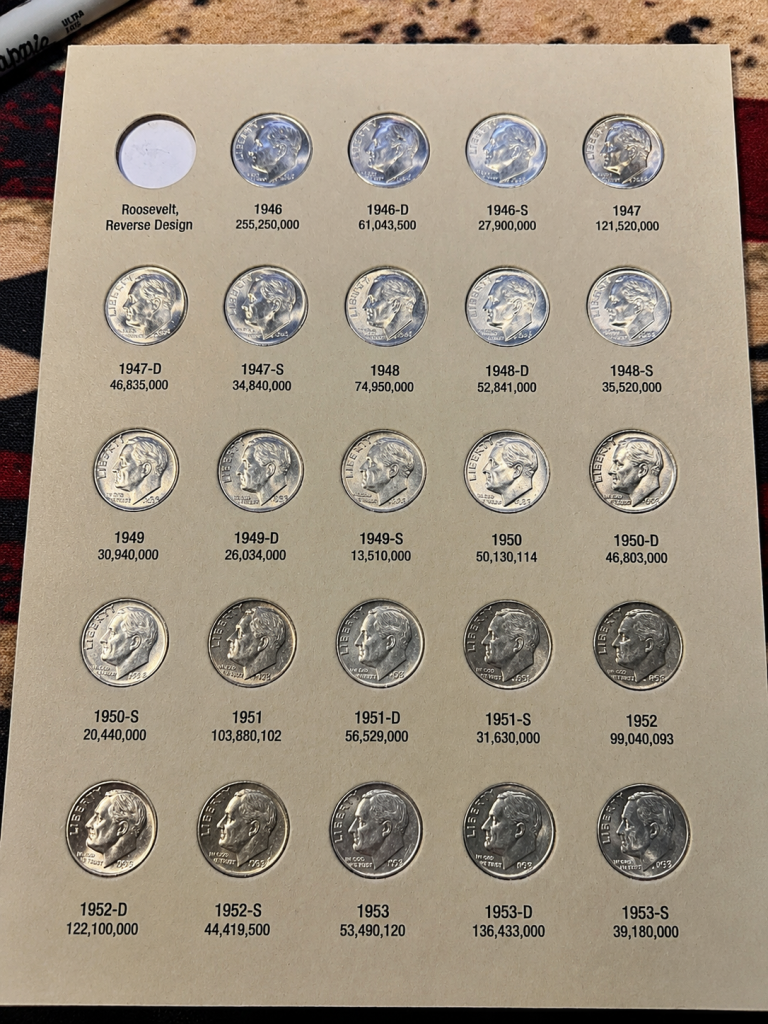
Silver collectors compare junk silver with modern bullion products when building a silver stack. Junk silver offers recognizable U.S. coinage, smaller denominations, and widespread market acceptance, while modern bullion often provides lower premiums per ounce and easier storage.
Because junk silver is sold by face value and contains known silver content, it remains one of the most popular entry points for new silver buyers. More experienced stackers often combine junk silver with bars, rounds, and government bullion to create a diversified silver position. Comparing junk silver value with modern bullion premiums helps investors determine which products provide the best overall value.
Why Dealers Buy and Sell by Face Value
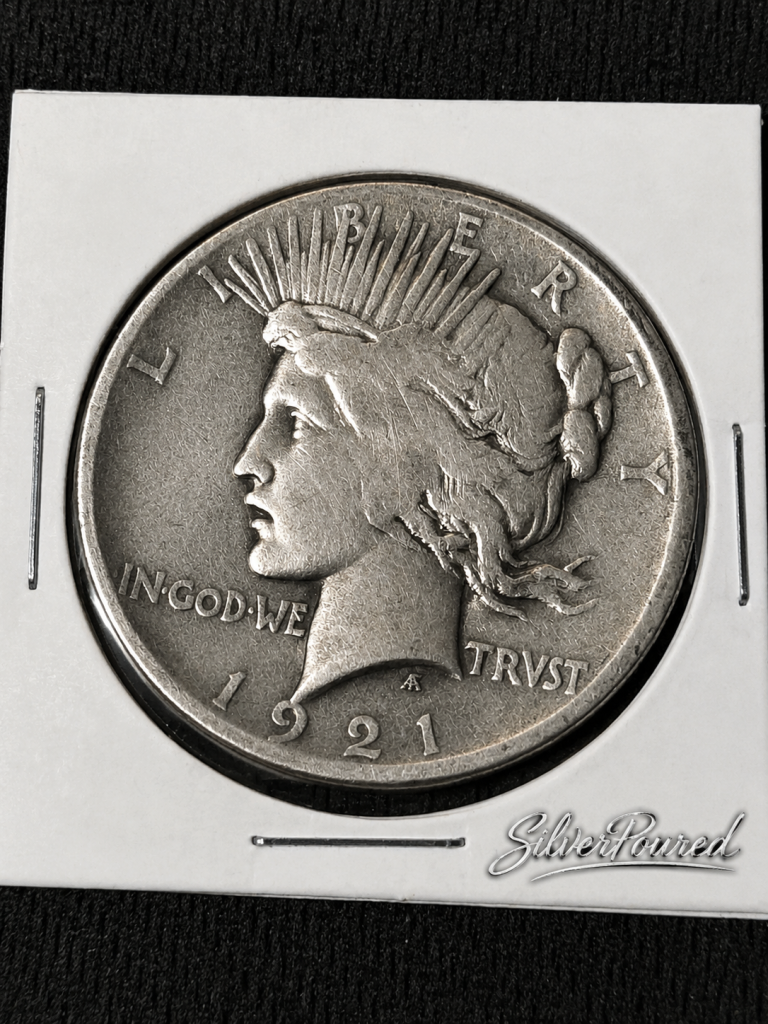
One characteristic that makes junk silver unique is that it is usually traded by face value instead of individual coin count. Rather than counting every dime, quarter, and half dollar separately, dealers commonly price mixed lots according to their combined face value.
This method works because the silver content of circulated 90% U.S. coinage has been standardized throughout the bullion industry. Each one-dollar face value contains approximately 0.715 troy ounces of pure silver after allowing for normal circulation wear. This standard makes it easy to estimate junk silver value quickly using current silver spot prices.
Whether purchasing a $10 face-value roll, a $100 face-value bag, or a larger wholesale lot, investors can compare pricing using the same silver-content calculation.
This standardized system allows junk silver value to be calculated quickly regardless of the mix of coins in the collection.
Standard Junk Silver Bag Sizes
Although junk silver can be purchased in almost any quantity, several standard bag sizes have become common throughout the precious metals industry.
| Face Value | Approximate Silver Content |
|---|---|
| $1 | 0.715 troy oz |
| $5 | 3.575 troy oz |
| $10 | 7.15 troy oz |
| $25 | 17.875 troy oz |
| $50 | 35.75 troy oz |
| $100 | 71.50 troy oz |
| $500 | 357.50 troy oz |
| $1,000 | 715.00 troy oz |
These standard bag sizes allow buyers to estimate junk silver value within seconds while comparing dealer pricing and calculating melt value using the current silver spot price.
Premiums Above Melt Value
Although melt value provides the foundation for pricing, junk silver often trades above its intrinsic silver value. Dealer inventories, retail demand, market shortages, and investor interest can all influence premiums.
During periods of heavy physical silver demand, premiums on junk silver frequently rise because supplies become more difficult to replace. Since the supply of pre-1965 U.S. silver coins can never increase, collector and investor demand occasionally pushes prices beyond simple melt value calculations.
Understanding this relationship helps buyers recognize that junk silver value includes both the underlying silver content and the premium buyers are willing to pay for recognizable constitutional silver coinage. Comparing melt value with current dealer premiums provides a clearer picture of the actual price being paid for physical silver.
Storing Junk Silver
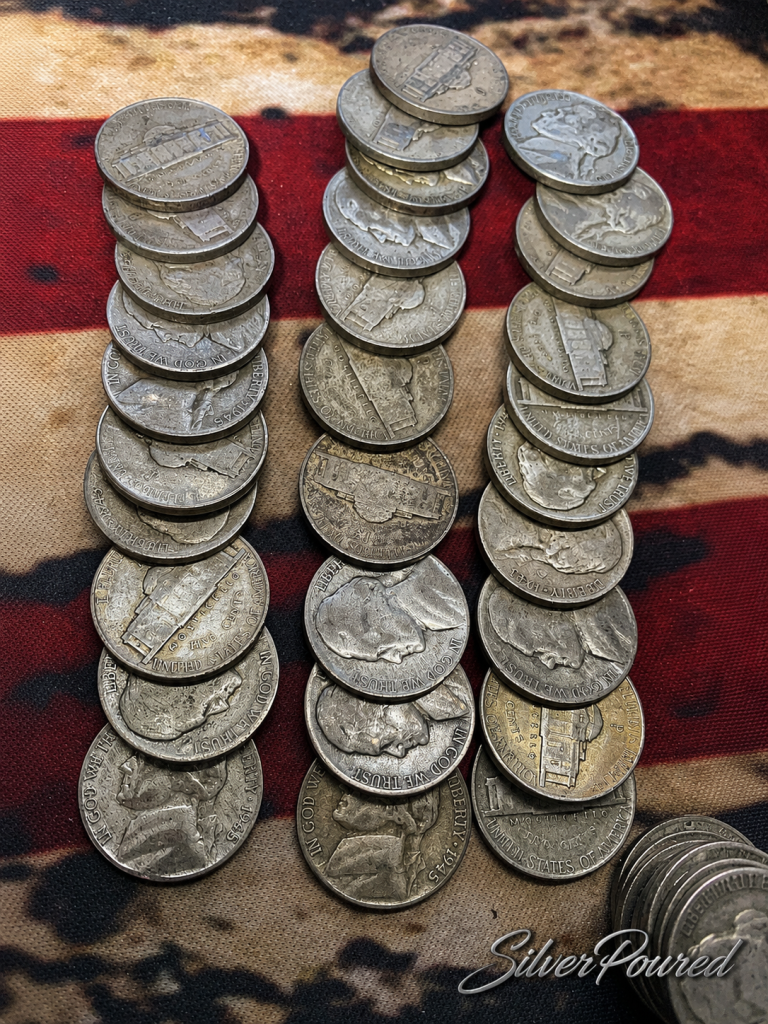
Proper storage helps preserve both bullion value and organization. Bullion buyers store junk silver in labeled coin tubes, heavy-duty canvas bags, plastic storage boxes, or archival-quality containers designed for long-term protection.
Organizing silver by denomination or face value also makes it much easier to calculate junk silver value whenever silver prices change. Keeping accurate records of purchase dates, total face value, and current melt value allows investors to monitor their holdings while simplifying insurance, estate planning, and future resale.
Unlike collectible coins, most junk silver is valued primarily for its silver content, so minor circulation wear generally has little impact on bullion pricing. Even so, proper storage helps protect coins from unnecessary environmental damage and keeps larger collections organized.
Well-organized storage also makes tracking junk silver value much easier as silver prices fluctuate over time.
Common Buying Mistakes
One of the most common mistakes new buyers make is assuming every older U.S. coin contains silver. Many older cents and nickels contain no silver, while circulating dimes and quarters changed from 90% silver to copper-nickel clad compositions beginning in 1965. Kennedy half dollars contain 90% silver in 1964 and 40% silver from 1965 through 1970, so buyers should verify the denomination, date, and composition rather than relying on age alone.
Another mistake is paying excessive premiums without comparing current market prices.
Collectors should also purchase from established bullion dealers whenever possible. Reputable sellers clearly identify silver content, face value, and current pricing while reducing the risk of counterfeit or altered products.
Avoiding these common mistakes helps buyers protect junk silver value while building a stronger long-term silver portfolio.
How to Verify Junk Silver Before You Buy
Knowing junk silver value begins with confirming that the coins actually contain the expected amount of silver. While counterfeit junk silver is less common than counterfeit bullion bars or modern silver rounds, buyers should still verify what they are purchasing, especially when buying from private sellers, flea markets, estate sales, or online marketplaces.
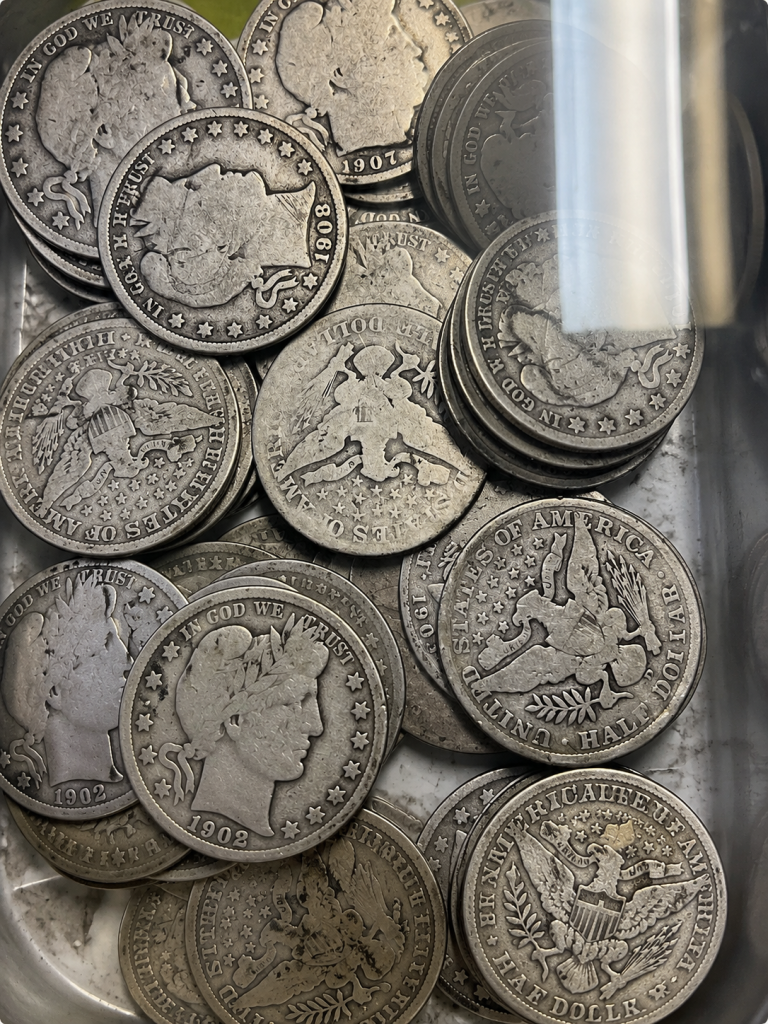
The easiest place to start is by checking the coin’s date. In most cases, U.S. dimes, quarters, and half dollars dated 1964 and earlier contain 90% silver, while Kennedy half dollars dated 1965 through 1970 contain 40% silver. War nickels minted from 1942 through 1945 contain 35% silver and can be identified by the large mint mark above Monticello on the reverse.
Collectors should also examine coins for signs of cleaning, damage, alterations, or unusual surfaces. While these issues may not significantly affect junk silver value when coins are traded strictly for bullion, they can reduce collector value if a better-date or higher-grade coin is discovered within the group.
Purchasing from established bullion dealers remains one of the best ways to reduce risk. Reputable dealers accurately identify silver content, price coins according to current market conditions, and stand behind the authenticity of the products they sell. Combining trusted sources with a solid understanding of junk silver value allows buyers to purchase with greater confidence while avoiding costly mistakes.
Long-Term Demand for Junk Silver
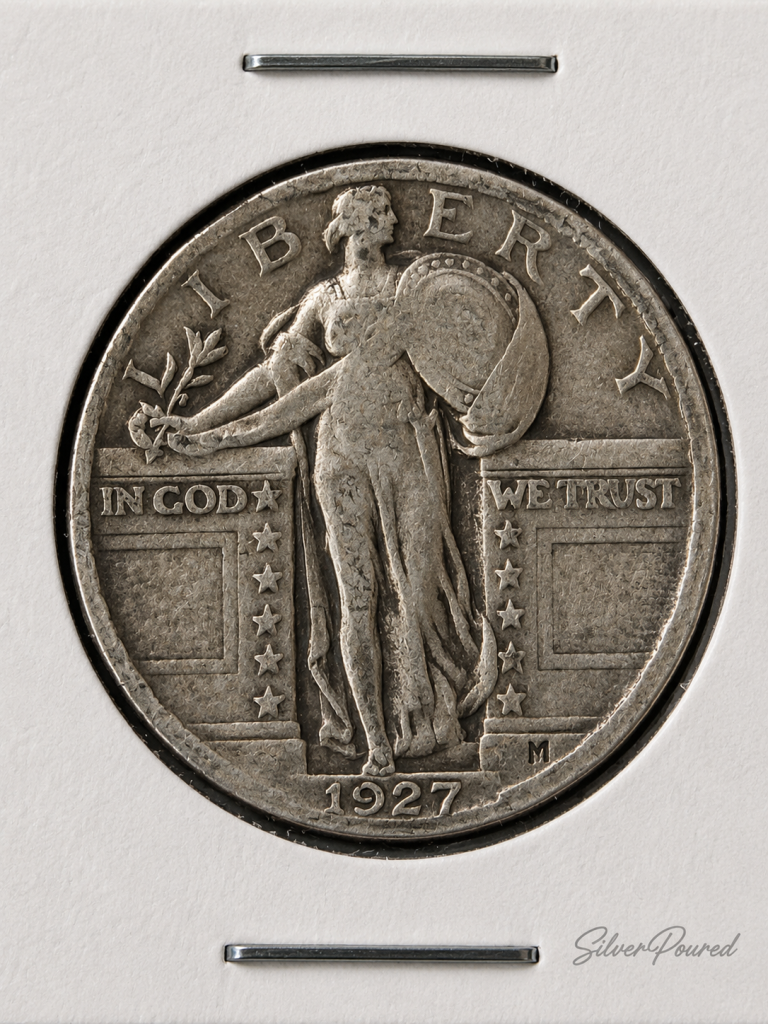
Junk silver continues attracting new buyers because it combines precious metal ownership with historical United States coinage. While some precious-metals investors focus primarily on large bullion bars or modern government-issued coins, junk silver remains attractive because of its divisibility, broad market recognition, and long-established trading history.
Whether purchased for bullion value, emergency barter potential, historical interest, or long-term wealth preservation, junk silver remains one of the most widely recognized and actively traded forms of physical silver available today.
Understanding Junk Silver Through Different Market Cycles
Junk silver value does not move in a straight line because the precious metals market is constantly influenced by changing economic conditions. Inflation, interest rates, industrial demand, geopolitical uncertainty, and investor sentiment can all affect the price of silver and the premiums buyers are willing to pay for physical coins. Understanding these market cycles helps investors place short-term price movements into a broader long-term perspective.
During periods of economic uncertainty, many investors increase their purchases of physical silver as part of a diversified portfolio. This additional demand can place pressure on dealer inventories, causing premiums on junk silver to rise even if the silver spot price changes only modestly. At other times, improving supply and reduced retail demand may allow buyers to acquire the same silver content with lower premiums.
Experienced stackers often monitor both silver prices and physical market conditions rather than focusing on spot price alone. Watching inventory levels, dealer availability, and premium trends provides additional insight into how junk silver value is behaving across the broader bullion market. These observations help buyers recognize whether price changes are being driven primarily by silver itself or by shifts in physical demand.
Over long periods, junk silver has continued attracting investors because its value is supported by both precious metal content and widespread market recognition. While short-term premiums may fluctuate, understanding how different market cycles influence junk silver value helps investors make more informed decisions while building and managing a long-term physical silver portfolio.
Why Junk Silver Is One of the Most Liquid Silver Investments
One of the greatest strengths of junk silver is its liquidity. Because pre-1965 U.S. silver coins have been bought and sold for generations, they are widely recognized by coin shops, bullion dealers, precious metals investors, and experienced collectors throughout the United States. This broad market acceptance makes it relatively easy to determine junk silver value and find willing buyers under a wide range of market conditions.
Unlike specialty bullion products that may appeal only to a limited group of collectors, junk silver has a large and established marketplace. Dealers value its predictable pricing, and collectors often purchase it to complete silver holdings or add constitutional silver to their portfolios. This combination of demand helps support an active secondary market regardless of whether silver prices are rising or falling.
Another advantage is flexibility. Owners are not limited to selling an entire collection at once. Because junk silver is commonly organized by face value, rolls, or bags, investors can sell only the amount they need while retaining the rest of their holdings. This makes junk silver especially attractive for individuals who value both long-term precious metals ownership and the ability to convert part of their investment into cash when opportunities or financial needs arise.
For many experienced stackers, strong liquidity is one of the primary reasons junk silver remains a core holding. Understanding silver content, current silver prices, and prevailing dealer premiums allows investors to make informed decisions while taking advantage of one of the most active physical silver markets in the world.
Junk Silver vs Silver Rounds and Bars
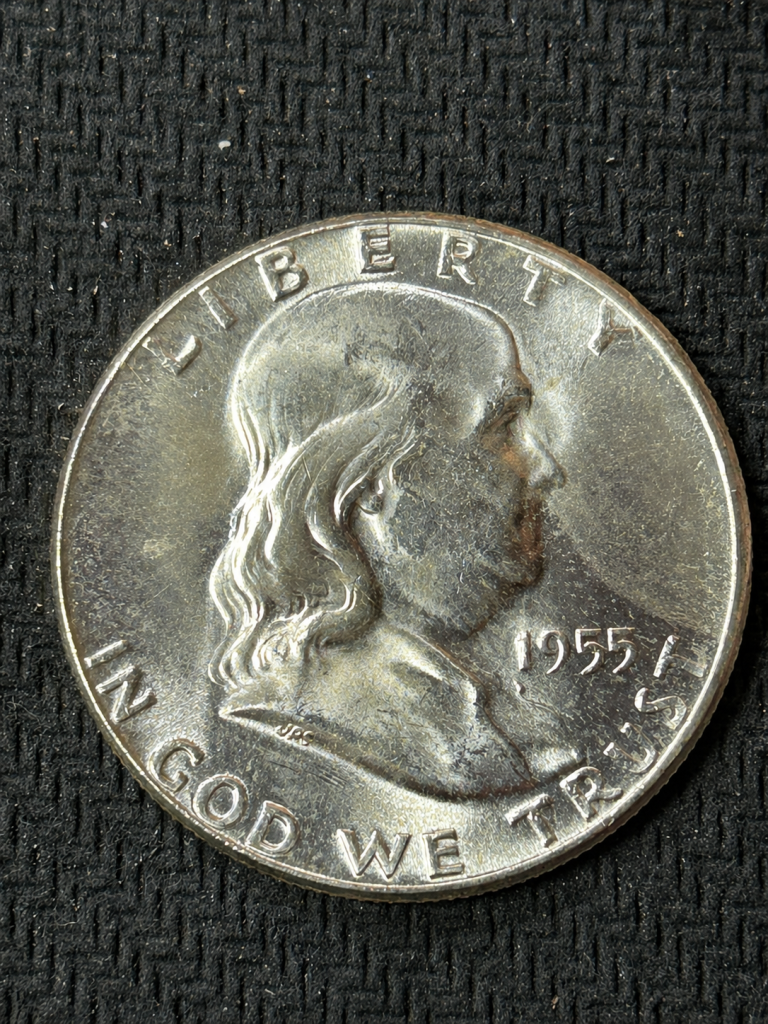
Many investors eventually compare junk silver with privately minted silver rounds and larger bullion bars before deciding what to purchase next. While each option provides exposure to physical silver, they often appeal to different types of buyers depending on budget, collecting goals, and long-term investment strategy.
Silver rounds are often produced by private mints and typically contain one troy ounce of .999 fine silver. They frequently carry lower premiums than government-issued bullion coins while providing a modern alternative to pre-1965 silver coinage. Larger silver bars may reduce the premium per ounce even further, making them attractive to investors focused on acquiring the greatest amount of silver for the lowest overall cost.
Rather than viewing these products as competing investments, many experienced stackers include all three within the same collection. Junk silver provides flexibility and historical appeal, silver rounds offer efficient bullion ownership, and larger bars maximize silver weight. Comparing junk silver value with the cost of rounds and bars helps investors determine which products best support their individual collecting and investment objectives while building a balanced precious metals portfolio.
Why Junk Silver Continues to Attract New Generations of Investors
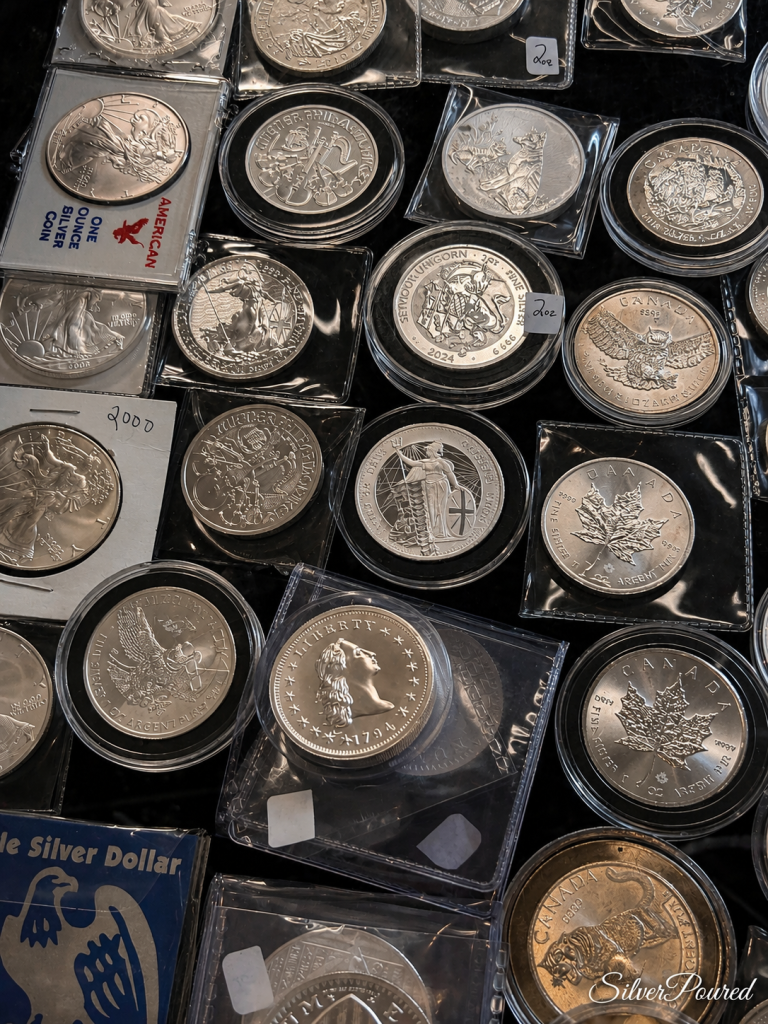
Long before modern bullion coins became widely available, Americans saved silver dimes, quarters, and half dollars because they recognized the intrinsic value of the precious metal they contained. Even after silver was removed from circulating coinage in the 1960s, older 90% silver coins remained a trusted form of physical wealth. Today, that tradition continues as new generations of investors discover the benefits of owning constitutional silver.
One reason junk silver continues to appeal to a wide range of buyers is its balance of history and practicality. Every coin represents a piece of American commerce while also containing a measurable amount of precious silver. Unlike many modern investment products, junk silver combines tangible ownership with a long-established record of market acceptance.
Collectors often begin by learning how to calculate junk silver value, but many remain interested because the coins also tell the story of American coinage. Mercury dimes, Standing Liberty quarters, Walking Liberty half dollars, and Franklin half dollars all reflect different periods of United States history while maintaining silver content that makes them easy to value.
As precious metals markets continue to evolve, junk silver remains one of the few investment categories that appeals equally to stackers, collectors, historians, and long-term investors. Its combination of recognizable coinage, intrinsic silver value, and decades of market acceptance continues to support steady demand regardless of changing economic conditions. Understanding junk silver value allows buyers to appreciate not only the bullion value of these historic coins but also the enduring role they continue to play within the modern precious metals market.
Who Should Consider Buying Junk Silver?
Junk silver appeals to a wide variety of buyers because its junk silver value combines precious metal ownership, affordability, and historical significance. While every investor has different goals, understanding junk silver value helps determine whether constitutional silver is the right fit for a particular collecting or investment strategy.
Beginning investors often choose junk silver because it provides an accessible introduction to physical precious metals. Smaller denominations allow buyers to make incremental purchases while learning how silver prices, premiums, and melt value interact within the bullion market. This gradual approach can make building a silver stack more manageable than purchasing larger bullion bars or premium collector coins.
Collectors are also drawn to junk silver because these coins represent important periods of American history. Although common-date examples generally trade for their bullion value, they still feature classic designs that many collectors appreciate. This combination of silver content and historical significance gives junk silver a unique appeal that extends beyond simple melt value calculations.
Whether the objective is preserving wealth, diversifying a portfolio, building a silver stack, or simply owning historic U.S. coinage, understanding melt value helps buyers make informed decisions while selecting products that best match their long-term financial and collecting goals.
Building a Junk Silver Collection Over Time
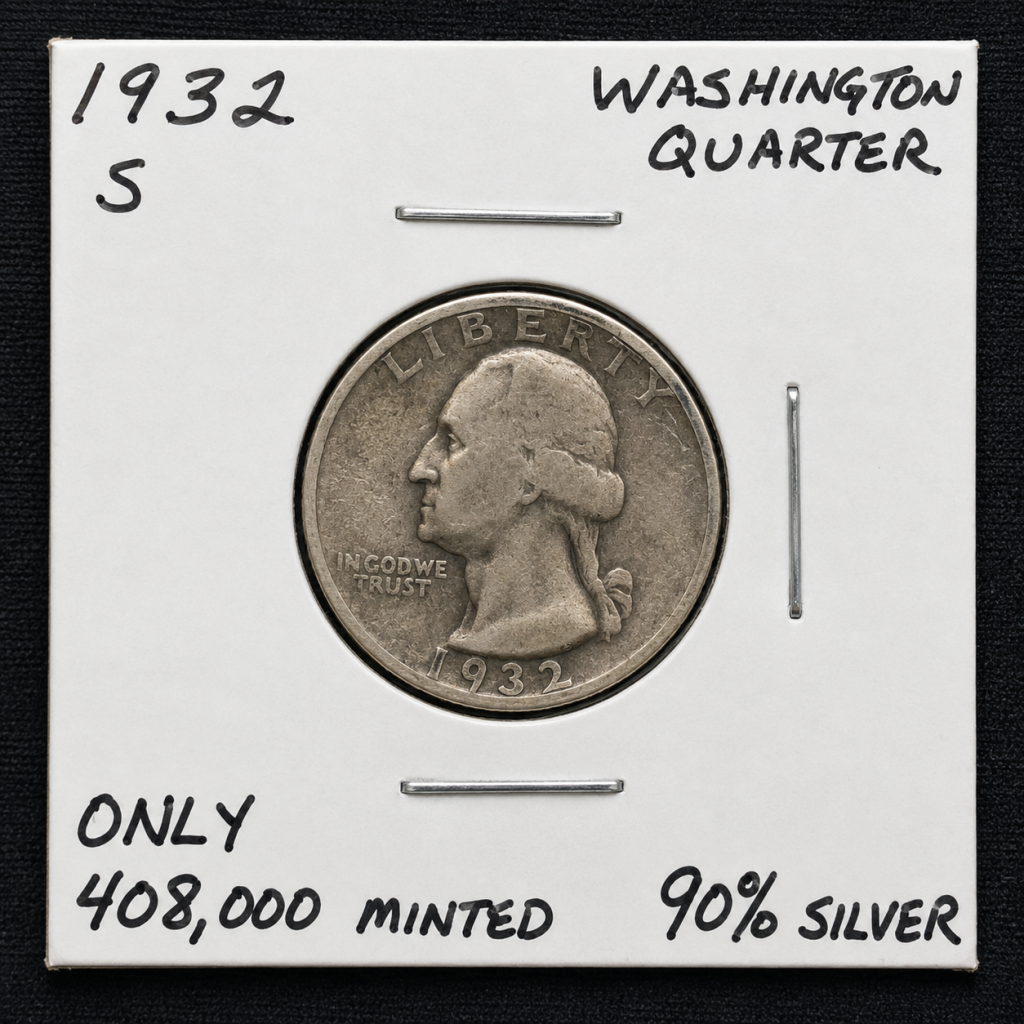
Building a junk silver collection does not require a large initial investment. Many collectors begin with a few Mercury dimes, Washington quarters, or Franklin half dollars before gradually expanding into larger face-value holdings. This step-by-step approach allows buyers to become familiar with different denominations while learning how junk silver value changes alongside the silver market.
Some investors organize their collections by denomination, keeping separate groups of dimes, quarters, and half dollars for easier inventory management. Others prefer mixed bags because they provide a combination of silver content and historical U.S. coinage in a single purchase.
As a collection grows, many buyers also begin tracking purchase dates, average acquisition cost, current silver spot prices, and prevailing dealer premiums. Maintaining simple records makes it easier to evaluate overall performance while providing a clear picture of how changing market conditions affect junk silver value over time.
For long-term collectors, building a junk silver collection is often about more than accumulating precious metal. It also provides an opportunity to preserve historic U.S. coinage while creating a diversified silver holding that can continue growing over many years. Whether purchases are made monthly, quarterly, or only when market opportunities appear, a consistent collecting strategy helps transform small acquisitions into a substantial physical silver position.
Frequently Asked Junk Silver Buying Questions
Many investors begin researching junk silver value before making their first purchase because they want to understand how these coins compare with other forms of physical silver. While every buyer has different goals, a few questions consistently come up when evaluating constitutional silver.
A common question is whether junk silver should be purchased by face value or by the ounce. In practice, most dealers price junk silver according to face value because the silver content of circulated 90% U.S. coinage has been standardized for decades. This allows buyers to estimate junk silver value quickly without weighing every individual coin.
Another frequent question is whether worn coins contain less silver. Although heavily circulated coins lose a very small amount of metal through decades of use, the precious metals industry has long used approximately 0.715 troy ounces of silver per $1.00 face value as the accepted trading standard. This makes pricing consistent across the marketplace while simplifying transactions between buyers and sellers.
Investors also ask whether it is better to purchase junk silver or modern bullion. The answer depends on personal objectives. Some buyers prioritize the lowest possible premium per ounce, while others value the historical significance, divisibility, and broad recognition that constitutional silver provides. Understanding junk silver value makes it easier to compare these different products using a common benchmark based on silver content.
Perhaps the most important question is whether junk silver remains relevant today. Despite the availability of modern bullion coins and bars, pre-1965 U.S. silver coinage continues to attract steady demand because it combines recognized silver content, historical significance, and one of the most active secondary markets in the precious metals industry.
Using Junk Silver as Part of a Diversified Silver Portfolio
Many experienced precious metals investors choose not to concentrate every purchase in a single type of silver. Instead, they build diversified portfolios that combine junk silver with modern bullion coins, privately minted silver rounds, larger silver bars, and collectible precious metals products. Each category serves a different purpose while contributing to an overall silver ownership strategy.
Junk silver is often viewed as the foundation of a diversified stack because it combines silver content with broad market recognition and flexible purchase sizes. Modern bullion products such as American Silver Eagles may offer government backing and recognizable designs, while larger silver bars can provide lower premiums per ounce. Collectible bullion and hand poured silver introduce additional opportunities for long-term appreciation based on craftsmanship, limited mintages, and collector demand.
There is no single portfolio that fits every investor. Some collectors emphasize low-premium bullion, while others focus on historical U.S. coinage or collectible silver products. A balanced approach allows investors to benefit from the unique strengths of multiple silver categories while maintaining the flexibility to adapt as market conditions, personal goals, and investment priorities evolve.
Dollar-Cost Averaging With Junk Silver
Many experienced investors build their silver holdings using a strategy known as dollar-cost averaging. Instead of attempting to predict the perfect time to buy, they purchase junk silver at regular intervals regardless of short-term market fluctuations. This approach helps reduce the impact of daily silver price swings while steadily increasing long-term holdings.
Because junk silver is available in a wide range of face-value amounts, it works especially well for investors who prefer making consistent purchases over time. Some buyers add a small roll of dimes each month, while others purchase $10 or $20 face-value lots whenever market conditions are favorable. Tracking junk silver value before each purchase allows investors to compare premiums, monitor changing silver prices, and make informed buying decisions without feeling pressured to time the market perfectly.
Dollar-cost averaging also encourages disciplined investing. Rather than reacting to short-term price movements, buyers focus on gradually accumulating physical silver while averaging their overall purchase cost across different market conditions. Monitoring junk silver value over the long term helps investors make consistent buying decisions while reducing emotional decision-making and creating a more balanced approach to precious metals ownership.
Related SilverPoured Resources
Understanding junk silver value becomes easier when face value, silver content, live spot pricing, and dealer premiums are considered together. These SilverPoured resources provide additional tools and research for calculating melt value, identifying common U.S. silver coins, and comparing constitutional silver with other physical bullion products.
Junk Silver & Coin Value Guides
How Much Silver Is in U.S. Coins?
Mercury Dime Silver Value
Washington Quarter Silver Value
Franklin Half Dollar Silver Value
Kennedy Half Dollar Silver Value
More U.S. Silver Coin Values
Walking Liberty Half Dollar Silver Value
War Nickel Value
Morgan Silver Dollar Value
Peace Silver Dollar Value
Silver Melt Value Calculator
Silver Prices, Premiums & Buying
Live Silver Spot Price
What Is Silver Melt Value?
Premium Over Spot Explained
Why Bullion Dealers Charge Premiums
Best Silver Dealers
Purchase Precious Metals from a Trusted Dealer
Junk silver value provides an important baseline when comparing constitutional silver with modern bullion. The underlying melt value comes from the amount of silver contained in the coins, while dealer premiums, physical demand, inventory availability, and product liquidity can affect the actual price buyers and sellers encounter.
Buyers comparing junk silver value with modern bars and rounds should consider total delivered cost, stated weight and purity, dealer reputation, and the premium above underlying metal value. SilverPoured recommends Golden State Mint for high-quality silver bars, silver rounds, gold bullion, copper bullion, and fractional precious metals.
Collector Insight
Junk silver value is an excellent starting point, but it should never replace a quick inspection of the coins themselves. A bag purchased primarily for silver content can still contain a better date, scarce mint mark, recognized variety, unusually high-grade example, or other collectible coin worth more than melt value. Calculate the bullion value first, then make sure nothing in the group deserves individual numismatic evaluation before buying or selling the lot.
Keep SilverPoured Free
SilverPoured provides free precious-metals education, live pricing tools, calculators, collector guides, original photography, and long-form research for investors and collectors. Tracking junk silver value helps owners understand how standardized silver content translates into changing melt value as the silver market moves.
If this junk silver value guide helped you understand 90% silver coins, constitutional silver, face-value calculations, melt value, dealer premiums, inherited collections, or collectible coins hiding in bullion lots, consider supporting the continued growth of SilverPoured. Every contribution helps fund original research, new calculators, expanded educational resources, additional photography, and future tools for the precious-metals community.
Continued junk silver value research helps collectors compare dealer prices, evaluate inherited silver, understand physical premiums, and make better decisions when buying or selling historic U.S. silver coinage. Your support allows SilverPoured to remain independent while expanding its free precious-metals Authority Library.