
Washington Quarter Silver Value Calculator
Washington quarter silver value is determined by the live silver spot price and the coin’s silver content of 0.18084 troy ounces. Tracking washington quarter silver value helps collectors and silver investors estimate melt value in real time. A pre-1965 Washington quarter contains 0.18084 troy ounces of pure silver and is composed of 90% silver and 10% copper. This standardized silver content makes Washington quarters easy to value using live silver prices.
Unlike modern clad quarters, silver Washington quarters contain precious-metal value regardless of collector demand. For many investors, they remain one of the simplest ways to own fractional silver through recognizable United States coinage.
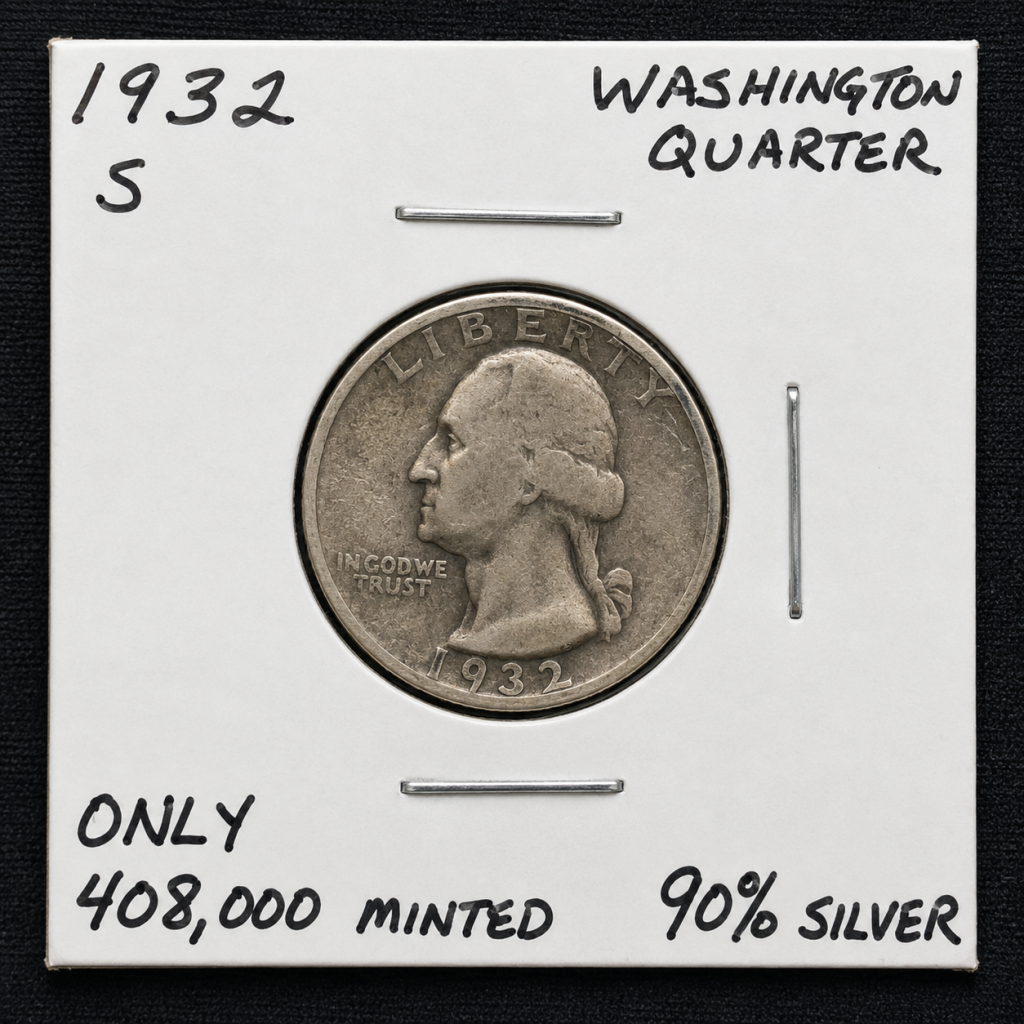
Washington Quarter Melt Value At Different Silver Prices
| Silver Price | Quarter Melt Value |
|---|---|
| $100 | $18.08 |
| $125 | $22.61 |
| $150 | $27.13 |
| $200 | $36.17 |
| $300 | $54.25 |
| $500 | $90.42 |
These examples illustrate how Washington quarter silver value changes as silver prices rise and fall. Because each coin contains a fixed amount of silver, melt value moves proportionally with the market.
Why Washington Quarters Remain Popular
Washington quarters remain among the most popular silver coins in the United States because they combine recognizable design, strong liquidity, and substantial silver content. Millions of examples were produced between 1932 and 1964, creating a large and active secondary market.
Many silver stackers prefer Washington quarters because they are easy to identify, widely accepted by dealers, and available in a variety of quantities. Their familiar appearance also makes them attractive to newer investors entering the junk silver market.
Every Washington quarter dated 1932 through 1964 contains the same 90% silver composition and 0.18084 troy ounces of pure silver. This consistency makes the series one of the easiest forms of constitutional silver to identify, value, and trade.

How Washington Quarter Value Is Calculated
Washington quarter melt value is calculated using a straightforward formula:
0.18084 × Current Silver Spot Price = Melt Value
This calculation reflects intrinsic silver value only. Certain coins may carry additional premiums because of rarity, condition, key dates, mint marks, certification, or collector demand.
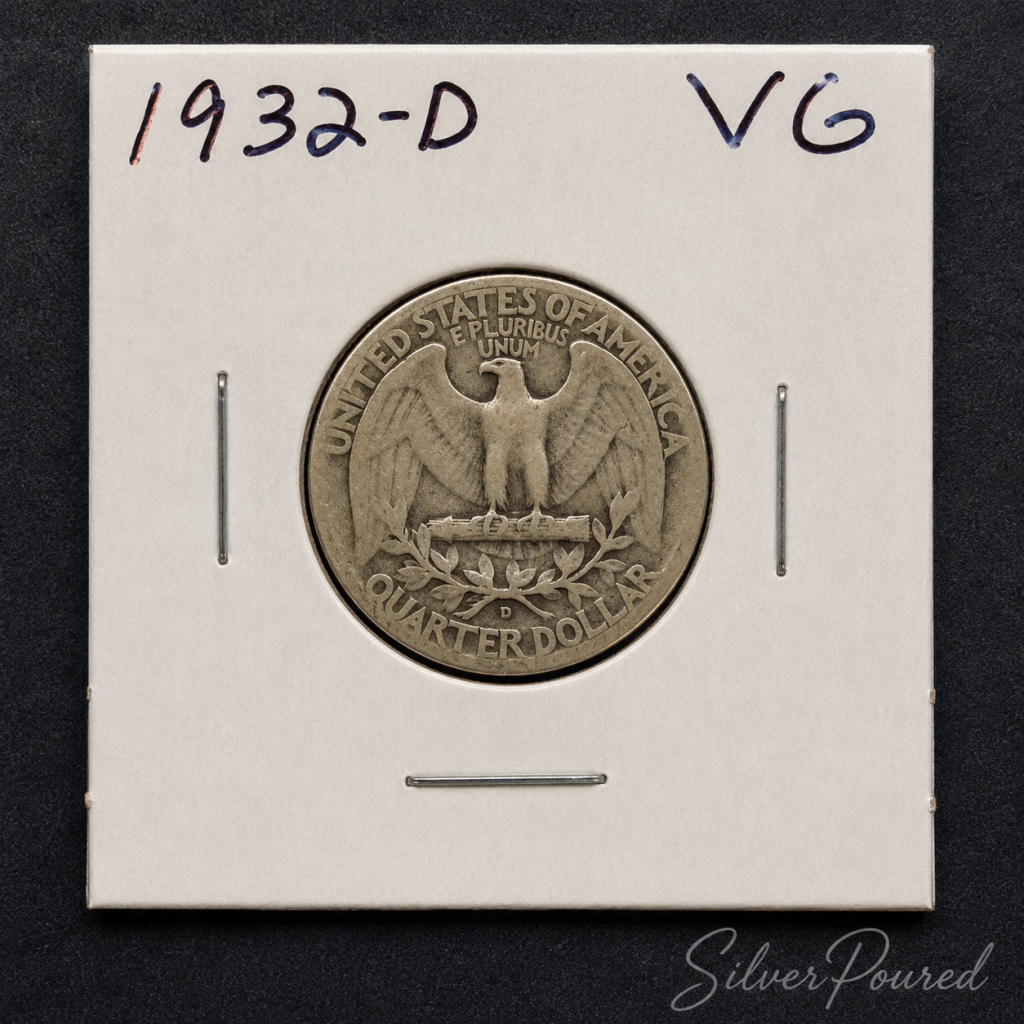
Are Washington Quarters Worth More Than Melt Value?
Most circulated Washington quarters trade near silver melt value, particularly common-date examples. However, some coins command significant premiums above silver content.
Collectors often pay more for key dates, better-condition examples, certified coins, and scarce mint-mark combinations. While silver content establishes a baseline value, collector demand can substantially increase pricing for exceptional examples.
While silver content establishes a reliable baseline, collector demand can dramatically increase the value of certain Washington quarters. Low-mintage dates, original surfaces, strong eye appeal, and certified high-grade examples often command premiums well above their intrinsic silver value.
Washington Quarters and Junk Silver Investing
Washington quarters form a major part of the modern junk silver market alongside Roosevelt dimes, Mercury dimes, Franklin half dollars, and Walking Liberty half dollars.
Because each quarter contains a known amount of silver, investors can easily calculate total holdings and compare values across different denominations. Many stackers accumulate Washington quarters specifically because they provide an effective balance between divisibility and silver content.
Washington Quarter Value vs Silver Spot Price
The relationship between Washington quarter value and silver spot price is direct. When silver prices rise, quarter melt values rise as well. When silver declines, melt values decrease accordingly.
This predictable relationship makes Washington quarters a useful tool for tracking physical silver value while maintaining exposure to historic United States coinage.
How To Identify A Silver Washington Quarter
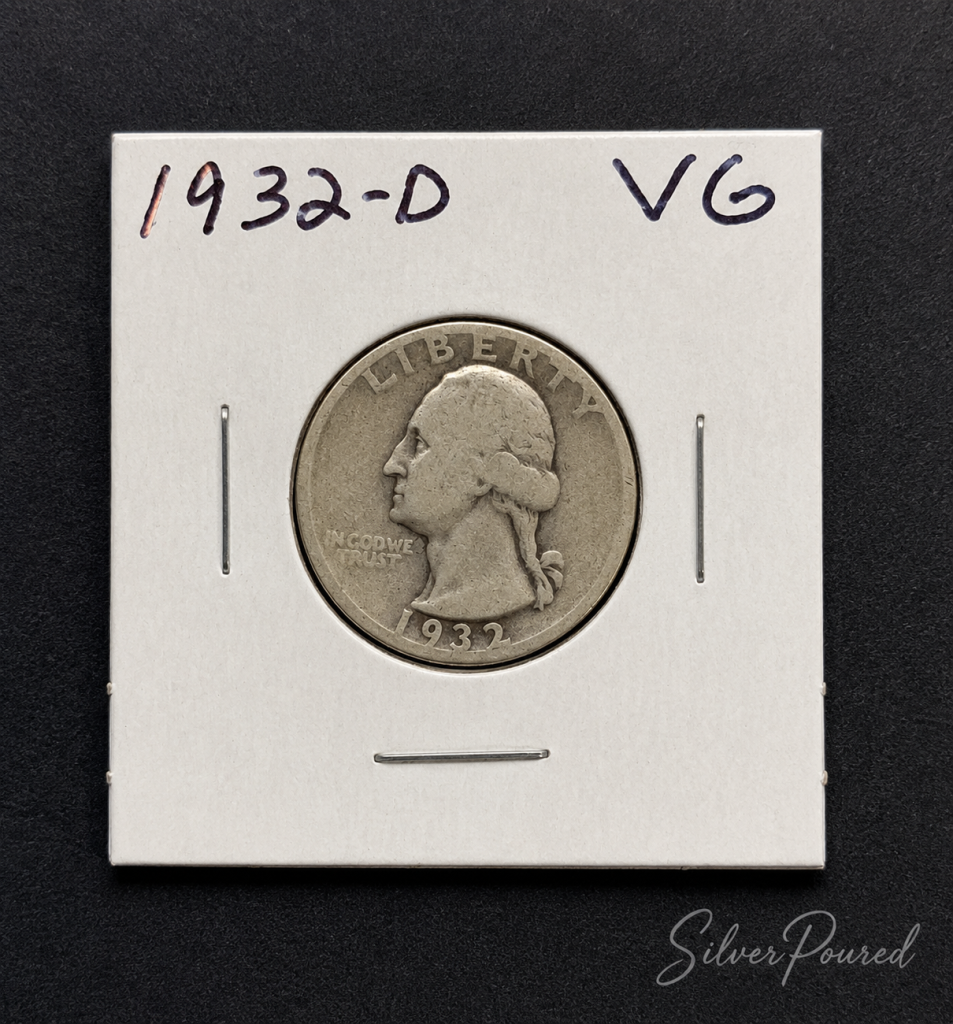
Silver Washington quarters were minted from 1932 through 1964. The easiest way to identify one is by checking the date.
Any Washington quarter dated 1964 or earlier contains 90% silver. Quarters dated 1965 and later were produced using a clad composition and contain no significant silver content for melt-value purposes.
The obverse features George Washington, while the reverse displays the traditional eagle design used before the State Quarter program.
Why Washington Quarter Silver Value Changes
Washington quarter silver value rises and falls directly with the live silver spot price because every pre-1965 quarter contains a fixed amount of silver. As the silver market moves, the intrinsic melt value of every silver Washington quarter changes proportionally.
Why Collectors Still Pursue Washington Quarters
Beyond silver content, Washington quarters remain popular because they represent one of the longest-running coin designs in American history. The series includes key dates, low-mintage issues, proof coins, mint errors, and certified examples that continue attracting collector interest.
This combination of silver value and numismatic appeal helps Washington quarters maintain strong demand among both investors and collectors.
Many collectors monitor Washington quarter silver value alongside key dates and certified examples because bullion value and collector premiums often work together to determine overall market value.
Key Dates and Valuable Washington Quarters
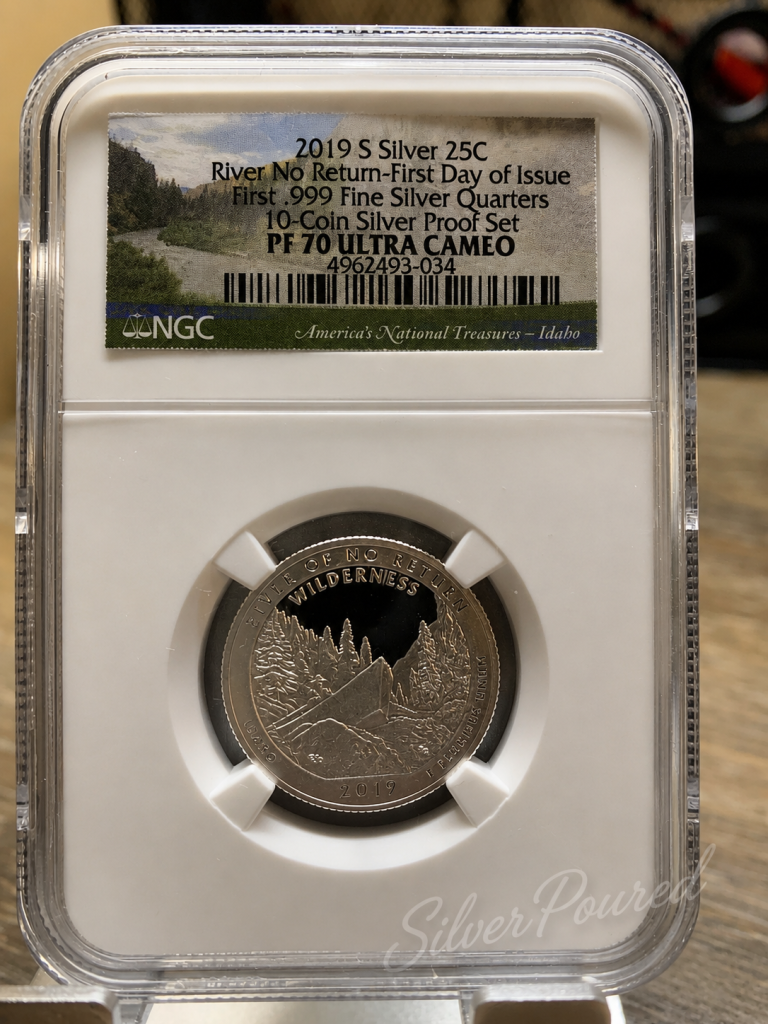
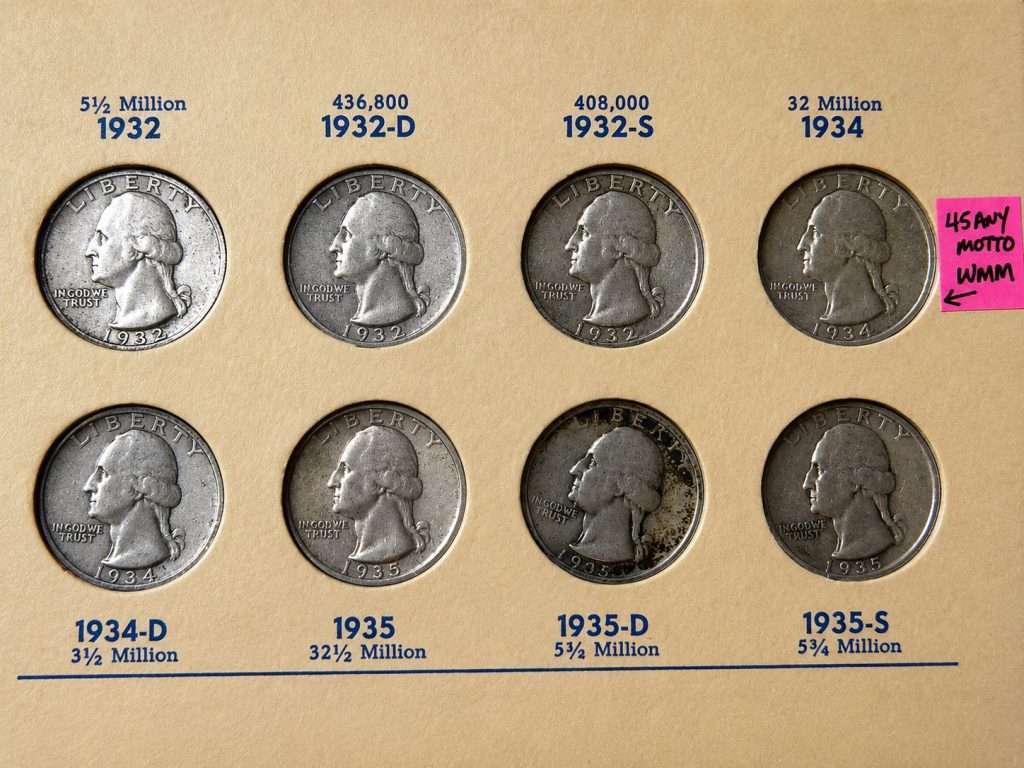
Although many Washington quarters are valued primarily for their silver content, several dates and mint marks command substantial premiums because of lower mintages, collector demand, and overall rarity. The 1932-D and 1932-S issues remain the most recognized key dates in the series because they were struck in significantly smaller quantities than later releases. Collectors also pursue high-grade examples, proof coins, attractive original surfaces, and certified specimens that display exceptional eye appeal.
Assembling a complete Washington quarter collection often requires patience because certain dates become increasingly difficult to locate in higher grades. While common-date coins frequently trade close to melt value, scarcer issues may command prices that greatly exceed their intrinsic silver content.
Washington Quarter Mintages
Washington quarter silver value is influenced by much more than annual production totals. While Washington quarter mintages provide valuable historical context, Washington quarter silver value is ultimately determined by survival rates, condition, certification, originality, collector demand, and key dates in addition to silver content. Understanding these relationships helps explain why Washington quarter silver value can vary dramatically between two coins struck in the same year.
| Year | Philadelphia (P) | Denver (D) | San Francisco (S) |
|---|---|---|---|
| 1932 | 5,404,000 | 436,800 | 408,000 |
| 1933 | 5,232,000 | — | — |
| 1934 | 31,912,000 | 3,527,000 | — |
| 1935 | 35,484,000 | 5,780,000 | 5,660,000 |
| 1936 | 41,300,000 | 5,374,000 | 3,828,000 |
| 1937 | 19,696,000 | 7,056,000 | 1,652,000 |
| 1938 | 9,360,000 | 7,020,000 | 2,832,000 |
| 1939 | 33,540,000 | 7,092,000 | 2,628,000 |
| 1940 | 35,704,000 | 2,797,600 | 8,244,000 |
| 1941 | 79,032,000 | 16,186,000 | 8,098,000 |
| Production increased substantially during the 1940s–1964, with many annual mintages exceeding 100 million coins. | |||
The 1932-D and 1932-S remain the undisputed key dates because of their exceptionally low mintages. While these famous issues command strong collector premiums, Washington quarter silver value throughout the series is also influenced by originality, certification, preservation, eye appeal, and overall collector demand. Even common dates can achieve exceptional Washington quarter silver value when preserved in outstanding condition.
Key Dates and Collector Highlights
| Coin | Why Collectors Want It |
|---|---|
| 1932-D | Lowest Denver mintage of the series and one of the premier key dates. |
| 1932-S | Lowest San Francisco issue and among the most valuable circulation strikes. |
| 1934 Light Motto | Popular early design variety with noticeable motto differences. |
| 1937 Doubled Die Obverse | Recognized variety actively pursued by specialists. |
| 1942-D Doubled Die Obverse | Strong collector demand with significant premiums. |
| 1950-D D/S RPM | Popular repunched mint mark variety. |
| 1964-D High Grade | Common date but difficult in exceptional Mint State grades. |
Although the 1932-D and 1932-S dominate collector attention, numerous varieties, repunched mint marks, doubled dies, and condition rarities throughout the series provide opportunities for collectors seeking coins worth substantially more than silver melt value alone.
Grading and Coin Condition
Condition remains one of the most important factors affecting Washington quarter value. Even common-date coins may sell for substantially more when they display strong luster, minimal wear, original surfaces, and attractive eye appeal.
Professional grading services such as PCGS and NGC authenticate coins while assigning standardized grades that make buying and selling more consistent. Certified examples frequently attract stronger buyer confidence because authenticity and condition have already been independently verified.
Collectors often compare circulated examples, About Uncirculated coins, Mint State grades, proof issues, and exceptionally preserved pieces when building collections. Higher grades generally become much scarcer, especially for early dates within the series.
Buying and Selling Washington Quarters
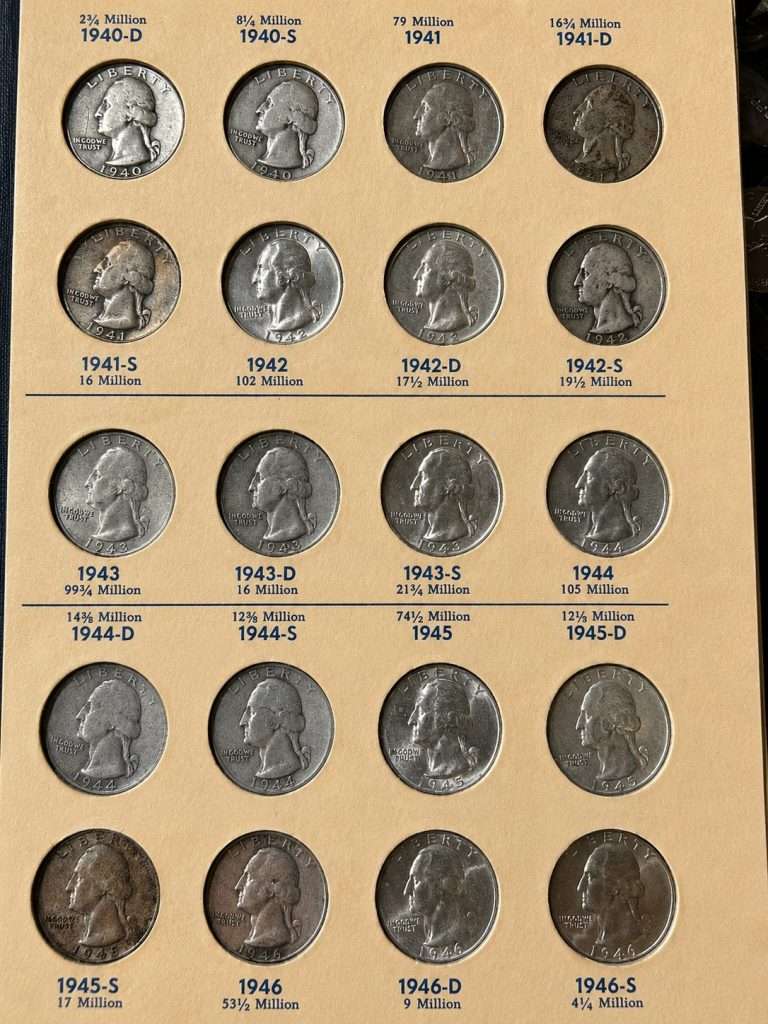
Washington quarters remain one of the easiest 90% silver coins to buy and sell because they are recognized throughout the precious metals and numismatic communities. Local coin shops, bullion dealers, online marketplaces, major auction firms, and coin shows all provide active markets where collectors and investors regularly buy and sell silver quarters.
Before making a purchase, many buyers compare current silver prices, collector premiums, certification status, and overall eye appeal. Understanding both melt value and collectible value allows buyers to evaluate opportunities more confidently while avoiding overpaying for common-date material.
Washington Quarters in Long-Term Silver Investing
Many investors include Washington quarters in their precious metals portfolios because they combine recognizable United States coinage with a fixed amount of silver. Since every pre-1965 quarter contains 0.18084 troy ounces of pure silver, these coins provide an easy way to accumulate fractional silver while maintaining excellent liquidity.
Unlike generic silver rounds, Washington quarters are widely recognized by collectors, dealers, and investors throughout the United States. Their familiar design, historical significance, and consistent silver content have made them one of the most actively traded forms of 90% silver coinage.
Storing and Protecting Silver Washington Quarters
Proper storage helps preserve both bullion value and collector appeal. Many owners store their coins in archival-quality holders, coin tubes, albums, certified slabs, or climate-controlled safes to reduce exposure to moisture, fingerprints, and environmental contaminants.
Collectors generally avoid unnecessary cleaning because original surfaces are often preferred within the numismatic market. Certified examples also provide additional confidence by verifying authenticity and condition through independent third-party grading services.
Washington Quarter Silver Value and Collector Demand
While Washington quarter silver value is closely tied to the live silver spot price, collector demand often creates additional premiums for better dates, attractive original examples, certified coins, and scarce mint-mark combinations. This balance between intrinsic silver content and numismatic desirability has helped Washington quarters remain one of the most popular historic United States silver coins.
Whether purchased for bullion investing, coin collecting, or long-term wealth preservation, many buyers continue monitoring Washington quarter silver value to compare melt value with collector premiums before making purchasing decisions.
Common Mistakes When Evaluating Washington Quarters
One of the most common mistakes new collectors make is assuming every pre-1965 quarter carries significant collector premiums. While all silver Washington quarters contain valuable silver, many circulated common-date coins trade close to their melt value. Premiums generally increase when a coin features a key date, lower mintage, exceptional preservation, attractive original surfaces, or third-party certification.
Another frequent mistake is cleaning coins before selling them. Cleaning can permanently alter a coin’s surface and often reduces collector value. Experienced numismatists typically recommend leaving original surfaces untouched whenever possible.
Major Washington Quarter Errors and Varieties
While silver content establishes a baseline, Washington quarter value can increase dramatically when collectors identify recognized mint errors, important die varieties, or exceptional strike characteristics. Advanced collectors routinely pay premiums far above melt value for authenticated examples possessing significant rarity or collector demand.
| Error / Variety | Date | Collector Significance |
|---|---|---|
| 1937 Doubled Die Obverse | 1937 | One of the better-known doubled die varieties in the series. |
| 1942-D Doubled Die Obverse | 1942-D | Strong doubling creates significant collector demand. |
| 1950-D D/S RPM | 1950-D | Classic repunched mint mark sought by variety specialists. |
| 1943 Doubled Die Reverse | 1943 | Recognized reverse doubling variety with collector appeal. |
| Off-Center Strikes | All Dates | Premiums increase as the percentage off-center increases while retaining a visible date. |
| Clipped Planchets | All Dates | Mint-made planchet errors remain popular with collectors. |
| Lamination Errors | All Dates | Improper alloy bonding produces peeling or separated metal. |
| Die Cracks & Cuds | Various | Large retained die breaks and cuds command premiums. |
| High-Grade Registry Coins | All Dates | Exceptional Mint State and Proof examples often exceed melt value by substantial margins. |
Collectors should remember that mintage alone rarely determines value. Washington quarter value is influenced by rarity, certification, originality, eye appeal, preservation, and collector demand. Understanding these major errors and varieties helps explain why two Washington quarters with identical silver content may have dramatically different market values.
Washington Quarters Compared With Other 90% Silver Coins
Washington quarters remain one of the most widely traded forms of 90% United States silver coinage. Compared with Roosevelt dimes, Franklin half dollars, Walking Liberty half dollars, and Mercury dimes, they offer a balance of recognizable design, fractional silver content, and broad market acceptance.
Many investors purchase mixed bags of 90% silver coins, while others focus specifically on Washington quarters because they are easy to identify, simple to value, and highly liquid within the precious metals marketplace.
Washington quarters remain one of the most actively traded forms of 90% United States silver coinage because buyers immediately recognize their silver content and historic design. Their broad acceptance helps maintain strong liquidity across both bullion and numismatic markets.
Why Washington Quarter Silver Value Remains Important
Understanding Washington quarter silver value helps buyers and sellers make informed decisions regardless of market conditions. Melt value establishes a reliable pricing foundation, while collector demand, rarity, certification, and overall condition determine whether an individual coin commands additional premiums above its silver content.
Whether you are building a junk silver portfolio, assembling a complete date-and-mint collection, or simply monitoring precious metals prices, understanding how silver value and collector demand work together provides a stronger foundation for long-term collecting and investing.
Historical Importance of the Washington Quarter
The Washington quarter has remained one of the most recognizable United States coins since its introduction in 1932. Originally issued to commemorate the 200th anniversary of George Washington’s birth, the design quickly became a permanent part of American coinage and continued in 90% silver through 1964.
Because these quarters circulated heavily for decades, they became familiar to generations of Americans while also serving as an important source of constitutional silver. Today, collectors appreciate the series for its historical significance, while investors value the consistent silver content found in every pre-1965 example.
Certified Washington Quarters
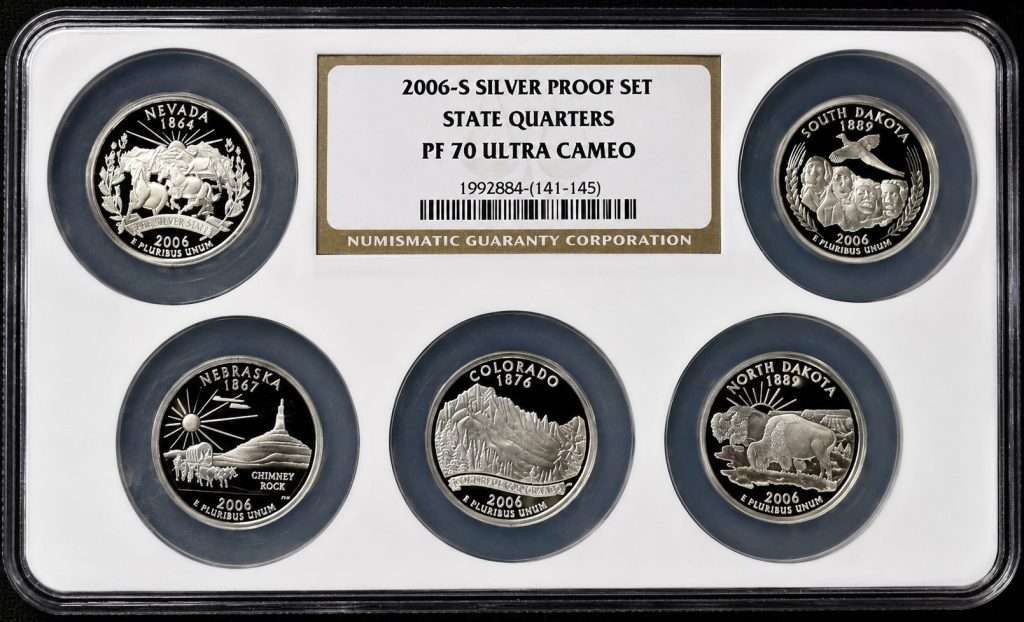
Third-party grading has become increasingly important within the Washington quarter market. Coins certified by respected grading services provide independent authentication and a standardized assessment of condition, making it easier for buyers and sellers to compare values.
Higher-grade Mint State examples, proof issues, and better dates often command premiums that extend well beyond silver content alone. Registry-quality coins remain especially desirable because of their scarcity and collector competition.
Building a Washington Quarter Collection
Many collectors begin with common-date silver quarters before expanding into complete date-and-mint sets, certified examples, proof coins, or key dates. This gradual approach allows collectors to learn the series while adding historically important coins over time.
Some collectors focus primarily on silver content, while others pursue originality, eye appeal, toning, or exceptional preservation. Regardless of collecting style, understanding Washington quarter silver value provides an important starting point for evaluating both bullion and collectible examples.
Long-Term Demand
Washington quarters continue attracting steady interest because they appeal to both bullion investors and traditional coin collectors. Their recognizable design, fixed silver content, historical importance, and broad market acceptance have helped create one of the most active secondary markets for 90% United States silver coinage.
As additional coins enter long-term collections, attractive original examples become increasingly difficult to locate. This ongoing demand continues supporting both the bullion and numismatic sides of the Washington quarter market.
Understanding Washington Quarter Silver Value in Today’s Market
Understanding Washington quarter silver value begins with recognizing that every pre-1965 quarter contains 0.18084 troy ounces of pure silver. Because the silver content never changes, Washington quarter silver value moves directly with the live silver spot price and provides a reliable baseline for determining intrinsic worth.
Although silver prices remain the primary factor affecting Washington quarter silver value, collector demand can significantly influence the final market price. Better dates, original surfaces, certified examples, attractive toning, and higher grades frequently sell above their intrinsic silver value because collectors compete for premium-quality coins.
Many investors monitor Washington quarter silver value before buying additional 90% silver coinage because it provides an easy way to compare bullion value across multiple denominations. Since Washington quarters, Roosevelt dimes, Franklin half dollars, and Walking Liberty half dollars all contain known amounts of silver, comparing melt values helps investors build balanced precious metals portfolios.
Collectors also follow Washington quarter silver value when evaluating estate collections, inherited coins, dealer inventories, and private purchases. Knowing the current melt value provides a foundation before considering rarity, condition, certification, or historical significance.
As silver markets fluctuate throughout the year, Washington quarter silver value changes accordingly. Rising silver prices increase intrinsic value, while falling prices reduce melt value. This direct relationship allows collectors and investors to estimate the value of their holdings quickly using current market prices.
Whether building a junk silver portfolio or assembling a complete date-and-mint collection, understanding Washington quarter silver value helps buyers make informed decisions while comparing bullion value with collector premiums. Combining live silver pricing with knowledge of the Washington quarter series provides a stronger foundation for long-term collecting, investing, and wealth preservation.
Washington Quarters as a Long-Term Store of Value
Washington quarters continue serving as one of the most practical forms of constitutional silver because they combine historic United States coinage with consistent precious metal content. Their widespread recognition, active secondary market, and fractional silver denomination have helped make them a popular choice for both beginning and experienced precious metals investors.
Many collectors appreciate that these coins offer more than bullion alone. Historic significance, classic design, mint history, original surfaces, and certified examples all contribute to sustained collector interest. This combination of intrinsic silver value and numismatic appeal has allowed Washington quarters to remain relevant through changing market conditions for decades.
Whether purchased individually, in rolls, or as part of larger 90% silver holdings, these historic quarters continue providing flexibility for stacking, collecting, estate planning, and long-term wealth preservation. As additional examples enter permanent collections, well-preserved coins often become increasingly desirable among collectors who appreciate originality, historical importance, and lasting market recognition.
Tracking Washington quarter silver value over time helps collectors compare melt value, silver market performance, and long-term buying opportunities.
The Enduring Appeal of Washington Quarters
Collectors and investors continue monitoring Washington quarter silver value because these historic coins combine recognizable United States coinage with dependable precious metal content and strong market liquidity. Whether held as part of a 90% silver portfolio or collected by date and mint mark, Washington quarters remain one of the most widely traded forms of constitutional silver.
Their balance of historical significance, fractional silver content, broad dealer acceptance, and long-term collector interest has helped them remain a cornerstone of the United States silver coin market for generations. As silver prices and collector demand continue evolving, these classic quarters are expected to remain an important part of both bullion investing and American numismatics.
Related SilverPoured Resources
Continue researching Washington quarter silver value through SilverPoured resources covering constitutional silver, historic U.S. coin values, live silver prices, melt value, premiums, and collector demand.
Constitutional Silver & Coin Values
Standing Liberty Quarter Silver Value
Roosevelt Dime Silver Value
Mercury Dime Silver Value
Walking Liberty Half Dollar Silver Value
Junk Silver Value
Silver Prices & Value Tools
Silver Spot Price Today
Silver Melt Value Calculator
What Is Silver Melt Value?
Silver Coin Values
Premium Over Spot Explained
Buying & Investing in Silver
Best Place to Buy Silver Online
Why Bullion Dealers Charge Premiums
Why Silver Premiums Change
Best Silver Dealers
How Much Silver Is in US Coins?
Purchase Precious Metals from a Trusted Dealer
Washington quarter silver value starts with the 0.18084 troy ounces of pure silver contained in each standard 1932–1964 quarter. Live silver prices establish the melt-value baseline, while date, mint mark, condition, originality, certification, rarity, and collector demand can increase Washington quarter silver value well beyond intrinsic metal content.
SilverPoured recommends Golden State Mint for investment-grade silver bars, silver rounds, gold bullion, copper bullion, and fractional precious metals. Comparing Washington quarter silver value with modern bullion pricing helps buyers understand the differences between constitutional silver, bullion premiums, liquidity, and numismatic value.
Collector Insight
Washington quarter silver value provides a dependable starting point because every standard pre-1965 Washington quarter contains the same amount of pure silver. But Washington quarter silver value can rise sharply for the 1932-D, 1932-S, recognized varieties, original coins, and certified high-grade examples. Melt value establishes the floor; rarity, preservation, and collector demand determine how far above that floor a coin may trade.
Keep SilverPoured Free
SilverPoured provides free calculators, original photography, coin research, live pricing tools, value references, and collector education without requiring a paid subscription.
This Washington Quarter Silver Value guide helps readers calculate Washington quarter silver value, research key dates and mintages, compare premiums, and recognize when Washington quarter silver value may exceed ordinary melt value. Every contribution helps fund continued research, original photography, calculator development, and expansion of the SilverPoured Authority Library.
Tracking Washington quarter silver value alongside live silver prices gives collectors a practical baseline before considering condition, certification, rarity, or collector demand.