
Shop Copper at SilverPoured and explore hand-poured copper bars, collectible copper bullion, serialized copper pieces, artisan copper pours, and premium copper stacking products built for modern stackers and collectors.
Welcome to the SilverPoured Shop Copper hub — a collector-focused guide to hand-poured copper bars, collectible copper bullion, artisan pours, serialized pieces, display pieces, and modern copper stacking culture. Shop Copper is built for people who appreciate physical metal, handcrafted production, distinctive finishes, and the individuality that separates artisan pours from standardized mass-produced products.
Copper offers a different collecting experience from silver and gold. Its lower metal cost gives makers room to experiment with larger formats, unusual molds, detailed themes, hammered surfaces, antiqued finishes, sculptural shapes, and hand stamping. Many collectors shop copper because they can explore artisan metalwork and build substantial physical collections without committing the same capital required for comparable silver or gold pieces.
That affordability does not mean every copper piece should be evaluated only by raw metal value. When collectors shop copper, they may also be paying for craftsmanship, maker reputation, limited production, serialization, design, presentation, condition, or secondary-market demand. Understanding the difference between intrinsic copper value and collectible premium is essential when comparing artisan pieces.
Why People Stack Hand-Poured Copper
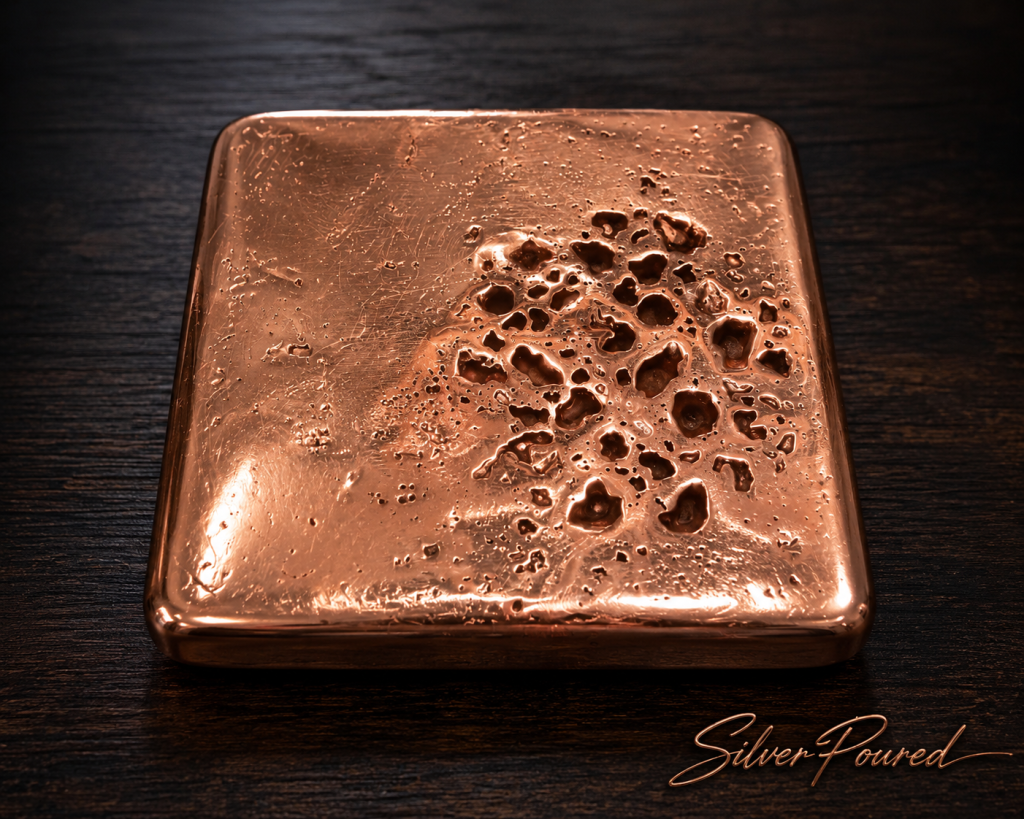
Collectors shop copper for many of the same reasons they collect other physical metals: they enjoy weight, texture, design, craftsmanship, and the satisfaction of owning a tangible object. Hand-poured copper adds another dimension because the production process itself can leave visible evidence in the finished piece.
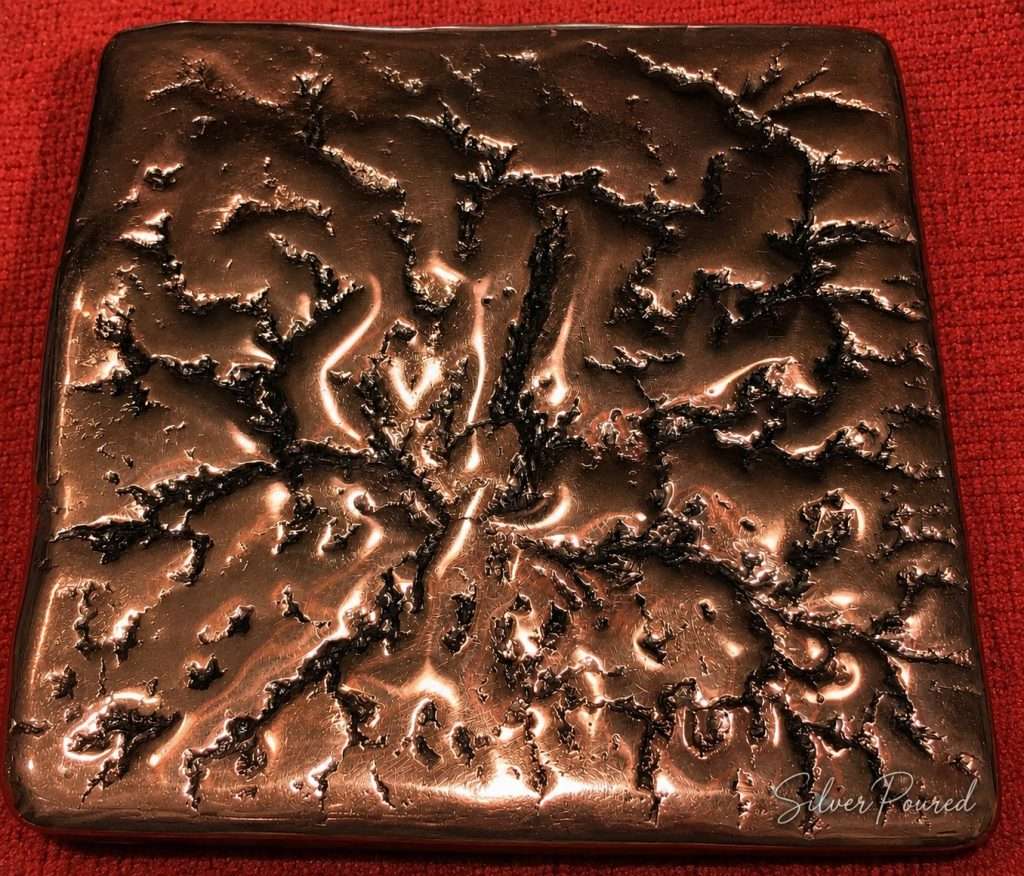
Cooling lines, surface texture, edge shape, small weight variations, stamp depth, polishing, antiquing, and finish can all make one pour look different from the next. Those differences are part of the attraction for buyers who shop copper specifically for handcrafted character rather than perfect uniformity.
Affordability is another major advantage. Collectors can often experiment with different makers, themes, weights, and formats at a lower entry cost than comparable precious-metal products. This allows a new collector to learn what styles are appealing before committing to a larger or more specialized collection.
Collectors should still separate personal enjoyment from expected resale value. A copper piece may be visually impressive and worth a premium to its owner without having a deep secondary market. Buyers who shop copper should understand whether the price reflects the metal, the labor involved in production, collector demand, scarcity, or a combination of those factors.
What Makes Hand-Poured Copper Collectible?
Hand-poured copper becomes collectible when buyers value characteristics beyond weight alone. A recognizable artisan, distinctive mold, limited production run, discontinued design, unusual finish, desirable serial number, original packaging, or strong visual presentation can give an individual piece identity within the collector market.
Serialized copper bars are especially useful for documenting individual pieces because the number can connect a specific pour with a production run. Matching numbers, consecutive pieces, milestone serials, early production numbers, and complete sets may appeal to specialized collectors. Serialization by itself, however, does not guarantee rarity or a higher resale price.
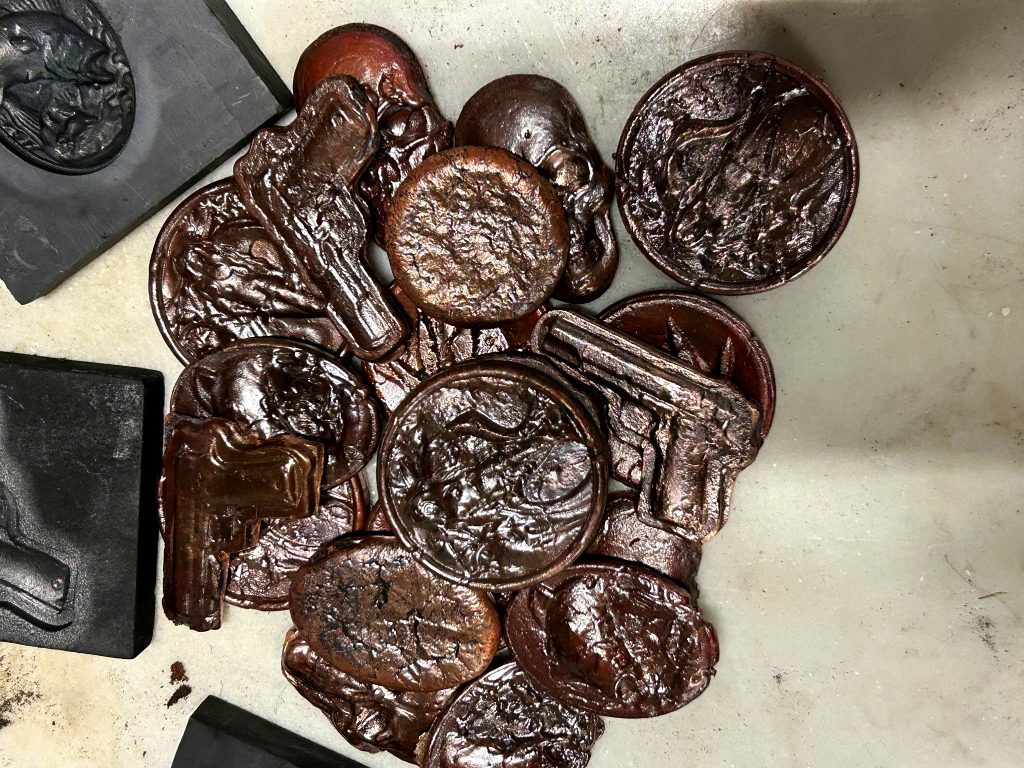
Theme can matter just as much as serialization. Many collectors shop copper around wildlife, patriotic imagery, military subjects, skulls, historical designs, fantasy artwork, tools, vehicles, or sculptural forms. A focused theme can turn a group of unrelated metal pieces into a collection with a recognizable identity.
No two hand-poured copper pieces need to look exactly alike to belong to the same series. Natural differences in cooling lines, texture, edge shape, stamping, and finish are part of the production process rather than automatically being defects. Collectors who shop copper often value those differences because they preserve visible evidence of how an individual piece was made.

Copper Bars vs Copper Rounds
Collectors often compare hand-poured copper bars with copper rounds because the two formats emphasize different parts of the hobby. Bars frequently highlight the pouring process, surface texture, hand stamping, weight, edge character, and the style of the maker. Rounds tend to provide a more uniform canvas for artwork, themes, series, and organized display.
Hand-poured bars can range from compact pieces to large-format pours weighing several pounds. Their appeal often comes from visible production characteristics rather than perfectly uniform surfaces. Collectors who shop copper bars may prefer chunky weight, deep stamps, natural cooling patterns, hammered finishes, or unusual molds that make each piece feel individual.
Copper rounds offer a different experience. They frequently feature detailed artwork, historical subjects, patriotic imagery, wildlife, skulls, military themes, seasonal designs, or other collectible motifs. Their consistent shape also makes them easy to organize into trays, capsules, sets, or themed displays.
| Hand-Poured Copper Bars | Copper Rounds |
|---|---|
| Strong handcrafted appearance | Coin-style presentation |
| Cooling lines and poured texture | Detailed artwork and themes |
| Often serialized or hand stamped | Frequently issued in sets or series |
| Wide range of weights and shapes | Consistent size and format |
| Individual production character | Easy to organize and display |
Neither format is inherently better. Many experienced collectors shop copper in both bars and rounds because each contributes something different. Bars often emphasize craftsmanship and production character, while rounds often emphasize artwork, theme, and series collecting.
How Artisan Copper Is Made
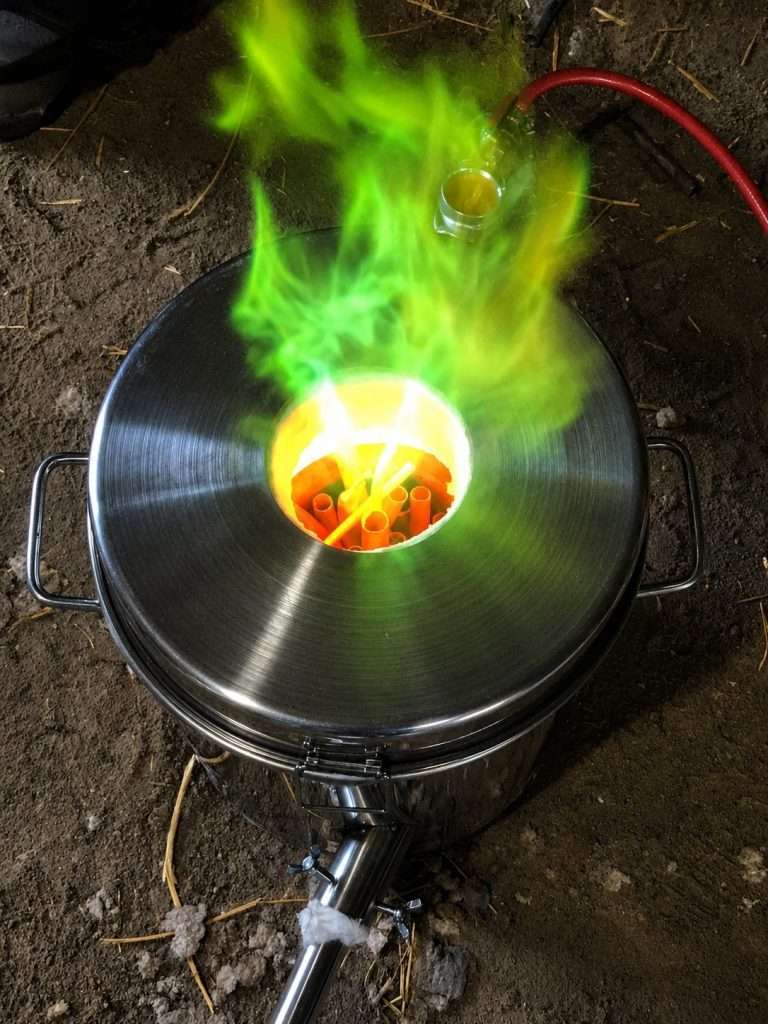
The appearance of hand-poured copper begins with the production process. Copper is heated until molten, transferred into a mold or form, allowed to cool, and then finished according to the maker’s preferred style. Pour temperature, mold design, cooling behavior, surface preparation, stamping, polishing, tumbling, antiquing, and other finishing choices can influence the final appearance.
Natural variation is part of the process. Cooling lines, surface texture, edge shape, small weight differences, and irregularities can develop as molten copper settles and solidifies. Some makers preserve a rugged as-poured surface, while others polish, hammer, antique, stamp, or otherwise finish the piece to create a more deliberate look.
This production flexibility helps explain why collectors shop copper from different artisans. Two makers can begin with the same metal and nominal weight yet create pieces with completely different visual identities. Mold selection, stamping style, surface treatment, and finishing choices can become recognizable characteristics of a particular maker.
Building a Copper Collection
A copper collection does not need to be built around a single rule. Some collectors shop copper by artisan, production style, weight, finish, theme, or serial number, while others simply choose pieces with unusual visual character. The best structure is the one that makes the collection meaningful and manageable for its owner.
Maker-focused collections can document how an artisan’s work changes over time. Early pours may use different molds, stamps, polishing methods, textures, or finishing techniques than later production. Keeping examples from different periods can preserve a visible record of how the maker’s craftsmanship evolved.
Other collectors focus on serialized production. Matching numbers, consecutive runs, milestone serials, complete sets, and early production pieces can provide a clear framework. The number does not automatically create additional value, but it can help document an individual piece and connect it with a known production run.
Themed collecting provides another path. Wildlife, patriotic designs, military subjects, historical imagery, fantasy artwork, skulls, tools, vehicles, and unusual shapes can turn a group of pieces into a focused display. Collectors who shop copper this way are usually choosing for artistic compatibility and personal interest rather than simply accumulating pounds of metal.
Choosing Copper Pieces for Your Collection
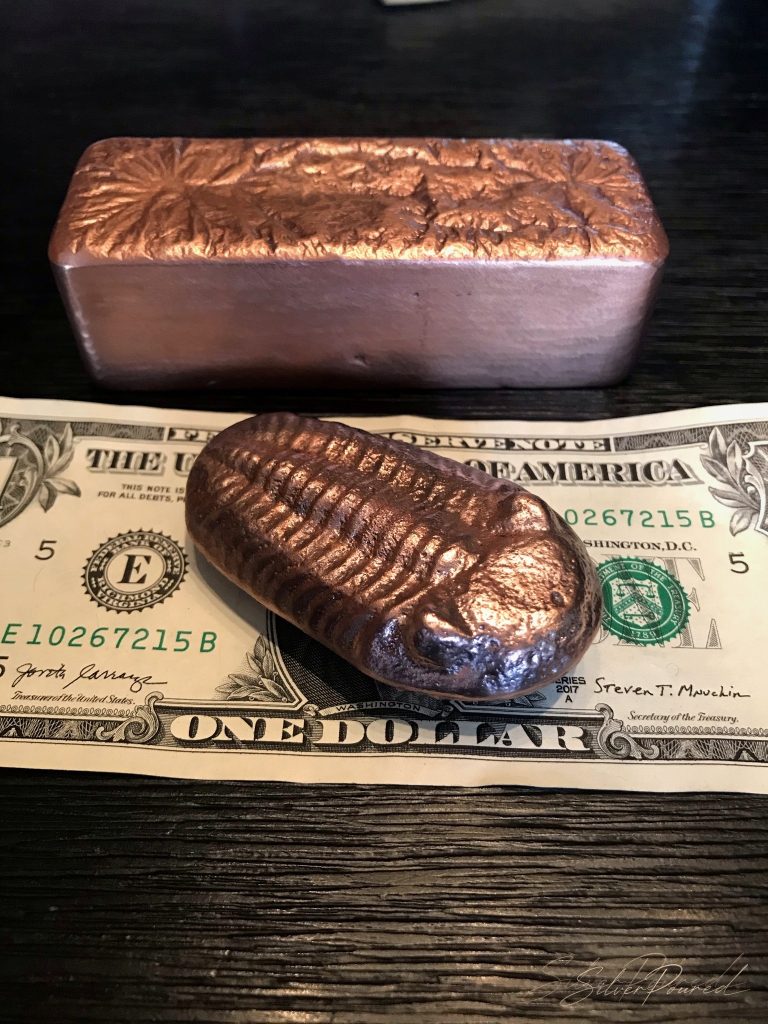
The right copper piece depends on the purpose of the collection. Some buyers want affordable physical metal, while others seek serialized pours, limited releases, unusual shapes, premium finishes, themed artwork, or examples from specific artisans. Establishing that goal first makes it easier to compare pieces that may otherwise have little in common beyond their copper content.
New collectors often benefit from trying several styles before committing to one maker or theme. Smaller bars, rounds, antiqued pieces, polished pours, and hand-stamped examples can reveal which characteristics matter most. Many buyers shop copper broadly at first and become more selective as their preferences develop.
Experienced collectors may evaluate details that are easy to overlook initially. Stamp placement, surface texture, edge shape, mold characteristics, polish, antiquing, weight, serial-number style, original packaging, and overall presentation can all influence preference. These details can also help distinguish production periods or techniques used by the same artisan.
Price should be considered in context. A heavy copper bar may contain more metal but carry a smaller craftsmanship premium per ounce, while a small sculptural pour may sell for several times its raw copper value because of labor, design, scarcity, or demand. Buyers who shop copper intelligently compare what they are actually paying for instead of assuming every premium has the same basis.
Serialization helps identify a copper piece, but it does not create rarity by itself. A low serial number from a large and readily available production run may be easier to replace than an unnumbered pour from a discontinued maker or short-lived design. Collectors who shop copper should evaluate the complete piece — maker, production context, condition, documentation, design, and market availability — rather than treating the number alone as proof of scarcity.
Storing and Displaying Hand-Poured Copper
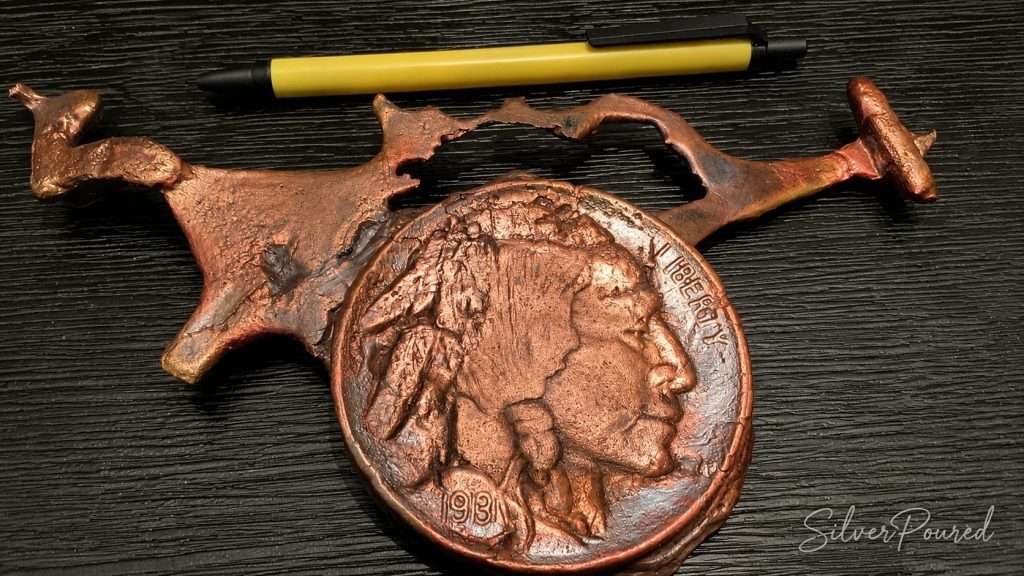
Copper naturally changes over time as its surface reacts with air, humidity, handling, and environmental conditions. Some collectors prefer a bright polished appearance, while others enjoy darker toning and patina. Neither approach is automatically better; the preferred surface depends on the collector and the character of the piece.
Collectors who want to preserve a bright finish often use capsules, soft pouches, display cases, or low-humidity storage and handle pieces carefully to reduce fingerprints. Collectors who prefer natural aging may allow copper to remain exposed so the surface can develop deeper color and character.
Display is another reason people shop copper. Large hand-poured bars, skull pours, themed rounds, sculptural pieces, and unusual shapes can work well on shelves, collector trays, display stands, desks, or inside safes. Copper provides substantial visual presence without requiring the same capital as similarly sized silver or gold pieces.
Aggressive cleaning deserves caution. Polishing, abrasives, chemical dips, and other surface treatments can permanently alter a piece and may remove the exact patina or finish that another collector values. Before cleaning an older, serialized, limited, or maker-significant piece, collectors should consider whether preserving the existing surface is more important than restoring brightness.
Copper patina is not automatically damage. Natural color change can become part of a piece’s history, especially on handcrafted pours where surface character is part of the appeal. Collectors who shop copper should decide whether they value original aging, a bright polished finish, or a specific maker-applied treatment before cleaning or refinishing a piece that cannot easily be returned to its previous state.
Copper as an Entry Point to Bullion Collecting
Hand-poured copper can provide an approachable introduction to physical metal collecting because buyers can handle, display, compare, and study substantial pieces without the cost associated with equivalent-size silver or gold products. That accessibility makes copper useful for collectors learning which makers, finishes, weights, and production styles they enjoy.
Some buyers shop copper first and later expand into silver, gold, or other precious metals. Others already own substantial precious-metals collections and continue buying copper because artisan pours offer designs, weights, and sculptural forms that would be considerably more expensive if produced in silver or gold.
The distinction between copper and precious metals should remain clear. Copper is an industrial and commodity metal, while collectible artisan copper pieces often sell at prices shaped by production cost, craftsmanship, design, maker reputation, scarcity, and buyer demand. A premium handcrafted pour should therefore be evaluated differently from commodity copper purchased primarily for metal exposure.
Understanding that distinction helps buyers decide why they want to shop copper in the first place. Someone focused on raw metal value may evaluate a product very differently from a collector building a serialized artisan set or purchasing a large display piece. Knowing the goal makes comparisons between products more meaningful.
Building a Long-Term Copper Collection
A long-term collection does not need to be assembled quickly. Handcrafted copper rewards patience because new makers, molds, finishes, and designs enter the market while older releases may disappear from regular availability. Building gradually gives collectors time to learn the category and become more selective about what deserves a place in the collection.
Documentation becomes more useful as a collection grows. Recording the maker, weight, serial number, purchase date, seller, original packaging, certificates, photographs, and other known information can preserve provenance and make individual pieces easier to identify later. Documentation can be particularly valuable when a maker stops producing a design or when an older release becomes difficult to research.
Collectors who shop copper for the long term may also find it useful to photograph both sides of important pieces and keep records of original condition. Those records can help distinguish natural aging from later damage, preserve evidence of maker marks, and provide context if the piece is eventually sold or transferred.
Personal enjoyment and expected resale value should remain separate considerations. A visually striking piece may be worth a premium to its owner even if the broader secondary market is limited. Conversely, a documented early pour or scarce release may attract specialized demand. A disciplined collector understands why each piece belongs in the collection.
Understanding Copper Premiums
The price of an artisan copper piece can be separated conceptually into two parts: the underlying value of the copper and the premium charged above that metal value. For handcrafted pieces, the premium may reflect labor, fuel, molds, tooling, finishing, packaging, small-batch production, maker reputation, design complexity, and the seller’s margin. This is why a collectible pour can trade at a price that appears high when compared only with the spot or commodity value of its copper content.
Collectors who shop copper should compare premiums within similar product categories rather than comparing every piece only by price per pound. A large simple bar and a small sculptural pour may contain the same metal but require very different amounts of labor and finishing. Likewise, a retired design from a recognized maker may attract collector demand that a newly produced generic bar does not.
A premium is not automatically evidence of future appreciation. Craftsmanship and scarcity can support collector interest, but resale depends on whether another buyer values the same maker, design, condition, or production history. For that reason, collectors should treat high premiums as part of the purchase decision rather than assuming they will always be recovered later.
Reading Weight, Purity, and Maker Marks
Hand-poured copper often carries stamps showing weight, purity, maker name, logo, serial number, or other production information. Those markings can help identify a piece, but collectors should understand exactly what each mark represents. A weight stamp describes the stated mass of the finished item, while a purity mark describes the claimed fineness of the copper. A serial number identifies the piece within a maker’s system but does not by itself prove how many examples were produced.
Buyers who shop copper on the secondary market should compare visible markings with known maker styles, original packaging, certificates, archived photographs, or other reliable provenance when available. Hand stamps can vary in depth and placement, especially on artisan work, so minor visual differences are not automatically suspicious. At the same time, an attractive stamp should not replace basic verification when the maker, production run, or rarity materially affects the price.
Weight also deserves context. Hand-poured products may be sold by exact weight, nominal weight, or a minimum stated weight depending on the maker. If weight matters to the purchase, buyers should read the product description carefully and distinguish between the stamped weight, the seller’s listed weight, and any independently measured weight.
Buying Copper on the Secondary Market
The secondary market can be one of the most interesting places to find discontinued pours, older maker pieces, matched serials, and designs that are no longer produced. It can also be more difficult to evaluate because the original product page, production quantity, packaging, or maker records may no longer be available.
Before paying a significant collector premium, buyers who shop copper should identify the maker, stated weight, visible marks, condition, finish, serial number, and any accompanying documentation. Seller photographs should be clear enough to compare stamps, edges, surfaces, and other identifying characteristics. If a scarcity claim is central to the asking price, the buyer should look for evidence supporting that claim rather than relying only on the listing description.
Condition can matter differently for artisan copper than for standardized bullion. Natural patina, casting texture, cooling lines, or maker-applied antiquing may be desirable characteristics, while deep scratches, altered stamps, harsh cleaning, or missing original packaging may reduce appeal for some collectors. The key is understanding what was part of the original production and what happened to the piece afterward.
Finding Your Place in the Copper Collecting Community
Every collector approaches Shop Copper with different goals. Some buyers are searching for a first hand-poured bar, while others pursue serialized artisan pours, themed collections, large display pieces, or work from favorite makers. The flexibility of copper allows each collection to develop around personal interests rather than one universal definition of what should be collected.
The artisan copper community also changes as independent makers introduce new molds, techniques, finishes, stamps, and limited releases. Following those makers over time allows collectors to watch their craftsmanship develop and compare pieces from different production periods.
Collectors can also use the community as a research tool. Photographs, archived sales, maker posts, original packaging, certificates, and discussions with experienced buyers can help identify older pieces and clarify production history. Buyers who shop copper on the secondary market should still verify claims independently when rarity, serial significance, or provenance materially affects the asking price.
Whether you shop copper for affordable physical metal, handcrafted artwork, serialized collectibles, historical maker pieces, or unusual display pours, the strongest collection is one built with clear expectations. Understanding metal value, craftsmanship, production context, condition, documentation, and collector demand helps buyers compare pieces on more than appearance alone.
Related SilverPoured Resources
Continue researching Shop Copper through SilverPoured resources covering hand-poured metal, collectible bullion, serialized pieces, bullion premiums, trusted dealers, precious-metals shopping, and pricing tools.
Hand-Poured and Collectible Bullion
Hand-Poured Copper: Bars, Pouring, Value & Collector Guide
Best Hand Poured Silver Bars
What Makes Silver Bars Collectible
Serialized Silver Bars
Why Hand Poured Silver Is Collectible
Bullion Premiums and Collector Pricing
Premium Over Spot Explained
Silver Bullion Premiums
Why Bullion Dealers Charge Premiums
Why Silver Premiums Change
Why Poured Silver Premiums Rise
Precious Metals Shopping and Research
Shop Silver
Shop Gold
Best Silver Dealers
Best Place to Buy Silver Online
Poured’s BullionEngine
Purchase Precious Metals from a Trusted Dealer
Collectors who shop copper often appreciate physical metal for reasons that extend beyond commodity value. Hand-poured pieces emphasize craftsmanship, texture, maker identity, and collectible character, while modern silver and gold bullion provide different ways to build physical precious-metals holdings.
Golden State Mint offers modern silver bars, rounds, gold, copper, and other physical precious metals for collectors and investors. Comparing artisan copper with standardized bullion can help buyers understand how metal value, fabrication costs, craftsmanship, premiums, and collector demand influence the price of different physical-metal products.
Collector Insight
The strongest way to shop copper is to separate the value of the metal from the value of the finished collectible. Weight and purity establish the physical-metal foundation, while craftsmanship, maker reputation, serialization, production history, condition, design, and collector demand can create the premium. Understanding which part of the price comes from copper and which part comes from collectibility makes very different artisan pieces easier to compare.
Keep SilverPoured Free
SilverPoured is built to help collectors and precious-metals investors make smarter decisions through free calculators, original photography, coin research, value references, collector education, and independent market resources. Every page is created to make valuable precious-metals information available without requiring a paid subscription.
This Shop Copper resource combines original SilverPoured photography with hand-poured copper education, artisan-production research, premium analysis, storage guidance, secondary-market considerations, and collector insight. Every contribution helps fund continued precious-metals research, original photography, calculator development, and expansion of the free SilverPoured Authority Library.
Your support allows SilverPoured to remain independent while building one of the web’s most comprehensive free libraries for coin collectors, bullion buyers, precious-metals researchers, and long-term investors.