
Poured silver premiums often rise because hand poured bullion combines scarcity, craftsmanship, and collector demand above melt value alone.
Why Poured Silver Premiums Rise
While generic bullion products are mass produced, hand poured silver frequently develops stronger secondary-market premiums because each piece may display unique characteristics and limited production availability.
Understanding poured silver premiums helps buyers compare collectible bullion with standard investment-grade silver products.
As collectible bullion markets continue evolving, poured silver premiums remain an important part of the physical silver market as collectors compare craftsmanship, scarcity, production methods, and secondary-market demand.
What Is Hand Poured Silver?
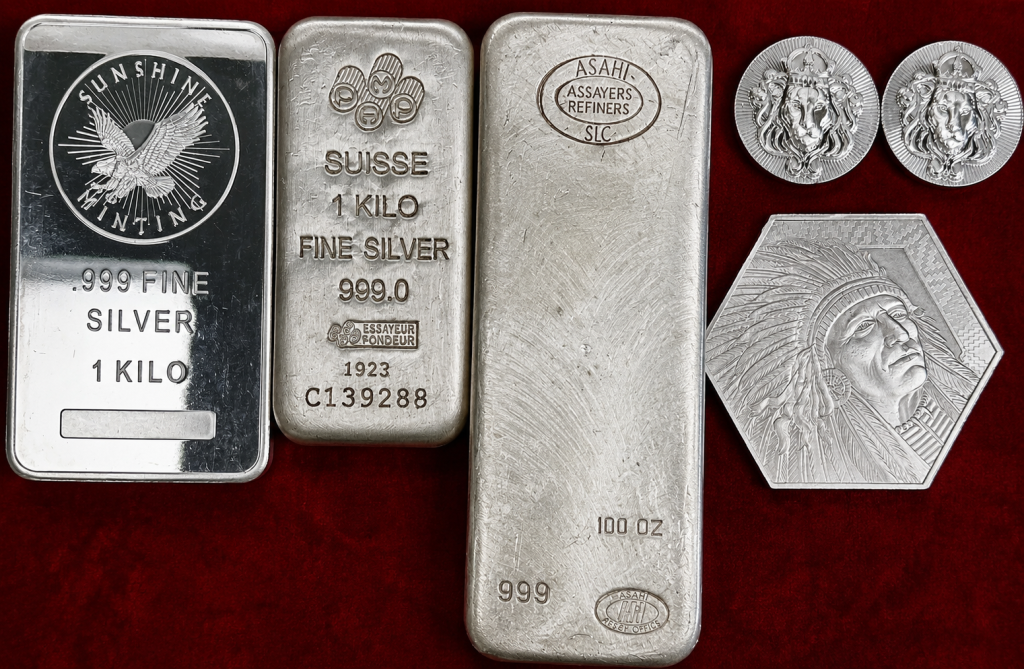
Hand poured bullion often develops stronger premiums because every piece reflects small-batch production rather than mass manufacturing. Natural cooling lines, handcrafted finishes, and limited production help distinguish artisan bullion from standard investment products.

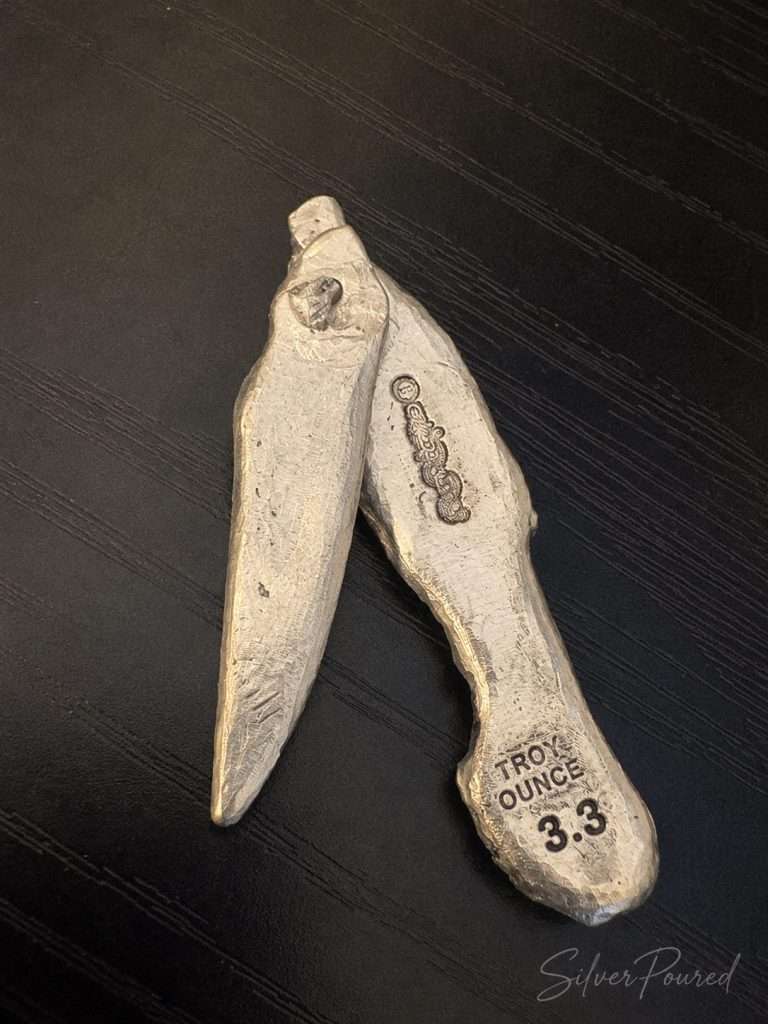
Collectors often value hand poured silver because every piece develops its own appearance during the production process. Unique cooling lines, hand stamping, artisanal textures, small-batch production methods, individual pour characteristics, and limited availability all contribute to the appeal of poured bullion. Unlike machine-produced products, hand poured silver frequently combines precious metal ownership with individuality and collectible value, helping it stand apart within modern bullion markets. Many collectors begin researching poured silver premiums as they move beyond generic bullion into artisan products.
Why Poured Silver Carries Higher Premiums
Poured silver premiums frequently rise because collectors compete for products with limited supply and distinctive characteristics. Scarcity, small production runs, collector demand, artisanal craftsmanship, independent refiners, secondary-market availability, and unique designs all contribute to premium pricing. As more collectible pours move into long-term collections, available supply often decreases while demand remains strong, helping premiums expand beyond silver melt value alone. Strong poured silver premiums often reflect collector demand as much as underlying silver value. Experienced collectors often compare poured silver premiums when evaluating similar bars from different refiners.
Small-Batch Bullion and Scarcity
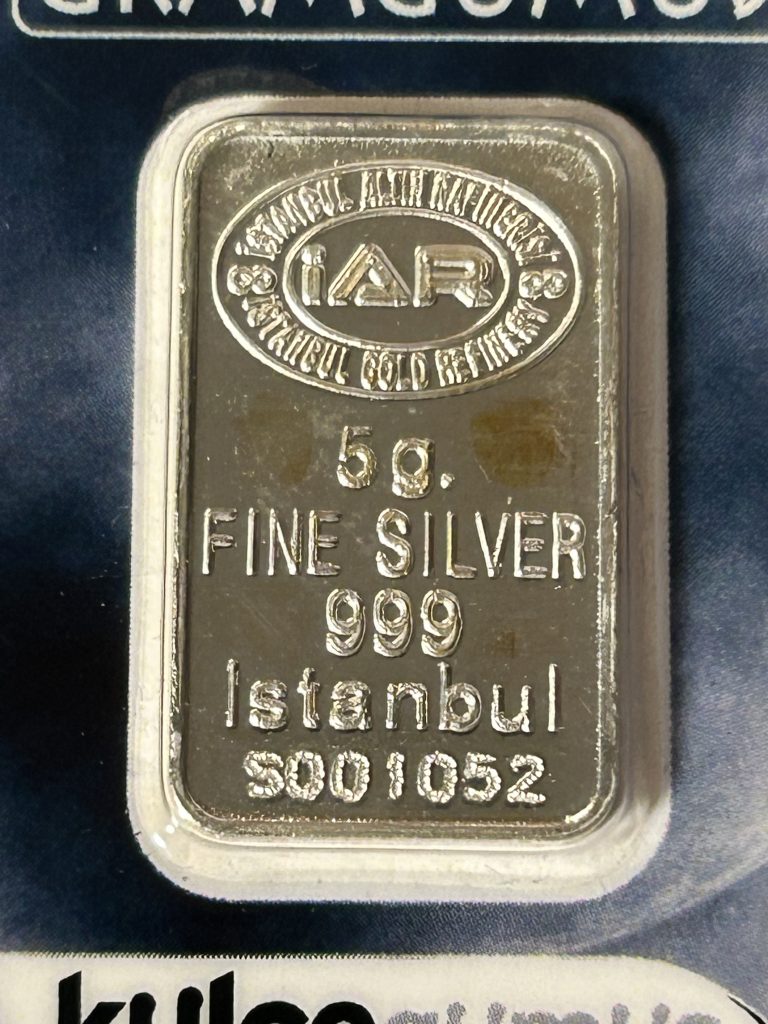
Small-batch bullion products often become highly collectible because production numbers remain limited and replacement opportunities become increasingly rare. Serialized pours, fractional poured silver, vintage poured bars, limited-production bullion, unique hand pours, and early-release products frequently become more difficult to locate as they enter private collections. This reduction in available supply often contributes to stronger secondary-market premiums. Limited production remains one of the primary reasons poured silver premiums continue increasing over time.
Hand Poured Craftsmanship
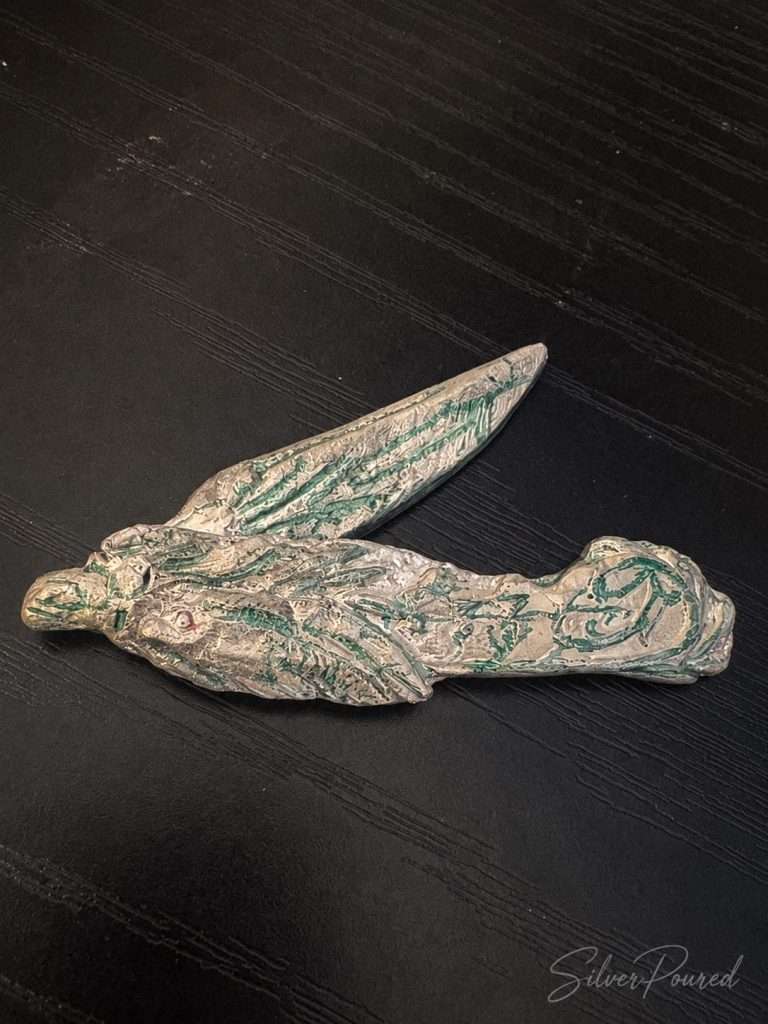
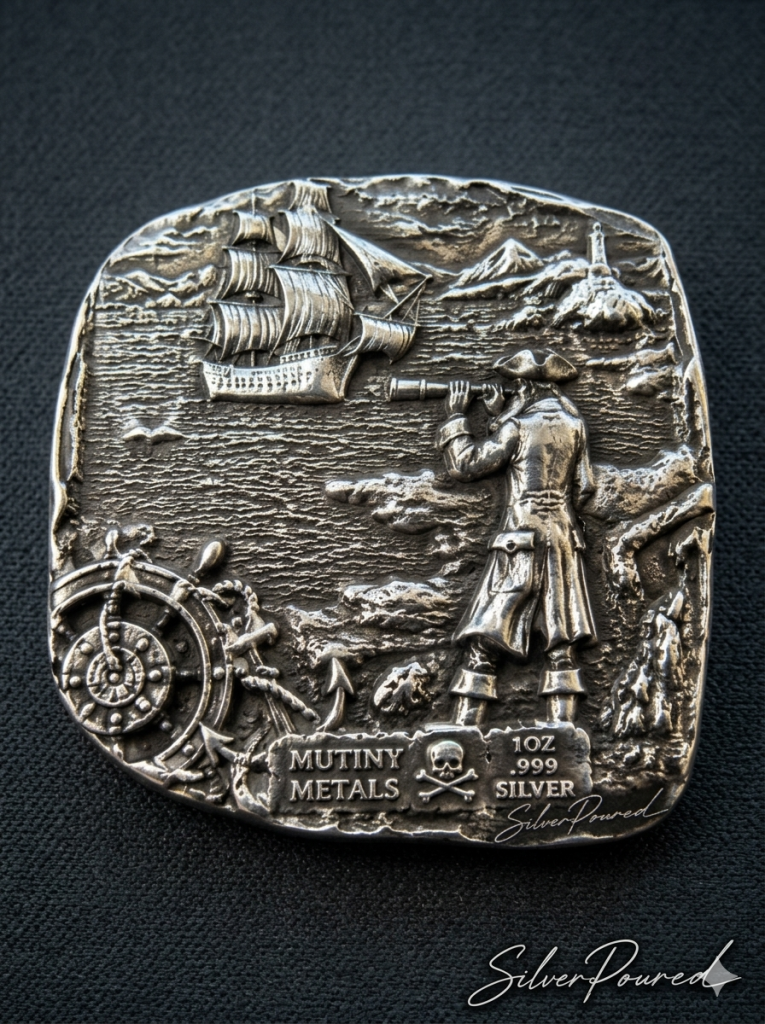
Many collectors appreciate hand poured silver because each product may display subtle visual differences created during the pouring process. Surface textures, cooling patterns, pour lines, hand-finished details, and unique stamping help create individuality that is difficult to reproduce through industrial minting. This uniqueness contributes to the strong collector demand often seen within hand poured bullion markets. Distinctive craftsmanship helps explain why poured silver premiums frequently exceed those of standard bullion.
Fractional Poured Silver Premiums
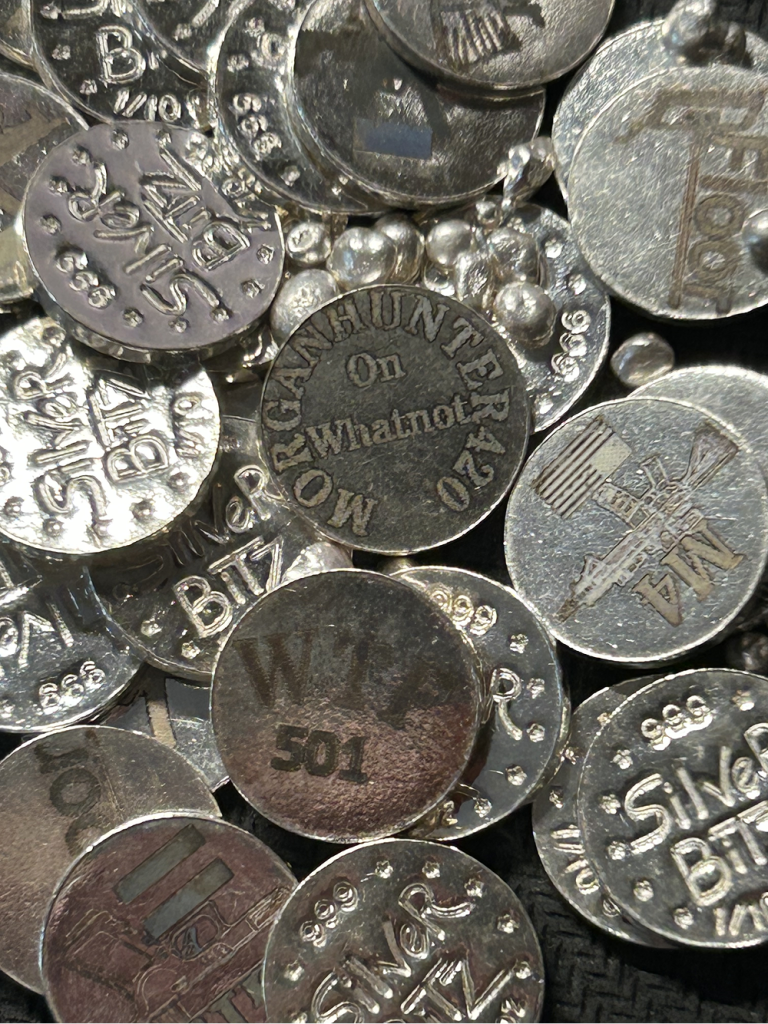
Fractional poured silver products frequently carry especially strong premiums because they combine several characteristics collectors value. Scarcity, small production runs, collector demand, limited availability, and artistic presentation all contribute to market desirability. Because many fractional pours are produced in extremely limited quantities, premiums may rise significantly above spot value as buyers compete for a restricted supply. Collectors regularly compare poured silver premiums across different weights, refiners, and production styles.
When Paying Higher Premiums Makes Sense
Higher premiums are not always a disadvantage. Experienced collectors often pay more for products supported by craftsmanship, scarcity, refinery reputation, and long-term collector demand instead of focusing solely on silver weight.
Higher premiums do not automatically indicate that a bullion product is overpriced. In many cases, the additional cost reflects the time, skill, craftsmanship, and limited production associated with creating hand poured bullion. Understanding these factors helps collectors evaluate overall value instead of focusing only on silver weight.
Unlike mass-produced bullion manufactured in very large quantities, many poured products are created in small batches. Each production run requires melting, pouring, finishing, stamping, inspection, and packaging before reaching collectors. Because these production costs are distributed across fewer pieces, premiums frequently become higher than those associated with generic bullion products. Understanding poured silver premiums allows buyers to evaluate long-term value instead of focusing only on purchase price.
Many collectors willingly pay those premiums because each piece possesses characteristics that cannot be perfectly duplicated. Individual cooling lines, subtle texture differences, hand stamping, and artisanal production methods create products that combine physical silver ownership with collectible appeal.
Why Collectors Prefer Hand Poured Bullion
Collectors are often drawn to poured bullion because every piece develops its own personality during production. Rather than seeking perfect uniformity, many buyers appreciate the natural variations created during the pouring and cooling process.
Small imperfections, unique surface textures, rounded edges, and visible pour characteristics remind collectors that every bar was individually produced rather than stamped by automated equipment. These qualities often make poured bullion feel more like functional artwork than standard investment bullion.
Because production is frequently limited, collectors also enjoy searching for products from specific private mints, artisan refiners, or individual pour artists whose work develops a loyal following over time. Many enthusiasts believe poured silver premiums reward originality, craftsmanship, and limited production.
Comparing Poured Bullion Products
Experienced collectors evaluate much more than silver weight before making a purchase.
| Comparison Factor | Why It Matters |
|---|---|
| Production method | Hand poured products display unique characteristics. |
| Small-batch production | Limited output may increase scarcity. |
| Craftsmanship | Individual finishing contributes to collector appeal. |
| Refinery reputation | Established artisans often attract loyal buyers. |
| Secondary-market demand | Popular pours may retain stronger premiums over time. |
Looking beyond silver content allows buyers to compare products based on craftsmanship, rarity, production quality, and long-term desirability instead of weight alone. Comparing poured silver premiums between different private mints often highlights significant differences in collector demand.
Poured Silver During Different Market Conditions
Demand for hand poured bullion can change as precious metals markets evolve. During periods of strong buying activity, many artisan-produced bars become more difficult to locate because production remains limited while collector demand increases. Unlike large commercial bullion manufacturers that can produce thousands of identical products, many private refiners intentionally keep production runs relatively small.
When availability decreases, collectors often compete for the remaining inventory, causing premiums to rise independently of the underlying silver price. During quieter markets, buyers generally have more opportunities to compare different refiners, pouring styles, and premium levels before making a purchase.
Understanding how market conditions influence collector demand helps buyers make informed purchasing decisions based on long-term value rather than short-term market excitement. Changing market conditions can influence poured silver premiums independently of movements in the silver spot price.
Building a Hand Poured Collection
Many collectors build hand poured collections gradually rather than attempting to purchase every desirable piece immediately. Some focus on a favorite private mint, while others collect bars by weight, production style, poured finish, or historical significance.
Building a collection over time allows buyers to compare craftsmanship, understand premium differences, and recognize the distinctive production methods used by different refiners. This approach also provides opportunities to acquire pieces from limited releases that may no longer be available through traditional bullion dealers.
Many collectors enjoy combining standard bullion with hand poured products to create collections that balance efficient silver ownership with artistic and collectible appeal. Experienced collectors often monitor poured silver premiums while expanding long-term collections.
Preserving Hand Poured Bullion
Proper storage helps maintain both the condition and collector appeal of hand poured bullion. Many collectors store poured bars in protective sleeves, display cases, or archival storage containers that reduce unnecessary handling while preserving original surfaces.
Cleaning hand poured bullion is never recommended. Natural toning, cooling lines, poured textures, and hand-finished characteristics are considered part of the product’s originality and collector appeal. Polishing or cleaning may permanently alter those original surfaces and reduce desirability within the collector market.
Maintaining photographs, purchase records, and provenance information also helps collectors organize their holdings while supporting insurance documentation, estate planning, or future resale. Maintaining original surfaces helps support poured silver premiums within the secondary market.

Why Long-Term Demand Continues
Hand poured bullion remains attractive because it combines physical silver ownership with craftsmanship that cannot be duplicated through mass production. As more limited-production pours enter permanent collections, the number of available examples often decreases, creating stronger competition whenever desirable pieces return to the secondary market.
Rather than evaluating poured bullion solely by silver weight, experienced collectors frequently consider craftsmanship, rarity, production quality, artistic presentation, and long-term collector demand when expanding their collections. These combined characteristics help explain why many hand poured products continue commanding premiums well beyond their underlying melt value.
Buying Hand Poured Bullion with Confidence
Researching private refiners, production quality, completed sales, and collector demand often provides a more accurate picture of long-term value than comparing bullion products by price alone. Consistent secondary-market demand can help distinguish an established collectible premium from a temporary asking-price spike.
Collectors often discover that buying hand poured bullion is very different from purchasing mass-produced investment bars. Rather than comparing products only by weight and price, experienced buyers evaluate craftsmanship, refinery reputation, production quality, artistic style, and long-term collector demand before making a purchase.
Many collectors enjoy following specific private mints or independent pour artists whose work reflects a recognizable style. Building familiarity with different producers helps buyers understand how manufacturing methods, finishing techniques, and production quantities influence collector interest over time. Researching poured silver premiums before purchasing helps collectors make more informed decisions.
Taking time to compare several examples before purchasing also helps collectors recognize quality workmanship while developing realistic expectations about premiums within the hand poured bullion market. Understanding poured silver premiums before making a purchase helps buyers recognize fair market pricing and long-term collectible value.
Authenticating Hand Poured Bullion
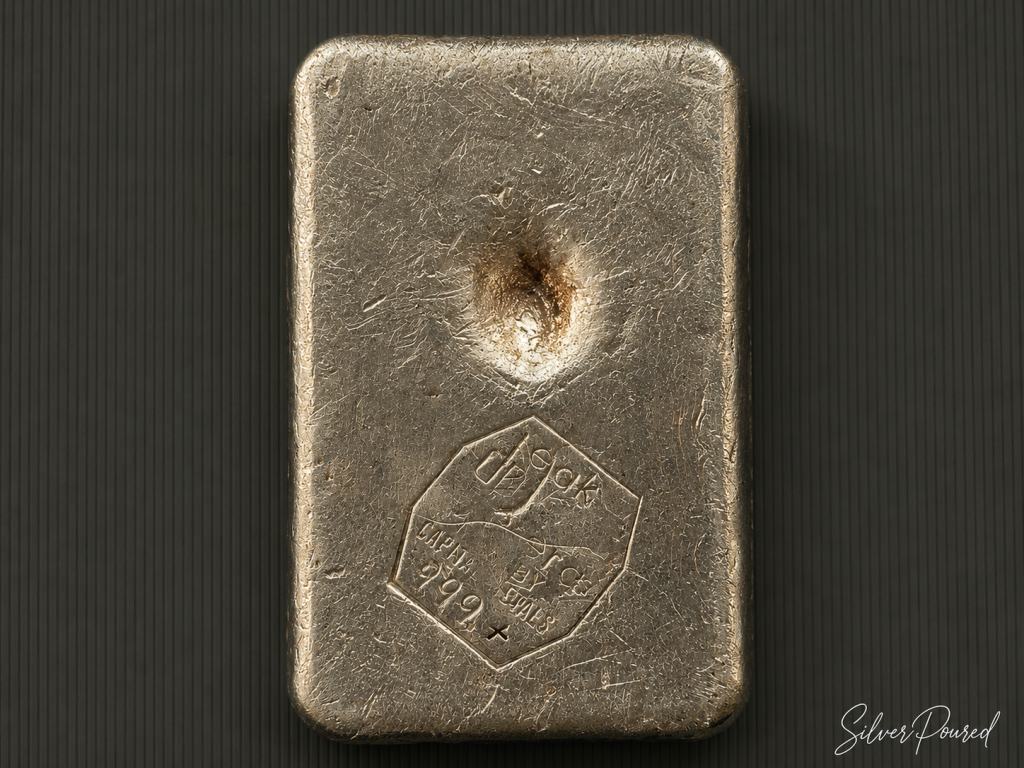
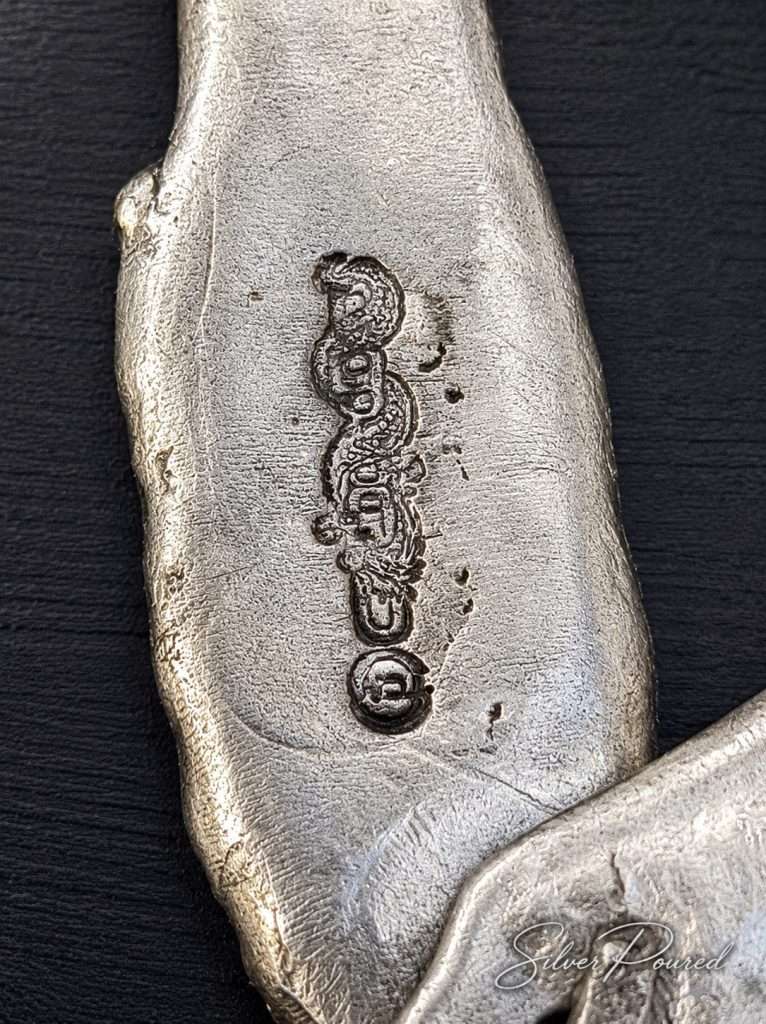
Authenticity remains an important consideration regardless of a bullion product’s size or value. Experienced collectors examine purity markings, weight stamps, refinery logos, overall dimensions, production quality, and finishing characteristics when evaluating hand poured bullion.
Natural cooling lines, hand stamping, subtle surface variations, and individually finished details frequently distinguish handcrafted bullion from machine-produced products. These characteristics are generally viewed as signs of authentic small-batch production rather than imperfections.
Purchasing directly from established refiners or well-known bullion dealers provides additional confidence while reducing the likelihood of acquiring products with uncertain origins.
The Future of Hand Poured Bullion
Interest in hand poured bullion continues expanding as more collectors seek products that combine precious metal ownership with craftsmanship and artistic individuality. While generic bullion will always remain an important part of the precious metals market, handcrafted products occupy a unique position because no two pours are ever completely identical.
As additional collectors enter the hobby and more limited-production products move into permanent collections, demand for distinctive poured bullion may continue strengthening over time. This combination of scarcity, craftsmanship, and collector enthusiasm helps explain why hand poured bullion remains one of the most active segments within today’s collectible precious metals market.
Why Hand Poured Bullion Appeals to Serious Collectors
Many experienced collectors eventually develop an appreciation for hand poured bullion because it offers something that mass-produced products cannot. Every pour reflects individual craftsmanship, small-batch production, and manufacturing techniques that create subtle differences from one piece to the next. Rather than viewing those differences as imperfections, collectors often consider them evidence that each piece was individually created.
Cooling lines, natural surface flow, hand stamping, irregular edges, and unique textures all become part of a product’s identity. These manufacturing characteristics help distinguish artisan bullion from machine-struck products while giving collectors confidence that every piece possesses its own personality. This individuality remains one of the defining characteristics that continues attracting collectors to poured bullion.
Unlike mass-produced bullion that may be manufactured in very large quantities over extended production runs, artisan pours are often produced in relatively small numbers. Once a particular design or production run ends, opportunities to acquire additional examples may become increasingly limited. This combination of craftsmanship and scarcity frequently strengthens long-term collector interest.
Private Mints and Independent Refiners
Independent refiners have played an important role in the continued growth of hand poured bullion. Many small producers emphasize craftsmanship, artistic design, and quality over mass production, allowing them to create products that appeal to collectors searching for something beyond standard investment bullion.
Because production is often completed in smaller batches, many private mints are able to experiment with different weights, shapes, finishes, and artistic concepts. This flexibility produces a wide variety of collectible bullion products that would rarely be practical within large industrial manufacturing environments.
Collectors frequently develop loyalty to specific refiners whose workmanship, consistency, and artistic style match their collecting interests. Over time, these refiners may establish strong reputations that contribute to sustained collector demand throughout the secondary market. Established refiners frequently develop stronger poured silver premiums through consistent quality and collector confidence.
Comparing Artisan Bullion
Experienced buyers evaluate far more than silver content when comparing poured bullion.
| Comparison Factor | Why Collectors Consider It |
|---|---|
| Refinery reputation | Established producers often develop stronger collector followings. |
| Production quality | Consistent craftsmanship supports long-term desirability. |
| Pour characteristics | Individual cooling lines and textures create uniqueness. |
| Finish | Surface appearance contributes to eye appeal. |
| Scarcity | Smaller production runs often increase collector interest. |
| Collector demand | Active secondary-market interest may support stronger premiums. |
Rather than focusing on a single characteristic, collectors typically evaluate the complete package before deciding whether a particular bullion product deserves a place within their collection. Comparing poured silver premiums alongside refinery reputation, craftsmanship, scarcity, and secondary-market demand provides a more complete picture of collectible value.
Building a Long-Term Collection
Most successful collections develop gradually. Rather than attempting to acquire every available product, experienced collectors often build their holdings over many years while learning more about different refiners, production methods, and market trends.
Some collectors focus on a single private mint. Others assemble collections organized by weight, theme, production style, or artistic design. Many enjoy combining several approaches, creating collections that reflect both personal taste and long-term collecting objectives.
Building slowly also allows collectors to compare craftsmanship, recognize desirable production characteristics, and better understand how collector demand influences premiums throughout the marketplace. Long-term collectors often view poured silver premiums as an indicator of sustained market demand.
Displaying and Protecting Collectible Bullion
Presentation often becomes increasingly important as a collection grows. Many collectors choose protective display cases, archival storage boxes, or individual holders that allow products to be viewed while reducing unnecessary handling.
Original surfaces should always be preserved. Hand finished textures, natural toning, cooling lines, and production marks represent part of the manufacturing process and contribute to long-term collector appeal.
Cleaning hand poured bullion is never recommended. Polishing or attempting to improve the appearance of original surfaces may permanently alter the characteristics that make artisan bullion desirable to collectors.
Maintaining photographs, purchase records, provenance information, and inventory documentation also helps collectors organize their collections while supporting insurance coverage, estate planning, and future resale.
Buying from Reputable Sources
Purchasing bullion from established dealers, respected private mints, or trusted collectors provides additional confidence throughout the buying process. Reputable sellers generally provide accurate weight, purity, and production information while maintaining consistent standards for the products they offer.
Collectors also benefit from comparing several examples before making a purchase. Studying different refiners, production styles, and artistic approaches helps buyers recognize quality craftsmanship while developing realistic expectations regarding premiums and market value. Purchasing from trusted sources helps buyers better understand realistic poured silver premiums across the market.
Patience remains one of the most valuable qualities within collectible bullion markets. Waiting for the right opportunity often produces better long-term results than making rushed purchasing decisions based solely on temporary market activity.
Why the Market Continues Expanding
Interest in artisan bullion continues growing because many collectors value products that combine precious metal ownership with originality and craftsmanship. As more buyers discover independent refiners and hand poured production methods, appreciation for individually crafted bullion continues expanding.
Unlike generic bullion, artisan pours often establish emotional connections with collectors because every piece reflects the work of a skilled craftsperson rather than an automated production line. This combination of artistry, scarcity, and precious metal ownership helps explain why collector demand remains strong across many areas of the poured bullion market.
As long as collectors continue valuing originality, limited production, and craftsmanship, hand poured bullion is likely to remain one of the most active and desirable segments within modern precious metals collecting.
Poured Silver in Today’s Market
Poured silver continues attracting strong interest as collectors seek products that combine precious-metal ownership with craftsmanship, scarcity, and individuality. While generic bullion remains popular for low-premium accumulation, hand poured products appeal to buyers who value uniqueness and collectible potential. Understanding why poured silver premiums rise helps collectors compare products more effectively across the broader bullion market.
Do Poured Silver Premiums Matter?
Poured silver premiums can dramatically impact secondary-market pricing because value is influenced by more than silver content alone. Production method, scarcity, collector demand, refinery reputation, artistic quality, and market availability all contribute to how buyers value hand poured bullion products. Two silver bars containing the same amount of silver may sell for significantly different prices depending on these factors.
Collectors often monitor the live silver spot price before purchasing hand poured bullion products, but many poured silver pieces ultimately trade based more on rarity and craftsmanship than silver content alone.
Many collectors also appreciate hand poured bullion because poured silver products often combine scarcity, craftsmanship, and long-term collectible appeal within modern precious metals markets.
Some buyers specifically pursue small-batch bullion because limited-production pours may become increasingly difficult to locate over time as more pieces enter private collections. Tracking historical poured silver premiums can provide valuable insight into collector trends and market behavior.
Understanding why poured silver premiums rise can help buyers evaluate scarcity, craftsmanship, and collector demand when comparing different bullion products. While silver content remains important, many hand poured products derive a significant portion of their market value from uniqueness, artistry, and limited production.
Final Thoughts on Poured Silver Premiums
Poured silver premiums reflect far more than the intrinsic value of the silver itself. While silver content establishes the foundation of value, craftsmanship, limited production, scarcity, refinery reputation, collector demand, and long-term market interest all contribute to the prices buyers pay for hand poured bullion.
Unlike mass-produced investment products, hand poured silver offers individuality that cannot be duplicated through automated manufacturing. Every cooling line, surface texture, hand stamp, and finishing detail becomes part of the story behind each piece, helping explain why collectors often value artisan bullion beyond its melt value alone. As collector interest continues expanding, poured silver premiums remain an important consideration when evaluating artisan bullion for both stacking and collecting.
Understanding why poured silver premiums rise helps collectors compare products more confidently, evaluate premium differences more accurately, and recognize the characteristics that separate ordinary bullion from highly collectible hand poured silver. Whether building a collection focused on artisan refiners, limited-production pours, serialized bullion, or historically significant pieces, informed buyers are better equipped to make long-term purchasing decisions. As collector demand continues evolving, poured silver premiums remain one of the clearest indicators of rarity, craftsmanship, and sustained interest within the collectible bullion market.
As collector demand continues growing and more small-batch products disappear into permanent collections, hand poured bullion is likely to remain one of the most sought-after areas of the physical silver market. Combining precious metal ownership with craftsmanship, scarcity, and artistic individuality, poured silver continues offering collectors an opportunity to own bullion that is both investment-grade and highly collectible.
Related SilverPoured Resources
Continue exploring SilverPoured’s hand-poured bullion, collectible-silver, premium, and pricing resources to understand how craftsmanship, scarcity, production methods, refinery reputation, and collector demand influence physical silver values.
Hand-Poured and Collectible Silver
Why Hand-Poured Silver Costs More
Why Hand Poured Silver Is Collectible
What Makes Silver Bars Collectible
Why Collectible Silver Sells For More
Vintage Silver Bars
Bullion Premium Education
Premium Over Spot Explained
Why Bullion Dealers Charge Premiums
Why Silver Premiums Change
Why Collectors Pay More for Silver
Silver Bullion Premiums
Silver Prices and Value
Silver Spot Price Today
Silver Melt Value Calculator
What Is Silver Melt Value?
Silver Coin Values
Best Silver Dealers
Purchase Precious Metals from a Trusted Dealer
Understanding why poured silver premiums rise helps buyers compare handcrafted bullion with standardized silver products while considering craftsmanship, scarcity, production quality, refinery reputation, liquidity, and sustained collector demand.
Golden State Mint offers silver bars, silver rounds, gold bullion, copper bullion, and fractional precious metals for collectors and investors. Comparing traditionally manufactured bullion with handcrafted products can provide useful perspective on fabrication quality, availability, intrinsic metal value, and the additional premiums collectors may place on distinctive silver pieces.
Collector Insight
Understanding why poured silver premiums rise requires looking beyond silver weight alone. Small-batch production, identifiable refiners, original surfaces, distinctive craftsmanship, limited availability, and established collector demand can all influence secondary-market value. Completed sales provide useful evidence of whether a premium reflects durable collector interest rather than an unusually high asking price.
Keep SilverPoured Free
SilverPoured is built to help collectors and precious-metals investors make smarter decisions through free calculators, original photography, coin research, value references, collector education, and independent market resources. Every page is created to make valuable precious-metals information available without requiring a paid subscription.
This guide explains why poured silver premiums rise by examining craftsmanship, small-batch production, scarcity, refinery reputation, originality, liquidity, and long-term collector demand. Every contribution helps support continued precious-metals research, original photography, free calculators, bullion education, and expansion of the SilverPoured Authority Library.
Your support allows SilverPoured to remain independent while building one of the web’s most comprehensive free libraries for coin collectors, bullion buyers, precious-metals researchers, and long-term investors.