
Why Hand-Poured Silver Costs More
Hand poured silver continues to command higher premiums because collectors value craftsmanship, rarity, and small-batch bullion production.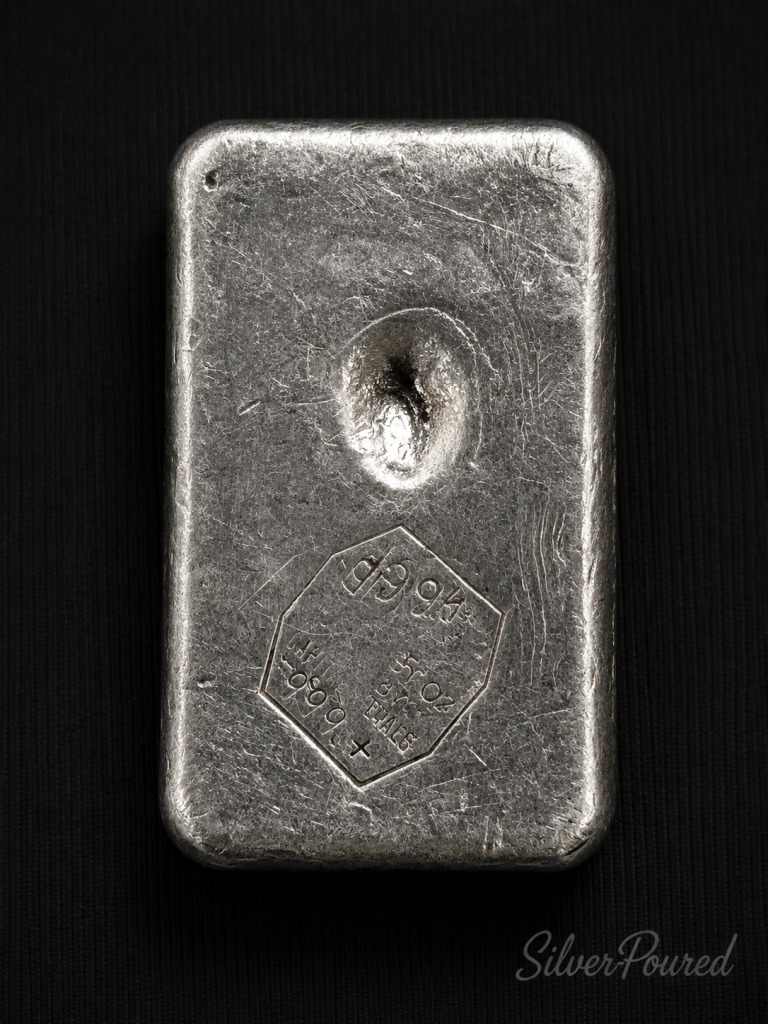
Hand-poured silver bars often sell far above melt value, and for many collectors, the premium is part of the appeal.
Unlike mass-produced bullion products, hand-poured silver combines precious metal value with craftsmanship, uniqueness, scarcity, and collector demand. Each poured piece can develop its own texture, cooling lines, character, and market desirability.
As collectible bullion markets continue evolving, hand-poured silver has become one of the fastest-growing categories in modern precious metals collecting.
What Is Hand-Poured Silver?
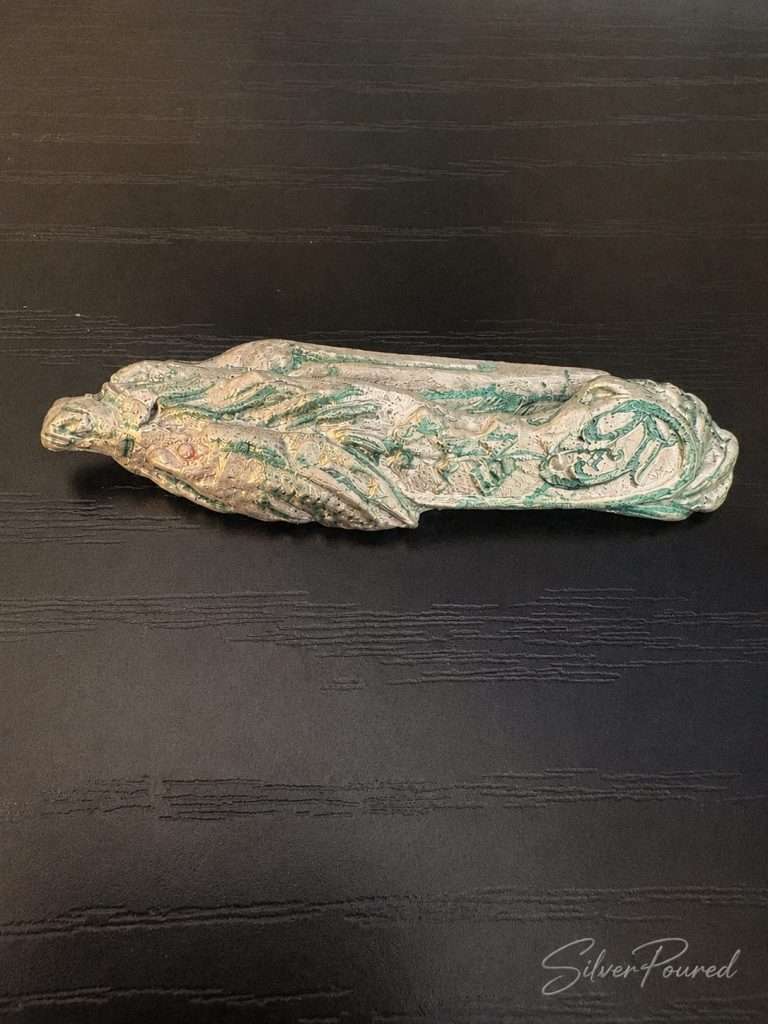
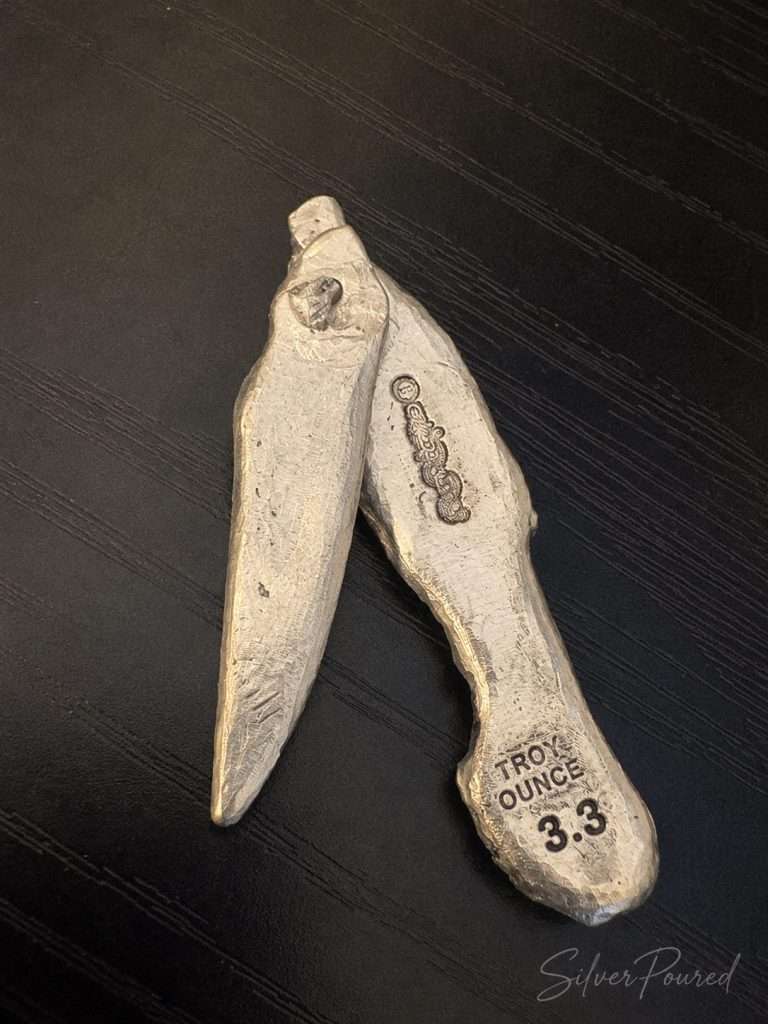
No two traditionally poured silver bars cool exactly alike. Natural cooling lines, surface texture, hand stamping, and small-batch production give many artisan bullion products characteristics that collectors consider part of their long-term appeal.

Collectors are often drawn to hand-poured silver because every piece develops its own appearance and character during the cooling process. Unique cooling patterns, serialized pours, limited mintages, hand stamping, artisan craftsmanship, vintage-style finishes, and independent bullion makers all contribute to the appeal of hand-poured bullion. Unlike mass-produced silver products, hand-poured pieces frequently combine precious metal ownership with individuality and collectible value, helping them stand apart within modern bullion markets.
Why Hand-Poured Silver Carries Higher Premiums
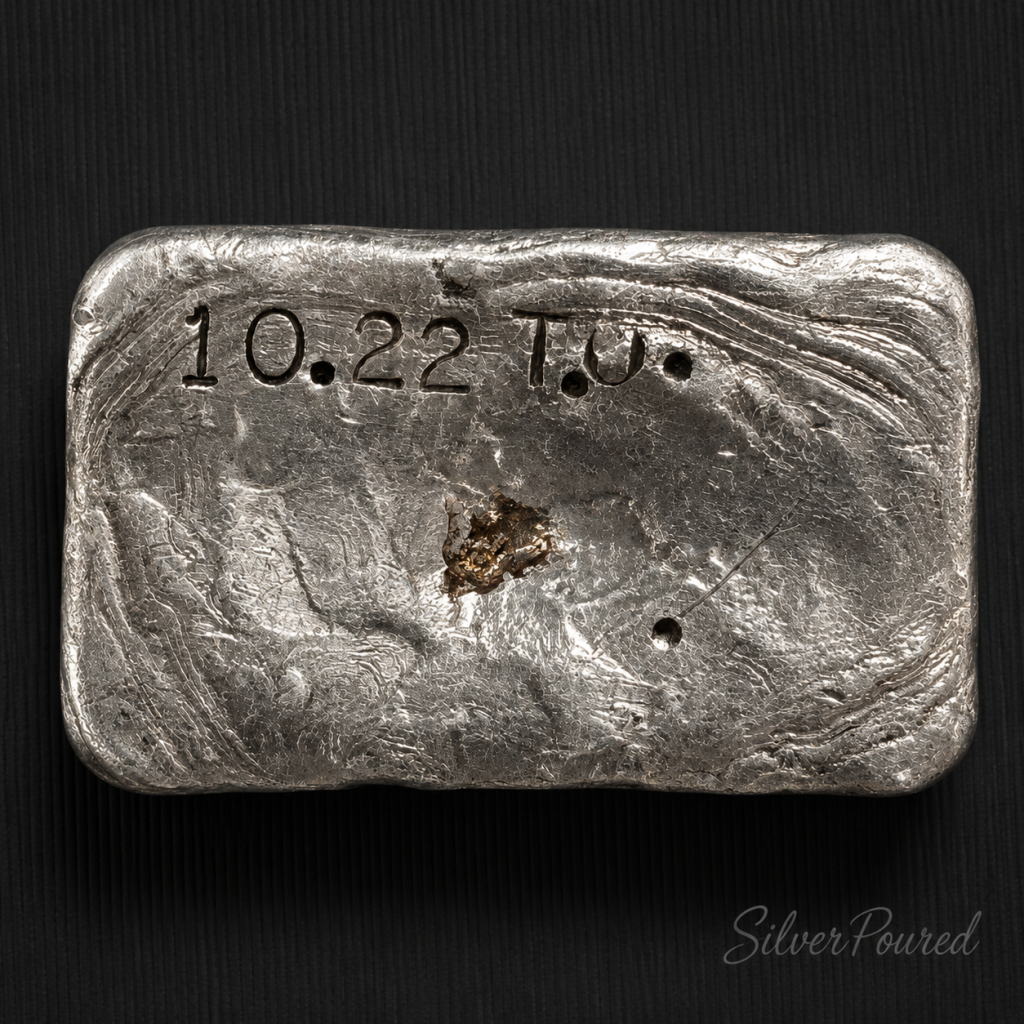
Several factors contribute to the higher premiums commonly seen in hand-poured silver markets. Small-batch production, increased labor requirements, limited availability, collector demand, serialized bars, custom artwork, independent maker reputation, and secondary-market scarcity all influence pricing. Because buyers are often purchasing both silver content and craftsmanship, hand-poured silver products frequently command premiums that extend well beyond melt value alone.
Unlike generic bullion, many hand-poured silver bars are valued for both silver content and artistic appeal.
Hand-Poured Silver vs Generic Bullion
Generic bullion products are usually mass-produced and priced closer to spot value. Unlike mass-produced bullion, hand poured silver often carries strong collector demand and limited production runs.
Hand-poured silver behaves differently from generic bullion because collectors often assign value to characteristics beyond metal content. Visual appearance, texture, pour lines, vintage styling, brand reputation, limited releases, and overall market scarcity can all influence desirability. As a result, two silver bars containing the same amount of silver may trade at dramatically different prices depending on collector demand and product availability.
Why Collectors Pay More For Hand-Poured Silver
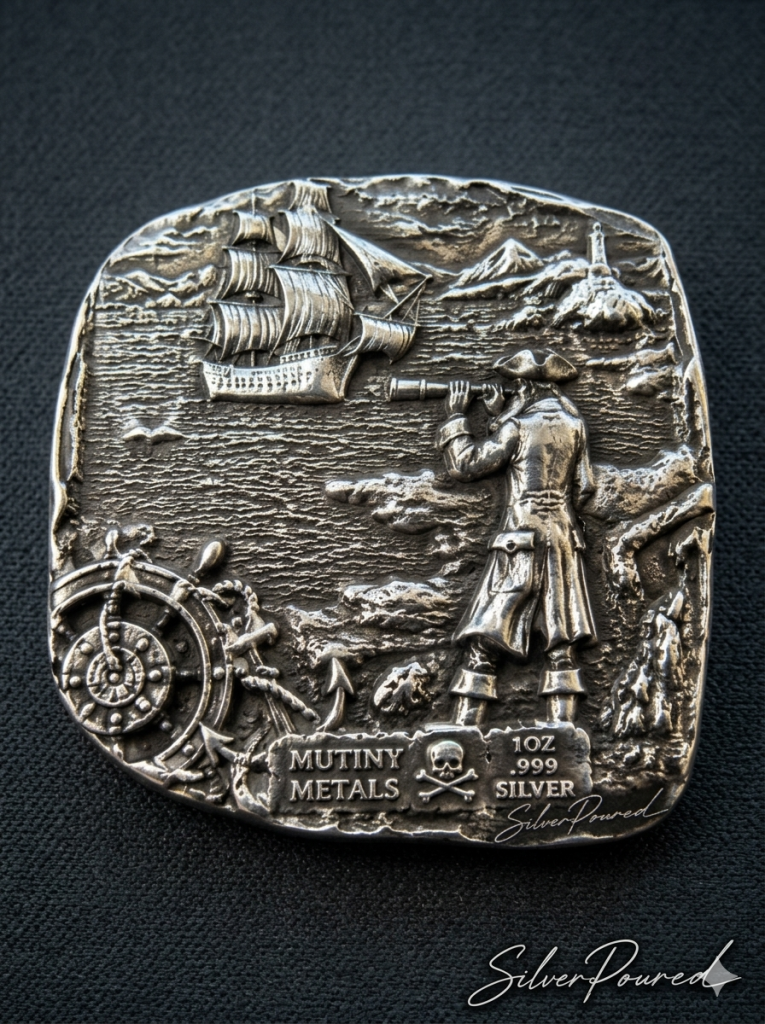
Collectors often view hand-poured silver as a combination of bullion and collectible art. As the collectible bullion market grows, hand poured silver continues gaining attention from both stackers and investors.
Collectors often pay more for hand-poured silver because these products offer qualities that are difficult to replicate through industrial minting. Handmade appearance, limited production runs, unique designs, individual character, support for independent makers, and long-term collectible potential all contribute to stronger demand. As collectible bullion markets continue expanding, many buyers view hand-poured silver as both a precious metals asset and a collectible category of its own.
Some collectible hand-poured bars eventually develop strong secondary market premiums, especially when production numbers remain low or specific pours become difficult to find.
The continued popularity of artisan bullion is closely tied to its uniqueness. Because no two handcrafted pours cool in exactly the same way, collectors often view these products as both precious metals and collectible artwork. This distinction helps explain why handcrafted bullion frequently commands stronger premiums than standard bullion products.
What Increases The Value Of Hand-Poured Silver?
Two identical ounces of silver can carry dramatically different market values depending on rarity, craftsmanship, and collector demand.
Several characteristics can increase the value of hand-poured silver beyond melt value alone. Serialized production, limited mintages, vintage pours, unique shapes, maker reputation, early releases from respected refiners, high-quality stamping, and strong collector communities all contribute to long-term desirability. The collectible bullion market often rewards scarcity and uniqueness, which helps explain why certain hand-poured silver products develop substantial premiums over time.
The collectible bullion market often values scarcity and uniqueness alongside silver content itself. For many collectors, artisan bullion represents a blend of bullion value, artistry, scarcity, and long-term collectible demand.
How Hand-Poured Silver Is Made
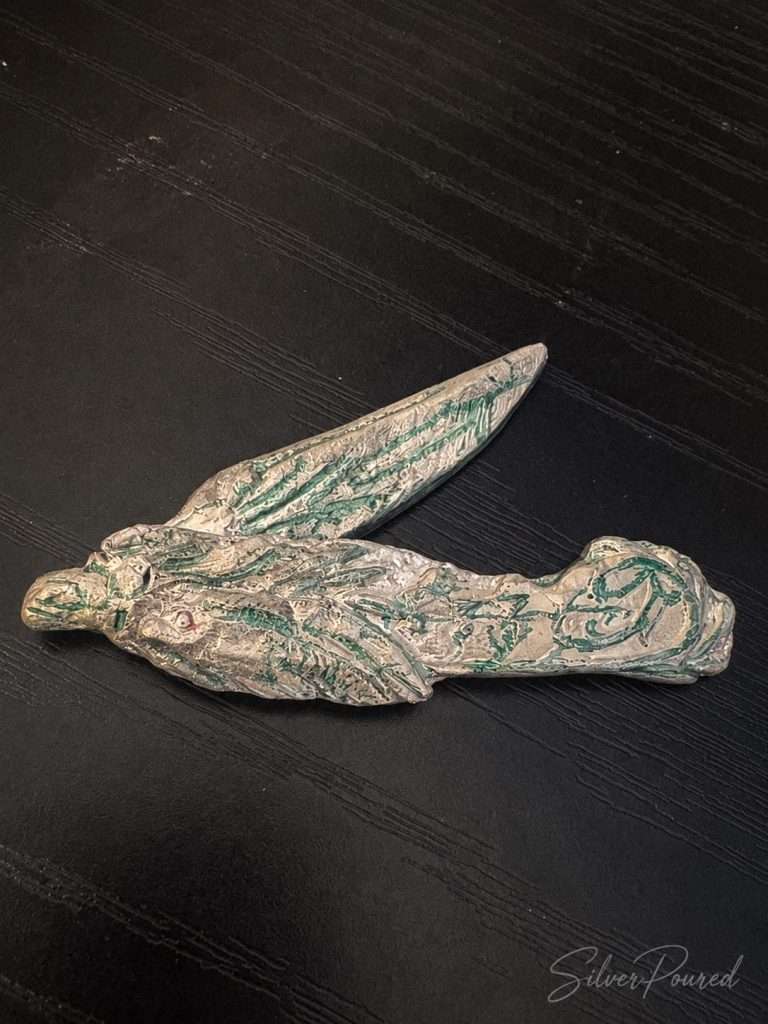
Small-batch production requires significantly more manual labor than automated minting. Melting, pouring, cooling, finishing, inspection, and hand stamping all contribute to the premiums often associated with handcrafted bullion.
Understanding why hand-poured silver costs more begins with the production process itself. Unlike mass-produced bullion that is manufactured using automated presses and high-volume minting equipment, hand-poured silver is created in small batches by skilled artisans who melt, pour, cool, finish, and inspect each piece individually. Every stage of production requires time, experience, and attention to detail, contributing to the higher premiums commonly associated with hand-poured bullion.
The process typically begins by melting .999 fine silver in a high-temperature furnace until it reaches a fully liquid state. The molten silver is then carefully poured into molds by hand, where slight differences in temperature, pouring speed, and cooling conditions create natural variations from one bar to the next. These subtle differences produce unique cooling lines, surface textures, and shapes that many collectors actively seek because no two pours are ever exactly alike.
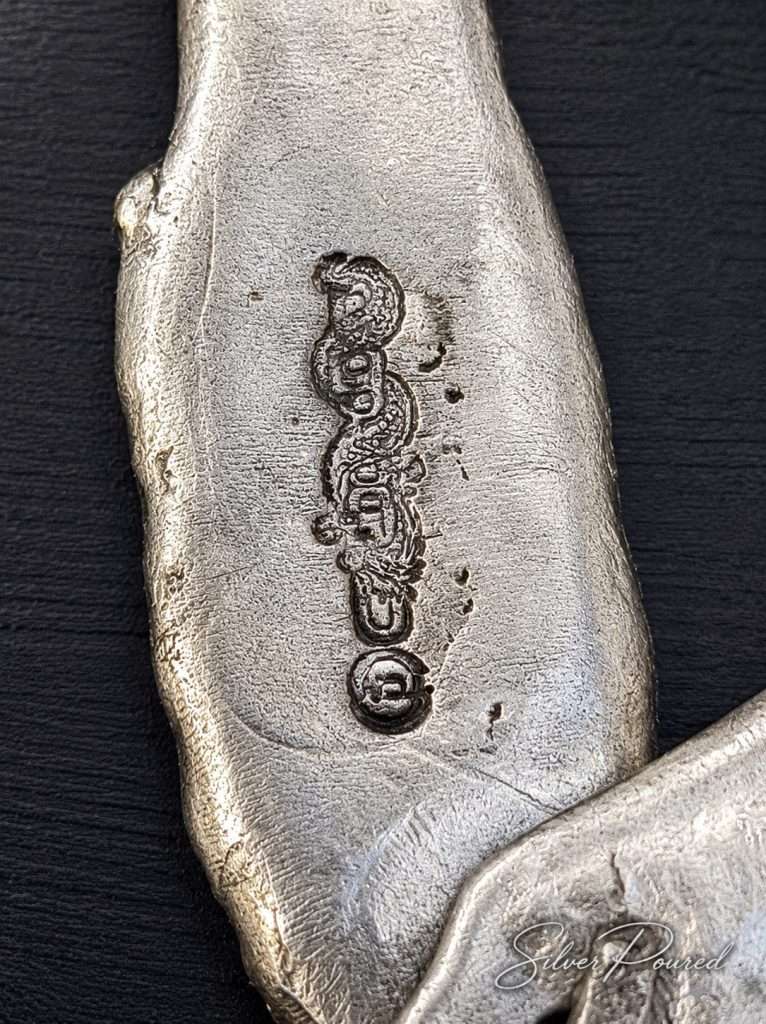
After cooling, each piece is removed from the mold and individually finished. Many private mints and independent refiners hand stamp their bars with weight, purity, logos, serial numbers, or production numbers. Some artisans intentionally preserve natural pour marks and cooling characteristics because they demonstrate that the bar was created through a traditional hand-pouring process rather than modern automated manufacturing.
Understanding why hand-poured silver costs more also requires recognizing that production volume is intentionally limited. Small-batch manufacturing allows artisans to focus on quality and craftsmanship instead of maximizing output. While this slower process increases production costs, it also creates the individuality, rarity, and collectible appeal that distinguish hand-poured silver from generic bullion products. For many collectors, the manufacturing process itself becomes part of the value, making each finished piece a combination of precious metal ownership and handcrafted artistry.
Buying and Selling Hand-Poured Silver
Understanding why hand-poured silver costs more also helps buyers make better decisions when purchasing or selling collectible bullion. Unlike generic silver bars that are often priced primarily by weight, hand-poured silver is frequently evaluated according to the reputation of the maker, rarity of the pour, production size, condition, and overall collector demand. These additional factors can create substantial differences in value even when two bars contain the same amount of silver.
Experienced collectors often research private mints, artisan pourers, and discontinued series before making significant purchases. Comparing recent auction results, dealer inventories, and collector-marketplace sales can provide useful context for current premiums and help identify products that have maintained consistent demand over time.
Selling hand-poured silver also differs from selling generic bullion. Collectors are frequently willing to pay stronger premiums for scarce pours, early production pieces, serialized bars, and products from respected makers with established followings. Understanding why hand-poured silver costs more allows sellers to recognize when a piece may deserve marketing toward collectors rather than being sold strictly for its silver content.
Whether buying or selling, patience often produces the best results. Premium hand-poured bullion may take longer to find or sell than generic silver, but collectors who understand why hand-poured silver costs more are often rewarded with opportunities to acquire distinctive pieces that combine precious metal ownership with lasting collectible appeal.
Hand-Poured Silver in Today’s Market
Hand-poured silver continues attracting attention as collectors seek products that combine precious-metal ownership with craftsmanship and scarcity. While generic bullion remains popular for low-premium accumulation, handcrafted silver appeals to buyers looking for individuality, artistic presentation, and collectible potential. Understanding why hand-poured silver costs more helps collectors evaluate premiums and compare products more effectively across the broader bullion market.
Interest in hand poured silver continues growing as collectors seek products that offer more than metal content alone. Unlike generic bullion, handcrafted bullion often attracts buyers who appreciate craftsmanship, individuality, and limited production. As demand for hand poured silver increases across collector communities, premiums frequently reflect both precious metal value and long-term collectible appeal.
Hand-Poured Silver And Premium Over Spot
Premium over spot refers to the additional value physical bullion carries above raw melt value, especially when collector demand, rarity, craftsmanship, and market desirability increase premiums.
Hand-poured silver frequently commands higher premiums because buyers are paying for far more than metal weight alone, including craftsmanship, rarity, production methods, and long-term collector demand.
Modern bullion markets increasingly price collectible silver based on premium demand rather than melt value alone.
Premiums above spot price frequently reflect factors that extend beyond silver weight alone. Craftsmanship, collector demand, rarity, artistic presentation, and market scarcity all influence how buyers value hand-poured silver products. This helps explain why collectible bullion markets often behave differently from standard commodity markets, where pricing is driven primarily by metal content.
Is Hand-Poured Silver A Good Investment?
Many collectors view hand-poured silver as both a precious metals investment and a collectible market opportunity. While silver spot price still affects overall value, collectible premiums can become an additional driver of long-term pricing. Certain limited pours, vintage bars, and early releases from respected makers have developed strong secondary market demand over time. Because of this, many stackers and collectors actively seek hand-poured silver products that combine silver weight, rarity, craftsmanship, and strong collector appeal.
Understanding why hand-poured silver costs more can help collectors compare products more effectively and evaluate premium differences between various bullion styles. While silver content remains the foundation of value, craftsmanship, scarcity, artistic appeal, and collector demand frequently play equally important roles in determining the final market price of hand-poured silver.
Collectors comparing artisan bullion with mass-produced bars should consider scarcity, craftsmanship, maker reputation, production volume, and secondary-market demand alongside silver content. These factors can create meaningful premium differences between products containing similar amounts of precious metal.
The Future of Hand Poured Silver
Interest in hand poured silver continues growing as more collectors look for bullion that offers something beyond precious metal content alone. While traditional bars and rounds remain popular for low-premium stacking, hand poured silver appeals to buyers who appreciate craftsmanship, individuality, and limited production. As additional private mints and independent artisans enter the market, collectors have access to an increasingly diverse selection of handcrafted bullion products.
One reason demand continues increasing is that handcrafted bullion combines precious metals investing with collectible appeal. Many buyers enjoy owning pieces that display natural cooling lines, unique textures, and handcrafted finishes that cannot be perfectly duplicated through automated manufacturing. These characteristics help distinguish artisan bullion from mass-produced bullion and contribute to its growing popularity within the precious metals community.
As the market continues evolving, experienced collectors often compare different makers, production styles, and limited releases before purchasing handcrafted bullion. Building knowledge about respected refiners, artisan techniques, and long-term collector demand can help buyers identify quality pieces while developing a collection that reflects both investment goals and personal interests. For many enthusiasts, hand poured silver represents the ideal balance between bullion ownership and collectible artistry.
Choosing Quality Hand Poured Silver
Not every piece of hand poured silver offers the same level of craftsmanship or collectible appeal. Experienced buyers often evaluate the reputation of the maker, the consistency of the pour, the quality of the finish, and the overall presentation before adding a new piece to their collection. Bars produced by respected private mints and established artisans frequently attract stronger long-term collector interest because of their history, quality standards, and recognizable designs.
When comparing hand poured silver from different makers, collectors often examine details such as clean hallmarks, accurate weight markings, visible cooling lines, and the overall character of each bar. These natural characteristics help demonstrate the handcrafted production process and contribute to the individuality that separates hand poured silver from mass-produced bullion products.
Collectors also appreciate that artisan bullion is produced in relatively small quantities compared with traditional mint products. This limited production can make certain pours more difficult to locate as time passes, helping support long-term collector demand. For buyers who value both precious metal ownership and handcrafted artistry, hand poured silver continues to represent one of the most distinctive categories within the modern bullion market.
Collecting Hand Poured Silver for the Long Term
Many collectors choose hand poured silver because it offers a combination of tangible precious metal ownership and long-term collectible appeal. Rather than purchasing every available piece, experienced collectors often focus on specific makers, themes, weights, or limited releases to build a collection with a clear direction. As years pass, this approach can make a hand poured silver collection more meaningful while also helping collectors appreciate how craftsmanship, scarcity, and maker reputation influence the market. Whether collecting for enjoyment, investment, or both, these handcrafted pieces continue to attract buyers who value originality and the distinctive character that handcrafted bullion brings to the modern precious metals hobby.
Final Thoughts
Hand-poured silver continues gaining popularity among stackers, collectors, and bullion enthusiasts looking for more than generic silver exposure.
While spot price remains important, collectible demand and artisanal craftsmanship often become major drivers of real-world pricing. As collectible bullion markets continue growing, hand poured silver remains one of the strongest premium categories in modern precious metals collecting.
As the collectible bullion market continues growing, hand-poured silver remains one of the most unique areas of modern precious metals collecting. Understanding premium over spot pricing allows collectors to evaluate artisan bullion more confidently while balancing silver content, craftsmanship, rarity, and long-term collector demand when building a precious metals collection.
Related SilverPoured Resources
Continue exploring SilverPoured’s artisan-bullion, collectible-silver, premium, and pricing resources to understand how craftsmanship, scarcity, production methods, maker reputation, and collector demand influence physical silver values.
Hand-Poured and Collectible Silver
Best Hand-Poured Silver Bars
Why Hand Poured Silver Is Collectible
What Makes Silver Bars Collectible
Vintage Silver Bars
Serialized Silver Bars
Bullion Premium Education
Premium Over Spot Explained
Why Bullion Dealers Charge Premiums
Why Silver Premiums Change
Silver Bullion Premiums
Why Silver Bars Sell Above Spot
Silver Prices and Value
Silver Spot Price Today
Silver Melt Value Calculator
What Is Silver Melt Value?
Silver Coin Values
Best Silver Dealers
Purchase Precious Metals from a Trusted Dealer
Understanding why hand poured silver costs more helps buyers compare artisan bullion with mass-produced bars while considering craftsmanship, small-batch production, scarcity, maker reputation, condition, liquidity, and sustained collector demand.
Golden State Mint offers silver bars, silver rounds, gold bullion, copper bullion, and fractional precious metals for collectors and investors. Comparing traditionally manufactured bullion with handcrafted products can provide useful perspective on fabrication costs, product recognition, premiums, and the additional value collectors may place on distinctive silver pieces.
Collector Insight
Understanding why hand poured silver costs more requires looking beyond silver weight alone. Natural pour characteristics, identifiable makers, limited production, original surfaces, unusual forms, and established collector demand can all influence long-term desirability. The strongest premiums tend to have recognizable reasons behind them rather than depending solely on a seller’s asking price.
Keep SilverPoured Free
SilverPoured is built to help collectors and precious-metals investors make smarter decisions through free calculators, original photography, coin research, value references, collector education, and independent market resources. Every page is created to make valuable precious-metals information available without requiring a paid subscription.
This guide explains why hand poured silver costs more by examining craftsmanship, small-batch production, scarcity, maker reputation, originality, artistic appeal, and long-term collector demand. Every contribution helps support continued precious-metals research, original photography, free calculators, bullion education, and expansion of the SilverPoured Authority Library.
Your support allows SilverPoured to remain independent while building one of the web’s most comprehensive free libraries for coin collectors, bullion buyers, precious-metals researchers, and long-term investors.