
Silver premiums change because physical bullion pricing responds to supply, demand, fabrication costs, dealer inventory, product scarcity, and collector behavior beyond the silver spot price alone. The premium represents the portion of a bullion product’s price that extends beyond its underlying metal value.
Why Silver Premiums Change
Understanding why silver premiums change helps buyers distinguish movements in the underlying silver market from changes in the cost and demand for physical bullion. Spot price can remain relatively stable while premiums rise or fall because the physical market is responding to different conditions.
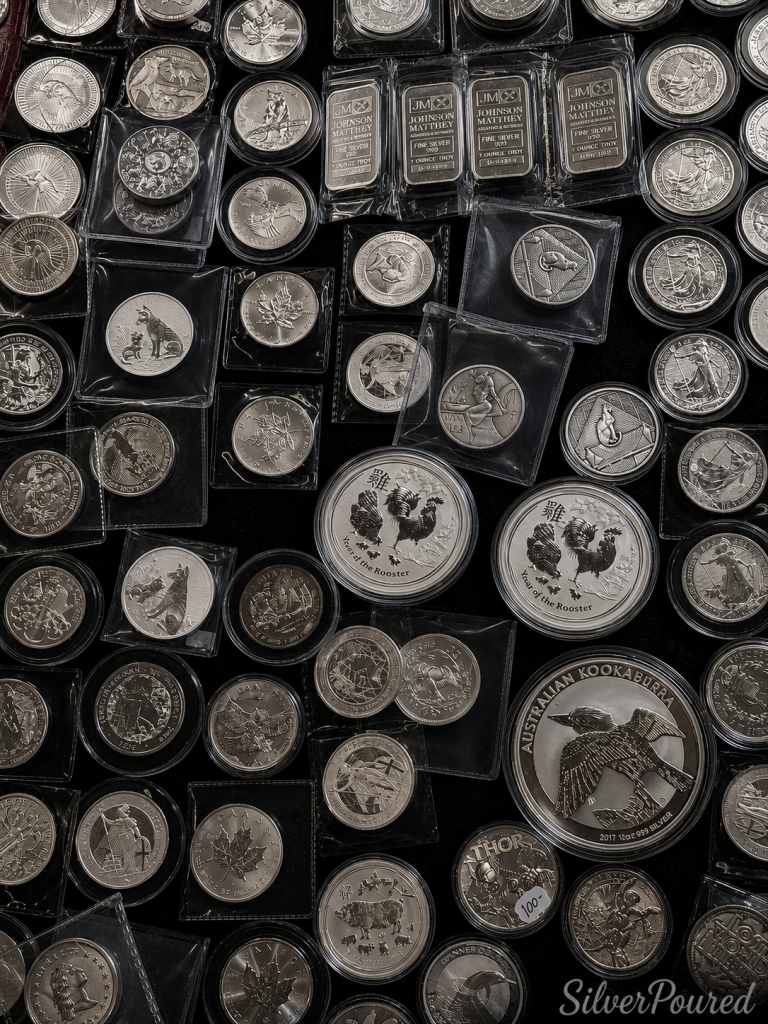
Generic rounds, government bullion coins, hand-poured silver, fractional products, vintage bars, and limited-production collectibles can all carry different premiums even when they contain similar amounts of silver. Product type, manufacturing requirements, liquidity, scarcity, recognition, and collector demand help determine those differences.
What Are Silver Premiums?
Silver premiums represent the amount buyers pay above the underlying metal value of a physical silver product. They help account for the costs and market characteristics that exist between raw silver and a finished bullion item offered for sale.
Refining, minting, fabrication, packaging, transportation, insurance, dealer operations, and payment processing can all contribute to retail pricing. Market forces such as scarcity, product recognition, inventory availability, and collector demand can add further premiums.
This is why two products containing the same silver weight may sell at substantially different prices. A widely available generic round and a scarce vintage refinery bar may have nearly identical intrinsic metal value while appealing to very different buyers in the physical market.
Why Bullion Premiums Increase
Physical silver can become more expensive even when spot price changes very little. When buyer demand rises faster than mints, refiners, wholesalers, and dealers can replenish inventory, available products become harder to replace and premiums may increase until supply catches up with demand.

Bullion premiums frequently increase when physical demand rises faster than available supply. Strong investor buying, depleted dealer inventories, production delays, refinery constraints, transportation disruptions, or sudden economic uncertainty can all make popular products more difficult to obtain.
Replacement cost matters as well. A dealer that sells through existing inventory must consider the price and availability of replacement bullion before establishing new retail prices. When wholesale inventory becomes scarce or expensive, retail premiums can increase even if silver spot price has moved only modestly.
Understanding why silver premiums change therefore requires watching the physical supply chain alongside the underlying silver market. Spot price establishes metal value, while physical availability helps determine how much additional cost buyers may face when acquiring an actual bullion product.
Generic Bullion vs Collectible Bullion
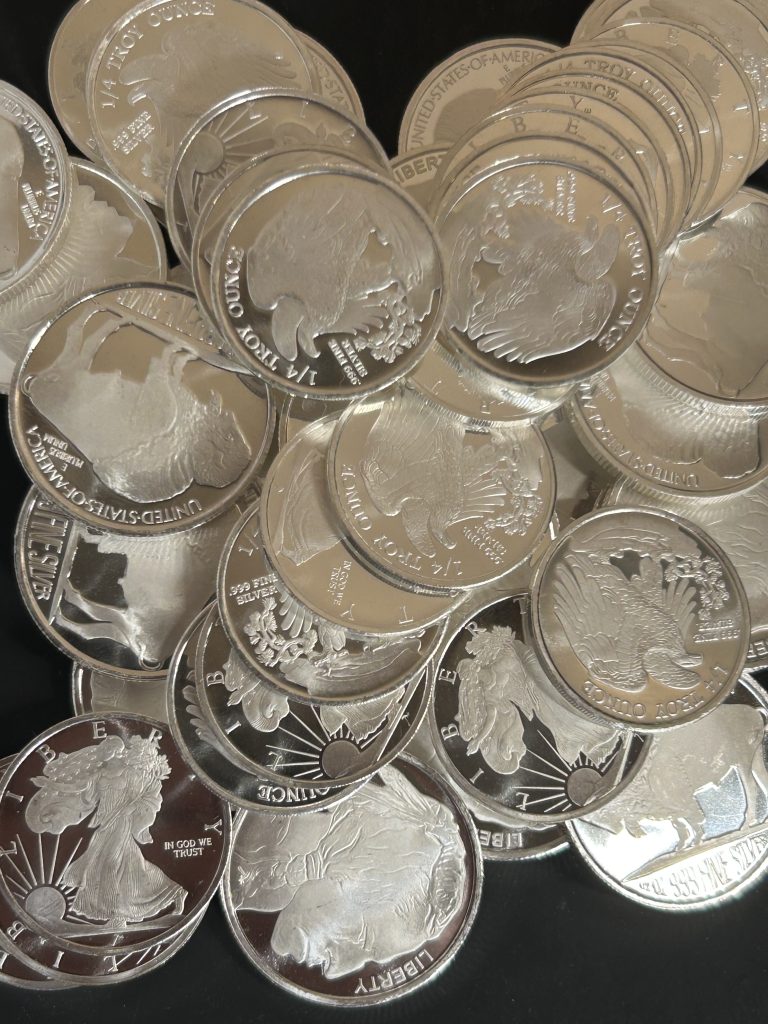
Generic bullion generally carries lower premiums because it is manufactured primarily for efficient precious-metal ownership. Production quantities are often relatively large, designs may remain consistent, and buyers typically focus on weight, purity, recognition, and acquisition cost.
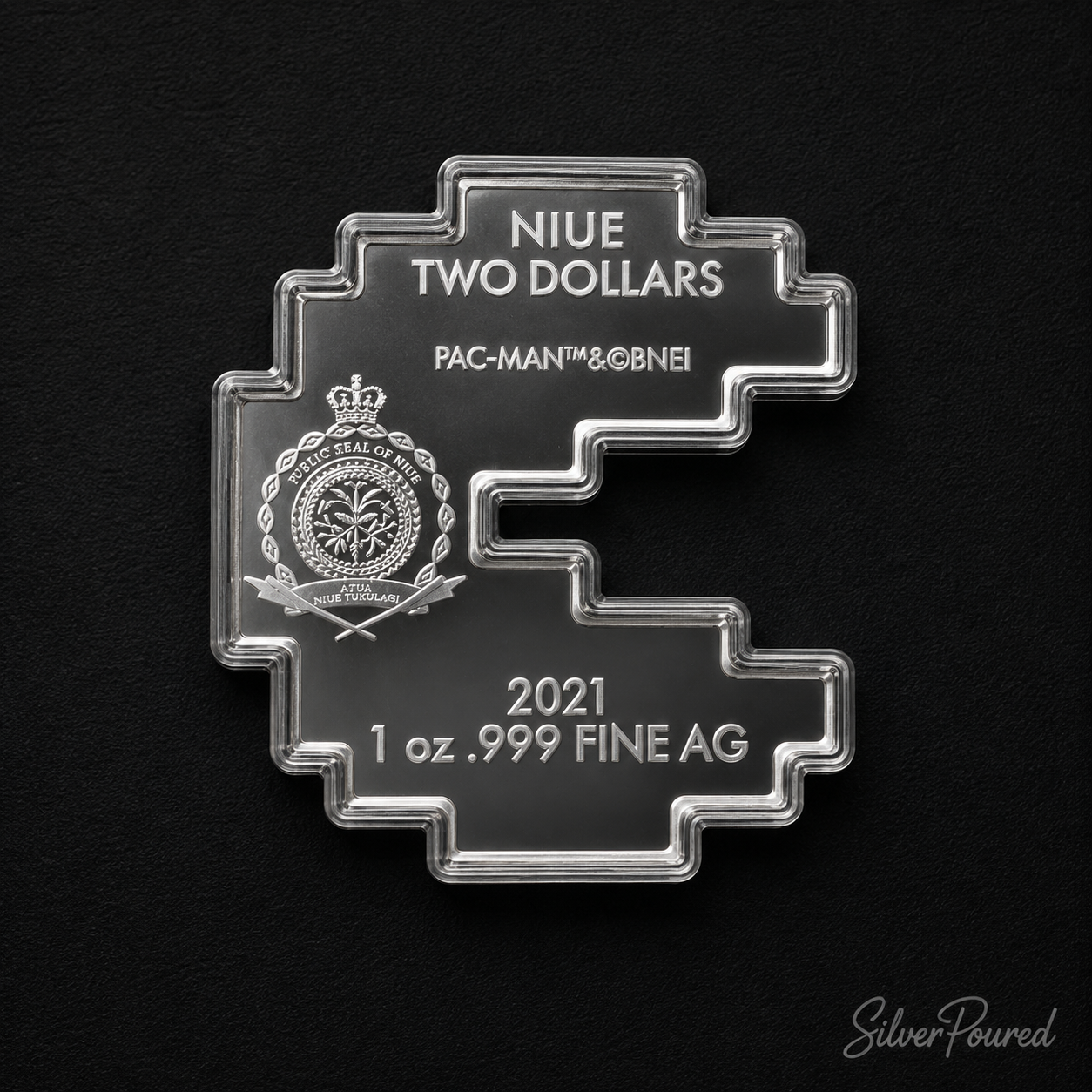
Collectible bullion can trade differently because buyers consider characteristics beyond silver content. Limited production, vintage refinery history, serialized identification, hand-poured craftsmanship, artistic design, condition, provenance, and established collector demand can all contribute additional value.
The difference is important when comparing products. A higher premium on collectible bullion may reflect genuine scarcity and secondary-market demand, while the premium on generic bullion may consist primarily of fabrication, distribution, and dealer costs.
Neither category is automatically better. Generic bullion can be attractive to buyers seeking efficient silver accumulation, while collectible products may appeal to buyers willing to pay more for scarcity, craftsmanship, history, or long-term collector interest.
Fabrication Costs and Silver Pricing
Fabrication costs are an important component of physical bullion premiums because a finished silver product requires more than raw metal. Refining, casting or minting, quality control, packaging, labor, security, transportation, and distribution all add costs before bullion reaches the retail buyer.
Many production expenses do not decline proportionally with product weight. Manufacturing ten one-tenth-ounce pieces generally requires more individual handling, packaging, and processing than producing one single-ounce product containing the same total amount of silver.
This helps explain why smaller bullion products frequently carry higher premiums on a per-ounce basis. Buyers are paying for both silver content and the additional manufacturing required to create multiple finished pieces.
Why Fractional Silver Carries Higher Premiums
Fractional silver products commonly carry higher per-ounce premiums than larger bars or rounds because their smaller size does not eliminate the manufacturing and distribution work required to produce them.
Fractional products can nevertheless be attractive because they offer lower individual purchase prices, flexibility, giftability, divisibility, and collectible appeal. Small hand pours and limited-production fractional pieces may also develop secondary-market demand beyond their underlying silver value.
A buyer comparing fractional silver with larger bullion should therefore consider the purpose of the purchase. Someone focused exclusively on maximizing ounces may prefer larger low-premium products, while another collector may intentionally accept a higher premium for smaller, distinctive pieces.
Collector Demand and Secondary Markets
Scarcity becomes especially important when limited availability is matched by sustained collector demand. As desirable bullion moves into long-term collections, fewer examples may remain available for purchase. That shrinking secondary-market supply can support premiums well beyond intrinsic silver value when buyers continue competing for the remaining pieces.
Collector demand can create a pricing environment very different from the generic bullion market. Vintage bars, serialized bullion, hand-poured silver, limited-mintage products, discontinued refinery pieces, and small-batch releases may become increasingly difficult to replace as examples move into private collections.
Scarcity alone is not enough. A product can be difficult to find without attracting a meaningful premium if few buyers want it. Stronger collectible premiums generally develop when restricted availability is accompanied by recognized craftsmanship, history, manufacturer reputation, distinctive design, or an established collector following.
Completed secondary-market sales can provide useful evidence of whether collector demand is supporting a premium. Asking prices may reflect seller expectations, while completed transactions show what buyers have actually been willing to pay.
This interaction between supply and collector demand is one of the clearest examples of why silver premiums change independently of the underlying spot price.
Do Silver Premiums Matter?
Silver premiums matter because they affect both the acquisition cost of physical bullion and the value a buyer must recover when the product is eventually sold. Understanding why silver premiums change helps buyers determine whether they are paying primarily for silver content, ordinary fabrication and dealer costs, or additional collectible characteristics.
Generic bullion buyers often focus on silver weight, liquidity, recognition, and acquisition cost. Collectors may place additional value on scarcity, craftsmanship, historical significance, condition, serialization, manufacturer reputation, limited production, or established secondary-market demand.
Two products containing identical silver weight can therefore trade at very different prices. Silver premiums can reflect ordinary costs associated with producing and distributing physical bullion, but they can also reflect market demand for products that buyers consider more desirable or difficult to replace.
Collectors can compare the live silver spot price with current dealer pricing and completed secondary-market sales to understand how much of a product’s market value extends beyond its underlying silver content.
How Silver Premiums Change During Different Market Conditions
Silver premiums do not always move in the same direction as silver spot price. Physical bullion has its own supply-and-demand conditions, which means premiums can expand or contract even when the underlying metal price changes relatively little.
During stable markets with healthy inventories, refiners, wholesalers, and dealers can often replenish products efficiently. Reliable supply and competition between sellers can keep silver premiums relatively contained while providing buyers with a broad selection of bullion.
During periods of heavy physical buying, inventory may disappear faster than dealers can replace it. Economic uncertainty, inflation concerns, market volatility, refinery constraints, transportation disruptions, production delays, and sudden investor demand can all tighten supply and increase replacement costs.
These conditions help explain why silver premiums change even when silver itself experiences only modest price movement. Dealers selling through existing inventory must consider what replacement products will cost and whether sufficient supply will remain available.
The opposite can occur when demand weakens while production remains strong. Dealer inventories may rebuild, competition can increase, and silver premiums may decline even if the underlying silver spot price remains elevated.
Understanding why silver premiums change during different market conditions allows buyers to distinguish movement in physical bullion pricing from movement in the underlying silver market.
Comparing Premium Levels Across Silver Products
Premium levels vary considerably between physical silver products because different forms of bullion serve different buyers. Production method, manufacturer recognition, liquidity, availability, condition, scarcity, and collector demand can all influence the amount paid beyond intrinsic silver value.
| Silver Product | Typical Premium Characteristics | Primary Drivers |
|---|---|---|
| Generic rounds | Generally lower | Silver weight, fabrication, dealer costs |
| Investment-grade bars | Low to moderate | Weight, brand recognition, availability |
| Government bullion coins | Moderate | Mint recognition, liquidity, fabrication, demand |
| Fractional silver | Higher per ounce | Additional fabrication and packaging per ounce |
| Hand-poured or serialized bullion | Moderate to high | Craftsmanship, production size, maker recognition |
| Vintage and scarce bullion | Potentially high | Scarcity, history, condition, collector demand |
Generic rounds and investment-grade bars generally appeal to buyers seeking efficient silver exposure. Their silver premiums often reflect fabrication, distribution, dealer costs, product availability, and ordinary physical-market demand rather than substantial collectible value.
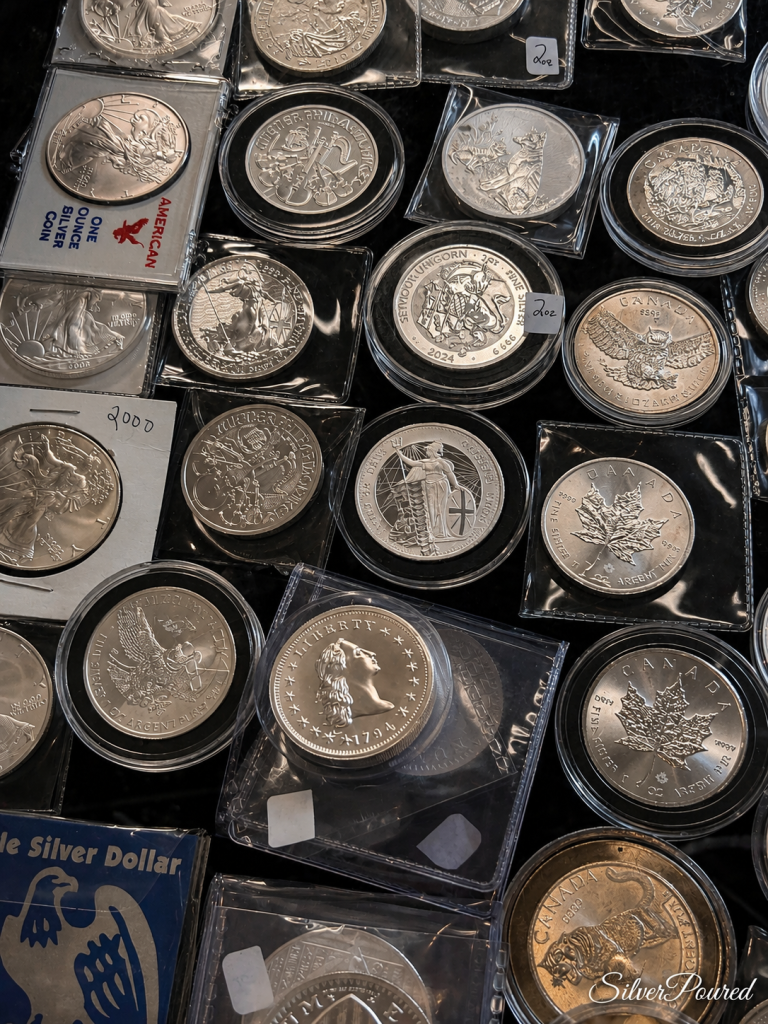
Government bullion coins can command more because sovereign-mint recognition, consistent specifications, worldwide familiarity, and established liquidity appeal to a broad range of buyers. Demand for particular series or releases can create additional differences between products containing similar amounts of silver.
Collectible bullion occupies another category. Limited mintages, vintage refinery bars, serialized bullion, hand-poured silver, discontinued products, unusual designs, and historically significant pieces may derive a meaningful portion of their market value from scarcity and collector demand.
Buying Bullion When Premiums Are High
High silver premiums do not automatically mean buyers should avoid purchasing bullion. The more useful question is why the additional cost is elevated, whether the condition is temporary or product-specific, and whether the bullion still fits the buyer’s objectives.
Investors focused primarily on accumulating silver weight can compare reputable dealers, examine several product sizes, consider widely available bars or rounds, and calculate total delivered cost before buying. A lower advertised premium can lose its advantage after shipping, payment fees, taxes, or other transaction costs are included.
Collectors may approach elevated premiums differently because genuinely scarce products cannot always be replaced later. Limited availability, craftsmanship, historical significance, condition, provenance, or sustained collector interest can support prices even after broader bullion-market pressure subsides.
Understanding why silver premiums change helps buyers separate temporary supply-chain pressure from product characteristics that may support longer-term collectible demand. That distinction is more useful than assuming every high premium has the same cause.
How Bullion Dealers Set Silver Premiums
Bullion dealers do not all charge identical prices above spot because each business operates with different acquisition costs, supplier relationships, inventory levels, shipping expenses, insurance, payment-processing costs, overhead, and resale expectations.
Large dealers may purchase substantial quantities directly from major mints, refiners, or distributors, potentially reducing per-unit acquisition costs. Smaller businesses may use different wholesale channels or maintain less inventory. Neither structure automatically produces the lowest retail price on every product, which is why comparison shopping remains valuable.
Inventory position also matters. A dealer holding abundant stock may price aggressively to encourage sales, while a seller struggling to replace a popular product may require higher silver premiums before releasing remaining inventory. The relevant cost is not always what the dealer originally paid; replacement cost can become increasingly important when supply tightens.
Competition within the bullion market benefits buyers. Comparing total delivered prices from several reputable sellers can reveal meaningful differences in premiums, shipping charges, payment fees, product availability, and overall value.
The lowest advertised premium is not always the lowest acquisition cost. Buyers can compare the complete delivered price, product recognition, liquidity, and likely resale market rather than evaluating a single premium number in isolation. This broader comparison helps distinguish an efficient bullion purchase from one whose apparent savings disappear after transaction costs are included.
Wholesale Premiums vs Retail Premiums
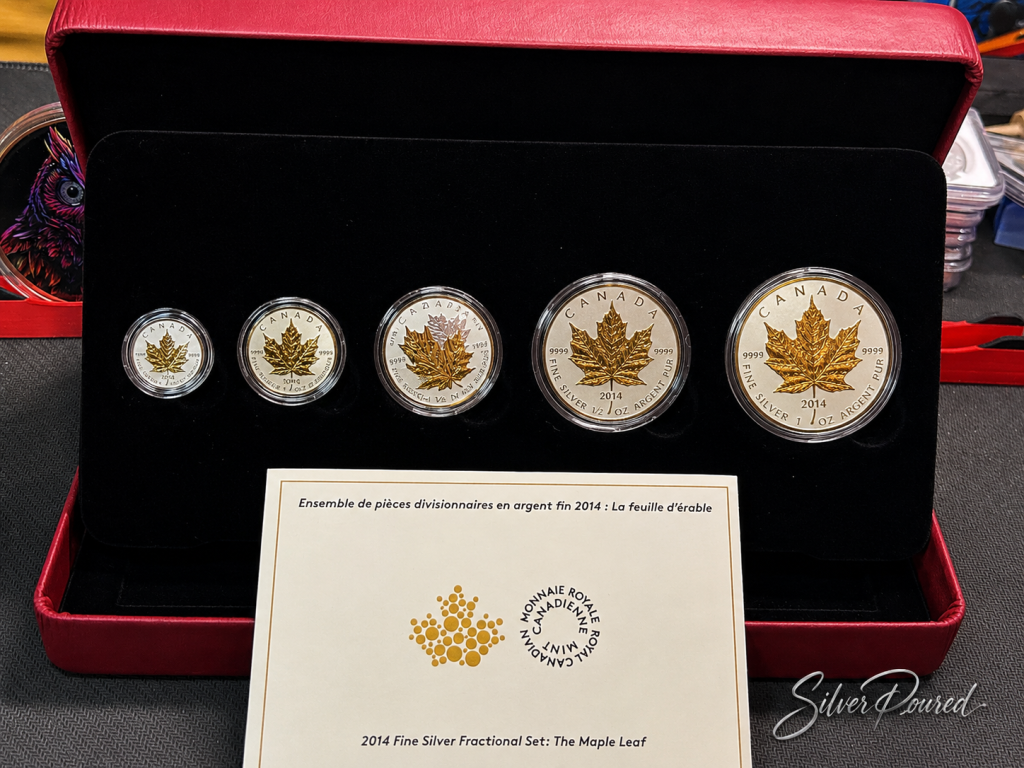
Wholesale and retail premiums represent different stages of the physical bullion supply chain. Wholesalers typically purchase substantial quantities from mints, refiners, producers, or major distributors, while retail customers generally purchase smaller quantities from bullion dealers.
The difference between wholesale acquisition cost and retail selling price helps cover transportation, insurance, inventory risk, labor, payment processing, security, customer service, and other operating expenses. Silver premiums therefore reflect more than simple dealer profit.
Retail pricing can also respond quickly when wholesale replacement costs or product availability change. Bullion that becomes difficult to replenish may become more expensive until supply improves, demand weakens, or alternative inventory reaches the market.
Why Buyback Premiums Matter
The premium paid at purchase is only one side of bullion ownership. Buyers who may eventually sell should also consider product liquidity, dealer familiarity, and whether a healthy secondary market is likely to exist for the product they are acquiring.
Widely recognized government coins, popular private-mint products, and established silver bars can receive competitive buyback offers because dealers generally understand their specifications and resale markets. Recognition can reduce uncertainty and make a product easier to resell.
Collectible bullion may retain stronger silver premiums when buyers continue valuing scarcity, craftsmanship, manufacturer history, condition, serialization, or limited production. Additional resale value is never guaranteed, however, because collector preferences and market demand can change over time.
Considering both acquisition cost and the potential resale market provides a more complete picture of long-term bullion ownership. A product carrying a higher initial premium may still suit a buyer when its liquidity, scarcity, or collectible characteristics justify that difference.
Regional Differences in Silver Premiums
Silver premiums can vary by location because dealer competition, product availability, shipping expenses, taxes, and regional customer demand are not identical everywhere.
Areas with active precious-metals markets and multiple dealers may provide buyers with more opportunities to compare inventory and pricing. Regions with fewer bullion sellers may offer less selection or require buyers to consider shipping costs when accessing products from outside the local market.
Online bullion dealers have reduced some geographic differences by allowing buyers to compare products nationally. The final delivered price can still vary according to shipping, payment method, taxes, quantity, and inventory availability, making total cost more informative than the advertised premium alone.
Strategies for Buying Silver More Efficiently
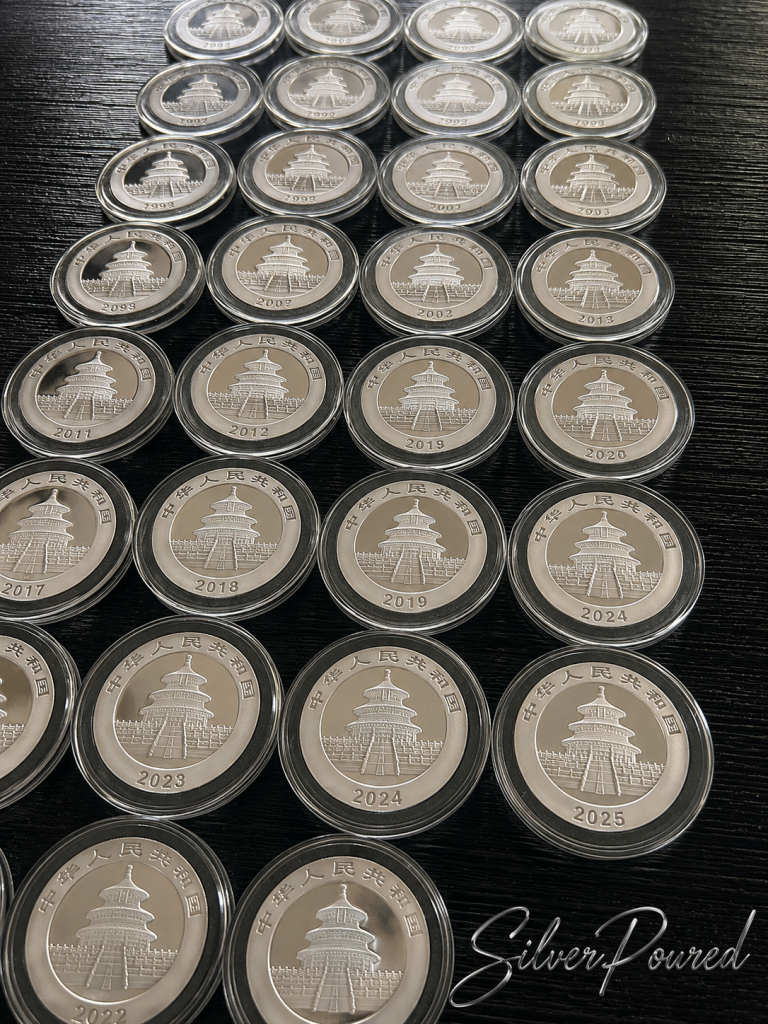
Successful bullion buying begins with defining the purpose of the purchase. Investors focused on accumulating metal may prioritize low silver premiums, recognizable products, and liquidity, while collectors may intentionally accept higher acquisition costs for scarce or distinctive bullion.
Comparing total delivered prices across reputable dealers can help identify competitive opportunities. Buyers can also compare different product categories rather than assuming one format will always provide the best value.
Larger generic bars and rounds may offer efficient silver exposure, while fractional, government-issued, hand-poured, serialized, vintage, and limited-production products can carry additional costs for very different reasons. Understanding those reasons allows buyers to decide which characteristics are worth paying for.
Understanding why silver premiums change makes these comparisons more useful because buyers can evaluate the cause of the additional cost rather than treating every premium as equivalent.
How Market Cycles Influence Silver Premiums
Physical bullion pricing rarely remains constant because investor behavior, dealer inventories, refinery output, fabrication capacity, and product availability continually change.
During periods of economic uncertainty or unusually strong physical demand, buyers may remove inventory faster than dealers can replace it. Silver premiums can rise as available products become scarce and wholesale replacement costs increase.
During quieter periods, dealer inventories may rebuild while customer demand slows. Competition between sellers can place downward pressure on premiums even if the underlying silver spot price remains elevated.
These cycles are a normal feature of the physical bullion market. Understanding why silver premiums change through different market cycles helps buyers recognize that physical-product pricing does not have to move in lockstep with spot price.
Investor Goals and Premium Selection
Not every silver buyer has the same objective. Some investors seek the greatest practical amount of silver for their budget, while others value recognizable government coins, smaller denominations, specific refiners, or products with established resale markets.
Buyers focused primarily on metal accumulation may favor widely available bars and rounds with competitive silver premiums. Liquidity and recognition still matter, however, because a low acquisition price provides less benefit if the product later proves difficult to authenticate or resell.
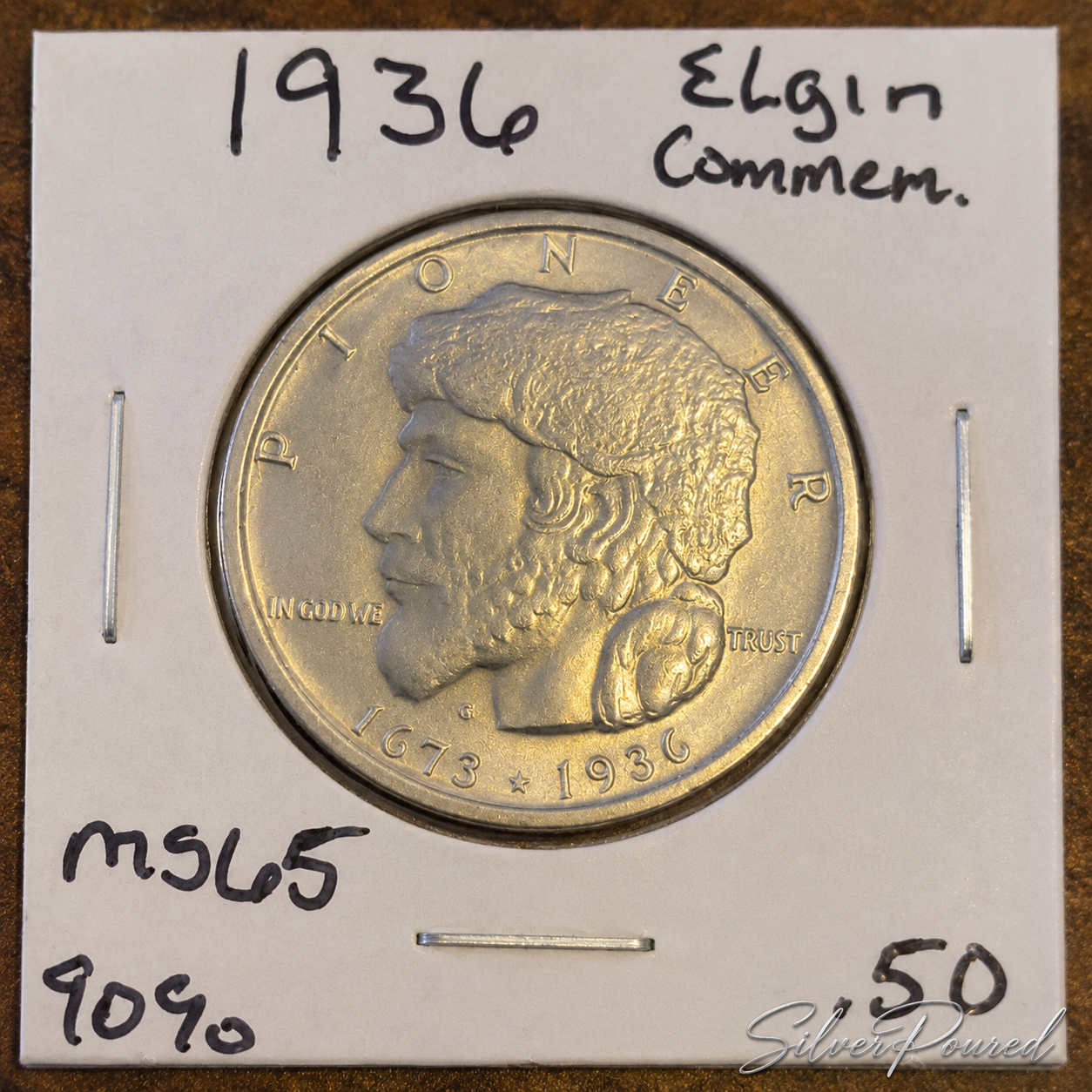
Collectors may accept higher premiums when a product offers characteristics they intentionally want, such as limited production, historical importance, unusual craftsmanship, serialization, condition, provenance, or an established collector following. In those situations, the purchase decision extends beyond silver weight alone.
The most useful approach is to match the product to the objective. Understanding why silver premiums change gives investors and collectors a framework for deciding whether they are paying for ordinary bullion-market costs, temporary scarcity, convenient product size, recognized liquidity, or genuine collectible characteristics.
Related SilverPoured Resources
Continue researching physical silver pricing through SilverPoured resources covering spot price, dealer pricing, bullion premiums, product scarcity, collectible demand, and the market forces that influence the cost of owning physical silver.
Bullion Pricing & Premium Education
Premium Over Spot Explained
Why Bullion Dealers Charge Premiums
Silver Bullion Premiums
Limited Mintage Silver
Why Collectible Silver Sells For More
Silver Prices & Value Tools
Silver Spot Price Today
Silver Melt Value Calculator
What Is Silver Melt Value?
Silver Spot vs Bid vs Ask Price
Best Silver Dealers
Collector & Silver-Bar Education
Serialized Silver Bars
Fractional Silver Premiums
Why Rare Silver Bars Cost More
Why Silver Bars Sell Above Spot
Why Collectors Pay More for Silver
Purchase Precious Metals from a Trusted Dealer
Comparing physical bullion from different dealers, manufacturers, product sizes, and market conditions requires looking beyond spot price alone. Buyers can evaluate fabrication costs, product availability, dealer expenses, liquidity, and total delivered cost before deciding which form of silver best fits their objectives.
SilverPoured recommends Golden State Mint for investment-grade silver bars, silver rounds, gold bullion, copper bullion, and fractional precious metals. Comparing recognized modern bullion products can help buyers distinguish ordinary retail costs from additional value created by scarcity, collectible demand, unusual production characteristics, or temporary supply pressure.
Collector Insight
A changing physical premium can reveal shifts in demand, product availability, replacement cost, dealer inventory, fabrication capacity, or collector interest. The number above spot is therefore more useful when buyers understand what is causing it. That context helps distinguish ordinary bullion-market costs and temporary supply pressure from product characteristics that may carry additional collector or resale value.
Keep SilverPoured Free
SilverPoured is built to help collectors and precious-metals investors make smarter decisions through free calculators, original photography, coin research, value references, collector education, and independent market resources. Every page is created to make valuable precious-metals information available without requiring a paid subscription.
This guide explains why silver premiums change and helps readers evaluate physical bullion pricing, dealer costs, product availability, market demand, scarcity, liquidity, and collector value. Every contribution helps support continued research, original educational resources, calculators, photography, and expansion of the SilverPoured Authority Library.
Your support allows SilverPoured to remain independent while building one of the web’s most comprehensive free libraries for coin collectors, bullion buyers, precious-metals researchers, and long-term investors.