
Serialized Silver Bars
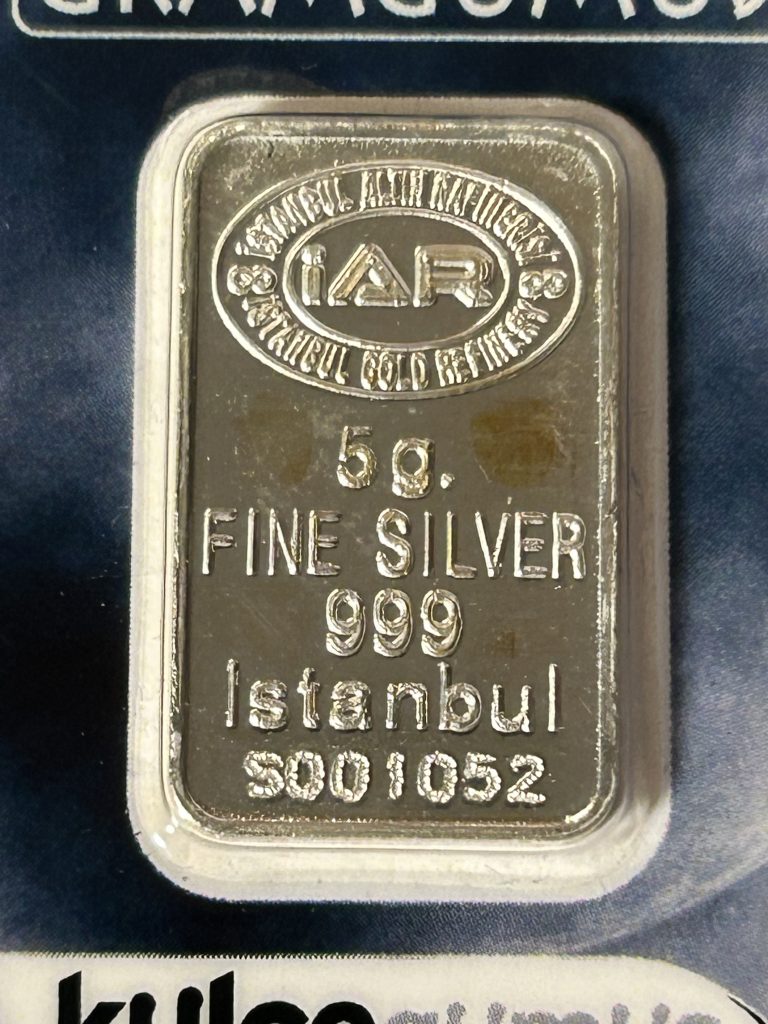
Serialized silver bars often carry higher premiums because numbered bullion products combine scarcity, collectibility, and limited production.
While generic bullion products are widely available, serialized silver bars frequently develop stronger collector demand because each bar becomes individually identifiable within the market.
As collectible bullion markets continue evolving in 2026, serialized silver bars remain one of the fastest-growing premium categories within the precious metals industry.
What Are Serialized Silver Bars?
Serialized silver bars are bullion products marked with unique serial numbers that identify individual pieces within a production run. Depending on the refiner, numbering may support production tracking, authentication, inventory control, limited-release identification, or collector marketing.
A serial number does not automatically make a bar rare. Some refiners serialize large quantities of bullion, while others use numbering for limited editions, hand-poured releases, premium product lines, or small production runs. Collectors therefore need to evaluate the serial number together with the maker, total production, condition, originality, and actual market demand.
That distinction is fundamental when evaluating serialized silver bars. Numbering makes a bar individually identifiable, but scarcity and collectibility depend on the broader product. A common numbered bar from a large production run may trade much like ordinary bullion, while a documented piece from a scarce or discontinued series can attract a substantial collector premium.
Serialization creates identity, not automatic rarity. The strongest serialized silver bars usually combine a traceable maker, documented production, recognizable characteristics, and real collector demand. A numbered bar produced by the thousands may remain common, while a smaller discontinued run can become difficult to locate. Collectors should therefore treat the serial number as one piece of evidence rather than the entire valuation argument.

Why Serialized Silver Bars Carry Higher Premiums
Serialized silver bars can carry premiums above melt value when collectors recognize attributes that extend beyond silver weight. Limited production, maker reputation, craftsmanship, condition, original packaging, provenance, and sustained secondary-market demand can all influence what buyers are willing to pay.
Scarcity matters most when it is paired with demand. A small production run does not guarantee a strong premium if few collectors want the product, while a respected discontinued series may become increasingly difficult to locate as examples move into long-term collections.
| Premium Factor | Why It Can Matter |
|---|---|
| Production Size | Smaller documented runs can limit the number of examples available to collectors. |
| Serial Number | Low, matching, consecutive, or otherwise desirable numbers may attract specialized demand. |
| Maker | Established, historic, or highly collected refiners can command stronger secondary-market interest. |
| Condition | Original surfaces, clear markings, and careful preservation can improve collector appeal. |
| Packaging and Documentation | Original assay cards, certificates, boxes, and records can support authenticity and provenance. |
| Market Demand | Premiums ultimately depend on buyers competing for the available supply. |
Low Serial Numbers, Matching Sets, and Early Runs
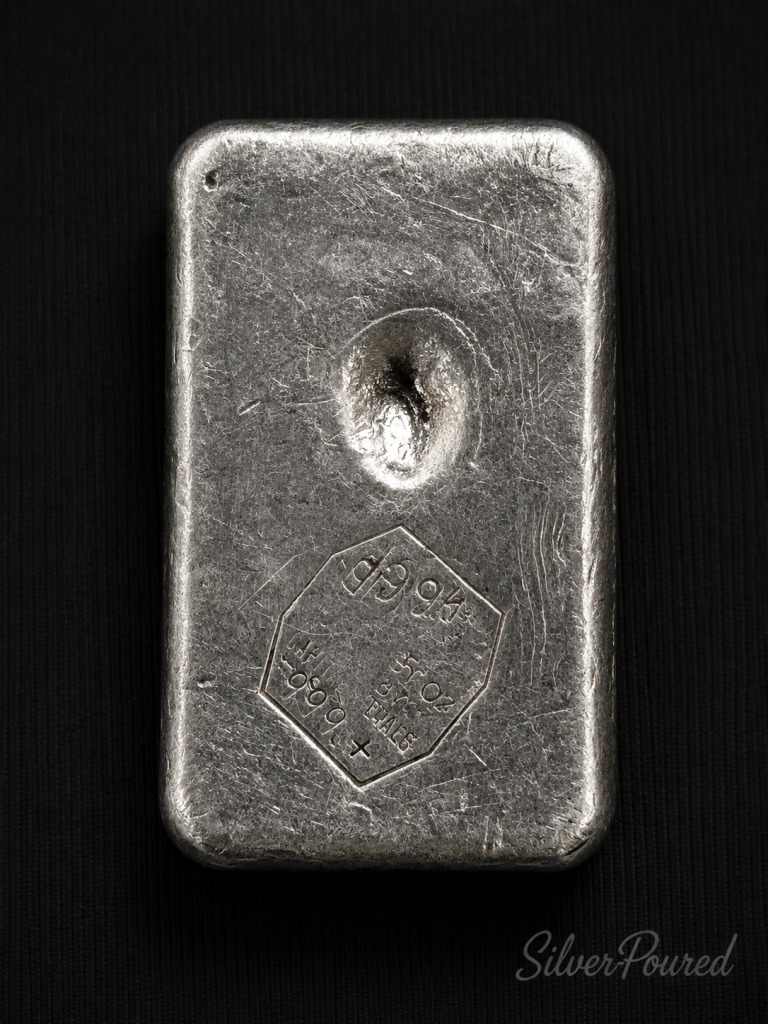
Low serial numbers can become desirable when collectors associate them with the earliest pieces in a production run. Number 1 bars, single-digit or double-digit numbers, consecutive runs, and matching numbers across related products can all create additional interest.
The serial number alone, however, does not establish value. A low number generally matters most when the underlying product already has collector demand, documented scarcity, recognizable craftsmanship, or a respected maker. Without those supporting characteristics, an early serial may add little or no meaningful premium.
Matching sets can be particularly difficult to recreate after a release has dispersed. Collectors may pursue the same serial number across different weights, designs, metals, or release years, while consecutive bars preserve a visible sequence from the original production run.
Hand-Poured and Vintage Serialized Silver
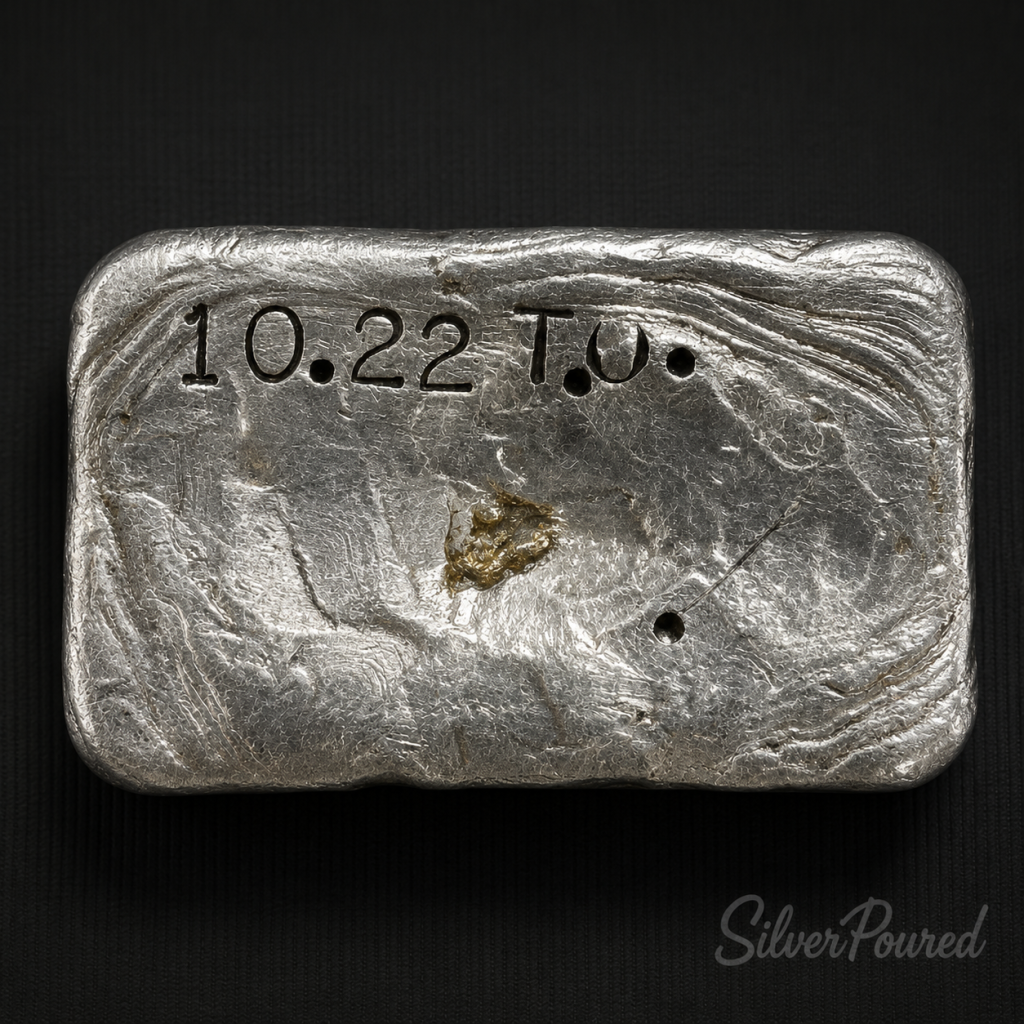
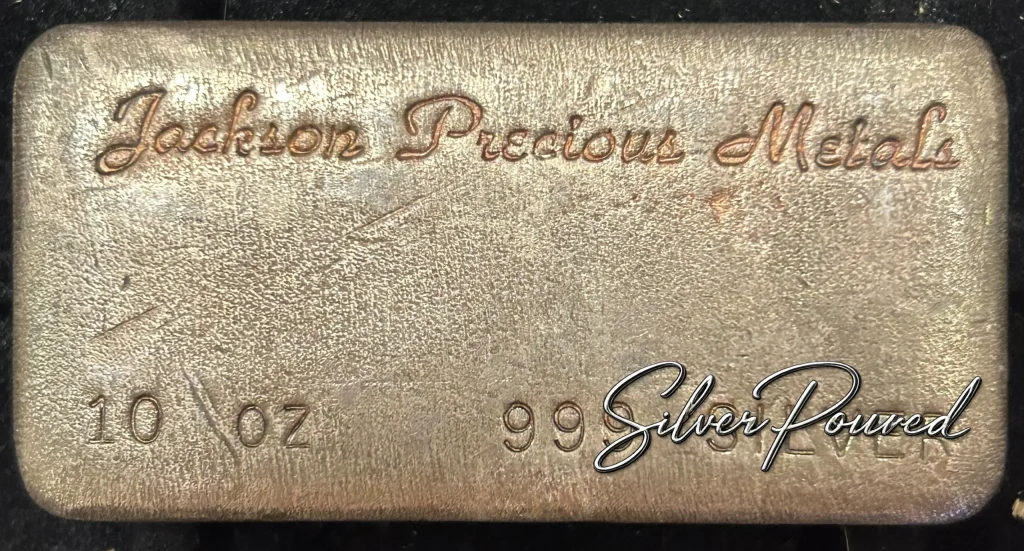
Hand-poured serialized silver combines individual numbering with production characteristics that may vary naturally from one bar to another. Cooling lines, hand stamping, surface texture, pour shape, and other artisanal details can give each piece a recognizable identity beyond its serial number.
Vintage serialized bars add another dimension because the issuing refiner, historical period, surviving supply, and production style can become collectible in their own right. Bars from discontinued refiners or older limited runs may develop premiums as available examples become harder to locate.
For both hand-poured and vintage serialized silver bars, the strongest collector markets usually develop around a combination of recognizable origin, scarcity, originality, and sustained demand. Numbering can strengthen that identity, but it works as one part of the collectible rather than as a guarantee of value.
Do Serialized Silver Bars Hold Value?
Many collectors believe serialized silver bars combine precious metals ownership with long-term collectible potential.
Limited-production bullion products often remain especially popular because scarcity and collector demand can significantly influence long-term premium pricing.
While spot price still influences bullion markets overall, numbered bullion often trade based more on rarity, scarcity, and collector demand than silver content alone.
Collectors frequently monitor the live silver spot price before purchasing serialized bullion products, but many numbered bars ultimately derive value from market desirability and limited availability.
Liquidity can also differ between buyer groups. Bullion dealers may focus primarily on silver content, while specialized collectors often place greater value on desirable serial numbers, respected makers, and documented provenance.
Authenticating Serialized Silver Bars
Authenticating serialized silver bars requires more than locating a number on the surface. Collectors should evaluate the serial number together with the maker’s hallmark, stated weight and purity, dimensions, stamping style, finish, craftsmanship, and any original packaging or documentation associated with the release.
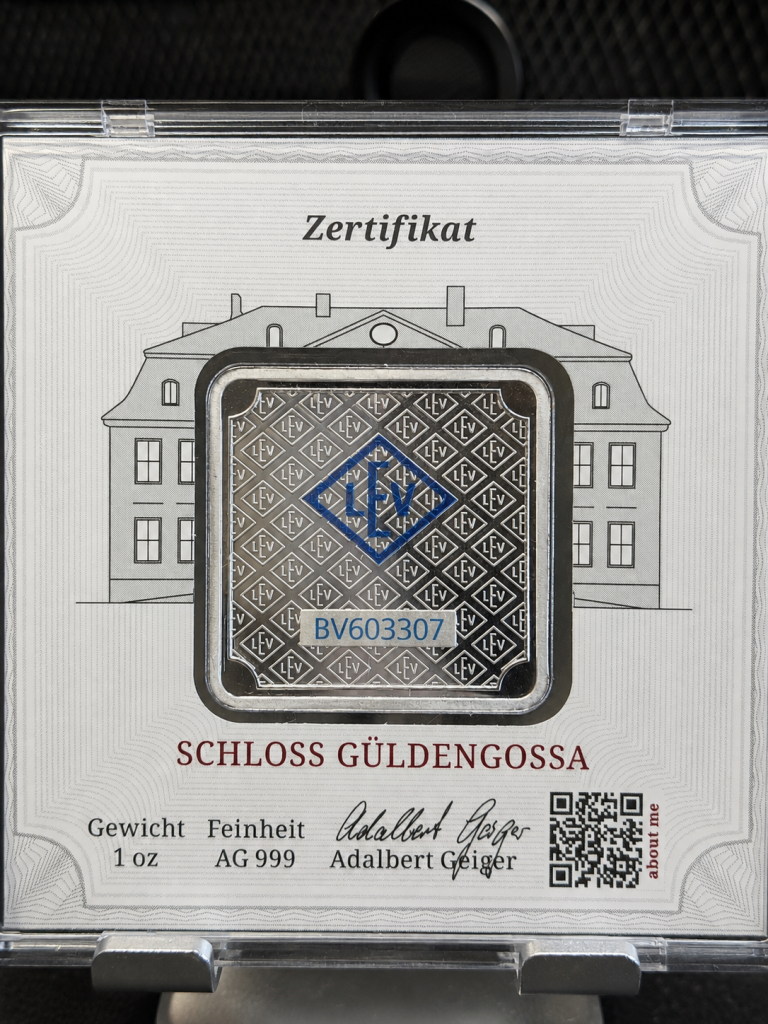
Original assay cards, certificates, refinery packaging, invoices, and photographs can strengthen confidence when they connect an individual bar with a known product or production run. Documentation is particularly useful for vintage, discontinued, limited-production, and premium bars that trade well above their intrinsic silver value.
The serial number itself should also be examined critically. A number can help identify a specific piece, but serialization alone does not prove authenticity. Incorrect weight, suspicious markings, inconsistent typography, altered surfaces, or characteristics that do not match known examples from the issuing refiner deserve additional investigation.
Authentication becomes more important as the collector premium rises. A serial number can help identify a specific bar, but it should agree with the known weight, purity, hallmark, dimensions, production style, and other characteristics of the issuing refiner. Original assay packaging or documentation can strengthen confidence, but collectors should evaluate the complete product rather than treating any single feature as proof of authenticity.
Condition and originality matter as premiums increase. Clear markings, intact surfaces, undamaged packaging, matching documentation, and documented provenance can make a premium bar easier to authenticate and more attractive during resale. Unnecessary handling or alteration may reduce collector confidence even though the underlying silver content remains unchanged.
Why Refiners Use Serial Numbers
Refiners use serial numbers to give individual bars distinct identities. Depending on the producer and product line, serialization can support production records, batch tracking, inventory control, quality assurance, authentication, or limited-release identification.
For collectors, that individual identity can connect a bar with its maker and production history. This becomes particularly useful when researching limited releases, large-format bars, private-mint products, hand-poured silver, vintage refiners, and discontinued series.
Serialization can also strengthen the secondary market by making individual pieces easier to document. A collector can record a specific bar, preserve photographs and purchase information, match it with certificates or assay packaging, and later provide that history to another buyer.
Buying and Selling Serialized Silver Bars
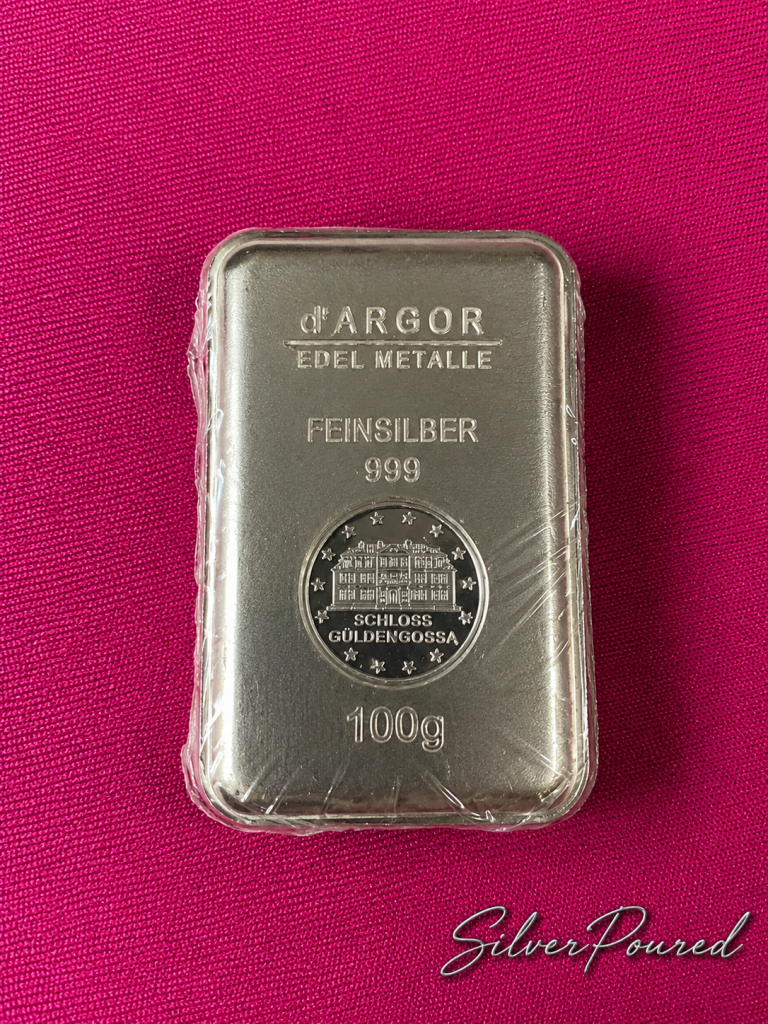
Buying serialized silver bars begins with establishing the metal-value baseline and then determining whether the individual product deserves an additional collector premium. Maker reputation, production size, serial-number appeal, condition, originality, packaging, provenance, and actual secondary-market demand should all be considered.
Comparable sales are most useful when the products are genuinely comparable. A vintage hand-poured bar should be evaluated against similar bars from the same maker or collecting category rather than against generic rounds or newly manufactured commodity bullion. Differences in condition, packaging, documentation, and serial desirability can also make superficially similar pieces trade at different levels.
Sellers should identify the likely buyer before accepting an offer. A traditional bullion buyer may concentrate primarily on weight and purity, while a specialized collector may recognize additional value in a scarce maker, low serial number, matching set, original assay package, documented provenance, or discontinued release.
That difference can affect the appropriate sales channel. Common bars may sell efficiently through ordinary bullion markets, while genuinely collectible serialized silver bars may receive stronger exposure through specialist dealers, auctions, collector communities, or marketplaces where buyers understand the attributes creating the premium.
How to Research a Serialized Silver Bar
Researching serialized silver bars works best when collectors separate what can be verified from what is merely assumed. Start with the maker or refinery, then confirm the marked weight, purity, serial number, production style, and any identifying hallmarks. Original packaging, assay cards, certificates, invoices, photographs, or archived product information can provide additional evidence when available.
Next, determine whether the serialization represents ordinary production tracking or a genuinely limited release. Serialized silver bars may carry numbers even when thousands of examples were manufactured, so a low-looking serial number should not be interpreted as proof of a tiny mintage without supporting production information.
Market research should focus on completed sales of comparable serialized silver bars rather than unrelated bullion. Compare the same maker, similar weight, production style, condition, packaging, and approximate serial desirability whenever possible. Asking prices can show what sellers hope to receive, but completed transactions provide stronger evidence of what buyers have actually paid.
Older serialized silver bars may require additional investigation because refiners disappear, records become incomplete, and collector knowledge develops gradually. Vintage-bar references, auction archives, specialist communities, historical advertisements, and surviving packaging can help establish context. When documentation is incomplete, uncertainty should be reflected in the valuation rather than replaced with assumptions.
This research process helps distinguish genuinely collectible serialized silver bars from ordinary numbered bullion. It also gives collectors a repeatable method for evaluating unfamiliar pieces before paying a substantial premium or accepting a basic melt-value offer.
Serialized Silver Bars vs. Generic Bullion
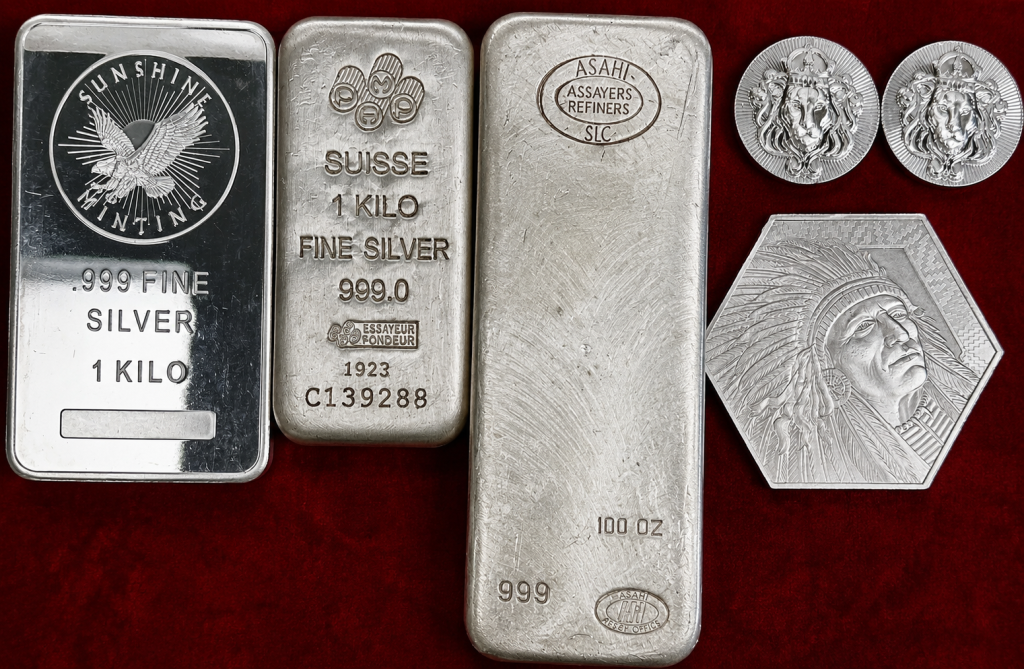
Serialized silver bars and generic bullion can contain identical amounts of silver while serving different buyers. Generic bullion is generally purchased for weight, purity, competitive premiums, and straightforward liquidity. Serialized bullion adds an identifiable product history that may create collector value beyond the underlying metal.
A generic bar is usually compared closely with the current silver spot price and competing bullion premiums. Serialized silver bars may require a second valuation layer because maker reputation, documented production, serial-number appeal, craftsmanship, originality, packaging, provenance, and collector demand can influence the market price.
| Market Characteristic | Generic Bullion | Serialized Bullion |
|---|---|---|
| Primary Identity | Silver weight and purity | Silver plus individually identifiable product |
| Typical Premium Driver | Fabrication, dealer spread, and market availability | May include scarcity, maker, serial appeal, condition, and collector demand |
| Documentation | Often secondary to metal content | Can materially strengthen authenticity and provenance |
| Buyer Base | Primarily stackers and bullion investors | Can attract both bullion buyers and specialized collectors |
| Resale Evaluation | Frequently benchmarked near prevailing bullion markets | May require comparable sales from the same maker or collecting category |
Neither category is automatically better. A stacker seeking maximum silver exposure per dollar may prefer generic bullion, while a collector may willingly pay more for a numbered product with scarcity, identity, craftsmanship, or historical interest. Understanding the distinction helps buyers avoid paying collectible premiums for features they do not value.
Popular Types of Serialized Silver Bars
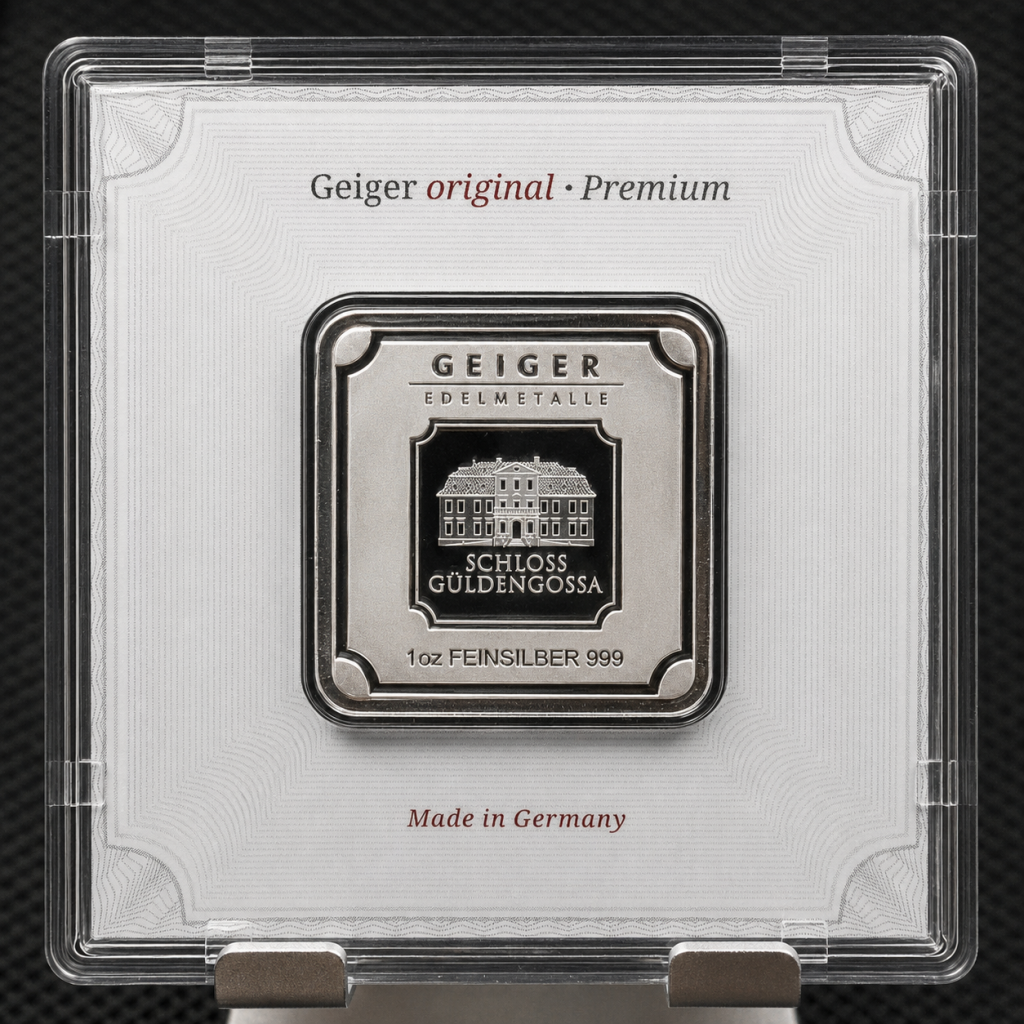
Serialized silver bars appear across several collecting categories. Modern refinery bars, hand-poured pieces, vintage bars, and intentionally limited releases can all carry serial numbers, but collectors evaluate each category differently.
| Type | Collector Characteristics |
|---|---|
| Modern Refinery Bars | Precise manufacture, clear weight and purity markings, refinery branding, serial identification, and often assay packaging. |
| Hand-Poured Bars | Individual pour characteristics, hand stamping, surface variation, craftsmanship, and frequently smaller production runs. |
| Vintage Serialized Bars | Historical refiners, discontinued products, surviving-supply considerations, and established specialist markets. |
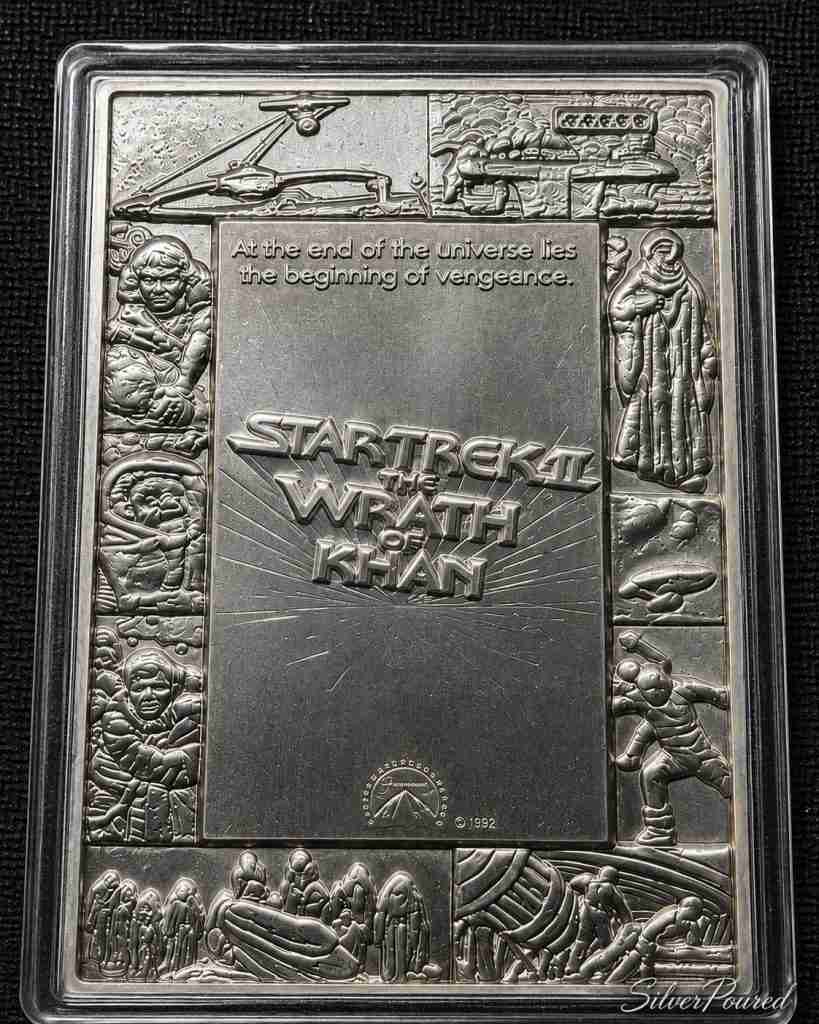
| Limited Editions | Documented production caps, themed releases, matching-set potential, and collector demand tied to a particular series. |
Modern serialized bullion often appeals to buyers who want precious-metal ownership with added traceability. Hand-poured bars attract collectors who value craftsmanship and individual production characteristics. Vintage pieces can develop markets around historical refiners and surviving supply, while limited editions depend heavily on whether collector interest persists after the original release.
The category name alone does not determine value. Two limited editions can perform very differently, just as two vintage bars from different refiners can have dramatically different collector followings. Comparable sales and actual market availability remain more useful than assumptions based only on age or serialization.
Long-Term Demand and Collector Premiums
Long-term demand for serialized silver bars depends on more than movements in the silver spot price. Once a production run ends, individual pieces can disappear into private collections for years, reducing the number of examples visibly available in the marketplace.
The market availability of serialized silver bars can shrink without the bars becoming technically rare. Examples may simply remain in long-term collections and appear for sale infrequently. That distinction matters because documented production rarity and temporary market scarcity are not the same thing. Strong premiums are easier to defend when limited availability is supported by recognized maker demand, documented production, originality, and repeated secondary-market sales.
That does not necessarily make a bar rare. Market scarcity can result from owners being unwilling to sell even when a meaningful surviving population exists. Collectors should distinguish between documented rarity, limited current availability, and temporary shortages created by unusually strong demand.
Products that combine recognized makers, limited or discontinued production, attractive condition, original packaging, clear serial numbers, documented provenance, and established collector communities are more likely to maintain interest than products whose premiums depend primarily on short-term excitement.
Matching sets and consecutive runs can become increasingly difficult to assemble as a release disperses. Once related pieces enter separate collections, recreating the original sequence may require years of searching or may no longer be practical. That difficulty can support additional demand when collectors specifically value completeness.
Common Mistakes When Evaluating Serialized Silver Bars
The most common mistake is assuming that every numbered bar is rare. Serialization establishes identity; it does not establish scarcity. Production size, surviving availability, maker reputation, condition, originality, and collector demand determine whether the number contributes meaningful additional value.
The opposite mistake is valuing every bar only by melt value. Some serialized silver bars have established collector markets that support premiums well above intrinsic silver value. Selling a desirable vintage, hand-poured, limited-production, or otherwise collectible bar strictly as generic bullion can leave substantial numismatic-style value unrecognized.
Collectors can also overpay when short-term hype is mistaken for durable demand. A newly released bar may command a large premium while supply is temporarily constrained, only for that premium to decline when initial enthusiasm fades. Completed sales over time provide better evidence than a single ambitious asking price.
Condition and originality should not be ignored. Scratches, damaged packaging, altered serial numbers, excessive handling, missing certificates, or other changes can reduce collector confidence even though the amount of silver remains the same. Original surfaces and intact supporting material are especially important when a substantial portion of the price comes from collectibility rather than metal value.
The strongest evaluation considers the complete product: silver content, maker, production size, serial-number appeal, condition, originality, documentation, provenance, comparable sales, and current collector demand. No single characteristic should be used as a substitute for the entire market picture.
Related SilverPoured Resources
Continue researching serialized silver bars through SilverPoured resources covering precious-metals production, live silver values, melt calculations, limited-mintage bullion, collector premiums, and the market forces that can make individually numbered bars trade differently from generic silver.
United States Mint Research
Philadelphia Mint
Denver Mint
San Francisco Mint
West Point Mint
Silver Coin Values
Silver Prices & Value Tools
Silver Spot Price Today
Silver Melt Value Calculator
What Is Silver Melt Value?
Silver Spot vs Bid vs Ask Price
Best Silver Dealers
Collector & Premium Education
Limited Mintage Silver
Why Serialized Bullion Costs More in 2026
Why Collectible Silver Sells For More
Why Silver Premiums Change
Why Bullion Dealers Charge Premiums
Purchase Precious Metals from a Trusted Dealer
Serialized silver bars can carry collector premiums based on scarcity, maker reputation, serial-number appeal, condition, packaging, and demand, while modern bullion is often purchased primarily for metal weight and purity. Understanding that distinction helps buyers compare collectible numbered products with readily available investment bullion.
Golden State Mint offers modern silver bars, rounds, gold, copper, and other physical precious metals for collectors and investors. Comparing current bullion products with serialized silver bars can help buyers understand how metal value, fabrication premiums, availability, and collector demand contribute to different market prices.
Collector Insight
The strongest way to evaluate serialized silver bars is to separate the value of the silver from the value of the collectible product. Weight and purity establish the metal baseline, while maker reputation, documented production, serial-number appeal, originality, packaging, provenance, condition, and sustained collector demand determine whether a particular bar deserves an additional premium.
Keep SilverPoured Free
SilverPoured is built to help collectors and precious-metals investors make smarter decisions through free calculators, original photography, coin research, value references, collector education, and independent market resources. Every page is created to make valuable precious-metals information available without requiring a paid subscription.
This serialized silver bars resource combines collector education with research into authentication, scarcity, provenance, premiums, serial-number appeal, condition, and the differences between collectible bullion and generic silver. Every contribution helps fund continued precious-metals research, original photography, calculator development, production updates, and expansion of the free SilverPoured Authority Library.
Your support allows SilverPoured to remain independent while building one of the web’s most comprehensive free libraries for coin collectors, bullion buyers, precious-metals researchers, and long-term investors.