
What Is the San Francisco Mint?
The San Francisco Mint is one of the most historic and recognizable facilities operated by the United States Mint. Located in San Francisco, California, it has produced circulating coins, gold coins, silver coins, commemoratives, proof coinage, medals, and collector favorites identified by the distinctive S mint mark.
Unlike the Philadelphia Mint, which established the nation’s first federal coinage system, or the Denver Mint, which grew from the Colorado Gold Rush, the federal mint in San Francisco owes its origins to one of the most significant events in American history—the California Gold Rush. The discovery of gold at Sutter’s Mill in 1848 transformed California almost overnight and created an urgent need for a federal facility capable of processing precious metals and producing official United States coinage.
The California Gold Rush reshaped the American economy, accelerated westward expansion, and established San Francisco as one of the country’s most important financial centers. Federal coin production in the city became an essential part of that transformation by converting newly discovered precious metals into trusted United States coinage.
Today, collectors encounter S-mint coins across many of the most popular United States coin series. Whether studying Morgan Dollars, Peace Dollars, Lincoln Cents, Mercury Dimes, Washington Quarters, commemorative issues, or modern proof coinage, understanding the facility’s history helps identify the S mint mark, evaluate rarity, understand mintages, and place each coin within the broader history of American numismatics.
San Francisco Mint Key Facts
| Category | San Francisco Mint Details |
|---|---|
| Location | San Francisco, California |
| Mint Mark | S |
| Original Purpose | Process gold from the California Gold Rush |
| Current Role | Produces proof coinage, commemorative coins, medals, and other collector products |
| Collector Importance | One of the most historic United States Mint facilities |
| Historic Beginning | San Francisco Assay Office |
| Operating Status | Active United States Mint facility |
San Francisco Mint By the Numbers
| Statistic | San Francisco Mint |
|---|---|
| Mint Mark | S |
| Original Facility | San Francisco Assay Office |
| Federal Mint Status | Established following the California Gold Rush |
| Coins Produced | Billions throughout its history |
| Primary Products | Gold coins, silver coins, proof coinage, commemoratives, medals, and selected circulating issues |
| Still Operating | Yes |
For more than a century and a half, the federal coinage facility in San Francisco has remained an important part of the nation’s minting system. Although its role has evolved over time, it continues producing coins sought after by collectors around the world.
Its legacy extends beyond production totals, representing the California Gold Rush, western expansion, Pacific commerce, and many of the most famous coins struck by the United States Mint. More than a manufacturing facility, the San Francisco Mint became a lasting symbol of federal stability, economic confidence, and the nation’s ability to transform newly discovered natural resources into a trusted monetary system.
Why the San Francisco Mint Matters
The San Francisco Mint occupies a unique position within American coinage because its history is inseparable from the California Gold Rush. As thousands of prospectors arrived seeking fortune, enormous quantities of newly discovered gold required secure processing and official conversion into United States coinage.
Collectors pursue S-mint coins through complete date-and-mint collections, famous Morgan Dollars, key-date Lincoln Cents, classic gold coins, proof coinage, and historic commemoratives.
Many experienced numismatists study the facility as a production center rather than simply collecting individual coins. Understanding where and why a coin was struck often provides valuable context for rarity, market demand, and long-term collector interest.
Because the facility produced many of America’s most recognizable coins, understanding its history helps collectors identify coins, research values, evaluate rarity, and appreciate its lasting influence on American numismatics.
The California Gold Rush
The discovery of gold at Sutter’s Mill in 1848 transformed California and created the economic conditions that led directly to federal minting operations in San Francisco. Prospectors, merchants, bankers, shipping companies, and entrepreneurs poured into the region as enormous quantities of newly mined gold entered commerce.
San Francisco expanded rapidly from a small settlement into a major financial and commercial center. Gold dust and privately refined bullion circulated throughout the region, but differences in weight and purity made raw precious metal difficult to use consistently in everyday transactions.
Private assayers and coin issuers helped fill that gap during the early Gold Rush. Firms such as Moffat & Co. and Kellogg & Co. produced privately issued gold pieces and bullion that supported regional commerce before federal coin production became firmly established in California.
Those private issues served an important purpose, but a rapidly expanding economy ultimately required standardized federal money. Official assaying and coin production provided uniform standards for weight, purity, denomination, and legal status while reducing the risks associated with transporting large quantities of raw gold across the country.
The California Gold Rush therefore did more than create a mining boom. It accelerated western expansion, transformed Pacific commerce, strengthened San Francisco’s financial importance, and created an urgent need for permanent federal precious-metals operations on the West Coast.
The California Gold Rush created the economic need for the San Francisco Mint. As locally mined gold entered commerce in enormous quantities, federal assaying and coin production provided standardized weight, purity, denomination, and public confidence that private regional systems could not provide on the same national scale.

From Assay Office to the San Francisco Mint
Before federal coin production began in San Francisco, precious metals arriving from California’s mining districts were evaluated through federal assaying operations. An assay office could test and refine gold and silver, but a full mint added the ability to transform refined bullion into official United States coins.
Assaying established the fineness and value of deposited metal. Minting added another level of standardization by producing coins to legal requirements for composition, weight, denomination, and design. As California’s economy expanded, the distinction became increasingly important.
Congress authorized a branch mint in San Francisco, and coin production began in 1854. Locating federal coin production close to California’s gold fields reduced transportation burdens and allowed western precious metals to enter the national monetary system more efficiently.
Augustus Humbert played an important role in the period preceding the branch mint as United States Assayer of Gold in California. His work with officially assayed California gold represents an important bridge between the region’s private Gold Rush economy and permanent federal coin production.
San Francisco Assay Office vs. San Francisco Mint
| Feature | Assay Office | Mint |
|---|---|---|
| Primary Function | Test and refine precious metals | Produce official United States coinage |
| Determine Fineness | Yes | Yes, as part of precious-metal operations |
| Refine Bullion | Yes | Yes |
| Strike Federal Coins | No | Yes |
| Produce Legal-Tender Coinage | No | Yes |
| Historical Role | Helped establish federal precious-metal operations in California | Established permanent federal coin production on the Pacific Coast |
An assay office and a mint are not interchangeable. The assay office evaluated and refined precious metals; the San Francisco Mint could take refined metal through the additional manufacturing process required to produce official United States coinage. That distinction is central to understanding how federal monetary infrastructure developed in Gold Rush California.
History of the San Francisco Mint
Federal coin production began in San Francisco in 1854 and became a permanent part of the nation’s monetary infrastructure during one of the most dramatic periods of western expansion. Early work centered heavily on precious metals flowing from western mines, particularly gold.
As the United States economy and coinage system evolved, the facility’s responsibilities changed. San Francisco produced gold and silver coinage, circulating denominations, commemorative issues, and eventually became especially important for proof and other collector coinage.
The San Francisco Mint also reflects the changing technology of American coin production. Nineteenth-century refining and mechanical coin presses eventually gave way to increasingly precise manufacturing, modern quality control, and specialized production methods used for contemporary collector issues.
San Francisco Mint Timeline
| Year / Period | Historical Milestone |
|---|---|
| 1848 | Gold is discovered at Sutter’s Mill, accelerating the California Gold Rush. |
| Early 1850s | Federal assaying operations process precious metals in California. |
| 1854 | The San Francisco branch mint begins producing United States coinage. |
| 1874 | Coining operations move into the building later known as the “Granite Lady.” |
| 1906 | The Granite Lady survives the San Francisco earthquake and fire. |
| Modern Era | The facility becomes strongly associated with proof coinage, commemoratives, medals, and collector products. |
| Today | San Francisco remains an active United States Mint production facility. |
Historic San Francisco Mint Buildings
Federal minting operations in San Francisco have occupied multiple facilities as production demands and technology changed. The original branch mint served the immediate needs created by the Gold Rush, but growing quantities of bullion and expanding coin production eventually required a larger, more secure building.
The best-known historic facility is the second San Francisco Mint building, commonly called the “Granite Lady.” Completed in the nineteenth century, it became famous for surviving the catastrophic 1906 San Francisco earthquake and the fires that devastated much of the surrounding city.
Its survival mattered for more than architecture. The building protected substantial federal precious-metal reserves while damaged banks, disrupted transportation, and widespread fires threatened normal commerce throughout San Francisco.
The active San Francisco Mint operates from a later facility, while the historic Old Mint remains an important physical connection to the city’s Gold Rush and monetary history. Together, the buildings document the evolution from emergency western precious-metal processing to modern collector-coin production.
The Granite Lady’s survival during the 1906 earthquake and fire preserved more than a historic building. Protecting federal bullion reserves during a regional financial emergency helped maintain confidence and continuity when much of San Francisco’s commercial infrastructure had been severely damaged.
Where Is the San Francisco Mint?
The San Francisco Mint is located in San Francisco, California, overlooking one of the world’s most important natural harbors. Its location made it ideally suited to support the growing mining economy while serving as a gateway for commerce throughout the Pacific region.
The city’s connection to international trade, shipping, banking, and precious metals helped establish San Francisco as one of America’s most influential financial centers during the nineteenth century. Positioned on the Pacific Coast, the city became the principal gateway between the western United States and rapidly expanding trade throughout Asia and the Pacific. The San Francisco Mint strengthened that role by converting California’s precious metals into standardized United States coinage trusted in commerce both domestically and abroad.
Today, the San Francisco Mint continues supporting the United States Mint through collector coin production. Although the active mint facility is not open to the public, collectors visiting San Francisco can still explore the city’s rich Gold Rush history, the historic Old Mint, museums, and other landmarks closely connected to the development of American coinage.
For many collectors, visiting these historic locations provides a deeper appreciation for the coins themselves. Seeing where California’s precious metals were refined, assayed, and eventually transformed into official United States coinage helps connect individual coins to the people, places, and events that shaped American monetary history.
Visiting the San Francisco Mint
Although modern production operations have changed over time, the San Francisco Mint remains one of the most recognized historic mint facilities in the United States.
Collectors visiting San Francisco often explore the area’s rich numismatic history alongside museums, historic landmarks, and Gold Rush sites that illustrate the city’s remarkable transformation during the nineteenth century.
Understanding the historical setting provides valuable context for appreciating the coins produced there and the important role California played in shaping the nation’s monetary system.
What Is the S Mint Mark?
The S mint mark identifies coins struck at the San Francisco Mint. Collectors use it to distinguish coins of the same date and denomination produced at different facilities, research original mintages, identify important varieties, and determine whether a particular issue belongs to a scarcer or more desirable date-and-mint combination.
The location of the S mint mark depends on the denomination and design. Some series place it on the obverse, while others use the reverse, and design changes can alter its position over time. Collectors should identify the coin series first and then verify the correct mint-mark location for that specific design.
The S mint mark is strongly associated with modern proof coinage, but it does not automatically mean a coin is a proof or a rarity. The San Francisco Mint also produced large quantities of circulation coinage during earlier periods, and many S-mint issues remain readily available.
Coins Produced at the San Francisco Mint
The San Francisco Mint has produced an exceptionally broad range of United States coinage. Collectors encounter the S mint mark on classic gold and silver coins, circulating denominations, commemoratives, proof coinage, and special collector issues.
| Notable San Francisco Issue | Collector Importance |
|---|---|
| 1893-S Morgan Dollar | Major key date of the Morgan Dollar series. |
| 1894-S Barber Dime | Legendary rarity with an extremely small original mintage. |
| 1909-S VDB Lincoln Cent | Famous first-year Lincoln Cent issue bearing Victor D. Brenner’s initials. |
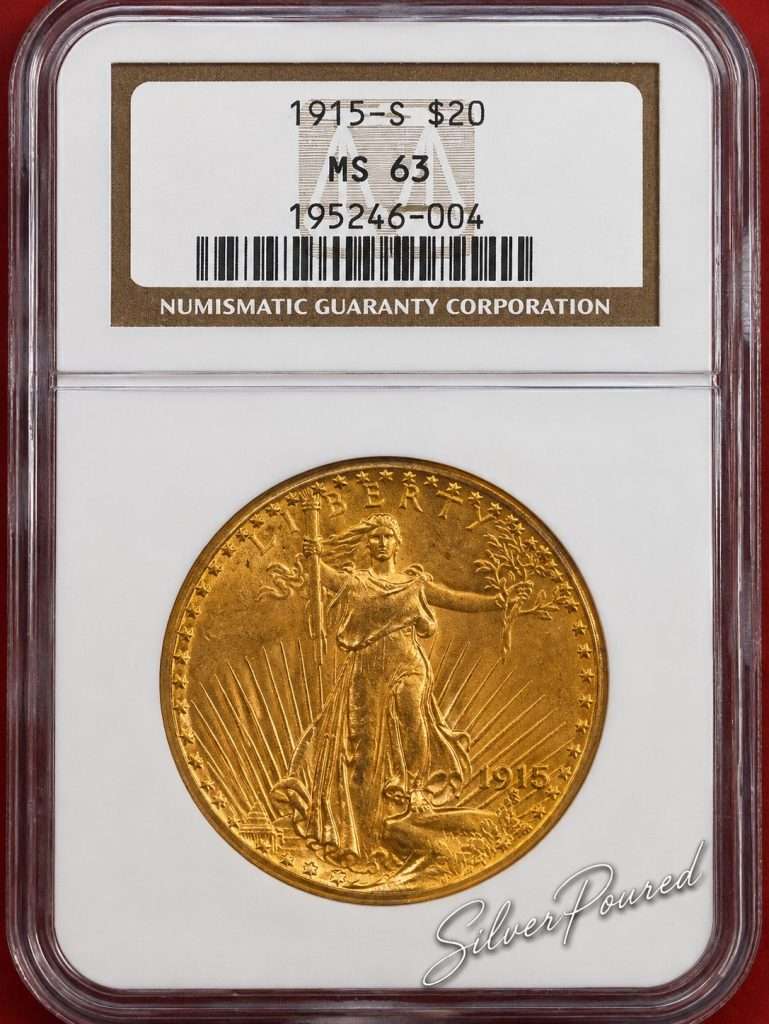
| 1915-S Panama-Pacific Issues | Historic commemorative coinage connected with the Panama-Pacific International Exposition. |
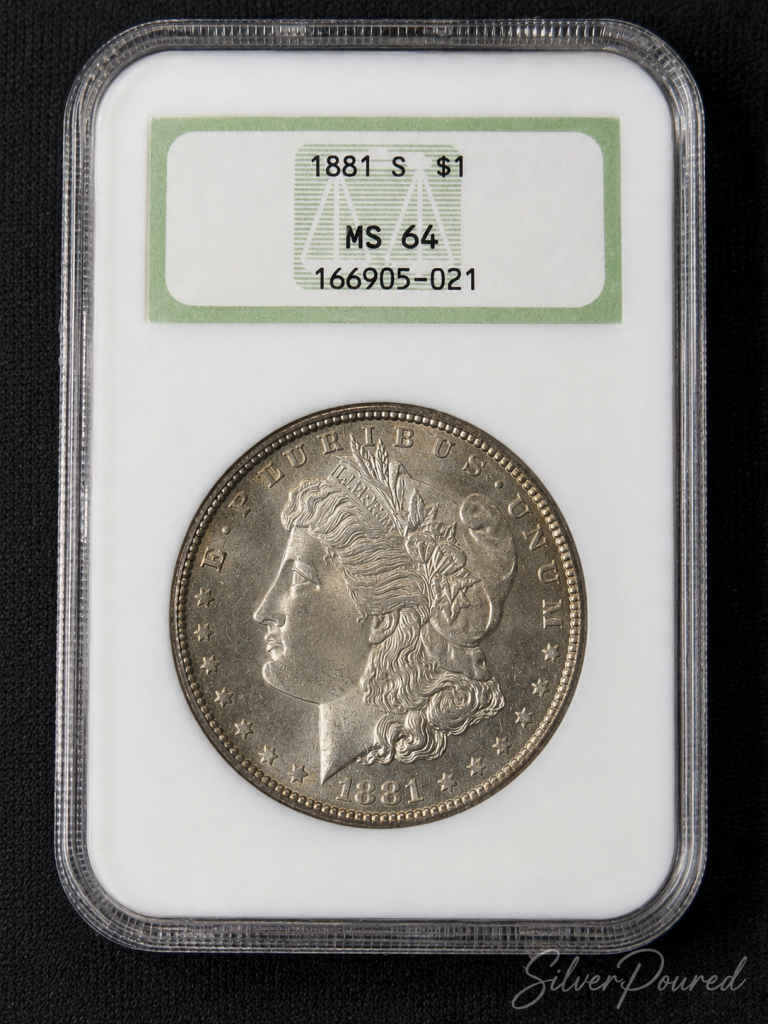
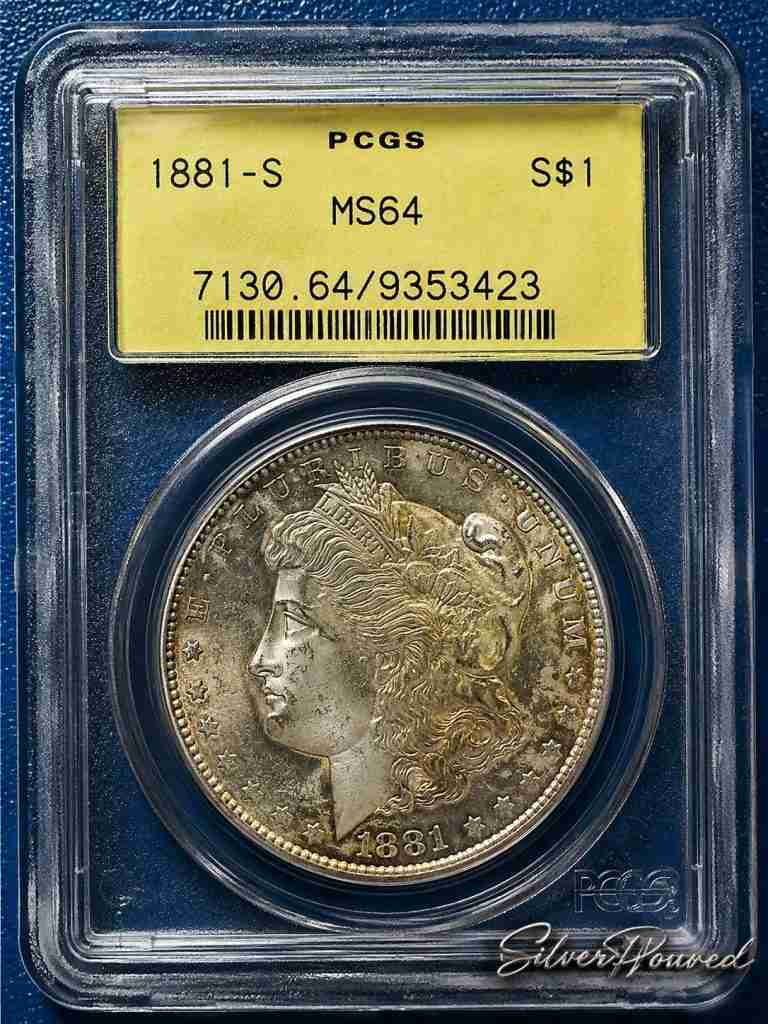
| 1881-S Morgan Dollar | Widely recognized for frequently attractive strikes and luster. |
Morgan Dollars are among the best-known products of the San Francisco Mint. Many S-mint Morgans are admired for strong strikes and attractive luster, although date, grade, originality, rarity, and eye appeal must still be evaluated coin by coin.
San Francisco also produced important Lincoln Cents, dimes, quarters, half dollars, gold coins, commemoratives, and modern collector issues. That breadth makes the facility relevant to collectors across nearly every major area of United States numismatics.
What Makes San Francisco Mint Coins Valuable?
A San Francisco Mint coin is not valuable simply because it carries an S mint mark. Market value depends on the individual issue and the interaction of rarity, condition, collector demand, precious-metal content, varieties, and actual availability.
| Value Factor | Why It Matters |
|---|---|
| Date & Mint | Specific date-and-mint combinations can be substantially scarcer than others. |
| Original Mintage | Provides historical production context but does not establish surviving rarity by itself. |
| Survival Rate | Melting, circulation, loss, and damage can reduce the number of desirable survivors. |
| Grade | Better-preserved coins may become condition rarities even when lower-grade examples are available. |
| Originality & Eye Appeal | Natural surfaces, attractive luster, toning, and visual quality can influence collector demand. |
| Precious-Metal Content | Gold and silver establish intrinsic value for precious-metal issues. |
| Errors & Varieties | Recognized Mint-made varieties or errors may command additional premiums. |
| Certified Population | Population reports provide useful evidence but are not complete censuses. |
| Market Availability | How frequently desirable examples actually appear for sale can affect market value. |
Original mintage should therefore be treated as one piece of evidence rather than a complete measure of rarity. A relatively large-mintage coin may become difficult to locate in exceptional condition, while a lower-mintage issue may remain available because collectors preserved substantial numbers.
Certified population reports also require context. Coins can be resubmitted, many survivors remain ungraded, and population totals do not reveal how often attractive examples actually reach the market. Experienced collectors compare mintage, survival, grade distribution, completed sales, and current availability together.
The S mint mark identifies where a coin was struck; it does not determine value by itself. When evaluating a San Francisco Mint coin, identify the exact date and denomination first, then compare mintage, surviving population, grade, originality, collector demand, and actual market availability before deciding whether the issue is genuinely scarce.
Rare San Francisco Mint Coins, Errors, and Varieties
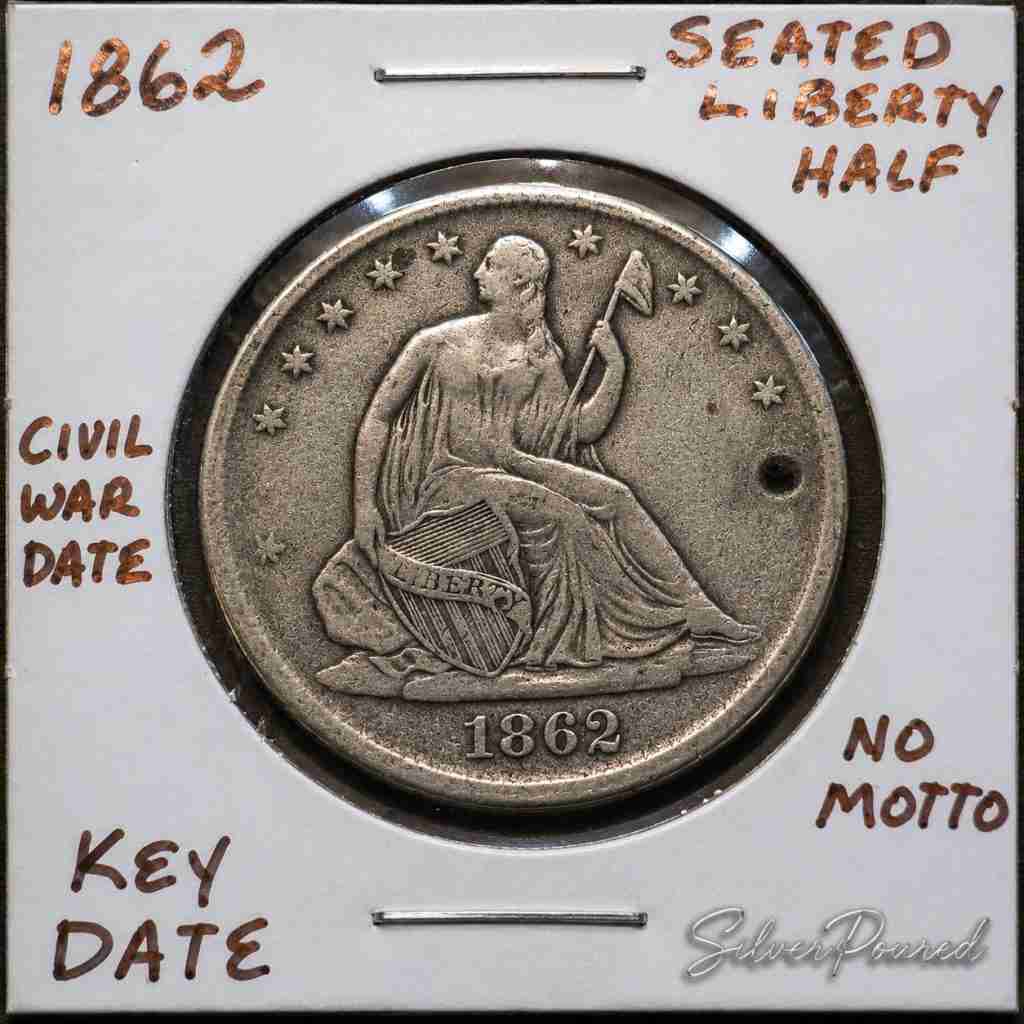
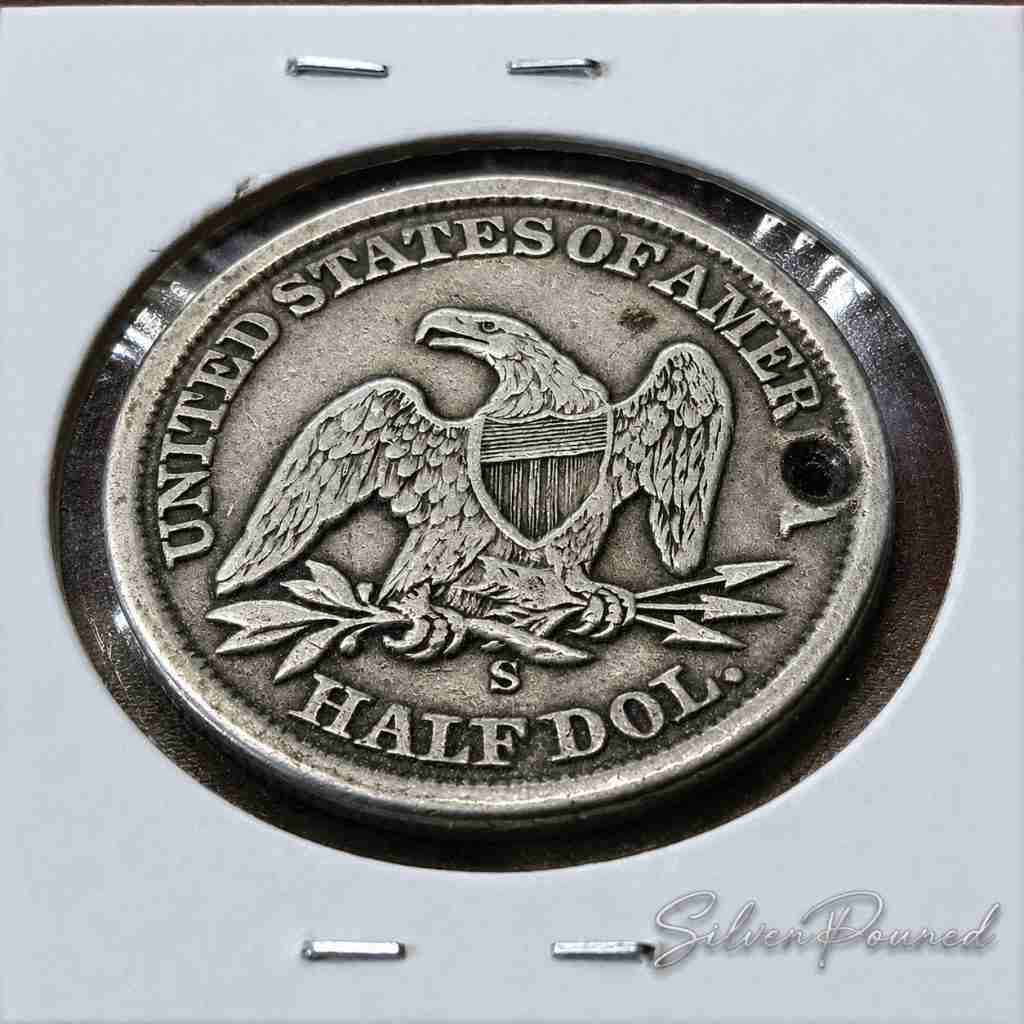
Some San Francisco Mint issues rank among the most famous rarities in American numismatics. Others become desirable because of condition rarity, attractive original surfaces, important historical associations, or recognized die varieties.
Collectors also search S-mint coinage for doubled dies, repunched mint marks, die cracks, off-center strikes, clipped planchets, and other Mint-made anomalies. Proper attribution is essential because circulation damage and post-mint alteration do not become collectible errors simply because they look unusual.
Historically important San Francisco gold and silver coins can combine several sources of demand at once: precious-metal content, scarcity, regional history, grade, originality, and collector interest. That combination helps explain why certain S-mint issues trade far above intrinsic metal value.
Proof Coinage at the San Francisco Mint
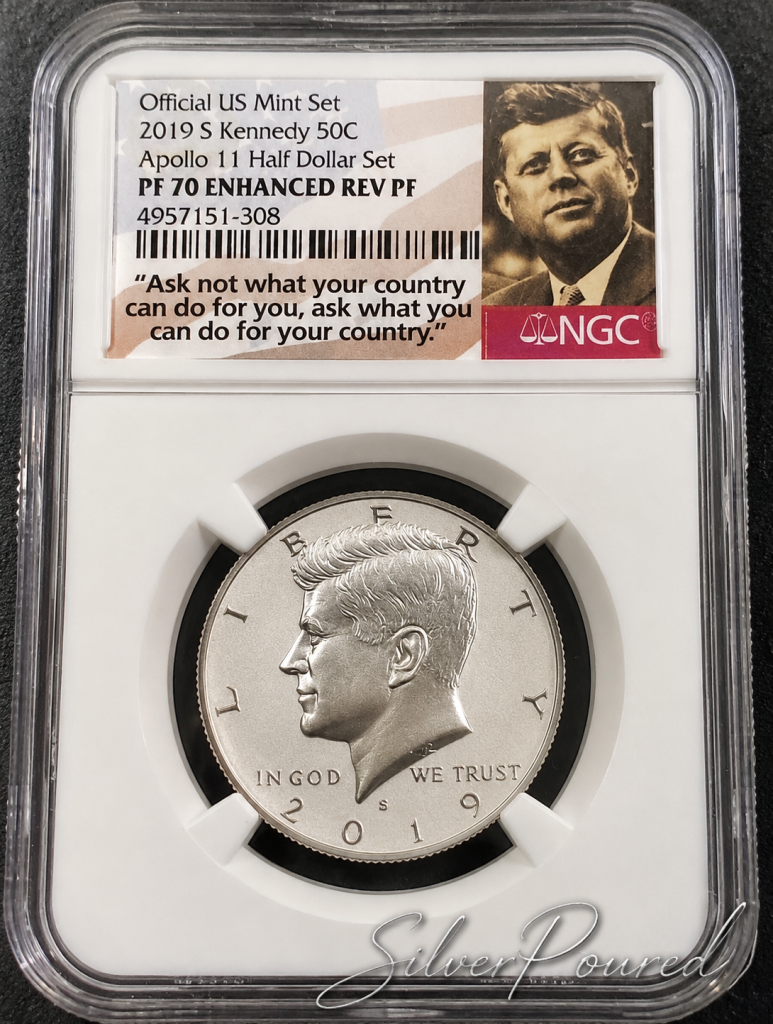
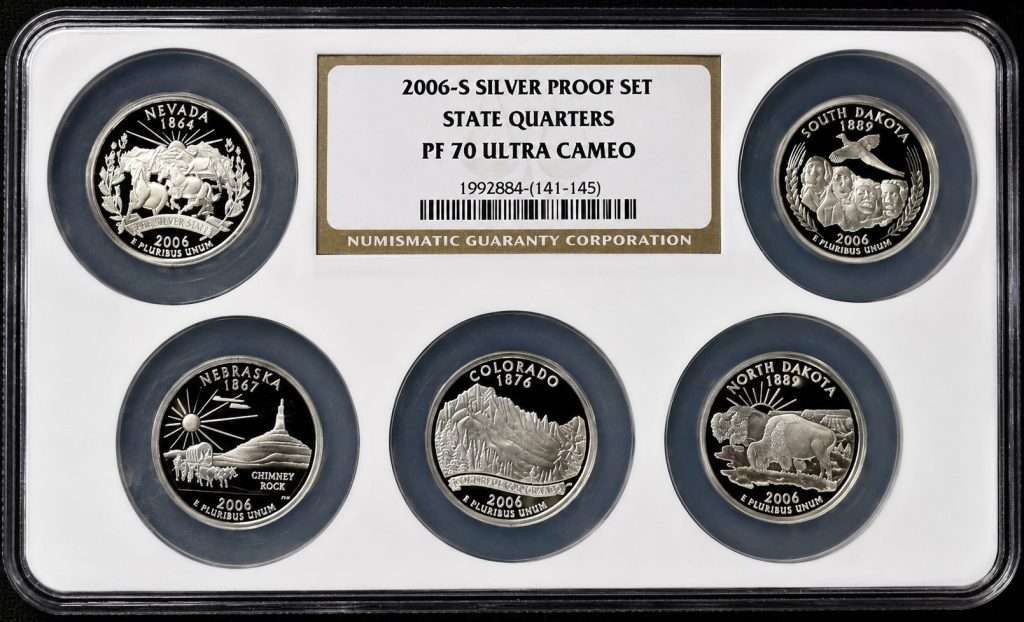
The San Francisco Mint is especially important to modern collectors because of its long association with proof coinage. Proof coins are manufactured using specialized preparation and striking techniques intended to produce sharply defined designs and carefully finished surfaces for collectors.
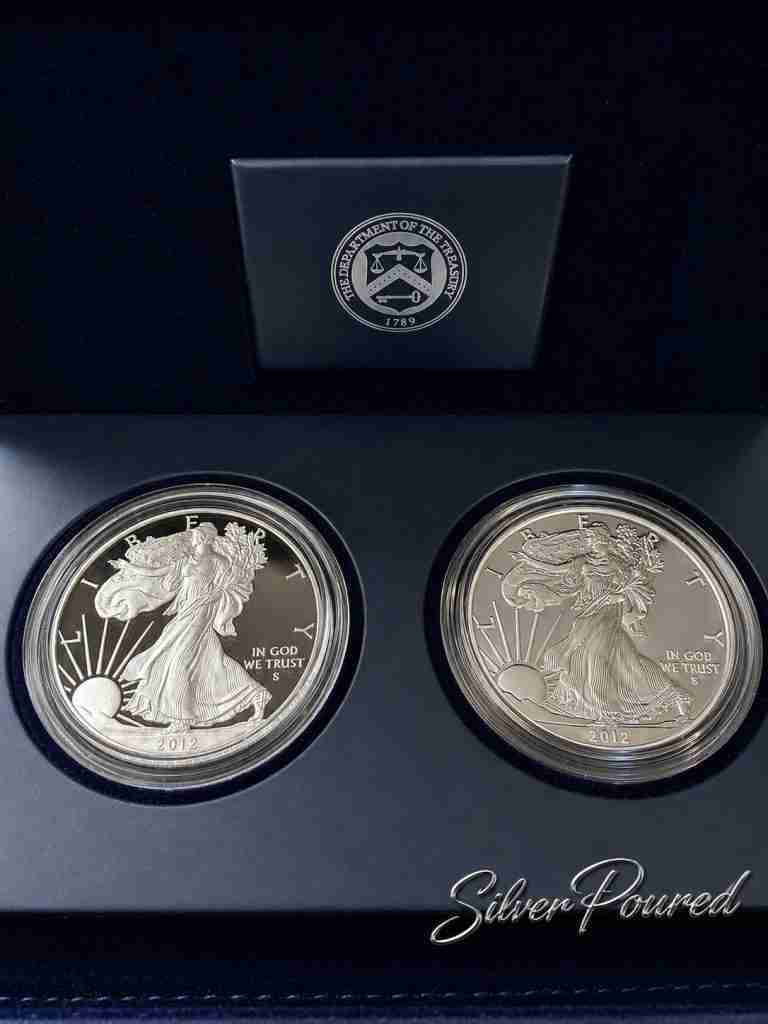
Proof describes a method of manufacture rather than a numerical grade. A proof coin can still develop haze, spots, fingerprints, hairlines, or other surface problems, so preservation and originality must be evaluated independently from the proof designation.
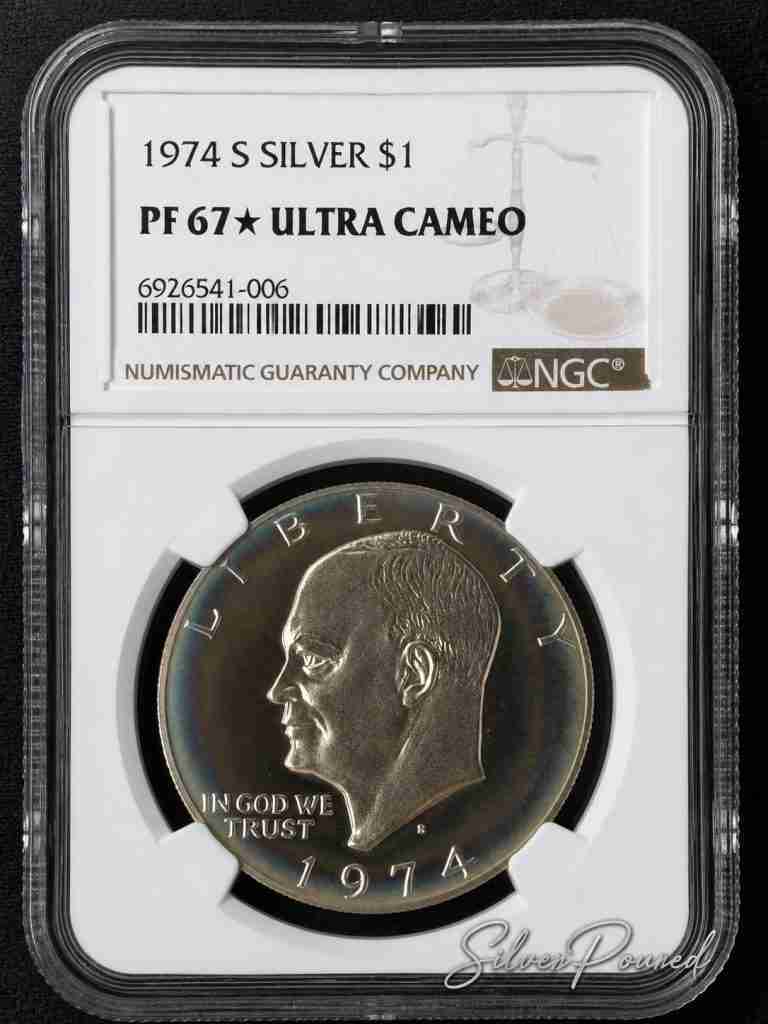
Modern proof sets, silver proof sets, commemoratives, and special collector releases have introduced generations of collectors to the S mint mark. This continuing role gives the San Francisco Mint a direct connection between nineteenth-century precious-metal coinage and today’s collector market.
Proof is a manufacturing method, not a guarantee of perfect condition. A San Francisco Mint proof can still show haze, spotting, hairlines, fingerprints, or other impairments. Evaluate the individual coin’s preservation and originality separately from the fact that it was produced as a proof.
Collector Checklist
Historic S-mint coins range from heavily circulated nineteenth-century issues to modern proofs preserved specifically for collectors. A consistent evaluation process helps separate genuine rarity and quality from assumptions based only on date, appearance, or the presence of an S mint mark.
| Collector Check | What to Evaluate |
|---|---|
| Date and Mint Mark | Confirm the exact issue and verify that the mint mark is correct for the denomination, design, and year. |
| Authenticity | Look for signs of counterfeiting, alteration, added or removed mint marks, and other problems that can affect significant coins. |
| Originality | Examine surfaces for cleaning, polishing, artificial toning, damage, or other alterations. |
| Grade | Evaluate wear, marks, strike quality, luster, preservation, and overall eye appeal. |
| Rarity | Consider original mintage together with survival, grade distribution, varieties, and actual market availability. |
| Market Evidence | Compare appropriate completed sales and current offerings rather than relying on an isolated asking price. |
| Certification | For valuable or frequently counterfeited issues, reputable third-party authentication and grading can provide important additional information. |
The checklist is especially useful when comparing coins that appear similar at first glance. Two examples of the same date and denomination can differ substantially in value because of grade, originality, strike, variety, certification, or eye appeal.
Grading, Preservation, and Collector Knowledge
Learning how coins are graded is essential when studying historic S-mint issues. Circulated grades reflect progressively greater wear, while Mint State and Proof coins are evaluated through characteristics such as surface preservation, luster, strike, marks, spots, haze, and eye appeal. A numerical grade is useful, but collectors should still examine the individual coin rather than treating the number on a holder as a complete description of quality.
Preservation matters because improper handling can permanently reduce both collector appeal and market value. Coins should generally be held by their edges when raw, stored in appropriate inert holders, and protected from moisture, contaminants, and unnecessary handling. Cleaning a coin in an attempt to improve its appearance can create hairlines, altered surfaces, or other damage that experienced collectors readily recognize.
Education is therefore one of the strongest forms of protection available to a collector. Studying grading standards, mintages, recognized varieties, auction records, certified populations, historical references, and original United States Mint information makes it easier to recognize quality and avoid costly mistakes. The goal is not simply to memorize key dates, but to understand why one coin may be more desirable than another.
From Gold Rush Coinage to Modern Collector Production
The evolution of federal coin production in San Francisco mirrors the development of the American West. Early operations grew from the urgent need to assay, refine, and monetize precious metals produced during the California Gold Rush. Federal coinage gave western gold a standardized form that could move more efficiently through banking and commerce.
Over succeeding generations, production changed with the nation’s monetary needs. Classic gold and silver issues gave way to different circulating denominations, commemoratives, proofs, medals, and specialized collector products. Manufacturing technology also advanced from nineteenth-century mechanical processes to modern equipment capable of highly controlled striking and finishing.
That long transition gives collectors an unusually broad historical record to study. A nineteenth-century Double Eagle, an S-mint Morgan Dollar, a twentieth-century circulating coin, and a modern proof may come from very different production environments, yet each reflects the federal coinage needs and manufacturing capabilities of its own period.
Pacific Coast Importance and Lasting Collector Legacy
San Francisco’s location made federal coin production particularly important to the development of the Pacific Coast. Gold discoveries, shipping, banking, international trade, and rapid population growth transformed the region during the nineteenth century. Producing standardized federal money close to western sources of precious metal helped connect that expanding economy with the national monetary system.
The same history gives S-mint coinage unusual breadth for modern collectors. The mint mark appears across classic gold, silver, copper, circulating, commemorative, and proof issues, allowing collectors to study American coinage through many different eras rather than through a single denomination or metal.
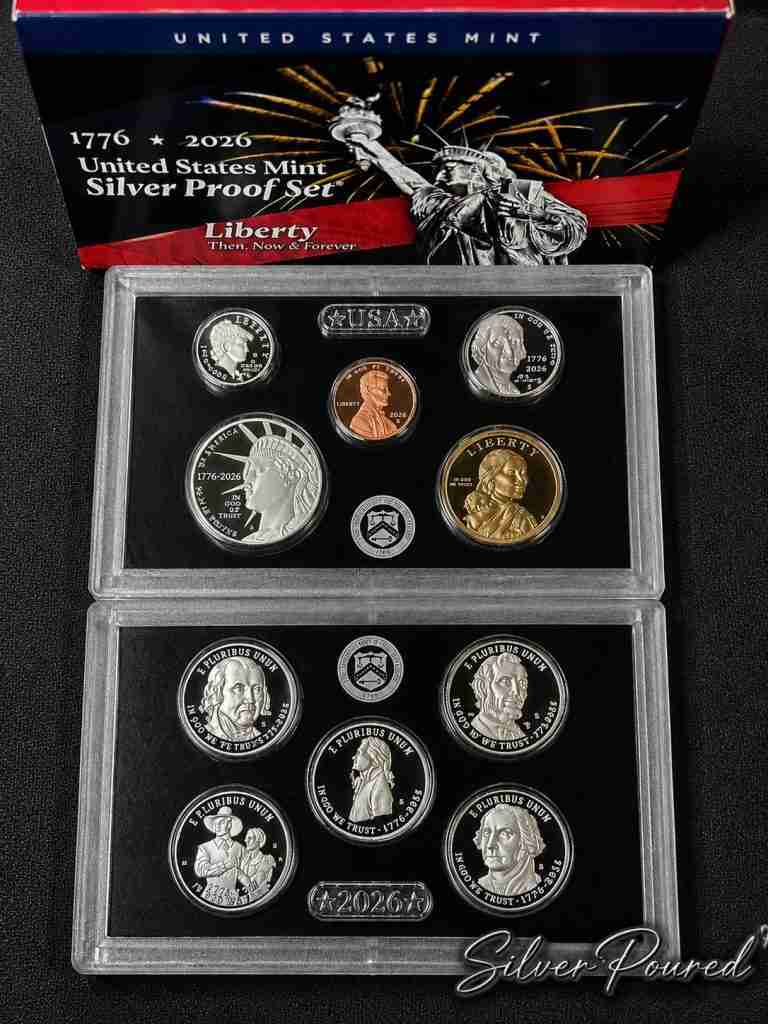
Modern proof production provides a direct continuation of that collector legacy. Many people first encounter the S mint mark through annual proof sets and later expand into Morgan Dollars, classic commemoratives, historic silver issues, gold coinage, or specialized date-and-mint collections.
The San Francisco Mint remains important because few federal facilities connect so many chapters of American numismatics. Its story begins with Gold Rush precious metals and western expansion, passes through some of the nation’s most famous classic coins, and continues through modern proof and collector production. Understanding that progression gives individual S-mint coins something a price guide alone cannot provide: their place within the larger history of American money.
Explore More SilverPoured Resources
Continue exploring the history of United States Mint facilities, mint marks, coin values, precious metals, and collector education through SilverPoured’s growing authority library.
United States Mint Authority Hubs
- Philadelphia Mint
- Denver Mint
- Carson City Mint
- Mint Marks
- West Point Mint Mark
- West Point Quarter Value
- V75 Privy West Point Quarter Value
Silver Prices & Coin Values
- Silver Price
- Silver Spot Price
- Silver Spot vs Bid vs Ask
- Silver Bid Price
- Silver Ask Price
- Silver Melt Value
- Silver Melt Value Calculator
- Morgan Silver Dollar Value
- Peace Dollar Silver Value
- Mercury Dime Silver Value
- Washington Quarter Silver Value
- Kennedy Half Dollar Silver Value
- Walking Liberty Half Dollar Silver Value
- War Nickel Value
- Junk Silver Value
- American Silver Eagle Values
Purchase Precious Metals from a Trusted Dealer
Whether you’re researching historic United States Mint facilities or building a precious metals portfolio, purchasing from an established bullion dealer helps ensure authenticity, competitive pricing, and dependable service. Golden State Mint offers a wide selection of gold, silver, copper, and investment-grade bullion that complements both modern investors and collectors of historic United States coinage.
Keep SilverPoured Free
SilverPoured is dedicated to building one of the internet’s most comprehensive free educational libraries covering United States Mint history, coin values, precious metals, bullion investing, and collector education. Every guide, calculator, photograph, and authority page is created to help collectors make better-informed decisions without subscription fees.
If this San Francisco Mint guide helped you better understand the California Gold Rush, the S mint mark, proof coinage, historic United States coin production, and American numismatic history, consider supporting the continued growth of SilverPoured. Your support helps fund original research, educational content, calculators, photography, and future collector resources.
Every contribution helps preserve SilverPoured as an independent educational resource for collectors, investors, and precious metals enthusiasts around the world.