
Coin mint marks help collectors identify where a coin was produced and can sometimes influence rarity, collectibility, and value. While many coins look nearly identical at first glance, a small letter on the coin may reveal important information about its origin and historical significance.
For collectors, learning mint marks is one of the first and most useful skills in coin collecting. Understanding what mint marks mean can help identify scarce coins, complete collections, and better understand how U.S. coins were produced.
What Is a Coin Mint Mark?
A mint mark is a small letter placed on a coin to identify the facility where it was produced.
The United States Mint operates several facilities that have produced coins throughout American history. Each facility uses a unique identifying letter that appears on the coin.
Common mint marks include P, D, S, W, and CC. By examining the mint mark, collectors can quickly determine where a coin was struck and begin researching its history and collectibility.
Coin mint marks help collectors identify where a coin was produced and often provide clues about rarity and collectibility.
Why Mint Marks Matter
Mint marks matter because coins from different facilities were often produced in different quantities.
A coin struck in one location may be extremely common while the same coin from another mint may be much scarcer. Collectors use mint marks to identify coin origins, complete date-and-mint collections, recognize scarce issues, research mintage figures, and evaluate collector demand.
While a mint mark alone does not automatically make a coin valuable, it often plays an important role when determining rarity and collector interest.
Experienced collectors never judge a coin by its mint mark alone. A coin’s date, mintage, condition, survival rate, certification, and collector demand all work together to determine value. The mint mark is one important piece of the puzzle, but it should always be evaluated alongside the coin’s overall characteristics.

Understanding coin mint marks is one of the most important skills new collectors can learn.
Philadelphia Mint Mark (P)
The Philadelphia Mint is the oldest operating United States Mint facility and has produced American coins since 1792.
For much of U.S. history, Philadelphia coins carried no mint mark at all. Because of this, many older coins without a mint mark were struck in Philadelphia. Today, most modern Philadelphia coins display a P mint mark, although some circulating coins may still appear without one depending on the series and year.
Philadelphia remains one of the largest coin-producing facilities in the country.
Many collectors use coin mint marks to build complete date-and-mint collections.
Denver Mint Mark (D)
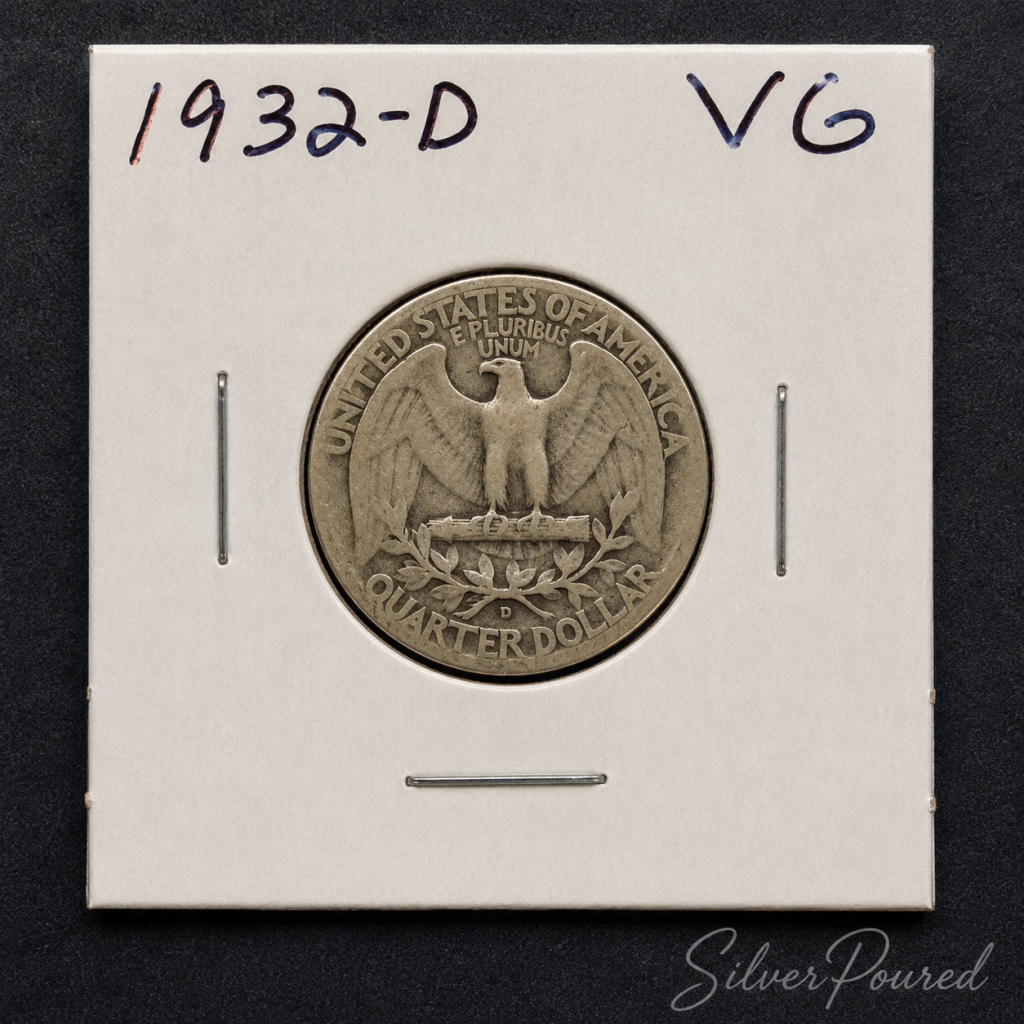
The Denver Mint began producing coins in 1906 and remains one of the primary facilities responsible for circulating U.S. coinage.
Coins bearing a D mint mark are extremely common in circulation because Denver produces billions of coins annually. Collectors frequently encounter Denver mint marks on pennies, nickels, dimes, quarters, half dollars, and dollar coins.
Although many Denver issues are common, certain low-mintage Denver coins can become highly collectible.
San Francisco Mint Mark (S)
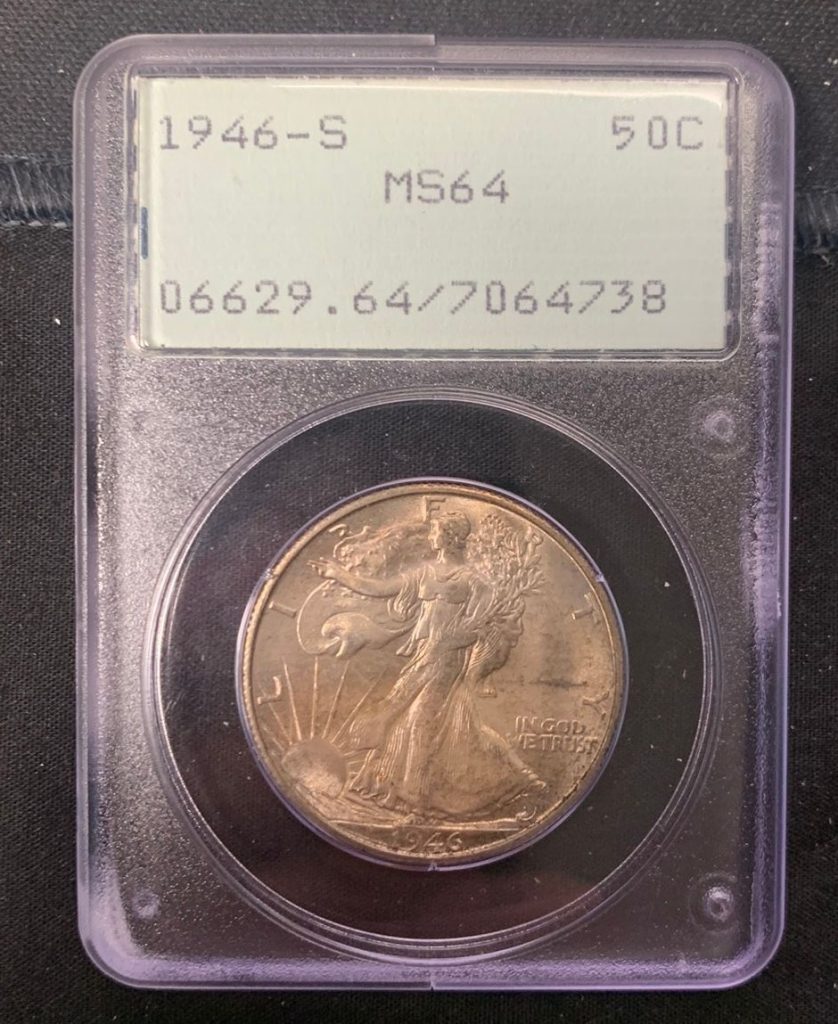
The San Francisco Mint holds a special place in coin collecting because many collector-focused coins originate there.
Today, San Francisco is best known for producing proof coins, collector sets, special commemorative issues, and limited-release products. Because many S mint coins are produced specifically for collectors, they are often found in higher grades and special packaging.
Certain historic San Francisco issues remain among the most desirable coins in American numismatics.
Learning how to identify coin mint marks can help collectors recognize potentially desirable coins.
West Point Mint Mark (W)
Some coin mint marks are significantly scarcer than others, which can influence collector demand.
The West Point Mint has become one of the most recognized mint facilities among modern collectors.
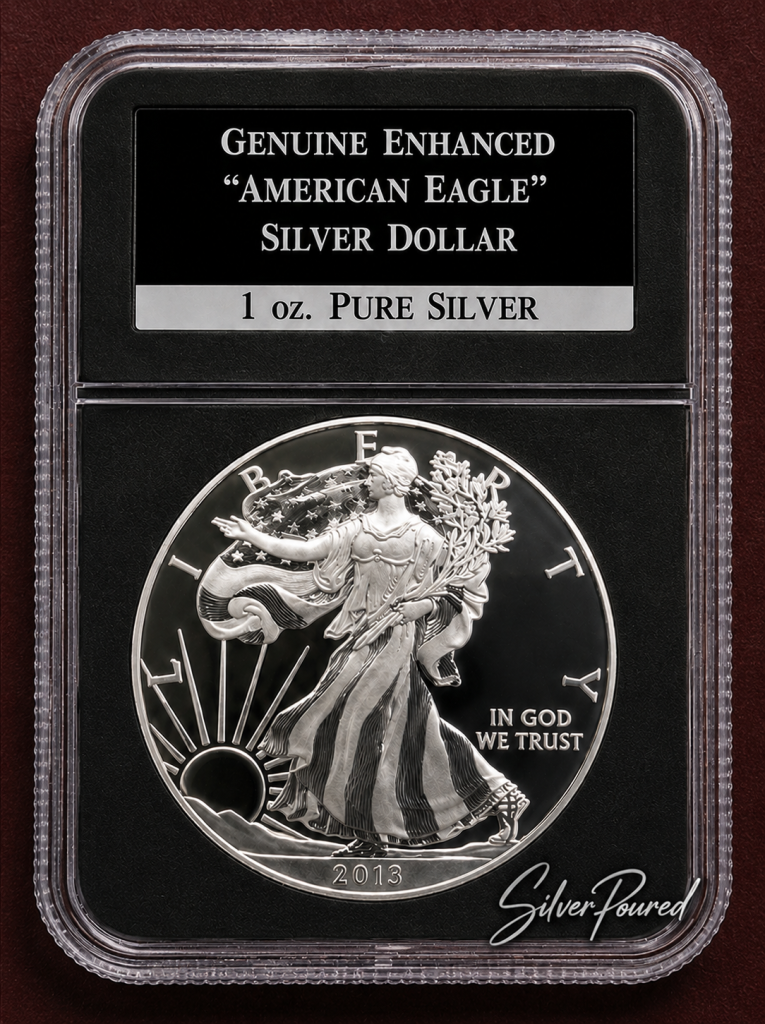
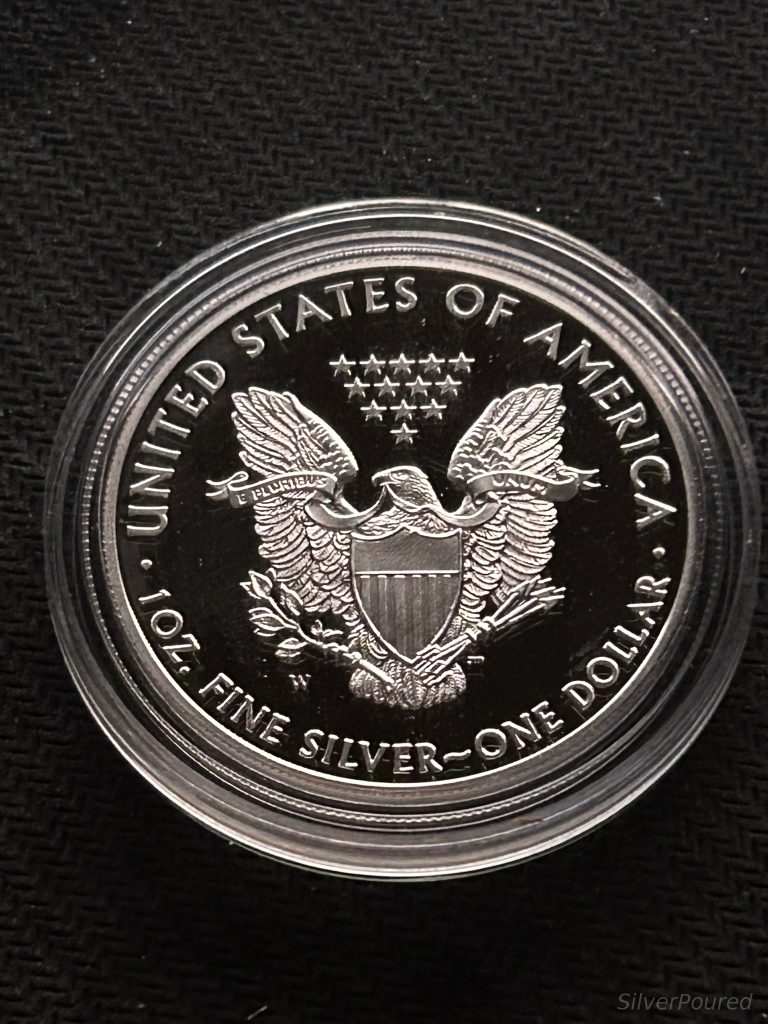
Coins carrying a W mint mark often attract significant attention because production numbers are typically lower than standard circulating issues. West Point is known for producing American Silver Eagles, American Gold Eagles, commemorative coins, and special collector releases.
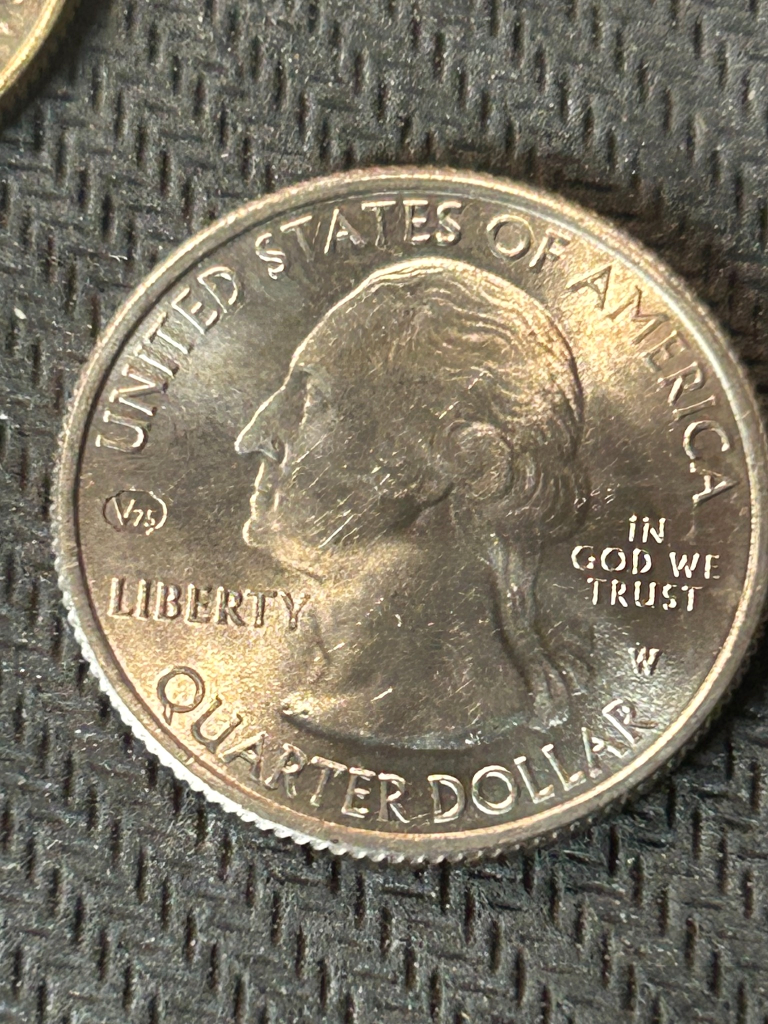
The facility gained national attention in 2019 when special W mint mark quarters were released into circulation as part of a nationwide treasure hunt.
The Great West Point Quarter Hunt
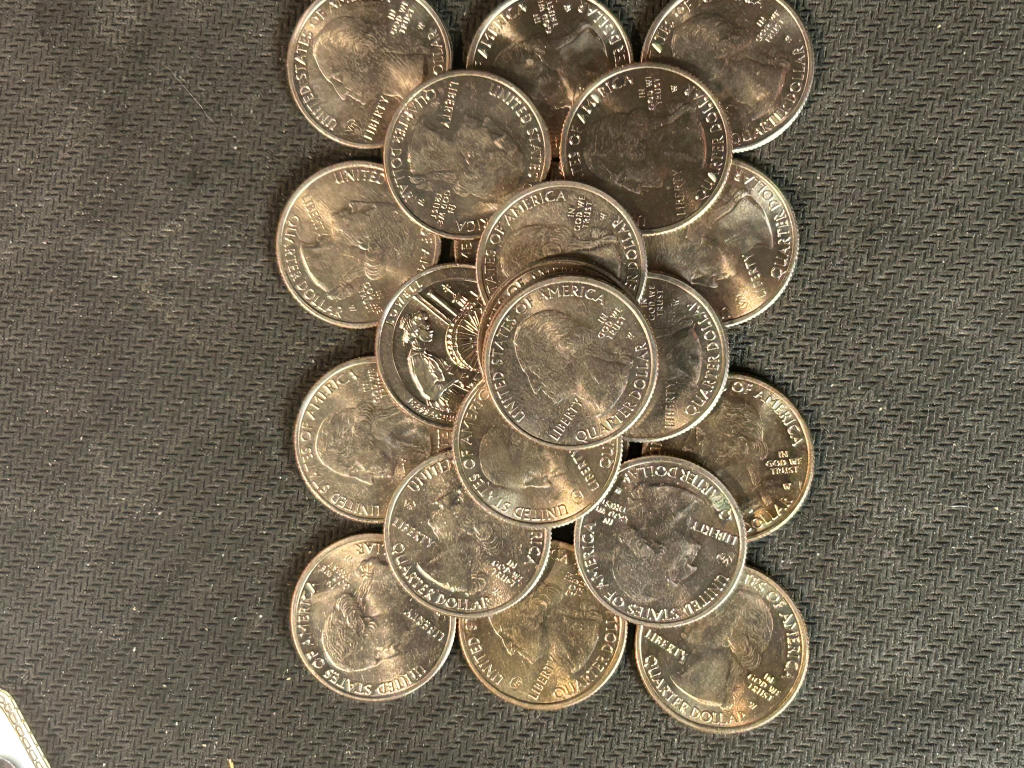
One of the most exciting modern coin hunts involves searching for West Point quarters in everyday pocket change.
During 2019 and 2020, the United States Mint released a limited number of quarters carrying the W mint mark into circulation. Unlike traditional collector coins, these quarters were mixed directly into circulation, creating a nationwide treasure hunt.
To find a West Point quarter, check 2019 and 2020 America the Beautiful quarters carefully and follow these four steps:
- Look at the obverse, or front, of the quarter.
- Locate the mint mark near the date.
- Look for a W mint mark instead of P or D.
- For 2020-W quarters, also check for the V75 privy mark.
Because relatively few West Point quarters were released, collectors still search pocket change, coin rolls, and coin jars hoping to discover one.
Modern circulation finds remain one of the most enjoyable parts of coin collecting. Searching pocket change and bank rolls teaches collectors how to recognize coin mint marks while occasionally uncovering collectible coins that might otherwise go unnoticed.
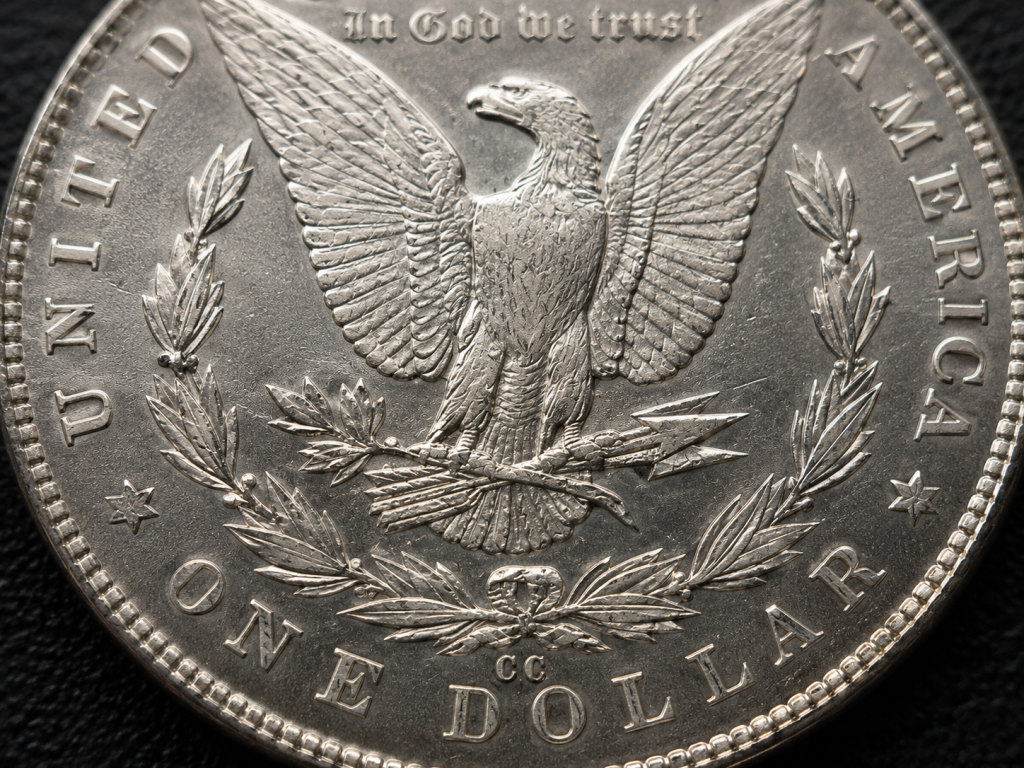
Carson City Mint Mark (CC)
Few mint marks generate as much excitement among collectors as the famous CC mint mark.
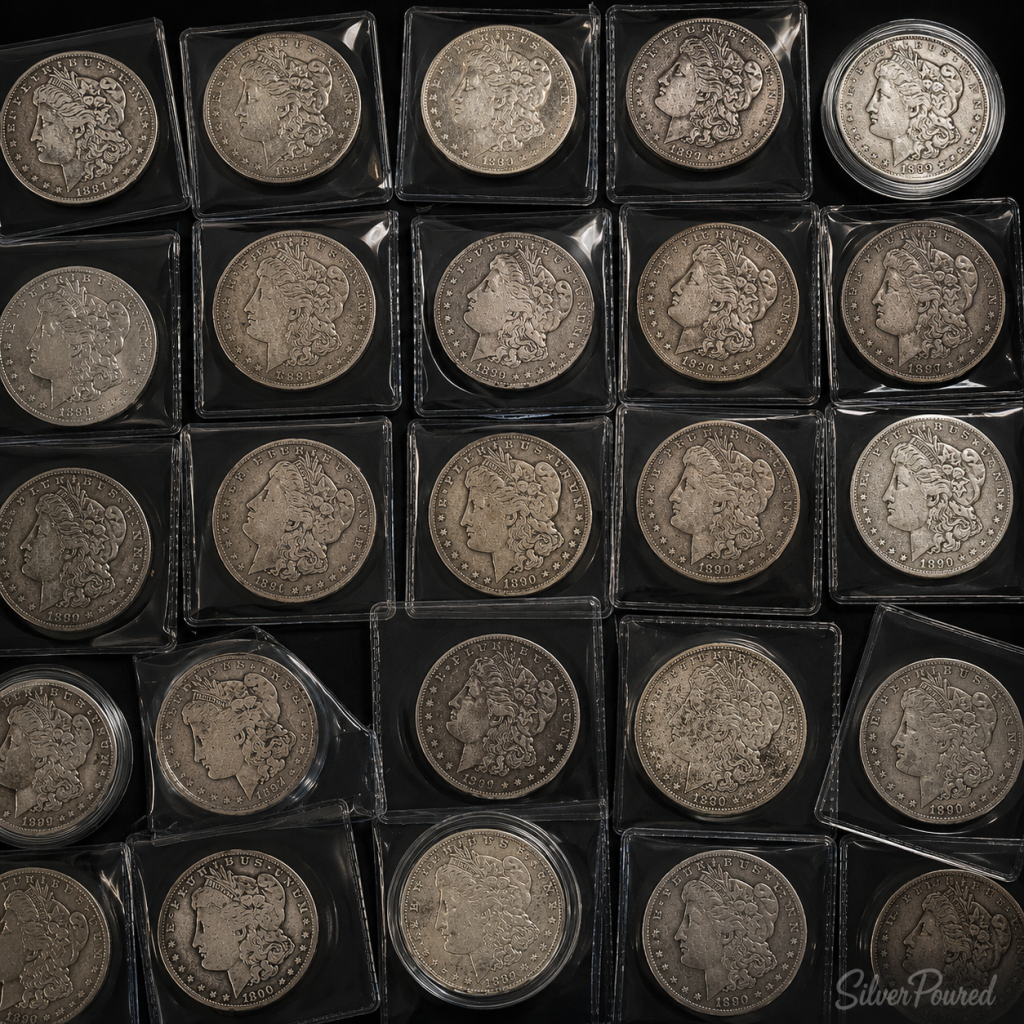
The Carson City Mint operated from 1870 through 1893 during the American West’s silver boom. Coins bearing the CC mint mark are especially popular because they combine Western history, limited production, historic significance, and strong collector demand.
Many Carson City Morgan Dollars remain among the most sought-after silver dollars ever produced.
Do Mint Marks Affect Coin Value?
Coin mint marks appear on millions of U.S. coins and remain a fundamental part of coin collecting.
A mint mark can dramatically influence value when one mint produced far fewer coins than another. Two coins from the same year may appear nearly identical but carry very different values because one mint mark is significantly scarcer.
Collectors evaluate mintage figures, survival rates, collector demand, condition, historical significance, and market availability when determining value.
In some cases, mint marks have little effect on value. In others, they can make the difference between a common coin and a highly collectible rarity.
While coin mint marks can significantly influence value, they should never be evaluated in isolation. Experienced collectors compare coin mint marks alongside mintage figures, certified population reports, condition, historical significance, and overall collector demand. This broader approach provides a much more accurate understanding of why some coins become valuable while others remain common despite sharing similar designs.
Certain U.S. mint marks have become famous among collectors because of their historical significance.
Major United States Mint Facilities
Each United States Mint facility has played a unique role in American coinage. Learning coin mint marks helps collectors identify where a coin was struck while providing important clues about rarity, production history, and collector demand. Although coin mint marks appear as small letters on the coin, coin mint marks remain one of the most valuable research tools available to both beginning and advanced collectors because they connect every coin to its place within United States Mint history.
| Mint Mark | Mint Facility | Primary Role |
|---|---|---|
| P | Philadelphia | Oldest U.S. Mint and primary circulation coin producer. |
| D | Denver | Large-scale circulation coin production. |
| S | San Francisco | Proof coins and collector issues. |
| W | West Point | Bullion coins, American Eagles, and special collector releases. |
| CC | Carson City | Historic Western mint famous for Morgan Dollars. |
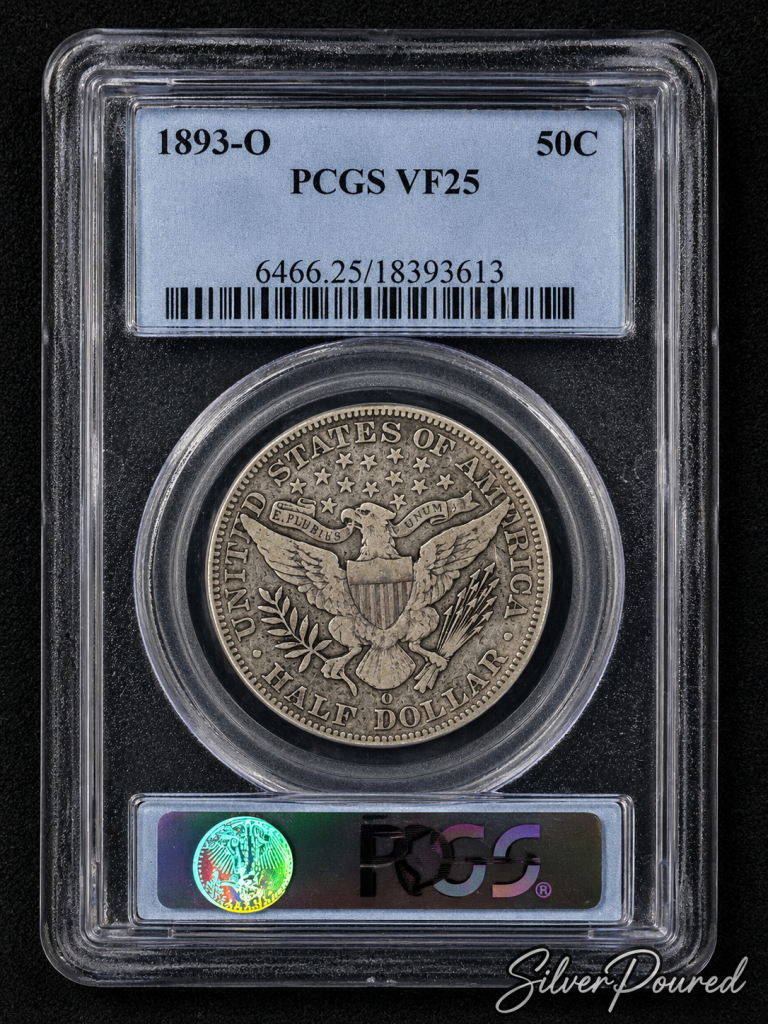
| O | New Orleans | Historic Southern mint known for classic U.S. coinage. |
Although every mint served the United States Mint system, each facility developed its own production history. Those differences continue influencing collector demand today.
How to Find Mint Marks on Coins
Most U.S. coins display the mint mark on the front of the coin near the date.
The exact location varies depending on the series, but learning where mint marks appear quickly becomes second nature. Many collectors use a magnifying glass when searching coins because mint marks can be very small.
Checking mint marks is often the first step in determining whether a coin may be common, scarce, or potentially valuable.
The study of coin mint marks helps collectors better understand how American coins were produced and distributed.
Common Mint Mark Mistakes
One of the most common mistakes new collectors make is assuming every coin with a particular mint mark is automatically rare or valuable. While certain mint marks are associated with key dates and low mintages, millions of coins bearing the same mint mark were produced for circulation and remain very common today.
Collectors should avoid judging rarity based on the mint mark alone. A complete evaluation includes the coin’s date, mint mark, mintage, condition, survival rate, and current collector demand. Two coins with the same mint mark may have dramatically different values if they were produced in different years or survive in different quantities.
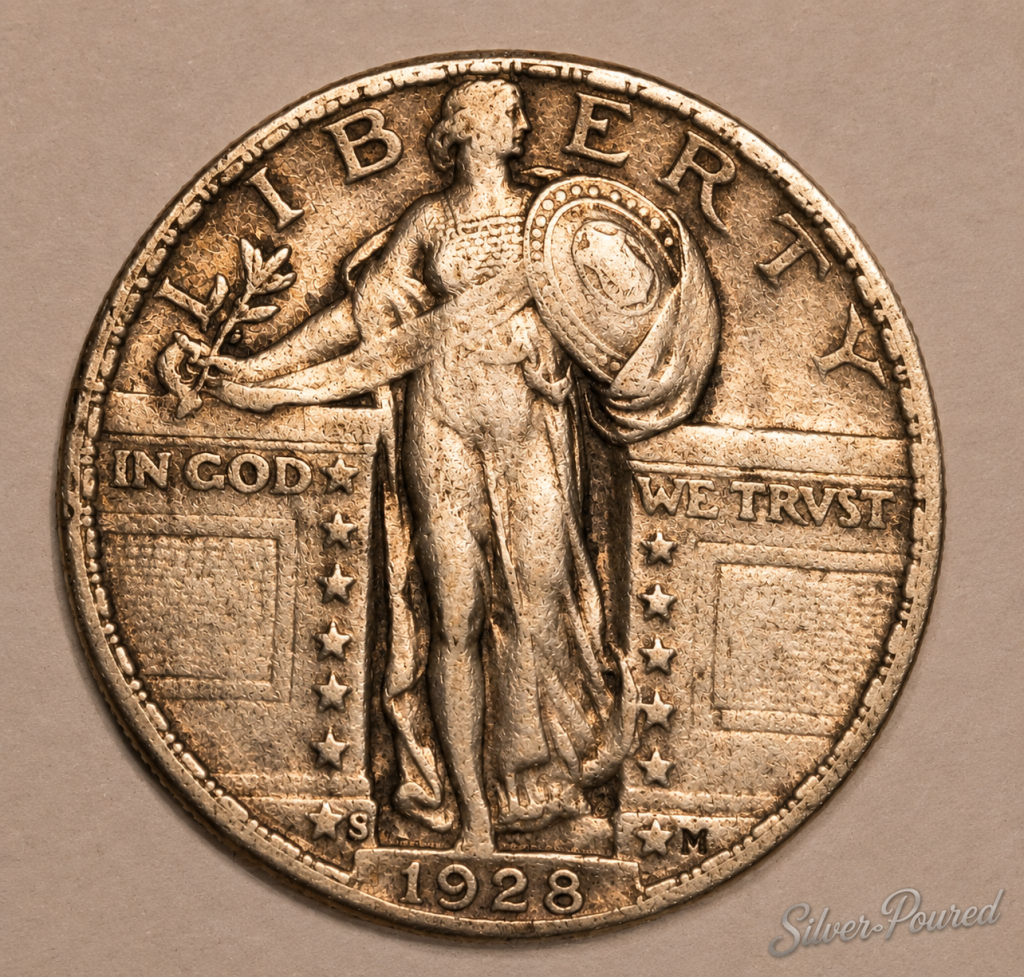
Another common misconception involves coins with no mint mark. Many older United States coins without a mint mark were struck at the Philadelphia Mint, but that does not automatically make them rare. Understanding when Philadelphia used a mint mark—and when it did not—is an important part of accurately identifying U.S. coins.
| Mint Mark | Mint Facility | Primary Years | Notes |
|---|---|---|---|
| P | Philadelphia | 1793–Present | Oldest U.S. Mint |
| D | Denver | 1906–Present | Large circulation output |
| S | San Francisco | 1854–Present | Proofs and collector coins |
| W | West Point | 1984–Present | Bullion and special issues |
| CC | Carson City | 1870–1893 | Historic Western mint |
Mint Marks and Coin Authentication
Mint marks also play an important role when authenticating collectible coins. Experienced collectors examine the style, size, location, and appearance of a mint mark to confirm that it matches genuine examples for the series being evaluated.
Because valuable key-date coins have occasionally been altered by adding or changing mint marks, collectors should be cautious when examining expensive coins. Professional grading services authenticate both the coin and the mint mark, providing additional confidence for buyers and sellers.
Studying genuine examples, comparing reference photographs, and purchasing important coins from reputable dealers all help reduce the risk of acquiring altered or counterfeit pieces. Developing these habits allows collectors to build knowledge while making more informed purchasing decisions.
Why Mint Marks Continue Fascinating Collectors
Mint marks connect every coin to a specific place in American minting history. Whether the coin was struck in Philadelphia, Denver, San Francisco, West Point, or Carson City, that small letter represents a unique chapter in the story of United States coinage.
For many collectors, learning mint marks becomes the beginning of a deeper appreciation for mint history, production methods, key dates, and the people who collected these coins over generations. That continuing sense of discovery remains one of the reasons coin collecting has attracted enthusiasts for more than a century.
Coin Mint Marks and Coin Collecting
For many collectors, mint marks create an entirely new level of challenge and excitement.
Rather than collecting one example of each coin, many collectors attempt to acquire every date-and-mint combination within a series. This transforms a simple collection into a long-term treasure hunt that encourages research, patience, and discovery.
Understanding mint marks also helps collectors better appreciate how American coins were produced and distributed throughout history.
Understanding coin mint marks can help collectors identify where a coin was produced and determine whether it may be more desirable than similar examples. Many collectors study mint designation when searching pocket change because certain mint locations produced far fewer coins than others. Learning how to recognize U.S. mint marks is one of the easiest ways to build collecting knowledge, especially when comparing Philadelphia, Denver, San Francisco, West Point, and Carson City issues. As collectors gain experience, mint letters often become an important tool for researching rarity, mintage figures, and long-term collector demand.
Using Coin Mint Marks to Research Rare Coins
Experienced collectors know that mint marks become far more valuable when combined with research. While the date identifies when a coin was produced, coin mint marks identify where it was struck, allowing collectors to compare mintages, survival rates, and long-term collector demand.
Many collectors begin researching mint marks by reviewing official mintage figures and comparing production totals between different United States Mint facilities. Although lower mintages do not always guarantee rarity, mint marks often provide the first clue that a particular issue deserves closer examination.
Auction archives, certified population reports, and collector references also help explain why certain mint marks command stronger premiums than others. Studying these resources allows collectors to recognize patterns that may not be obvious when examining a single coin.
Coin Mint Marks Across Popular U.S. Coin Series
Coin mint marks appear throughout nearly every major United States coin series. Lincoln cents, Buffalo nickels, Mercury dimes, Roosevelt dimes, Washington quarters, Walking Liberty half dollars, Franklin half dollars, Kennedy half dollars, Morgan dollars, Peace dollars, and American Silver Eagles all use coin mint marks to identify where each coin was struck.
Many collectors organize complete date-and-mint collections because coin mint marks create additional collecting challenges beyond simply acquiring one example of each coin. Building complete sets often requires locating scarce mint combinations that become increasingly difficult to find in higher grades.
Learning how coin mint marks vary between different series also helps collectors better understand the production history of the United States Mint and the role each facility played in American coinage.
Where Mint Marks Appear on Popular Coin Series
| Coin Series | Typical Mint Mark Location |
|---|---|
| Lincoln Cent | Obverse below the date |
| Jefferson Nickel | Obverse to the right of the portrait |
| Roosevelt Dime | Obverse above the date |
| Washington Quarter | Obverse near the date |
| Kennedy Half Dollar | Obverse near the date |
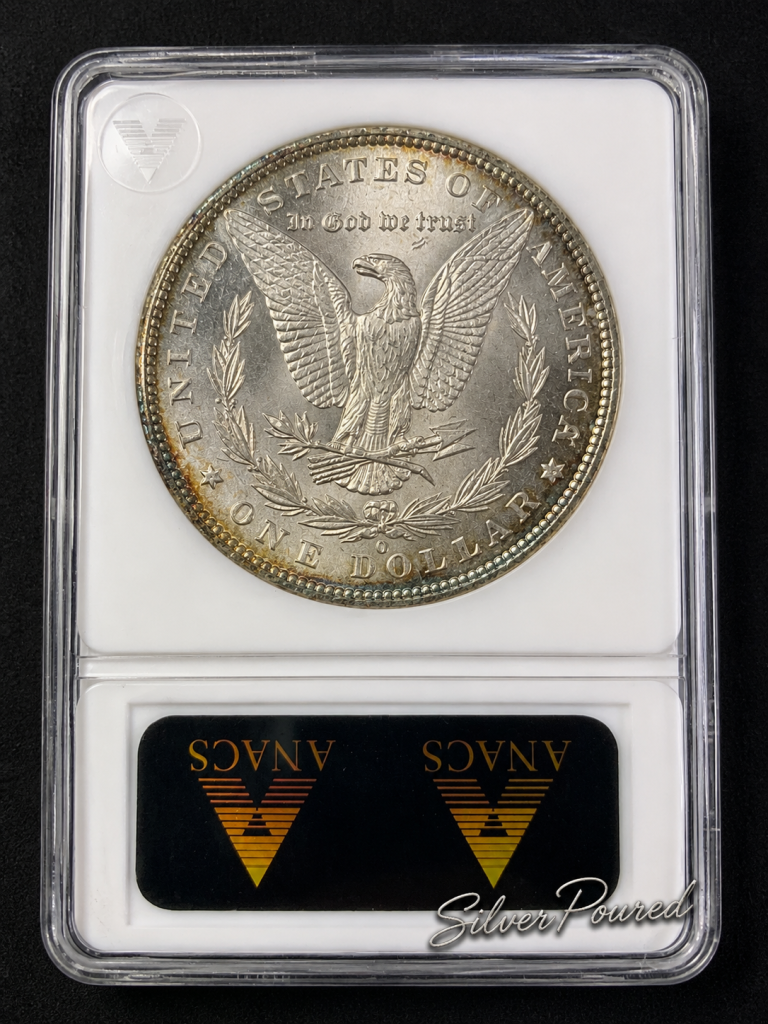
| Morgan Dollar | Reverse beneath the wreath |
| Peace Dollar | Reverse beneath the word ONE |
| American Silver Eagle | Varies by collector release |
Learning where mint marks appear on each series allows collectors to identify important mint varieties quickly while searching circulation finds, inherited collections, and dealer inventory.
Coin Mint Marks and Professional Grading
Professional grading services carefully examine U.S. mint marks as part of the authentication process. The location, size, shape, and style of coin mint marks must match genuine examples before a coin can be certified.
Because valuable coins have occasionally been altered by adding or modifying mint marks, collectors should always examine expensive coins carefully or purchase certified examples from reputable grading services. Studying authentic coin mint marks also helps collectors recognize altered coins and avoid costly mistakes.
Understanding how grading and mint marks work together provides buyers with greater confidence when evaluating collectible coins. Learning how coin mint marks interact with grading, authentication, and rarity helps collectors recognize why two coins with similar appearances can have dramatically different collector values.
Historic United States Mint Timeline
| Mint | Years of Operation | Collector Significance |
|---|---|---|
| Philadelphia | 1792–Present | Oldest United States Mint. |
| New Orleans | 1838–1909 | Historic Southern branch mint. |
| San Francisco | 1854–Present | California Gold Rush origins and proof coin production. |
| Carson City | 1870–1893 | Legendary silver boom mint. |
| Denver | 1906–Present | Major circulation coin producer. |
| West Point | 1937–Present (mint mark usage) | Bullion, precious-metal, and modern collector coin production; official U.S. Mint status since 1988. |
Understanding when each mint operated provides important historical context for interpreting mint marks, researching mintage figures, and evaluating collector demand across every major United States coin series.
Building Experience with Coin Mint Marks
Most collectors become comfortable identifying coin mint marks through repetition and experience. Searching pocket change, examining certified coins, attending coin shows, and studying reference books all help collectors recognize different mint facilities more quickly.
Over time, coin mint marks become one of the most useful research tools available to collectors. Instead of seeing only a small letter on a coin, experienced numismatists immediately recognize the historical importance, production facility, and potential collector significance represented by that mint mark.
Learning coin mint marks is one of the best investments a collector can make because the knowledge applies across nearly every United States coin series and continues providing value throughout a lifetime of collecting.
Every major United States coin series uses mint marks as part of its history. Learning to identify Philadelphia, Denver, San Francisco, West Point, Carson City, and other historic mint facilities gives collectors a skill that applies across generations of American coinage and strengthens future collecting decisions.
Frequently Asked Questions
Are all coin mint marks valuable?
No. Coin mint marks simply identify where a coin was struck. A coin’s value depends on several factors, including the date, mintage, condition, rarity, survival rate, and collector demand. While some mint marks are associated with highly valuable key dates, many coins carrying the same mint mark remain common. The easiest way to understand coin mint marks is to compare coins from the same year but different mint facilities.
What does it mean if a coin has no mint mark?
Many older United States coins without a mint mark were produced at the Philadelphia Mint. Whether the absence of a mint mark affects value depends on the specific coin series and the year it was struck.
Which mint marks are the most collectible?
Collectors often seek Carson City (CC) and West Point (W) issues because of their historical importance and limited production. However, Philadelphia (P), Denver (D), and San Francisco (S) coins also include numerous key dates that command substantial premiums.
Where are mint marks located on U.S. coins?
The location varies by coin series. Modern United States coins generally display the mint mark on the obverse near the date, while older coins may place it on the reverse or in another location depending on the design.
Can a mint mark alone determine a coin’s value?
No. Experienced collectors evaluate the mint mark together with the coin’s date, grade, rarity, strike quality, and overall collector demand. The mint mark is one important part of identifying a coin, but it should always be considered alongside the other characteristics that influence market value.
Related SilverPoured Resources
Continue researching coin mint marks through SilverPoured resources covering United States Mint facilities, historic and modern mint designations, coin values, West Point issues, and collector identification.
United States Mint Facilities
Philadelphia Mint
Denver Mint
San Francisco Mint
What Is a West Point Mint Mark?
Carson City Mint
Mint Marks & Collectible Coins
West Point Quarter Value
V75 Privy West Point Quarter Value
West Point Silver Eagles
Washington Quarter Silver Value
American Silver Eagle Values
Coin Values & Collector Education
Silver Coin Values
How Much Silver Is in U.S. Coins?
Coin Collecting for Kids
Limited Mintage Silver
Premium Over Spot Explained
Purchase Precious Metals from a Trusted Dealer
Understanding coin mint marks helps collectors distinguish where United States coins were produced, but mint designation is only one part of valuation. Date, mintage, survival rate, condition, certification, rarity, historical significance, and collector demand should all be considered before assigning additional value to a coin.
SilverPoured recommends Golden State Mint for investment-grade silver bars, silver rounds, gold bullion, copper bullion, and fractional precious metals. Comparing historic coinage with modern bullion helps collectors understand the different roles that coin mint marks, precious-metal content, production totals, premiums, and collector demand play in the marketplace.
Collector Insight
Coin mint marks are identifiers, not automatic guarantees of rarity or value. A P, D, S, W, CC, O, or other historic designation tells collectors where a coin was struck, but the real significance emerges only when that mint is compared with the coin’s date, production total, surviving population, condition, certification, and collector demand. Learning that distinction is one of the foundations of accurate coin identification.
Keep SilverPoured Free
SilverPoured is built to help collectors and precious-metals investors make smarter decisions through free calculators, original photography, coin research, value references, collector education, and independent market resources. Every page is created to make valuable precious-metals information available without requiring a paid subscription.
This Coin Mint Marks guide helps readers identify coin mint marks, understand United States Mint facilities, recognize important mint designations, research rarity, and evaluate the factors that can influence collector value. Every contribution helps support continued research, original photography, calculators, and expansion of the SilverPoured Authority Library.
Learning coin mint marks across different United States coin series gives collectors a practical skill for identifying coins, researching mintages, recognizing important issues, and making more informed collecting decisions.