
Coin collecting for kids is one of the easiest and most rewarding hobbies to start because valuable discoveries can be hiding in everyday pocket change. Many young collectors begin coin collecting for kids by searching coin jars, piggy banks, couch cushions, and family collections looking for unusual dates, mint marks, and older coins worth keeping.
Unlike many hobbies that require expensive equipment, coin collecting can begin with coins already sitting around the house. Every coin has a story, and some may become treasured pieces of a growing collection. The excitement comes from never knowing what might appear next, making coin collecting for kids an adventure every time a new handful of change is searched.
How Kids Can Start Coin Collecting
The best way to begin coin collecting for kids is by searching coins already available at home. Spare change, family coin jars, old dresser drawers, and collections passed down from parents or grandparents can all contain interesting discoveries.
Many young collectors start by separating coins by denomination and then looking closely at the dates and mint marks. Even common coins can become exciting finds when they help complete a collection or represent a different year than coins already owned.
The goal in the beginning is not finding expensive coins. The goal is learning how to observe details, organize discoveries, and enjoy the treasure hunt.
Beginning collectors often have the most fun when the focus stays on discovery rather than value. The excitement comes from finding something new and learning how different coins fit into a growing collection. Coin collecting for kids is often easiest when the first discoveries come from coins already found at home.
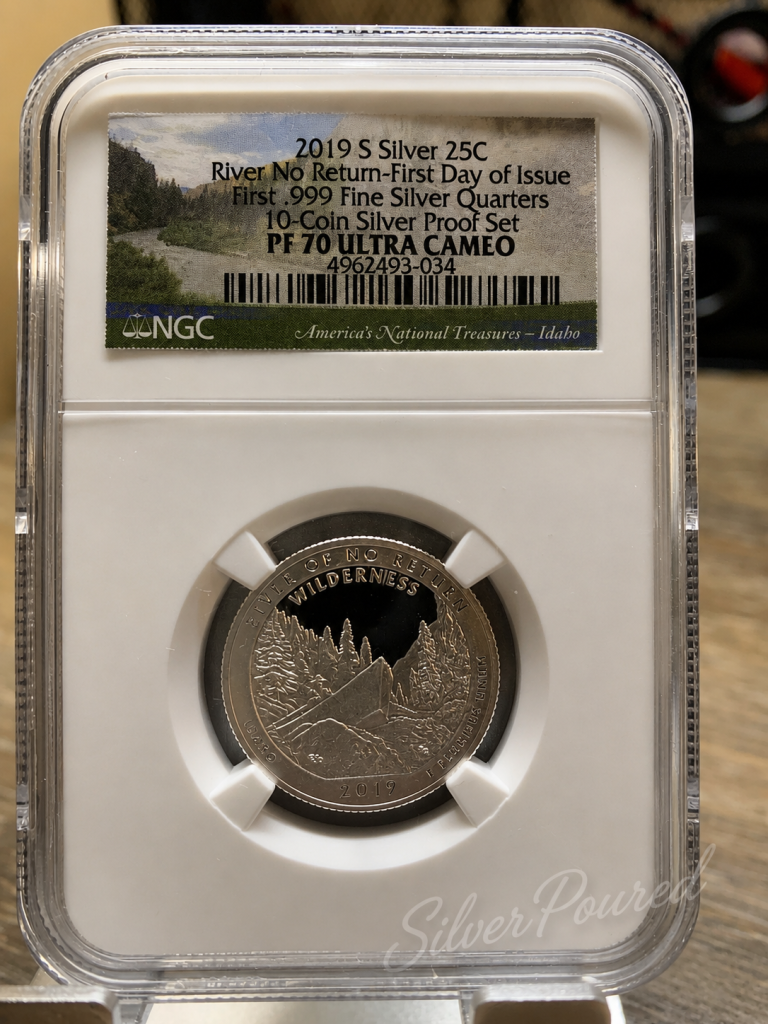
How SilverPoured Encourages Coin Collecting for Kids
Coin collecting for kids should be educational, affordable, and fun. Rather than focusing only on valuable coins, SilverPoured encourages young collectors to build observation skills, learn about American history, understand mint marks, identify different coin designs, and enjoy the excitement of making new discoveries.
Throughout this guide, coin collecting for kids is presented as a hands-on learning experience that rewards curiosity, patience, organization, and careful observation. Whether searching pocket change, family coin jars, bank rolls, or inherited collections, every coin offers an opportunity to learn something new while building a collection one discovery at a time. That spirit of discovery is what makes coin collecting for kids one of the most rewarding hobbies for young collectors.
Fun Fact
One of the best parts of coin collecting for kids is that every handful of pocket change has the potential to reveal something unexpected. Even if a coin isn’t valuable, discovering a new date, mint mark, or design teaches important collecting skills and makes the hobby exciting.
Why Coin Collecting Feels Like a Treasure Hunt
The hobby remains popular because every search creates the possibility of finding something unexpected.
A child might discover an old Wheat Penny, a State Quarter they do not have, a coin older than their parents, a silver coin hidden in circulation, or an unusual mint mark that sparks curiosity.
Most finds will not be rare treasures, but every discovery adds excitement to the hobby. The anticipation of what might be found next keeps many young collectors searching through pocket change for years. This sense of discovery is one reason coin collecting for kids remains popular with families.
The Best Coins for Kids to Collect
Some coins are especially enjoyable for beginner collectors because they are easy to find and offer plenty of variety. State Quarters are one of the best starting points for coin collecting for kids because they are affordable and widely available.
State Quarters
State Quarters allow young collectors to build a collection featuring all fifty states. Completing the set often feels like finishing a giant treasure map of America.
National Park Quarters
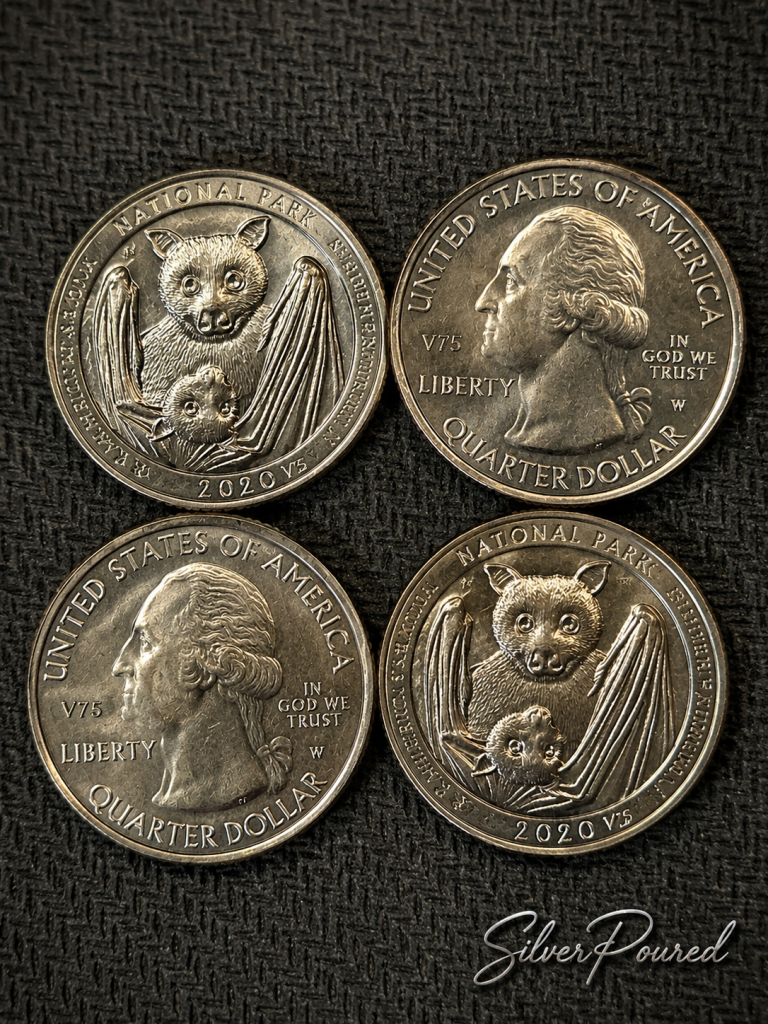
National Park Quarters introduce kids to famous landmarks and historical locations across the country.
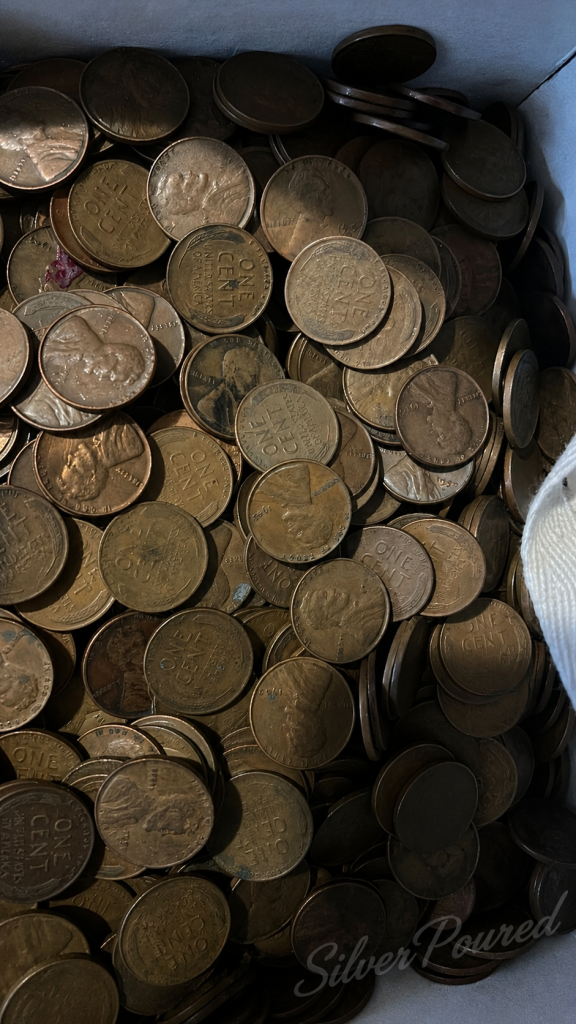
Wheat Pennies
Wheat Pennies are older one-cent coins that many collectors enjoy finding because they are no longer produced and often appear unexpectedly in old collections. Finding a Wheat Penny is often the first exciting milestone in coin collecting for kids.
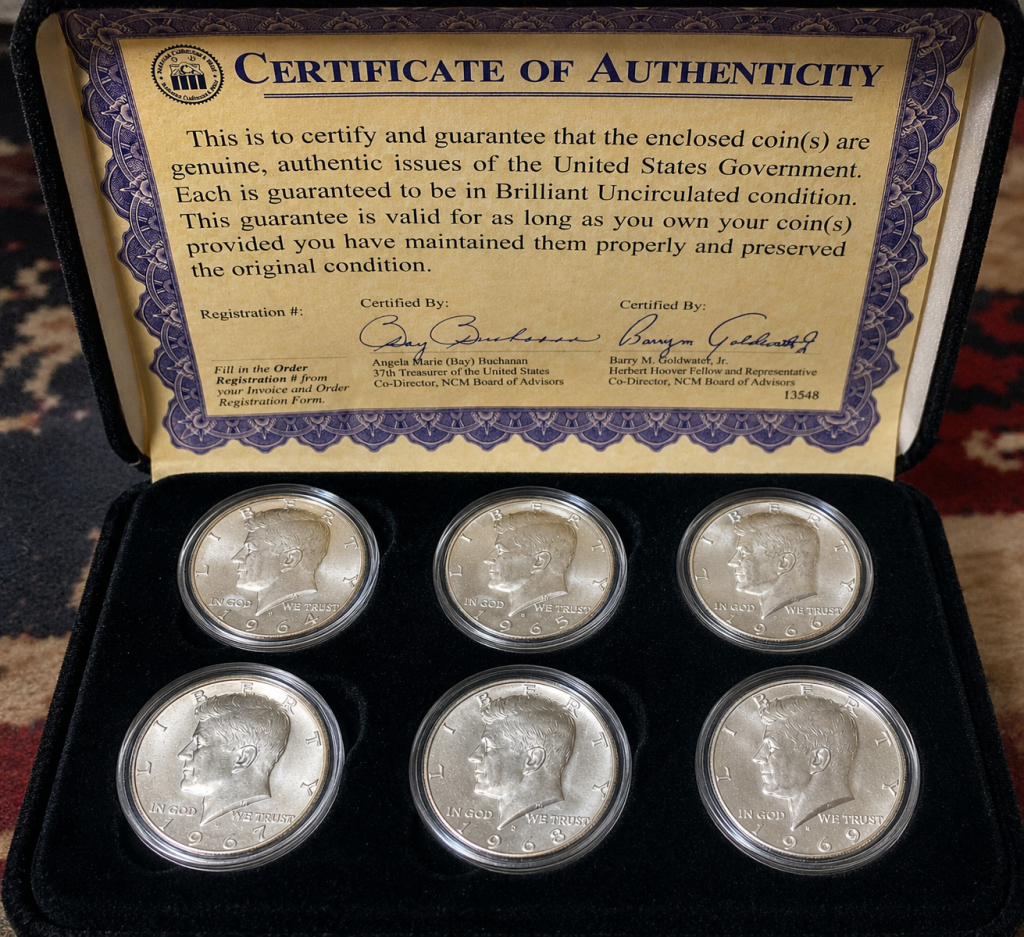
Kennedy Half Dollars
Kennedy Half Dollars stand out because of their larger size and interesting history. Many young collectors enjoy finding a denomination rarely seen in circulation.
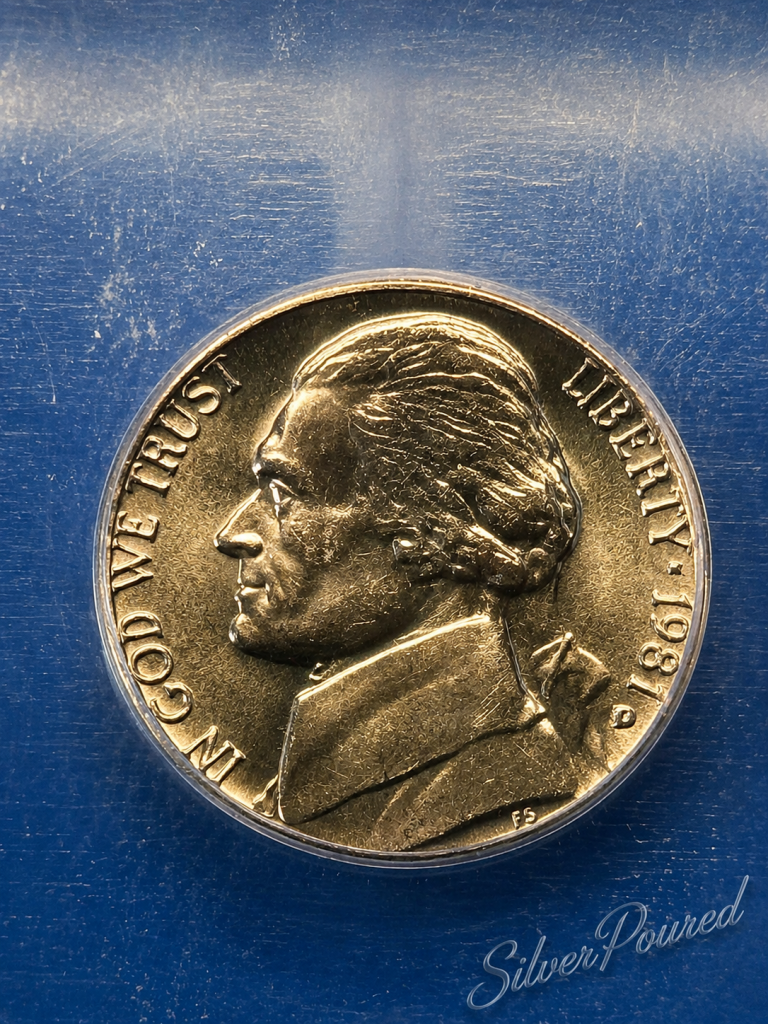
Jefferson Nickels
Jefferson Nickels remain affordable, easy to find, and ideal for learning how dates and mint marks work.
Treasure Hunt Tip
West Point quarters are one of the few modern U.S. coins intentionally released into everyday circulation for collectors to discover. That means young collectors still have a chance to find one while searching ordinary pocket change, making every quarter worth a closer look.
The Great West Point Quarter Treasure Hunt
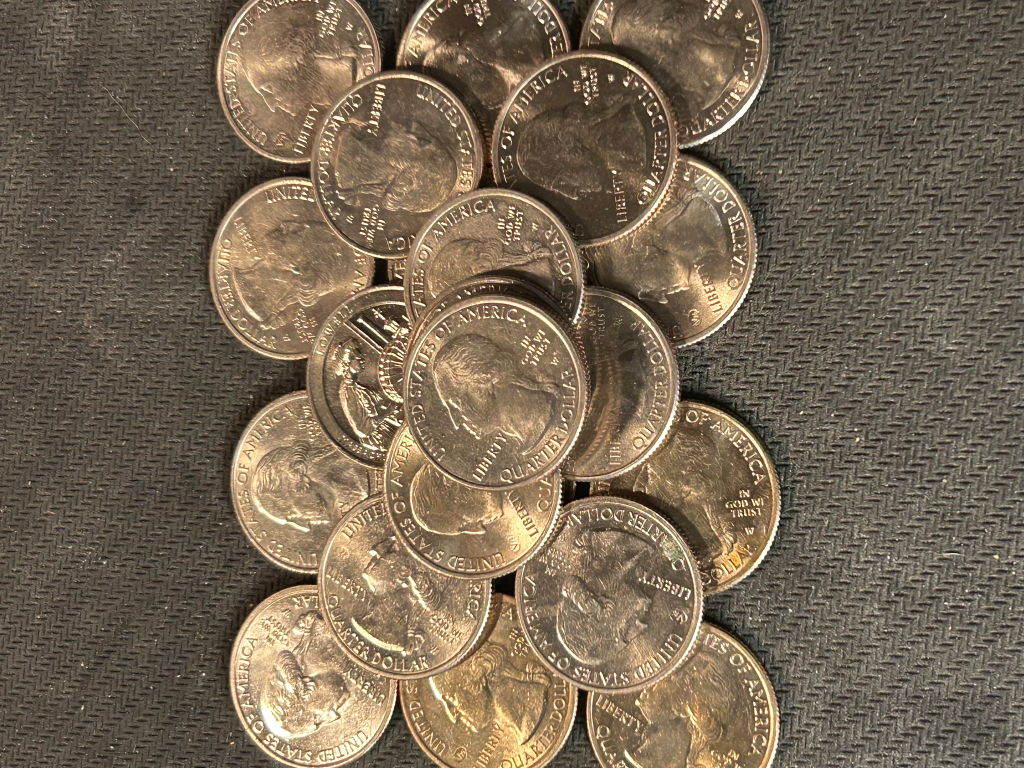
One of the most exciting coin hunts ever created by the United States Mint began in 2019 when special quarters carrying the W mint mark were released into circulation.
Unlike most modern coins, West Point quarters were not sold directly to collectors. Instead, they were mixed into normal circulation and released through banks across the country.
That meant anyone could find one. That opportunity made coin collecting for kids even more exciting because rare discoveries could still happen in everyday circulation.
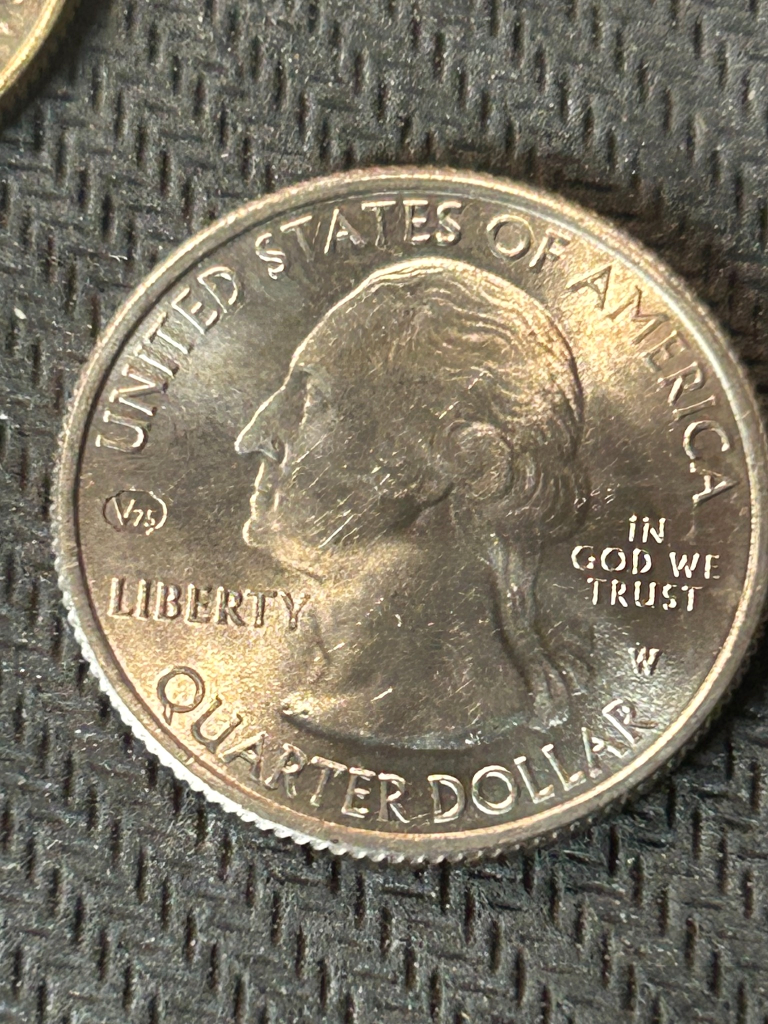
Kids, parents, grandparents, coin roll hunters, and collectors all began searching pocket change looking for the small W mint mark that appears on the front of the coin near the date.
Only a limited number of West Point quarters were released, making them much harder to find than standard Philadelphia (P) or Denver (D) quarters.
How to Find a West Point Quarter
The easiest way to search for a West Point quarter is to look through:
- Pocket change
- Coin jars
- Piggy banks
- Bank-wrapped quarter rolls
- Family coin collections
- Change received from stores
Look at the front of the quarter near the date.
Most quarters will show:
- P = Philadelphia
- D = Denver
If you find a quarter with a:
- W = West Point
you may have discovered a collectible coin.
Why Kids Love Hunting West Point Quarters
West Point quarters turn ordinary pocket change into a treasure hunt.
Every quarter could be the one.
Many young collectors enjoy searching rolls because it combines:
- Discovery
- History
- Patience
- Observation skills
- Real-world treasure hunting
Unlike expensive rare coins, West Point quarters can still occasionally be found in circulation, making them one of the most exciting modern coin hunts for beginning collectors.
Start Your Own W Mint Hunt
Many collectors keep a separate folder or container just for West Point quarters.
The fun is not only finding one — it is learning how to identify mint marks, organize a collection, and experience the excitement of discovering something special hiding in everyday change.
For many young collectors, finding a West Point quarter becomes the coin that starts a lifelong collecting hobby.
Collector Tip
Every coin deserves a quick inspection. Checking the date, mint mark, condition, and overall appearance helps young collectors develop observation skills while learning that even common pocket change can occasionally contain something special.
The 2026 Semiquincentennial Privy Quarter Hunt
One of the newest adventures in coin collecting for kids is searching for the special 2026 Semiquincentennial Privy Quarter released to celebrate America’s 250th anniversary. Unlike ordinary circulation quarters, these coins feature a distinctive privy mark that encourages collectors to examine every quarter more carefully.
Much like the popular West Point quarter program, the Semiquincentennial Privy Quarter transforms everyday pocket change into a modern treasure hunt. Young collectors never know when one of these special coins might appear in change from a store, a family coin jar, a piggy bank, or a bank-wrapped roll of quarters.
For families interested in coin collecting for kids, the hunt provides an exciting way to practice identifying mint marks, recognizing unique design features, and learning why some modern coins become more collectible than others. Searching for Semiquincentennial Privy Quarters also teaches patience, observation, and careful attention to detail—skills that benefit every beginning collector.
As new circulating collectible coins are released, treasure hunts like the Semiquincentennial Privy Quarter help keep coin collecting for kids fresh, educational, and exciting while introducing a new generation to one of America’s oldest and most rewarding hobbies.
How to Search Pocket Change for Valuable Coins
Many young collectors begin by checking five simple things on every coin they find. Searching pocket change remains one of the easiest ways to enjoy coin collecting for kids without spending money.
First, look at the date. Older coins are often more interesting than newer coins.
Second, check the mint mark. Different mint marks can make identical coins more collectible.
Third, examine the condition. Coins showing less wear are often more desirable to collectors.
Fourth, learn which U.S. coins contain silver. Silver coins are an exciting discovery because they contain precious metal value.
Finally, watch for unusual designs, errors, or coins that simply look different from the rest.
Searching pocket change carefully helps kids develop observation skills while making every handful of coins feel like a potential treasure chest.
Learning Coin Mint Marks
One of the first skills many young collectors develop is learning how to identify mint marks. Small letters such as P, D, S, and W tell collectors where a coin was produced and can sometimes make one version of a coin much more collectible than another.
As children become familiar with mint marks, they begin recognizing why two coins with the same date may have different values. Learning this simple skill makes searching pocket change even more enjoyable and introduces young collectors to one of the most important parts of coin collecting. Mastering mint marks is an important milestone in coin collecting for kids because it helps children recognize why similar coins can have very different collector appeal.
Building a First Coin Collection
Organization becomes important as collections grow.
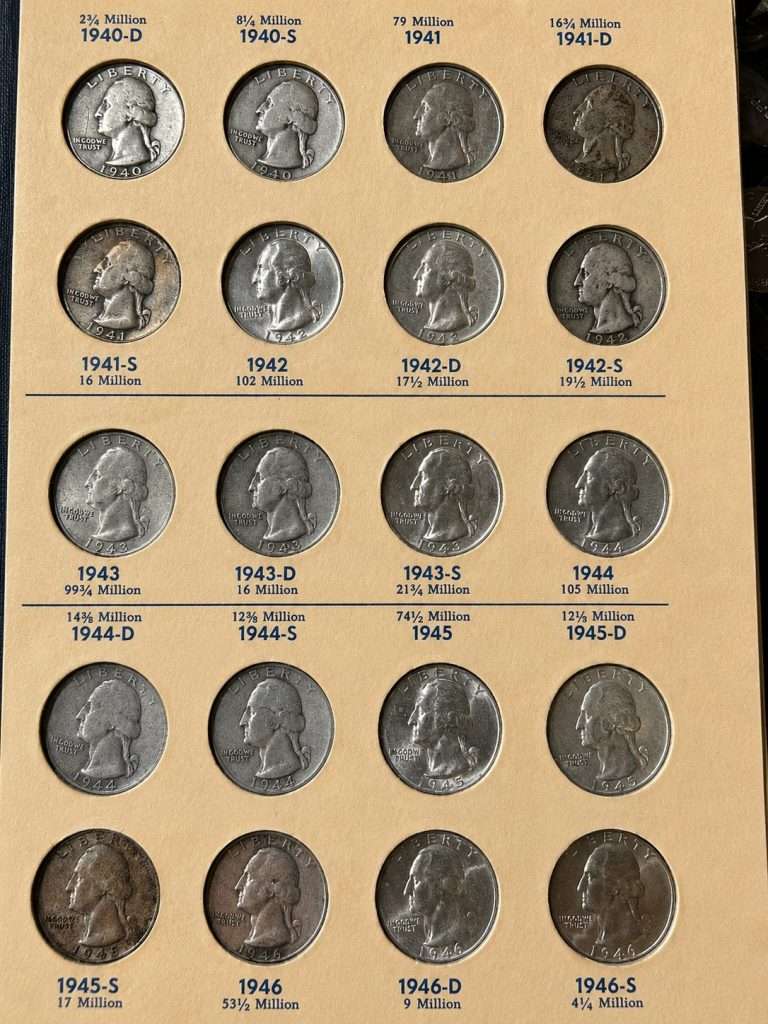
Many young collectors use coin folders, albums, flips, or small storage boxes to protect their discoveries. Keeping coins organized by year, denomination, or series makes it easier to track progress and identify missing pieces.
A collection does not need to be large to be meaningful. Even a small collection can become something a young collector enjoys building for many years.
Many families find that coin collecting for kids becomes more enjoyable as albums and folders begin filling with discoveries from pocket change and family coin jars.
Did You Know?
A coin doesn’t have to be made of silver or be hundreds of years old to become collectible. Lower mintages, unusual designs, mint errors, and strong collector demand can all make modern coins interesting additions to a young collector’s collection.
Basic Coin Collecting Supplies for Kids
Getting started with coin collecting does not require expensive equipment. Most young collectors can build a great beginner collection using a magnifying glass, a coin folder or album, a small storage box, and a notebook to record interesting discoveries. These simple tools make it easier to organize coins, compare dates and mint marks, and watch a collection grow over time.
As collections become larger, many collectors also begin using protective coin flips, capsules, or archival-quality holders to help preserve condition. Learning how to store coins properly from the beginning encourages good collecting habits while protecting discoveries for years to come.
What Makes Some Coins Worth More Than Others
Not all coins have the same value.
Several factors influence what collectors are willing to pay for a coin.
Age often matters because older coins become harder to find over time.
Rarity can increase value when fewer examples exist.
Condition is important because well-preserved coins are usually more desirable.
Silver content can add value because the coin contains precious metal.
Collector demand also plays a major role. Some coins become valuable simply because many collectors want them and few are available.
Understanding these factors helps young collectors learn why some coins become more sought after than others.
Fun Coin Collecting Challenges for Kids
Many families enjoy creating coin collecting challenges to make the hobby even more exciting.
Try finding a coin from every state, a coin from five different decades, a coin older than your parents, every mint mark you can find, a complete roll of one date, a silver coin, or a Wheat Penny.
Challenges turn ordinary pocket change searches into fun treasure hunts and help young collectors stay engaged.
Family Activity
Coin collecting is one of the few hobbies that grandparents, parents, and children can all enjoy together. Sharing collections, searching pocket change, and learning about history creates experiences that often become lasting family memories.

Coin Collecting for Kids as a Family Hobby
Coin collecting works especially well as a family activity because people of all ages can participate. Many parents discover that coin collecting for kids creates opportunities to learn together while sharing family history.
Parents, grandparents, and children often enjoy searching coins together while sharing stories and learning about history. Older family members may even have collections they are willing to show or pass down.
Many collectors first became interested in coins because a parent or grandparent shared a small collection with them. Those experiences often create memories that last much longer than the coins themselves.
Coin collecting encourages curiosity, patience, organization, and learning while providing opportunities for families to spend time together.
Many families enjoy coin collecting for kids as a way to learn about history, mint marks, and valuable coins while spending time together. Whether searching pocket change, bank rolls, or family collections, coin collecting for kids offers an exciting way to discover coins worth keeping. Every discovery teaches new skills while making the hobby fun, educational, and rewarding for the entire family.
One reason coin collecting for kids has remained popular for generations is that the hobby brings parents, grandparents, and children together while creating shared experiences that can last a lifetime.
Visiting Coin Shops and Coin Shows
Local coin shops and coin shows can be exciting places for young collectors to learn more about the hobby. Many dealers enjoy answering questions, showing interesting coins, and explaining the differences between common circulation coins, silver coins, and rare collectibles.
Coin shows also allow children to see thousands of different coins in one place while learning about grading, mint marks, historical designs, and world coins. Even if a family does not purchase anything, attending a coin show can be an educational experience that inspires young collectors to continue learning.
What To Do When You Find Something Interesting
When a young collector finds an unusual coin, the first step is to leave it exactly as it is. Learning how to care for discoveries is an important part of coin collecting for kids.
Coins should never be cleaned because cleaning can reduce collector value.
Store the coin safely, record the date and mint mark, and compare it to other examples. Researching discoveries is often one of the most enjoyable parts of the hobby. Keeping simple notes about where and when a coin was found also makes it easier to remember special discoveries and track the growth of a collection over time.
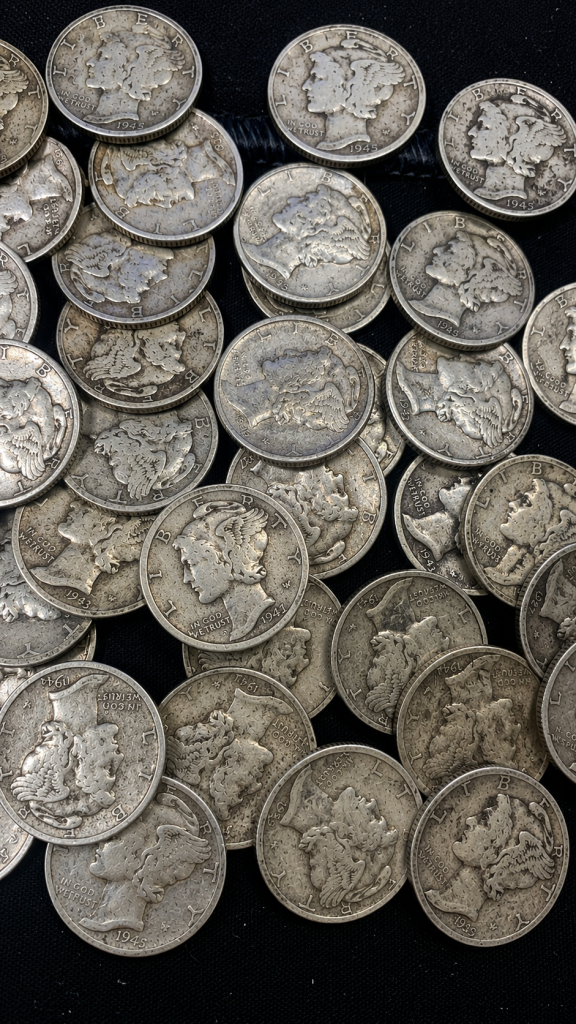
Next Steps for Young Collectors
Coin collecting for kids continues attracting new collectors because every handful of change creates the possibility of finding something unexpected.
As collections grow, many young collectors naturally become interested in silver coins, mint marks, coin values, and the history behind America’s most collectible coin series.
Coin collecting for kids encourages curiosity, patience, and observation skills while turning ordinary pocket change into an ongoing treasure hunt.
Coin Collecting Tools for Kids
Coin collecting for kids does not require expensive equipment to get started. Most young collectors can begin with a simple magnifying glass, a coin folder or album, and a notebook for recording interesting discoveries. A magnifying glass makes it easier to examine mint marks, dates, and small design details, while coin folders help organize collections and show which coins are still missing. As a collection grows, these simple tools encourage organization, careful observation, and a greater appreciation for every new discovery.
Life Skill Builder
Coin collecting teaches much more than identifying coins. Young collectors naturally develop patience, organization, attention to detail, research skills, and goal setting while having fun searching for new additions to their collections.
How Coin Collecting for Kids Builds Lifelong Skills
One of the biggest benefits of coin collecting for kids is that the hobby teaches valuable life skills while remaining fun and engaging. Every coin search encourages young collectors to slow down, pay attention to details, and ask questions about the history behind the coins they discover. Over time, these simple activities help develop patience, observation, organization, and critical thinking in a way that feels more like a treasure hunt than a classroom lesson.
Coin collecting for kids also introduces basic money concepts. As children compare different coins, they begin learning why some are common while others are more difficult to find. They discover that age, condition, mint marks, silver content, and collector demand all influence why certain coins are worth more than others. These lessons provide an easy introduction to economics and collecting without requiring complicated explanations.
Families often appreciate that coin collecting for kids encourages time away from screens while creating opportunities to learn together. Searching through pocket change, organizing collections, or filling coin folders can become regular family activities that spark conversations about American history, geography, famous people, and important events represented on U.S. coins.
As collections continue to grow, young collectors also gain confidence by setting goals and tracking progress. Completing a State Quarter map, finding every National Park Quarter, discovering a Wheat Penny, or locating a West Point quarter gives children a sense of accomplishment that keeps the hobby exciting. Every new discovery reinforces the idea that careful observation and persistence are often rewarded.
Perhaps most importantly, coin collecting for kids teaches that every collection grows one coin at a time. Whether a child keeps only a small folder of favorite finds or eventually builds a much larger collection, the knowledge gained through searching, learning, and organizing creates skills that extend well beyond the hobby itself. That combination of education, curiosity, and discovery is one reason coin collecting for kids continues introducing new generations to the fascinating world of coins and collecting.
Keep Exploring
Every experienced collector started with a single coin. The more young collectors search, learn, and organize their discoveries, the more enjoyable the hobby becomes. Every new find adds another chapter to a collection that can continue growing for a lifetime.
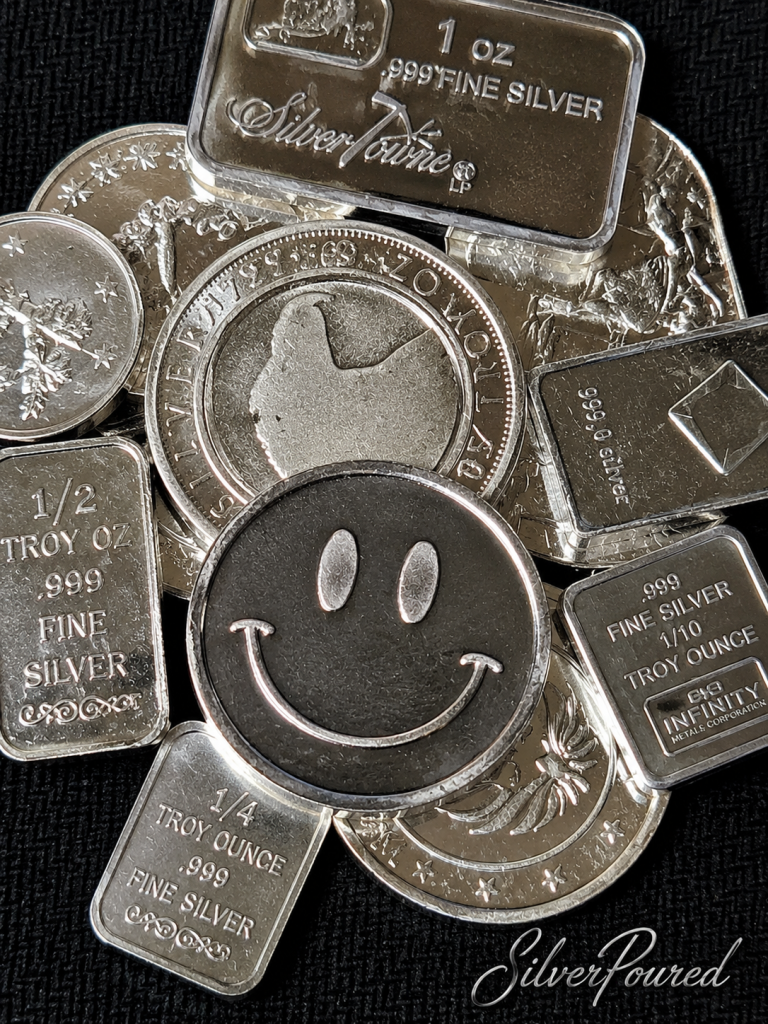
Continue Your Coin Collecting Adventure
Every collection begins with a single coin, and coin collecting for kids rewards every new discovery by giving young collectors another reason to search, learn, organize, and keep exploring.
Many lifelong collectors first became interested in coins as children, often encouraged by parents or grandparents who shared their own collections. Those early discoveries frequently grow into a hobby that provides enjoyment for decades while creating lasting family memories.
Young collectors can also explore the U.S. Mint Kids Learning Center to learn more about how coins are made, discover the history behind U.S. coin designs, and continue building their collecting knowledge. As skills improve, coin collecting for kids becomes even more rewarding because every search teaches something new. Visiting these events also helps make coin collecting for kids more interactive by allowing young collectors to see rare coins, ask questions, and learn directly from experienced collectors and dealers.
Related SilverPoured Resources
Continue exploring coin collecting for kids through SilverPoured’s guides to mint marks, collectible U.S. coins, silver values, West Point quarters, and beginner-friendly coin research. Coin collecting for kids becomes even more rewarding as young collectors learn how dates, mint marks, condition, silver content, rarity, and collector demand can make one coin different from another.
Coins Kids Can Search For
West Point Quarter Value
What Is a West Point Mint Mark?
Washington Quarter Silver Value
Kennedy Half Dollar Silver Value
Mercury Dime Silver Value
Learn About Coins & Mint Marks
Coin Mint Marks
How Much Silver Is in U.S. Coins?
Silver Coin Values
Morgan Silver Dollar Value
Peace Dollar Silver Value
Collector Tools & Education
Silver Melt Value Calculator
American Silver Eagle Values
Premium Over Spot Explained
Limited Mintage Silver
Philadelphia Mint
Purchase Precious Metals from a Trusted Dealer
As coin collecting for kids grows from searching pocket change into a deeper interest in coins and precious metals, families may eventually explore collectible issues, silver rounds, or bullion products together. The best early purchases are not necessarily expensive ones. Learning how to identify authentic products, compare prices, understand silver content, and buy from established sources can become another educational part of the hobby.
SilverPoured recommends Golden State Mint for investment-grade silver bars, silver rounds, gold bullion, copper bullion, and fractional precious metals. Families expanding beyond coin collecting for kids can use traditional bullion as another way to learn about precious metals, weight, purity, minting, and the difference between intrinsic metal value and collector value.
Collector Insight
Coin collecting for kids works best when discovery comes before dollar value. A Wheat Penny, unusual mint mark, missing State Quarter, or coin older than a parent can create the curiosity that starts a lifelong hobby even when the coin itself is inexpensive. Encourage young collectors to examine dates and mint marks, organize what they find, ask questions, and never clean an interesting coin. Coin collecting for kids can teach patience, history, observation, organization, and research while giving families something tangible to discover together.

Keep SilverPoured Free
SilverPoured is built to help collectors and precious-metals investors make smarter decisions through free calculators, original photography, coin research, value references, collector education, and independent market resources. Every page is created to make valuable precious-metals information available without requiring a paid subscription.
If this coin collecting for kids guide helped your family discover mint marks, pocket-change hunting, coin values, silver coins, collecting supplies, or ways to build a first collection, consider supporting the continued growth of SilverPoured. Encouraging coin collecting for kids helps introduce another generation to American history, careful observation, research, and the excitement of finding something unexpected in ordinary change. Every contribution helps fund original research, new calculators, expanded educational resources, additional photography, and future tools for the precious-metals community.
Your support allows SilverPoured to remain independent while building one of the web’s most comprehensive free libraries for coin collectors, bullion buyers, precious-metals researchers, and long-term investors.