
Collectible silver bars often sell for significantly more than melt value because rarity, craftsmanship, vintage appeal, limited production, and collector demand all influence premium pricing in modern bullion markets.
What Makes Silver Bars Collectible
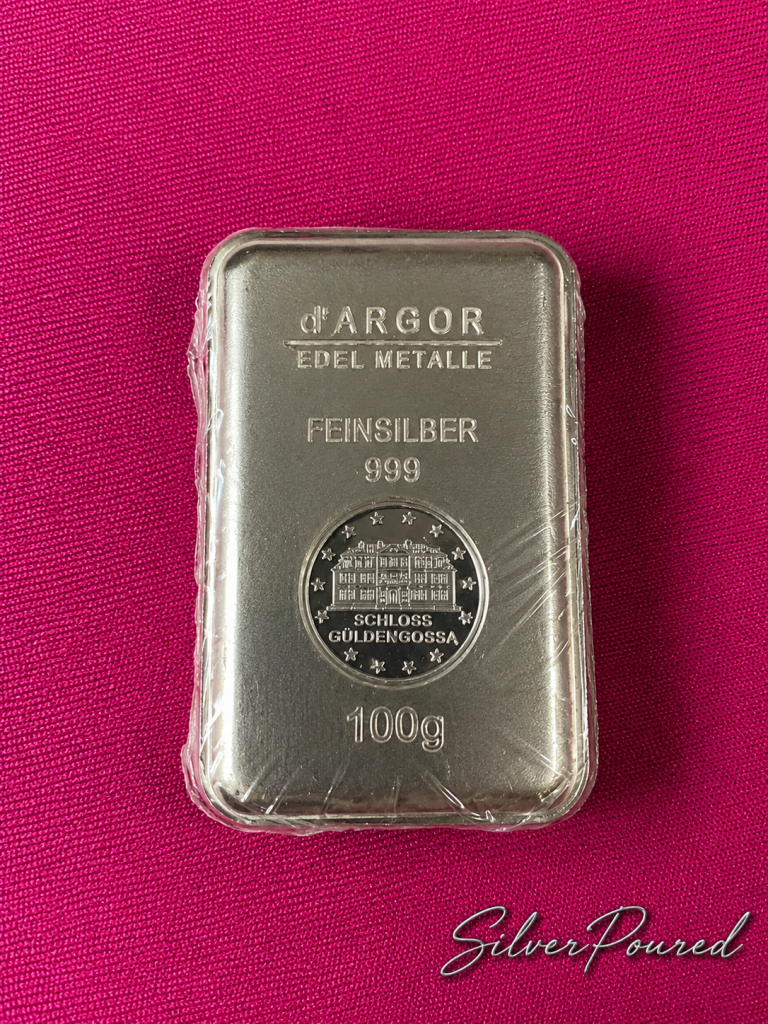
While silver spot price remains the foundation of bullion value, many silver bars develop additional market premiums that go far beyond raw metal content. In some cases, collectible silver bars can trade for several times melt value depending on scarcity and demand.
As the collectible bullion market continues evolving in 2026, understanding what makes silver bars collectible has become increasingly important for stackers, investors, and precious metals collectors.
Why Some Silver Bars Become Collectible
Not all silver bars are valued equally. Some bullion bars remain close to melt value, while others develop strong collectible premiums because of limited mintages, serialized production, vintage status, independent refiners, hand-poured craftsmanship, unique designs, low survival numbers, and strong collector communities. These factors can transform an ordinary silver bar into a highly sought-after collectible that trades well above its intrinsic silver value. Together, they can significantly increase real-world market pricing beyond silver content alone.
Vintage Silver Bars vs Modern Bullion
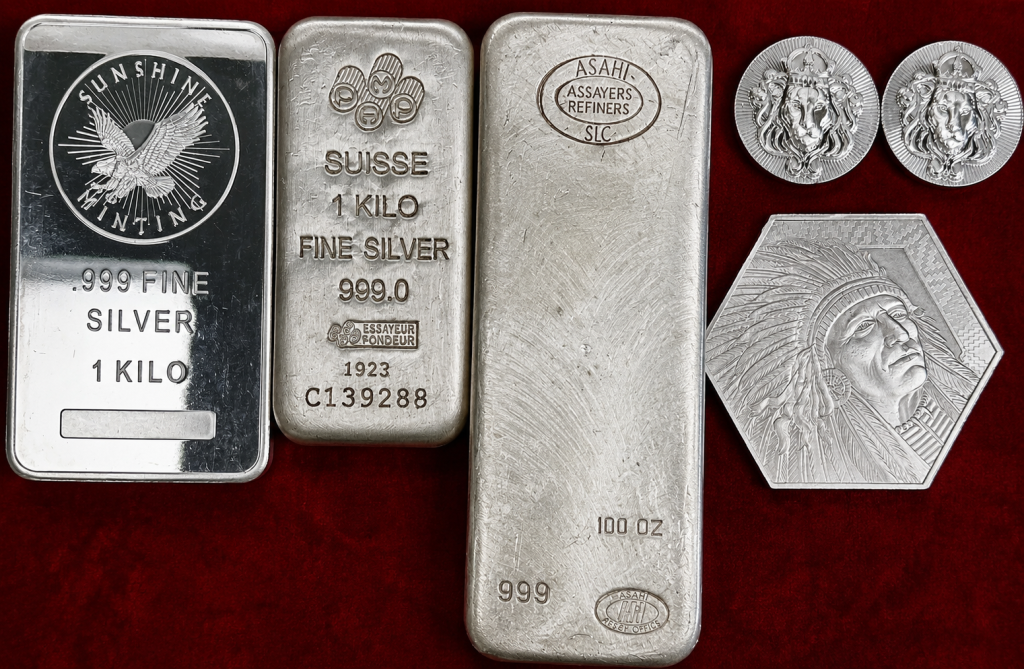
Vintage silver bars often command higher premiums because they may no longer be produced or available through normal bullion channels.
Collectors frequently seek older poured bars and discontinued refiners because scarcity naturally increases over time.
Popular collectible categories include vintage poured silver bars, serialized silver bars, old refinery bars, hand-stamped bullion, low-mintage releases, early production runs, and limited-edition pours. Many collectors pursue these categories because they combine silver ownership with scarcity, history, and long-term collector appeal.
Many vintage silver bars are valued for both bullion content and historical significance within the precious metals market.
How Rarity Impacts Silver Bar Premiums
Rarity plays a major role in determining collectible silver bar value. Even when two bars contain the same silver weight, the rarer piece may carry substantially higher premiums because collectors compete for limited supply.
Rarity can increase because of small production runs, discontinued refiners, serialized bars, vintage pours, hard-to-find designs, limited releases, and regional makers with devoted collector followings. As availability decreases, competition among buyers often pushes premiums significantly higher.
This is one reason why premium over spot becomes such an important concept in collectible bullion markets.
Why Hand Poured Silver Bars Carry Higher Premiums
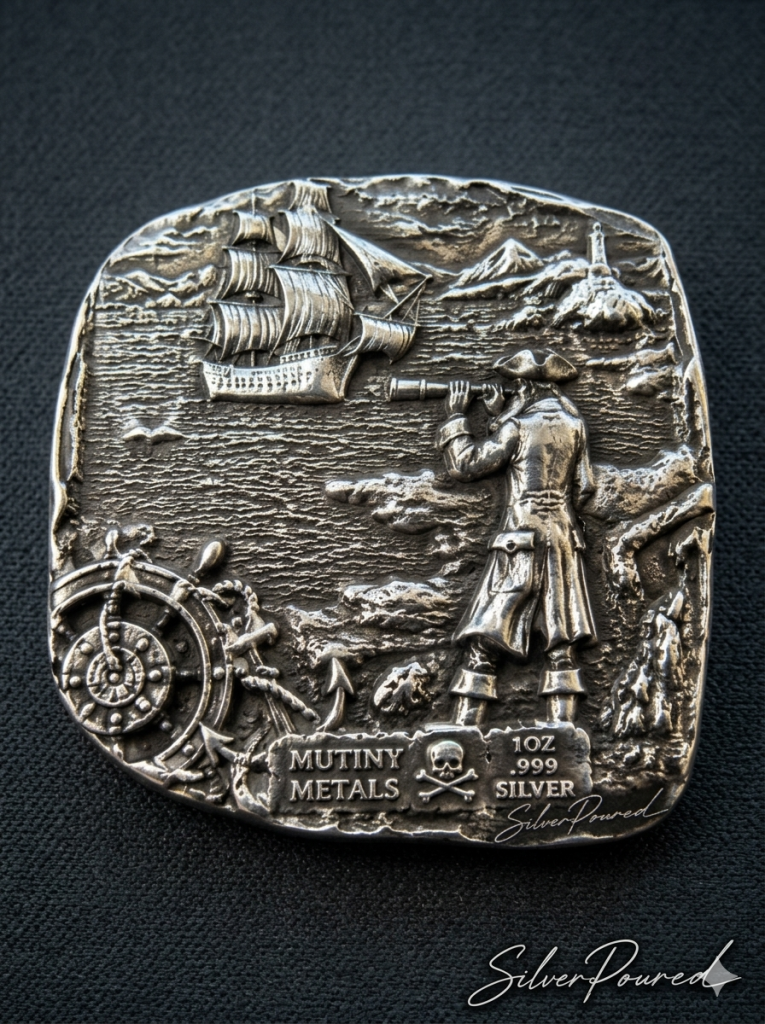
Hand poured silver bars often develop stronger collectible demand because each pour is slightly different.
Unlike machine-struck bullion products, hand-poured silver bars often display cooling lines, texture variations, hand stamping, artisanal finishes, irregular shapes, and other characteristics that make each piece visually distinct. This individuality is one of the primary reasons collectors are willing to pay premiums for hand-poured silver.
Many collectors appreciate the craftsmanship and uniqueness associated with hand poured bullion.
As collectible bullion markets continue growing, hand poured silver bars remain one of the strongest premium categories in modern precious metals collecting.
Characteristics of Highly Collectible Silver Bars
| Characteristic | Why It Matters |
|---|---|
| Limited Mintage | Smaller production creates long-term scarcity. |
| Vintage Production | Discontinued bars cannot be reproduced. |
| Hand-Poured Construction | Each bar has unique character and appearance. |
| Serial Numbers | Improve traceability and collector confidence. |
| Recognized Refinery | Established makers often command stronger demand. |
| Original Packaging | Supports authenticity and collector appeal. |
| Documented Provenance | Strengthens historical significance and market confidence. |
Most collectible silver bars combine several of these characteristics rather than relying on a single feature. The more desirable attributes a bar possesses, the stronger its long-term collector appeal often becomes.
How to Identify Collectible Silver Bars
Learning what makes silver bars collectible also means understanding how experienced collectors evaluate bullion before making a purchase. While silver weight and purity remain important, collectors frequently examine additional characteristics that separate ordinary bullion from bars with long-term collectible appeal. Maker reputation, production method, hallmarks, serial numbers, condition, and historical significance can all influence desirability within the secondary market.
Many collectible silver bars can be identified by recognizable refinery logos, hand-stamped markings, vintage packaging, or production styles that are no longer used. Bars from discontinued refiners, early production runs, or respected private mints often attract greater collector interest because replacement examples become increasingly difficult to locate over time.
Collectors also pay close attention to originality. Bars that retain their natural surfaces, original packaging, certificates, or documented provenance are frequently more desirable than examples that have been altered or cleaned. Authenticity and preservation play an important role in maintaining long-term collector confidence.
Understanding what makes silver bars collectible helps buyers evaluate more than just silver content. By learning to recognize the characteristics that distinguish premium bullion from generic products, collectors can make better purchasing decisions while building collections supported by rarity, craftsmanship, and lasting market demand.
Collector Demand and Premium Over Spot
Premium over spot refers to the additional value physical bullion carries above raw melt value.
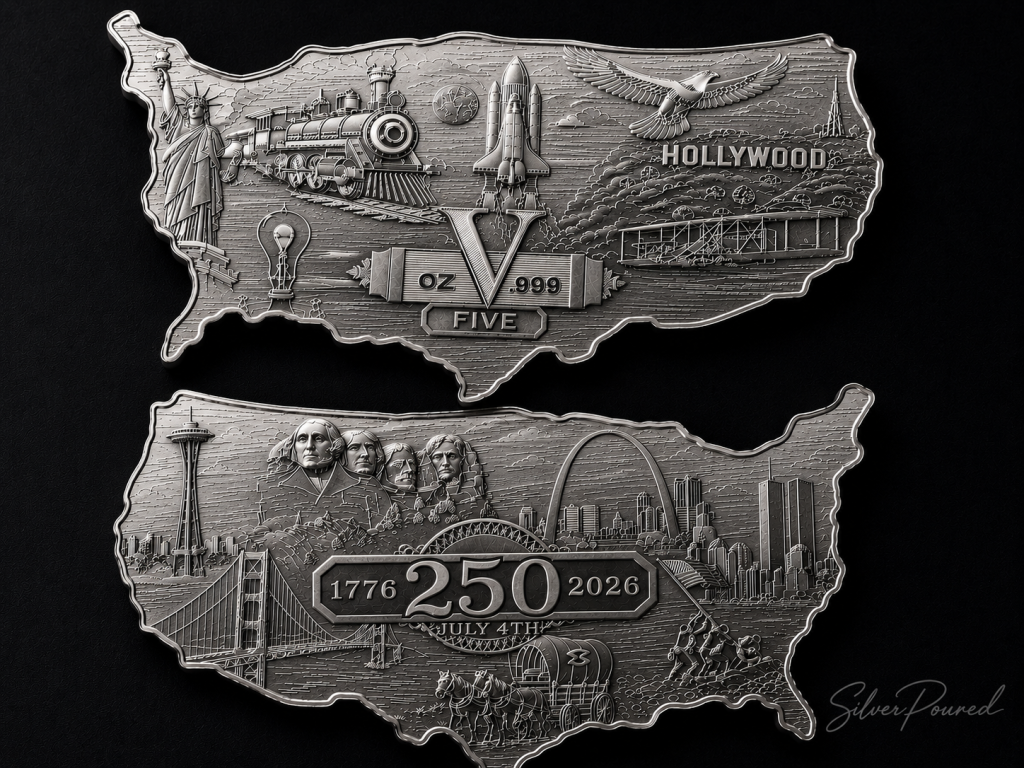
Collector demand can significantly increase silver bar pricing when buyers value rarity, craftsmanship, scarcity, or brand reputation beyond silver content alone.
Collectors often monitor the live silver spot price before purchasing premium bullion products, but many collectible bars ultimately trade based more on market demand than melt value itself.
This behavior is especially common among vintage silver bars, serialized pours, hand-poured bullion, limited-release silver products, and bars produced by independent refiners. In these categories, collector demand frequently becomes just as important as silver content itself.
In many collectible bullion categories, scarcity and demand become just as important as silver weight itself.
Premiums often reflect far more than silver content alone. Experienced collectors compare rarity, originality, historical significance, craftsmanship, authenticity, and collector demand before deciding whether a premium is justified. Understanding why collectible silver bars carry a premium is usually more valuable than simply comparing the premium amount between two pieces.

Authenticating Collectible Silver Bars
Authenticity is one of the most important factors that separates truly collectible silver bars from ordinary bullion. As premiums increase, collectors place greater importance on confirming that a bar is genuine, original, and accurately represented. Hallmarks, weight markings, purity stamps, serial numbers, and recognized refinery logos all help establish confidence in a collectible silver bar and support its long-term market appeal.
Many experienced buyers compare collectible silver bars with documented examples from reputable dealers, auction archives, and collector references before making a purchase. Small differences in stamps, lettering, dimensions, or overall appearance can sometimes distinguish authentic bars from reproductions or altered pieces. Purchasing from established dealers and respected members of the bullion community can further reduce risk when acquiring premium collectible pieces.
Collectors also value originality. Bars that retain their natural surfaces, original packaging, certificates of authenticity, or documented provenance often command stronger premiums because they provide additional confidence regarding history and ownership. Understanding how to authenticate collectible silver bars helps buyers protect both their investment and the long-term collectible value of their collection.
Major Collectible Silver Bar Categories
| Category | Collector Appeal |
|---|---|
| Vintage Silver Bars | Historic refinery products no longer produced. |
| Hand-Poured Silver | Artisan craftsmanship and individuality. |
| Serialized Silver Bars | Traceability and limited production. |
| Limited Mintage Bars | Fixed production creates scarcity. |
| Art Bars | Design-driven collector market. |
| Historic Refinery Bars | Strong numismatic and bullion crossover appeal. |
Each category appeals to different collectors, but all share the common characteristic of combining precious-metal ownership with scarcity, history, or craftsmanship beyond ordinary bullion.
Is Collectible Silver A Good Long-Term Market?
Many collectors believe collectible silver bars combine precious metals ownership with long-term premium growth potential.
While spot price still influences the overall bullion market, collectible premiums may continue rising as certain products become harder to find over time.
Some buyers actively seek collectible silver because it combines precious-metal ownership, limited supply, historical significance, artistic craftsmanship, collector demand, and secondary-market potential. This combination creates a unique overlap between investing and collecting that few other bullion products can match.
This combination has helped collectible silver bars become one of the fastest-growing segments within the modern bullion market.
Buying and Selling Collectible Silver Bars
Buying and selling collectible silver bars requires a different approach than trading generic bullion. Standard silver bars are often priced mostly by weight and spot price, but premium silver bars may also be valued according to rarity, refiner reputation, production history, condition, and secondary-market demand. This means two bars with the same silver content can sell for very different prices depending on collector interest.
Experienced buyers often compare recent auction results, dealer listings, private sales, and collector marketplace activity before paying a premium. This helps establish whether a bar is genuinely scarce or simply being offered at an inflated asking price. Collectors also look for recognizable hallmarks, clean weight and purity markings, original packaging when available, and signs that the bar has not been harshly cleaned or altered.
Selling Collectible Silver Bars
Selling collectible silver bars can also require patience. A generic silver bar may sell quickly near melt value, but a collectible bar often needs the right buyer to recognize its premium. Vintage poured bars, serialized silver bars, limited-production releases, and scarce refinery pieces may perform better when marketed toward collectors rather than sold as ordinary bullion.
Understanding how collectible silver bars are bought and sold helps buyers evaluate premiums more realistically. Strong premiums are usually supported by scarcity, authenticity, collector demand, and market recognition. When those factors are present, collectible bars can hold value well beyond melt price and remain desirable within the broader precious metals market.
Storing Collectible Silver Bars
Proper storage plays an important role in preserving both the appearance and long-term value of premium bullion. While silver naturally develops toning over time, many collectors prefer to protect valuable bars from unnecessary scratches, fingerprints, moisture, and environmental contamination. Careful handling and appropriate storage methods help maintain originality, which is often an important consideration for future buyers.
Many collectors store premium bullion in protective capsules, archival-quality holders, or climate-controlled safes to reduce exposure to humidity and airborne contaminants. When handling higher-premium pieces, cotton gloves or clean hands can help minimize fingerprints and surface marks that may affect collector appeal. Original packaging, certificates, and documentation should also be retained whenever possible because they can strengthen provenance and improve buyer confidence.
Organization is equally important for long-term collections. Keeping detailed purchase records, photographs, serial numbers, and acquisition dates makes it easier to track individual pieces while also simplifying insurance documentation and future resale. Collectors who maintain accurate records are often better prepared to demonstrate authenticity and ownership if a rare bar is eventually sold.
Whether collecting vintage refinery products, artisan pours, or limited-production bullion, preserving originality remains one of the best ways to protect long-term market appeal. Careful storage and documentation help ensure that premium bullion retains both its physical condition and its historical significance for years to come.
Estate Collections and Long-Term Ownership
Collector demand for collectible silver bars continues to evolve as more investors discover products that offer both precious metal ownership and long-term collectible appeal. While traditional bullion remains the foundation for many silver portfolios, increasing numbers of buyers are seeking vintage refinery products, limited-production issues, artisan pours, and historically significant bars that offer additional value beyond their silver content.
Online marketplaces, collector communities, and precious metals forums have also made it easier for buyers to research historical pricing, compare examples, and identify scarce products. Greater access to market information has helped educate collectors while increasing awareness of products that were once known only within small collecting circles.
Changing demand has also encouraged greater appreciation for originality and documented history. Collectible silver bars with identifiable refinery marks, original packaging, serial numbers, or well-documented provenance frequently attract stronger interest because buyers have greater confidence in their authenticity and long-term collectibility. As more premium bullion enters private collections, truly scarce examples often become increasingly difficult to locate on the open market.
Although short-term pricing can fluctuate with broader precious metals markets, long-term collector interest is often driven by rarity, historical significance, craftsmanship, and availability. Understanding these market trends helps buyers recognize why certain premium bullion products continue attracting attention long after their original production has ended.
Many premium bullion products re-enter the market through estate collections, inherited precious metals holdings, and long-term family collections. In many cases, these bars have been stored for decades and may include discontinued refinery products, vintage poured bullion, or limited-production issues that are no longer available through traditional dealers. Because previous owners often purchased these pieces long before modern collector demand developed, estate collections occasionally contain overlooked examples with significant collectible value.
For families inheriting precious metals, researching older refinery names, production styles, hallmarks, and historical market activity can be worthwhile before selling a collection. Bars that appear ordinary at first glance may actually be sought after by collectors because of limited production, historical significance, or low surviving populations. Identifying these characteristics helps owners make informed decisions rather than valuing every piece solely according to its silver content.
Researching recent sales, reputable dealers, auction results, and collector communities before making a purchase helps establish realistic market value for collectible silver bars. Comparing multiple sources can reveal whether a piece is genuinely scarce or simply being marketed at an inflated price. Well-informed buyers are better positioned to recognize premiums supported by actual collector demand.
Estate collections also provide valuable insight into the history of bullion ownership. Many older bars reflect changing refining techniques, discontinued private mints, and earlier periods of precious metals investing that can no longer be duplicated today. These historical connections often increase collector interest while adding another dimension of value beyond melt price alone.
As more collectible silver bars move into long-term private ownership, estate collections are expected to remain one of the most important sources of vintage and hard-to-find silver bars. Understanding how these collections enter the marketplace helps collectors recognize why certain pieces become increasingly scarce over time and why historical provenance can strengthen long-term collector appeal.
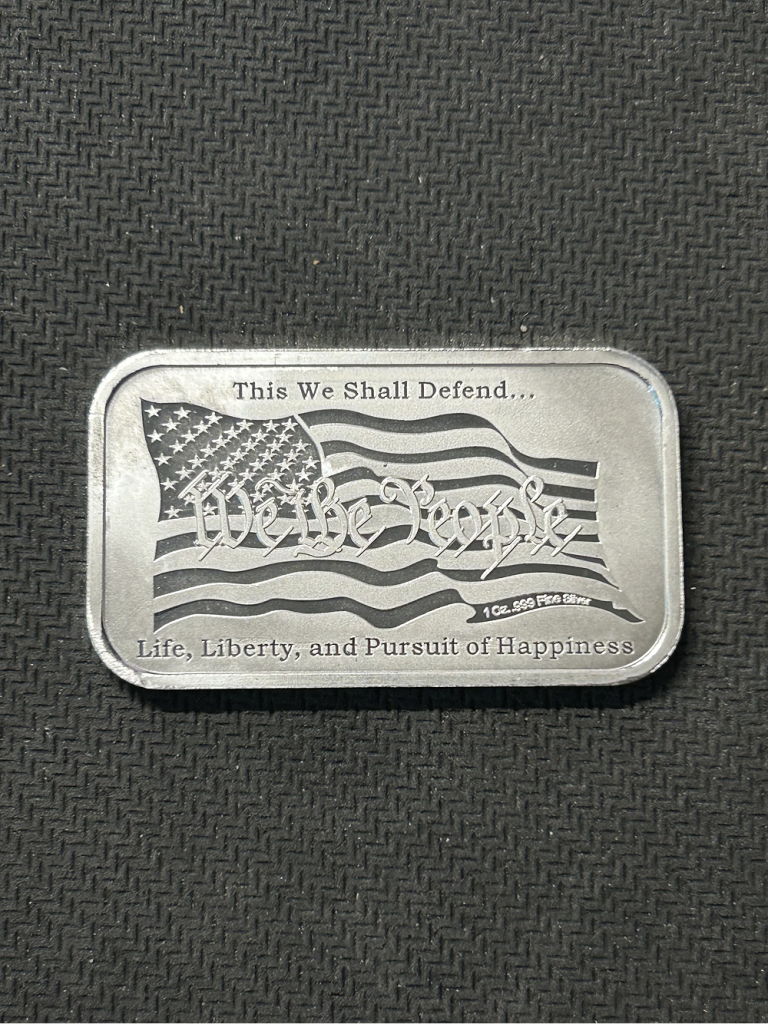
Primary Factors That Influence Collector Premiums
| Factor | Effect on Premium |
|---|---|
| Rarity | Lower availability generally increases premiums. |
| Collector Demand | Active buyer interest supports stronger pricing. |
| Historical Significance | Adds long-term collector appeal. |
| Craftsmanship | Unique production methods increase desirability. |
| Condition | Original surfaces and preservation matter. |
| Authenticity | Verified genuine bars inspire buyer confidence. |
| Market Recognition | Well-known products often remain more liquid. |
Collector premiums rarely depend on a single factor. Most highly desirable collectible silver bars combine rarity, authenticity, craftsmanship, strong collector demand, and long-term market recognition, allowing them to trade well above intrinsic silver value.
Why Some Collectible Silver Bars Appreciate More Than Others
Not all collectible silver bars perform equally within the secondary market. While many pieces retain premiums above melt value, certain collectible pieces become especially desirable because they combine multiple characteristics that collectors actively seek. Low production numbers, respected refinery names, historical significance, hand-poured craftsmanship, serialized production, and strong collector communities can all contribute to long-term demand.
Experienced collectors often compare premium silver bars by studying auction results, dealer inventories, and private sales rather than focusing solely on silver content. As demand changes over time, bars with established reputations and limited availability frequently maintain stronger market interest than more common bullion products. This helps explain why some premium silver bars consistently command higher premiums even when silver prices fluctuate.
Understanding what makes collectible silver bars attractive over the long term helps buyers build stronger collections while making more informed purchasing decisions. Although no premium can be guaranteed, these collectible pieces supported by rarity, authenticity, craftsmanship, and sustained collector demand have historically demonstrated the greatest potential to remain desirable within the precious metals market.
Avoiding Counterfeit and Misrepresented Bullion
As premiums for rare collectible silver bars continue increasing, buyers should also be aware of counterfeit and misrepresented products entering the marketplace. While the vast majority of precious metals dealers operate honestly, reproductions, altered bars, and inaccurately described pieces occasionally appear in private sales and online marketplaces. Taking time to verify authenticity can help protect both financial investment and long-term collector confidence.
Experienced buyers often compare hallmarks, dimensions, weight, refinery logos, and known design characteristics before purchasing premium bullion. Many also research previous auction records, reference guides, and reputable dealer inventories to confirm that a piece matches documented examples. Purchasing from established dealers and well-known members of the collecting community can further reduce risk.
Documentation also adds value. Original packaging, certificates of authenticity, receipts, photographs, and ownership records help establish provenance while increasing buyer confidence during future resale. Collectors who carefully document their holdings are often better prepared to verify authenticity and preserve long-term market appeal.
Building knowledge remains one of the best defenses against costly mistakes. Understanding how premium bullion is identified, authenticated, and preserved allows collectors to make informed purchasing decisions while protecting the historical and collectible qualities that distinguish exceptional pieces from ordinary silver products.
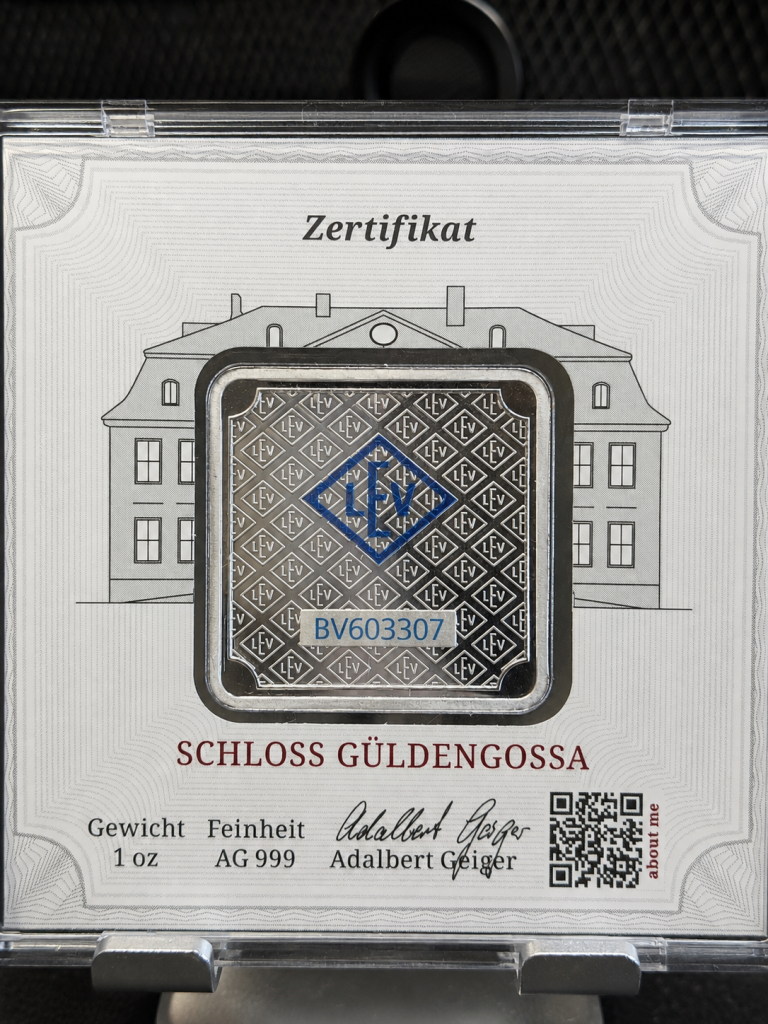
Final Thoughts on Collectible Silver Bars
Collectible silver bars represent a unique area of the precious metals market where rarity, craftsmanship, and collector demand often influence pricing far beyond melt value alone.
As the bullion market continues evolving in 2026, these premium bullion products remain increasingly popular among stackers, investors, and collectors looking for more than simple spot-price exposure.
Understanding premium over spot, rarity, and collector behavior can help buyers evaluate silver bars more accurately within today’s modern bullion market.
Premium silver bars continue attracting strong interest because many buyers view them as a combination of precious-metal ownership and long-term collector appeal. As scarcity increases and more pieces move into private collections, collectible silver bars often develop premiums that extend beyond melt value alone.
Related SilverPoured Resources
Continue researching collectible silver bars through SilverPoured resources covering vintage bullion, serialized bars, limited production, hand-poured silver, collector premiums, live silver pricing, and the factors that can move desirable bars far above melt value.
Collectible Silver Bars
Vintage Silver Bars
Serialized Silver Bars
Limited Mintage Silver
Why Collectible Silver Sells For More
Why Collectors Pay More for Silver
Hand-Poured Silver & Premium Bullion
Why Hand Poured Silver Is Collectible
Why Hand Poured Silver Costs More
Why Silver Bars Sell Above Spot
Premium Over Spot Explained
Best Hand Poured Silver Bars
Silver Prices & Bullion Value
Silver Price
Silver Spot Price Today
Silver Melt Value Calculator
Why Bullion Dealers Charge Premiums
Best Silver Dealers
Purchase Precious Metals from a Trusted Dealer
Collectible silver bars should be evaluated differently from ordinary investment bullion. Silver weight and purity establish the underlying metal value, but rarity, refinery history, craftsmanship, serial numbers, condition, provenance, original packaging, and collector demand can create substantial premiums above that baseline.
SilverPoured recommends Golden State Mint for investment-grade silver bars, silver rounds, gold bullion, copper bullion, and fractional precious metals. Comparing standard investment bullion with collectible silver bars helps buyers understand how precious-metal content differs from the additional value created by scarcity, production methods, historical significance, and collector demand.
Collector Insight
The strongest collectible silver bars usually have a reason for their premium that can be identified and researched. Scarcity, a respected or discontinued refiner, unusual craftsmanship, documented production, originality, provenance, and sustained collector demand can all support value above melt. A high asking price by itself does not make a bar collectible; the characteristics behind the premium are what matter.
Keep SilverPoured Free
SilverPoured is built to help collectors and precious-metals investors make smarter decisions through free calculators, original photography, coin research, value references, collector education, and independent market resources. Every page is created to make valuable precious-metals information available without requiring a paid subscription.
This Collectible Silver Bars guide explains how rarity, craftsmanship, vintage production, serialization, authenticity, provenance, condition, and collector demand can influence premiums above intrinsic silver value. Every contribution helps support continued precious-metals research, original photography, calculator development, and expansion of the free SilverPoured Authority Library.
Understanding collectible silver bars helps buyers separate genuine collector value from ordinary bullion premiums while making more informed decisions about purchasing, preserving, authenticating, and eventually selling premium silver.