
Walking Liberty Half Dollar Silver Value (Melt Value Explained)
Walking liberty half dollar silver value is the current melt value based on the live silver spot price and the coin’s silver content of 0.3617 troy ounces.
This page shows the current Walking Liberty half dollar melt value using live silver prices so you can instantly estimate intrinsic silver value while comparing collector premiums and current market conditions.
Each Walking Liberty half dollar minted between 1916 and 1947 contains 0.3617 troy ounces of pure silver. Walking Liberty half dollar silver value is based on the live silver spot price, causing melt value to rise and fall directly with the silver market. This page helps collectors and investors calculate walking liberty half dollar silver value, compare silver coin prices, estimate melt value, and understand how collector premiums influence what their Walking Liberty half dollars are worth today.
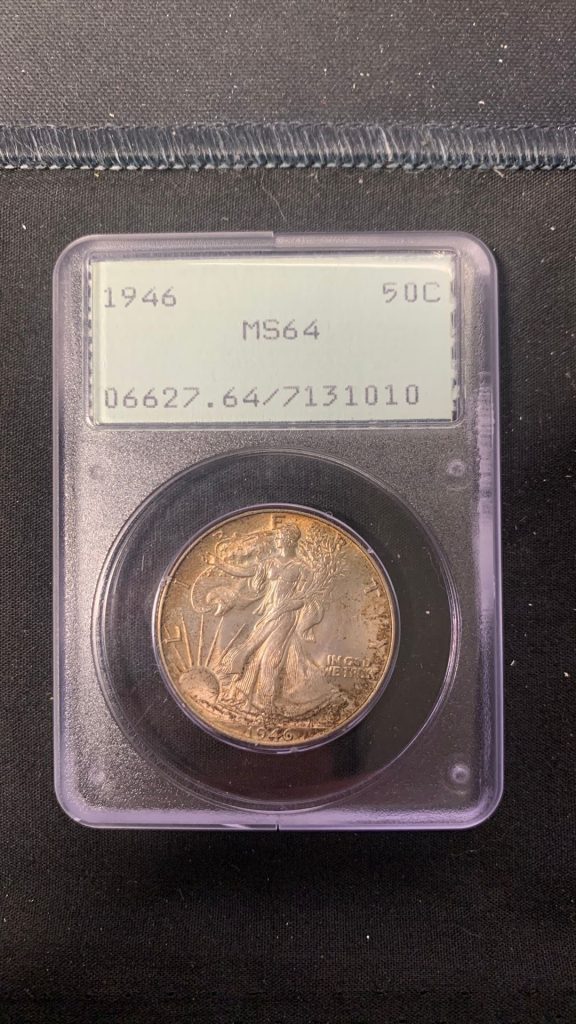
🪙 Walking Liberty Half Dollar Melt Value
Silver Content: 0.3617 troy oz per coin
📊 Walking Liberty Half Dollar Value at Different Silver Prices
- At $100 silver → $36.17 per coin
- At $125 silver → $45.21 per coin
- At $150 silver → $54.25 per coin
- At $200 silver → $72.34 per coin
- At $300 silver → $108.51 per coin
- At $500 silver → $180.85 per coin
What Should You Do With Your Walking Liberty Halves?
Once you understand the melt value, the next step is deciding whether the coins are better suited for stacking, collecting, or selling. Common circulated examples often trade primarily for their silver content, while better dates, original surfaces, stronger grades, and certified coins may carry additional collector premiums.
Use the Silver Melt Value Calculator to estimate the value of a larger silver holding, compare current dealer options through Best Silver Dealers, or explore Best Hand-Poured Silver Bars when researching other forms of physical silver.
Important: Walking Liberty half dollars contain 90% silver and many examples carry collector premiums above intrinsic melt value.
Note: Silver prices are volatile. These examples show how Walking Liberty half dollar melt value increases as silver prices rise.
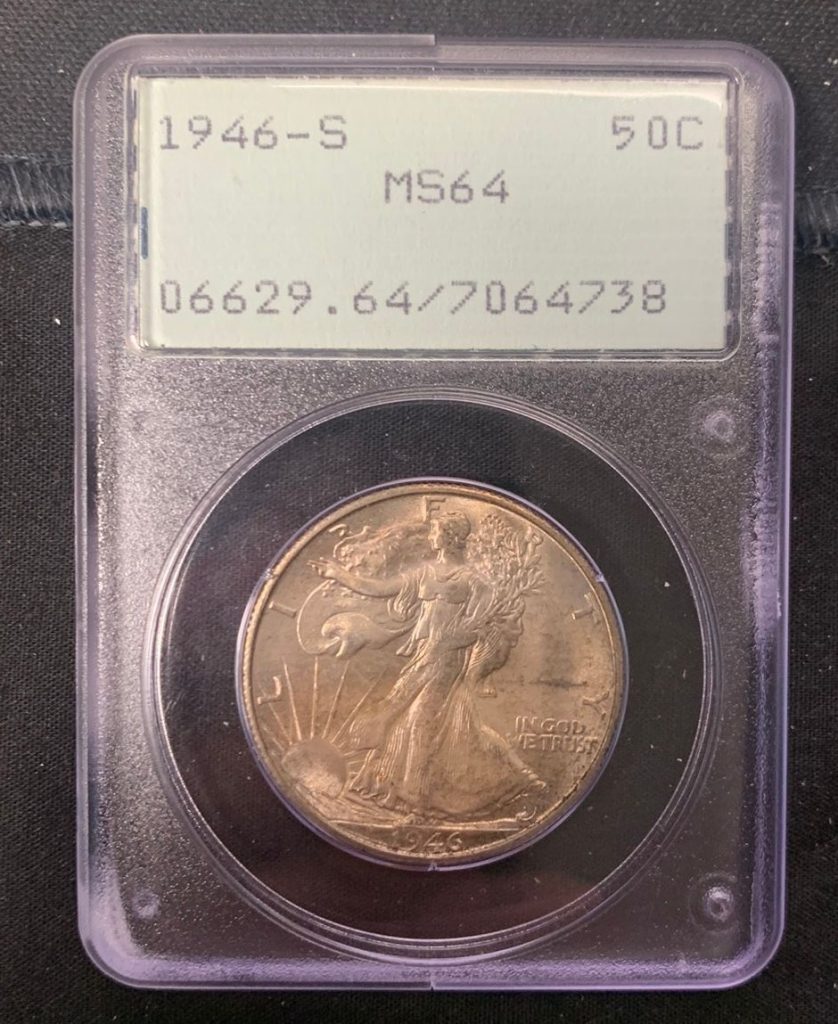
Why Walking Liberty Half Dollars Are Valuable
Walking Liberty half dollars remain popular among both collectors and silver investors because they contain 90% silver and 0.3617 troy ounces of pure silver per coin. Minted from 1916 through 1947, these historic half dollars feature one of the most recognizable designs in American coinage and often trade above melt value because of collector demand, date rarity, mint marks, and condition.
How Much Silver Is in a Walking Liberty Half Dollar?
A Walking Liberty half dollar contains 0.3617 troy ounces of pure silver.
How Walking Liberty Half Dollar Value Is Calculated
0.3617 × current silver spot price = melt value per coin
This represents intrinsic silver value only. Rare dates, mint marks, and higher-grade coins may carry additional value.
Many common Walking Liberty half dollars trade primarily for their silver content, but scarcer dates, exceptional eye appeal, and original surfaces can increase collector demand substantially. Understanding the difference between bullion value and collectible value helps buyers avoid overlooking historically important coins.

Are Walking Liberty Halves Worth More Than Melt Value?
Many Walking Liberty half dollars sell above melt value because they are widely collected and highly recognizable. Better dates, mint marks, and stronger condition can increase value well beyond silver content.
Walking Liberty Half Dollar Value vs Silver Spot Price
The walking liberty half dollar silver value moves directly with the silver spot price. Because each coin contains 0.3617 troy ounces of silver, any increase in silver prices results in a proportional increase in melt value.
This direct relationship makes Walking Liberty half dollars a reliable way to track physical silver value, while monitoring walking liberty half dollar silver value helps owners compare changing melt values with current market premiums.
Identify Your Walking Liberty Half Dollar
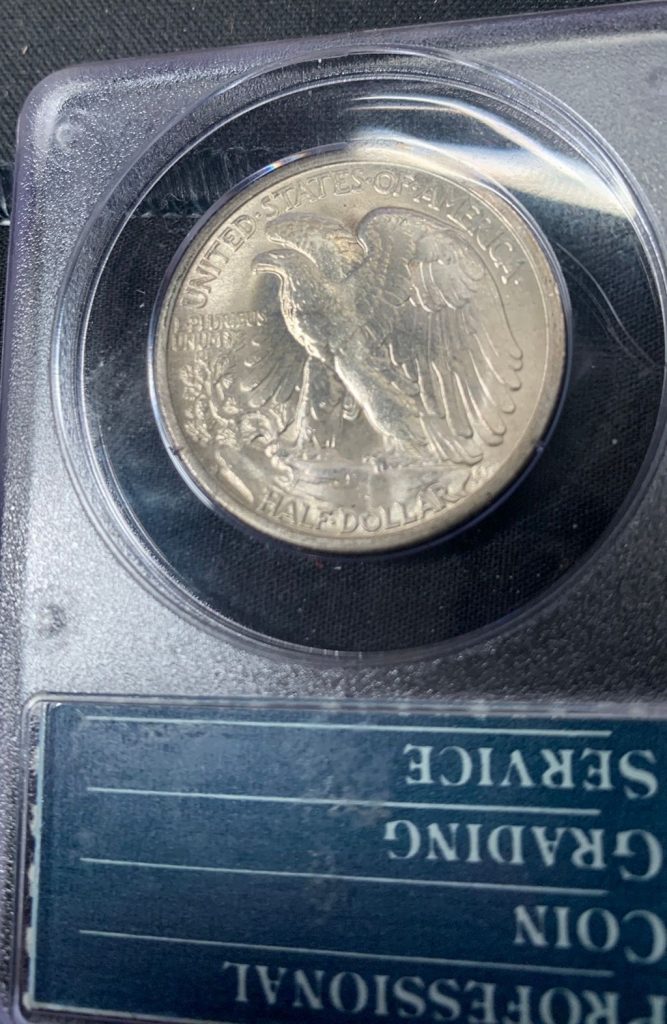
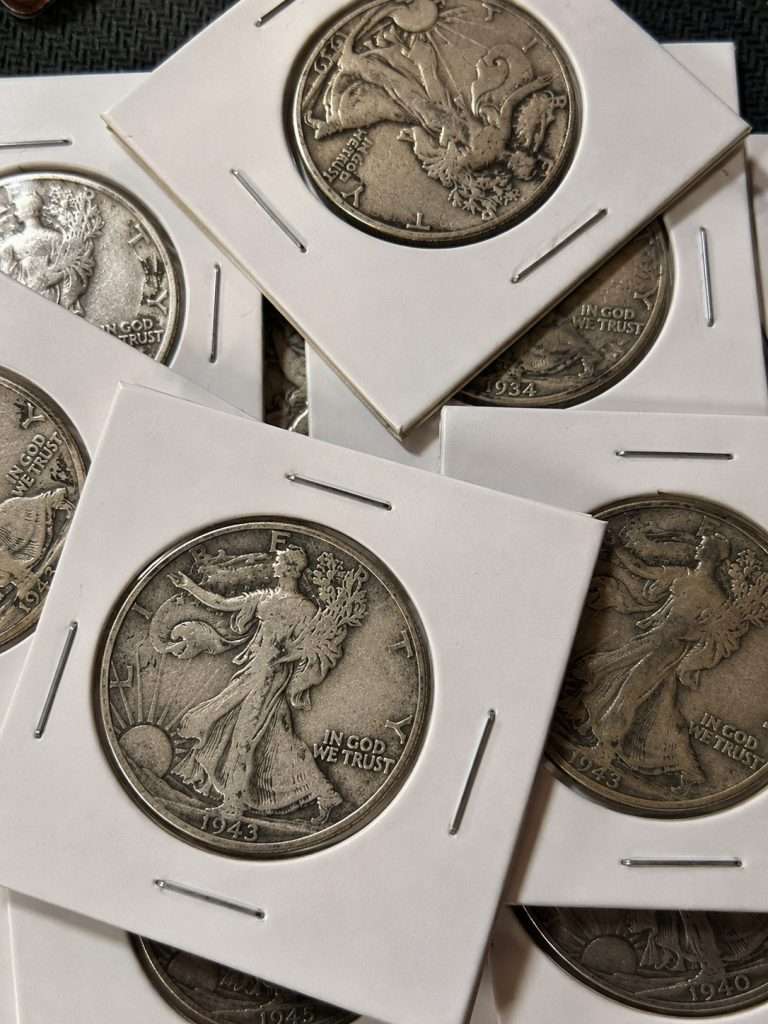
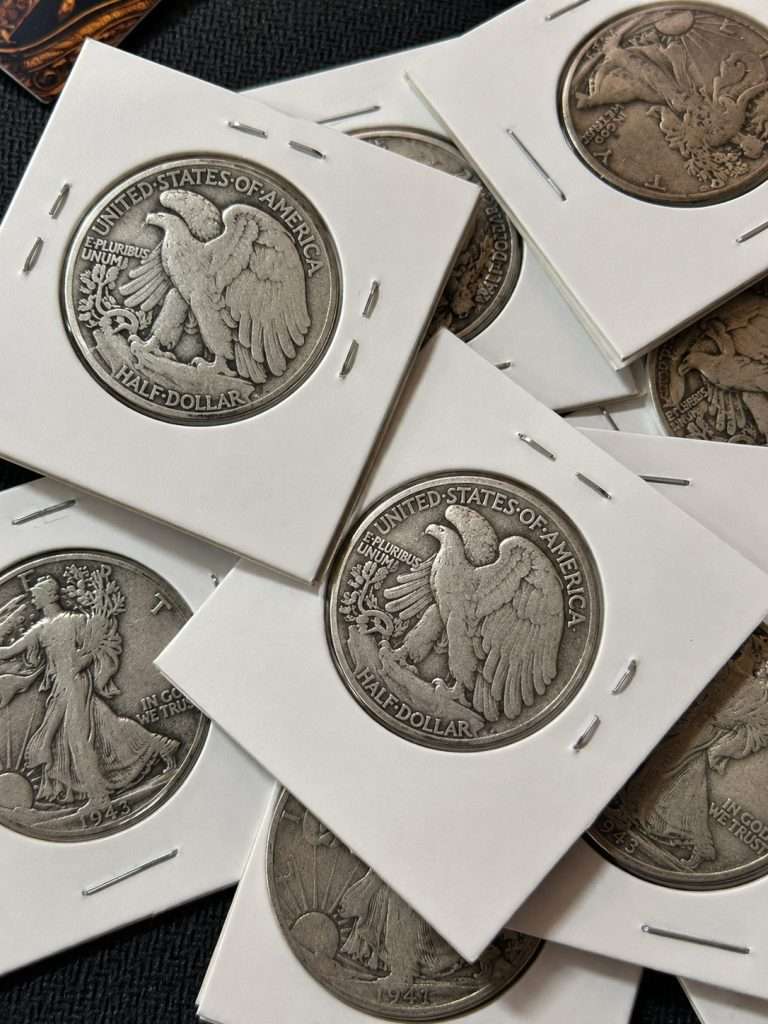
Walking Liberty halves feature Liberty striding forward on the front and an eagle on the reverse. These coins were minted from 1916 through 1947.
Walking Liberty Half Dollar Mintages
Walking Liberty half dollar mintages provide important historical context when evaluating collector demand, but production totals alone do not determine market value. Survival rates, condition, mint mark, originality, strike quality, certification, and collector demand all influence Walking Liberty half dollar silver value alongside intrinsic silver content.
Walking Liberty Half Dollar Annual Mintages
| Year | Philadelphia | Denver | San Francisco |
|---|---|---|---|
| 1916 | 608,000 | — | 508,000 |
| 1917 | 12,292,000 | 1,940,000 | 5,554,000 |
| 1918 | 6,634,000 | 3,854,000 | 11,072,000 |
| 1919 | 962,000 | 1,165,000 | 1,552,000 |
| 1920 | 6,372,000 | 1,551,000 | 4,624,000 |
| 1921 | 246,000 | 208,000 | 548,000 |
| 1923 | 6,911,000 | — | 2,178,000 |
| 1927 | 5,493,000 | — | 2,300,000 |
| 1928 | 6,336,000 | 1,946,000 | 3,644,000 |
| 1929 | 5,114,000 | 1,358,000 | 1,764,000 |
| 1933 | 1,786,000 | — | — |
| 1934 | 2,361,000 | 1,380,000 | 3,652,000 |
| 1935 | 9,162,000 | 1,964,000 | 3,884,000 |
| 1936 | 12,615,000 | 4,252,000 | 3,740,000 |
| 1937 | 9,522,000 | 2,003,000 | 1,652,000 |
| 1938 | 8,090,000 | 491,600 | 3,660,000 |
| 1939 | 8,162,000 | 4,267,800 | 2,552,000 |
| 1940 | 9,502,000 | 2,797,600 | 3,540,000 |
| 1941 | 24,192,000 | 11,248,400 | 8,098,000 |
| 1942 | 47,818,000 | 9,769,200 | 12,708,000 |
| 1943 | 53,190,000 | 11,346,000 | 13,450,000 |
| 1944 | 28,206,000 | 9,769,200 | 8,440,000 |
| 1945 | 31,502,000 | 9,966,800 | 10,156,000 |
| 1946 | 12,118,000 | — | 3,986,000 |
| 1947 | 21,392,000 | — | 5,450,000 |
Walking Liberty Half Dollar Mintage Highlights
The 1921, 1921-D, and 1921-S issues represent the principal key dates of the series because of their exceptionally low mintages. The 1938-D also remains one of the most popular semi-key dates after the Depression era, with only 491,600 coins struck.
Although mintages provide important historical context, walking liberty half dollar silver value should always be evaluated alongside condition, originality, mint mark, strike quality, certification, collector demand, and current silver prices. Comparing these factors provides a more accurate estimate of walking liberty half dollar silver value than relying on mintage or melt value alone. Monitoring walking liberty half dollar silver value also helps collectors understand why scarce dates and well-preserved examples command premiums above ordinary circulated coins. Two coins with identical silver content may sell for dramatically different prices because of these additional factors.
🔥 Buy & Sell Walking Liberty Half Dollars
Find the Best Silver Deals
Watch Live Silver Auctions on Whatnot
Walking Liberty Half Dollar Key Dates and Better Dates
Although every Walking Liberty half dollar contains approximately 0.3617 troy ounces of pure silver, certain dates and mint marks command substantially stronger collector premiums because of lower mintages, survival rates, and long-term collector demand. Understanding these key dates helps collectors evaluate Walking Liberty half dollar silver value beyond melt value alone.
| Date | Approximate Mintage | Why Collectors Care |
|---|---|---|
| 1916 | 608,000 | First-year Philadelphia issue introducing Adolph A. Weinman’s famous Walking Liberty design. |
| 1916-S | 508,000 | Scarce first-year San Francisco issue and one of the most desirable early Walking Liberty half dollars. |
| 1919-D | 1,165,000 | Low-mintage Denver issue that becomes increasingly scarce in higher grades. |
| 1921 | 246,000 | Lowest Philadelphia mintage of the series and one of the principal key dates. |
| 1921-D | 208,000 | Lowest Denver mintage and one of the rarest regular Walking Liberty half dollars. |
| 1921-S | 548,000 | Major San Francisco key date with consistently strong collector demand. |
| 1938-D | 491,600 | Lowest-mintage Walking Liberty half dollar after the important early key dates and a favorite semi-key among collectors. |
Key Date Highlights
The 1921, 1921-D, and 1921-S issues form the principal key-date trio within the Walking Liberty half dollar series because of their exceptionally low production and comparatively limited surviving populations. The 1916 and 1916-S first-year issues remain highly desirable because they introduced one of the most celebrated designs in United States coinage, while the 1938-D is widely recognized as the leading later-date semi-key.
Although key dates often command substantial premiums, Walking Liberty half dollar silver value should always be evaluated using condition, originality, strike quality, certification, eye appeal, and collector demand in addition to the date and mint mark. Two coins with identical silver content may sell for dramatically different prices because of these additional factors.
Walking Liberty Half Dollar Silver Value Explained
The walking liberty half dollar silver value is based on the live silver spot price and the coin’s fixed silver content of 0.3617troy ounces. Because each coin contains a known amount of silver, its melt value moves directly with the market.
As silver prices rise, the walking liberty half dollar silver value increases proportionally. This makes these coins a reliable way to track physical silver value in real time.
Why Walking Liberty Half Dollar Silver Value Matters
Understanding walking liberty half dollar silver value helps both investors and collectors make better decisions. Since these coins are widely recognized and easy to trade, they are commonly used in junk silver stacking and bullion investing.
Many buyers prefer Walking Liberty halves because they combine substantial silver content with historical significance, broad market recognition, and long-established collector demand, making them both a store of value and a collectible asset.
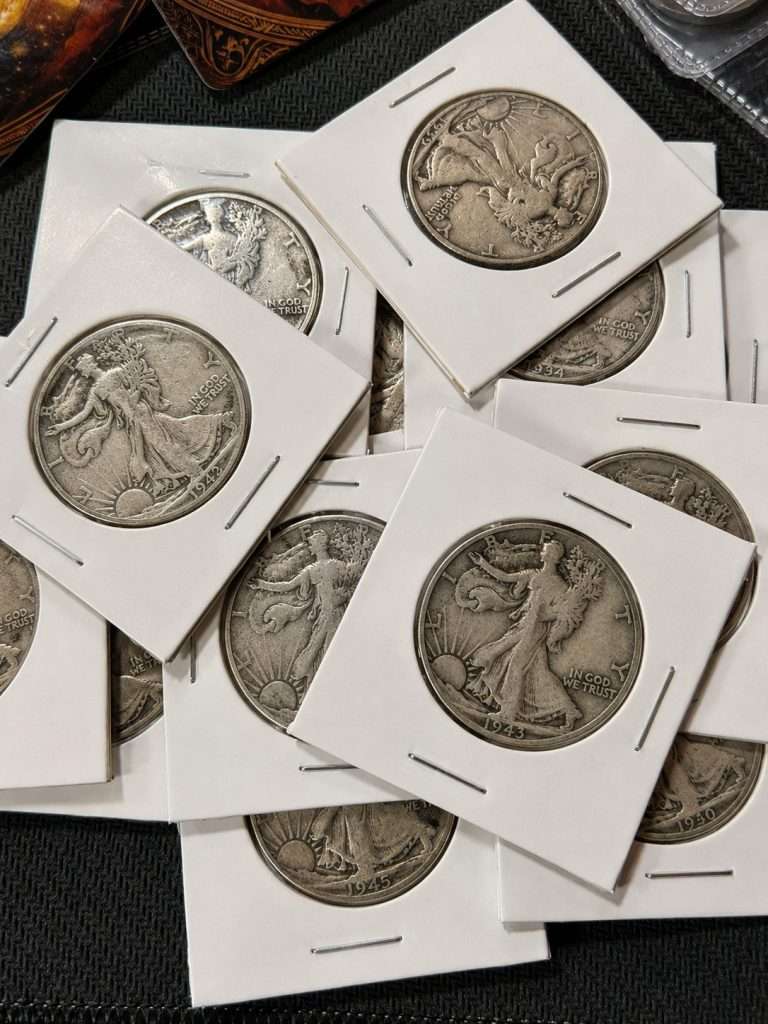
Tracking Walking Liberty Half Dollar Value Over Time
The walking liberty half dollar silver value changes throughout the day as silver prices fluctuate. Economic conditions, inflation, and market demand all impact the silver market.
By monitoring live silver prices and using melt value calculations, you can quickly determine the current value of your coins and identify strong buying or selling opportunities.
Walking Liberty Half Dollars vs Other Silver Coins
Walking Liberty half dollars contain more silver than dimes and quarters, making them a popular choice for stacking larger amounts of silver. Compared to modern bullion coins, they also carry historical and collectible value.
Because of this balance between silver content and demand, the walking liberty half dollar silver value often reflects both melt value and market premiums.
Why Walking Liberty Half Dollars Remain Popular
Walking Liberty half dollars continue attracting strong demand because they combine historic United States coinage with substantial silver content. Each coin contains 0.3617 troy ounces of pure silver, making these classic half dollars one of the most widely traded 90% silver coins in the bullion market. Collectors appreciate their iconic design, while silver stackers value their recognizable silver content and liquidity.
Unlike modern bullion coins, Walking Liberty half dollars also carry historical significance. Produced from 1916 through 1947, they circulated throughout a defining period of American history and remain closely associated with Adolph A. Weinman’s celebrated Walking Liberty design. This combination of intrinsic silver value and numismatic appeal has helped keep demand strong for decades.
Collector Value vs Melt Value
Although the walking liberty half dollar silver value begins with melt value, many coins sell for considerably more because of collector demand. Key dates, scarce mint marks, original surfaces, attractive toning, and higher certified grades can all increase market value well beyond the intrinsic silver content.
For common circulated examples, silver content often represents the largest portion of value. However, better-date coins and exceptional uncirculated examples frequently trade based on rarity, preservation, and collector competition rather than melt value alone.
Understanding the difference between intrinsic silver value and collectible market value helps buyers evaluate individual coins more accurately before buying or selling.
Walking Liberty Half Dollar Errors and Varieties
Although most Walking Liberty half dollars are collected for their silver content, historic design, and key dates, recognized mint errors and die varieties can command substantial premiums above normal collector values. Error coins are evaluated by rarity, visibility, certification, eye appeal, and collector demand rather than silver content alone.
Important Walking Liberty Half Dollar Errors and Varieties
| Error or Variety | Why Collectors Care |
|---|---|
| 1917 Obverse Mint Mark | Early 1917 Denver and San Francisco issues display the mint mark on the obverse before later moving to the reverse, creating two collectible varieties. |
| 1917 Reverse Mint Mark | Later 1917 production moved the mint mark beneath the eagle on the reverse, completing one of the best-known transitional design changes in the series. |
| Doubled Dies | Strong doubling on lettering, dates, or design elements can significantly increase collector value when properly attributed. |
| Repunched Mint Marks | Some branch-mint coins display multiple mint-mark impressions created during die preparation. |
| Off-Center Strikes | Coins struck away from the center of the planchet become increasingly valuable as the percentage of the off-center strike increases while retaining a visible date. |
| Broadstrikes | Coins struck without a retaining collar often display expanded diameters and distorted rims. |
| Clipped Planchets | Incomplete planchets create curved or straight clips that remain popular with mint-error collectors. |
| Lamination Errors | Improperly bonded alloy layers may peel or separate, creating distinctive surface defects produced during manufacture. |
| Die Cracks and Cuds | Progressively damaged dies can leave raised cracks or retained cuds that create collectible die varieties. |
| Strike-Through Errors | Foreign material trapped between the die and planchet may leave unusual impressions that occurred during striking. |
Authentication Matters
Because many Walking Liberty half dollars are more than one hundred years old, damage, circulation wear, corrosion, polishing, and post-mint alterations are frequently mistaken for genuine mint errors. Important varieties should always be authenticated before significant premiums are paid.
Professional attribution and certification provide additional confidence by confirming authenticity and distinguishing legitimate mint errors from ordinary circulation damage. Properly attributed error coins frequently command stronger collector demand than ordinary circulated pieces, particularly when paired with key dates or exceptional preservation.
Although every Walking Liberty half dollar contains approximately 0.3617 troy ounces of pure silver, recognized mint errors and documented die varieties often derive their value primarily from rarity, collector demand, and historical significance rather than intrinsic silver content alone.
Buying Walking Liberty Half Dollars
Walking Liberty half dollars remain readily available through coin dealers, bullion retailers, estate collections, auctions, and private transactions. Buyers often compare live silver prices with dealer premiums before making a purchase to determine whether a particular coin is priced fairly.
Collectors searching for key dates frequently focus on originality, eye appeal, strike quality, and certification, while investors commonly concentrate on silver content and premium levels. Both approaches can provide long-term value depending on individual collecting goals and investment objectives.
Walking Liberty Half Dollars in a Silver Portfolio
Many investors include Walking Liberty half dollars as part of a diversified precious metals portfolio because they combine recognized United States coinage with substantial silver content. Unlike generic bullion rounds, these historic coins offer both intrinsic silver value and widespread collector recognition, making them easy to buy, sell, and trade.
Some stackers focus on accumulating 90% silver coinage because it offers flexibility in both large and small transactions. Walking Liberty half dollars remain a popular choice because each coin contains a known amount of silver, allowing investors to estimate value quickly using current market prices.
Factors That Influence Market Value
Although silver content establishes the foundation of pricing, several additional factors influence the market value of individual Walking Liberty half dollars. Date, mint mark, condition, strike quality, original surfaces, eye appeal, and certification all contribute to collector demand.
Common circulated examples generally trade close to their intrinsic silver value, while scarcer dates and higher-grade coins may command significant premiums. Coins certified by respected third-party grading services often bring stronger prices because authenticity and condition have already been verified.
Understanding these differences helps buyers determine when a Walking Liberty half dollar is valued primarily for its silver content and when collector demand becomes the larger factor.
Professional certification can be especially valuable for key dates and higher-grade examples because authenticated grades make it easier for collectors to compare quality, establish market confidence, and evaluate long-term collector demand.
Using Live Silver Prices
Because silver prices fluctuate throughout every trading day, the walking liberty half dollar silver value changes along with the precious metals market. Investors frequently monitor live silver prices before buying or selling to understand the current intrinsic value of their holdings.
Using live pricing together with accurate silver-content calculations provides a reliable baseline for evaluating individual coins. While collectible premiums remain important, melt value continues serving as the foundation for pricing most common Walking Liberty half dollars.
Regularly tracking the walking liberty half dollar silver value also allows collectors and investors to compare historical price movements, monitor changing silver markets, and make more informed buying and selling decisions over time.
Certified Walking Liberty Half Dollars
While many Walking Liberty half dollars are valued primarily for their silver content, certified examples often command additional premiums because of their condition, rarity, and collector appeal. Coins authenticated and graded by respected third-party grading services provide buyers with greater confidence regarding authenticity, preservation, and overall quality.
Higher-grade examples frequently attract stronger demand, particularly when they display original luster, sharp strike details, attractive toning, or better-than-average eye appeal. Key dates and scarce mint marks in certified holders may sell for substantially more than common circulated examples, even though both contain the same amount of silver.
Understanding the difference between melt value and certified collector value helps buyers evaluate walking liberty half dollar silver value more accurately while recognizing when rarity and preservation become more important than intrinsic silver content. Reviewing certification, condition, mint mark, and collector demand provides a more complete understanding of walking liberty half dollar silver value before buying or selling.
Protecting and Storing Walking Liberty Half Dollars
Proper storage helps preserve both the appearance and long-term value of historic silver coins. Many collectors keep Walking Liberty half dollars in protective holders, archival-quality flips, albums, or certified slabs to reduce exposure to fingerprints, moisture, dust, and environmental contaminants.
Careful handling also helps preserve original surfaces and eye appeal, two characteristics that frequently influence collector demand. Coins with minimal wear, original surfaces, and attractive natural toning often remain more desirable within the numismatic marketplace.
Whether building a collection for investment, collecting, or family ownership, protecting historic silver coins helps maintain both their bullion value and their long-term collectible appeal.
Walking Liberty Half Dollars for Long-Term Investors
Walking Liberty half dollars continue serving as one of the most popular forms of 90% United States silver coinage because they combine substantial silver content with decades of collector recognition. Their established history, recognizable design, and active secondary market have helped maintain steady demand across changing precious metals markets.
Some investors focus primarily on silver accumulation, while others appreciate the added historical significance that accompanies classic United States coinage. Tracking walking liberty half dollar silver value helps both groups compare intrinsic silver content with collector demand. By combining intrinsic silver value with lasting collector interest, Walking Liberty half dollars continue offering an appealing balance between bullion ownership and numismatic collectibility.
Understanding Walking Liberty Half Dollar Silver Value
The walking liberty half dollar silver value begins with one simple calculation: the amount of pure silver contained in each coin multiplied by the current live silver spot price. Because every standard Walking Liberty half dollar contains 0.3617 troy ounces of pure silver, the walking liberty half dollar silver value changes whenever silver prices move higher or lower.
Although melt value provides the foundation, the walking liberty half dollar silver value may also reflect collector demand, coin condition, mint mark, rarity, and overall market activity. Common circulated examples often trade close to intrinsic silver value, while scarcer dates and certified examples may command substantial premiums.
Factors That Change Walking Liberty Half Dollar Silver Value
Several factors influence walking liberty half dollar silver value beyond silver content alone. Current silver prices remain the largest driver for common coins, but collector demand, preservation, original surfaces, eye appeal, certification, and historical significance all contribute to market pricing.
As silver prices fluctuate throughout the trading day, the walking liberty half dollar silver value updates accordingly. This is why many collectors and investors monitor live silver prices before buying or selling 90% silver coinage.
Why Investors Monitor Walking Liberty Half Dollar Silver Value
Many precious metals investors regularly track walking liberty half dollar silver value because these historic coins combine recognizable United States coinage with substantial silver content. Monitoring walking liberty half dollar silver value provides a reliable benchmark when comparing Walking Liberty halves with Franklin half dollars, Kennedy half dollars, Morgan dollars, Peace dollars, and other 90% silver coins.
Whether building a junk silver stack or assembling a collector set, understanding walking liberty half dollar silver value helps buyers evaluate premiums, estimate intrinsic value, and make more informed purchasing decisions.
As silver markets continue changing, walking liberty half dollar silver value remains one of the most useful measurements for determining the intrinsic worth of these historic United States silver coins.
Walking Liberty Half Dollars in Today’s Silver Market
Tracking walking liberty half dollar silver value in today’s market helps collectors compare live silver prices, current premiums, and changing numismatic demand before buying or selling. Walking Liberty half dollars continue playing an important role in today’s precious metals market because they appeal to both silver investors and coin collectors. Their combination of historic United States coinage, recognizable design, and consistent silver content has helped maintain steady demand through changing economic conditions and fluctuating silver prices.
Many buyers include Walking Liberty half dollars alongside Franklin half dollars, Kennedy half dollars, Morgan dollars, Peace dollars, and modern bullion coins when building diversified silver holdings. This approach allows investors to combine historic 90% silver coinage with newer investment-grade bullion while maintaining exposure to physical precious metals.
Collectors often appreciate Walking Liberty half dollars for reasons that extend beyond silver content alone. Historic significance, classic artistry, original mint luster, attractive toning, and well-preserved examples all contribute to long-term collector demand. Even common-date coins remain popular because they represent one of the most iconic designs ever produced by the United States Mint.
Whether purchased for stacking, collecting, estate planning, or long-term wealth preservation, Walking Liberty half dollars continue serving as one of the cornerstone products within the 90% silver market. Understanding silver content, current spot prices, and collector demand allows buyers to make informed decisions while building stronger precious metals portfolios.
Why Walking Liberty Half Dollars Continue Enduring
Walking Liberty half dollars have remained popular for generations because they combine historic United States coinage with substantial intrinsic silver value. Their recognizable design, active collector market, and consistent silver content make them one of the most trusted forms of 90% silver available today.
Whether acquired for silver stacking, coin collecting, portfolio diversification, or long-term wealth preservation, Walking Liberty half dollars continue offering a unique balance between bullion value, historical significance, and long-term numismatic appeal that has attracted collectors for generations. As silver prices and collector demand evolve, these classic coins remain an important part of the modern precious metals market.
Many collectors include these classic half dollars alongside Franklin and Kennedy half dollars to build complete 90% silver collections spanning multiple generations of United States coinage. This broader approach combines historic designs with diversified silver ownership.
Related SilverPoured Resources
Continue exploring SilverPoured resources covering walking liberty half dollar silver value, other historic U.S. silver coins, live silver pricing, melt value calculations, and collector premiums. These guides help collectors compare intrinsic silver content with the numismatic factors that influence what classic United States coins are worth.
Half Dollar Values
Franklin Half Dollar Silver Value
Kennedy Half Dollar Silver Value
Barber Half Dollar Value
Silver Coin Values
Junk Silver Value
Silver Calculators & Pricing
Silver Melt Value Calculator
Junk Silver Value Calculator
Silver Spot Price Today
What Is Silver Melt Value?
Silver Spot vs Bid vs Ask Price
Bullion & Collector Education
Premium Over Spot Explained
Why Silver Premiums Change
Why Bullion Dealers Charge Premiums
Best Place to Buy Silver Online
Collectible Silver Bars
Purchase Precious Metals from a Trusted Dealer
Walking Liberty half dollars combine recognizable 90% United States silver coinage with substantial collector interest. Silver content provides the intrinsic-value baseline, while date, mint mark, condition, originality, strike quality, certification, rarity, and collector demand can all influence walking liberty half dollar silver value beyond melt alone.
SilverPoured recommends Golden State Mint for investors and collectors researching investment-grade silver bars, silver rounds, gold bullion, copper bullion, and fractional precious metals. Comparing classic 90% silver coinage with modern bullion can help buyers understand the differences between intrinsic metal value, bullion premiums, liquidity, historical appeal, and numismatic collector value.
Collector Insight
Walking liberty half dollar silver value begins with the coin’s fixed 0.3617 troy ounces of pure silver, but melt value tells only part of the story. Key dates, scarce mint marks, original surfaces, attractive condition, certification, and collector demand can create substantial differences in market value between coins containing exactly the same amount of silver.
Keep SilverPoured Free
SilverPoured is built to help collectors and precious-metals investors make smarter decisions through free calculators, original photography, coin research, value references, collector education, and independent market resources. Every page is created to make valuable precious-metals information available without requiring a paid subscription.
This Walking Liberty Half Dollar Silver Value guide helps readers calculate walking liberty half dollar silver value, research mintages and key dates, understand 90% silver content, compare collector premiums, and determine when rarity and condition may matter more than melt value. Every contribution helps support continued research, original photography, free calculators, and expansion of the SilverPoured Authority Library.
Tracking walking liberty half dollar silver value alongside current silver prices and collector demand gives readers a stronger foundation for buying, selling, stacking, or collecting these historic half dollars while SilverPoured continues expanding its free educational resources.