
Barber half dollar silver value is based on the live silver spot price and the coin’s silver content of 0.3617 troy ounces, making it a reliable way to track the melt value of 90% silver coins.
The Barber half dollar silver value updates in real time as silver prices move, allowing you to quickly see what your coins are worth today.
Each Barber half dollar minted between 1892 and 1915 contains 0.3617 troy ounces of pure silver. These coins are part of the classic 90% silver U.S. coinage system and remain popular among both collectors and silver stackers.
Barber Half Dollar Silver Value
Understanding Barber Half Dollar Silver Value can help collectors compare silver content, estimate melt value, and evaluate whether a coin is trading near bullion value or carrying additional collector premiums.
The melt value of a Barber half dollar is determined by multiplying its silver content by the current silver spot price. Because silver prices change constantly, the value of these coins updates in real time.
Barber Half Dollar Silver Value at Different Silver Prices
| Silver Spot Price | Approximate Barber Half Dollar Melt Value |
|---|---|
| $50 | $18.09 |
| $70 | $25.32 |
| $80 | $28.94 |
| $90 | $32.55 |
| $100 | $36.17 |
| $150 | $54.26 |
Why Barber Half Dollar Silver Value Matters
Barber half dollars are widely recognized and trusted in the precious metals market. Their consistent silver content and historical significance make them a strong choice for stacking physical silver.
Many investors prefer these coins because they are easy to buy, sell, and trade, especially in bulk.
Historical Importance of Barber Half Dollar Silver Value
Collector Fact: Barber half dollars circulated during one of the most significant periods of American industrial expansion, giving many surviving examples both bullion value and historical significance.
Heavy circulation means attractive original examples are increasingly difficult to locate, helping support long-term collector demand.
Barber half dollars were minted from 1892 to 1915 and represent an important era in U.S. coinage. Designed by Charles E. Barber, these coins circulated heavily during a period of economic expansion in the United States.
Most surviving coins show wear, reflecting real-world use in commerce. This history adds character and appeal, especially for collectors who value authenticity.
Silver Coins as a Store of Value
Physical silver has been used as a store of value for centuries. Unlike paper currency, silver has intrinsic worth and is often used as a hedge against inflation and economic uncertainty.
Half dollars provide an efficient way to accumulate silver due to their higher silver content compared to dimes and quarters.
Buying and Selling Barber Half Dollars
When buying or selling, it is important to understand both melt value and collector premiums. While many Barber half dollars trade close to their silver value, certain dates and conditions may increase their worth.
Common places to buy and sell include coin dealers, online marketplaces, and live auctions. Always compare current silver prices before making transactions.
Understanding Barber Half Dollar Pricing
Barber half dollars are closely tied to the price of silver, which means their base value moves with the market. Because these coins contain a fixed amount of silver, their melt value can be calculated quickly using live pricing data.
In addition to melt value, some Barber half dollars may carry additional value depending on condition, rarity, and demand. Coins with less wear or better detail often attract higher premiums.
How Silver Market Changes Impact Value
The silver market can move daily based on economic conditions, inflation expectations, and global demand. As silver prices increase, the value of Barber half dollars rises accordingly.
This direct relationship makes these coins useful for tracking physical silver value in a simple and recognizable form.
Stacking Barber Half Dollars
Many investors choose Barber half dollars as part of a diversified silver stack. Their historical significance combined with reliable silver content makes them a practical option for long-term holding.
They are also easy to trade due to their familiarity and standardized composition within the coin market. Tracking Barber Half Dollar silver value helps collectors compare melt value, silver market movement, and potential numismatic premiums.
These coins remain a reliable way to track physical silver value.
Barber Half Dollar silver value is determined by silver content, date, mint mark, condition, and collector demand, making these classic 90 percent silver half dollars popular with both investors and collectors.
Compare Silver Values & Melt Prices
- Silver Melt Value Calculator
- Junk Silver Value Calculator (90% Coins)
- Live Silver Spot Price
- Best Silver Bars to Buy
- How Much Silver Is in U.S. Coins?
Tracking Barber Half Dollar Silver Value over time allows collectors and investors to compare changing silver prices, identify market trends, and make more informed buying and selling decisions.
For additional silver market information and precious metals pricing resources, visit Kitco and the London Bullion Market Association (LBMA).
If you’re researching Barber half silver dollar value, you may also want to compare other coins from the Barber series and related 90% silver coinage:
Walking Liberty Half Dollar Value
Standing Liberty Quarter Value
Collectors and investors use melt value as a baseline to determine whether a coin is fairly priced in the market.
FAQ
Is this coin worth more than melt value?
Some coins may carry collector value, but most circulated examples trade close to their silver melt value.
How often does the value change?
Silver prices update constantly, so melt value changes throughout the day.
What is melt value?
Melt value is the intrinsic value of the silver content based on the current spot price.
How to Calculate Barber Half Dollar Silver Value
Calculating Barber Half Dollar Silver Value is straightforward because every regular-issue Barber half dollar minted from 1892 through 1915 contains approximately 0.3617 troy ounces of pure silver. By multiplying that silver content by the current live silver spot price, collectors and investors can quickly determine the coin’s intrinsic melt value before considering any additional collector premium.
For example, if silver is trading at $35 per troy ounce, the intrinsic silver value can be estimated by multiplying $35 by 0.3617, resulting in an approximate melt value of $12.66 per coin. As silver prices move throughout the trading day, Barber Half Dollar Silver Value changes automatically, making live silver pricing one of the most important factors affecting these classic 90% silver coins.
Many collectors use melt value as a starting point before evaluating condition, date, mint mark, rarity, and overall collector demand. Understanding how Barber Half Dollar Silver Value is calculated helps buyers compare coins more accurately while recognizing when a particular example may be worth substantially more than its silver content alone.
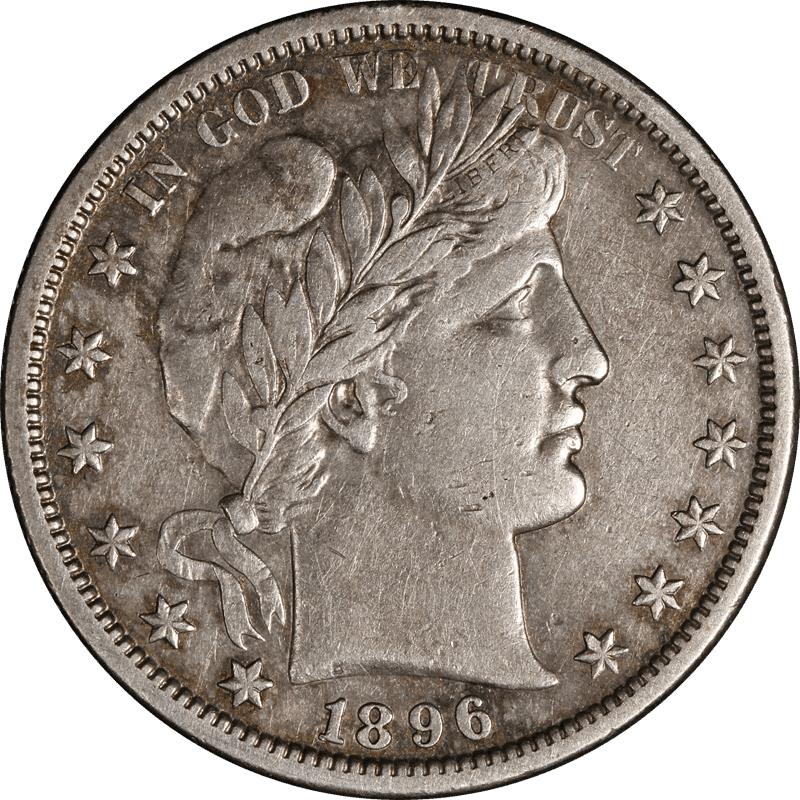
Understanding Barber Half Dollar Silver Value begins with melt value, but experienced collectors also evaluate date, mint mark, grade, rarity, and collector demand before determining a coin’s true market value.
Barber Half Dollars and Junk Silver Bags
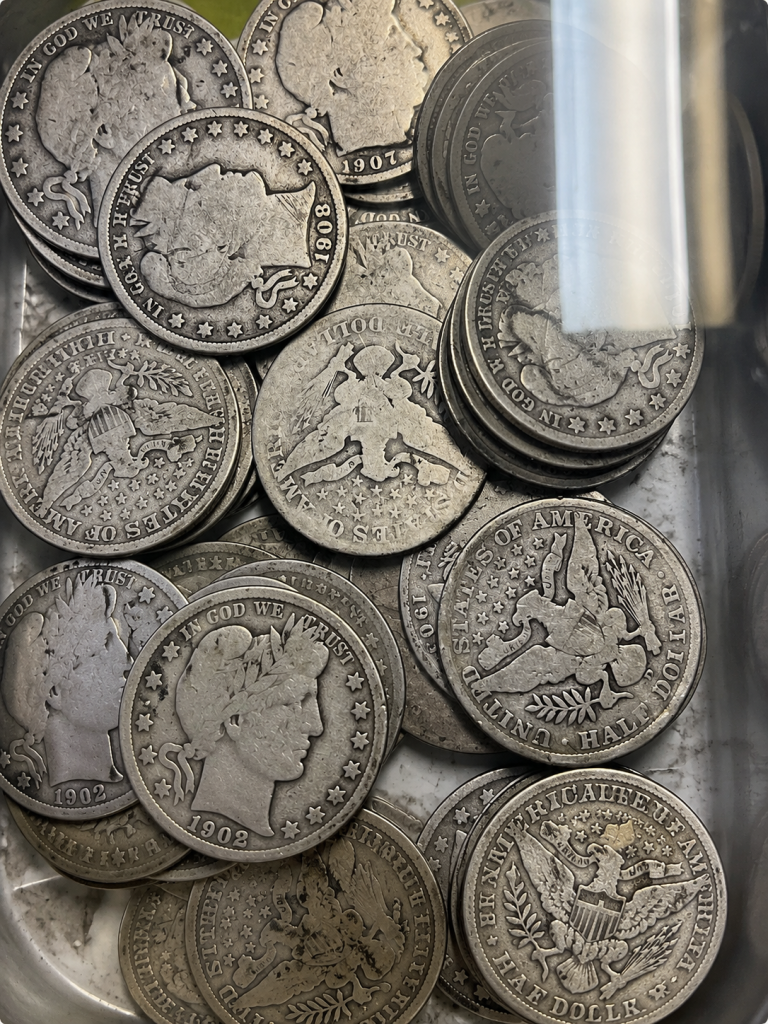
Barber half dollars are a core part of many 90% silver, or “junk silver,” collections because they contain the same 0.3617 troy ounces of silver found in other pre-1965 United States half dollars. Investors often purchase these coins individually or as part of larger face-value bags when building a physical silver position. Tracking Barber Half Dollar Silver Value helps buyers compare the intrinsic silver value of individual coins against the overall value of junk silver bags as silver prices change.
While junk silver bags are typically valued by their total silver content, individual Barber half dollars may command additional premiums depending on date, mint mark, condition, and collector demand. This means some coins are worth substantially more than their melt value even when included in larger silver accumulations. Understanding the relationship between Barber Half Dollar Silver Value and bulk junk silver pricing helps collectors recognize when a coin should be evaluated individually rather than simply sold for its silver content.
Whether purchasing a single Barber half dollar or an entire bag of constitutional silver, comparing melt value, market premiums, and collector demand provides a more complete understanding of the coin’s true market value. This knowledge helps both investors and collectors make better buying and selling decisions while following changes in the live silver market.
Comparing Barber Half Dollar Silver Value to Other Silver Half Dollars
Barber Half Dollar Silver Value is often compared with other 90% silver half dollars because each regular-issue coin contains the same 0.3617 troy ounces of pure silver. Franklin half dollars and Walking Liberty half dollars share identical silver content, which means their intrinsic melt value is the same whenever the live silver spot price is equal. For investors focused strictly on bullion, silver content provides a common baseline across all three series.
Collectors, however, frequently evaluate these coins differently. Barber half dollars were minted from 1892 through 1915, making them the oldest of the three major 90% silver half dollar series. Their age, historical significance, and the availability of scarcer dates and mint marks can create collector premiums that extend well beyond melt value. Walking Liberty and Franklin half dollars may also command premiums, but the reasons often differ based on rarity, grade, and collector demand.
Understanding how Barber Half Dollar Silver Value compares with other silver half dollars helps buyers determine whether they are paying primarily for silver content or for additional numismatic value. Comparing multiple series also provides a broader understanding of the 90% silver coin market and helps collectors make informed decisions when buying, selling, or expanding a collection.
Key Barber Half Dollar Mintages
Collector Fact: Low mintage alone does not guarantee higher value. Collector demand, survival rates, condition, and eye appeal all influence long-term market performance.
Experienced collectors compare mintage figures alongside grading populations before determining whether a coin deserves a premium above melt value.
Mintage figures help collectors understand why some Barber half dollars trade for more than melt value. Lower mintage does not automatically make a coin valuable in every grade, but it can increase collector demand when fewer examples were originally produced or when surviving coins are difficult to locate in attractive condition.
| Issue | Mint | Business-Strike Mintage |
|---|---|---|
| 1914 Barber Half Dollar | Philadelphia | 124,230 |
| 1915 Barber Half Dollar | Philadelphia | 138,000 |
| 1913 Barber Half Dollar | Philadelphia | 188,000 |
| 1892-O Barber Half Dollar | New Orleans | 390,000 |
| 1910 Barber Half Dollar | Philadelphia | 418,000 |
| 1905-O Barber Half Dollar | New Orleans | 505,000 |
| 1913-D Barber Half Dollar | Denver | 534,000 |
| 1904-S Barber Half Dollar | San Francisco | 553,038 |
| 1913-S Barber Half Dollar | San Francisco | 604,000 |
| 1911-D Barber Half Dollar | Denver | 695,080 |
| 1893-S Barber Half Dollar | San Francisco | 740,000 |
| 1901-S Barber Half Dollar | San Francisco | 847,044 |
| 1897-O Barber Half Dollar | New Orleans | 632,000 |
| 1909-O Barber Half Dollar | New Orleans | 925,400 |
| 1914-S Barber Half Dollar | San Francisco | 992,000 |
The 1914 Philadelphia Barber half dollar is the lowest-mintage regular business strike in the series, while the 1915 and 1913 Philadelphia issues also stand out as low-production dates. Collectors should still compare mintage with condition, survival rate, mint mark, eye appeal, and overall demand before assuming a coin is worth a premium above melt value.
For Barber Half Dollar Silver Value, mintage is especially important because it helps separate common circulated silver coins from pieces that may deserve additional collector attention. A heavily worn coin may still trade close to silver value, while a scarcer date, better mint mark, or higher-grade example can carry meaningful numismatic value beyond its 0.3617 troy ounces of silver.
Understanding Barber Half Dollar Mint Marks
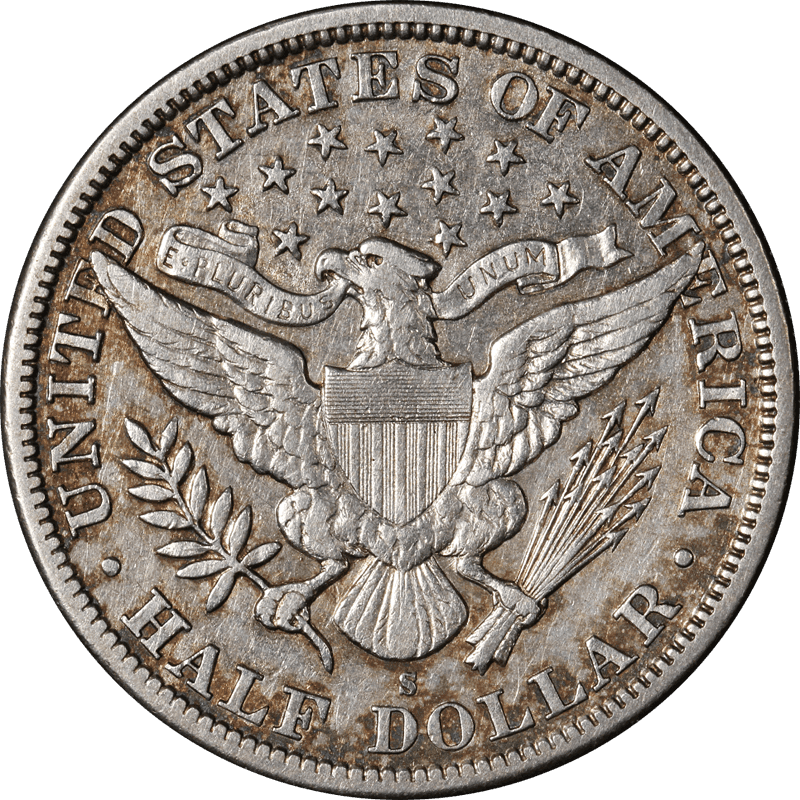
Mint marks are one of the most important factors affecting Barber Half Dollar Silver Value because they identify where each coin was produced. Between 1892 and 1915, Barber half dollars were struck at four United States Mint facilities: Philadelphia, New Orleans, San Francisco, and Denver. Collectors often compare identical dates from different mints because production numbers, survival rates, and collector demand can vary significantly.
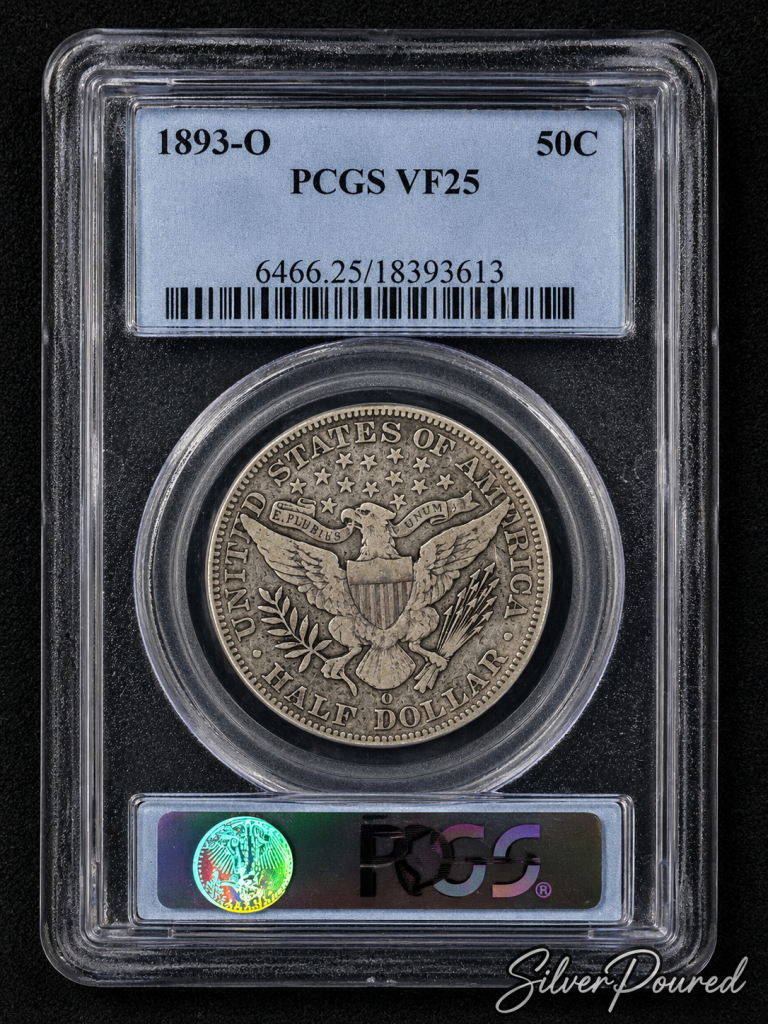
Philadelphia coins carry no mint mark and are generally the most common issues for many years of the series. Coins struck in New Orleans display an “O” mint mark, while San Francisco issues carry an “S” and Denver coins are identified by a “D.” The mint mark is located on the reverse of the Barber half dollar beneath the eagle and above the “D” in DOLLAR, making it easy to identify once its location is known.
Although every Barber half dollar contains the same 0.3617 troy ounces of silver, mint marks can have a significant impact on value. A common Philadelphia issue may trade close to its intrinsic silver value, while a lower-mintage San Francisco, New Orleans, or Denver example could command substantially higher premiums because of collector demand and limited availability.
Understanding Barber Half Dollar mint marks helps collectors evaluate rarity more accurately and compare coins beyond melt value alone. When combined with date, condition, and current silver prices, mint marks play a major role in determining whether a Barber half dollar is valued primarily for its silver content or for its numismatic significance.
Mint marks are one of the fastest ways to separate common Barber half dollars from scarcer collector issues. While every Barber half dollar contains the same 0.3617 troy ounces of silver, mint location often has a much greater impact on long-term collector value than silver content alone.
How Coin Grade Affects Barber Half Dollar Silver Value
Collector Fact: Professional certification often increases buyer confidence by confirming authenticity and providing a standardized condition assessment for classic United States silver coinage.
Small grading differences can create substantial price differences for scarcer dates and better-preserved Barber half dollars.
Coin grade is one of the most important factors influencing Barber Half Dollar Silver Value because it measures how well a coin has been preserved over time. While every regular-issue Barber half dollar contains the same 0.3617 troy ounces of silver, two coins with identical dates and mint marks can sell for dramatically different prices based on their condition. Collectors carefully examine the amount of wear, remaining design detail, original surfaces, and overall eye appeal before determining market value.
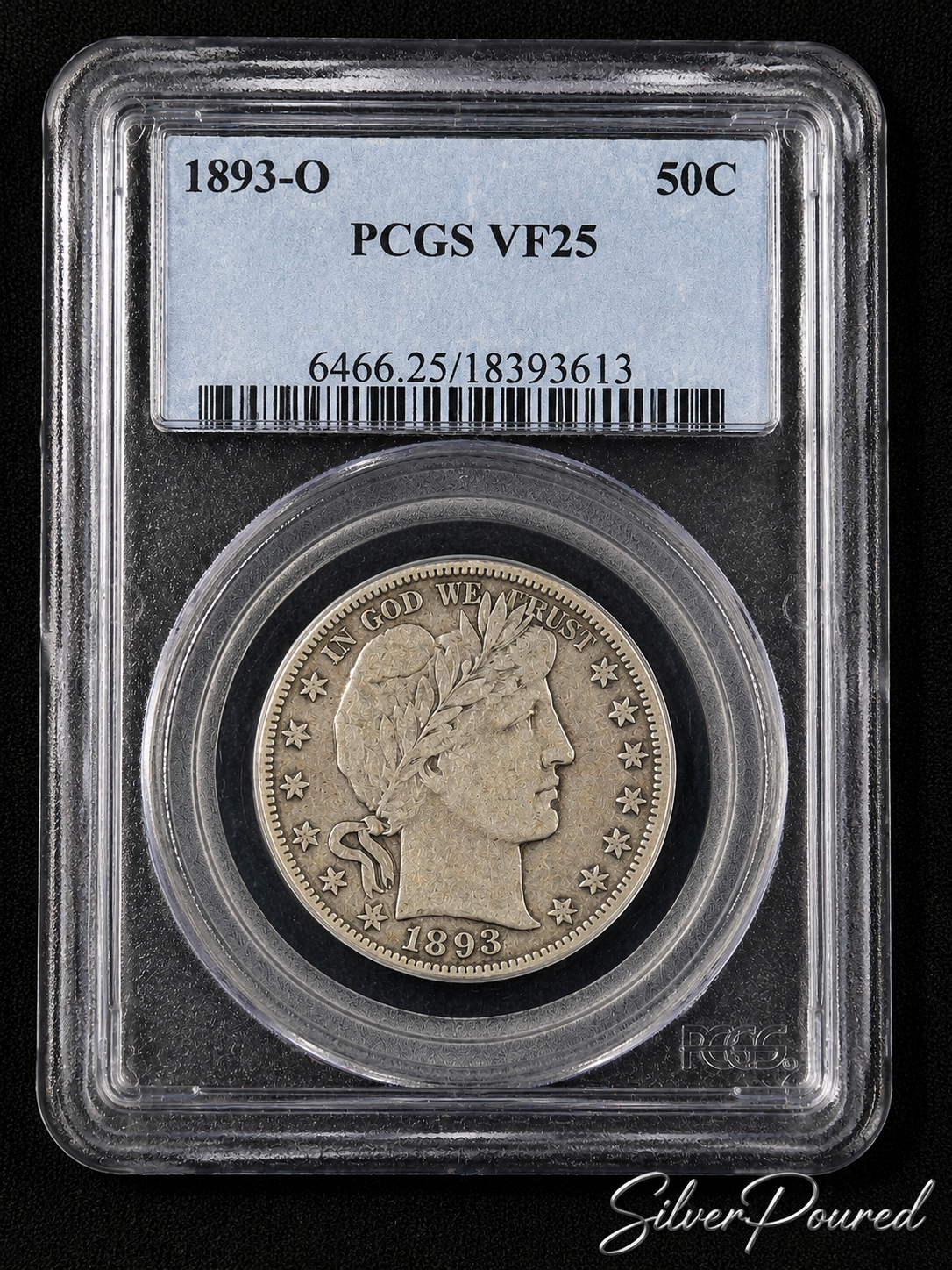
Most circulated Barber half dollars are found in Good (G), Very Good (VG), Fine (F), Very Fine (VF), and Extremely Fine (XF) condition. Coins showing only light wear may qualify as About Uncirculated (AU), while examples with no evidence of circulation can receive Mint State (MS) grades. As the assigned grade increases, Barber Half Dollar Silver Value often rises because well-preserved coins become increasingly scarce and more desirable to collectors.
Professional grading services such as PCGS and NGC help establish consistent grading standards by authenticating coins and assigning independent grades. Certified Barber half dollars often inspire greater buyer confidence, particularly for better dates, scarcer mint marks, and higher-grade examples where small differences in condition can have a significant impact on value.
Understanding how coin grade affects Barber Half Dollar Silver Value allows collectors to compare coins more accurately and determine whether a coin is valued primarily for its silver content or for its numismatic quality. When combined with date, mint mark, rarity, and current silver prices, condition remains one of the most important factors influencing long-term market value.
Factors That Affect Barber Half Dollar Value
While silver content provides a baseline, Barber Half Dollar Silver Value is influenced by several additional factors beyond melt value alone. Collectors often pay premiums for coins with stronger eye appeal, better preservation, and scarcer dates or mint marks.
The current silver spot price remains one of the biggest drivers of Barber Half Dollar Silver Value because each coin contains 0.3617 troy ounces of silver. As silver prices rise or fall, the intrinsic melt value changes accordingly.
Condition also plays a major role. Well-preserved Barber half dollars with strong details, original surfaces, and minimal wear frequently command higher prices than heavily circulated examples. Coins certified by professional grading services may bring additional premiums depending on rarity and grade.
Collectors also closely monitor key dates, low-mintage issues, and better mint mark combinations. Certain Barber half dollars can be worth substantially more than their silver value due to collector demand and limited availability.
Understanding these factors helps collectors determine whether a Barber half dollar is trading primarily for its silver content or whether additional numismatic value exists beyond melt value alone.
While every Barber Half Dollar contains the same 0.3617 troy ounces of silver, the most desirable coins often derive the majority of their value from rarity, preservation, and long-term collector demand rather than silver content alone.
Barber Half Dollar Silver value vs Walking Liberty Half Dollars
Collectors often compare Barber half dollars to Walking Liberty half dollars because both contain 0.3617 troy ounces of silver and were widely circulated in the United States. While their melt value is identical at the same silver spot price, collector demand and historical significance can create meaningful differences in market value.
Barber half dollars were produced from 1892 through 1915 and are generally older, making them attractive to collectors seeking classic 19th-century and early 20th-century U.S. coinage. Walking Liberty half dollars were minted from 1916 through 1947 and are often collected for their iconic design and strong popularity among silver stackers.
When evaluating Barber Half Dollar Silver Value, collectors frequently compare dates, mint marks, condition, and rarity against similar Walking Liberty half dollars. In some cases, a Barber half dollar may trade primarily for silver value, while scarcer dates or higher-grade examples can command significant collector premiums above melt value.
Comparing both series helps collectors better understand market demand, silver content, and long-term collector interest when buying, selling, or building a collection.
Why Tracking Barber Half Dollar Silver Value Matters
Tracking Barber Half Dollar Silver Value over time gives collectors and investors a better understanding of how changing silver prices influence the intrinsic value of these historic 90% silver coins. While the live silver spot price establishes the melt value floor, Barber Half Dollar Silver Value can also be affected by date, mint mark, condition, rarity, and collector demand. Monitoring Barber Half Dollar Silver Value on a regular basis helps buyers recognize buying opportunities, compare bullion value with numismatic premiums, and make more informed decisions when adding to or selling a collection.
Whether you own a single coin or a complete set, understanding Barber Half Dollar Silver Value provides a reliable foundation for evaluating both silver content and long-term collector appeal within today’s precious metals market.
Related SilverPoured Resources
Continue researching Barber Half Dollar Silver Value through SilverPoured’s guides to classic United States silver coins, live silver prices, melt-value calculators, constitutional silver, and collector premiums. These resources help separate intrinsic silver value from the additional numismatic value created by date, mint mark, condition, rarity, and collector demand.
U.S. Silver Half Dollars & Coin Values
Walking Liberty Half Dollar Silver Value
Franklin Half Dollar Silver Value
Kennedy Half Dollar Silver Value
Barber Quarter Silver Value
Mercury Dime Silver Value
Silver Prices & Calculators
Silver Melt Value Calculator
Junk Silver Value Calculator
Silver Spot Price Today
How Much Silver Is in U.S. Coins?
Poured’s BullionEngine
Silver Premiums & Collector Education
Premium Over Spot Explained
Why Silver Premiums Change
Why Silver Bars Sell Above Spot
Best Silver Dealers
Best Place to Buy Silver Online
Purchase Precious Metals from a Trusted Dealer
Whether you are researching Barber Half Dollar Silver Value, collecting classic United States silver coins, stacking constitutional silver, or purchasing modern bullion, buying from an established precious-metals dealer helps you compare authenticity, premiums, silver content, availability, and long-term value with greater confidence.
SilverPoured recommends Golden State Mint for investment-grade silver bars, silver rounds, gold bullion, copper bullion, and fractional precious metals. Comparing newly produced bullion with historic 90% silver coins such as Barber half dollars helps buyers understand the difference between intrinsic metal value, bullion premiums, scarcity, condition, and collector demand.
Collector Insight
Barber Half Dollar Silver Value begins with the 0.3617 troy ounces of silver contained in each regular-issue coin, but melt value is only the starting point. Date, mint mark, condition, rarity, originality, certification, and collector demand can push individual Barber half dollars well above their intrinsic silver value. Before treating an older half dollar as ordinary constitutional silver, identify its date and mint mark and evaluate its condition. A coin that appears to be simple 90% silver may have substantially greater numismatic value.

Keep SilverPoured Free
SilverPoured is built to help collectors and precious-metals investors make smarter decisions through free calculators, original photography, coin research, value references, collector education, and independent market resources. Every page is created to make valuable precious-metals information available without requiring a paid subscription.
If this Barber Half Dollar Silver Value guide helped you understand silver content, melt value, mint marks, condition, rarity, grading, or collector premiums, consider supporting the continued growth of SilverPoured. Every contribution helps fund original research, new calculators, expanded educational resources, additional photography, and future tools for the precious-metals community.
Your support allows SilverPoured to remain independent while building one of the web’s most comprehensive free libraries for coin collectors, bullion buyers, precious-metals researchers, and long-term investors.