
Barber Quarter Silver Value starts with silver melt value, but many Barber Quarters are worth more than melt because date, mint mark, condition, rarity, and collector demand all affect real-world pricing.
Every Barber Quarter struck for circulation contains 90% silver and 10% copper. Because of that, common worn examples are often valued partly by their silver content. Stronger dates, better grades, scarce mint marks, and attractive collector coins can trade for significantly more than melt value.
Collectors and silver buyers often check Barber Quarter Silver Value when reviewing inherited coin collections, junk silver lots, dealer inventory, estate coins, and older U.S. silver quarters.
What Is a Barber Quarter Worth Today?
A Barber Quarter is usually worth at least its silver melt value, but collector premiums can increase quickly for better dates and stronger condition examples. Common circulated Barber Quarters may trade close to constitutional silver pricing, while scarce dates and higher-grade coins can sell for much more.
The most important value factors are silver content, date, mint mark, condition, eye appeal, and collector demand. A heavily worn common-date Barber Quarter may be treated mainly as silver, while a scarce San Francisco or New Orleans issue in collectible condition may be evaluated as a numismatic coin.
Understanding Barber Quarter Silver Value helps buyers separate ordinary silver value from true collector premium.
What Is a Barber Quarter?
The Barber Quarter was a United States silver quarter minted from 1892 through 1916. It was designed by Charles E. Barber, the Chief Engraver of the United States Mint, who also designed the Barber Dime and Barber Half Dollar.
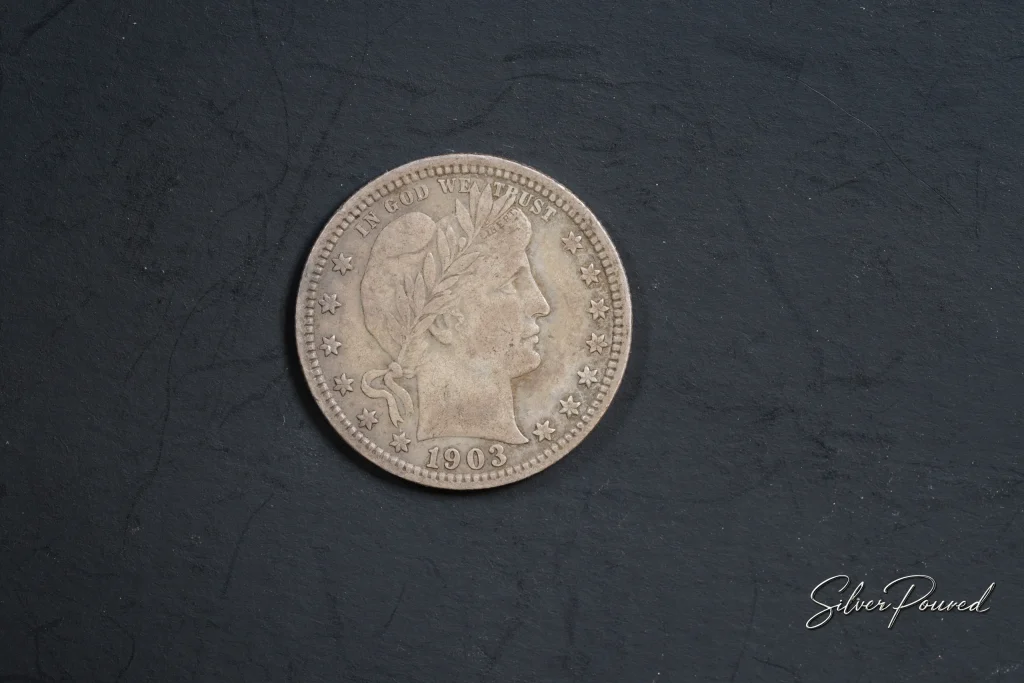
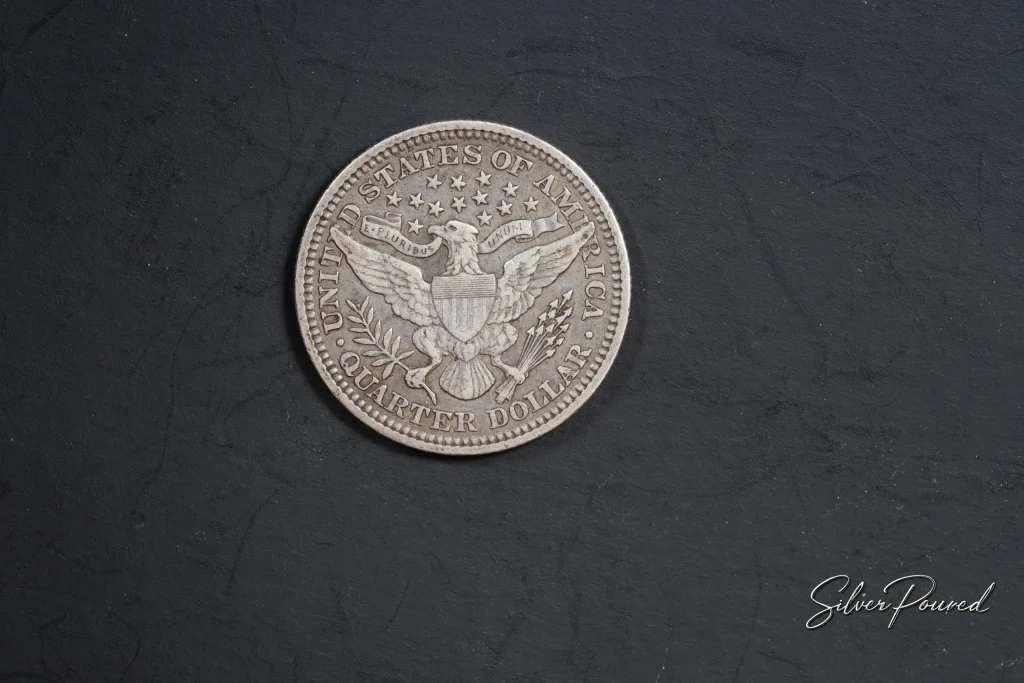
The obverse features Liberty wearing a cap and laurel wreath. The reverse displays a heraldic eagle, similar in style to other classic U.S. coinage of the period.
Barber Quarters replaced the Seated Liberty Quarter and were later replaced by the Standing Liberty Quarter in 1916. Because the series sits between two major classic silver quarter designs, Barber Quarters remain an important bridge in United States coin collecting.
Barber Quarter Silver Content
Each Barber Quarter contains 90% silver and 10% copper.
A single Barber Quarter contains approximately 0.18084 troy ounces of pure silver. This makes Barber Quarters part of the broader constitutional silver category, along with silver dimes, half dollars, and other pre-1965 United States silver coins.
Because silver spot price changes daily, Barber Quarter Silver Value changes with the market. The melt value rises when silver prices rise and falls when silver prices decline.
For quick reference, 10 Barber Quarters contain about 1.81 troy ounces of silver, 20 Barber Quarters contain about 3.62 troy ounces of silver, and $10 face value contains about 7.15 troy ounces of silver.
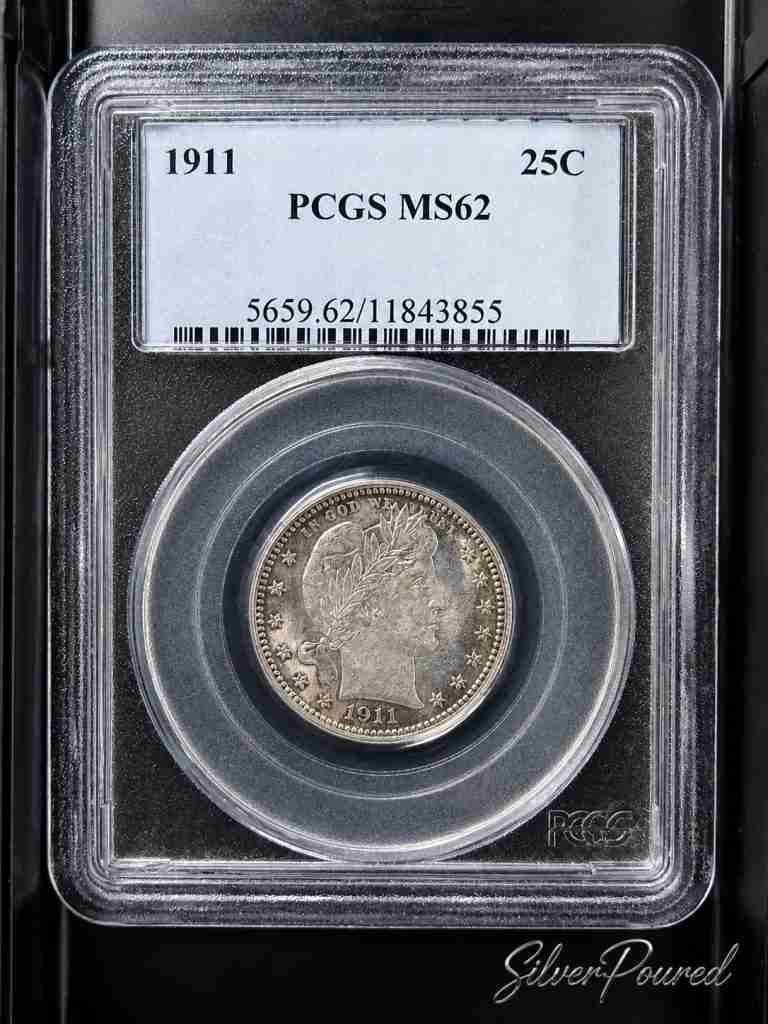
Every Barber Quarter contains the same 0.18084 troy ounces of silver, but silver content is only the starting point. Date, mint mark, condition, rarity, and collector demand ultimately determine Barber Quarter Silver Value.
Why Some Barber Quarters Are Worth More Than Others
Not all Barber Quarters are valued the same way. Some trade mostly for silver content, while others command strong collector premiums.
Date and mint mark are major factors because some issues were produced in much smaller quantities than others. Condition also matters because many Barber Quarters circulated heavily, leaving fewer attractive examples for collectors today.
Eye appeal can make a major difference as well. Coins with strong details, original surfaces, readable dates, and pleasing toning often receive more collector interest than damaged, cleaned, or heavily worn examples.
This is why Barber Quarter Silver Value should never be measured by silver content alone. Melt value provides the baseline, but collector value depends on scarcity, preservation, and market demand.
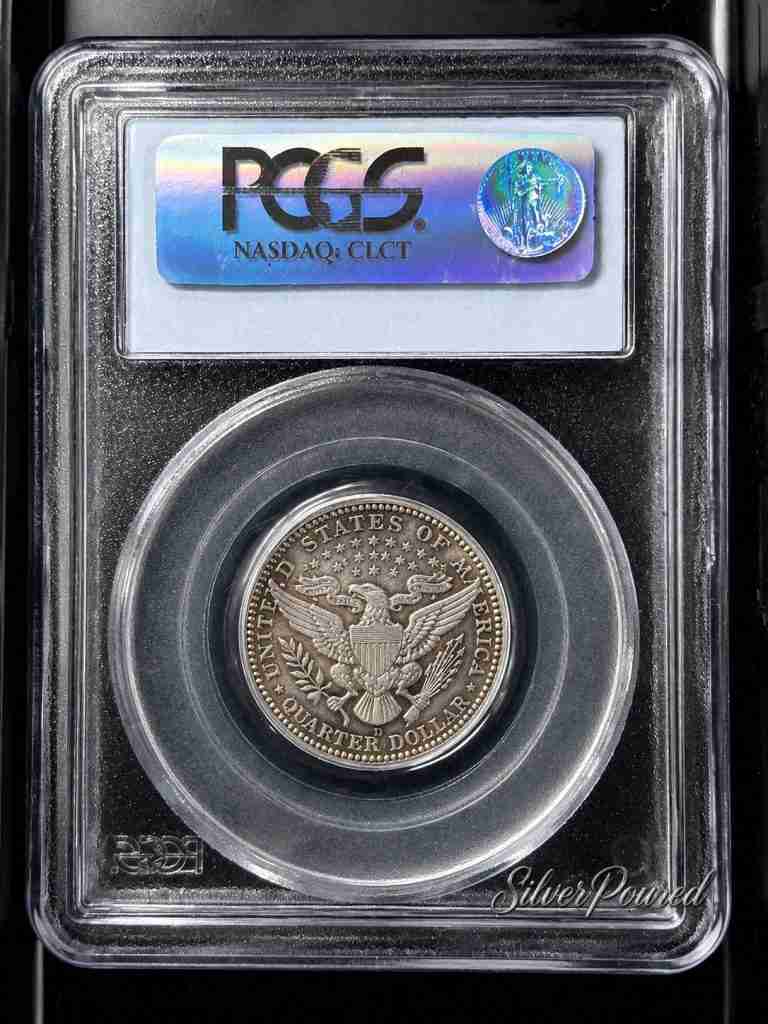
Key Date Barber Quarters
Several Barber Quarters are especially important to collectors because they are difficult to find compared with common-date issues.
The 1896-S, 1901-S, and 1913-S Barber Quarters are widely recognized as major key dates in the series. These coins are heavily pursued because of their scarcity, low availability, and importance to collectors building complete date-and-mint sets.
Even lower-grade examples of key dates can command strong premiums because demand remains high and supply is limited. Higher-grade certified examples can become especially valuable when they combine rarity, strong detail, and attractive surfaces.
Collectors should always check the date and mint mark before treating a Barber Quarter as ordinary silver.
Selected Barber Quarter Mintages
Original mintage figures help collectors understand why some Barber Quarters are encountered frequently while others are considered significant key dates. While mintage alone does not determine value, lower production often contributes to long-term scarcity and stronger collector demand.
| Date | Mint Mark | Original Mintage |
|---|---|---|
| 1892 | None | 8,237,245 |
| 1892-O | O | 2,644,000 |
| 1892-S | S | 964,079 |
| 1896-S | S | 188,039 |
| 1901-S | S | 72,664 |
| 1913-S | S | 40,000 |
| 1914-D | D | 264,000 |
| 1916-D | D | 264,000 |
Original mintage is only one factor influencing Barber Quarter Silver Value. While lower mintages often contribute to scarcity, Barber Quarter Silver Value is also shaped by survival rates, condition, originality, eye appeal, and collector demand. Understanding how original mintages relate to Barber Quarter Silver Value helps collectors recognize why two coins with identical silver content may sell for dramatically different prices.
Barber Quarter Mint Marks
Barber Quarters were struck at multiple United States Mint facilities, and mint marks can significantly affect value.
Philadelphia issues usually carry no mint mark. Other mint marks may include O for New Orleans, S for San Francisco, and D for Denver on later issues. The mint mark location appears on the reverse below the eagle.
Mint marks matter because different facilities produced different quantities. A common Philadelphia issue may trade close to silver value, while a scarcer branch-mint coin from the same era may carry a much stronger collector premium.
Learning to identify mint marks is one of the most important steps in evaluating Barber Quarter Silver Value.
Barber Quarter Silver Value can vary dramatically between mint marks because production numbers differed significantly from one facility to another. Many collectors compare Barber Quarter Silver Value across Philadelphia, New Orleans, San Francisco, and Denver issues when identifying coins that may carry stronger premiums than common-date examples.
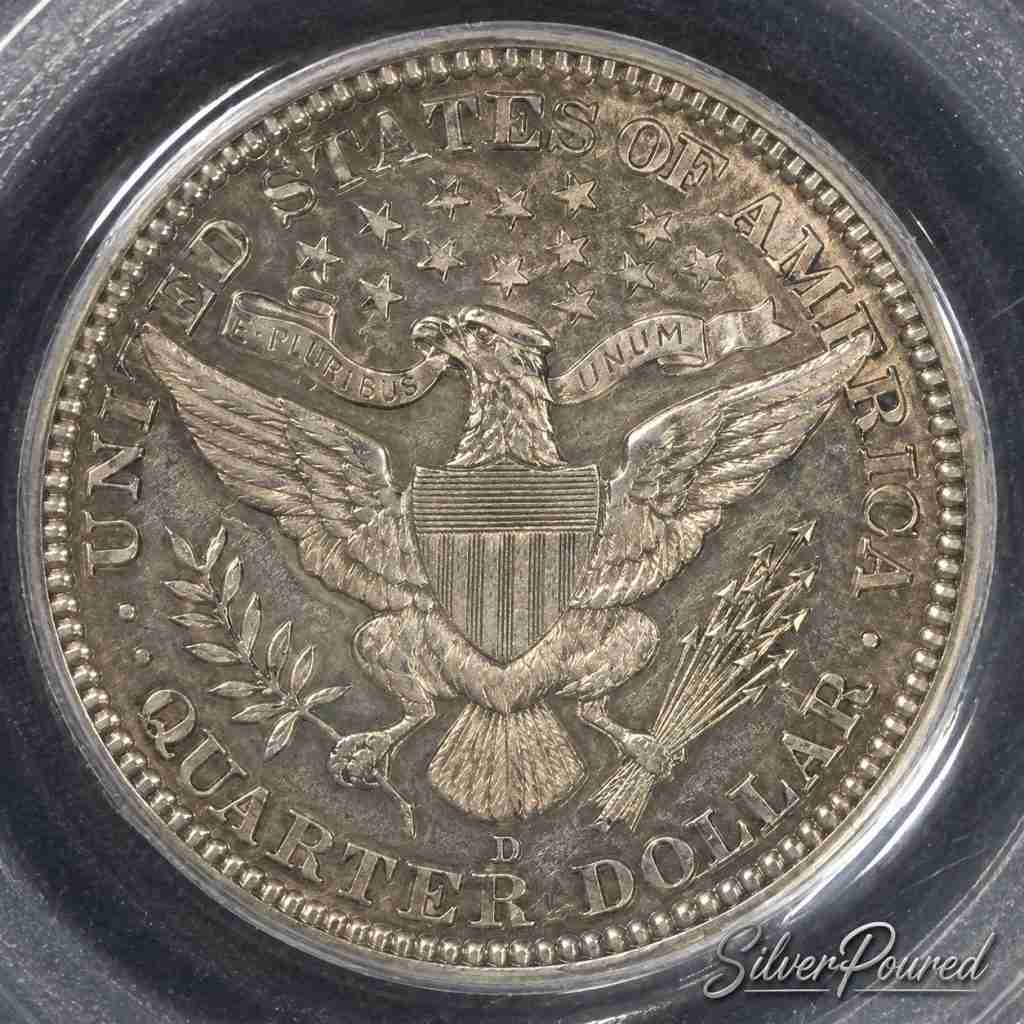
Mint marks are one of the quickest ways to identify potentially scarce Barber Quarters. Learning where each coin was struck helps collectors recognize issues that may command premiums far beyond their silver melt value.
Barber Quarter Melt Value vs Collector Value
Understanding Barber Quarter Silver Value requires separating silver content from collector demand. While melt value creates a baseline, Barber Quarter Silver Value often increases when buyers encounter better dates, scarcer mint marks, attractive surfaces, or stronger collector interest.
Barber Quarter melt value is based on silver content. Collector value is based on what buyers are willing to pay beyond that silver content.
A common worn Barber Quarter may be bought and sold as part of a junk silver or constitutional silver lot. In that case, the coin’s value is tied closely to the live silver spot price.
A better Barber Quarter may be priced very differently. Scarce dates, attractive circulated examples, certified coins, and higher-grade pieces may trade based on numismatic value rather than melt value alone.
This difference is important because two Barber Quarters with the same silver content can have completely different market values. One may be ordinary silver. Another may be a collector coin.
Barber Quarters in Junk Silver Collections
Barber Quarters often appear in junk silver bags, inherited collections, dealer boxes, estate lots, and older mixed silver accumulations.
Many silver buyers like them because they contain real silver and carry more history than modern Washington Quarters. However, collectors usually inspect Barber Quarters more carefully than common 90% silver coins because better dates and scarce mint marks can hide inside mixed lots.
A worn common-date Barber Quarter may still be valuable for its silver content, but a better date or stronger condition example should be separated and evaluated individually.
This makes Barber Quarters especially interesting for collectors who enjoy searching old silver groups for overlooked value.
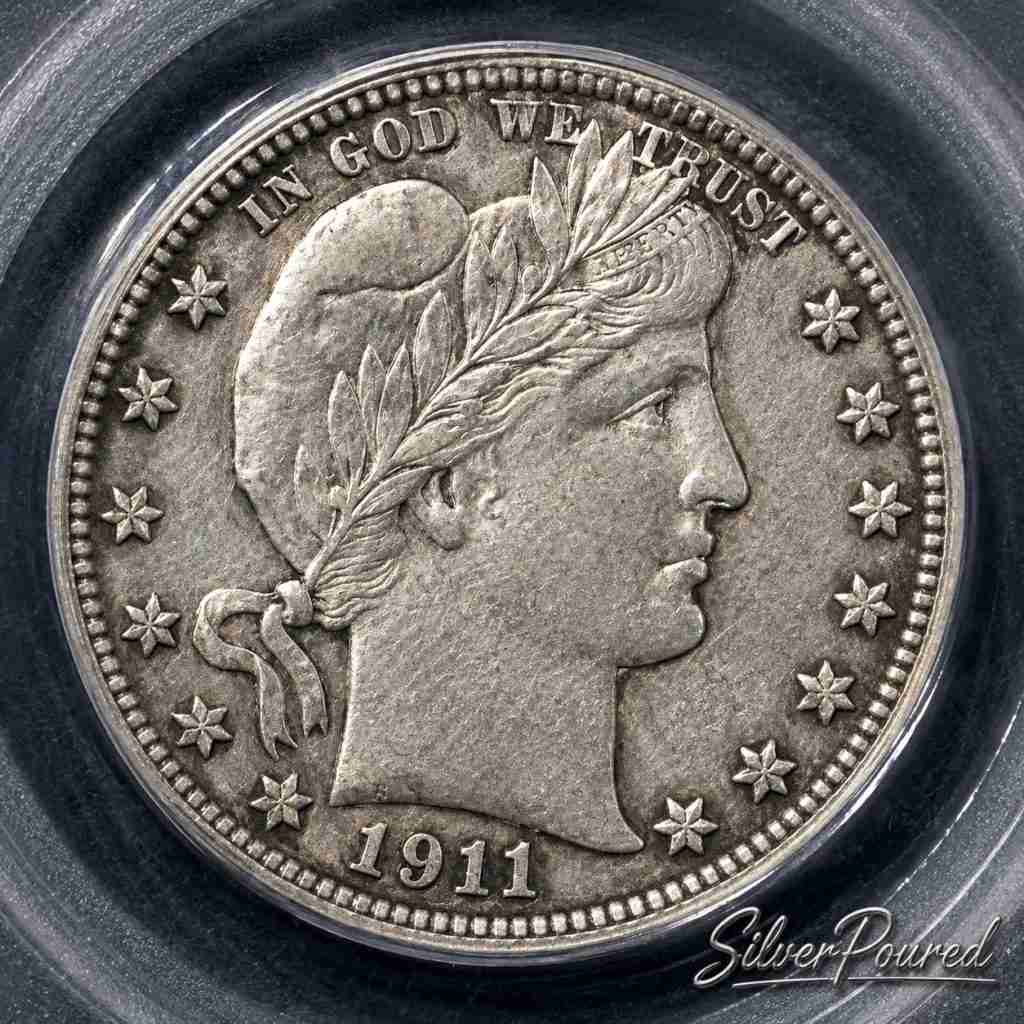
Building a Barber Quarter Collection
Many hobbyists use Barber Quarter Silver Value as a guide when deciding which dates, mint marks, and grades to pursue. Comparing Barber Quarter Silver Value across the series can help collectors identify affordable entry points while also highlighting scarcer coins that command larger premiums.
Many collectors build Barber Quarter collections by date and mint mark. Completing the full series can be challenging because several dates are scarce and many surviving coins show heavy circulation wear.
Beginners often start with common circulated examples before moving into better dates or certified coins. More advanced collectors may focus on original surfaces, stronger details, higher grades, or specific branch-mint issues.
Because the series ran from 1892 through 1916, Barber Quarters offer a manageable but challenging collecting goal. The combination of silver content, classic design, key dates, and mint mark variety keeps the series active among U.S. coin collectors.
Buying and Selling Barber Quarters
Collectors purchase Barber Quarters through local coin shops, coin shows, online auctions, bullion dealers, estate sales, and inherited collections. Before purchasing, it is important to compare condition, originality, eye appeal, certification, and recent market activity rather than focusing only on silver content.
When selling Barber Quarters, owners should first determine whether the coin should be valued primarily for its silver content or its collector appeal. Common circulated examples often trade near melt value, while scarcer dates, better mint marks, and certified coins may command substantially stronger premiums.
Comparing multiple offers and reviewing recent sales of similar examples helps buyers and sellers understand current market conditions before completing a transaction.
Common Problems That Affect Barber Quarter Value
Condition problems can reduce Barber Quarter value even when the coin is old or made of silver.
Cleaning is one of the most common issues. A cleaned Barber Quarter may appear shiny or unnatural, but collectors often prefer original surfaces. Scratches, rim damage, corrosion, heavy wear, holes, bends, and environmental damage can also reduce desirability.
A problem-free coin with honest wear often sells better than a damaged coin with sharper details. When evaluating Barber Quarter Silver Value, always consider both the amount of silver and the condition of the coin itself.
Grading Barber Quarters
Because most Barber Quarters circulated extensively, condition plays a major role in determining value. Collectors evaluate the amount of remaining detail, the sharpness of Liberty’s portrait, the strength of the eagle on the reverse, surface preservation, luster on higher-grade coins, and overall eye appeal.
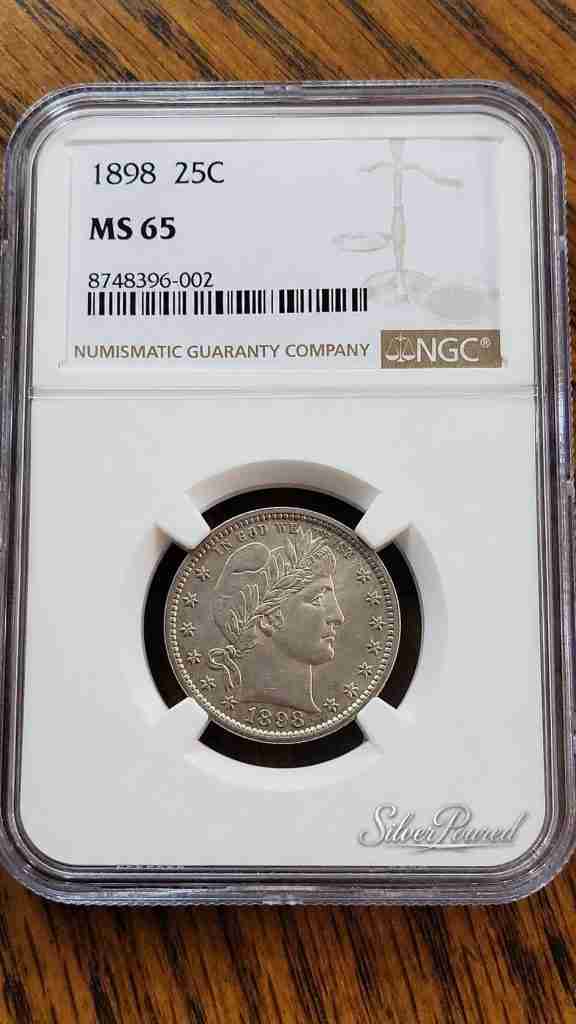
Professional grading services such as PCGS and NGC authenticate Barber Quarters and assign standardized grades, allowing collectors to compare examples more accurately. Certified coins generally provide greater confidence for both buyers and sellers because authenticity and condition have already been independently evaluated.
Many collectors pursue problem-free examples with original surfaces, while registry-set collectors often compete for exceptional Mint State Barber Quarters that survived with minimal wear.
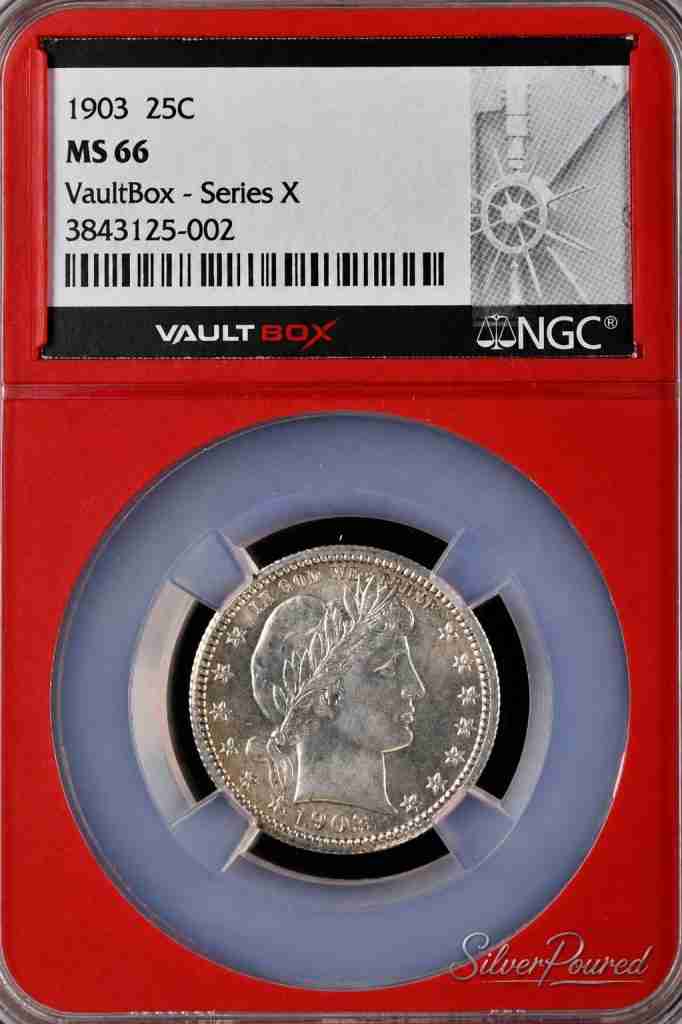
Small differences in preservation can create significant differences in Barber Quarter Silver Value. Certified, problem-free coins with original surfaces consistently attract stronger collector demand than cleaned or damaged examples.
Barber Quarter History and Legacy
Barber Quarters represent an important period in American coinage. The series was produced during a time of major economic growth, western expansion, industrial development, and changing U.S. Mint production.
The design is sometimes viewed as conservative compared with later coinage, but Barber Quarters remain highly collectible because they are old, silver, historic, and challenging to complete by date and mint mark.
Their long circulation life also gives them strong connection to everyday American commerce. Many surviving examples show heavy wear because they were used for decades before being pulled into collections or silver accumulations.
That history is part of what keeps Barber Quarters popular today.
How to Identify a Barber Quarter
Correctly identifying a Barber Quarter is the first step in determining its potential value. The series was minted from 1892 through 1916 and features Liberty wearing a Phrygian cap, a laurel wreath, and a headband inscribed with the word “LIBERTY.” The reverse displays a heraldic eagle holding arrows and an olive branch beneath the motto “E Pluribus Unum.”
Collectors should first verify the date, then examine the reverse for the mint mark. Philadelphia issues carry no mint mark, while New Orleans coins display an “O,” San Francisco issues an “S,” and Denver issues a “D” on the final year of the series. Since mint marks can dramatically affect Barber Quarter Silver Value, collectors researching Barber Quarter Silver Value should always identify the issuing mint before estimating a coin’s worth.
Many Barber Quarters have circulated for decades, making worn examples common. Even if the date is faint or Liberty’s portrait shows heavy wear, the coin may still deserve additional research before being valued only for its silver content.
Barber Quarter Grading Guide
Collectors use standardized grading terms to describe the amount of wear present on a Barber Quarter. Understanding these grades helps buyers compare coins more accurately and recognize why similar dates can sell for dramatically different prices.
| Grade | What Collectors Look For |
|---|---|
| Good (G) | Date visible, major design worn smooth |
| Very Good (VG) | More lettering visible with heavier overall wear |
| Fine (F) | Moderate detail remains in Liberty and the eagle |
| Very Fine (VF) | Stronger hair detail and clearer reverse feathers |
| Extremely Fine (XF) | Light wear on high points with sharp overall detail |
| About Uncirculated (AU) | Minimal wear with most original detail intact |
| Mint State (MS) | No circulation wear; condition based on preservation and eye appeal |
As Barber Quarter grades improve, collector demand often increases significantly. Small differences in preservation can produce large differences in market value, particularly for scarcer dates and lower-mintage issues.
Counterfeit and Altered Barber Quarters
Because several Barber Quarters command substantial collector premiums, counterfeit and altered coins occasionally appear in the marketplace. Some examples have added or modified mint marks, while others are cast copies or heavily repaired coins intended to resemble more valuable dates.
Collectors should examine the date, mint mark, surfaces, weight, and overall appearance before purchasing expensive examples. Professional authentication becomes increasingly important as Barber Quarter Silver Value rises for key dates, scarcer mint marks, and higher-grade certified examples.
Buying certified Barber Quarters from reputable dealers provides an additional layer of confidence by helping verify authenticity while reducing the risk of purchasing altered or counterfeit examples.
Are Barber Quarters Good Coins to Collect?
Barber Quarters can be excellent coins to collect for buyers who enjoy classic U.S. silver, mint mark hunting, and older coin series with real scarcity.
They offer more collector challenge than common modern silver quarters, but they are still accessible enough for many collectors to begin with circulated examples. Common dates provide an entry point, while key dates and high-grade coins offer long-term collecting goals.
For silver buyers, Barber Quarters also provide exposure to 90% silver content. For collectors, they provide history, design, scarcity, and series depth.
That combination helps explain why Barber Quarter Silver Value remains important in both silver stacking and coin collecting.
For both silver buyers and collectors, Barber Quarter Silver Value provides a useful benchmark for evaluating older United States silver coinage. Tracking Barber Quarter Silver Value over time also helps buyers understand the relationship between silver prices, collector demand, and rarity.
Why Barber Quarters Continue to Attract Collectors
Barber Quarters remain one of the most collected classic United States silver coin series because they combine historic designs, 90 percent silver content, numerous mint mark varieties, and several challenging key dates. The series appeals to both silver investors and numismatists, offering opportunities to collect affordable circulated examples while also pursuing scarce coins that can become centerpieces of advanced collections.
Unlike many modern silver coins, Barber Quarters circulated throughout a transformative period in American history. Their connection to everyday commerce, combined with more than a century of surviving history, gives them lasting appeal among collectors who appreciate classic United States coinage.
Whether purchased individually, discovered in inherited collections, or found in constitutional silver lots, Barber Quarters continue to demonstrate how silver value and collector demand work together. Understanding Barber Quarter Silver Value allows collectors to recognize the difference between ordinary silver coins and examples that deserve closer examination because of rarity, condition, or historical importance.
Barber Quarters remain one of the most rewarding classic U.S. coin series because they combine silver content, historic designs, scarce mint marks, and long-term collector demand in a single collection.
Barber Quarters Compared With Other Silver Quarters
Barber Quarters occupy a unique position within the history of United States silver coinage. They bridge the gap between the earlier Seated Liberty Quarter series and the later Standing Liberty and Washington Quarter designs, making them an important part of any collection focused on classic American silver coins.
Collectors often compare Barber Quarters with Standing Liberty Quarters because both contain the same 90 percent silver composition and nearly identical silver content. While Standing Liberty Quarters are admired for their artistic design, Barber Quarters are frequently considered more challenging to complete by date and mint mark because several issues have lower survival rates and stronger collector demand.
Washington Quarters struck before 1965 are generally easier to locate in circulated grades, making them a popular choice for silver investors building constitutional silver holdings. Barber Quarters, however, attract additional attention because of their age, historical significance, and greater numismatic depth. Even common Barber Quarters are often examined carefully before being placed into junk silver lots since better dates and scarcer mint marks can be overlooked.
Many collectors eventually own examples from all three major silver quarter series because each represents a different period in United States Mint history. Comparing their designs, mintages, rarity, and collector demand provides a broader understanding of how silver coin values develop over time.
Current Market Interest
Demand for Barber Quarters remains healthy among both collectors and precious metals investors. Monitoring Barber Quarter Silver Value helps explain why common circulated examples often trade as constitutional silver while scarcer dates, better mint marks, and certified coins attract substantially stronger numismatic premiums. Interest is supported by the series’ long history, recognizable design, and the challenge of assembling complete date-and-mint collections.
Many buyers also search estate collections, dealer inventories, and older silver accumulations hoping to identify overlooked Barber Quarters that may be worth substantially more than their melt value. This ongoing interest helps keep the series active within both the collector and bullion markets.
Many experienced collectors monitor Barber Quarter Silver Value alongside live silver prices because it provides valuable context when comparing bullion value with collector premiums.
Why Barber Quarter Silver Value Still Matters
Understanding Barber Quarter Silver Value helps collectors and silver investors recognize the difference between coins that trade primarily for silver content and coins that deserve closer examination because of rarity, condition, or collector demand. While every Barber Quarter contains the same basic silver composition, no two coins necessarily share the same market value.
Collectors who regularly monitor Barber Quarter Silver Value become better at identifying key dates, scarce mint marks, attractive circulated examples, and certified coins that may carry premiums well beyond melt value. This knowledge is especially valuable when evaluating inherited collections, dealer inventories, estate holdings, and mixed constitutional silver lots where overlooked collector coins occasionally appear.
As silver prices change and collector demand evolves, Barber Quarter Silver Value continues serving as an important benchmark for both buyers and sellers. Following Barber Quarter Silver Value over time allows collectors to compare melt value with numismatic premiums while building a deeper understanding of one of America’s most respected classic silver quarter series.
Collectors who regularly track Barber Quarter Silver Value gain a better understanding of how silver prices, key dates, mint marks, condition, and collector demand work together to influence the market for classic United States silver coinage.
Related SilverPoured Resources
Continue researching Barber Quarter Silver Value through SilverPoured’s guides to classic United States silver coins, silver quarter values, live silver prices, melt-value calculators, constitutional silver, and collector premiums. These resources help separate intrinsic silver value from the additional numismatic value created by date, mint mark, condition, rarity, and collector demand.
U.S. Silver Quarter & Coin Values
Standing Liberty Quarter Silver Value
Washington Quarter Silver Value
Barber Half Dollar Silver Value
Mercury Dime Silver Value
Walking Liberty Half Dollar Silver Value
Silver Prices & Melt Value
Silver Melt Value Calculator
Junk Silver Value
Silver Coin Values
How Much Silver Is in U.S. Coins?
Silver Spot Price Today
Silver Premiums & Collector Education
What Is Silver Melt Value?
Premium Over Spot Explained
Why Silver Premiums Change
Why Collectible Silver Sells For More
Best Silver Dealers
Purchase Precious Metals from a Trusted Dealer
Whether you are researching Barber Quarter Silver Value, collecting classic United States silver coins, stacking constitutional silver, or purchasing modern bullion, understanding Barber Quarter Silver Value helps put both intrinsic silver content and collector premiums into context. Buying from an established precious-metals dealer also helps you compare authenticity, premiums, silver content, availability, and long-term value with greater confidence.
SilverPoured recommends Golden State Mint for investment-grade silver bars, silver rounds, gold bullion, copper bullion, and fractional precious metals. Comparing modern bullion with historic 90% silver Barber Quarters helps buyers understand how intrinsic metal value differs from premiums created by scarcity, condition, mint marks, grading, and collector demand.
Collector Insight
Barber Quarter Silver Value begins with approximately 0.1808 troy ounces of silver in each circulation strike, but melt value is only the starting point. Date, mint mark, condition, originality, rarity, certification, and collector demand can push individual Barber Quarters far above their intrinsic silver value. Always identify the date and mint mark before treating one as ordinary constitutional silver. Key dates such as the 1896-S, 1901-S, and 1913-S demonstrate why two coins containing the same amount of silver can have dramatically different market values.

Keep SilverPoured Free
SilverPoured is built to help collectors and precious-metals investors make smarter decisions through free calculators, original photography, coin research, value references, collector education, and independent market resources. Every page is created to make valuable precious-metals information available without requiring a paid subscription.
If this Barber Quarter Silver Value guide helped you understand silver content, key dates, mint marks, grading, rarity, melt value, or collector premiums, consider supporting the continued growth of SilverPoured. Every contribution helps fund original research, new calculators, expanded educational resources, additional photography, and future tools for the precious-metals community.
Your support allows SilverPoured to remain independent while building one of the web’s most comprehensive free libraries for coin collectors, bullion buyers, precious-metals researchers, and long-term investors.