
Your complete reference for silver content, melt value calculations, junk silver conversions, bullion weights, and live silver pricing.
Live silver values provide a fast reference for estimating the silver content and melt value of common U.S. silver coins, junk silver, and bullion products. Instead of performing calculations manually, use this cheat sheet to quickly compare silver weights and determine approximate intrinsic value using the current silver spot price.
Common U.S. Silver Coin Silver Content
| Coin | Silver Content (ASW) |
|---|---|
| Mercury Dime | 0.07234 oz |
| Roosevelt Dime (1946–1964) | 0.07234 oz |
| Barber Dime | 0.07234 oz |
| Washington Quarter (1932–1964) | 0.18084 oz |
| Standing Liberty Quarter | 0.18084 oz |
| Barber Quarter | 0.18084 oz |
| Franklin Half Dollar | 0.36169 oz |
| Walking Liberty Half Dollar | 0.36169 oz |
| Kennedy Half Dollar (90%) | 0.36169 oz |
| Kennedy Half Dollar (40%) | 0.14790 oz |
| Morgan Dollar | 0.77344 oz |
| Peace Dollar | 0.77344 oz |
| War Nickel | 0.05626 oz |
Junk Silver Face Value Conversion Chart
For 90% silver U.S. coins:
$1 Face Value = Approximately 0.715 Troy Ounces of Silver
| Face Value | Silver Content |
|---|---|
| $1 | 0.715 oz |
| $5 | 3.575 oz |
| $10 | 7.15 oz |
| $25 | 17.875 oz |
| $50 | 35.75 oz |
| $100 | 71.5 oz |
| $500 | 357.5 oz |
| $1,000 | 715 oz |
This conversion remains one of the fastest ways to estimate the silver content of larger junk silver holdings.
Bullion Conversion Chart
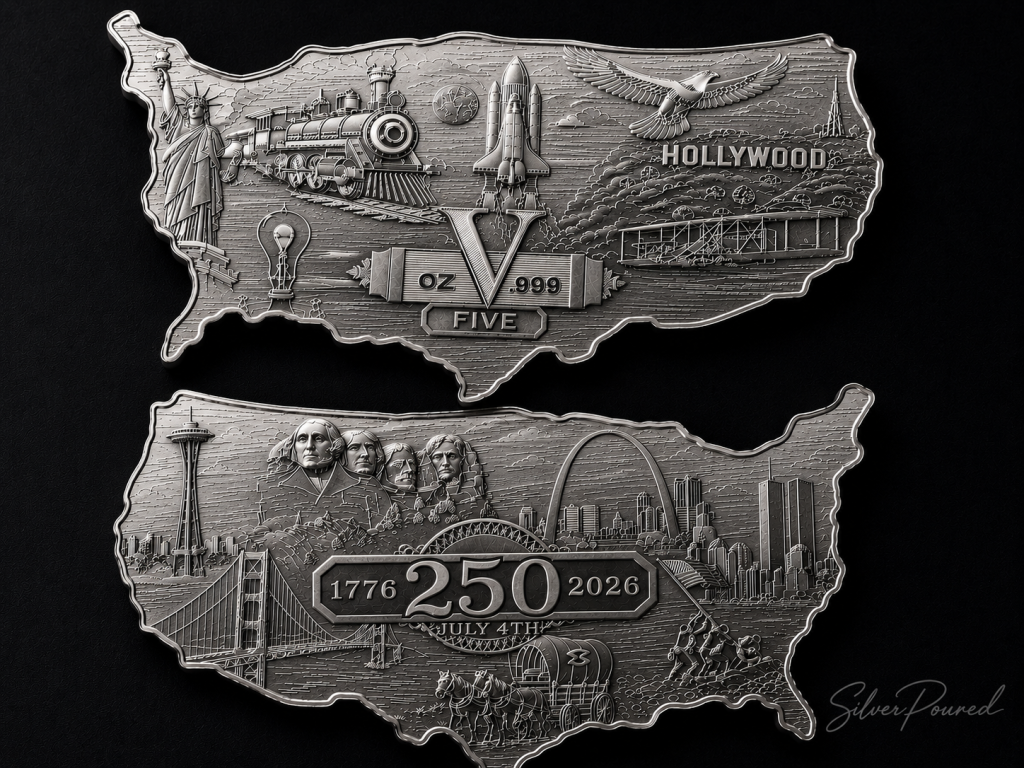
Use this bullion conversion chart to compare common fractional, metric, and large-format silver sizes. Metric weights are converted using the precious-metals standard of 31.1034768 grams per troy ounce. The live value column will use the current silver spot price to show approximate intrinsic silver value.
| Bullion Size | Silver Content | Live Value |
|---|---|---|
| 1 Gram Silver | 0.03215 Troy Ounces | Live Value |
| 5 Gram Silver | 0.16075 Troy Ounces | Live Value |
| 10 Gram Silver | 0.32151 Troy Ounces | Live Value |
| 20 Gram Silver | 0.64301 Troy Ounces | Live Value |
| 50 Gram Silver | 1.60754 Troy Ounces | Live Value |
| 100 Gram Silver | 3.21507 Troy Ounces | Live Value |
| 250 Gram Silver | 8.03769 Troy Ounces | Live Value |
| 500 Gram Silver | 16.07537 Troy Ounces | Live Value |
| 1/10 oz Silver | 0.10000 Troy Ounces | Live Value |
| 1/4 oz Silver | 0.25000 Troy Ounces | Live Value |
| 1/2 oz Silver | 0.50000 Troy Ounces | Live Value |
| 1 oz Silver | 1.00000 Troy Ounce | Live Value |
| 2 oz Silver | 2.00000 Troy Ounces | Live Value |
| 5 oz Silver | 5.00000 Troy Ounces | Live Value |
| 10 oz Silver | 10.00000 Troy Ounces | Live Value |
| 1 Kilo Silver | 32.15075 Troy Ounces | Live Value |
| 50 oz Silver | 50.00000 Troy Ounces | Live Value |
| 100 oz Silver | 100.00000 Troy Ounces | Live Value |
| 1,000 oz Silver | 1,000.00000 Troy Ounces | Live Value |
Live bullion values represent approximate intrinsic silver value based on metal content and the current silver spot price. Actual market prices may differ because of purity, fabrication, mint or refiner, product availability, dealer spreads, shipping, and collector premiums.
Quick Melt Value Formula
Melt Value = Silver Content × Current Silver Spot Price
Examples:
Morgan Dollar = 0.77344 × Spot Price
Peace Dollar = 0.77344 × Spot Price
Mercury Dime = 0.07234 × Spot Price
Washington Quarter = 0.18084 × Spot Price
Franklin Half Dollar = 0.36169 × Spot Price
This formula provides intrinsic silver value only and does not include collector premiums, grading premiums, rarity, or dealer spreads.
Important: The silver-content values shown above are based on standard uncirculated coin specifications. Circulated 90% U.S. silver coins may contain slightly less silver because of normal wear. If you are calculating circulated junk silver, use the Junk Silver Value Calculator and select Circulated from the condition dropdown. For uncirculated coins, leave the calculator set to Uncirculated.
Experienced collectors often calculate live silver values using Actual Silver Weight (ASW) rather than total coin weight. ASW represents the amount of pure silver contained within a coin or bullion product, creating a consistent standard for comparing intrinsic silver value across junk silver, Morgan Dollars, bullion bars, and modern investment coins.

How Live Silver Values Are Calculated
Live silver values are calculated by multiplying the amount of pure silver contained in a coin or bullion product by the current silver spot price. Because every item contains a known amount of silver, collectors and investors can estimate intrinsic melt value quickly using a simple mathematical formula.
For example, a Morgan Dollar or Peace Dollar contains approximately 0.77344 troy ounces of pure silver. If the live silver spot price is $50 per troy ounce, multiplying 0.77344 by $50 provides the coin’s approximate intrinsic silver value before collector premiums are considered. The same calculation can be applied to junk silver, silver bars, bullion rounds, and other precious metals products by using their respective silver content.
Live silver values provide a consistent way to compare many different forms of physical silver. Whether evaluating a Mercury Dime, a 90% silver half dollar, a 100-ounce silver bar, or a hand-poured silver piece, the calculation always begins with the amount of pure silver contained within the item.
It is important to remember that live silver values represent intrinsic metal value only. Market prices may be higher because of rarity, collector demand, certification, premium fabrication, limited mintages, or dealer markups. Even so, understanding live silver values gives collectors and investors a reliable baseline when comparing physical silver products across the marketplace.
Because silver prices change throughout the trading day, live silver values also change continuously. Many collectors monitor current spot prices alongside silver-content reference charts to estimate values quickly before buying, selling, trading, or evaluating precious metals holdings.
Why Live Silver Values Change Throughout the Day
Live silver values are not fixed because the global silver market trades continuously during active market hours. As buying and selling activity changes throughout the day, the spot price of silver rises and falls, causing the intrinsic value of silver coins, bullion bars, and other precious metals products to move with it.
Several factors influence live silver values. Supply and demand within the precious metals market remain the primary drivers, but inflation expectations, interest rates, industrial consumption, central bank activity, currency movements, and geopolitical events can also affect silver prices. Even relatively small changes in the spot price can noticeably impact the melt value of larger silver holdings.
Collectors and investors often monitor live silver values before purchasing bullion, selling junk silver, or evaluating inherited collections. Because every silver product contains a known amount of precious metal, changing spot prices immediately affect intrinsic value calculations. This allows buyers and sellers to estimate current metal value quickly using established silver-content figures.
Although live silver values provide an accurate measure of intrinsic metal value, they do not include collector premiums, fabrication costs, dealer spreads, grading premiums, or rarity. Many collectible coins trade well above their melt value because of demand, condition, certification, or historical significance. For this reason, live silver values should always be viewed as the starting point for evaluating physical silver rather than the final market price.
Monitoring live silver values throughout the trading day helps collectors, investors, and stackers make more informed decisions while providing a consistent benchmark for comparing different forms of physical silver ownership.
Most live silver pricing is anchored to globally recognized precious-metals markets, including COMEX futures trading and London benchmark pricing associated with the LBMA. Dealers establish their own retail prices and premiums, but these benchmark markets help establish the underlying silver price used when calculating intrinsic value.
Comparing Silver Coins and Bullion
Live silver values make it possible to compare many different forms of physical silver using a consistent measurement based on precious metal content. Whether evaluating a Mercury Dime, a Morgan Dollar, a bag of 90% junk silver, or a 100-ounce silver bar, the intrinsic value of each item begins with the amount of pure silver it contains.
Silver coins often carry premiums beyond their melt value because of collector demand, historical significance, rarity, and condition. Classic United States coins such as Morgan Dollars, Peace Dollars, Mercury Dimes, and Walking Liberty Half Dollars frequently trade above their intrinsic silver value, especially when certified or preserved in higher grades.
Modern bullion products are typically valued much closer to the current silver spot price. Government-issued bullion coins, privately minted silver rounds, and investment-grade silver bars are purchased primarily for their precious metal content, although limited mintages, special finishes, and collectible designs may also create additional premiums.
Hand-poured silver occupies a unique position within the precious metals market by combining bullion value with craftsmanship, limited production, and collector appeal. Many hand-poured silver bars command premiums because of their artistic designs, serial numbers, lower mintages, and strong demand within the collecting community.
Understanding live silver values provides a consistent starting point for comparing every category of physical silver. Once intrinsic silver value has been established, collectors and investors can then evaluate premiums, rarity, fabrication quality, certification, and overall market demand to determine the true value of a particular coin or bullion product.
Using This Silver Value Reference
This reference is designed to help collectors, investors, and silver stackers estimate intrinsic silver value quickly without performing manual calculations. By combining known silver content with the current silver spot price, you can compare coins, junk silver, bullion bars, and other precious metals products using a consistent valuation method.
Use this reference when you need a fast starting point before deeper research:
| Use | Purpose |
|---|---|
| Estimating junk silver value | Convert known silver content into an approximate current intrinsic value. |
| Evaluating inherited collections | Establish a melt-value baseline before researching individual collector coins. |
| Comparing dealer offers | Compare purchase or sale prices with underlying metal value. |
| Tracking bullion holdings | Estimate changes in intrinsic value as the silver market moves. |
| Checking silver content | Reference commonly traded U.S. silver coins and bullion weights quickly. |
| Preparing for auctions | Know approximate melt value before bidding or selling. |
| Monitoring precious-metals markets | Connect movements in silver spot price with changes in physical silver value. |
Collectors and stackers frequently use these silver-content references before performing more detailed melt value calculations or researching collector premiums.
Intrinsic silver value establishes the metal-value baseline, but the final market price may be higher. Bullion premiums can reflect manufacturing, distribution, dealer operating costs, and product availability, while collectible coins may carry additional premiums for rarity, condition, certification, historical significance, and numismatic demand.
Using Live Silver Values When Buying and Selling
Live silver values provide an important benchmark when purchasing or selling physical silver because they establish the intrinsic metal value before premiums are considered. Whether evaluating a single silver coin, a bag of junk silver, or a large bullion investment, understanding the current melt value helps buyers and sellers make more informed decisions.
Collectors often compare live silver values with dealer asking prices, auction results, and current market premiums before making a purchase. A coin selling well above its intrinsic silver value may still represent a good value if rarity, condition, certification, or collector demand justify the premium. Conversely, bullion products are typically evaluated by comparing their selling price with the current silver spot price and the premium charged over melt value.
When selling silver, live silver values provide a realistic starting point for negotiations. Dealers, coin shops, and precious metals buyers frequently reference the current silver spot price when determining buy offers for junk silver, bullion bars, silver rounds, and many common silver coins. Understanding the intrinsic value of your silver holdings makes it easier to recognize fair offers and identify situations where collector premiums may deserve additional research.
Inherited collections also benefit from using live silver values as an initial reference. Establishing the approximate melt value of a collection creates a foundation before evaluating individual coins for rarity, grading, eye appeal, or historical significance. This approach helps collectors separate bullion value from numismatic value while reducing the risk of undervaluing important pieces.
Whether buying, selling, or simply tracking a collection, live silver values remain one of the most useful tools available for understanding the precious metals market. Combining current silver prices with accurate silver-content information provides a consistent method for evaluating physical silver across every category of bullion and collectible coin.
Factors That Influence Silver Prices
Live silver values change because the global precious-metals market responds continuously to supply, demand, economic conditions, currency movements, and investor behavior. When the underlying silver price changes, the intrinsic value of coins, bars, rounds, and other physical silver products changes with it.
Industrial demand is an important part of that market. Silver is used in electronics, solar energy, medical equipment, aerospace applications, and manufacturing because of properties that include high electrical conductivity and corrosion resistance. Changes in industrial activity can therefore influence demand for newly mined and refined silver.
Investment demand can move independently of industrial use. During periods of inflation concern, financial uncertainty, currency weakness, or increased interest in tangible assets, investors may increase purchases of physical bullion and other silver products. Changes in interest rates and monetary policy can also affect demand across the precious-metals sector.
Supply matters as well. Mining output, refining capacity, production disruptions, recycling, and the availability of existing above-ground silver all contribute to the amount of metal available to the market. These forces interact with demand rather than operating in isolation.
For collectors and stackers, the practical takeaway is straightforward: live silver values provide a current intrinsic-value benchmark, but short-term price movement should be viewed within the larger market rather than treated as a change in the physical characteristics of the silver itself.
Using Live Silver Values for Estates, Insurance, and Inventory
Live silver values are useful when organizing inherited collections, documenting precious-metals holdings, or establishing a starting point for insurance and inventory records. Collections frequently contain a mixture of bullion, junk silver, modern bullion coins, and older numismatic pieces, so separating intrinsic metal value from collector value is an important first step.
For an inherited collection, common bullion products and circulated silver coins can often be grouped initially by type, purity, and silver content. That creates a baseline estimate before individual pieces are examined for better dates, varieties, certification, unusual condition, attractive toning, or other characteristics that may create additional collector value.
Insurance and personal inventory records can include the item type, quantity, weight or Actual Silver Weight, purity, acquisition information when known, and an estimated current value. Because market prices change, these records can then be updated periodically without rebuilding the entire inventory.
Live silver values should not be treated as replacement-value appraisals for important numismatic coins. A scarce Morgan Dollar, key-date coin, certified rarity, or historically significant piece may be worth substantially more than its silver content. Those items require individual collector-market research after the intrinsic-value baseline has been established.
When evaluating an inherited silver collection, establish the metal-value floor first and then look for the exceptions. Common bullion and circulated silver can often be valued efficiently by weight and silver content, while key dates, varieties, certified coins, exceptional condition, and strong collector demand deserve separate research before anything is sold.
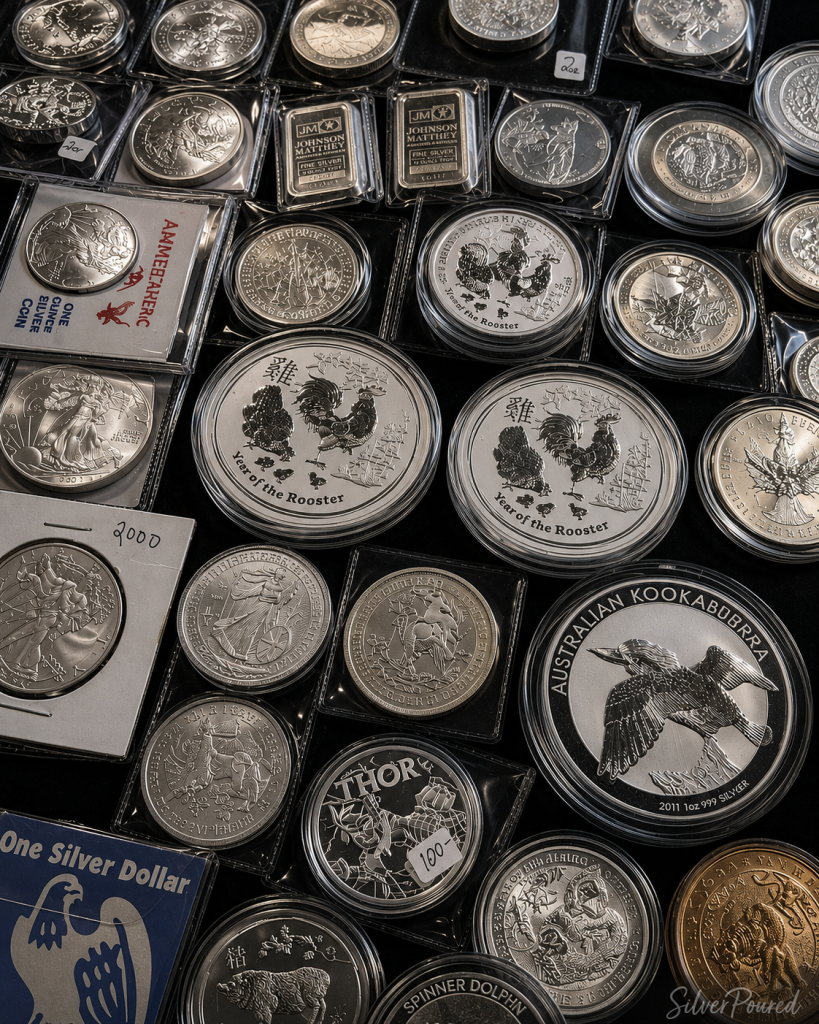
Why Live Silver Values Matter
Live silver values give collectors, investors, and stackers a common starting point for evaluating physical silver. A Mercury Dime, Morgan Dollar, 90% silver bag, American Silver Eagle, hand-poured bar, and 100-ounce bullion bar are very different products, but each can first be compared through the amount of pure silver it contains.
That intrinsic-value baseline is particularly useful when comparing premiums. Once the underlying metal value is known, the additional amount being paid for fabrication, distribution, dealer margin, scarcity, design, certification, condition, or collector demand becomes easier to recognize.
The same principle helps when selling. Knowing current live silver values makes it easier to compare a dealer offer or auction result with the underlying silver content while recognizing that genuinely collectible pieces may require a separate numismatic valuation.
Silver content therefore remains the foundation of melt-value calculations. Actual Silver Weight provides a consistent measurement of the pure silver contained within a product, allowing very different coins and bullion formats to be compared using the same underlying method.
The detailed silver-content table near the beginning of this reference already provides the common U.S. coin figures needed for these calculations, while the bullion conversion chart covers frequently encountered bar and round sizes. Keeping those reference figures in one primary location avoids conflicting duplicate tables while making future updates easier.
Whether tracking a single coin, evaluating an inherited collection, preparing for an auction, or monitoring a large bullion stack, live silver values remain most useful when treated as the metal-value foundation—not automatically the final price of the item.
Related SilverPoured Resources
Continue researching live silver values with SilverPoured resources covering current silver prices, melt-value calculations, U.S. silver coins, bullion premiums, and the factors that determine what physical silver may be worth.
Silver Prices & Calculators
Silver Spot Price Today
Silver Melt Value Calculator
Junk Silver Value
What Is Silver Melt Value?
Poured’s BullionEngine
U.S. Silver Coin Values
Morgan Silver Dollar Value
Peace Dollar Silver Value
Mercury Dime Silver Value
Washington Quarter Silver Value
Kennedy Half Dollar Silver Value
Bullion & Silver Premiums
Premium Over Spot Explained
Why Silver Premiums Change
Best Hand-Poured Silver Bars
Serialized Bullion
American Silver Eagle Values
Purchase Precious Metals from a Trusted Dealer
Live silver values establish the intrinsic metal value of physical silver, but the final purchase price also depends on product premiums, fabrication, availability, shipping, payment method, and dealer policies. Comparing the complete delivered price with current silver value helps buyers understand how much they are paying above the underlying metal content.
When purchasing physical silver or gold, compare purity, weight, current spot value, total delivered cost, dealer premium, reputation, shipping policies, and product availability. Bullion products generally track precious-metal value more closely than collectible coins, while limited production, condition, certification, design, or collector demand can create additional premiums.
Collector Insight
Intrinsic silver value answers an important question: what is the silver itself worth right now? That number establishes a metal-value baseline, not necessarily the final market price. Premiums, rarity, condition, certification, historical significance, fabrication, and collector demand can all move a physical silver product above its intrinsic value.
Keep SilverPoured Free
SilverPoured is built to help collectors and precious-metals investors make smarter decisions through free calculators, original photography, bullion research, coin-value references, educational resources, and independent precious-metals tools. Every resource is designed to make useful information available without requiring a paid subscription.
This live silver values reference is designed to help collectors quickly compare silver content, melt value, junk silver, bullion weights, spot-price movement, premiums, and intrinsic value. Every contribution helps support continued research, original photography, calculator development, and expansion of SilverPoured’s precious-metals education.
Your support allows SilverPoured to remain independent while building one of the web’s most comprehensive free libraries for coin collectors, bullion buyers, precious-metals researchers, and long-term investors.