
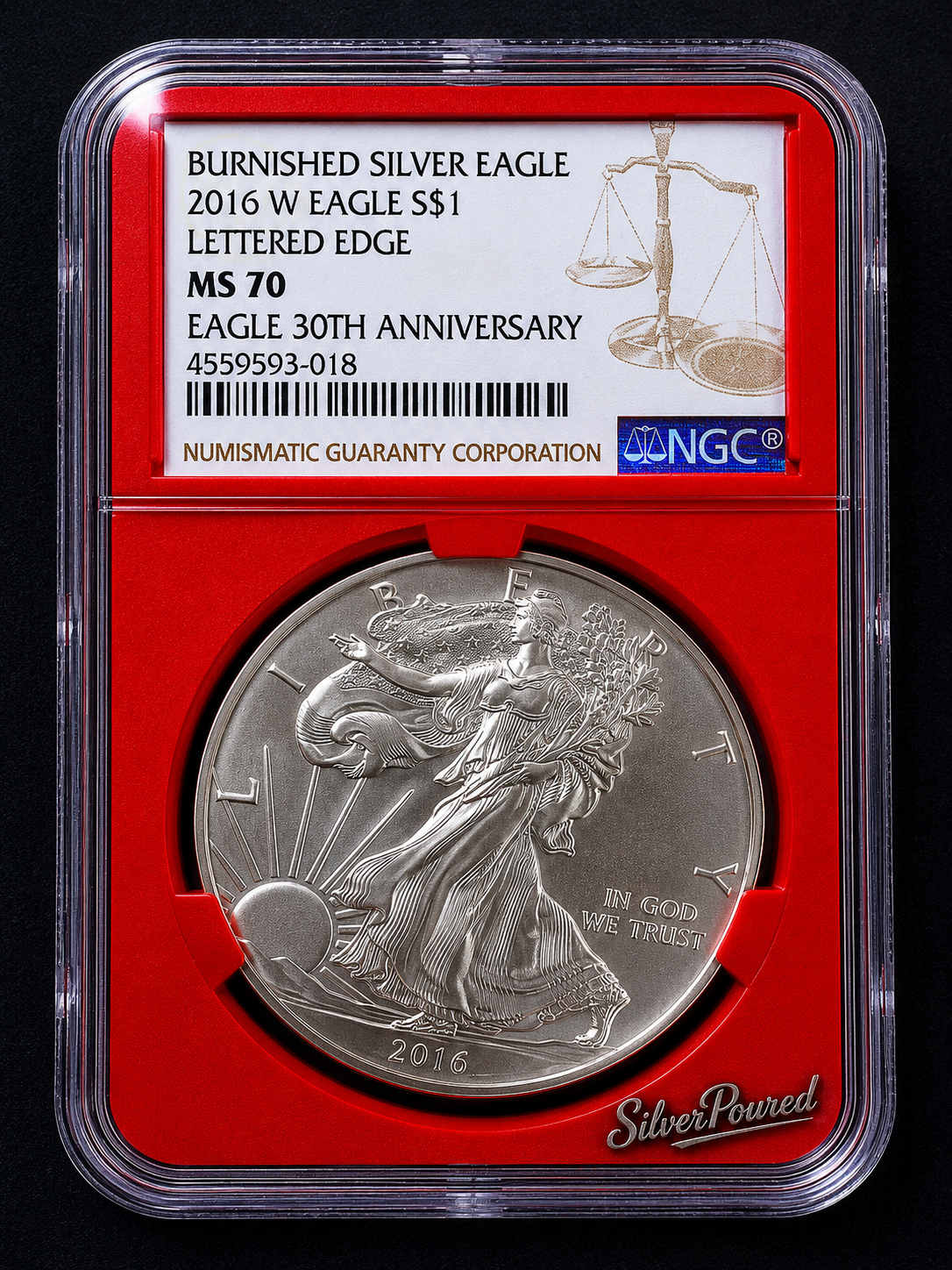
Limited mintage bullion often carries higher premiums because low-production precious metals products combine scarcity, collectibility, and strong collector demand.
Why Limited Mintage Bullion Costs More
While generic bullion products remain widely available, limited-production bullion frequently develops stronger secondary-market premiums because supply remains permanently restricted.
As collectible bullion markets continue evolving, limited mintage bullion remains one of the strongest premium categories within the precious-metals market because permanently restricted supply can create lasting collector interest.
What Is Limited Mintage Bullion?
Once a limited mintage bullion release reaches its announced production limit, no additional pieces are typically manufactured. This permanently fixed supply often becomes one of the strongest long-term drivers of collector demand and secondary-market premiums.

Collectors often value limited mintage bullion because restricted production creates scarcity that cannot easily be recreated once a release sells out. Smaller production runs, serialized production, unique designs, special releases, limited availability, collectible packaging, and rare finishes all contribute to long-term collector interest. Many refiners intentionally restrict production numbers because limited availability can increase desirability and strengthen secondary-market demand over time.
Why Limited Mintage Bullion Carries Higher Premiums
Limited mintage bullion frequently trades above melt value because collectors compete for products with permanently restricted supply. Scarcity, limited availability, collector demand, secondary-market competition, refinery reputation, serialized production, and low surviving populations all contribute to premium pricing. As more products move into private collections, available supply often declines while demand remains strong, helping premiums expand beyond precious metal value alone.
Scarcity and Collectible Bullion
Scarcity remains one of the largest drivers of collectible bullion premiums because demand frequently increases while available supply becomes more limited. Serialized bullion, limited-release silver products, rare hand pours, fractional collectible bullion, vintage refinery bars, and small-batch bullion often become increasingly difficult to locate as they enter long-term collections. This reduction in available inventory frequently contributes to stronger secondary-market pricing.
Limited-Production Hand Poured Silver
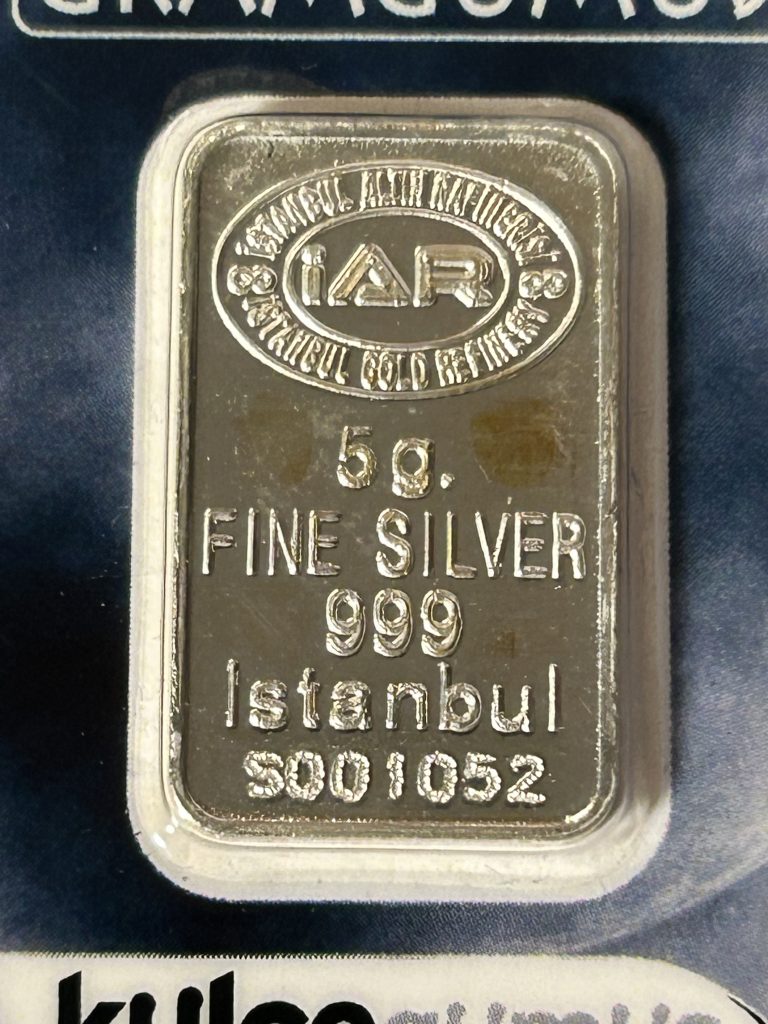
Limited-production hand poured silver remains especially popular because it combines permanently restricted mintages with handcrafted artistry. Unique cooling lines, hand stamping, artisanal textures, small-batch production methods, individual pour characteristics, and limited availability all contribute to collector appeal. Unlike generic bullion products, many limited-production hand poured releases are valued for both their precious metal content and their long-term collectible significance.
This combination of fixed production and handcrafted individuality creates two independent scarcity factors. Production ends after the announced mintage is reached, while every individual pour retains its own distinctive appearance. For many collectors, that blend of rarity and craftsmanship helps explain why certain limited-production hand poured silver products develop especially strong secondary-market demand.
Limited Mintage Bullion in Today’s Market
Limited mintage bullion continues attracting strong interest as collectors seek products that combine precious-metal ownership with scarcity and collectible appeal. While generic bullion remains popular for low-premium accumulation, limited-production releases appeal to buyers who value rarity, exclusivity, and long-term secondary-market potential. Understanding why limited mintage bullion costs more helps buyers compare products more effectively across the broader precious-metals market.
How Limited Mintage Bullion Is Produced
Limited mintage bullion begins with a production decision made before manufacturing starts. A mint or private refinery establishes a maximum number of pieces that will be produced, creating a permanent limit on future supply. Once the announced production run has been completed, additional pieces are generally not manufactured, allowing limited mintage bullion to maintain its defined level of scarcity.
Production limits vary widely between products. Some limited mintage bullion releases may include only a few hundred pieces, while others are capped at several thousand or tens of thousands of coins or bars. Regardless of the total number produced, collectors often focus on the fact that the available supply cannot continue expanding indefinitely.
Many private mints also number individual bars or issue certificates of authenticity with limited mintage bullion. These additional details help collectors verify production totals while increasing confidence that the stated mintage accurately reflects the number of products released into the market.
Why Sellouts Increase Collector Interest
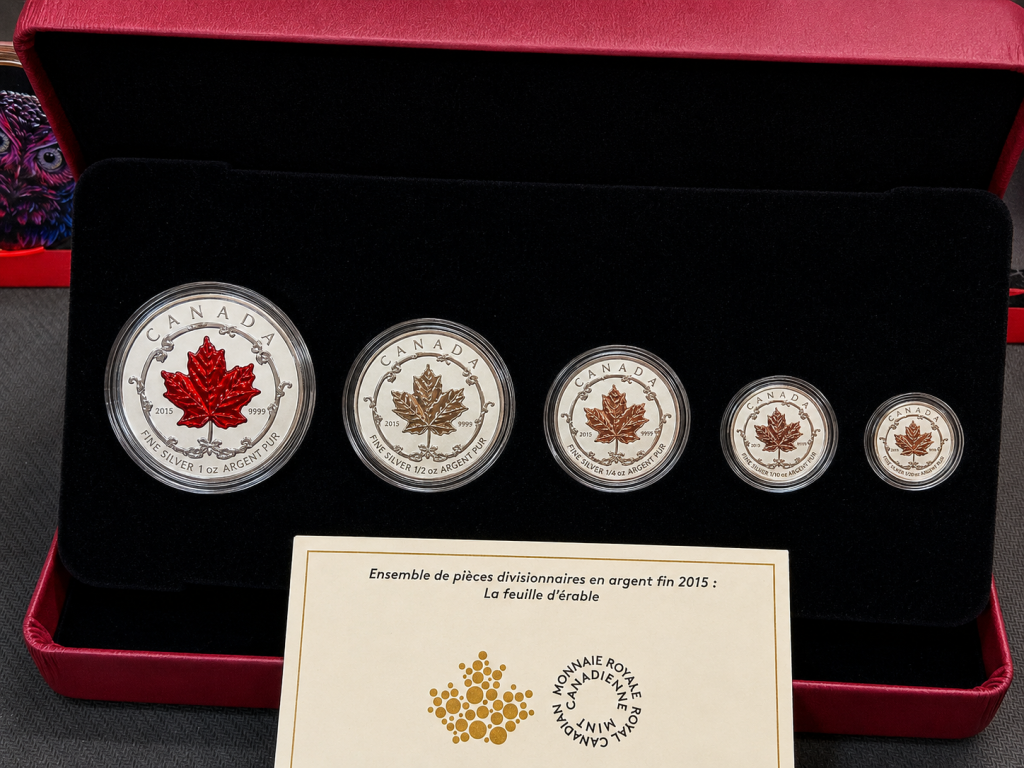
Collector demand frequently accelerates after an issue sells out because every future purchase must come from an existing owner rather than the original mint. As available inventory declines, premiums often become increasingly influenced by scarcity instead of production cost.
When a limited mintage bullion release sells out, buyers must typically purchase examples through the secondary market rather than directly from the original producer. This shift often changes pricing because future buyers are competing with existing owners instead of purchasing newly manufactured inventory.
As more collectors place limited mintage bullion into long-term collections, the number of available examples may gradually decline. Some products are rarely offered for sale after the initial release, making them increasingly difficult to locate even though the official mintage remains unchanged.
This combination of fixed production and declining marketplace availability explains why certain limited mintage bullion products continue appreciating long after their original release.
Comparing Limited Mintage Bullion with Unlimited Bullion
Standard bullion products are often manufactured continuously as long as market demand remains strong. Investors generally purchase these products for their precious metal content, liquidity, and competitive premiums rather than long-term scarcity.
Limited mintage bullion follows a different path because production eventually stops. After the final release, market pricing becomes increasingly influenced by collector demand, historical significance, rarity, design popularity, and secondary-market availability rather than production capacity alone.
Understanding the difference between ongoing bullion production and limited mintage bullion helps buyers choose products that best match their collecting goals, investment strategy, and long-term ownership plans.
Factors That Influence Long-Term Collectibility
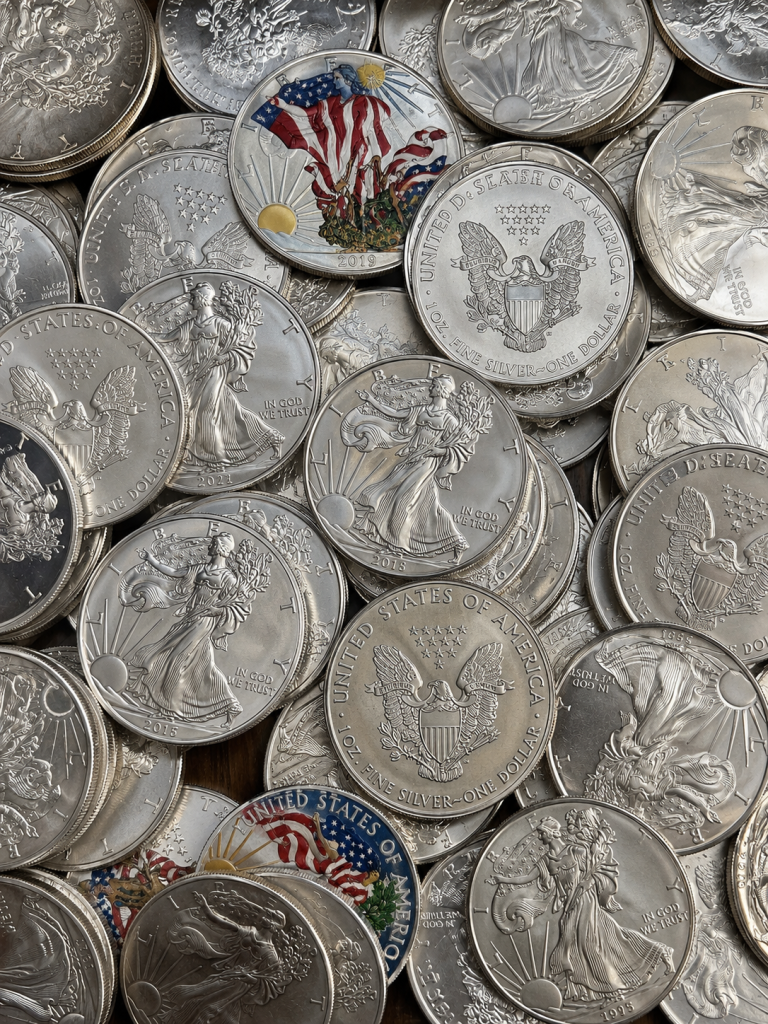
Not every limited-release precious metals product develops strong long-term premiums. Several factors influence collector demand after the initial release, including artistic design, issuing mint, historical significance, production quality, market recognition, and overall availability.
Products issued by respected government mints often maintain strong visibility because collectors recognize their quality and authenticity. Private mint releases may also become highly desirable when production quality, craftsmanship, and originality attract dedicated collectors.
Packaging can also influence long-term desirability. Original boxes, certificates of authenticity, serialized packaging, and complete presentation sets frequently command stronger resale prices than incomplete examples.
Condition remains equally important. Bullion that has been carefully stored in original capsules or certified by major grading services generally attracts greater buyer confidence than examples showing damage, improper handling, or environmental exposure.
Because collector preferences evolve over time, demand can shift between different series, themes, and issuing mints. Understanding these broader market influences helps buyers evaluate collectible precious metals more effectively while building diversified long-term collections.
Authenticating Limited-Production Bullion
Collectors should verify the authenticity of any limited-production bullion before paying a significant premium. Reputable government mints and established private refiners typically provide clear specifications, official product information, and recognizable manufacturing standards that make authentication easier.
Many collectible bullion products are accompanied by original packaging, certificates of authenticity, serialized numbering, or protective capsules. While these accessories do not guarantee authenticity by themselves, they often provide additional confidence when combined with careful inspection and purchases from reputable dealers.
Professional grading services also play an important role in the collectible bullion market. Certified examples are independently authenticated and evaluated for condition, helping buyers compare products more confidently while reducing the risk of purchasing altered or counterfeit pieces.
Storage and Long-Term Preservation
Collectors who purchase scarce bullion products often take additional steps to preserve long-term value. Proper storage protects surfaces from fingerprints, moisture, environmental contaminants, and accidental damage that could reduce collector appeal.
Protective capsules, original mint packaging, and climate-controlled storage all help maintain condition over time. Many collectors avoid unnecessary handling and keep documentation with the original product to preserve provenance and resale appeal.
Although precious metal content remains unchanged, presentation and condition frequently influence how desirable a collectible product becomes within the secondary market.
Should Investors Pay Higher Premiums?
There is no single answer because every buyer has different goals. Investors focused on acquiring the maximum amount of silver or gold may prefer lower-premium bullion that closely tracks intrinsic metal value.
Other buyers intentionally pursue scarce releases because they value craftsmanship, historical significance, artistic design, or long-term collector demand. These products may experience price movements that differ from standard bullion as collector interest changes over time.
Understanding the difference between intrinsic metal value and collectible value allows buyers to select products that match their own investment strategy instead of relying on a single approach for every purchase.
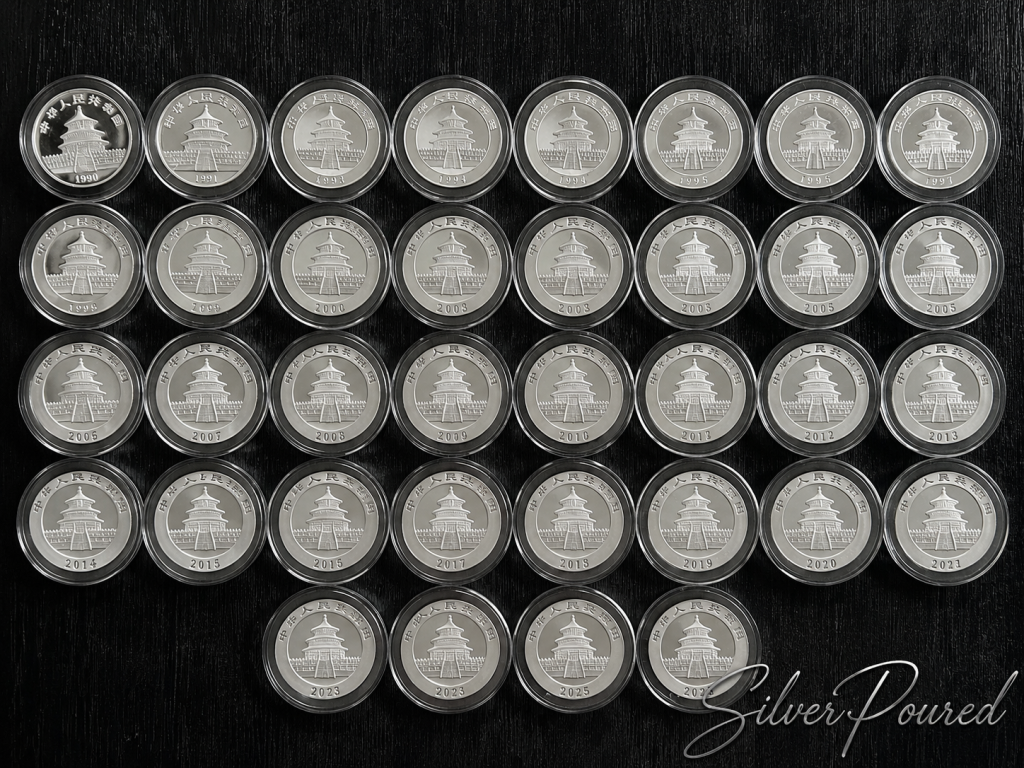
Evaluating Limited Mintage Bullion Before Buying
Not every collectible release performs the same after it reaches the secondary market. Experienced collectors evaluate several characteristics before deciding whether a product deserves a place in their collection. While low production numbers are important, they represent only one part of the overall picture.
The issuing mint or refinery often plays a significant role in long-term desirability. Government mints with established reputations frequently attract worldwide collector interest, while respected private mints can develop loyal followings through consistent quality, artistic designs, and innovative production techniques.
Artwork also influences demand. Many collectors purchase limited mintage bullion because the design itself appeals to them rather than simply because production was restricted. Detailed engraving, proof finishes, antiqued surfaces, selective gilding, color applications, high-relief striking, and hand-poured craftsmanship all contribute to collector interest beyond precious metal content alone.
Market recognition is equally important. Products that become well known within the collecting community often maintain stronger liquidity because buyers are already familiar with the series. Strong recognition frequently results in a larger pool of interested buyers whenever examples become available for resale.
Supply, Demand, and Long-Term Performance
Limited mintage bullion follows the same basic economic principles that influence other collectible markets. As available supply becomes smaller while collector demand remains steady or increases, market prices often strengthen over time. The opposite can also occur if collector interest fades after the initial release.
This is why production numbers alone should never determine a purchasing decision. Two products with identical mintages may experience very different long-term performance depending on design popularity, market recognition, issuing mint, and collector demand.
Collectors who understand these broader market forces are generally better prepared to evaluate opportunities without focusing exclusively on production totals.
Building a Collection Around Scarcity
Many collectors intentionally build collections centered on limited mintage bullion because scarcity creates an additional layer of interest beyond precious metal ownership. Some pursue complete series from a single mint, while others focus on specific themes, historic anniversaries, wildlife programs, hand poured silver, or serialized releases.
Over time, these specialized collections often become more meaningful because they reflect personal collecting goals rather than simply accumulating ounces of silver or gold. Although future premiums can never be guaranteed, carefully selected products from respected mints frequently remain desirable because collector demand continues long after production has ended.
Understanding how limited mintage bullion fits within the broader precious metals market helps buyers build collections that balance bullion value, scarcity, craftsmanship, and long-term collectible appeal.
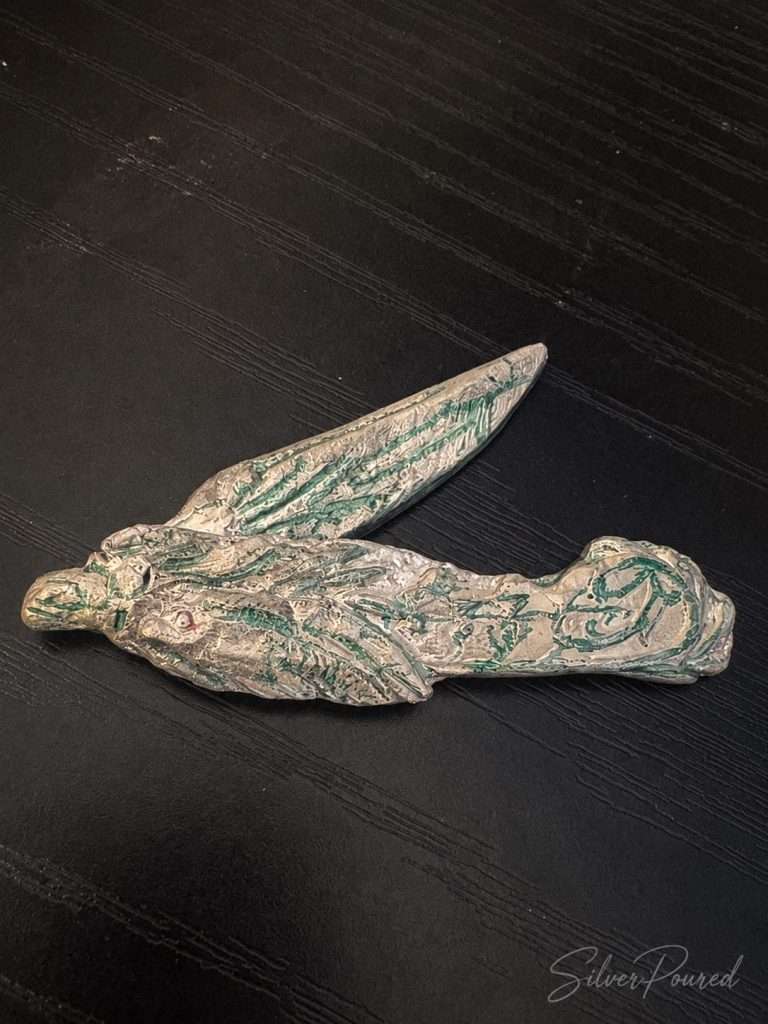
Researching Collectible Precious Metals Before Buying
Successful collectors rarely purchase a product based solely on a low mintage. Instead, they research the issuing mint, production methods, historical performance, collector demand, and overall market reputation before making a decision.
Auction archives often provide valuable insight into long-term pricing trends because they show what collectors have actually paid over time rather than simply listing asking prices. Comparing multiple completed sales helps buyers recognize whether premiums have remained consistent or changed significantly as products become more difficult to locate.
Collector communities also play an important role in evaluating precious metals releases. Online forums, coin clubs, bullion groups, and major coin shows frequently discuss new releases, production quality, and long-term collectibility. These conversations often reveal strengths and weaknesses that are difficult to identify from marketing material alone.
Many experienced buyers also compare several products before making a purchase. Instead of focusing on a single release, they evaluate competing products with similar production numbers, designs, and price levels. This broader comparison often leads to better purchasing decisions because buyers understand the overall market rather than concentrating on one product.
The Importance of Liquidity
Liquidity is another factor frequently overlooked by new collectors. A beautiful product with a very small production run may still require time to sell if relatively few collectors actively pursue that series. Conversely, products with strong worldwide recognition often maintain active secondary markets because buyers are already familiar with the issuing mint and the overall program.
Government-issued bullion generally benefits from broad international recognition, while respected private mints often build loyal collector followings through consistent quality and innovative designs. Understanding market recognition helps collectors evaluate both scarcity and resale potential before purchasing.
Collecting for Long-Term Enjoyment
Many collectors purchase precious metals for reasons that extend beyond investment performance. Historic themes, artistic engraving, hand-crafted production, anniversary releases, wildlife programs, and innovative minting techniques all contribute to the enjoyment of collecting.
Building a collection around personal interests often creates greater long-term satisfaction than purchasing products based only on short-term market trends. While scarcity and collector demand remain important, craftsmanship, design quality, historical significance, and personal enjoyment frequently become equally meaningful over time.
A well-rounded precious metals collection often combines investment-grade bullion with carefully selected collectible releases, allowing owners to enjoy both intrinsic metal value and the unique stories behind each product.
Do Limited Mintage Products Hold Value?
Many collectors believe limited mintage bullion offers both precious metals ownership and long-term collectible potential because pricing is influenced by more than metal content alone. Scarcity, collector demand, production size, refinery reputation, historical significance, and secondary-market availability all contribute to market desirability. While silver spot price remains important, many limited-production products ultimately derive a significant portion of their value from rarity and long-term collector demand.
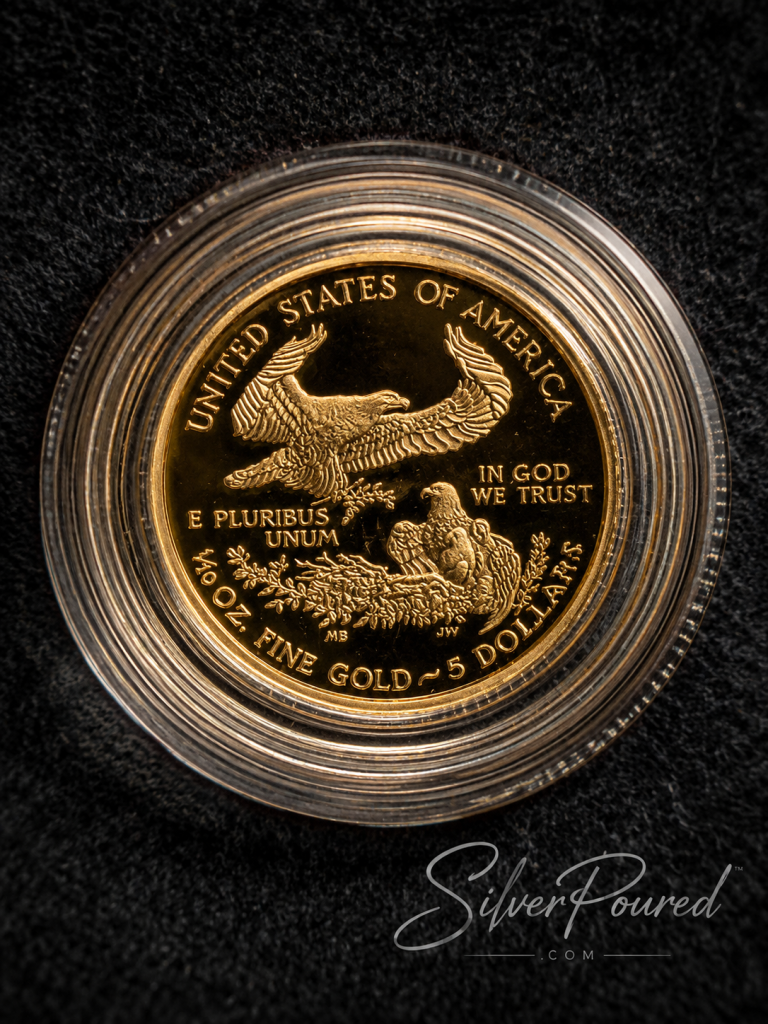
Collectors evaluating scarce bullion should consider production size alongside mint reputation, market recognition, condition, design popularity, and sustained secondary-market demand. Metal content establishes intrinsic value, while rarity and collector competition can contribute additional value to limited-production releases.
Secondary-Market Demand for Limited Bullion
Secondary-market demand plays a major role in collectible bullion pricing because buyers often compete for products that are no longer readily available through primary distribution channels. Serialized bullion, fractional collectible silver, rare hand poured silver, vintage refinery products, small-batch bullion, and limited-release silver bars frequently develop dedicated collector followings. As collector demand grows and supply becomes increasingly restricted, premiums may expand substantially above melt value.
Related SilverPoured Resources
Continue exploring SilverPoured’s limited-mintage, collectible-bullion, premium, and pricing resources to understand how restricted production, scarcity, market recognition, craftsmanship, and collector demand influence precious-metals values.
Limited Mintage and Collectible Bullion
Why Serialized Bullion Costs More
Why Hand Poured Silver Is Collectible
What Makes Silver Bars Collectible
Why Collectible Silver Sells For More
Vintage Silver Bars
Bullion Premium Education
Premium Over Spot Explained
Why Bullion Dealers Charge Premiums
Why Silver Premiums Change
Why Collectors Pay More for Silver
Why Rare Silver Bars Cost More
Silver Prices and Value
Silver Spot Price Today
Silver Melt Value Calculator
What Is Silver Melt Value?
Silver Coin Values
Best Silver Dealers
Purchase Precious Metals from a Trusted Dealer
Understanding why limited mintage bullion costs more helps buyers compare scarce collectible releases with continuously produced bullion while considering production limits, market recognition, condition, craftsmanship, liquidity, and sustained collector demand.
Golden State Mint offers silver bars, silver rounds, gold bullion, copper bullion, and fractional precious metals for collectors and investors. Comparing continuously produced bullion with limited-production products can help buyers understand how scarcity, availability, recognition, and collector interest influence premiums above intrinsic metal value.
Collector Insight
A low production number creates scarcity, but scarcity alone does not guarantee lasting value. Strong collectible premiums are more likely when restricted supply is combined with recognizable design, respected production, historical significance, condition, market visibility, and sustained buyer demand. Completed secondary-market sales can help determine whether those characteristics are producing genuine collector value.
Keep SilverPoured Free
SilverPoured is built to help collectors and precious-metals investors make smarter decisions through free calculators, original photography, coin research, value references, collector education, and independent market resources. Every page is created to make valuable precious-metals information available without requiring a paid subscription.
This guide explains why limited mintage bullion costs more by examining restricted production, scarcity, market recognition, condition, craftsmanship, liquidity, and long-term collector demand. Every contribution helps support continued precious-metals research, original photography, free calculators, bullion education, and expansion of the SilverPoured Authority Library.
Your support allows SilverPoured to remain independent while building one of the web’s most comprehensive free libraries for coin collectors, bullion buyers, precious-metals researchers, and long-term investors.