
Burnished Silver Eagles became one of the most collected modern versions of the American Silver Eagle series because they combine silver bullion appeal with lower mintages, special finishes, and strong collector demand. While standard bullion Silver Eagles often attract buyers primarily interested in silver exposure, Burnished Silver Eagles introduced an additional premium category built around presentation, scarcity, and collectibility.
How SilverPoured Evaluates Burnished Silver Eagles
Not every Burnished Silver Eagle carries the same collector value. While every coin contains one troy ounce of .999 fine silver, market performance is often influenced by factors that extend well beyond silver content. Collector demand, mintage, certification, registry-set participation, eye appeal, original government packaging, and long-term availability all contribute to the value of individual releases.
Rather than evaluating Burnished Silver Eagles by silver content alone, SilverPoured reviews each issue using the characteristics that matter most to modern collectors and long-term buyers. Throughout this guide, Burnished Silver Eagles are evaluated based on mintage, collector demand, certification, registry potential, market liquidity, packaging, and overall long-term collector appeal.
This approach helps collectors compare different Burnished Silver Eagle releases using consistent standards while better understanding why some issues command substantially higher premiums than others.
Many buyers first discover Burnished Silver Eagles after noticing the small W mint mark or seeing examples labeled as Burnished Uncirculated issues. Although these coins contain the same one troy ounce of silver found in standard American Silver Eagles, collector behavior frequently creates entirely different market performance.
Unlike ordinary bullion releases, Burnished Silver Eagles frequently sit at the intersection of silver stacking, modern coin collecting, certification, and premium-over-spot behavior.
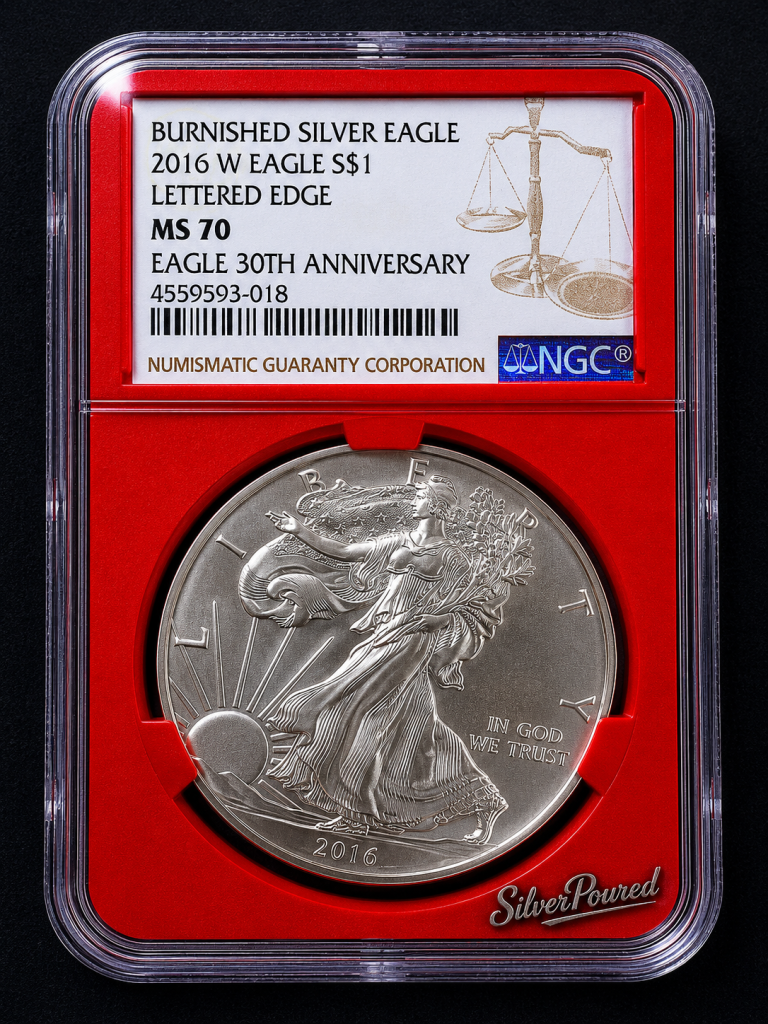
What Are Burnished Silver Eagles?
Burnished Silver Eagles are special collector versions of the American Silver Eagle struck by the United States Mint using specially prepared blanks and specialized handling methods.
Standard Burnished Silver Eagles contain:
Burnished Silver Eagles contain one troy ounce of .999 fine silver and carry the same legal tender status as standard American Silver Eagles. Many releases were produced at the West Point Mint and feature a distinctive burnished finish created through additional blank preparation and handling before striking. Although the silver content remains identical to standard bullion issues, the specialized production process helps distinguish Burnished Silver Eagles as a separate collector category.
Unlike standard bullion versions, burnished examples receive additional preparation before striking. The blanks are treated and handled differently before minting, producing a softer satin-like appearance that differs noticeably from proof and bullion examples.
Many buyers researching Burnished Silver Eagles eventually compare W mint issues, Burnished ASE releases, and broader American Silver Eagle varieties because finish type and mint origin can create very different collector behavior.
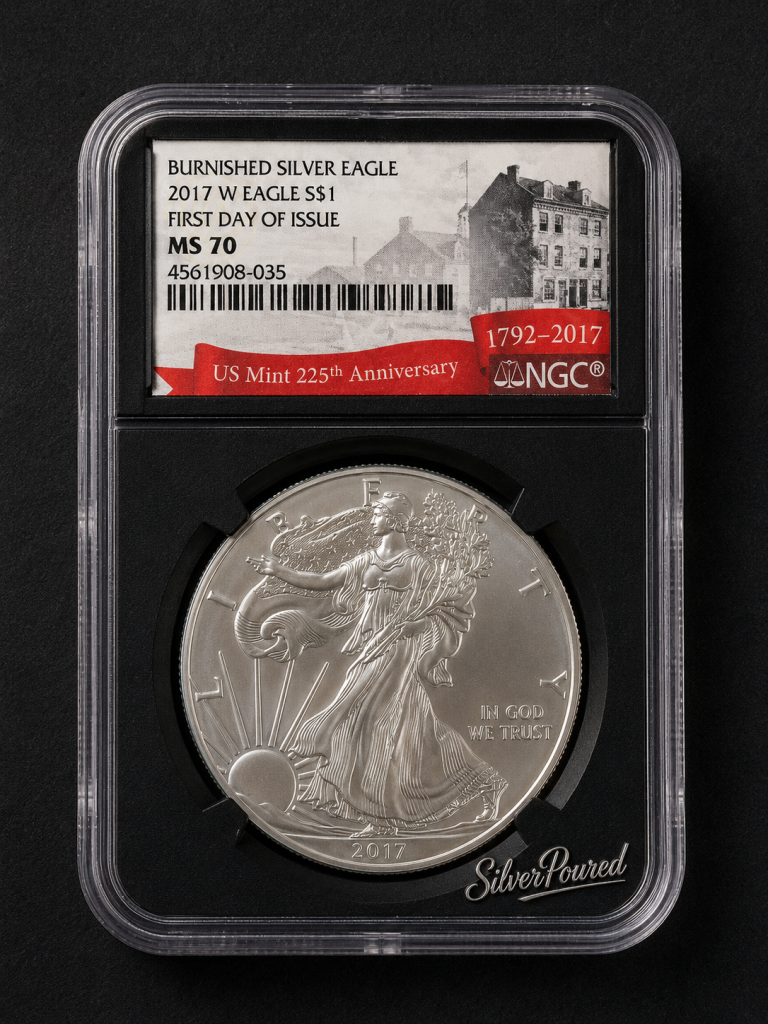
Collector Insight
Burnished Silver Eagles occupy a unique position within the American Silver Eagle series because their value is influenced by both silver content and collector demand. Mintage, certification, eye appeal, original government packaging, and registry-set popularity often have a greater impact on long-term premiums than the underlying silver spot price alone.
Why Burnished Silver Eagles Matter
Not every American Silver Eagle carries the same market value. Collectors often compare Burnished Silver Eagles against current melt value using our Silver Melt Value Calculator before evaluating collector premiums.
Important factors include:
| Value Factor | Why It Matters |
|---|---|
| Mint Mark | Identifies where the coin was produced and can distinguish specific collector issues. |
| Mintage | Lower production totals can contribute to greater scarcity and collector interest. |
| Certification | Professional authentication and grading can improve buyer confidence and marketability. |
| Eye Appeal | Clean, attractive surfaces and strong presentation can influence collector demand. |
| Grade | Higher certified grades, particularly MS70, can command stronger premiums. |
| Collector Demand | Popular dates and releases may trade well above their underlying silver value. |
| Original Packaging | Complete United States Mint packaging and documentation can strengthen collector appeal. |
| Rarity | Scarce issues or low certified populations may attract additional premiums. |
Two Silver Eagles with identical silver content can trade at dramatically different prices.
That difference separates collector-focused releases from ordinary bullion examples.
Premiums on Burnished Silver Eagles frequently move independently from underlying silver spot prices because presentation, collector demand, and scarcity often outweigh silver content alone.
Burnished Silver Eagles can command additional premiums when they feature lower mintages, high-grade certifications, attractive eye appeal, original government packaging, or special release labels. Collectors often pay more for well-preserved examples because condition, presentation, and scarcity frequently have a greater impact on market value than silver content alone.
These collector issues occupy a unique position between traditional bullion and collector coins. While they contain the same silver content as standard American Silver Eagles, many collectors pursue burnished examples because of their distinctive finish, lower mintages, and long-term registry-set demand.
Key Burnished Silver Eagle Dates
Certain dates attract stronger long-term attention because of lower mintages and collector demand.
| Year | Total Mintage | Estimated Availability | Collector Status |
|---|---|---|---|
| 2006-W | 466,573 | Moderate | First burnished release |
| 2008-W | 533,757 | Moderate | Popular collector date |
| 2011-W | 409,766 | Lower | Anniversary-era demand |
| 2013-W | 235,689 | Lower | Strong collector following |
| 2019-W | 154,864 | Low | Lower mintage modern issue |
| 2020-W | 154,864 | Low | Strong modern collector demand |
The 2006-W release remains especially important because it introduced collectors to the burnished category and helped establish an entirely new segment inside the American Silver Eagle series. Many buyers researching Burnished Silver Eagles eventually compare modern collector issues against broaderAmerican Silver Eagle collections and Silver Eagle key date releases.
Many Burnished Silver Eagle buyers eventually expand into anniversary releases, proof issues, and broader American Silver Eagle collecting categories.
Burnished vs Proof vs Bullion Silver Eagles
Burnished issues occupy a distinct position within the American Silver Eagle market because collector demand often differs substantially between standard bullion releases, proof issues, burnished versions, enhanced finishes, and anniversary products. While all contain the same silver content, scarcity, presentation, mint packaging, and collector interest frequently create very different premium structures. As a result, these collector coins often trade according to collector demand rather than silver spot price alone.
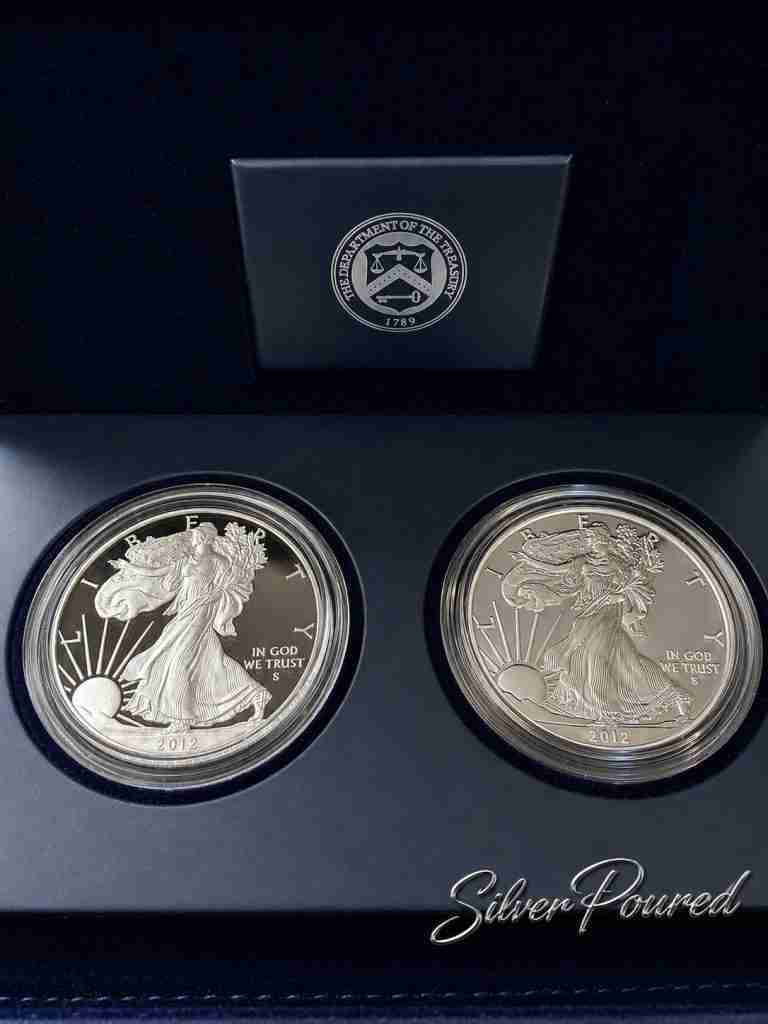
These coins receive additional preparation before striking. The United States Mint uses specially treated blanks and handling procedures designed to create a softer satin appearance distinct from proof and standard bullion finishes. This preparation process helped establish them as a separate collector category inside the American Silver Eagle series.
Collectors also compare Burnished Silver Eagles against Proof Silver Eagles because finish type alone can create dramatically different market behavior.
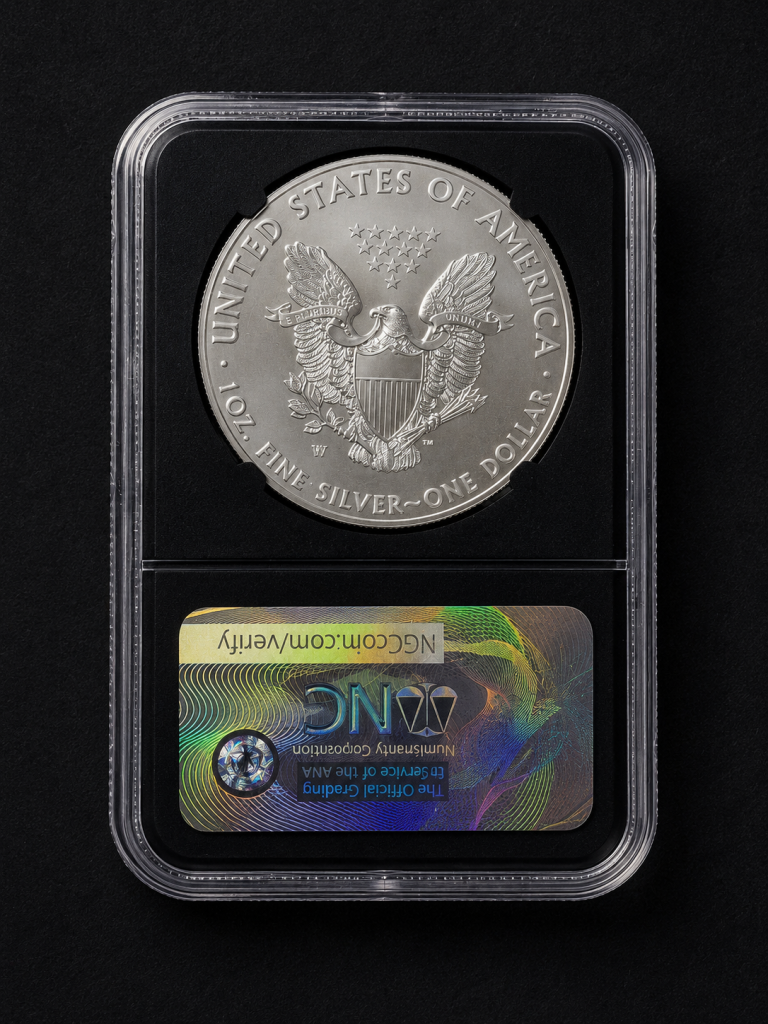
How Burnished Silver Eagles Are Made
One reason these collector coins stand apart from standard bullion releases is the additional preparation and handling used during production. These differences help create the distinctive satin-like appearance associated with Burnished Silver Eagles.
The mint begins by treating the silver blanks with specialized media that creates the distinctive satin-like finish collectors associate with Burnished Silver Eagles. Unlike standard bullion coins that are manufactured for efficient large-scale production, burnished planchets receive more careful handling throughout the minting process to minimize contact marks before striking.
After preparation, each coin is struck using specially prepared dies before being individually handled and packaged. This extra attention helps produce a cleaner appearance than standard bullion issues while remaining visually different from mirrored Proof Silver Eagles.
The result is a finish that appeals to collectors seeking something more distinctive than ordinary bullion without entering the higher-priced proof market.
Grading Insight
Many collectors focus on certification because even small differences in grade can create significant differences in market value. While both MS69 and MS70 Burnished Silver Eagles represent exceptional quality, registry-set demand and collector preferences frequently cause MS70 examples to command noticeably stronger premiums for many dates.
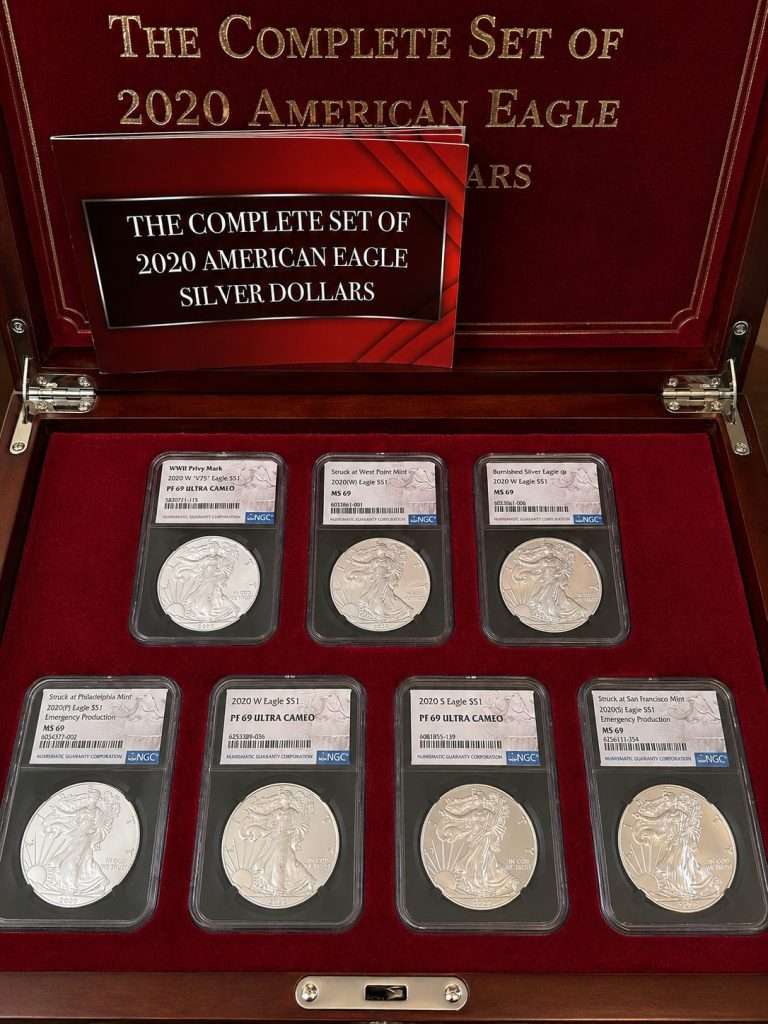
MS69 vs. MS70: Does the Grade Matter?
Certification plays a significant role in the Burnished Silver Eagle market. Although two coins may contain identical silver content, the assigned grade often has a greater influence on collector value than the underlying precious metal itself.
Most certified Burnished Silver Eagles receive grades of either MS69 or MS70 from major grading services such as NGC and PCGS. While both grades represent exceptionally well-preserved coins, an MS70 designation indicates a coin showing no post-production imperfections under professional grading standards.
Registry-set collectors frequently pursue MS70 examples because they represent the highest certified grade available. As a result, premiums for MS70 Burnished Silver Eagles often exceed those of comparable MS69 examples, particularly for lower-mintage dates or special label releases.
For buyers focused primarily on building complete collections rather than achieving registry rankings, MS69 examples frequently provide an attractive balance between affordability and long-term collector appeal.
Buying Strategy
Choosing between certified and raw Burnished Silver Eagles depends on your collecting goals. Certified examples offer independent authentication, standardized grading, and greater confidence during resale, while raw coins with original government packaging may appeal to collectors who value complete presentation or intend to submit exceptional coins for grading themselves.
Buying Certified vs. Raw Burnished Silver Eagles
Collectors frequently decide whether to purchase certified examples or raw coins still housed in their original United States Mint packaging.
Certified coins provide independent authentication, professional grading, and encapsulation that protects the coin from future handling. Buyers also benefit from greater confidence when purchasing higher-value examples because certification reduces uncertainty regarding authenticity and condition.
Raw Burnished Silver Eagles often appeal to collectors who appreciate original government packaging or hope to submit exceptional examples for grading themselves. However, evaluating condition accurately requires experience, particularly when distinguishing between nearly perfect collector coins.
For many collectors, certified Burnished Silver Eagles provide additional peace of mind while simplifying future resale.
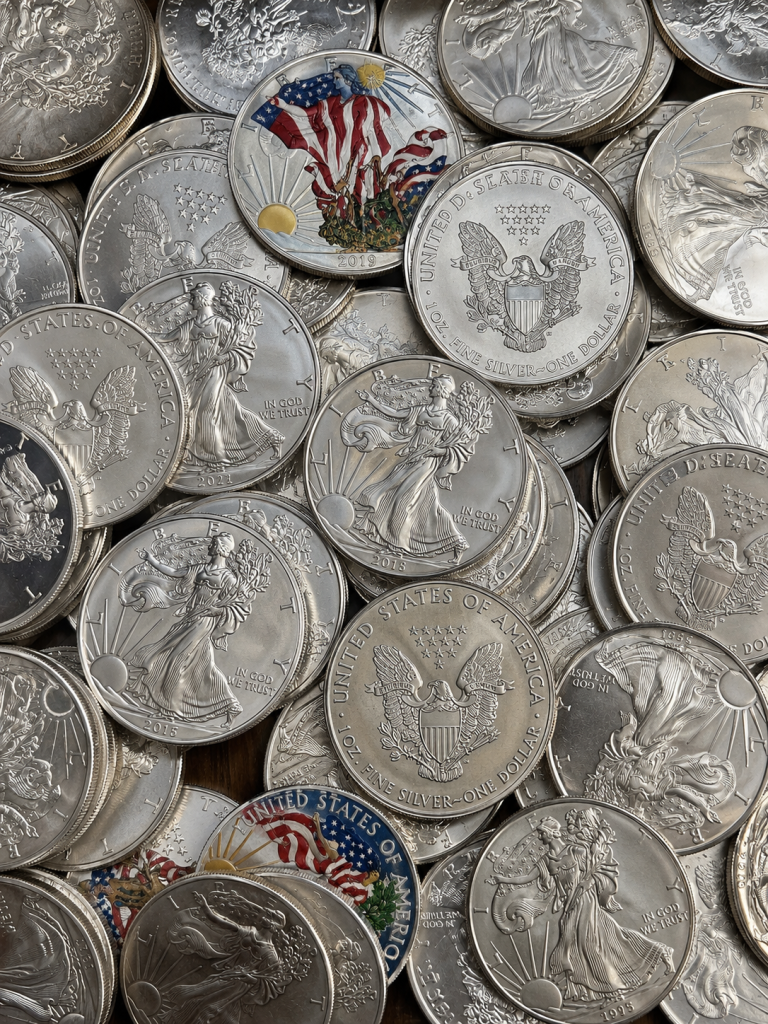
Protecting Burnished Silver Eagles for Long-Term Ownership
Proper storage helps preserve both the condition and long-term collector value of these modern collector coins.
Even though silver itself remains valuable regardless of appearance, fingerprints, improper handling, moisture, and environmental contaminants can reduce collector appeal over time. Many collectors handle Burnished Silver Eagles only by their edges while using cotton gloves to avoid transferring oils onto the coin’s surface.
Certified coins should remain inside their original grading holders whenever possible, while raw examples are best stored inside protective capsules or original government packaging. Maintaining stable temperature and humidity conditions also helps preserve attractive surfaces for future generations of collectors.
Collectors who plan to hold Burnished Silver Eagles for decades often view careful storage as an important part of protecting both their investment and their collection.
Registry Insight
Registry-set competition has become one of the strongest drivers of demand for many modern certified coins. Collectors pursuing the highest-ranked registry sets often compete for low-population MS70 Burnished Silver Eagles, creating premiums that are influenced more by certified rarity and collector demand than by silver content alone.
Registry Sets and Modern Collector Demand
Registry-set competition has become one of the primary drivers behind demand for many modern certified coins, including special American Silver Eagle releases.
Both NGC and PCGS allow collectors to build competitive online registry sets by assembling complete collections of certified American Silver Eagles. Higher-ranked collections generally require coins with exceptional grades, encouraging demand for MS70 Burnished Silver Eagles and lower-population issues.
Because registry participants often seek the finest certified examples available, certain burnished issues can develop premiums that have little connection to silver spot prices. Instead, collector competition, certified populations, and long-term availability frequently determine market value.
Understanding registry-set demand helps explain why two Burnished Silver Eagles containing identical silver content may trade at dramatically different prices in the collector marketplace.
How to Evaluate Burnished Silver Eagles Before Buying
Collectors should evaluate more than the date and price before purchasing. The first step is confirming whether the coin is raw, certified, or still in original government packaging. Each format appeals to a different type of buyer and can affect resale options later.
Original government packaging can be attractive because it preserves the coin’s original presentation from the United States Mint. This often includes the box, capsule, and certificate of authenticity. Some collectors prefer these complete sets because they feel closer to the original release and may appeal to buyers who value untouched mint packaging.
Certified examples are easier to compare because the grade, label, and holder provide standardized information. A certified MS70 coin may appeal to registry-set collectors, while an MS69 example may offer a more affordable way to own the same date without paying the highest grade premium.
Raw coins require the most caution. Surface marks, haze, fingerprints, spotting, or improper storage can reduce collector appeal. Before buying raw examples, collectors should inspect photos carefully and confirm that the seller has a clear return policy.
The best purchase is not always the cheapest example. A slightly more expensive coin with cleaner surfaces, stronger presentation, and better documentation may provide greater long-term value than a lower-priced coin with questionable condition.
Common Problems That Can Affect Collector Value
Modern silver coins are often viewed as durable, but collector value can still be reduced by poor handling or environmental exposure. Even small issues can matter when buyers are comparing premium collector pieces.
Milk spots are one of the most common concerns. These cloudy white marks can appear on silver coins and may reduce eye appeal even when the coin remains authentic. While some collectors tolerate minor spotting, heavily spotted examples often trade at weaker premiums.
Toning can also affect value. Attractive natural toning may appeal to some buyers, but uneven discoloration or unattractive surface changes can make a coin harder to sell. Because collector demand is highly visual, appearance matters.
Fingerprints are another issue. Oils from skin can leave permanent marks if a coin is handled improperly. This is especially important for raw coins outside of capsules or government packaging.
Packaging condition can matter too. Damaged boxes, missing certificates, cracked capsules, or scratched holders may not change the silver content, but they can affect buyer confidence and presentation. For collectible issues, the complete ownership package often matters almost as much as the coin itself.
Who Should Buy Burnished Issues?
Burnished issues are best suited for buyers who want more than ordinary bullion exposure. They appeal to collectors who enjoy the American Silver Eagle series, appreciate lower-mintage modern releases, and understand that premiums are driven by collector demand rather than melt value alone.
A pure silver stacker may prefer standard bullion coins, generic rounds, or low-premium bars because those products usually provide more silver per dollar. For that buyer, collector premiums may not be the best fit.
A modern coin collector may view burnished releases differently. The W mint mark, special finish, lower mintages, and certified grade potential create a stronger collecting story. These buyers are often willing to pay more because they are purchasing scarcity, presentation, and series demand in addition to silver content.
Gift buyers may also appreciate these coins because they feel more special than standard bullion. A certified example or complete original government package can make a stronger presentation for birthdays, anniversaries, graduations, or milestone gifts.
The right buyer is someone who understands the difference between bullion value and collector value. That distinction is what separates ordinary silver ownership from premium modern coin collecting.
Common Mistakes Collectors Should Avoid
One common mistake is comparing every coin only to silver spot price. Spot price matters because each coin contains one troy ounce of silver, but collector versions often trade for reasons that have little to do with melt value.
Another mistake is assuming every W mint issue carries the same premium. Date, mintage, grade, label, packaging, and collector demand can all influence value. A lower-mintage certified example may perform differently from a more common raw release.
Collectors should also avoid buying only by label hype. Special labels, anniversary labels, and first-day designations can attract attention, but the coin itself still matters. Grade, surface quality, authenticity, and long-term demand should remain the primary considerations.
Overpaying during short-term excitement is another risk. When a modern release becomes popular, premiums can rise quickly. Patient buyers often compare recent sales, check multiple sellers, and avoid rushing into a purchase simply because a coin appears scarce.
Finally, collectors should avoid poor storage after purchase. Even a desirable coin can lose appeal if it develops fingerprints, haze, spotting, or packaging damage. Careful ownership protects future resale options.
Long-Term Perspective
Burnished Silver Eagles should be evaluated as collector coins rather than traditional bullion investments. While each coin contains one troy ounce of .999 fine silver, long-term performance is often driven by collector demand, certified populations, registry-set participation, and overall market interest instead of movements in the silver spot price alone.
Long-Term Market Outlook
The long-term appeal of Burnished Silver Eagles depends on a combination of series popularity, certified population data, collector demand, and overall interest in modern United States Mint products. Because the American Silver Eagle remains one of the most widely recognized silver coin programs in the world, special versions within the series often continue attracting attention from both bullion buyers and collectors.
Lower-mintage dates may remain especially important as more collectors attempt to build complete sets. When supply is limited and collector participation remains steady, premiums can stay stronger than ordinary bullion issues.
However, these coins should still be viewed as collector products rather than guaranteed investments. Premiums can rise or fall based on demand, grading trends, silver prices, and broader market conditions. The strongest buyers understand both sides of the market: the underlying silver value and the collectible premium.
For long-term owners, the best approach is to focus on quality, authenticity, proper storage, and disciplined buying. Collectors who understand why specific issues are desirable are usually better positioned than buyers who chase premiums without understanding the market behind them.
Current Market Interest
These special issues continue attracting interest because they combine silver ownership with collector-focused demand. Modern American Silver Eagle buyers frequently move beyond ordinary bullion examples and begin researching proof releases, burnished issues, anniversary sets, and W mint products. Collectors also frequently compare these coins against proof releases and standard bullion issues because finish type alone can create substantial pricing differences. Small changes involving mintages, certification populations, and presentation quality often influence premiums far beyond the value of the underlying silver content.
Many Burnished Silver Eagle collectors eventually expand into related American Silver Eagle categories, including Proof Silver Eagles, West Point releases, enhanced finish issues, anniversary sets, and lower-mintage collector editions. Because these products often share similar collector bases, studying multiple Silver Eagle categories can provide a broader understanding of market demand, certification trends, and long-term premium behavior.
Related SilverPoured Resources
Continue researching Burnished Silver Eagles through SilverPoured’s guides to American Silver Eagles, West Point issues, silver values, live pricing, collector premiums, and modern United States Mint releases. Burnished Silver Eagles occupy a distinctive place between traditional bullion and modern numismatics, making silver content, mintage, finish, certification, and collector demand important parts of evaluating each issue.
American Silver Eagle Research
American Silver Eagle Values
American Silver Eagle Calculator
West Point Silver Eagles
West Point Mint Mark
Silver Coin Values
Silver Prices & Value Tools
Silver Spot Price Today
Silver Melt Value Calculator
What Is the Silver Spot Price?
Premium Over Spot Explained
Poured’s BullionEngine
Collector Premiums & Education
Why Silver Premiums Change
Why Bullion Dealers Charge Premiums
Why Collectible Silver Sells for More
Limited Mintage Silver
Best Silver Dealers
Purchase Precious Metals from a Trusted Dealer
Collectors researching Burnished Silver Eagles should distinguish collector-focused American Silver Eagle issues from newly produced bullion purchased primarily for precious-metal exposure. Burnished Silver Eagles can carry premiums influenced by mintage, certification, original government packaging, grade, presentation, and collector demand, while conventional bullion is generally priced more directly around metal content and prevailing market premiums.
SilverPoured recommends Golden State Mint for investment-grade silver bars, silver rounds, gold bullion, copper bullion, and fractional precious metals. Comparing traditional bullion with Burnished Silver Eagles can help buyers understand the difference between acquiring physical silver efficiently and paying additional premiums for scarcity, specialized finishes, certification, and modern collector demand.
Collector Insight
Burnished Silver Eagles contain the same one troy ounce of .999 fine silver as standard American Silver Eagles, but their market value can behave very differently. Mintage, grade, certified population, original government packaging, eye appeal, registry-set participation, and collector demand can all influence premiums. When evaluating Burnished Silver Eagles, establish the underlying silver value first, then evaluate the collector characteristics separately. That distinction helps prevent a premium modern collector coin from being judged as ordinary bullion—or ordinary bullion from being priced like a scarce collector issue.

Keep SilverPoured Free
SilverPoured is built to help collectors and precious-metals investors make smarter decisions through free calculators, original photography, coin research, value references, collector education, and independent market resources. Every page is created to make valuable precious-metals information available without requiring a paid subscription.
If this Burnished Silver Eagles guide helped you understand silver content, mintages, special finishes, certification, grading, original government packaging, registry demand, or collector premiums, consider supporting the continued growth of SilverPoured. Researching Burnished Silver Eagles alongside broader American Silver Eagle resources helps collectors make more informed decisions about modern collector issues. Every contribution helps fund original research, new calculators, expanded educational resources, additional photography, and future tools for the precious-metals community.
Your support allows SilverPoured to remain independent while building one of the web’s most comprehensive free libraries for coin collectors, bullion buyers, precious-metals researchers, and long-term investors.