
What Is a West Point Mint Mark? (W Mint Coin Value Guide)
A West Point mint mark uses the letter “W” to identify coins struck at the United States Mint facility in West Point, New York. Although the West Point Mint operated for decades before receiving an official mint mark, W mint coins have become some of the most popular modern United States Mint releases because of their lower mintages, collectible finishes, and limited circulation issues.
Collectors actively search for West Point mint mark coins because many W releases were produced in far smaller numbers than comparable coins struck at the Philadelphia or Denver Mints. From West Point quarters found in pocket change to proof and burnished American Silver Eagles, the W mint mark has become one of the most recognizable symbols in modern coin collecting.
What Is a West Point Mint Mark?
A West Point mint mark is the letter “W” placed on a coin to identify that it was struck at the United States Mint facility in West Point, New York. Mint marks allow collectors to determine where a coin was produced and often play an important role in identifying rarity, mintage totals, and collector demand.
The United States Mint currently uses several mint marks, including Philadelphia (P), Denver (D), San Francisco (S), and West Point (W). While every mint produces coins for different purposes, the West Point Mint has become especially well known for striking precious metals bullion, collector coins, and several modern circulation collectibles.
Today, the W mint mark is recognized worldwide by collectors searching for modern United States coins with lower mintages and stronger collector appeal.
Not every W mint coin is automatically rare or valuable. Experienced collectors evaluate the date, mintage, condition, certification, and collector demand together before determining whether a West Point coin carries a meaningful premium over similar issues from other United States Mint facilities.

History of the West Point Mint
The West Point Mint is located in West Point, New York, and has played an important role in the United States Mint system for decades. Before becoming an official minting facility, the location served primarily as a bullion depository, storing large quantities of the nation’s precious metals reserves.
As demand for bullion and collector coinage increased, the facility expanded its production responsibilities and eventually began striking coins carrying the W mint mark. Over time, West Point became one of the most important facilities for producing investment-grade precious metals and special collector issues.
Today, millions of gold, silver, platinum, and commemorative coins originate from the West Point Mint each year.
West Point Mint Production Timeline
The West Point mint mark has become one of the most recognized symbols in modern United States coin collecting because it identifies coins struck at one of the nation’s premier precious-metals facilities. The West Point mint mark evolved from a secure bullion depository into an internationally recognized mint associated with bullion, collector coins, and limited-production releases. Understanding the history of the West Point mint mark helps collectors appreciate why the West Point mint mark is closely connected with rarity, collector demand, and modern United States Mint history.
| Year | West Point Milestone | Collector Importance |
|---|---|---|
| 1938 | West Point Bullion Depository opens | Facility opens to store United States silver bullion. |
| 1973 | Coin production begins | West Point begins producing cents to reduce production pressure at other Mint facilities. |
| 1976 | Bicentennial quarters produced | West Point helps produce quarters for America’s Bicentennial without a W mint mark. |
| 1980 | Gold medal production begins | West Point expands its role in precious-metals production. |
| 1984 | W mint mark enters use | The W mint mark begins appearing on United States Mint products struck at West Point. |
| 1988 | West Point becomes an official United States Mint | On March 31, the West Point Bullion Depository officially becomes the West Point Mint. |
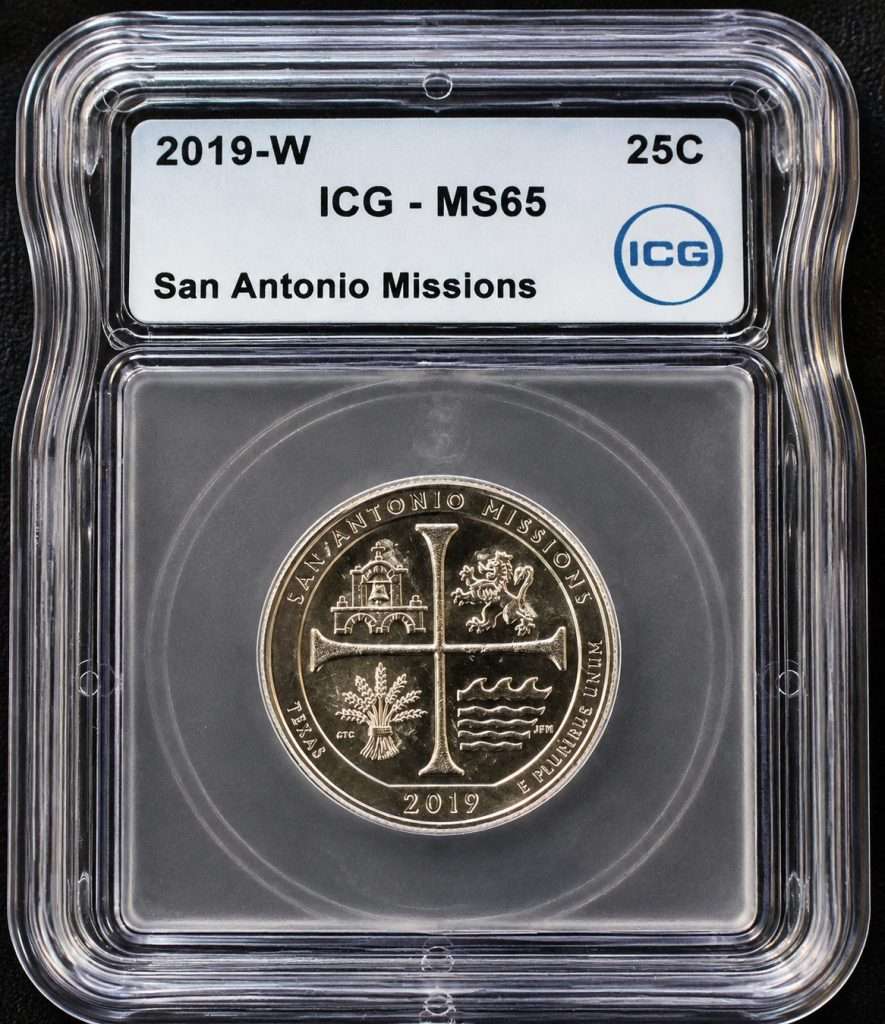
| 2019 | First W-mint-marked circulating coins | West Point strikes 10 million America the Beautiful quarters carrying the W mint mark for circulation. |
Each milestone strengthened the reputation of the West Point Mint as one of America’s leading producers of bullion, commemorative, and collector coinage.
Why the West Point Mint Was Created
The West Point facility was originally established to store and safeguard precious metals owned by the United States. As bullion production expanded and collector demand increased, the United States Mint recognized that the facility could also serve as a major manufacturing location for investment-grade precious metals and special collector coinage.
Over time, West Point became one of the Mint’s primary production centers for gold, silver, platinum, and commemorative coins. Its ability to produce high-quality bullion and numismatic products helped support growing domestic and international demand while allowing other Mint facilities to focus on circulating coinage.
Today, the West Point Mint remains one of the most important precious metals production facilities operated by the United States Mint.
How to Identify a West Point Mint Mark
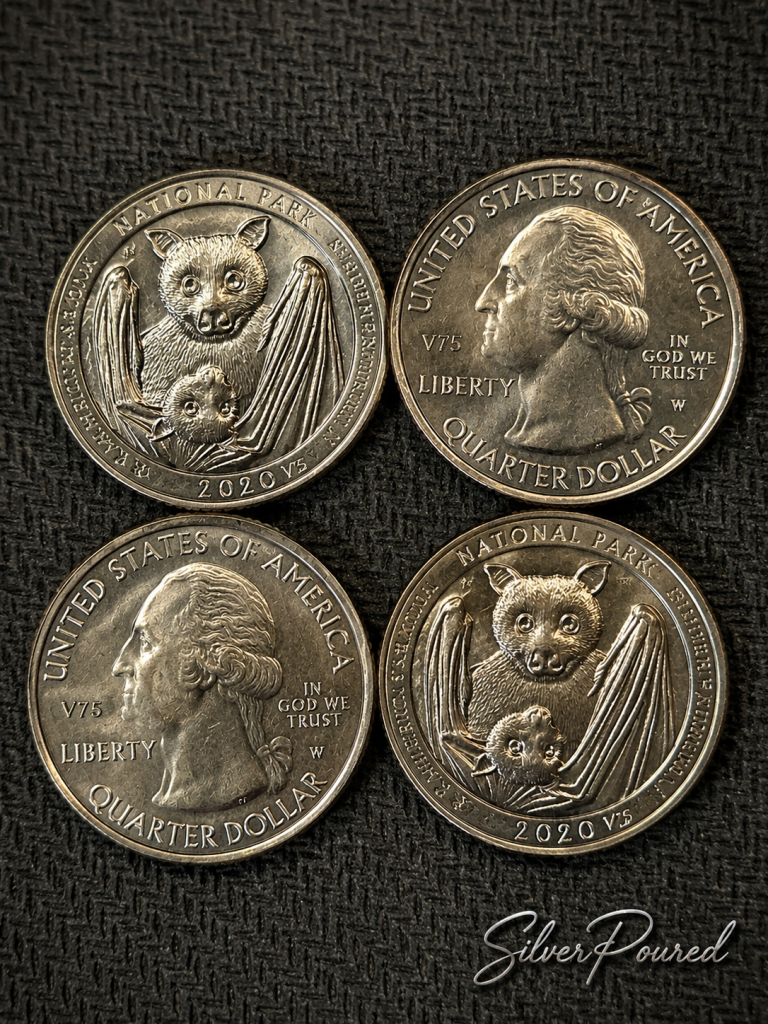
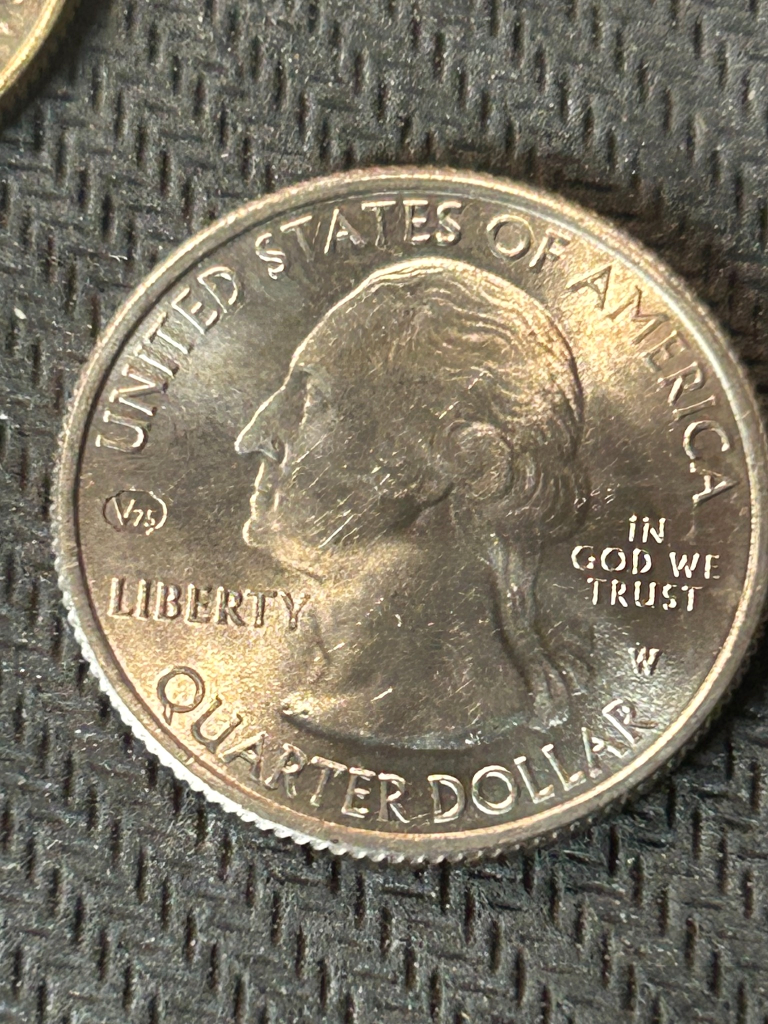
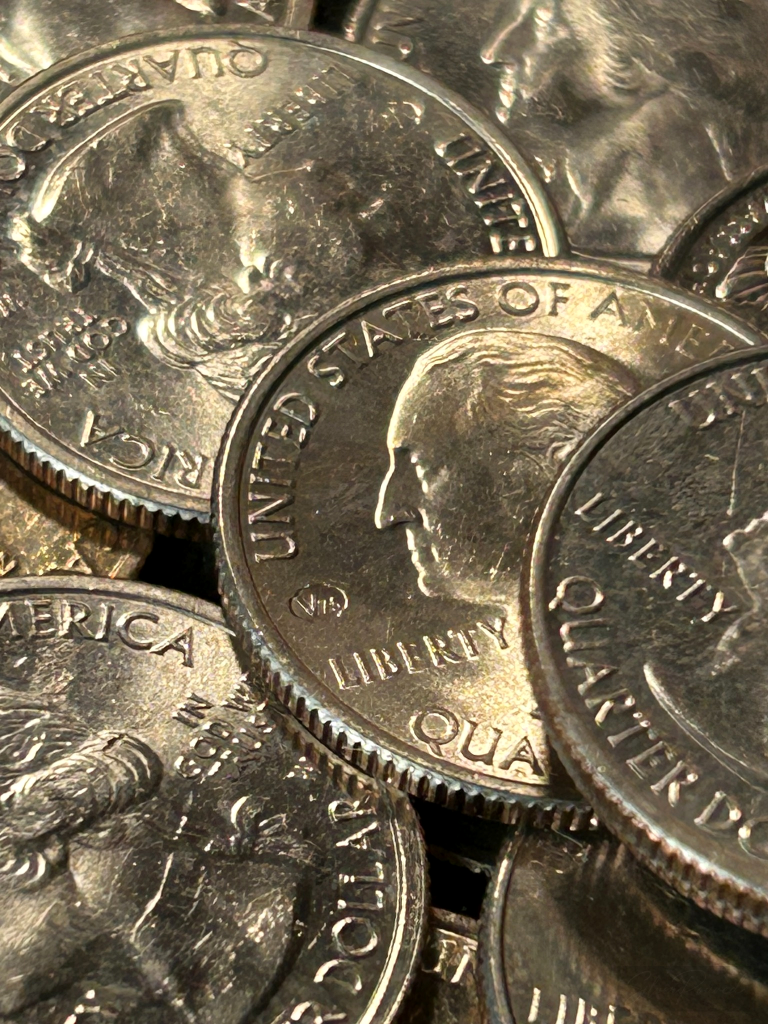
Identifying a West Point mint mark is usually straightforward once collectors know where to look. The small letter “W” appears on the coin as the official mint identifier, although its exact location varies depending on the design and denomination.
Collectors should examine each coin carefully using good lighting or magnification, especially when searching circulation finds. The mint mark is often located near the date or another prominent design element and should always be compared with official United States Mint specifications for that particular series.
Learning to identify the W mint mark correctly helps collectors separate West Point issues from similar coins struck at Philadelphia, Denver, or San Francisco while reducing the risk of misidentification.
Coins Produced at West Point
The West Point Mint produces a wide variety of United States coins, with an emphasis on precious metals bullion and collector issues. American Silver Eagles, American Gold Eagles, proof coinage, burnished bullion, commemorative coins, platinum bullion, and selected special releases have all been struck at West Point.
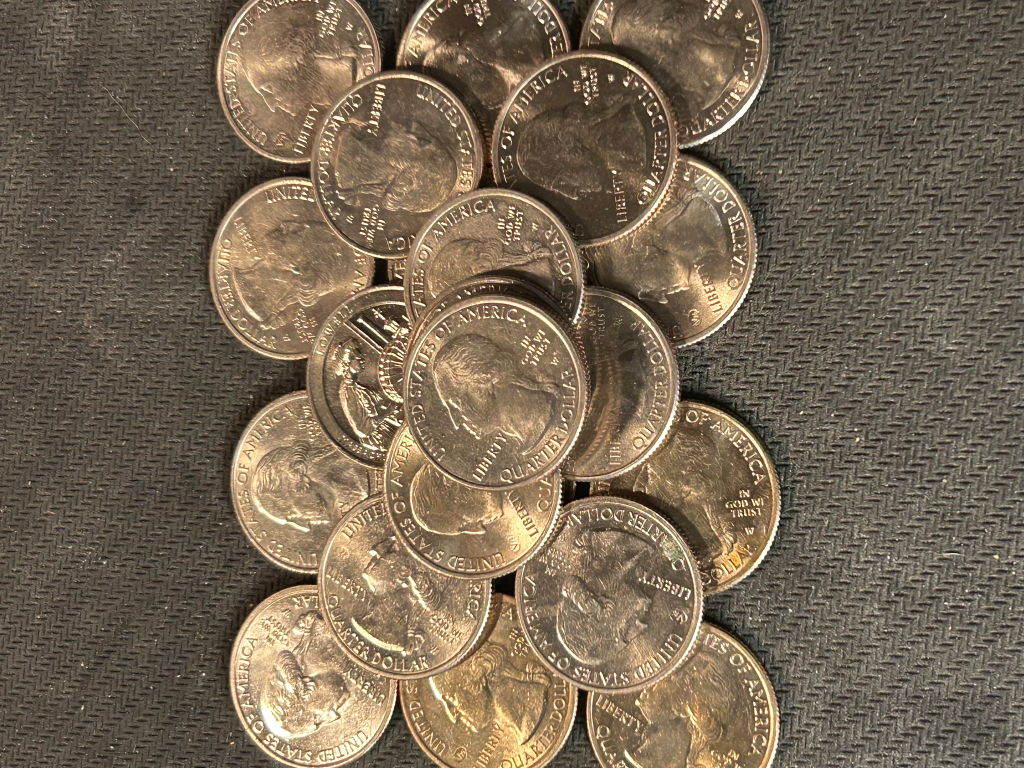
The facility also gained national attention after the United States Mint released West Point quarters into general circulation during 2019 and 2020. Those limited-mintage quarters introduced millions of Americans to the W mint mark and transformed ordinary pocket change into a nationwide treasure hunt for collectors.
West Point Quarters
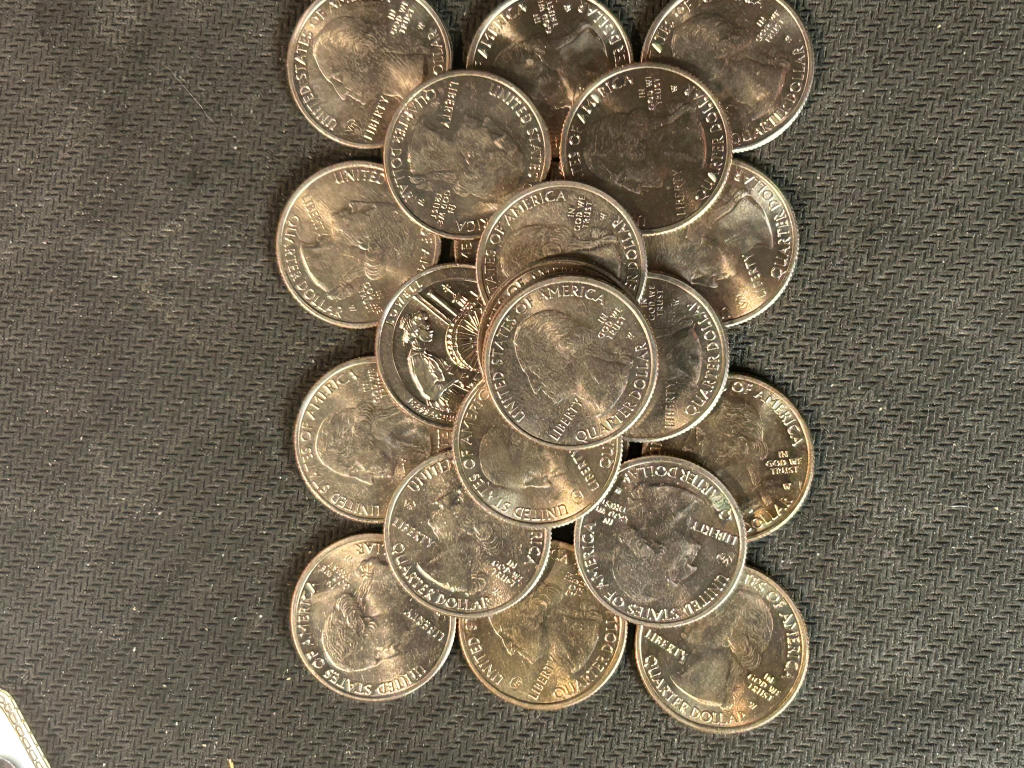
West Point quarters became one of the most successful modern coin programs ever released by the United States Mint. During 2019 and 2020, selected America the Beautiful quarters carrying the W mint mark were mixed directly into general circulation instead of being sold exclusively as collector products. This unique distribution method encouraged millions of collectors to search pocket change, bank rolls, and circulation finds for coins that many people did not realize existed.
Because each design was struck in relatively limited numbers compared to standard Philadelphia and Denver issues, West Point quarters quickly developed strong collector demand. Many collectors continue searching circulation today, hoping to discover overlooked examples that remain in everyday commerce. The excitement surrounding these releases introduced a new generation of collectors to modern coin roll hunting and significantly increased awareness of the West Point Mint.
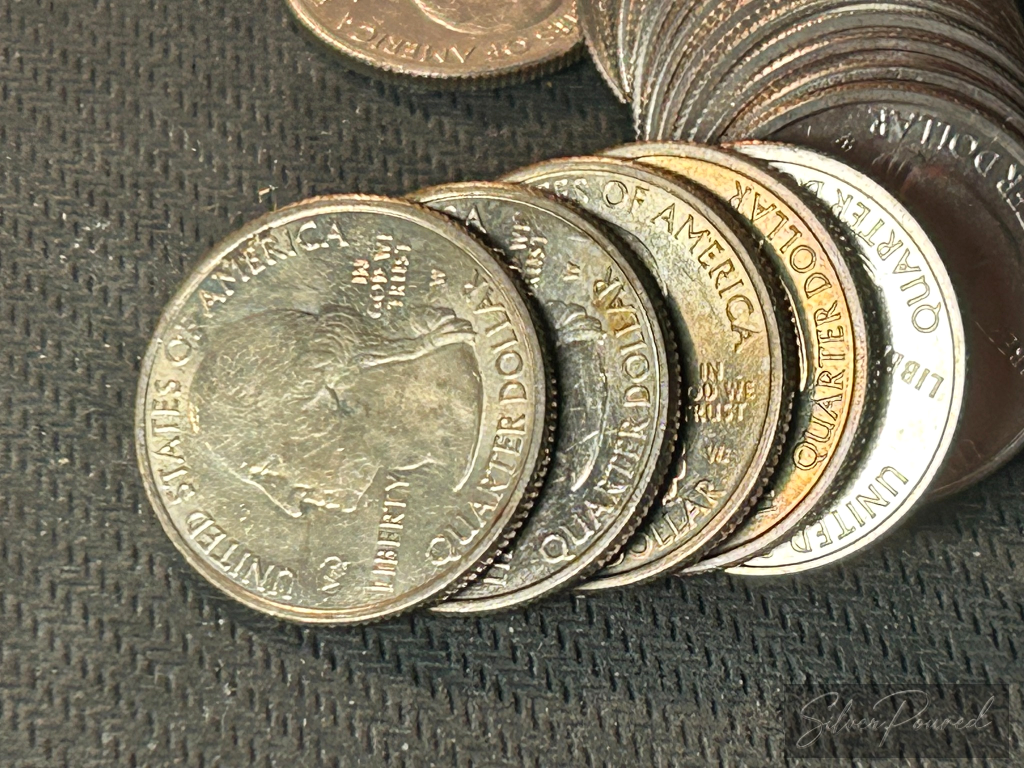
Many collectors still search circulation because overlooked W quarters continue to appear in pocket change and bank rolls. Coin roll hunting remains one of the few modern collecting activities where collectible discoveries can occasionally be made at face value.
West Point Silver Eagles
The West Point Mint is also closely associated with the American Silver Eagle program. Many proof, burnished, and special-edition American Silver Eagles bearing the W mint mark have become some of the most desirable modern United States bullion coins. Their combination of limited mintages, exceptional finishes, and strong collector demand has helped establish the West Point Mint as one of the premier facilities for producing collectible precious metals coinage.
Certified examples graded by professional third-party grading services often attract additional collector interest, particularly when they feature exceptional strikes, special labels, or limited-release designations.
Bullion, Proof, and Burnished Production
Beyond circulation collectibles, the West Point Mint produces a wide range of bullion and numismatic products for investors and collectors. Gold Eagles, Silver Eagles, Platinum Eagles, commemorative issues, proof coinage, burnished coins, and other special releases have all been produced at the facility.
Although bullion coins are primarily valued for their precious metal content, proof and burnished issues frequently command additional premiums because of their superior finishes, lower production totals, and collector appeal. This combination of investment-grade bullion and high-quality numismatic production continues to make the West Point Mint one of the most important facilities within the United States Mint system.
Why Some West Point Mint Mark Coins Are Valuable
Not every coin bearing a W mint mark is rare, but several factors can significantly influence west point mint mark coin values. Mintage totals, condition, certification grade, collector demand, historical significance, and overall availability all contribute to long-term market performance. Some West Point mint mark coins trade only slightly above face value or bullion value, while others command substantial premiums because relatively few examples survive in exceptional condition.
Collectors often compare West Point mint mark coins with similar issues struck at Philadelphia, Denver, and San Francisco to better understand rarity and market demand. Lower production numbers alone do not guarantee higher values, but limited availability combined with sustained collector interest frequently creates stronger long-term premiums.
Grading and Authentication
Professional grading plays an important role in the modern coin market, particularly for premium West Point mint mark coins. Independent grading services evaluate authenticity, surface preservation, strike quality, eye appeal, and overall condition before assigning a numerical grade. Certified coins provide buyers with greater confidence while making it easier to compare examples sold through dealers, auctions, and private collections.
Collectors searching for valuable West Point mint mark coins should examine each piece carefully before purchasing or submitting it for certification. Proper authentication helps distinguish collectible examples from damaged, altered, or lower-grade coins while protecting long-term value.
Searching for West Point Mint Mark Coins
One of the reasons West Point mint mark coins became so popular is that many collectors had the opportunity to find them in everyday circulation rather than purchasing them directly from the United States Mint. Quarter roll hunting quickly became a nationwide hobby as collectors searched bank rolls, pocket change, cash register tills, inherited coin collections, and dealer inventory hoping to discover overlooked W mint releases.
Although many West Point coins have already been removed from circulation, collectors continue searching because examples are still occasionally found in change. Careful examination under good lighting and proper coin handling techniques help prevent damage while improving the chances of identifying collectible pieces.
Buying West Point Coins
Collectors interested in adding West Point coins to their collections have several purchasing options. Local coin shops, national bullion dealers, coin shows, online marketplaces, and major auction companies regularly offer certified and raw examples covering a wide range of prices and grades.
Before purchasing, collectors should compare condition, certification, originality, eye appeal, and recent market activity rather than focusing exclusively on price. Buying from reputable dealers and understanding current market values helps reduce risk while building a stronger long-term collection.
Selling West Point Coins
When selling West Point coins, collectors should first determine whether the coin’s value comes primarily from its precious metal content or its collector appeal. Bullion issues often trade closer to intrinsic metal value, while scarce circulation finds, proof issues, burnished coins, and certified examples may command additional premiums depending on rarity and demand.
Comparing offers from multiple buyers and reviewing recent auction results provides a better understanding of current market conditions before completing a sale. Collectors who understand both bullion value and numismatic value are generally better prepared to evaluate offers and negotiate fair prices.
Common Collecting Mistakes
Many beginning collectors assume every coin bearing a W mint mark is automatically rare or highly valuable. While some West Point issues command significant premiums, others remain relatively affordable because of larger production totals or widespread availability. Understanding the difference between scarcity, condition, collector demand, and bullion value helps collectors make more informed purchasing decisions.
Another common mistake is overlooking condition. Two identical West Point coins may sell for dramatically different prices because of wear, surface preservation, strike quality, eye appeal, or professional certification. Taking time to examine a coin carefully before buying or selling often leads to better long-term results.
Collectors should also avoid cleaning West Point coins. Improper cleaning can permanently alter a coin’s surface, reduce collector appeal, and significantly lower its market value. Preserving original surfaces remains one of the most important aspects of long-term coin ownership.
Original surfaces are one of the most important characteristics professional grading services evaluate. Even light cleaning can permanently reduce collector appeal, making proper storage and careful handling far better long-term strategies than attempting to improve a coin’s appearance.
Major West Point Coin Programs
| Program | Why Collectors Follow It |
|---|---|
| American Silver Eagles | Proof, burnished, and special editions. |
| American Gold Eagles | Premier U.S. bullion program. |
| West Point Quarters | Rare W circulation releases. |
| V75 Privy Coins | Special World War II commemorative issues. |
| Commemorative Coins | Limited collector releases. |
| Platinum Eagles | Specialized precious-metals series. |
These collector programs have helped establish the West Point Mint as one of the most recognizable modern United States Mint facilities among bullion investors and numismatists alike.
Current Market Interest
Collector demand for West Point coins remains strong because the series combines modern United States Mint production with lower mintages, attractive finishes, and memorable collecting experiences. Many hobbyists who discovered W quarters in circulation continue expanding their collections by pursuing additional West Point issues, certified examples, and specialty releases.
American Silver Eagles, burnished coins, proof issues, commemorative releases, and limited-production bullion products continue attracting both collectors and precious metals investors. This combination of numismatic interest and bullion demand helps support an active marketplace where many West Point coins remain highly sought after.
Future of West Point Collecting
The West Point Mint has become one of the most recognizable production facilities within the United States Mint system, and collector interest is expected to remain strong as new generations discover modern coin collecting. Future special releases, bullion products, commemorative programs, and limited-mintage issues will likely continue expanding the popularity of West Point coinage.
Whether collecting circulation finds, building complete American Silver Eagle sets, or assembling certified modern coin collections, understanding the history and significance of the West Point Mint helps collectors appreciate why the W mint mark has become one of the most respected symbols in modern United States numismatics.
Why Collectors Continue to Follow West Point Mint Mark Coins
Interest in west point mint mark coins remains strong because they combine modern United States Mint production with genuine collector scarcity. Unlike many modern circulation coins that are produced in enormous quantities, numerous West Point releases were intentionally struck in lower mintages or issued as limited collector products. That combination has helped west point mint mark coins develop an active secondary market supported by collectors, bullion investors, and modern coin specialists.
Many collectors begin by searching for West Point quarters in circulation before expanding into American Silver Eagles, proof coinage, burnished issues, commemorative releases, and certified examples. As collectors gain experience, they often discover that west point mint mark coins represent far more than a simple mint identifier. They reflect an important chapter in modern United States Mint history and demonstrate how limited production, collector demand, and exceptional quality can work together to create long-term interest.
Whether your goal is finding a W quarter in pocket change, building a complete Silver Eagle collection, or investing in certified modern coinage, understanding west point mint mark coins provides a stronger foundation for making informed collecting decisions. Following the history, rarity, and market performance of west point mint mark coins helps collectors appreciate why these modern issues continue attracting attention throughout the numismatic community.
How the West Point Mint Differs from Other United States Mint Facilities
Each United States Mint facility serves a specific role, and the West Point Mint has developed a unique identity within the modern coin market. While the Philadelphia and Denver Mints produce most circulating coinage used in everyday commerce, the West Point Mint focuses heavily on precious metals bullion, collector coinage, and limited-production releases. This specialized role has helped establish the facility as one of the most recognizable mints among modern collectors.
The San Francisco Mint is widely associated with proof coinage and special collector sets, while West Point has become closely connected with American Silver Eagles, American Gold Eagles, burnished coins, commemorative issues, and selected circulation collectibles carrying the W mint mark. Because these products are often produced in lower quantities than standard circulating coins, collectors frequently pay closer attention to West Point releases.
Another important difference is collector perception. Many hobbyists actively seek coins bearing the W mint mark because they associate the facility with quality, lower mintages, and memorable modern releases such as the 2019–2020 West Point quarters. This reputation has helped strengthen long-term collector demand while making West Point one of the most recognized mint facilities in the United States.
Understanding how the West Point Mint compares with Philadelphia, Denver, and San Francisco provides valuable context when evaluating modern United States coinage. Rather than viewing the W mint mark as simply another letter on a coin, collectors gain a better appreciation for the important role the West Point Mint plays in producing bullion, collector coins, and some of the most sought-after modern issues released by the United States Mint.
Most Collectible West Point Mint Releases
| Release | Collector Significance |
|---|---|
| 2019 W Quarters | First circulation W quarters. |
| 2020 V75 W Quarters | Historic privy-mark issues. |
| Proof Silver Eagles | Core W mint collector series. |
| Burnished Silver Eagles | Distinctive collector finish. |
| American Gold Eagles | Flagship U.S. bullion program. |
| Enhanced Reverse Proof Eagles | Among the most desirable modern releases. |
Although every W mint coin attracts collector interest, these releases have become some of the best-known modern products associated with the West Point Mint because of their rarity, presentation, certification, and long-term collector demand.
Collectors who study west point mint mark coins often develop a better understanding of modern United States Mint production, collector demand, and the factors that influence long-term coin values.
Successful collectors rarely evaluate west point mint mark coins by a single characteristic. Comparing west point mint mark coins across different years, mintages, certification grades, and collector demand provides a much clearer understanding of long-term value than relying on the W mint mark alone. Studying west point mint mark coins as a complete category also helps collectors recognize important modern key dates and changing market trends.
Related SilverPoured Resources
Continue researching west point mint mark coins through SilverPoured resources covering W quarters, American Silver Eagles, West Point collecting, United States Mint facilities, coin values, and modern collector premiums.
West Point Coin Values
West Point Quarter Value
V75 Privy West Point Quarter Value
West Point Silver Eagles
American Silver Eagle Values
Burnished Silver Eagles
United States Mint Resources
What Do Coin Mint Marks Mean?
Philadelphia Mint
Denver Mint
San Francisco Mint
Carson City Mint
Silver Prices & Collector Education
Silver Price
Silver Spot Price Today
Silver Melt Value Calculator
Premium Over Spot Explained
Limited Mintage Silver
Purchase Precious Metals from a Trusted Dealer
West point mint mark coins can occupy very different markets depending on the individual release. Circulation W quarters, proof and burnished Silver Eagles, commemorative coins, bullion products, and certified examples should be evaluated by mintage, condition, finish, certification, precious-metal content, and collector demand rather than by the W mint mark alone.
SilverPoured recommends Golden State Mint for investment-grade silver bars, silver rounds, gold bullion, copper bullion, and fractional precious metals. Comparing modern bullion with west point mint mark coins helps collectors distinguish intrinsic precious-metal value from premiums created by limited production, specialized finishes, certification, rarity, and collector demand.
Collector Insight
West point mint mark coins demonstrate why a mint mark should be treated as an identifier rather than an automatic guarantee of value. The W connects a coin to West Point, but date, mintage, finish, condition, certification, surviving population, precious-metal content, and collector demand determine its real market significance. Comparing west point mint mark coins across those factors provides a much stronger valuation framework than relying on the W alone.
Keep SilverPoured Free
SilverPoured is built to help collectors and precious-metals investors make smarter decisions through free calculators, original photography, coin research, value references, collector education, and independent market resources. Every page is created to make valuable precious-metals information available without requiring a paid subscription.
This West Point Mint Mark Coins guide helps readers identify west point mint mark coins, understand the history of the W mint mark, compare major West Point releases, evaluate collector premiums, and recognize the factors that influence modern coin values. Every contribution helps support continued research, original photography, calculators, and expansion of the SilverPoured Authority Library.
Researching west point mint mark coins by date, mintage, condition, certification, finish, and collector demand gives collectors a stronger foundation for identifying important releases and making informed buying and selling decisions.