
What Is the Philadelphia Mint?
The Philadelphia Mint is the original United States Mint facility and one of the most important institutions in American coinage. It was created to give the United States a national coinage system, produce legal tender coins, and establish a trusted standard for American money.
For collectors, the Philadelphia Mint matters because it has produced many of the most widely collected coins in United States history. Some Philadelphia coins carry a P mint mark, while many older Philadelphia coins have no mint mark at all. That can confuse new collectors, but it is one of the most important details to understand when identifying United States coins.
The Philadelphia Mint is not just another mint location. It is the foundation of American coin production. From early copper cents and silver dollars to modern circulation coins, commemoratives, medals, and bullion-related issues, the Philadelphia Mint has shaped how American coins are made, collected, studied, and valued.
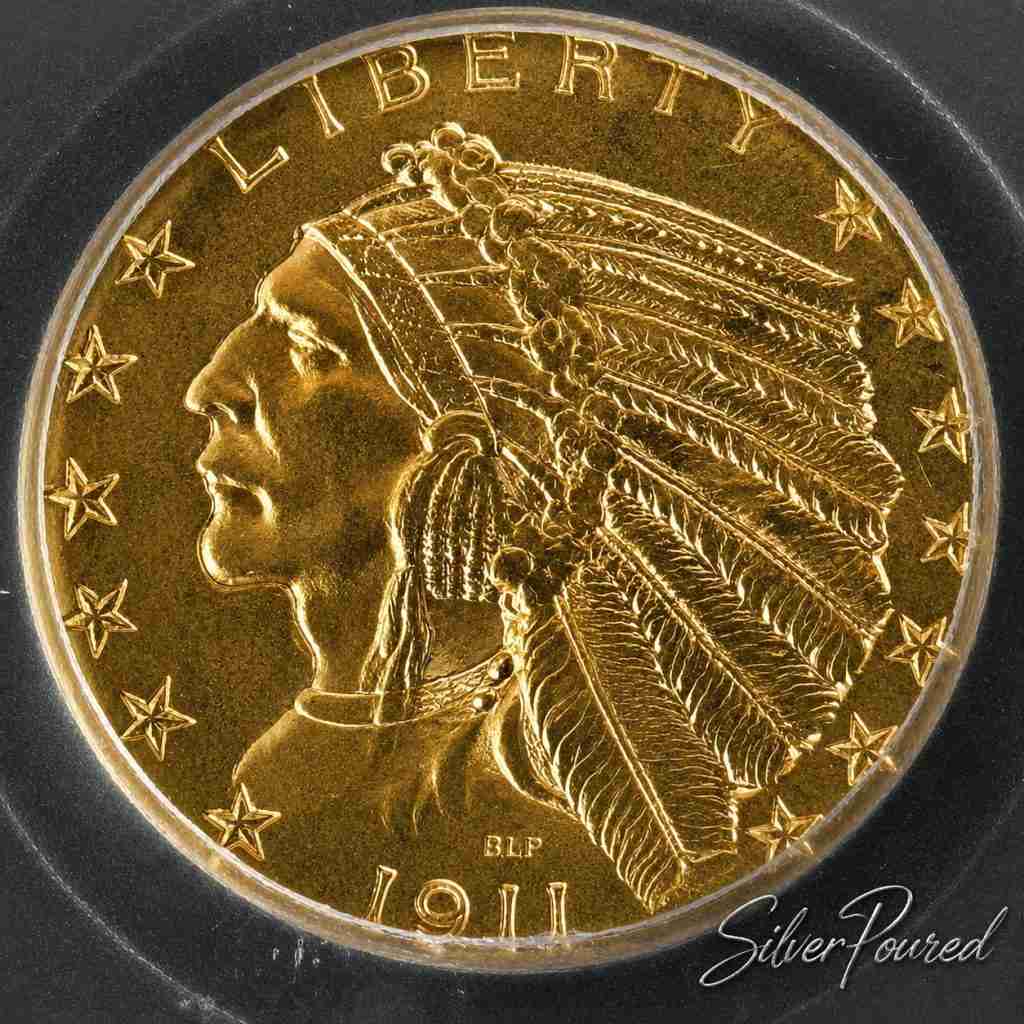
Philadelphia Mint Key Facts
| Category | Philadelphia Mint Details |
|---|---|
| Facility | Original United States Mint |
| Location | Philadelphia, Pennsylvania |
| Mint Mark | P, or no mint mark on many issues |
| Main Role | Produces United States coins, medals, and collector issues |
| Collector Importance | Central to nearly every major U.S. coin series |
| Common Confusion | Many Philadelphia coins have no mint mark |
| Related Topics | Coin mint marks, coin values, mint history, silver coins, bullion coins |
Philadelphia Mint By the Numbers
| Statistic | Philadelphia Mint |
|---|---|
| Established | 1792 |
| Current Facility | Fourth Philadelphia Mint |
| Current Building Opened | 1969 |
| Mint Mark | P (many historic coins have no mint mark) |
| Years of Coin Production | More than 230 years |
| Coin Types Produced | Cents through gold coins, medals, commemoratives, bullion-related products |
| Historic Role | First United States Mint |
| Still Operating | Yes |
For more than two centuries, the Philadelphia Mint has remained one of the most productive and historically significant coin manufacturing facilities in the world. While equipment, technology, and production methods have evolved dramatically, its mission has remained remarkably consistent: produce high-quality United States coinage that supports commerce while preserving public confidence in American money.
Why the Philadelphia Mint Matters
The Philadelphia Mint matters because the national coinage system began there. The Coinage Act of 1792 established the United States Mint, and Philadelphia became home to the nation’s first federal mint facility. Creating official federal coinage helped provide a standardized monetary system for a young country that had previously relied heavily on foreign coins and other forms of money.
For collectors, Philadelphia also serves as the historical baseline for many United States coin series. Denver, San Francisco, Carson City, New Orleans, West Point, and other mint facilities can often be understood more clearly by comparing their production with coins struck at the original federal mint.
That does not mean Philadelphia issues are automatically common. Some were produced in enormous quantities, while others became key dates, important varieties, condition rarities, or historically significant collector coins. Mint location is one part of a coin’s identity rather than a complete measure of value.
History of the Philadelphia Mint
The first Philadelphia Mint was established during the earliest years of the federal government. Philadelphia was then one of the country’s most important political, commercial, and financial centers, making it a practical location for the new national coinage operation.
Early production looked nothing like modern coin manufacturing. Metal preparation, die work, striking, inspection, and material handling depended heavily on manual labor and comparatively simple machinery. Production capacity was limited, but those early operations established the foundation of federal American coinage.
As the United States expanded and commerce increased, demand for reliable coinage grew. The Philadelphia Mint adopted improved machinery, expanded capacity, and eventually moved into larger facilities capable of supporting increasingly sophisticated production.
Philadelphia Mint Timeline
| Period | Philadelphia Mint Development |
|---|---|
| 1792 | The Coinage Act establishes the United States Mint and authorizes a federal coinage system. |
| Early federal period | Philadelphia becomes home to the nation’s first federal mint operations. |
| 19th century | Growing commerce and population increase demand for United States coinage and production capacity. |
| Branch mint era | Additional federal mint facilities open while Philadelphia remains the original reference point for U.S. coinage. |
| Industrial era | Improved presses, die-making methods, metal preparation, and production systems increase efficiency and consistency. |
| 1969 | The current Philadelphia Mint facility begins operation. |
| Modern era | The facility continues producing circulation coins, medals, dies, and numismatic products while supporting public education. |
The evolution of the Philadelphia Mint mirrors the development of the United States Mint itself. Improvements in coining presses, metallurgy, die preparation, inspection, and manufacturing allowed federal coin production to expand from a small eighteenth-century operation into a modern industrial system.
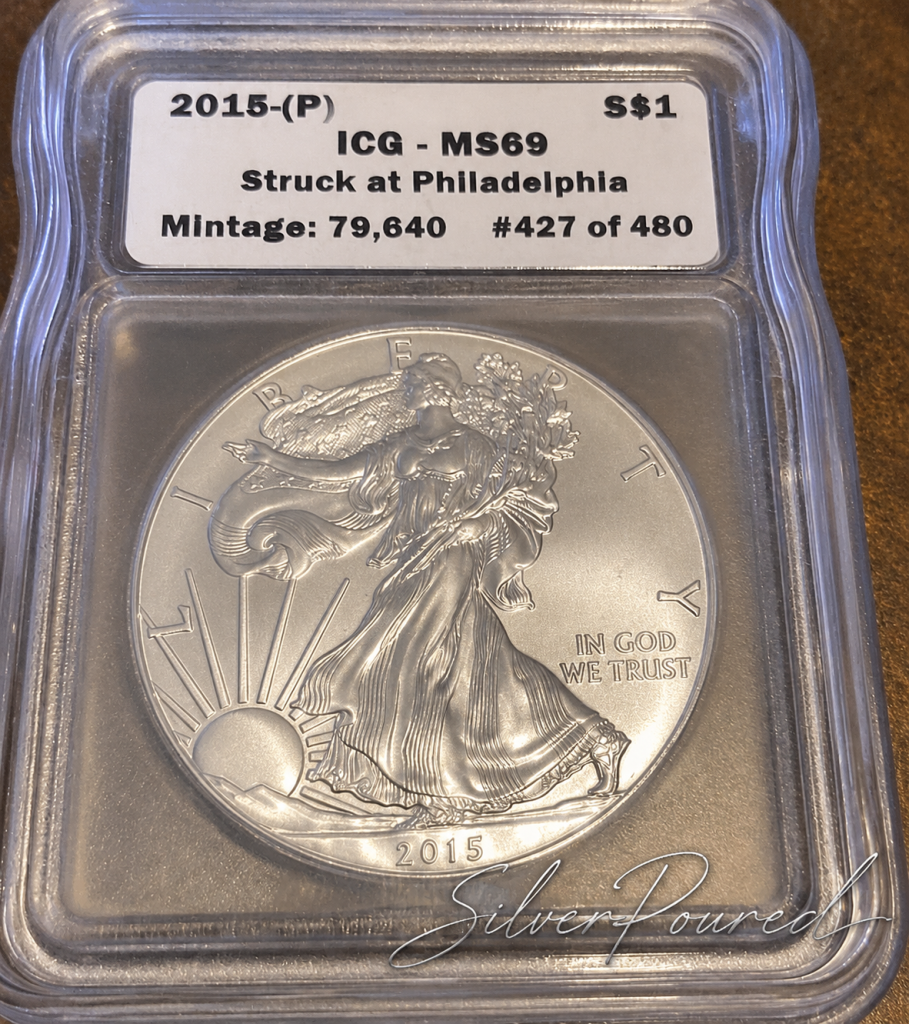
Historic Philadelphia Mint Buildings
The Philadelphia Mint has operated from four principal facilities during its long history. Each successive building reflected increasing coinage demand, advances in manufacturing technology, greater production capacity, and the changing needs of the United States monetary system.
The earliest operation was modest by modern standards. Later facilities provided more space for coining presses, die production, metal handling, inspection, storage, security, and administrative functions. These changes matter to collectors because manufacturing technology can influence strike characteristics and the appearance of coins from different periods.
The current facility opened in 1969 and represents the fourth Philadelphia Mint. Modern production uses highly developed equipment and quality-control systems while continuing the same fundamental mission established during the early federal period: producing trusted United States coinage to defined specifications.
Philadelphia’s long history creates an identification rule every collector should know: no mint mark does not automatically mean an error. Many genuine United States coins were intentionally struck in Philadelphia without a mint mark. Always identify the denomination, date, and series before deciding what the absence of a mint mark means.

Where Is the Philadelphia Mint?
The current Philadelphia Mint is located in Philadelphia, Pennsylvania, near the city’s historic center. It remains an active United States Mint production facility rather than simply a historic site.
The facility also has an important educational role. Public access has allowed visitors to learn about coin design, die production, striking, inspection, and the history of American money. Because access, hours, security requirements, and tour availability can change, visitors should verify current information directly with the United States Mint before traveling.
Visiting the Philadelphia Mint
For collectors, visiting the Philadelphia Mint can connect the finished coins in a collection with the manufacturing processes behind them. Understanding how designs become dies, how planchets are prepared, and how coins are struck makes concepts such as mint errors, strike quality, die varieties, and production differences easier to understand.
The educational experience is particularly useful for newer collectors because it demonstrates that every coin combines several pieces of information: denomination, design, composition, date, production method, and mint origin. Learning to evaluate those characteristics together is far more reliable than judging a coin from a mint mark alone.
What Is the P Mint Mark?
The P mint mark identifies production in Philadelphia. On coins where it is used, the letter helps collectors distinguish that issue from coins of the same date and denomination struck at another United States Mint facility.
The important complication is that Philadelphia did not historically place a P on every coin. For long periods, coins produced there carried no mint mark because Philadelphia was the original federal coining facility and its production did not initially require a separate identifying letter.
As branch mints opened, mint marks became increasingly useful for distinguishing their output. New Orleans used O, Carson City used CC, San Francisco used S, Denver uses D, and West Point uses W on issues where a mint mark is present. Philadelphia continued producing many coins without a mint mark.
Why Some Philadelphia Coins Have No Mint Mark
A missing mint mark should therefore be interpreted according to the exact denomination, series, and year. On many older United States coins, the absence of a mint mark correctly identifies Philadelphia production rather than an error or missing design element.
This distinction prevents one of the most common identification mistakes in coin collecting. A collector who sees no letter should first determine what the normal mint-mark practice was for that particular issue before assuming anything unusual occurred.
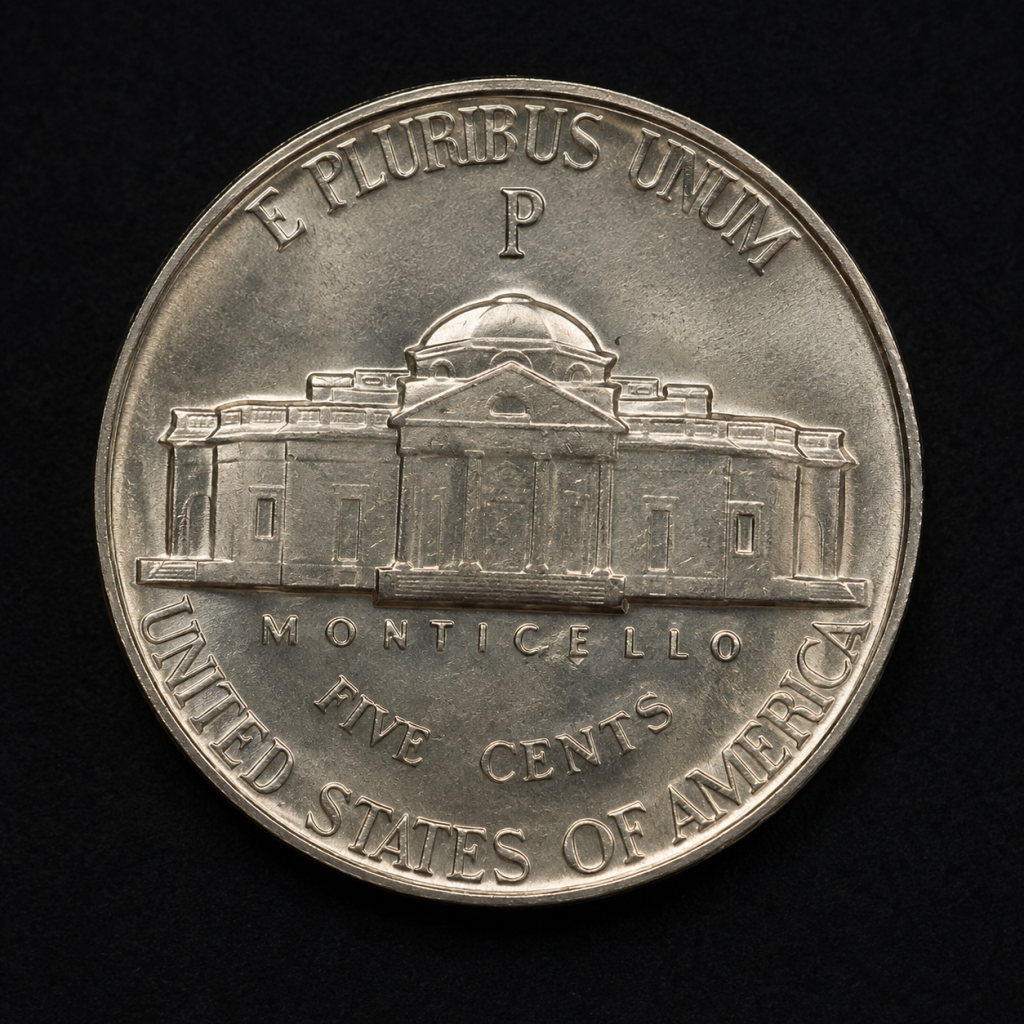
When the P Mint Mark Matters
Mint origin becomes especially important when collectors build date-and-mint sets. Two coins with the same date and denomination can have very different mintages, survival rates, strike characteristics, and market values depending on where they were produced.
A P does not automatically make a coin scarce, just as the absence of a mint mark does not automatically make one common. The letter identifies origin. Rarity and value must still be established from the complete characteristics of the individual issue.
A mint mark answers where a coin was produced, not what the coin is worth. Date, denomination, original mintage, surviving population, condition, metal content, varieties, certification, and collector demand still determine whether an individual issue deserves a premium.
Coins Produced at the Philadelphia Mint
More than two centuries of production connect Philadelphia with nearly every major category of United States coinage. That breadth is one reason collectors encounter coins from this facility across beginner collections, precious-metal holdings, type sets, advanced registry sets, and historic numismatic collections.
| Coin Type | Philadelphia Production |
|---|---|
| Cents | Early copper cents, Flying Eagle and Indian Head Cents, Lincoln Cents, and modern issues |
| Nickels | Shield, Liberty Head, Buffalo, Jefferson, and wartime silver-alloy issues |
| Dimes | Early types, Barber, Mercury, Roosevelt, and other historic issues |
| Quarters | Early quarters, Seated Liberty, Barber, Standing Liberty, Washington, and modern programs |
| Half Dollars | Early types, Barber, Walking Liberty, Franklin, Kennedy, and commemorative issues |
| Silver Dollars | Early federal dollars, Morgan Dollars, Peace Dollars, and modern collector issues |
| Gold Coins | Historic federal gold denominations across multiple classic designs |
| Commemoratives & Medals | Numerous historic and modern numismatic products |
| Modern Production | Circulation coinage and selected numismatic or precious-metal products |
The range is enormous. A collector studying Philadelphia production can move from eighteenth-century copper through classic silver and gold to modern circulation and collector coinage without leaving the history of a single federal mint location.
Famous Coins Struck in Philadelphia
Many of America’s most recognizable coin types were produced in Philadelphia. Early federal copper and silver coins connect directly to the beginnings of the national monetary system, while later designs document changing artistic styles, denominations, metal standards, and collecting traditions.
Early large cents, Flowing Hair and Draped Bust silver coins, Flying Eagle and Indian Head Cents, Lincoln Cents, Morgan Dollars, Peace Dollars, Mercury Dimes, Standing Liberty Quarters, Walking Liberty Half Dollars, Franklin Half Dollars, Kennedy Half Dollars, and numerous classic gold issues all have important Philadelphia chapters.
Some of these coins are widely available and provide affordable entry points for collectors. Others become major rarities because of low production, limited survival, important varieties, exceptional condition, or intense demand at higher grades.
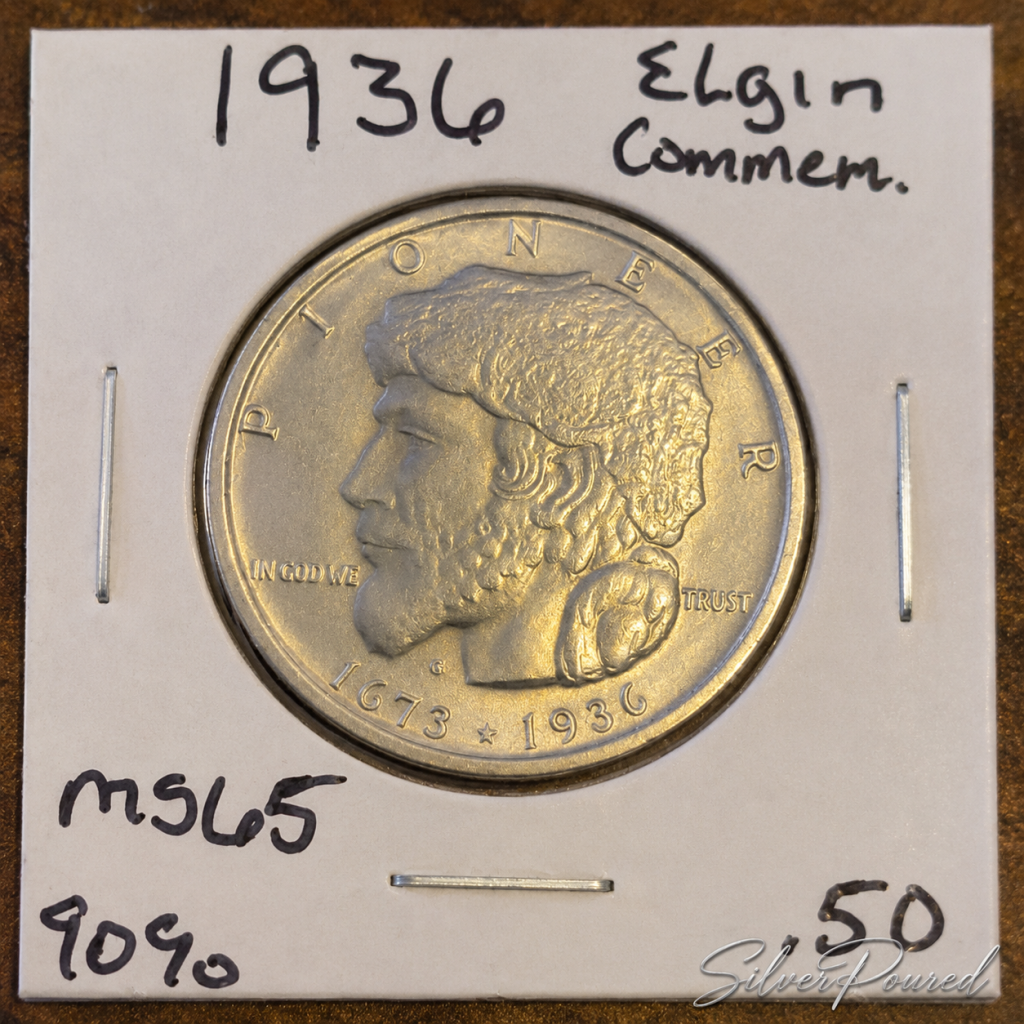
The important lesson is that origin alone never determines desirability. A Philadelphia coin may be common, scarce, historically significant, condition-sensitive, or exceptionally valuable depending on the individual issue. Identification is therefore only the beginning of proper evaluation.
Philadelphia Mint Coin Values
Philadelphia Mint coin values can range from face value to substantial numismatic prices because mint origin is only one part of a coin’s identity. Date, denomination, original mintage, surviving population, condition, metal content, variety, certification, historical importance, and collector demand all influence market value.
A common circulated coin may be worth little beyond face value or intrinsic metal content, while a scarce issue in exceptional condition can command hundreds, thousands, or considerably more. Two coins produced at the same facility can therefore occupy completely different areas of the collector market.
How to Evaluate a Philadelphia Coin
| Question | Why It Matters |
|---|---|
| What denomination and series is it? | Establishes the basic coin type and relevant collector market. |
| What year was it struck? | Identifies the exact issue and production period. |
| Does it have a P or no mint mark? | Helps confirm Philadelphia production according to the rules of that series. |
| What is the condition? | Wear, luster, strike, surfaces, and eye appeal can strongly affect value. |
| What metal does it contain? | Silver and gold coins may have substantial intrinsic precious-metal value. |
| What was the original mintage? | Production provides historical context for potential scarcity. |
| Is it a variety or mint error? | Recognized varieties and genuine errors may attract specialized demand. |
| Has it been certified? | Professional authentication and grading can reduce uncertainty for valuable coins. |
These factors should be considered together. No single characteristic—age, mint mark, metal content, mintage, or grade—provides a complete valuation by itself.
Understanding Philadelphia Mint Mintages
Mintage records show how many coins were originally produced for a particular denomination, date, and mint. They provide valuable historical context, but they should not be confused with the number of collectible examples available today.
Survival can differ dramatically from original production. Coins may have circulated heavily, been melted, lost, damaged, cleaned, or otherwise removed from the pool of desirable collector examples. That means a high-mintage issue can become difficult in exceptional condition even when ordinary circulated examples remain common.
Grade rarity is another important consideration. Some issues are readily available in lower grades but become scarce as collectors move into upper Mint State levels. Competition for the best-preserved examples can produce substantial premiums without changing the original mintage figure.
Mintage is therefore best treated as one piece of evidence. Survival estimates, certified populations, condition, series popularity, precious-metal content, historical significance, and actual market demand provide the additional context needed to evaluate rarity.
Original mintage tells you how many coins were produced, not how many desirable examples survive. Decades of circulation, melting, loss, cleaning, damage, and collector saving can radically change availability. For that reason, mintage should always be considered alongside survival, grade distribution, and current demand.
Rare Philadelphia Mint Coins
Philadelphia produced enormous numbers of ordinary circulation coins, but its long history also includes important rarities, key dates, scarce varieties, condition rarities, and historically significant precious-metal issues.
Scarcity can develop in several ways. An issue may have started with low production, suffered substantial attrition through circulation or melting, become difficult in high grade, contain a recognized die variety, or attract unusually strong demand because of its place within a popular series.
This is another reason collectors should not dismiss a coin simply because it carries no mint mark. Many historic Philadelphia issues were intentionally produced without one, and their rarity must be determined from the exact date, denomination, variety, and condition.
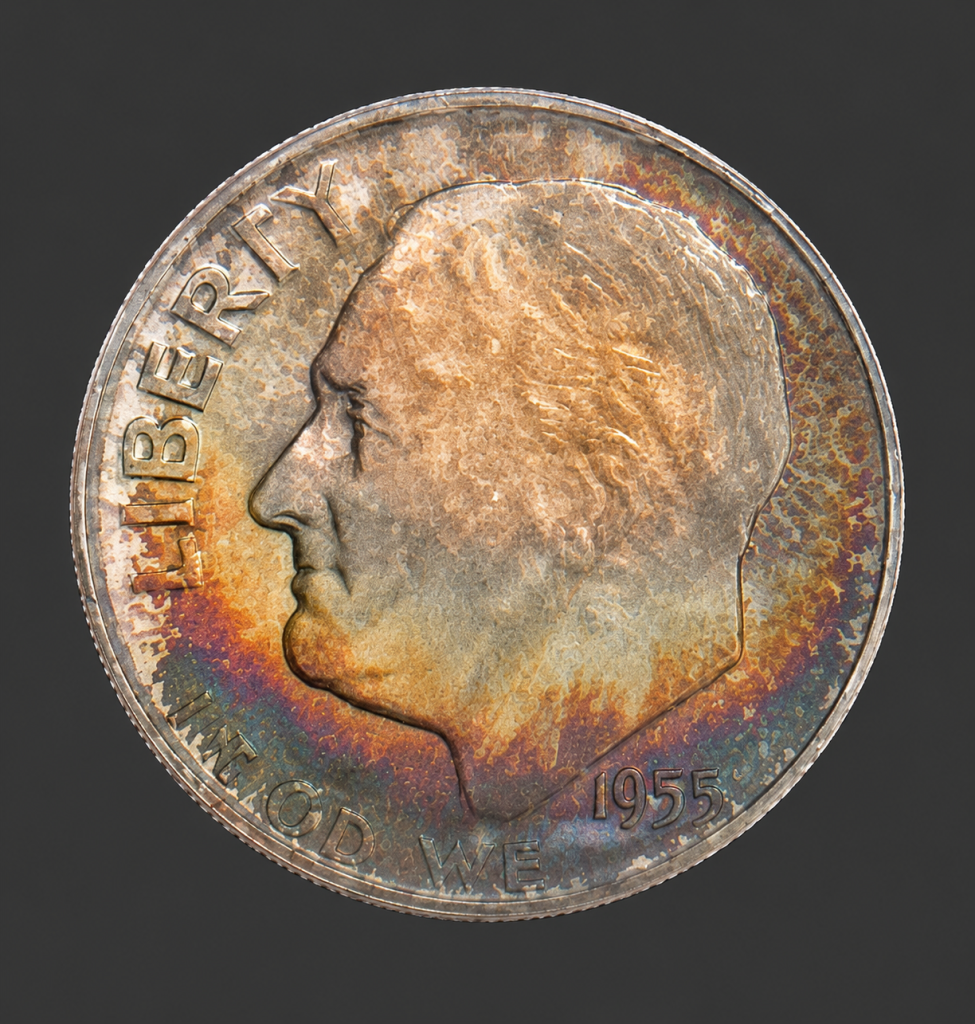
Philadelphia Mint Errors and Varieties
More than two centuries of coin production have created an enormous field for collectors of mint errors and die varieties. Doubled dies, die clashes, off-center strikes, clipped planchets, broadstrikes, die cracks, and other production-related characteristics can become collectible when they are genuine and properly identified.
The critical distinction is between a mint-made characteristic and damage that occurred afterward. Scratches, dents, corrosion, bending, heat damage, harsh cleaning, and environmental deterioration are not mint errors merely because they make a coin look unusual.
A genuine error originates during planchet preparation, die production, striking, or another part of the manufacturing process. Recognized die varieties arise from characteristics of the dies themselves and may appear repeatedly on coins struck from those dies.
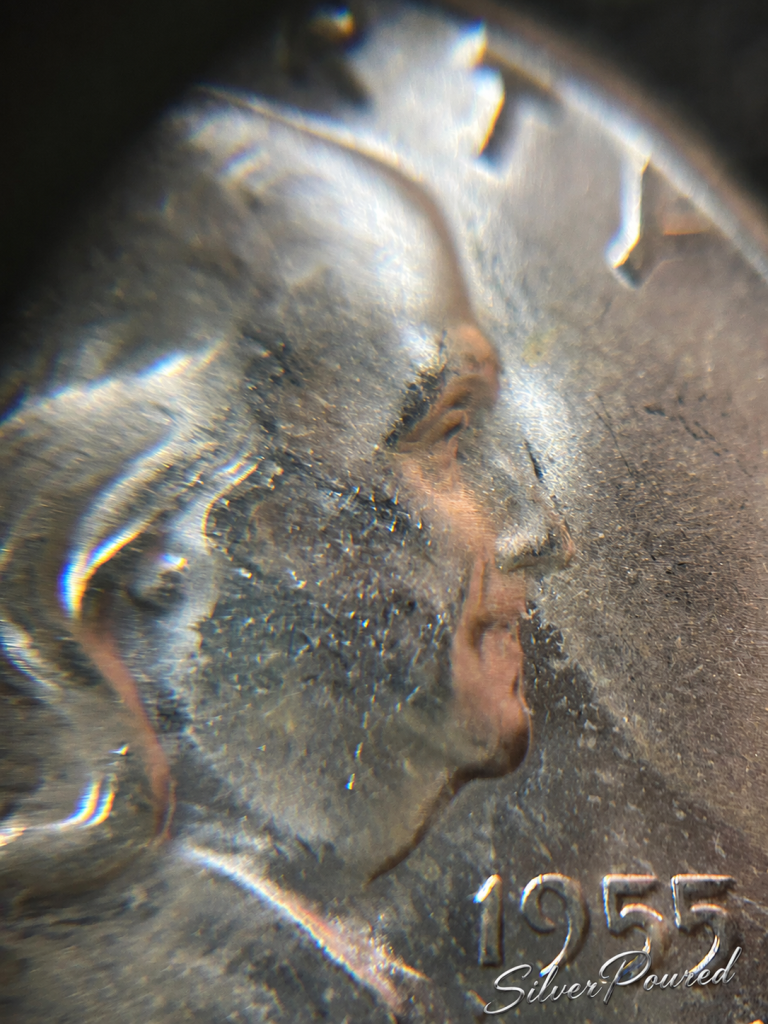
How Coins Are Made at the Philadelphia Mint
Understanding coin production helps collectors recognize why legitimate errors and varieties occur. A finished coin is the result of multiple controlled stages rather than a single strike of a press.
Design work must first be translated into production tooling. Working dies carry the designs that will eventually be impressed into prepared planchets. Die quality, alignment, wear, and condition can all influence characteristics visible on finished coins.
Planchets must also meet defined specifications for composition, weight, diameter, and preparation. During striking, tremendous pressure forces the die designs into the metal, creating the devices, lettering, rims, and other features collectors examine.
Modern quality-control systems are designed to detect problems before coins leave production, but no high-volume manufacturing process eliminates every variation. Misalignment, planchet problems, deteriorating dies, die clashes, and other mechanical circumstances can occasionally produce collectible results.
This production knowledge provides one of the best defenses against misidentification. A genuine mint error must originate during manufacturing; unusual damage acquired after release is post-mint damage regardless of how dramatic it appears.
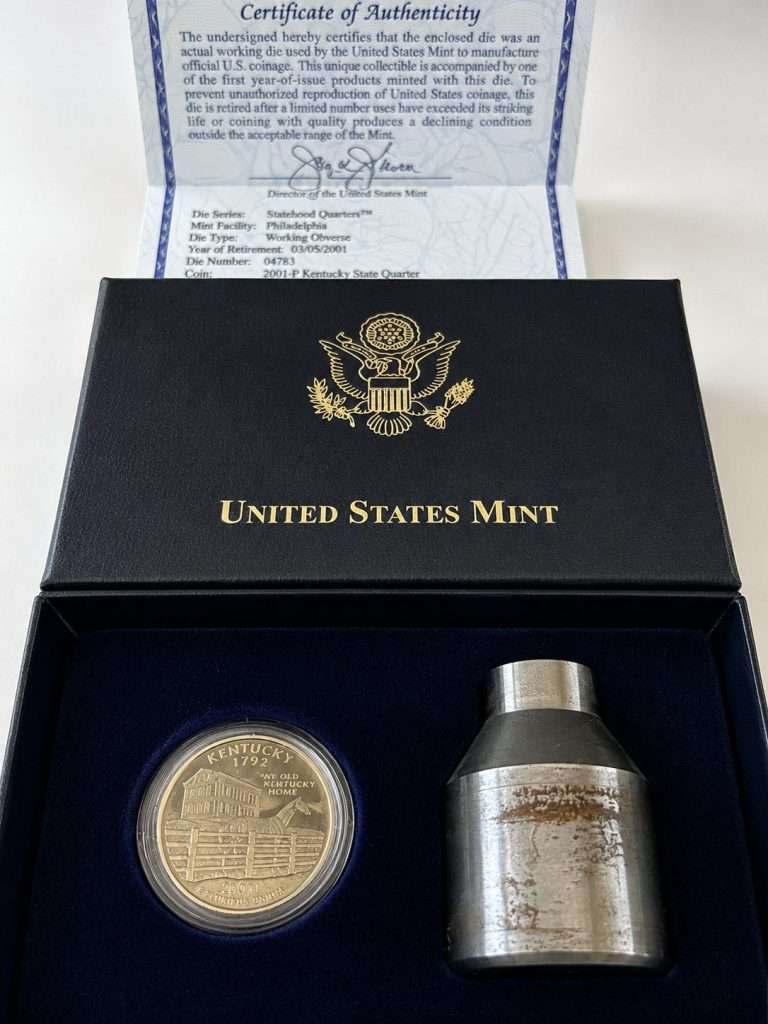
Philadelphia Compared with Other U.S. Mints
Philadelphia is the original federal mint location, but collectors encounter coins from several other facilities that played distinct roles in United States coinage. Comparing them helps explain why mint origin matters without treating the mint mark itself as a measure of value.
| Mint | Mint Mark | Collector Significance |
|---|---|---|
| Philadelphia | P or none | Original federal mint and historical baseline for many U.S. coin series |
| Denver | D | Major producer of circulation coinage and numerous collector issues |
| San Francisco | S | Historic branch mint strongly associated with proofs, collector coins, and classic issues |
| West Point | W | Important modern facility associated with bullion and special collector releases |
| Carson City | CC | Historic Western mint famous for scarce silver dollars and limited production |
| New Orleans | O | Historic Southern branch mint associated with classic silver and gold coinage |
Different facilities frequently produced different quantities of the same denomination and date. Those production differences can affect availability, particularly when collectors pursue complete date-and-mint sets.
Strike characteristics can also vary by facility and period. Some issues are known for strong details and attractive surfaces, while others are frequently encountered with weaker strikes. Understanding those tendencies helps collectors distinguish normal production characteristics from wear or damage.
Mint origin also provides historical context. Carson City connects collectors with Western silver mining, New Orleans with Southern branch-mint history, West Point with modern bullion and special issues, and Philadelphia with the beginning of the federal coinage system.
How to Identify a Philadelphia Mint Coin
Identification begins with the denomination, series, and date—not with a search for a letter. Once the exact coin is known, collectors can determine whether that issue normally carried a P, another mint mark, or no mint mark at all.
If a coin displays a legitimate P where one is expected, that identifies Philadelphia production. If there is no mint mark, the answer depends on the specific issue. Many older United States coins were intentionally struck there without a mint mark.
Philadelphia Coin Identification Checklist
| Check | What to Determine |
|---|---|
| Denomination | Cent, nickel, dime, quarter, half dollar, dollar, gold denomination, or other issue |
| Date | The year the coin was struck |
| Series | The specific design and coin type |
| Mint-Mark Practice | Whether that denomination and year normally used a mint mark |
| Mint Mark | Whether P, another letter, or no mint mark appears where expected |
| Composition | Whether the coin is copper, nickel, silver, gold, clad, or another composition |
| Condition | Wear, surfaces, damage, cleaning, strike, and overall preservation |
| Special Characteristics | Known varieties, genuine mint errors, or other recognized features |
Following this sequence eliminates many common mistakes. It also prevents collectors from assigning rarity to an ordinary missing mint mark or overlooking a legitimate Philadelphia issue simply because no P appears.
When a coin has no mint mark, identify the denomination, date, and series before deciding anything is missing. Philadelphia frequently produced coins without a mint mark by design, so the absence of a letter can be completely normal rather than evidence of an error.
Building a Philadelphia Coin Collection
Philadelphia coinage offers an unusually broad collecting field because production stretches from the earliest federal issues through modern circulation and numismatic products. A collection can be designed around history, denomination, metal content, design type, condition, varieties, or virtually any combination of those interests.
Beginners can start with inexpensive circulated cents, nickels, dimes, quarters, or other readily available coins. These pieces provide an affordable way to learn identification, grading basics, mint-mark practices, and the differences between circulation wear and actual damage.
Silver collectors may concentrate on Mercury and Roosevelt Dimes, Washington Quarters, Walking Liberty and Franklin Half Dollars, Kennedy Half Dollars, Morgan Dollars, Peace Dollars, or earlier silver types. Gold collectors can pursue historic federal denominations ranging from quarter eagles to larger classic gold coins.
Philadelphia Collecting Strategies
A type collection uses representative coins to show major designs rather than requiring every date. This approach can span early copper, nickels, silver denominations, dollars, gold coins, commemoratives, and modern issues while remaining manageable.
Date collecting follows a single series through multiple years. A date-and-mint collection goes further by requiring the relevant branch-mint issues as well. In those sets, Philadelphia coins often form the backbone of long production runs.
More advanced collectors may specialize in high-grade certified coins, naturally toned examples, die varieties, mint errors, early federal coinage, classic gold, condition rarities, or registry-quality pieces. The depth of American coin production allows specialization to become as narrow or broad as the collector wants.
Cost does not determine whether a collection is meaningful. Affordable circulated coins can teach the same fundamentals of history, identification, preservation, and mint production that collectors later apply to expensive rarities.
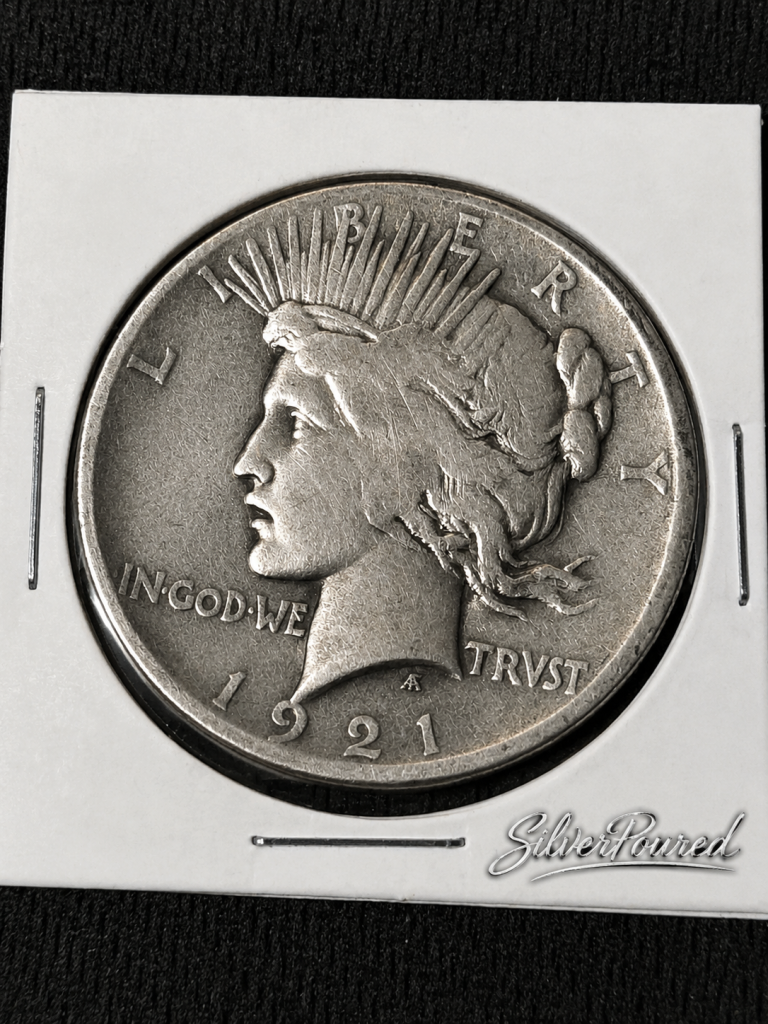
Philadelphia and Silver Coins
Philadelphia produced many of the United States silver coins now encountered in collections, inherited groups, dealer inventories, and precious-metal holdings. Dimes, quarters, half dollars, and silver dollars from numerous series can combine intrinsic silver value with varying levels of collector premium.
For common circulated silver, metal content can establish an important value floor. Better dates, scarce varieties, exceptional condition, original surfaces, attractive toning, and strong demand can push market value substantially beyond melt.
This distinction matters when evaluating older holdings. A group of apparently similar silver coins can contain ordinary bullion-related pieces alongside individual numismatic coins that deserve separate research.
Philadelphia and Gold Coins
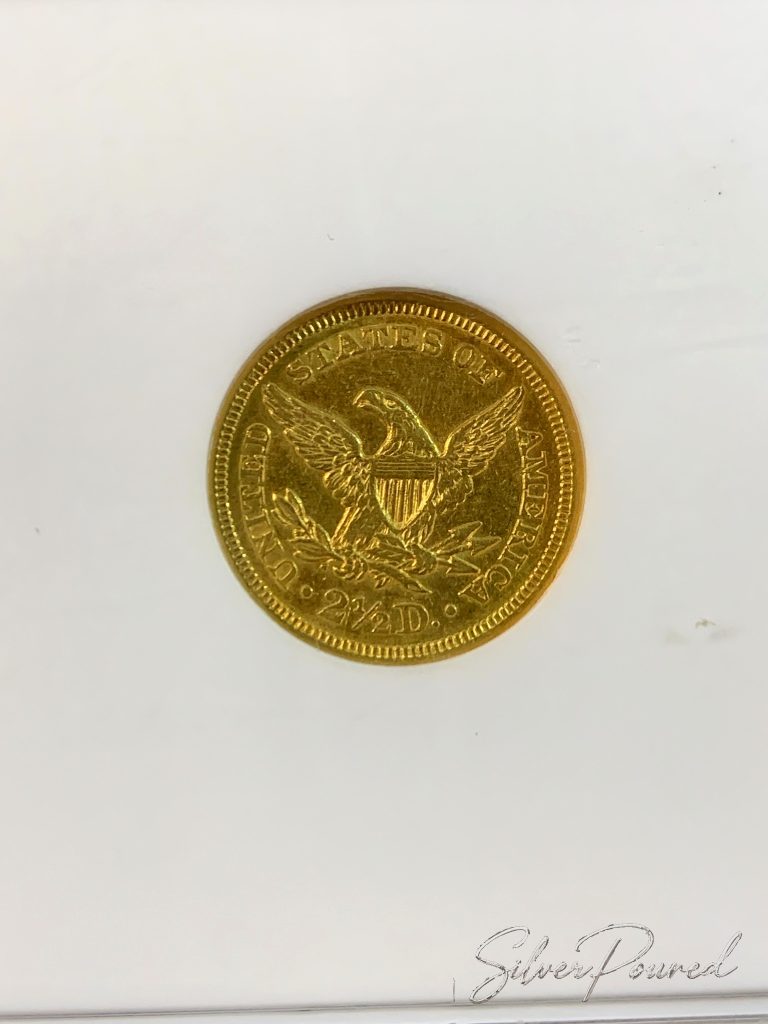
The original federal mint also played a central role in classic United States gold coinage. Philadelphia produced numerous historic gold denominations and designs that today attract both precious-metal buyers and advanced numismatists.
Gold establishes an intrinsic-value foundation, but collectible examples can carry substantial premiums for date, rarity, condition, historical significance, variety, and demand. Small differences in preservation can create large price differences, particularly among scarce certified issues.
Authentication becomes especially important when values rise. Buyers should evaluate weight, dimensions, design characteristics, surfaces, certification, and provenance as appropriate rather than assuming an older gold coin is genuine because of appearance alone.
How Philadelphia Coins Are Graded
Grade can dramatically affect collector value. Two coins sharing the same date, denomination, and mint origin may trade at very different prices when one is heavily circulated and the other retains strong luster, sharp detail, clean surfaces, and superior eye appeal.
Circulated grading focuses heavily on wear. High points of the design generally lose detail first, although the exact diagnostic areas depend on the coin type. Collectors compare the remaining design detail with established grading standards to estimate condition.
Uncirculated does not mean flawless. Mint State coins can still show contact marks, weak strikes, impaired luster, spotting, or other characteristics. Grading evaluates the overall combination of surface preservation, strike, luster, marks, and eye appeal.
Strike weakness should also be distinguished from circulation wear. Some issues left the mint with incomplete design detail even though they never circulated. Understanding normal strike characteristics for a series helps prevent inaccurate grading.
Original surfaces are especially important. Harsh cleaning, polishing, scratches, corrosion, and other alterations can reduce collector demand even when the underlying coin is scarce.
Professional grading and authentication can be useful when a coin’s potential value justifies the expense. Certification provides an independent opinion of authenticity and grade and can make comparison with auction records and other certified examples easier.
Uncirculated and high grade are not interchangeable terms. A coin can show no circulation wear yet still have heavy contact marks, weak strike, poor luster, spotting, or unattractive surfaces. Collector value depends on the complete condition of the coin, not simply whether it circulated.
Philadelphia and Modern Bullion
Modern precious-metal coin production involves several facilities across the United States Mint system. Philadelphia’s role should therefore be evaluated according to the specific product and year rather than assuming every modern bullion coin carrying no visible mint mark originated there.
For bullion buyers, metal content, live spot price, product premium, authenticity, condition, and market liquidity generally matter more than mint origin alone. Collector versions can add another layer through finish, packaging, certification, mintage, special labels, and demand.
This distinction mirrors the broader lesson throughout American numismatics: identify the exact product first, establish its intrinsic characteristics, and then evaluate any additional collector premium separately.
The Philadelphia Mint’s Lasting Legacy
Few American institutions have influenced United States coinage as deeply as the Philadelphia Mint. Its history stretches from the creation of federal coinage through more than two centuries of changing denominations, designs, metals, manufacturing technology, and collecting traditions.
Its importance extends beyond the number of coins produced. Philadelphia connects early federal copper, classic silver, historic gold, modern circulation issues, medals, numismatic products, mint errors, die varieties, and generations of artists and engravers within a single continuing history.
For collectors, that history provides context rather than an automatic premium. A coin still must be evaluated by its complete identity: denomination, date, mint origin, composition, mintage, survival, condition, variety, certification, and collector demand.
Understanding those relationships is ultimately more valuable than memorizing a mint mark. It allows collectors to recognize why some ordinary-looking coins are important, why some old coins remain common, and why the same production facility can be associated with both everyday circulation pieces and major numismatic rarities.
Common Philadelphia Mint Myths
One of the most persistent myths about the Philadelphia Mint is that a coin without a mint mark must be an error. For many United States coin series, no mint mark is completely normal for Philadelphia production. The denomination, date, and series must be identified before the absence of a mint mark can be interpreted correctly.
Another misconception is that Philadelphia coins cannot be rare because the facility produced enormous quantities of coinage. Production volume varies by year and denomination, and rarity depends on far more than the reputation of the mint. Original mintage, surviving population, condition rarity, varieties, and collector demand can make individual Philadelphia issues highly desirable.
Age alone also does not guarantee value. An old coin can remain common if large numbers survive and collector demand is modest. Conversely, a comparatively newer issue can become valuable because of low production, an important variety, exceptional condition, or strong demand.
The same principle applies to precious-metal coins. Silver or gold content establishes intrinsic value, but collectible value may be substantially higher—or only modestly higher—depending on the individual issue. Metal content and numismatic value should be evaluated separately.
Finally, a bright or shiny surface does not automatically indicate superior condition. Cleaning and polishing can create artificial brightness while permanently altering original surfaces. Experienced collectors generally place greater importance on originality, preservation, strike, luster, and overall eye appeal.
Frequently Asked Questions About the Philadelphia Mint
What is the Philadelphia Mint?
The Philadelphia Mint is the original federal mint facility established as part of the United States national coinage system. Its history reaches back to 1792, and Philadelphia has remained central to American coin production for more than two centuries.
Do Philadelphia Mint coins have a P mint mark?
Some do, but many Philadelphia coins were intentionally produced without a mint mark. Whether a P should appear depends on the denomination, series, and year.
Does no mint mark mean Philadelphia?
Often, yes. For many United States issues, the absence of a mint mark correctly identifies Philadelphia production. Collectors should verify the mint-mark practice for the exact denomination, series, and year rather than applying that rule universally.
Are Philadelphia Mint coins valuable?
They can be. Philadelphia Mint coin values depend on the exact issue rather than mint origin alone. Date, mintage, survival, condition, precious-metal content, varieties, certification, historical importance, and collector demand all contribute to market value.
Where is the Philadelphia Mint?
The current facility is located in Philadelphia, Pennsylvania, near the city’s historic center. It remains an active part of the United States Mint system.
Can you tour the Philadelphia Mint?
The facility has provided public educational access, but tour availability, operating hours, security requirements, and visitor policies can change. Anyone planning a visit should check current information directly with the United States Mint before traveling.
What does the P mint mark mean?
A P mint mark generally identifies a coin as having been struck at Philadelphia. The location of the mark varies by denomination and design.
Is a missing mint mark an error?
Not necessarily. Many genuine Philadelphia issues were designed to have no mint mark. A missing letter becomes potentially significant only when the specific coin should normally have one.
Final Thoughts on the Philadelphia Mint
The Philadelphia Mint stands at the foundation of American coinage. From the earliest federal coins through modern circulation and collector issues, its history connects more than two centuries of changing designs, denominations, metals, technology, and manufacturing practices.
For collectors, the most important lesson is that mint origin provides context rather than an automatic value. Philadelphia Mint coins should be evaluated by their complete identity: denomination, date, mint-mark practice, composition, mintage, survival, condition, variety, certification, and collector demand.
Understanding when a P appears—and when no mint mark correctly identifies Philadelphia production—helps collectors avoid one of the most common mistakes in United States numismatics. It also provides a stronger foundation for researching coin values, mintages, varieties, errors, silver and gold content, and historical significance.
Related SilverPoured Resources
Continue exploring the Philadelphia Mint through SilverPoured resources covering mint marks, historic United States mints, classic coin series, silver values, and modern collector issues.
Mint Marks & United States Mints
Coin Mint Marks
West Point Mint Mark
West Point Quarter Value
V75 Privy West Point Quarter Value
Morgan Silver Dollar Value
Historic United States Silver Coins
Peace Dollar Silver Value
Standing Liberty Quarter Silver Value
Washington Quarter Silver Value
Mercury Dime Silver Value
Franklin Half Dollar Silver Value
Silver Values & Collector Research
Kennedy Half Dollar Silver Value
American Silver Eagle Values
Silver Melt Value Calculator
Silver Spot Price Today
War Nickel Value
Purchase Precious Metals from a Trusted Dealer
Collectors studying Philadelphia Mint coins may also compare historic United States coinage with newly produced bullion. Collectible coins can carry premiums for rarity, condition, mint mark, variety, certification, eye appeal, and historical importance, while bullion pricing generally follows precious-metal content and dealer premiums more closely.
When purchasing physical silver or gold, compare purity, weight, live spot value, total delivered cost, dealer premium, reputation, shipping policies, and product availability. Separating intrinsic metal value from numismatic value makes it easier to understand what portion of a purchase price represents precious metal and what portion represents collector demand.
Collector Insight
The Philadelphia Mint teaches one of the most useful lessons in coin collecting: identification must come before valuation. A P mint mark—or the correct absence of one—establishes where a coin was produced, but date, denomination, mintage, survival, condition, composition, variety, certification, and collector demand determine what that coin may actually be worth.
Keep SilverPoured Free
SilverPoured is built to help collectors and precious-metals investors make smarter decisions through free calculators, original photography, coin research, value references, collector education, and independent market resources. Every page is created to make useful precious-metals information available without requiring a paid subscription.
This Philadelphia Mint resource is designed to help collectors understand mint marks, coins without mint marks, historic federal coin production, mintage, condition, grading, silver and gold coinage, varieties, errors, and collector value. Every contribution helps support continued research, original photography, calculator development, and expansion of SilverPoured’s precious-metals education.
Your support allows SilverPoured to remain independent while building one of the web’s most comprehensive free libraries for coin collectors, bullion buyers, precious-metals researchers, and long-term investors.