
What Is the Denver Mint?
The Denver Mint is one of the most important coin production facilities operated by the United States Mint. Located in Denver, Colorado, it has produced billions of circulating coins, commemorative issues, medals, and collector favorites that are recognized by the distinctive D mint mark.
Unlike the Philadelphia Mint, which was established as the nation’s first federal mint, the Denver Mint owes its existence to the discovery of gold in the Rocky Mountains. The Colorado Gold Rush created an urgent need for a government facility that could process precious metals and support the rapidly expanding economy of the American West.
The discovery of gold in Colorado helped shape the nation’s monetary system and remains one of the defining events in American numismatic history. Collectors interested in classic United States gold coinage can also explore the Quarter Eagle Value guide to learn more about one of the country’s historic gold denominations.
Today, collectors encounter Denver Mint coins in nearly every major United States coin series. Whether examining a Lincoln Cent, Buffalo Nickel, Washington Quarter, Kennedy Half Dollar, or modern circulation coin, understanding the Mint helps collectors identify mint marks, evaluate rarity, understand mintages, and place each coin within the broader history of American coinage.
Denver Mint Key Facts
| Category | Denver Mint Details |
|---|---|
| Location | Denver, Colorado |
| Mint Mark | D |
| Original Purpose | Process gold from the Colorado Gold Rush |
| Current Role | Produces circulating United States coinage and other official Mint products |
| Collector Importance | One of the largest producers of United States coins |
| Historic Beginning | Denver Assay Office |
| Operating Status | Active United States Mint facility |
Denver Mint By the Numbers
| Statistic | Denver Mint |
|---|---|
| Mint Mark | D |
| Original Facility | Denver Assay Office |
| Federal Mint Status | Established after the Assay Office era |
| Coins Produced | Billions throughout its history |
| Primary Products | Circulating coins, commemoratives, medals, collector issues |
| Still Operating | Yes |
How SilverPoured Evaluates the Denver Mint
The Denver Mint is evaluated using more than its production totals or the presence of the D mint mark. SilverPoured examines each aspect of the mint through a collector-first approach that considers historical significance, mint-mark identification, key dates, mintages, survival rates, condition rarity, notable varieties, precious metal content, and long-term collector demand.
Rather than viewing every Denver coin as either common or rare, this guide explains why some D mint mark coins remain inexpensive while others become highly sought-after collector pieces. By combining historical research with practical collecting knowledge, the goal is to help readers accurately identify Denver-minted coins, understand their place within American numismatics, and make more informed collecting and purchasing decisions.
For well over a century, the Mint has remained one of the busiest coin production facilities in the United States. Modern manufacturing equipment allows the facility to strike millions of coins while maintaining the quality standards required for United States coinage.
Its importance extends beyond production numbers. The Mint connects American coinage with the story of westward expansion, mining, commerce, and the growth of the American economy.
Why the Denver Mint Matters
The Denver Mint occupies a unique place in United States coin history because its creation was driven by one of America’s greatest mining booms. While Philadelphia established the nation’s monetary system, Denver expanded that system westward by converting newly discovered precious metals into official United States coinage.
Collectors study Denver Mint coins for many reasons. Some assemble complete date-and-mint collections that require D mint mark examples. Others search for key dates, important varieties, condition rarities, or historic issues associated with Denver production.
Because the Mint has struck such a wide variety of coins, understanding its history provides valuable context for identifying coins, researching values, and recognizing why certain Denver issues are more desirable than others.
Before the Denver Mint
Long before the Denver Mint officially began producing United States coins, Colorado’s rapidly growing mining industry created an urgent need for reliable financial infrastructure. During the late 1850s, thousands of prospectors arrived in the Rocky Mountains following the discovery of rich placer gold deposits. Gold dust quickly became the region’s primary medium of exchange, but transporting raw gold to eastern mints for processing was expensive, time-consuming, and dangerous.
Private businesses stepped in to fill that need before the federal government established a permanent presence in Colorado.
Clark, Gruber & Company
One of the most important of these businesses was Clark, Gruber & Company. Established during the Colorado Gold Rush, the firm opened a private mint in Denver and began producing gold coins using locally mined precious metals.
Rather than shipping raw gold across the country for conversion into coinage, miners could exchange their gold for locally produced coins that circulated throughout the rapidly expanding western economy. This reduced transportation costs, lowered insurance expenses, and provided commerce with a dependable medium of exchange during one of the nation’s most significant mining booms.
Clark, Gruber & Company produced several denominations of gold coinage, including Quarter Eagles ($2.50), Half Eagles ($5), Eagles ($10), and Double Eagles ($20). These privately issued coins carried designs reflecting the Pikes Peak Gold Rush and represented some of the earliest gold coinage produced in Colorado.
Although these coins were not official United States Mint products, they occupy an important place in American numismatic history because they demonstrate how private enterprise helped satisfy the monetary needs of the developing American West before federal minting operations were established.
From Private Coinage to Federal Operations
The success of Clark, Gruber & Company demonstrated that Colorado required a permanent government facility capable of processing precious metals closer to where they were being mined.
Recognizing both the economic importance of western mining and the growing volume of precious metals entering commerce, the United States government acquired the Clark, Gruber & Company property and eventually established the Denver Assay Office.
Unlike the private mint that preceded it, the Assay Office did not immediately produce circulating coinage. Instead, it focused on receiving gold and silver from miners, determining purity through professional assaying, refining precious metals, and returning standardized bullion to depositors. These services provided confidence to miners, merchants, banks, and investors while supporting the rapidly expanding economy of the Rocky Mountain region.
The progression from private mint, to federal assay office, to full United States Mint illustrates the remarkable growth of both Colorado and the nation’s monetary system. Rather than appearing overnight, the Mint evolved through decades of increasing mining activity, economic expansion, and federal investment before finally becoming one of the world’s most productive coin manufacturing facilities.
From Gold Rush to United States Mint
The story of the Denver Mint begins with the Colorado Gold Rush of the late 1850s. Prospectors searching the streams and mountains of the Rocky Mountain region discovered significant deposits of gold, attracting thousands of miners, merchants, investors, and entrepreneurs.
As gold production increased, transporting raw bullion across the country became expensive, time consuming, and risky. Local miners needed a reliable federal facility where precious metals could be weighed, tested, and converted into standardized value.
To meet that need, the United States government established the Denver Assay Office. Unlike a full mint, an assay office evaluated and refined precious metals rather than producing circulating coinage. Even so, it quickly became an essential institution for the growing mining economy of the American West.
The success of the assay office demonstrated that the region required a permanent minting facility. As Colorado’s economy continued to expand, Congress authorized the creation of the Denver Mint, allowing coins to be struck much closer to the source of the nation’s growing precious metal production.
The transition from assay office to United States Mint marked an important turning point in American coinage. It allowed the federal government to increase coin production, improve efficiency, and better serve the rapidly developing western United States.
That history continues to distinguish the Denver Mint from every other major mint facility. While all United States mints share the responsibility of producing official coinage, Denver’s foundation is inseparable from the discovery of gold that helped shape the American West.
The Denver Mint’s story is far more than the history of a government building. It reflects the transformation of the American West from a mining frontier into one of the nation’s most important economic regions. Understanding that history helps explain why the D mint mark remains one of the most recognizable symbols in United States coin collecting.

Historical Timeline
Private Mint (Clark, Gruber & Company)
↓
United States Assay Office
↓
Federal Branch Mint
↓
Modern Coin Manufacturing Facility
The evolution of the Denver Mint reflects the changing needs of the American economy. As Colorado’s mining industry expanded, private coinage gave way to federal assaying, followed by full-scale coin production and ultimately one of the largest coin manufacturing operations in the world.
History of the Denver Mint
The Denver Mint traces its origins to the discovery of gold in Colorado during the late 1850s. Thousands of prospectors traveled west hoping to strike it rich, transforming the Denver area into one of the fastest-growing communities in the American frontier. With large quantities of newly mined gold entering commerce, the federal government recognized the need for an official facility capable of evaluating and processing precious metals closer to where they were being discovered.
Rather than immediately establishing a mint, the government opened the Denver Assay Office. The assay office tested the purity of gold and silver, refined precious metals, and converted bullion into standardized value for miners, businesses, and financial institutions. This reduced transportation risks while helping strengthen confidence in commerce throughout the rapidly expanding western United States.
As mining activity continued to increase, so did demand for a full-scale minting operation. Congress eventually authorized the creation of the Denver Mint, allowing the facility to strike official United States coinage instead of simply processing bullion. This marked an important milestone in the nation’s expanding mint system and reflected the growing economic importance of the American West.
Construction of the current Denver Mint building began during the early twentieth century. Designed with security, durability, and long-term production in mind, the facility was built to handle enormous quantities of coinage while supporting future growth. Over time, advances in machinery, die production, metallurgy, and quality control transformed the Mint into one of the most productive coin manufacturing facilities in the world.
Today, the Denver Mint continues producing circulating United States coinage while preserving a direct connection to the Colorado Gold Rush that inspired its creation. That unique history makes Denver different from every other United States Mint facility and explains why the D mint mark remains one of the most recognized symbols in American coin collecting.
Denver Mint Timeline
| Period | Historical Milestone |
|---|---|
| Late 1850s | Colorado Gold Rush begins, creating demand for a federal precious metals facility. |
| 1860s | Denver Assay Office processes gold and silver from western mining operations. |
| 1906 | Coin production begins at the new Denver Mint facility. |
| Modern Era | Denver grows into one of the nation’s largest producers of circulating coinage. |
| Today | Continues producing billions of coins while supporting collector and circulation needs. |
Important Milestones in Denver Mint History
The history of the Denver Mint is best understood as a series of major transitions rather than a single event. Each stage reflects the changing economic needs of the United States as western mining expanded and the nation’s demand for reliable coinage increased.
The first stage began with private enterprise during the Colorado Gold Rush, when Clark, Gruber & Company produced locally circulating gold coins for miners and merchants. The second stage introduced the federal government’s Assay Office, providing standardized refining and assaying services for the region’s rapidly growing precious metals industry.
The third stage arrived when Denver officially became a branch mint capable of striking United States coinage. This transformed the facility from a processor of bullion into a full-scale manufacturing operation responsible for producing circulating money used throughout the country.
Modern operations represent the fourth stage in that evolution. Advanced manufacturing technology, automated inspection systems, precision die production, and sophisticated metallurgy now allow the facility to produce millions of coins while maintaining the exceptionally high quality standards expected of United States coinage.
Viewed together, these milestones illustrate how the Denver facility evolved alongside the growth of the American West and the expanding economy of the United States, making it one of the most historically significant mint facilities in the nation’s history.
The evolution of the Denver Mint mirrors the growth of the American West. What began as an assay office supporting frontier mining eventually became one of the world’s busiest minting facilities. Every stage of that development reflects advances in technology, transportation, manufacturing, and the nation’s expanding economy.
For collectors, understanding this timeline helps explain why Denver coins become increasingly common during the twentieth century and why the D mint mark appears on so many modern United States coin series.
Historic Denver Mint Buildings
Unlike Philadelphia, whose history includes several separate mint facilities dating back to the eighteenth century, the Denver Mint evolved from a federal assay office into a permanent minting facility serving the western United States.
The original assay office focused on evaluating and refining precious metals rather than producing circulation coins. As demand increased, larger facilities became necessary to accommodate modern coining presses, secure bullion storage, die preparation, and quality-control operations.
The current Denver Mint building reflects the transition from frontier mining infrastructure to modern industrial coin production. Built with security, efficiency, and long-term expansion in mind, it remains one of the most recognizable United States Mint facilities and continues supporting national coin production today.
Understanding the evolution of these facilities provides collectors with additional historical context. Coins struck in Denver represent more than a mint location—they represent the continued growth of the United States from a frontier nation into one of the world’s largest economies.
The Architecture of the Denver Mint
The current Denver Mint building is an impressive example of early twentieth-century government architecture. Completed during the first decade of the twentieth century, the structure was designed to project permanence, security, and public confidence while supporting one of the nation’s most important coin manufacturing facilities.
Architecturally, the building drew inspiration from the Palazzo Medici Riccardi in Florence, Italy. This Renaissance influence can be seen in the building’s symmetrical proportions, heavy stone construction, and restrained classical appearance. Rather than creating an elaborate monument, the architects designed a structure intended to communicate stability, strength, and the enduring nature of the United States monetary system.
Colorado materials also played an important role in the building’s construction. Granite quarried from Pikes Peak was used throughout the exterior, connecting the mint directly to the state whose mining industry inspired its creation. The combination of local stone with classical architectural design produced one of the most recognizable government buildings in the American West.
Inside, the public lobby features murals celebrating mining, manufacturing, and commerce—the three industries that made the Denver Mint possible. Together, these artistic elements tell the story of raw precious metals being transformed into official United States coinage, reinforcing the mint’s historic relationship with Colorado’s mining heritage.
Although most collectors know the Denver Mint through the D mint mark found on circulating coins, the building itself has become an important historical landmark. More than a century after coin production began, it continues serving the same essential purpose while remaining one of the most recognizable United States Mint facilities in operation.
Where Is the Denver Mint?
The Denver Mint is located in downtown Denver, Colorado, where it continues operating as one of the primary production facilities of the United States Mint. Its central location reflects Denver’s historical importance as the commercial center of the Rocky Mountain region and its long association with precious metals mining.
The facility remains an active government mint responsible for producing circulating United States coinage. While modern manufacturing equipment has dramatically increased production capacity, the Denver Mint still serves the same basic purpose envisioned more than a century ago: transforming raw metal into trusted American coinage.
For many visitors, the Denver Mint is also an educational destination. Learning how coins are designed, struck, inspected, and prepared for circulation provides valuable insight into one of the most sophisticated manufacturing operations operated by the federal government.
Visiting the Denver Mint
The Denver Mint has long been one of the most recognized attractions for coin collectors and history enthusiasts visiting Colorado. The facility offers a unique opportunity to learn how modern United States coins are manufactured while exploring the history of one of the nation’s busiest minting operations.
Visitors gain a better understanding of die production, blank preparation, striking technology, inspection procedures, and the enormous scale of modern coin manufacturing. Seeing these processes firsthand helps explain why coin production requires such precise engineering and quality control.
Anyone planning to visit should verify current tour schedules, visitor requirements, and public access before traveling, as availability can change based on operational or security requirements.
What Is the D Mint Mark?
The D mint mark identifies coins struck at the Denver Mint. It is one of the most familiar mint marks found on United States coins and appears across numerous denominations produced during the twentieth and twenty-first centuries.
Although the D mint mark simply identifies the mint of origin, it can have an important impact on collector demand. Some Denver issues are among the most common coins ever produced, while others are recognized as key dates, condition rarities, or important varieties within their respective series.
Why the D Mint Mark Matters
For collectors assembling complete date-and-mint collections, the D mint mark is an essential part of many United States coin series. Comparing Denver issues with coins from other mints often reveals differences in mintage, strike quality, rarity, and market value.
The D mint mark also serves as an important identification tool when researching coin values. Many price guides, auction records, and population reports organize coins by both date and mint mark, making accurate identification essential before evaluating rarity or value.
Where Is the D Mint Mark Located?
The location of the D mint mark varies depending on the denomination and design of the coin. On some series it appears on the obverse, while on others it is located on the reverse. Design changes over time have also moved the mint mark from one location to another.
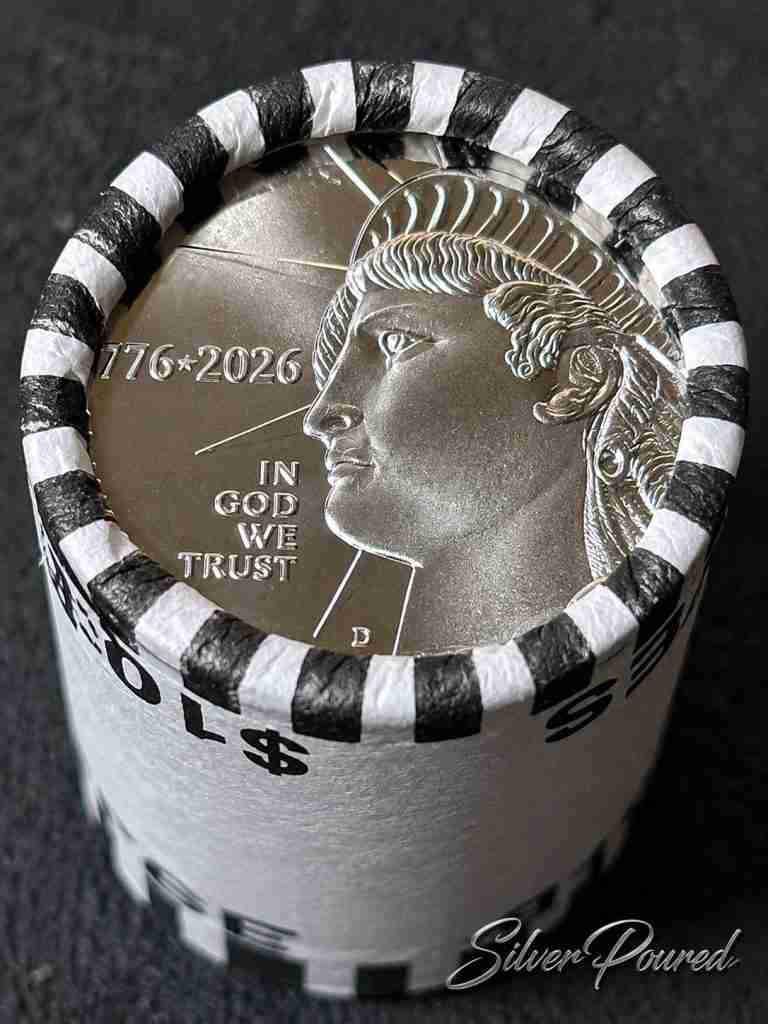
Collectors should always identify the coin series first before searching for the mint mark. Knowing where to look makes identification much easier and helps prevent confusion with damaged coins or worn examples where the mint mark may be difficult to see.
The D mint mark has been used by both the historic Dahlonega Mint and the modern Denver Mint. The date of the coin determines which mint the D represents, making the year just as important as the mint mark itself.
Coins Produced at the Denver Mint
Since becoming a full United States Mint facility, the Denver Mint has produced nearly every major denomination of American coinage. Its enormous production capacity has made the D mint mark one of the most recognizable mint marks in the country.
Collectors encounter Denver-minted coins throughout virtually every modern United States series. Whether searching pocket change, building date-and-mint collections, or assembling complete type sets, Denver issues appear regularly because of the facility’s long production history and exceptionally high output.
Major categories of coins struck at the Denver Mint include:
| Coin Type | Denver Mint Production |
|---|---|
| Cents | Lincoln Cents and modern one-cent coins |
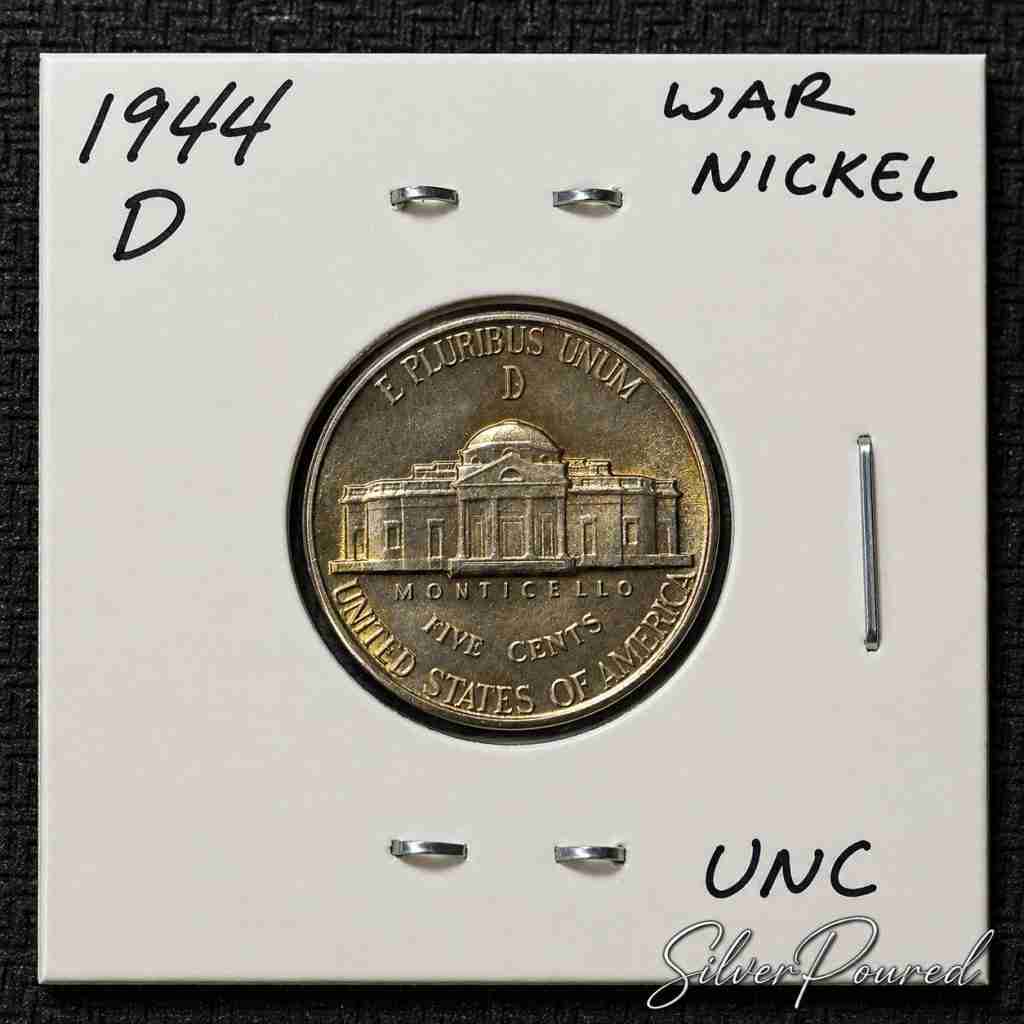
| Nickels | Buffalo Nickels, Jefferson Nickels, and modern issues |
| Dimes | Roosevelt Dimes and earlier twentieth-century series |
| Quarters | Washington Quarters, State Quarters, America the Beautiful Quarters, American Women Quarters, and modern circulating issues |
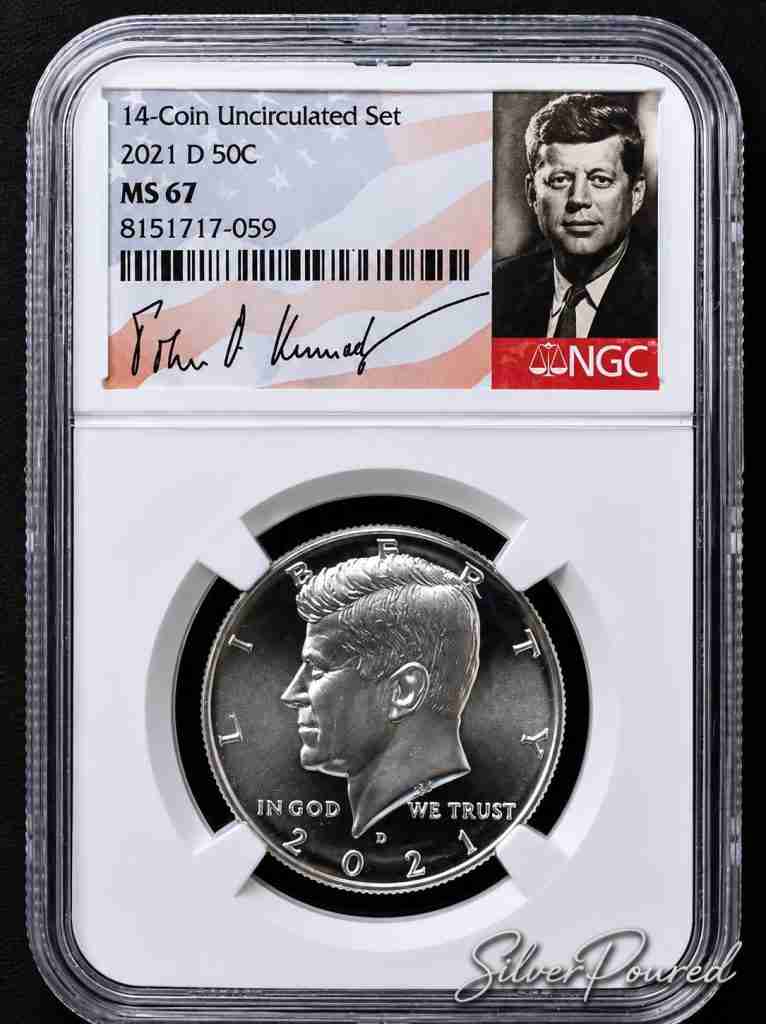
| Half Dollars | Walking Liberty, Franklin, Kennedy, and later circulating issues |
| Dollar Coins | Eisenhower, Susan B. Anthony, Sacagawea, Presidential, Native American, and Innovation Dollars |
| Commemoratives | Selected commemorative and collector issues |
| Medals | Official United States Mint medals and specialty products |
Because Denver has produced such a wide variety of coinage, understanding the D mint mark is essential for anyone studying United States coins.
Famous Denver Mint Coins
Many of the nation’s most recognizable coins have been struck at the Denver Mint. Some are collected because of their historical significance, while others attract attention because of rarity, condition, or strong collector demand.
Lincoln Cents with the D mint mark remain among the most widely collected modern coins. Buffalo Nickels, Mercury Dimes, Washington Quarters, Franklin Half Dollars, Kennedy Half Dollars, Morgan Dollars, Peace Dollars, and Eisenhower Dollars all include important Denver issues that collectors actively pursue.
Certain Denver coins are considered key dates within their respective series, while others become valuable because high-grade examples are difficult to locate. Some achieve premium values because of recognized die varieties or important mint errors.
One of the strengths of the Mint is its diversity. Whether collecting copper, nickel, silver, gold, or modern clad coinage, nearly every collector will eventually own coins struck in Denver.
Denver Mint Coin Values
The presence of a D mint mark alone does not determine a coin’s value. Denver-minted coins range from common circulation pieces worth face value to important collector coins worth hundreds or even thousands of dollars.
Several factors work together to determine value:
| Value Factor | Why It Matters |
|---|---|
| Date | Some years are significantly scarcer than others. |
| Mintage | Lower production can increase collector interest. |
| Survival Rate | Many coins were lost, melted, or heavily circulated. |
| Grade | Better-preserved coins generally command stronger premiums. |
| Precious Metal Content | Silver and gold increase intrinsic value. |
| Collector Demand | Popular series often bring higher prices. |
| Varieties | Recognized die varieties and mint errors may add premiums. |
Researching Denver Mint Auction Records
Auction archives provide valuable insight into how Denver Mint coins perform in the collector market over time. Studying certified examples that have sold through established auction houses allows collectors to compare grades, eye appeal, strike quality, originality, and realized prices before making important purchasing decisions.
Auction research is particularly valuable for key dates, condition rarities, and recognized die varieties where published price guides may not fully reflect current collector demand.
Collectors should always evaluate the entire coin rather than focusing only on the mint mark. The D mint mark is one important part of identification, but it represents only one factor in determining rarity and market value.
Never assume every Denver Mint coin is common simply because the mint produced large numbers of coins. Some Denver issues become surprisingly scarce in high grades or as recognized varieties.
Understanding Denver Mint Mintages
The Denver Mint has produced billions of coins during its history, making it one of the highest-output minting facilities in the United States. Large production numbers often lead new collectors to believe that every Denver coin is common, but mintage tells only part of the story.
A coin with a large original mintage may still become valuable if relatively few examples survive in exceptional condition. Likewise, a coin with a modest mintage may remain affordable if collector demand is limited.
Survival rate plays an important role. Many Denver coins circulated heavily for decades before collectors began saving them. Others were melted for their precious metal content or damaged through everyday use. As a result, the number of high-quality survivors may be much smaller than original production figures suggest.
Collectors should also understand the difference between total mintage and condition rarity. Some Denver issues are easy to locate in circulated grades but become difficult to find in Mint State. Others are widely available across nearly every grade level.
Understanding these distinctions helps collectors make better buying decisions while avoiding the common mistake of relying solely on published mintage figures.
Many valuable Denver Mint coins have been altered by adding counterfeit D mint marks or modifying dates to imitate scarce issues. Before purchasing expensive key dates, compare the coin with trusted references or obtain professional authentication from a respected third-party grading service.
Rare Denver Mint Coins
Collectors actively pursue Denver key dates, low-survival issues, important varieties, condition rarities, and historically significant silver and gold coins. Certain Denver coins consistently command premiums because collector demand exceeds available supply.
The Famous 1922-D Weak D and No D Lincoln Cents
One of the most famous stories associated with the Denver Mint involves the 1922 Lincoln Wheat Cent. During 1922, Denver was the only United States Mint producing Lincoln Cents, making every genuine 1922 Lincoln Cent a Denver issue.
As production dies wore and were repeatedly polished, the D mint mark became progressively weaker on some dies. This natural progression eventually produced the famous 1922 No D variety, one of the most recognized and heavily collected Lincoln Cent varieties in American numismatics.
Collectors should remember that rarity is influenced by much more than original production numbers. Grade, originality, eye appeal, historical significance, and long-term collector demand all contribute to a coin’s market value.
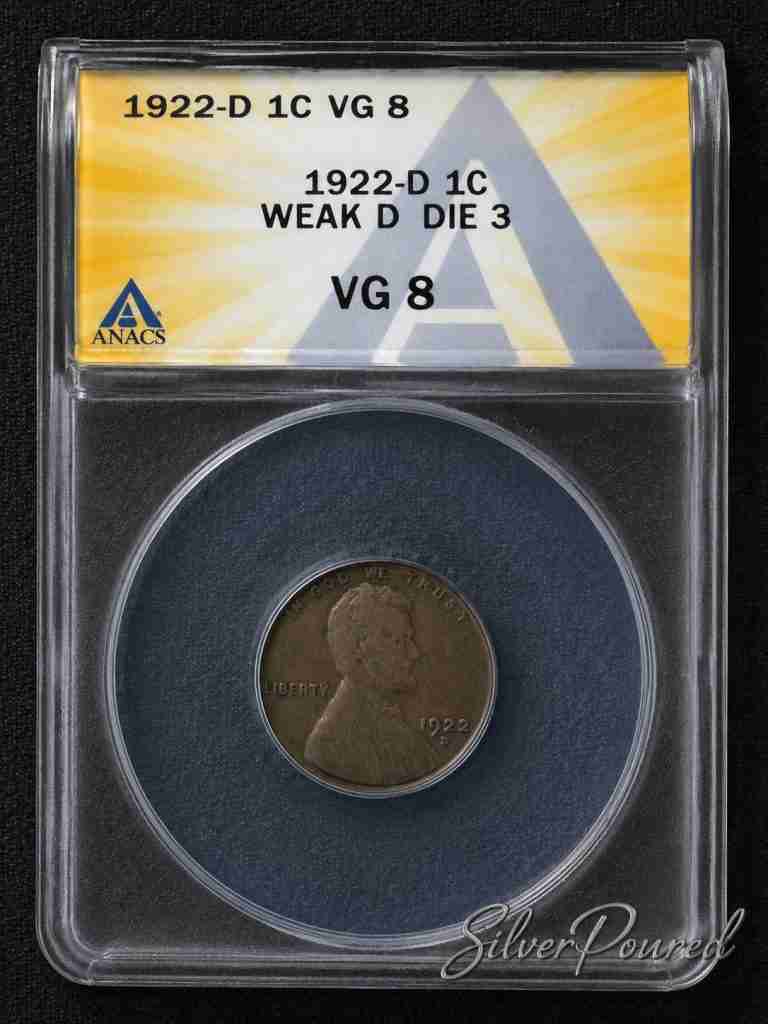
The 1922-D Weak D variety illustrates the intermediate stage of die wear before the mint mark disappeared entirely. Collectors often study this variety alongside the famous No D issue because both originated from the same production problems at the Denver Mint.
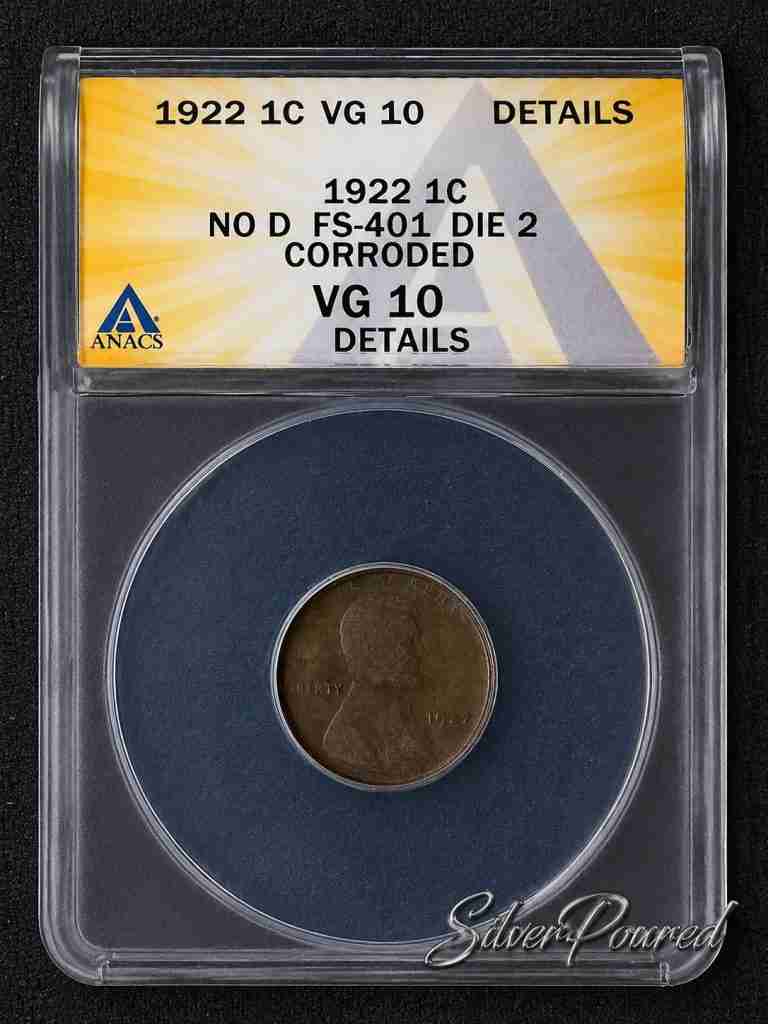
Although no mint mark is visible, the famous 1922 No D cent was struck at the Denver Mint. Today, it remains one of the most desirable Lincoln Cent varieties and serves as an outstanding example of how die wear and polishing can create historically significant collectible coins.
Denver Mint Errors and Varieties
Like every major United States Mint facility, the Denver Mint has produced collectible mint errors and die varieties throughout its history.
Collectors have identified doubled dies, repunched mint marks, die cracks, die clashes, clipped planchets, off-center strikes, broadstrikes, and numerous other production anomalies associated with Denver coinage.
Understanding how coins are manufactured helps distinguish legitimate mint errors from damage that occurred after the coin entered circulation. True mint errors originate during production, while scratches, dents, corrosion, and cleaning generally occur after the coin leaves the mint.
Because recognized Denver Mint varieties can carry substantial premiums, collectors should compare unusual coins with established references before assuming they have discovered a valuable error.
How to Authenticate Denver Mint Coins
Authentication begins with proper identification. Collectors should first confirm the coin’s date, denomination, mint mark location, composition, and design characteristics before evaluating rarity or value.
Counterfeiters frequently target popular Denver key dates by altering mint marks, changing dates, or manufacturing deceptive replicas. Careful examination under magnification can reveal added mint marks, tooling, casting defects, or other signs of alteration. Comparing a suspected rarity with certified examples and published diagnostics is often one of the most effective ways to detect problems.
For significant purchases, professional certification by respected third-party grading services provides additional confidence regarding authenticity, grade, and market acceptance.
Some of the most valuable Denver Mint coins owe their premiums to exceptional preservation rather than low mintages. High-grade condition rarity often drives collector demand just as much as original production numbers.
Every Denver Mint coin represents far more than a finished product. Each piece reflects advancements in metallurgy, engineering, die production, and quality control that have evolved over more than a century of American coin manufacturing. Understanding how coins are produced gives collectors a deeper appreciation for both modern issues and historic classics.
How Coins Are Made at the Denver Mint
Modern coin production combines advanced engineering with precise quality control. Every coin begins as carefully prepared metal before being transformed into finished United States coinage through a highly controlled manufacturing process.
Designs are engraved onto hardened dies capable of striking thousands of coins with remarkable consistency. Metal blanks are produced to exact specifications before being fed into high-speed presses that impress the coin’s design under tremendous pressure.
After striking, coins pass through multiple inspection stages designed to identify defects before entering circulation. Automated systems and trained personnel work together to ensure finished coins meet strict United States Mint standards.
Although the process is highly refined, no manufacturing system is perfect. Minor variations in dies, metal flow, striking pressure, or equipment occasionally produce collectible mint errors and varieties that later become popular with collectors.
Understanding this production process helps collectors appreciate why genuine mint errors occur and why properly authenticated examples often command significant premiums.
Registry Collecting and Certified Denver Mint Coins
Many advanced collectors pursue certified Denver Mint coins through competitive registry programs offered by major third-party grading services. Registry collections emphasize exceptional quality, complete date-and-mint sets, and accurately attributed varieties, encouraging collectors to seek the finest available examples.
Although registry collecting focuses on top-grade certified coins, the same research techniques benefit collectors at every budget level. Studying population reports, auction records, and certified examples helps buyers better understand scarcity, market demand, and long-term collector interest.
Denver Mint Through the Years
The Denver Mint has continually adapted to meet the changing needs of the United States economy. What began as a facility supporting the mining industry eventually evolved into one of the nation’s primary producers of circulating coinage. Throughout its history, improvements in machinery, metallurgy, die production, and quality control have allowed the mint to increase efficiency while maintaining exceptionally high production standards.
Early operations relied on equipment and manufacturing techniques that were considered advanced for their time. As technology improved, new coining presses, automated inspection systems, and precision die-making processes transformed production into the highly sophisticated operation collectors recognize today.
Although manufacturing methods have changed dramatically, the mission has remained remarkably consistent. Every coin produced is expected to meet exact specifications for weight, composition, diameter, strike quality, and overall appearance before entering circulation.
The Denver Mint also reflects the broader story of American industrial growth. As transportation networks expanded and commerce increased, the demand for reliable coinage continued to rise. The mint adapted to these changing conditions by increasing production capacity while embracing new technologies that improved consistency and efficiency.
For collectors, this long period of continuous production provides an opportunity to study how coinage evolved across multiple generations. Design changes, metal composition, mintages, and production techniques all contribute to the fascinating history represented by Denver Mint coinage.
Successful Denver Mint collections rarely begin with the most expensive coins. Many experienced collectors first build knowledge by studying common dates, learning grading standards, and understanding mint-mark placement before pursuing key dates, varieties, and condition rarities. Starting with affordable Denver Mint coins also gives collectors practical experience comparing strike quality, surfaces, originality, and market prices. That foundation can make later purchases of scarce or high-value coins much more informed and disciplined.
Building a Denver Mint Collection
A Denver Mint collection can be assembled in many different ways depending on a collector’s interests, experience, and budget.
Many beginning collectors start by assembling one example of each major denomination struck in Denver. This approach introduces collectors to different coin designs while remaining relatively affordable.
Others pursue complete date runs for a particular series, searching for every Denver issue produced during a coin’s history. Lincoln Cents, Jefferson Nickels, Roosevelt Dimes, Washington Quarters, and Kennedy Half Dollars remain popular choices because many dates can still be found without extraordinary expense.
Collectors interested in precious metals often focus on Denver-struck silver coins or historic gold issues associated with the western United States. Others specialize in certified coins, mint errors, toned examples, or registry-quality collections.
Because Denver has produced coins across so many major series, there is virtually no limit to the ways a specialized collection can develop. Some collectors eventually narrow their focus to a single denomination, while others build comprehensive collections representing the full history of Denver coin production.
Denver Mint Collecting Strategies
Successful collecting begins with establishing clear goals. Some collectors enjoy assembling representative type sets that include one example of each major Denver coin design. Others concentrate on complete date-and-mint collections that require every Denver issue within a particular series.
Condition-focused collectors often seek the highest-grade examples available within their budget. Registry collectors compete for exceptional certified coins, while variety specialists search for doubled dies, repunched mint marks, and other recognized production anomalies.
Another popular strategy is collecting historically significant coins that illustrate major changes in United States coinage. This approach emphasizes education and historical context while allowing collectors to appreciate how Denver contributed to the nation’s evolving monetary system.
Collectors should also develop consistent purchasing habits. Studying grading standards, comparing prices, researching varieties, and buying from reputable dealers all contribute to building stronger long-term collections.
Denver Mint and Silver Coins
Silver coinage occupies an important place in the history of the Denver Mint. Throughout the twentieth century, the facility produced millions of silver dimes, quarters, half dollars, and dollars that circulated throughout the United States.
Today, many of these coins remain popular with both collectors and precious metals investors. Some are valued primarily for their silver content, while others carry significant collector premiums because of rarity, condition, or historical importance.
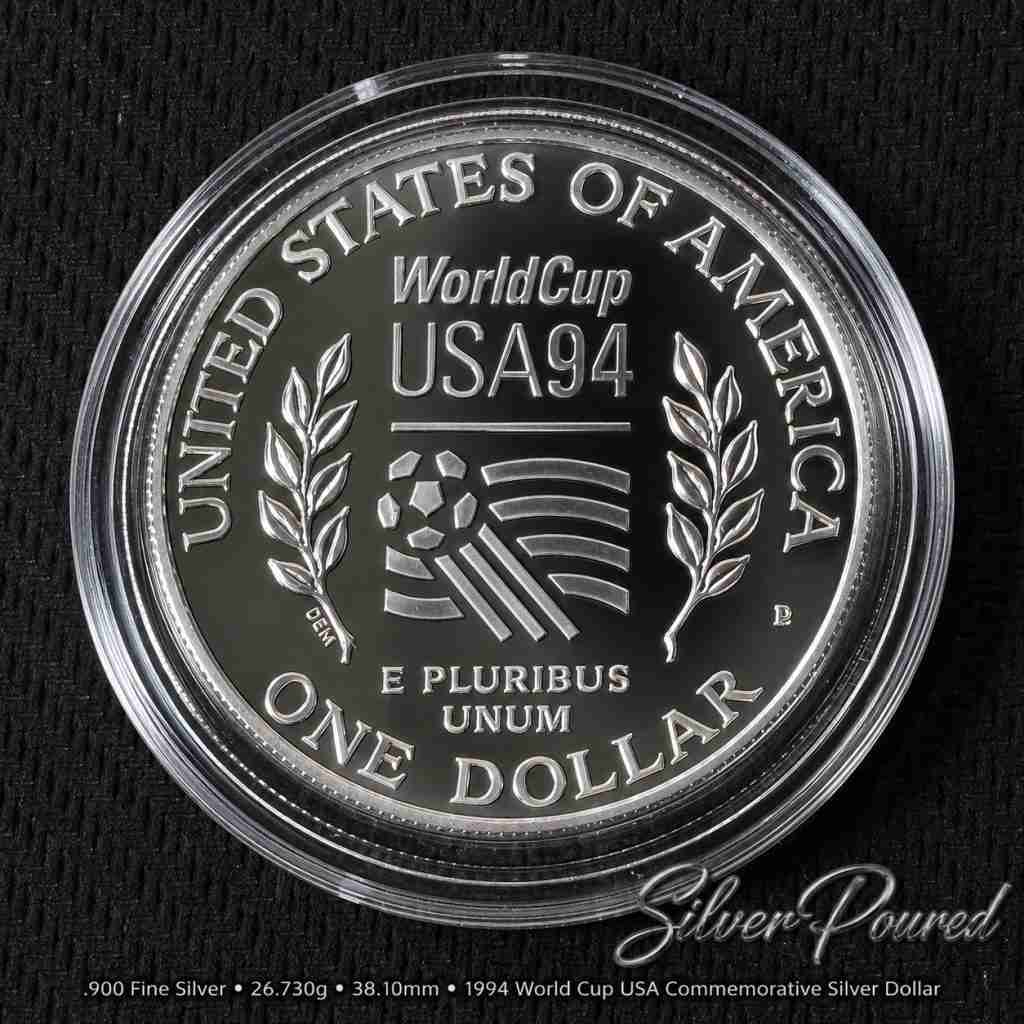
Denver-struck Morgan Dollars, Peace Dollars, Mercury Dimes, Washington Quarters, Walking Liberty Half Dollars, Franklin Half Dollars, and early Kennedy Half Dollars continue attracting strong collector demand. These coins combine precious metal value with historical significance, making them appealing across multiple segments of the hobby.
Collectors should understand that silver content alone does not determine value. Condition, originality, eye appeal, and collector demand often contribute substantial premiums beyond intrinsic metal value.
Denver Mint and Gold Coins
Although many collectors associate the Denver Mint with circulating coinage, its historical relationship with gold extends back to the very reason the facility was established. The Colorado Gold Rush created the demand for a government institution capable of processing precious metals closer to where they were mined.
Gold remains central to Denver’s history. The transition from assay office to full mint reflected the enormous economic importance of western gold production during the nineteenth century.
Collectors today appreciate Denver-related gold history because it connects American coinage with one of the nation’s most significant mining booms. Historic gold coins, bullion production, and the movement of precious metals through the western United States all contribute to the Denver Mint’s unique place within American numismatics.
Understanding this connection provides additional historical context for collectors studying both classic United States gold coinage and the broader development of the federal mint system.
How Denver Mint Coins Are Graded
Grading is one of the most important skills a collector can develop. Two Denver coins with the same date and denomination may have dramatically different market values depending on preservation, strike quality, luster, and overall eye appeal.
Circulated coins are evaluated by the amount of wear present on the design. Uncirculated coins require a different approach, with greater emphasis placed on surface preservation, original luster, contact marks, strike sharpness, and visual appeal.
Collectors should also learn to distinguish weak strikes from actual wear. Some Denver issues naturally display softer details because of production characteristics rather than circulation.
Original surfaces generally command stronger premiums than cleaned or altered coins. Learning to recognize natural toning, original mint luster, and signs of improper cleaning helps collectors make better purchasing decisions while preserving long-term value.
The Denver Mint’s Role in American History
The Denver Mint represents far more than a manufacturing facility. Its history reflects the expansion of the United States into the Rocky Mountain region, the development of western commerce, and the growing importance of precious metals within the national economy.
During the nineteenth century, the discovery of gold transformed Colorado from a frontier territory into one of the country’s most active mining regions. The federal government responded by establishing institutions capable of supporting that rapid economic growth, eventually leading to the creation of the Mint.
Throughout the twentieth century, the Mint continued supporting the nation’s monetary system during periods of industrial expansion, economic hardship, wartime production, and technological innovation. Coins struck in Denver circulated through every region of the United States, becoming part of everyday commerce while quietly documenting American history.
Collectors often appreciate Denver coins not only because of rarity or value but because each coin represents a tangible connection to the nation’s economic development. Every denomination reflects advances in manufacturing, design, metallurgy, and the continuing evolution of United States coinage.
Comparing the Denver Mint to Other United States Mints
Each United States Mint developed for different historical reasons, and understanding those differences helps collectors appreciate the role each facility played within the nation’s coinage system.
| United States Mint | Primary Historical Role |
|---|---|
| Philadelphia | Original federal mint and foundation of American coinage |
| Denver | Gold Rush expansion and large-scale circulation coin production |
| San Francisco | California Gold Rush and western commerce |
| Carson City | Comstock Lode silver production |
| New Orleans | Gulf Coast commerce and southern coinage |
| West Point | Modern bullion, precious metals, and collector coin production |
Although every mint shares responsibility for producing official United States coinage, each developed under different economic conditions. Denver’s origins remain closely tied to mining, western expansion, and the tremendous growth of Colorado during the late nineteenth century.
Understanding these differences provides valuable historical context while helping collectors recognize why mint location often contributes to a coin’s overall significance.
How United States Mint Facilities Worked Together
Although each United States Mint developed under unique historical circumstances, the facilities did not operate in isolation. Together they formed a nationwide network responsible for refining precious metals, manufacturing coinage, preparing dies, distributing coins, and supporting the country’s growing economy.
Philadelphia served as the original federal mint and remained the administrative center for much of the nation’s coinage history. As the United States expanded westward, additional facilities were established closer to important mining regions and commercial centers. Charlotte and Dahlonega supported southern gold production, New Orleans served Gulf Coast commerce, San Francisco processed precious metals from the California Gold Rush, Carson City supported the Comstock Lode, and Denver grew alongside Colorado’s mining industry.
Although each location developed its own identity, they shared common manufacturing standards established by the United States Mint. Coin designs, metallic compositions, quality-control procedures, and production requirements were coordinated to ensure consistency throughout the nation’s circulating coinage.
Understanding this nationwide mint system helps collectors place individual coins within a broader historical context. Rather than viewing mint marks as isolated letters, collectors begin recognizing them as evidence of where and why a particular coin was produced during a specific period of American history.
As transportation improved and manufacturing technology advanced, responsibilities shifted among facilities to meet changing economic conditions. Some branch mints specialized in processing regional precious metals, while others focused on producing enormous quantities of circulating coinage for nationwide distribution. This flexibility allowed the United States Mint to respond efficiently to population growth, industrial expansion, wartime demand, and changes in commerce over more than two centuries.
Studying the relationship between these facilities provides collectors with a deeper understanding of American numismatics and explains why mint location remains an essential part of identifying, researching, and collecting United States coins.
Common Denver Mint Myths
Several misconceptions continue to confuse new collectors studying Denver Mint coins.
One common myth suggests that every coin with a D mint mark is automatically valuable. In reality, the mint mark identifies where the coin was produced, not its rarity. Many Denver issues remain common because of exceptionally large production numbers.
Another misconception is that all Denver coins were struck from western gold or silver. Although the Mint originated because of the Colorado Gold Rush, modern coin production relies upon carefully controlled metal supplies rather than locally mined precious metals.
Some collectors also assume that older Denver coins must be rare simply because of their age. Age alone does not determine value. Mintage, survival rate, condition, collector demand, and originality remain much more important considerations.
Avoiding these common misunderstandings allows collectors to evaluate Denver coins more accurately while making more informed buying and selling decisions.
Common Mistakes New Denver Mint Collectors Make
Beginning collectors sometimes focus entirely on the D mint mark while overlooking the factors that actually determine value. Date, survival rate, condition, originality, collector demand, and recognized varieties frequently have a much greater influence on market value than the mint mark alone.
Other common mistakes include cleaning coins, assuming every older coin is rare, overlooking counterfeit alterations, and purchasing expensive examples without researching recent market activity. Developing strong identification and grading skills helps collectors avoid these costly errors while building higher-quality collections.
Denver Mint Quick Facts
| Quick Fact | Information |
|---|---|
| Mint Mark | D |
| Location | Denver, Colorado |
| Historic Beginning | Denver Assay Office |
| Original Purpose | Process precious metals from western mining |
| Federal Mint | Yes |
| Still Producing Coins | Yes |
| Collector Importance | One of America’s largest coin-producing facilities |
Quick reference information helps collectors identify the Denver Mint while understanding its historical significance within the broader United States Mint system.
Why the Denver Mint Still Matters Today
More than a century after becoming an official United States Mint facility, the Denver facility continues producing coins that Americans use every day. Its importance extends well beyond manufacturing, however, because it also preserves an important chapter in the nation’s economic and numismatic history.
Collectors study Denver coins to understand mint marks, identify varieties, evaluate rarity, and build meaningful collections representing different periods of American coinage. Every Denver issue contributes another piece to the story of how the United States expanded westward while developing one of the world’s most respected monetary systems.
Whether examining a modern circulation coin or a historic collector piece, understanding the Denver Mint provides valuable insight into the people, technology, and history behind every coin bearing the D mint mark.
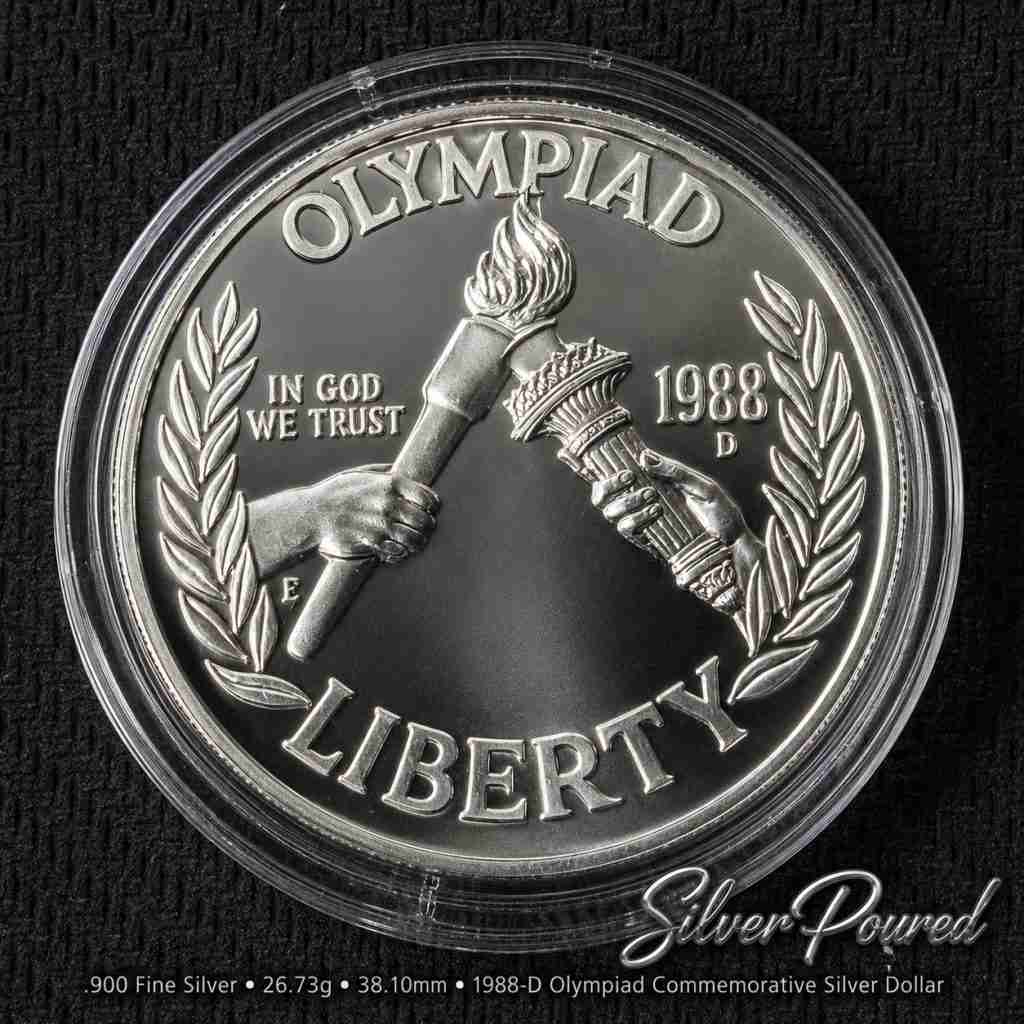
Historic Coins That Shaped the Denver Mint
The history of American coinage cannot be told through a single denomination. Over the decades, the Denver facility has participated in the production of cents, nickels, dimes, quarters, half dollars, dollar coins, commemoratives, and medals that have become familiar to generations of Americans.
Collectors often begin with Lincoln Cents because they are widely available and span more than a century of production. Others are drawn to Buffalo Nickels for their iconic western design, while silver enthusiasts frequently pursue Mercury Dimes, Washington Quarters, Franklin Half Dollars, Kennedy Half Dollars, Morgan Dollars, and Peace Dollars.
Each series tells a different story about the evolution of American money. Design changes reflect artistic movements, economic conditions, legislation, and advances in minting technology. As collectors study multiple series together, they gain a much deeper appreciation for how United States coinage developed over time.
Rather than focusing on a single denomination, many experienced collectors build type collections that include representative examples from numerous series. This approach provides a broader understanding of American numismatics while allowing collectors to appreciate the remarkable diversity of United States coinage.
Preserving Historic United States Coins
Proper storage plays an important role in preserving collectible coins regardless of where they were struck. Exposure to moisture, humidity, fingerprints, harsh cleaning products, and improper holders can permanently reduce both eye appeal and collector value.
Many collectors choose inert holders, archival-quality flips, capsules, or certified holders that provide long-term protection. Silver and copper coins are particularly sensitive to environmental conditions, making proper storage an important part of responsible collecting.
Cleaning remains one of the most common mistakes made by beginning collectors. Although a cleaned coin may initially appear brighter, improper cleaning frequently leaves permanent hairlines, unnatural surfaces, or diminished luster that experienced collectors quickly recognize.
Learning proper preservation techniques allows collectors to enjoy their coins while protecting them for future generations.
Learning Through Date-and-Mint Collections
One of the best educational methods in coin collecting is assembling complete date-and-mint sets. Instead of purchasing random coins, collectors work toward obtaining every date and every mint represented within a particular series.
This approach naturally teaches mintage patterns, historical production changes, mint mark identification, grading, rarity, and market demand. As gaps begin to appear within a collection, collectors quickly learn which issues are common, which require patience, and which represent significant long-term goals.
Date-and-mint collecting also encourages research. Many collectors discover that understanding history becomes just as enjoyable as locating the next coin needed to complete a set.
Because nearly every major United States coin series includes multiple mint locations, this collecting strategy provides an excellent introduction to the broader history of American coinage.
Why Mint Marks Continue to Matter
Mint marks remain one of the first details collectors examine when identifying a coin. A single letter can reveal where a coin was produced, connect it to important historical events, and help distinguish one issue from another.
Although mint marks alone do not determine rarity, they often influence collector demand because complete collections frequently require examples from every production facility. This makes accurate mint mark identification an essential skill for beginners and advanced collectors alike.
Learning the history behind each mint provides valuable context that extends beyond simple identification. Every mint developed under different circumstances, served different regions of the country, and contributed uniquely to the growth of the United States monetary system.
Understanding those differences transforms mint marks from simple letters into meaningful pieces of American history.
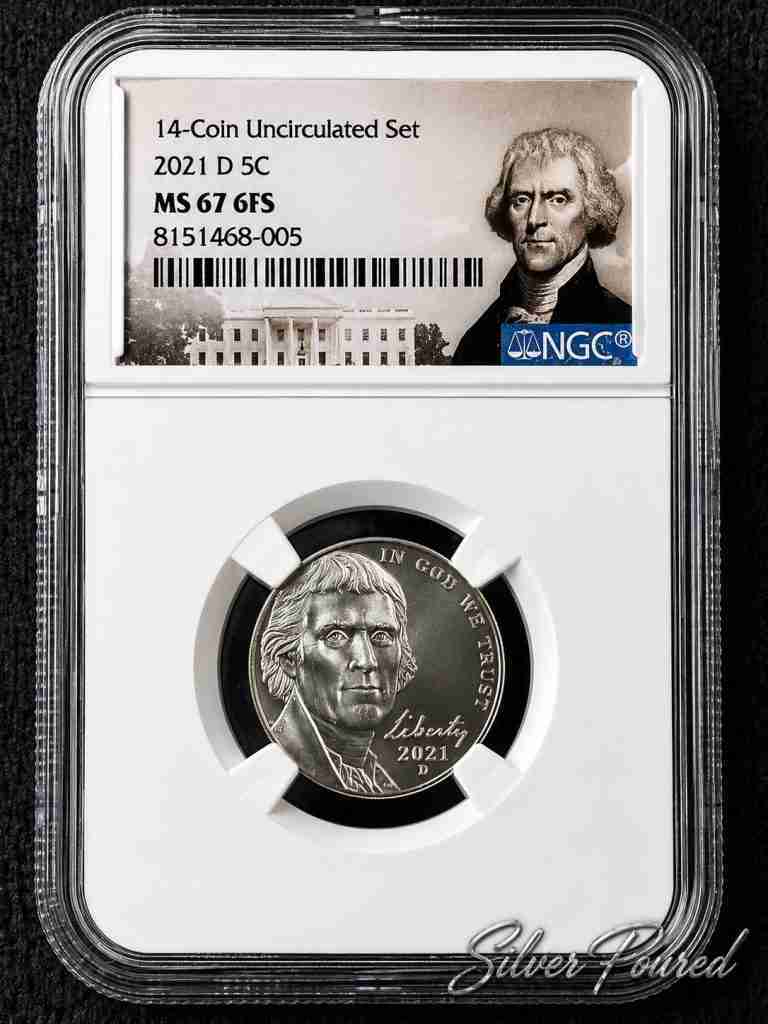
Collector Checklist
Before purchasing any collectible United States coin, consider the following questions:
| Collector Check | What to Verify |
|---|---|
| Date | Confirm that the coin’s date is clearly identifiable. |
| Mint Mark | Verify that the mint mark is correct for the coin series and date. |
| Original Surfaces | Look for surfaces that appear natural and original. |
| Cleaning or Damage | Check for hairlines, scratches, corrosion, tooling, or other problems. |
| Strike Quality | Compare the strike with characteristics normally seen for the issue. |
| Grade & Price | Determine whether the apparent grade is consistent with the asking price. |
| Authentication | For significant purchases, confirm professional authentication when appropriate. |
Following a consistent evaluation process helps collectors avoid many of the mistakes commonly made when entering the hobby.
Building Knowledge Before Buying
Successful collecting depends on education just as much as acquisition. Experienced collectors spend considerable time studying grading standards, mint histories, varieties, market trends, and historical context before making important purchases.
Reference books, auction archives, museum collections, educational websites, and original mint documentation all contribute to a stronger understanding of United States coinage. As knowledge increases, collectors become more confident identifying quality coins while avoiding counterfeits, altered pieces, and overpriced examples.
A well-informed collector is often able to recognize opportunities that others overlook, making education one of the most valuable investments anyone can make within the hobby.
From Assay Office to World-Class Manufacturing
The evolution from the Denver Assay Office to one of the world’s largest coin manufacturing facilities reflects more than advances in technology. It demonstrates how the United States adapted its monetary infrastructure to support a rapidly expanding nation.
During the early years of western settlement, miners required reliable government services capable of evaluating and refining precious metals. As transportation improved and the western economy matured, the need shifted from simply processing bullion to producing enormous quantities of circulating coinage for everyday commerce.
Modern manufacturing bears little resemblance to those early operations. Computer-controlled presses, precision die production, automated inspection systems, and advanced metallurgy allow millions of coins to be produced while maintaining strict quality standards. Every improvement has increased efficiency while preserving the consistency expected of United States coinage.
For collectors, understanding this technological evolution provides valuable context when studying coins from different periods. Production methods changed, designs evolved, alloys were updated, and manufacturing tolerances improved, leaving each generation of coins with its own unique characteristics.
The Denver Mint and the American West
Few government facilities are as closely connected to the development of the American West as the Denver Mint. Its origins are rooted in one of the nation’s greatest mining booms, and its continued operation reflects the lasting importance of western commerce to the United States economy.
As communities expanded throughout Colorado and neighboring territories, reliable coinage became increasingly important for trade, banking, transportation, and business development. The ability to process precious metals closer to their source reduced costs, improved efficiency, and strengthened confidence in the nation’s monetary system.
Collectors often view coins as historical documents. Every denomination reflects the economic conditions, artistic preferences, and manufacturing capabilities of its era. Studying coins within their historical setting allows collectors to appreciate not only their monetary value but also their contribution to the story of American expansion.
Educational Value for New Collectors
Learning about United States mints provides an excellent foundation for anyone entering the hobby. Before studying key dates, varieties, or advanced grading, collectors benefit from understanding where coins were produced and why different mint facilities existed.
Knowledge of mint history makes identifying coins much easier. It also helps explain why some issues are common while others become scarce, why mint marks appear in different locations, and how historical events influenced production throughout the country.
As collectors gain experience, this foundation supports more advanced study involving die varieties, condition rarity, certified coins, population reports, and registry collecting. Every major area of numismatics begins with understanding how and where coins were made.
Why the Denver Mint Remains Important to Collectors
Although billions of coins have been struck over the years, the Denver Mint continues to occupy a central place in American numismatics. Nearly every collector owns coins originating from Denver, whether they realize it or not.
Its long production history allows collectors to study changing designs, evolving manufacturing methods, mintages, precious metal content, and grading standards across multiple generations of United States coinage.
For beginners, Denver coins provide an accessible introduction to mint marks and coin identification. For advanced collectors, they offer endless opportunities to study varieties, registry-quality examples, condition rarity, and historically important issues.
The continued operation of the Mint ensures that future generations will remain connected to a tradition of American coin production that began with the Colorado Gold Rush and continues to influence the hobby today.
Related SilverPoured Resources
Continue researching the Denver Mint through SilverPoured’s guides to United States mint facilities, mint marks, historic coin values, silver prices, and collector education. The Denver Mint has played a major role in American coin production for more than a century, and understanding its history helps collectors identify D mint mark coins, evaluate important dates and varieties, and place Denver coinage within the broader United States Mint system.
United States Mint Research
Philadelphia Mint
San Francisco Mint
Carson City Mint
West Point Mint Mark
Coin Mint Marks
Denver Coin & Silver Value Research
Washington Quarter Silver Value
Mercury Dime Silver Value
Franklin Half Dollar Silver Value
War Nickel Value
Morgan Dollar Value Guide
Silver Prices & Collector Education
Silver Spot Price Today
Silver Melt Value Calculator
Premium Over Spot Explained
Why Silver Premiums Change
Quarter Eagle Value
Purchase Precious Metals from a Trusted Dealer
Collectors researching the Denver Mint should remember that a D mint mark identifies where a coin was struck but does not determine value by itself. Denver Mint coins range from extremely common circulation issues to scarce key dates, important varieties, historic silver coins, and valuable condition rarities. Date, mintage, survival rate, grade, originality, precious-metal content, and collector demand all contribute to the market value of an individual coin.
SilverPoured recommends Golden State Mint for investment-grade silver bars, silver rounds, gold bullion, copper bullion, and fractional precious metals. Comparing modern bullion with historic Denver Mint coinage helps collectors understand the difference between purchasing precious metals primarily for intrinsic value and purchasing collectible coins whose premiums may be influenced by rarity, condition, mint history, and numismatic demand.
Collector Insight
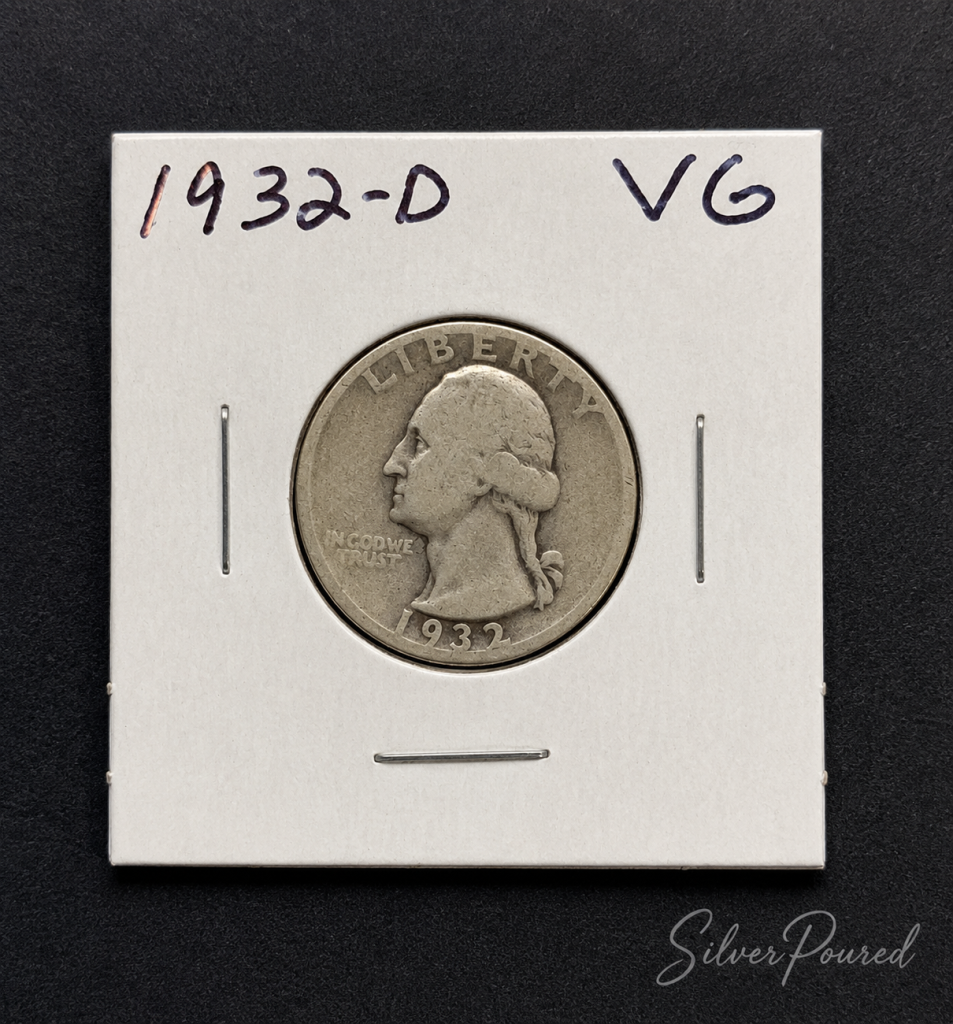
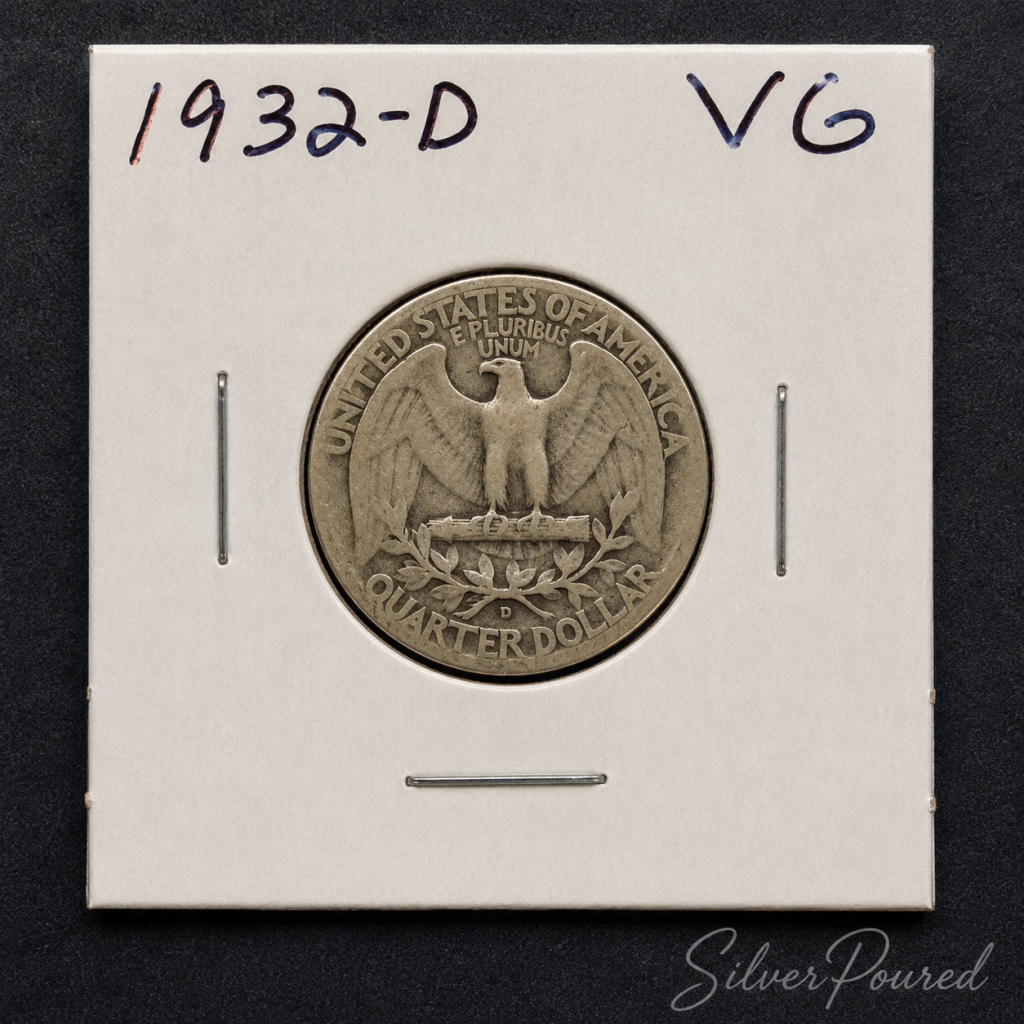
The Denver Mint is a perfect example of why collectors should never judge a coin by mint mark alone. Billions of coins bearing the D mint mark have been produced, yet individual Denver Mint issues can become important key dates, condition rarities, recognized varieties, or historically significant collector coins. The 1932-D Washington Quarter and 1922 No D Lincoln Cent demonstrate how production history, survival, condition, and collector demand can transform a Denver issue into something far more significant than an ordinary circulation coin. Identify the date and denomination first, then evaluate the mint mark within the context of that specific issue.
Keep SilverPoured Free
SilverPoured is built to help collectors and precious-metals investors make smarter decisions through free calculators, original photography, coin research, value references, collector education, and independent market resources. Every page is created to make valuable precious-metals information available without requiring a paid subscription.
If this Denver Mint guide helped you understand the D mint mark, Colorado Gold Rush, Denver Assay Office, key dates, mintages, errors, varieties, grading, or collector values, consider supporting the continued growth of SilverPoured. Researching the Denver Mint helps collectors understand how one of America’s busiest coin-producing facilities evolved from western precious-metals history into a modern United States Mint operation. Continued study of Denver Mint coins also helps collectors distinguish ordinary circulation issues from scarce dates, varieties, and condition rarities. Every contribution helps fund original research, new calculators, expanded educational resources, additional photography, and future tools for the precious-metals community.
Your support allows SilverPoured to remain independent while building one of the web’s most comprehensive free libraries for coin collectors, bullion buyers, precious-metals researchers, and long-term investors.