
What Is the Carson City Mint?
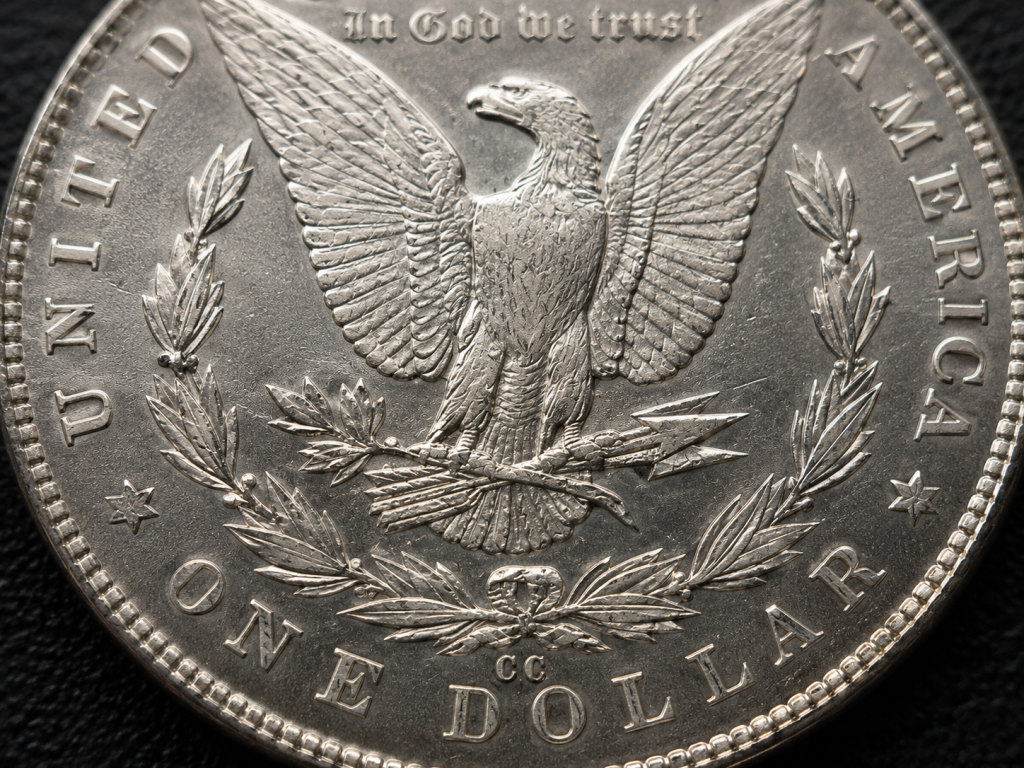
The Carson City Mint is one of the most legendary branch mints in United States coin collecting. Located in Carson City, Nevada, it produced silver coins and gold coins bearing the famous CC mint mark during one of the most exciting periods in American western history.
Unlike the Philadelphia Mint, which represents the beginning of federal coinage, or the Denver and San Francisco mints, which grew from major gold rushes, the Carson City Mint is tied directly to the Comstock Lode, Nevada silver, frontier mining, and the rise of the American West.
For collectors, the Carson City Mint carries a level of excitement that few other United States Mint facilities can match. A CC mint mark often signals strong collector demand, lower mintages, western history, and meaningful premiums above ordinary silver or gold content.
The Carson City Mint is especially famous for Morgan Dollars, GSA Hoard coins, Seated Liberty silver coins, Trade Dollars, and classic gold issues. Understanding its history helps collectors identify CC mint mark coins, research values, understand rarity, and appreciate why Carson City coinage remains so popular more than a century after production ended.
How SilverPoured Evaluates Historic United States Mints
Not every United States Mint facility carries the same historical significance or collector influence. While each branch mint played an important role in producing the nation’s coinage, factors such as operating years, coin production, famous coin series, historical events, collector demand, and long-term numismatic impact all contribute to a mint’s lasting importance.
Rather than evaluating historic mints by age or production volume alone, SilverPoured examines each facility using the characteristics that matter most to collectors and researchers. Throughout this guide, the Carson City Mint is evaluated based on its historical significance, connection to the Comstock Lode, coin production, collector demand, famous coin series, rarity, and enduring influence within American numismatics.
This standardized approach helps collectors compare the Carson City Mint with other United States Mint facilities while understanding why the famous CC mint mark remains one of the most respected symbols in coin collecting.
Carson City Mint Key Facts
| Category | Carson City Mint Details |
|---|---|
| Location | Carson City, Nevada |
| Mint Mark | CC |
| Original Purpose | Serve the coinage needs created by the Comstock Lode |
| Coinage Years | 1870 to 1893 |
| Collector Importance | One of the most famous branch mints in American numismatics |
| Famous Coins | Carson City Morgan Dollars, Seated Liberty coins, Trade Dollars, gold coins |
| Major Historical Link | Comstock Lode silver |
| Current Building | Home of the Nevada State Museum |
Carson City Mint By the Numbers
| Statistic | Carson City Mint |
|---|---|
| Mint Mark | CC |
| Authorized | 1863 |
| First Coins Struck | 1870 |
| Final Coinage Year | 1893 |
| Operating Years | 21 non-consecutive years |
| Silver Issues | 50 |
| Gold Issues | 57 |
| Famous Series | Morgan Dollars |
| Major Silver Source | Comstock Lode |
| Modern Collector Link | GSA Hoard Carson City Morgan Dollars |
| Still Producing Coins | No |
Although the Carson City Mint operated for only twenty-one non-consecutive years, its influence on collectors remains extraordinary.
Many collectors view Carson City coins as physical pieces of the Old West. They are not just coins. They are artifacts connected to mining camps, silver booms, frontier commerce, and one of the richest silver discoveries in American history.
Although the Carson City Mint operated for a much shorter period than Philadelphia, Denver, or San Francisco, its influence on collectors is enormous. The mint’s limited production window, western location, connection to Nevada silver, and famous CC mint mark all contribute to its lasting appeal.
Why the Carson City Mint Matters
Historical Perspective
The Carson City Mint occupies a unique place in American numismatics because its importance extends well beyond the number of coins it produced. Its direct connection to the Comstock Lode, the American frontier, and some of the hobby’s most desirable gold and silver coins has made the famous CC mint mark one of the strongest collector brands in United States coinage.
The Carson City Mint matters because it represents one of the most romantic and collectible chapters in United States coinage. Its coins were produced near the source of Nevada silver at a time when the American West was rapidly changing.
Collectors prize CC mint mark coins because they combine history, scarcity, and strong market demand. A Carson City Morgan Dollar, for example, is often worth far more than a common-date Morgan Dollar from a higher-output mint, even though both contain the same basic silver content.
That premium comes from more than metal. It comes from story, survival, mintage, condition, demand, and the powerful collector identity attached to the CC mint mark.
The Carson City Mint also plays an important role in understanding how the United States adapted its coinage system to serve western mining regions. Before a branch mint operated in Nevada, silver and gold had to be shipped across difficult routes for processing. A local mint reduced risk, supported commerce, and helped transform Nevada’s mining output into official United States coinage.
Carson City Mint Compared to Other United States Mints
| Mint | Mint Mark | Primary Historical Role | Collector Reputation |
|---|---|---|---|
| Philadelphia Mint | None (later P) | Original United States Mint and primary coin production facility | Historic foundation of American coinage |
| Carson City Mint | CC | Processed Nevada gold and silver from the Comstock Lode | Legendary rarity, Morgan Dollars, GSA Hoard, and western history |
| San Francisco Mint | S | Served the California Gold Rush and later specialized in proof coinage | Proof coins, commemoratives, and classic branch mint issues |
| Denver Mint | D | Supported western precious metals production before becoming a high-volume mint | Modern circulation coins, key dates, and collector favorites |
| West Point Mint | W | Bullion, commemorative, and precious metals production | American Silver Eagles, gold bullion, and modern collector coins |
The Comstock Lode
Historical Connection
Without the discovery of the Comstock Lode, the Carson City Mint likely would never have existed. The enormous quantities of gold and silver recovered from Nevada created the need for a nearby federal mint, permanently linking the famous CC mint mark with one of the greatest precious-metals discoveries in American history.
The story of the Carson City Mint begins with the Comstock Lode. Discovered in western Nevada, the Comstock Lode became one of the most important silver deposits in American history and helped drive the need for a federal mint in the region.
Before Carson City had a working mint, valuable silver and gold ore from Nevada had to be transported to distant facilities for processing. That created risk, expense, delay, and security problems. Mine owners and local leaders pushed for a nearby branch mint that could process precious metals closer to their source.
The Comstock Lode changed Nevada’s future. It brought miners, merchants, bankers, investors, and businesses into the region. Towns grew quickly, fortunes were made and lost, and the need for reliable coinage became increasingly urgent.
The Carson City Mint was created to serve that world. Its coins carry the story of the silver boom, the mining frontier, and the economic force that helped shape Nevada’s place in American history.
Carson City Mint Timeline
| Period | Historical Milestone |
|---|---|
| 1859 | Discovery of the Comstock Lode transforms western Nevada into a major silver-producing region. |
| 1863 | Congress authorizes the Carson City Mint to support the growing mining industry. |
| 1866–1869 | Construction of the mint facility progresses in Carson City. |
| 1870 | The Carson City Mint strikes its first United States coins bearing the famous CC mint mark. |
| 1870–1893 | Gold and silver coins are produced for commerce and collectors. |
| 1893 | Coin production ends at the Carson City Mint. |
| Today | The historic building serves as the Nevada State Museum and remains one of the most visited numismatic landmarks in the United States. |
Why the Carson City Mint Closed and Reopened
Although the Carson City Mint is often remembered as a single historic operation, production did not run continuously from 1870 through 1893. Coinage stopped during the mid-1880s before the facility later resumed production near the end of the decade.
This interruption reflected changing economic conditions, shifting federal coinage needs, and the complicated relationship between western mining output and national monetary policy. When production resumed, the Carson City Mint continued striking gold and silver coins until operations permanently ended in 1893.
That interrupted timeline is one reason Carson City issues remain so fascinating to collectors. The mint produced coins across a limited number of years, and every date-and-mint combination carries its own production history, scarcity profile, and collector demand.
The Carson City Mint produced coins during only twenty-one non-consecutive years between 1870 and 1893, yet its impact on American numismatics far exceeds its relatively short production life. During those years, the mint produced coins that have become some of the most recognizable and desirable issues in the hobby.
Historic Carson City Mint Building
The Carson City Mint building remains one of the most important surviving structures associated with the history of the United States Mint. Constructed from locally quarried stone, the building symbolized the federal government’s commitment to Nevada’s rapidly expanding mining economy.
Unlike many historic government buildings that disappeared over time, the Carson City Mint survives today as the Nevada State Museum. Visitors can explore exhibits covering the Comstock Lode, western mining history, coin production, and the remarkable legacy of the famous CC mint mark.
For collectors, visiting the Carson City Mint offers a direct connection to one of the most legendary periods in American coinage. Standing inside the historic building provides a unique appreciation for the people, machinery, and craftsmanship that produced some of the hobby’s most sought-after coins.
What Is the CC Mint Mark?
Collector Insight
Few mint marks carry the prestige of the famous CC. While a mint mark simply identifies where a coin was struck, the Carson City Mint produced coins during a relatively brief period with generally lower mintages, giving the CC mint mark a level of recognition and collector demand that extends far beyond its original purpose.
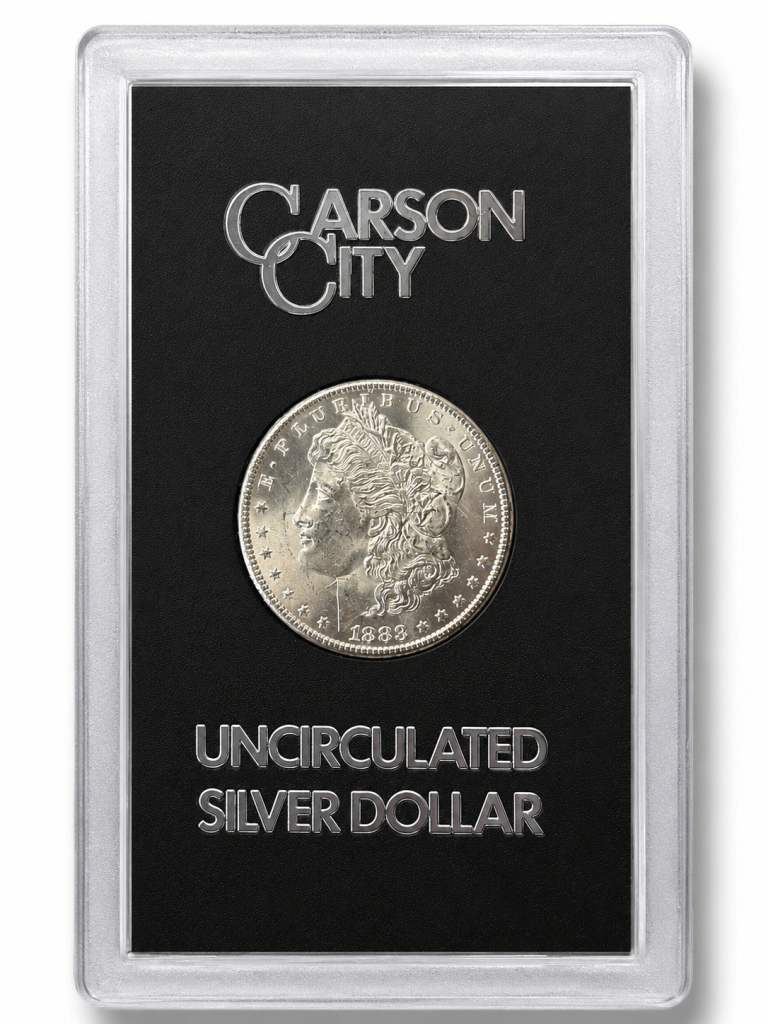
The CC mint mark identifies coins struck at the Carson City Mint in Carson City, Nevada. Although the mint operated for only a relatively short period, the CC mint mark has become one of the most recognized and desirable mint marks in American numismatics.
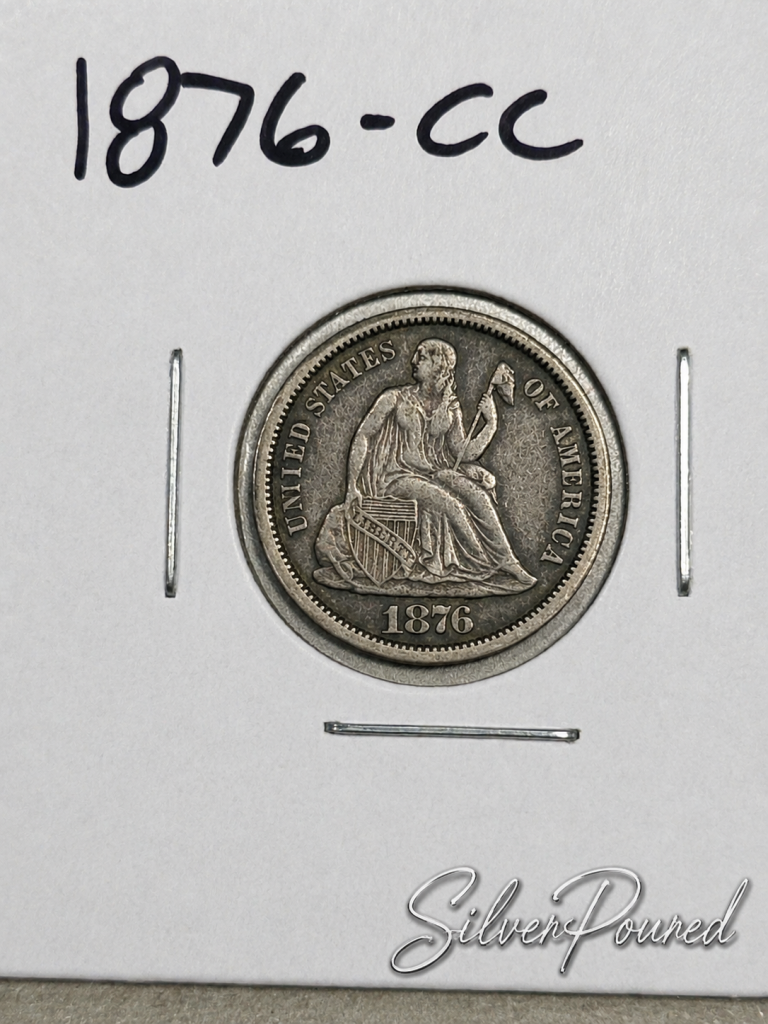
Collectors often associate the CC mint mark with the American frontier, the Comstock Lode, classic Morgan Dollars, Seated Liberty coinage, Trade Dollars, and historic United States gold coins. Because production was generally lower than at larger mint facilities, many Carson City issues command substantial premiums over similar coins struck elsewhere.
Learning to identify the CC mint mark is one of the first skills many collectors develop when studying nineteenth-century United States coinage.
Why the CC Mint Mark Is Famous
Few mint marks inspire as much excitement as the letters CC. Within the collecting community, they represent rarity, western history, and some of the most iconic coins ever produced by the United States Mint.
Unlike modern mint marks that often appear on millions of coins each year, Carson City issues were produced during a relatively brief period and in much smaller quantities. Many examples entered circulation throughout the American West, while others were later melted or lost over time.
Today, surviving Carson City coins are prized not only for their precious metal content but also for their historical significance. Owning a coin with a CC mint mark connects collectors directly to Nevada’s silver boom, frontier commerce, and one of the most remarkable periods in American coinage history.
Where Is the CC Mint Mark Located?
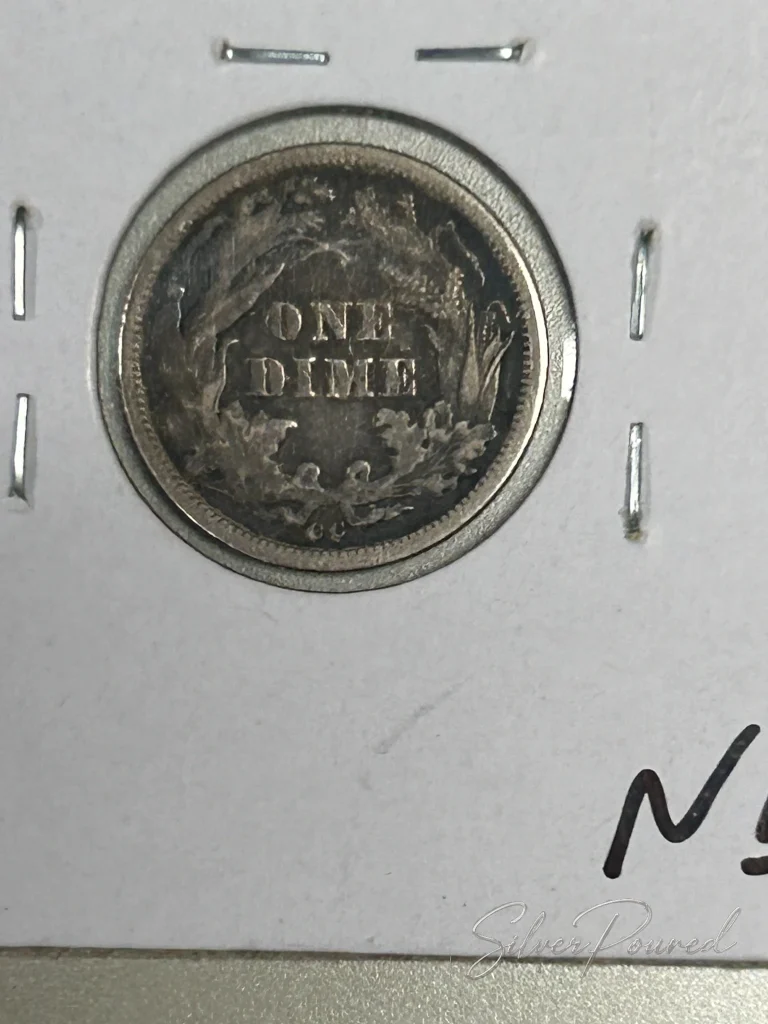
The location of the CC mint mark varies depending on the coin series. On some denominations it appears on the reverse, while on others it is found on the obverse. Design changes throughout the nineteenth century also affected mint mark placement on certain issues.
Collectors should first identify the denomination before searching for the mint mark. Studying genuine examples helps distinguish authentic Carson City coins from damaged, altered, or counterfeit pieces while improving confidence when evaluating collectible United States coinage.
The GSA Hoard
Collector Legacy
The GSA Hoard transformed the Carson City Mint from a respected historical mint into a numismatic legend. The release of original government-held Carson City Morgan Dollars introduced thousands of collectors to the famous CC mint mark, permanently increasing awareness, demand, and appreciation for Carson City coinage throughout the hobby.
One of the most remarkable chapters in the history of the Carson City Mint occurred decades after the mint itself closed. During the twentieth century, the United States government discovered that millions of silver dollars remained stored in Treasury vaults, including large quantities of Carson City Morgan Dollars that had never entered widespread circulation.
Rather than releasing the coins through normal banking channels, the General Services Administration (GSA) began selling many of these historic silver dollars directly to the public during a series of highly publicized sales in the 1970s and early 1980s.
Collectors quickly recognized the importance of these coins. Many remained in exceptional condition after spending decades protected inside government vaults, making them some of the finest surviving Carson City Morgan Dollars available today.
Why GSA Carson City Dollars Are So Popular
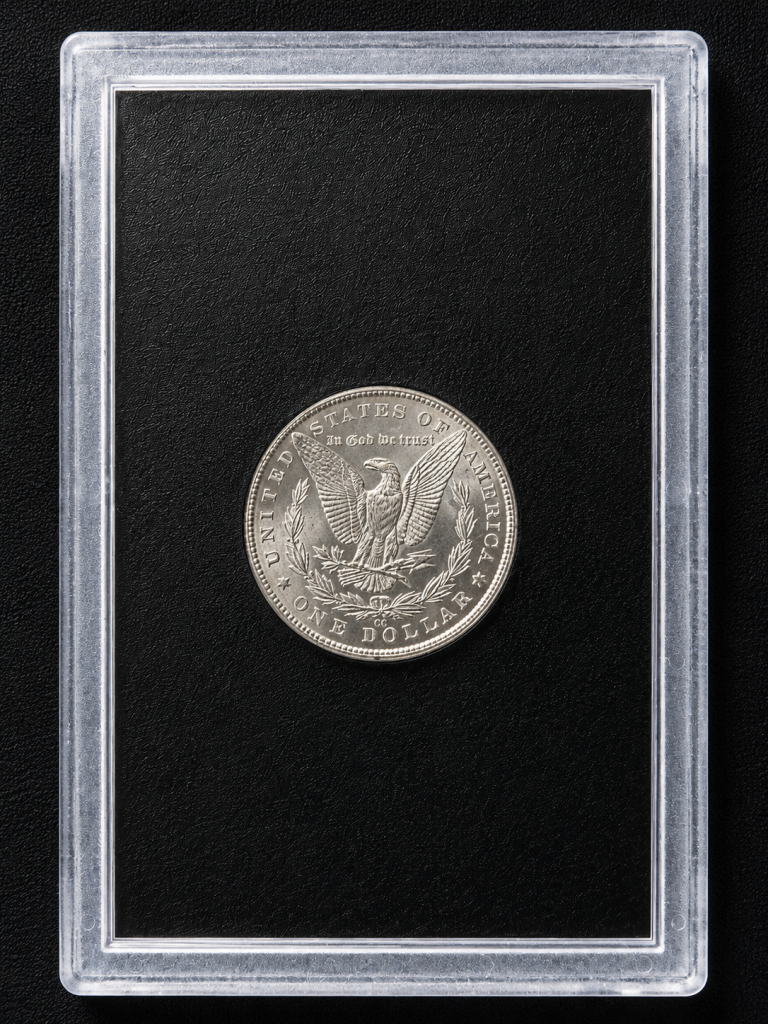
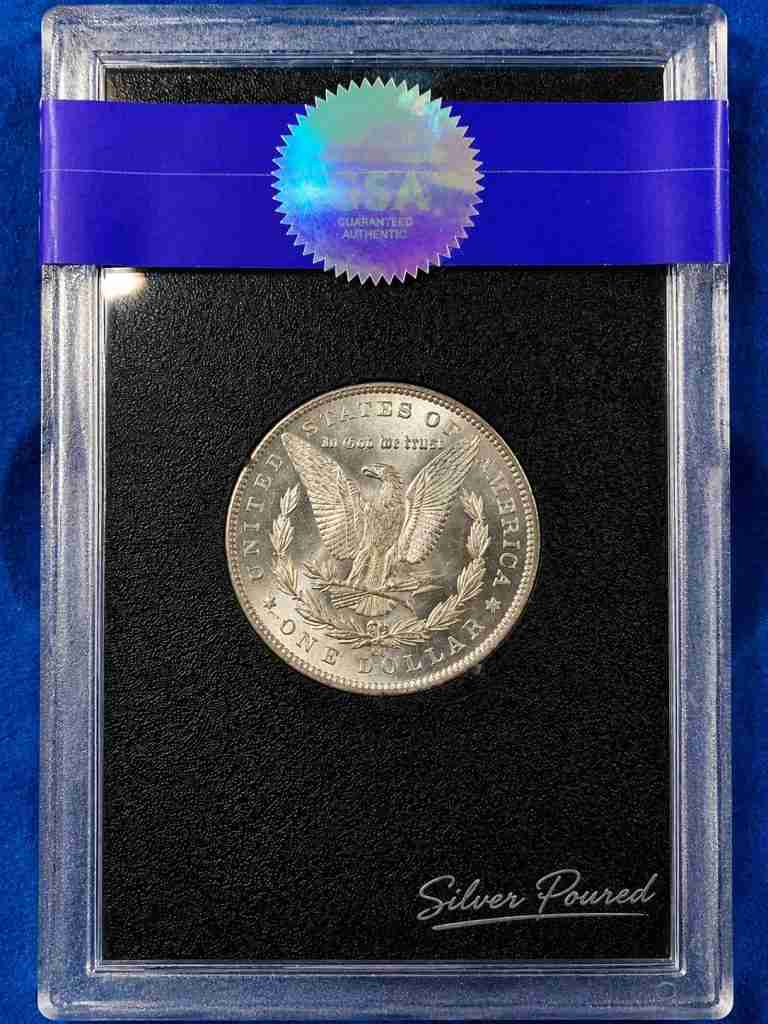
Original GSA Hoard coins remain some of the most recognizable collectibles in American numismatics. Many are still preserved in their distinctive government-issued holders, complete with the original black presentation case and accompanying certificate.
Collectors value GSA Carson City Dollars for several reasons:
| Collector Appeal | Why It Matters |
|---|---|
| Original Government Holder | Confirms GSA Hoard origin |
| Carson City Mint Mark | One of the hobby’s most collectible mint marks |
| Historical Significance | Connects directly to the United States Treasury sales |
| Outstanding Preservation | Many coins remained uncirculated for decades |
| Strong Collector Demand | Original GSA examples remain highly sought after |
The GSA Hoard introduced an entirely new generation of collectors to Carson City Morgan Dollars and helped establish the CC mint mark as one of the most recognized symbols in American coin collecting. Today, original GSA holders remain desirable in their own right and often command premiums because of their documented history and originality.
Coins Produced at the Carson City Mint
Although the Carson City Mint operated for just over two decades, it produced an impressive variety of United States gold and silver coins. Today, these issues rank among the most desirable in American numismatics because they combine historical significance, limited production, and the famous CC mint mark.
Collectors encounter Carson City coins across several classic nineteenth-century series, including Morgan Dollars, Seated Liberty coinage, Trade Dollars, Liberty Head gold coins, and Double Eagles. Each series tells a different chapter of the American West while reflecting the importance of Nevada’s mining industry during the late nineteenth century.
Because many Carson City issues experienced relatively low mintages and decades of circulation, high-grade examples are often difficult to locate. This combination of scarcity and collector demand continues driving strong premiums for many CC mint mark coins.
Carson City Mint Production
| Production Category | Carson City Coinage |
|---|---|
| Silver Issues | Seated Liberty dimes, quarters, half dollars, dollars, Trade Dollars, and Morgan Dollars |
| Gold Issues | Liberty Head Half Eagles, Eagles, and Double Eagles |
| Main Production Period | 1870 to 1893 |
| Production Pattern | 21 non-consecutive operating years |
| Collector Identity | Low mintages, western history, and the CC mint mark |
The Carson City Mint produced fewer total issues than larger mint facilities, but the coins it struck remain some of the most recognizable in American numismatics. Its silver coins connect directly to the Comstock Lode, while its gold coins reflect the broader precious metals economy of the American West.
This limited but highly collectible production history helps explain why Carson City coins often carry stronger premiums than comparable issues from larger mints.
Famous Carson City Coins
Some of the most celebrated coins in American numismatics bear the CC mint mark. These issues are widely recognized for their rarity, historical importance, and lasting collector appeal.
| Coin Series | Why Collectors Pursue It |
|---|---|
| Morgan Silver Dollars | Legendary CC issues with strong collector demand |
| Seated Liberty Half Dollars | Early Nevada silver coinage from the frontier era |
| Trade Dollars | Historic coins produced for Pacific commerce |
| Liberty Head Gold Coins | Direct connection to western gold production |
| Liberty Head Double Eagles | Large gold coins struck during Nevada’s mining boom |
Whether assembling a complete Carson City collection or pursuing a single historic example, these classic coin series remain some of the most recognizable products ever struck by a United States Mint facility.
Carson City Morgan Dollars
Collector Favorite
No coin represents the Carson City Mint more completely than the Morgan Silver Dollar. While the CC mint mark appears on several historic coin series, Carson City Morgan Dollars have become the defining symbol of the mint because they combine frontier history, lower mintages, strong collector demand, and enduring popularity across every level of numismatics.
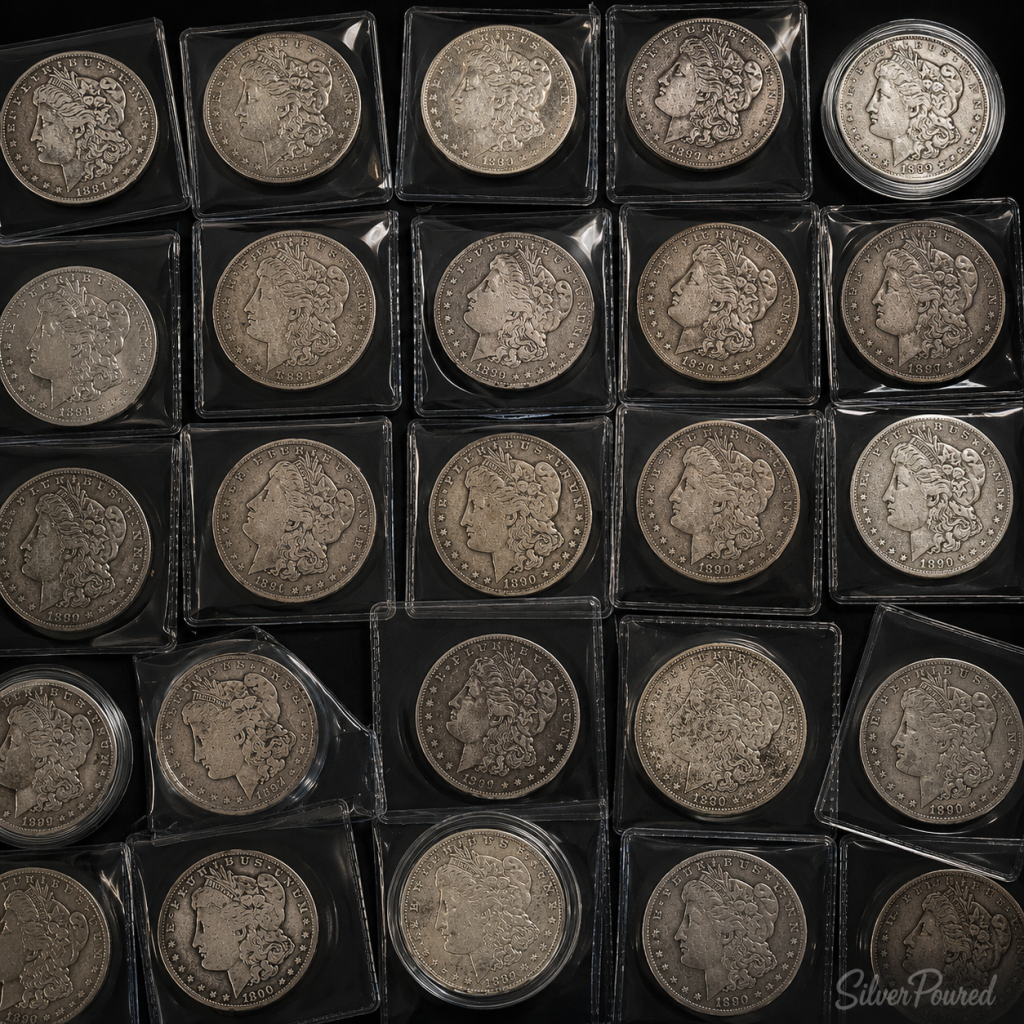
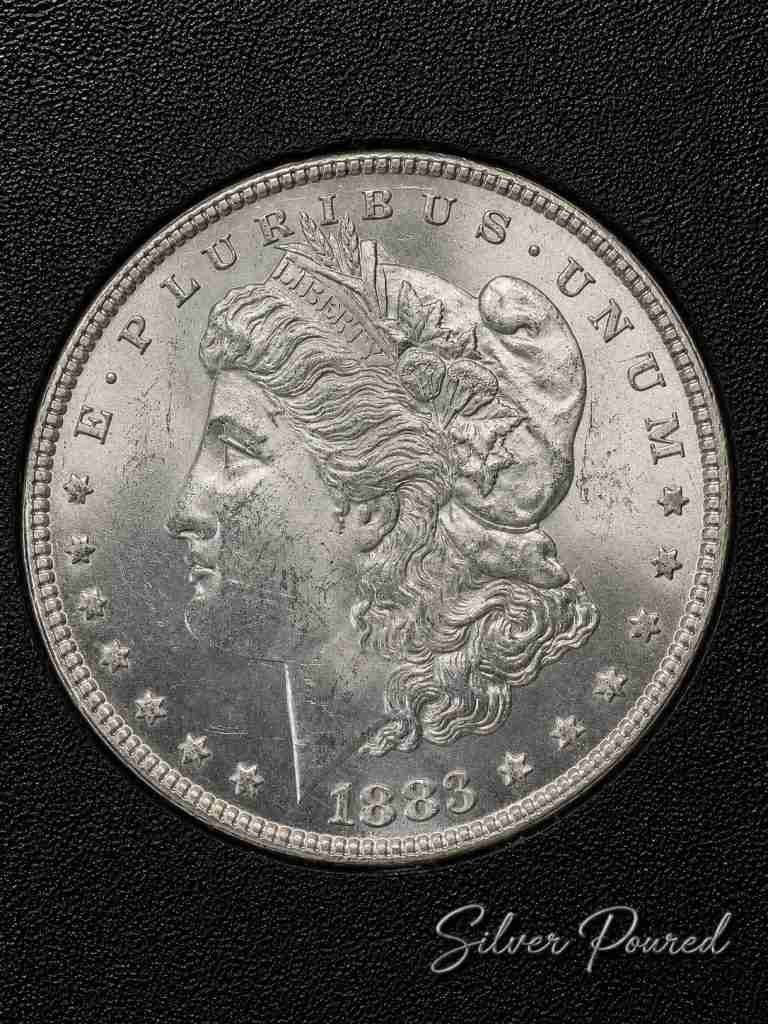
No coin is more closely associated with the Carson City Mint than the Morgan Silver Dollar. Produced during the final decades of the nineteenth century, Carson City Morgan Dollars have become some of the most famous and desirable silver dollars in American numismatics.
Collectors prize CC Morgan Dollars because they combine the legendary Carson City mint mark with lower mintages, frontier history, and exceptional collector demand. While every Morgan Dollar contains 0.7734 troy ounces of .900 fine silver, Carson City examples frequently command premiums far above their intrinsic silver value because of their historical importance and relative scarcity.
Certain dates have achieved legendary status within the hobby. Key-date Carson City Morgan Dollars are among the most sought-after coins ever struck by the United States Mint, with exceptional examples selling for substantial premiums at auction.
Why Carson City Morgan Dollars Are So Valuable
Several factors contribute to the enduring popularity of Carson City Morgan Dollars.
| Value Factor | Why It Matters |
|---|---|
| CC Mint Mark | One of the most recognizable mint marks in American numismatics |
| Lower Mintages | Many Carson City issues were produced in relatively limited numbers |
| Frontier History | Direct connection to the Comstock Lode and the American West |
| GSA Hoard | Original government-held dollars remain highly collectible |
| Strong Collector Demand | CC Morgan Dollars remain centerpiece coins for many collections |
While silver content establishes a base level of intrinsic value, collectors primarily purchase Carson City Morgan Dollars for their history, rarity, originality, eye appeal, and long-term desirability. These qualities have helped make the series one of the most respected areas of American coin collecting.
Carson City Gold Coins
Although Carson City is best known for its legendary Morgan Silver Dollars, the mint also produced a remarkable selection of United States gold coins. These historic issues connected Nevada’s mining economy with the nation’s growing monetary system and remain highly sought after by collectors today.
Carson City struck Liberty Head Half Eagles, Eagles, and Double Eagles during its years of operation. Many of these coins circulated throughout the American West, serving miners, merchants, banks, and businesses during one of the most dynamic periods in United States history.
Because production was generally lower than at larger branch mints, many Carson City gold coins survive in limited numbers. Original examples with attractive surfaces and problem-free preservation often command substantial premiums due to their rarity, historical significance, and collector demand.
Why Collectors Pursue Carson City Gold
Carson City gold coins appeal to collectors for far more than their precious metal content. They represent the mining frontier, western commerce, and the federal government’s effort to transform locally mined gold into trusted United States coinage.
Many collectors eventually expand from Carson City Morgan Dollars into Carson City gold because the same qualities that make CC silver coins desirable—history, scarcity, and the famous CC mint mark—also define these classic gold issues.
Whether collecting a Liberty Head Eagle or a historic Double Eagle, Carson City gold coins remain among the most admired products ever struck by a United States Mint facility.
The Carson City Mint and the American West
Few United States Mint facilities are as closely connected to the story of the American frontier as the Carson City Mint. During the late nineteenth century, Nevada stood at the center of one of the world’s richest silver-producing regions, and the mint became an important part of the economic growth that followed.
Coins struck in Carson City circulated throughout mining camps, frontier towns, railroads, banks, and businesses across the western United States. Every coin bearing the CC mint mark represents a period when western expansion, mining, transportation, and commerce were reshaping the nation.
Unlike larger eastern mint facilities, the Carson City Mint served a rapidly developing region where precious metals played a central role in everyday commerce. Its production helped transform locally mined gold and silver into official United States coinage trusted throughout the country.
Why Carson City Coins Continue to Fascinate Collectors
More than a century after the mint closed, Carson City coins remain some of the most admired issues in American numismatics. Their appeal extends well beyond rarity or precious metal content.
Collectors appreciate Carson City coins because they combine authentic frontier history with classic American coinage. Every CC mint mark represents a tangible connection to the Comstock Lode, western mining communities, and one of the most influential periods of economic development in United States history.
For many collectors, owning a Carson City coin is like owning a genuine artifact of the Old West. That combination of history, scarcity, artistry, and collector demand explains why the Carson City Mint continues to occupy such a legendary place within American numismatics.
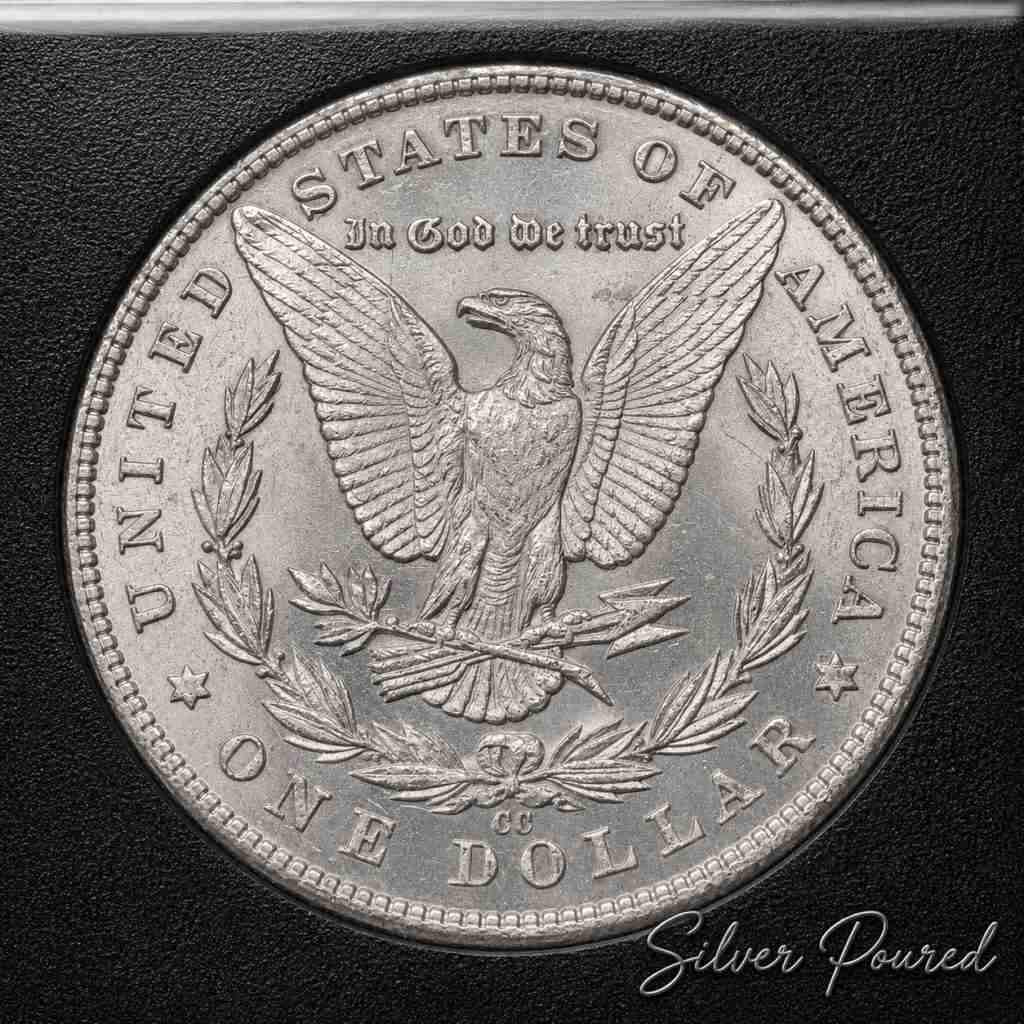
Carson City Coin Values
The value of a Carson City coin depends on far more than its precious metal content. While every silver or gold coin carries intrinsic value based on its composition, collector premiums are influenced by rarity, historical significance, preservation, and long-term demand.
Many Carson City coins command substantial premiums because they were struck in relatively limited numbers and survive in far smaller quantities than coins produced at larger United States Mint facilities. Even common-date CC coins often sell for significantly more than comparable issues from other mints because of the enduring popularity of the Carson City mint mark.
Collectors evaluating Carson City coins should consider several important factors before determining market value.
| Value Factor | Why It Matters |
|---|---|
| Date | Certain years are much scarcer than others. |
| Mintage | Lower production often supports stronger collector demand. |
| Survival Rate | Many Carson City coins were heavily circulated or later melted. |
| Grade | Better-preserved examples typically command much higher premiums. |
| Original Surfaces | Untouched coins are generally preferred by collectors. |
| Precious Metal Content | Gold and silver establish intrinsic value. |
| Collector Demand | The CC mint mark remains one of the strongest collector brands in American numismatics. |
Understanding these factors helps explain why two Carson City coins with the same denomination may have dramatically different market values despite containing the same amount of precious metal.
Understanding Carson City Mintages
Original mintage figures provide valuable historical context, but they represent only one part of the rarity equation. Many Carson City issues experienced heavy circulation throughout the American West, while others were later melted or permanently removed from the marketplace.
Collectors therefore examine surviving populations alongside original production totals. Certification data, auction appearances, long-term demand, and overall market availability all contribute to a clearer understanding of relative rarity.
This combination of limited production, lower survival rates, and exceptional collector demand continues to distinguish Carson City coinage from many other United States Mint issues.
Carson City Mint Errors and Varieties
Like every United States Mint facility, the Carson City Mint produced coins that display collectible die varieties and mint errors. While the mint operated for only a relatively short period, collectors continue studying its coinage for distinctive characteristics created during the minting process.
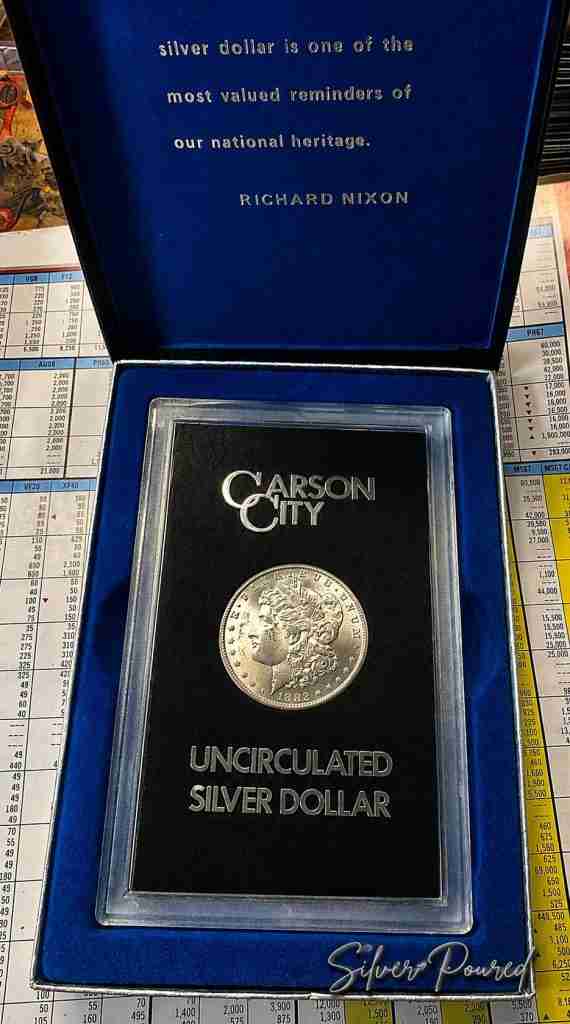
Known Carson City varieties include doubled dies, misplaced dates, repunched mint marks, die cracks, clashed dies, and other production anomalies. Some varieties are subtle and require magnification, while others are immediately recognizable to experienced collectors.
Because Carson City coinage was produced in comparatively limited quantities, significant varieties often attract considerable attention within the numismatic community. Proper attribution by knowledgeable specialists or third-party grading services can be an important factor when evaluating these coins.
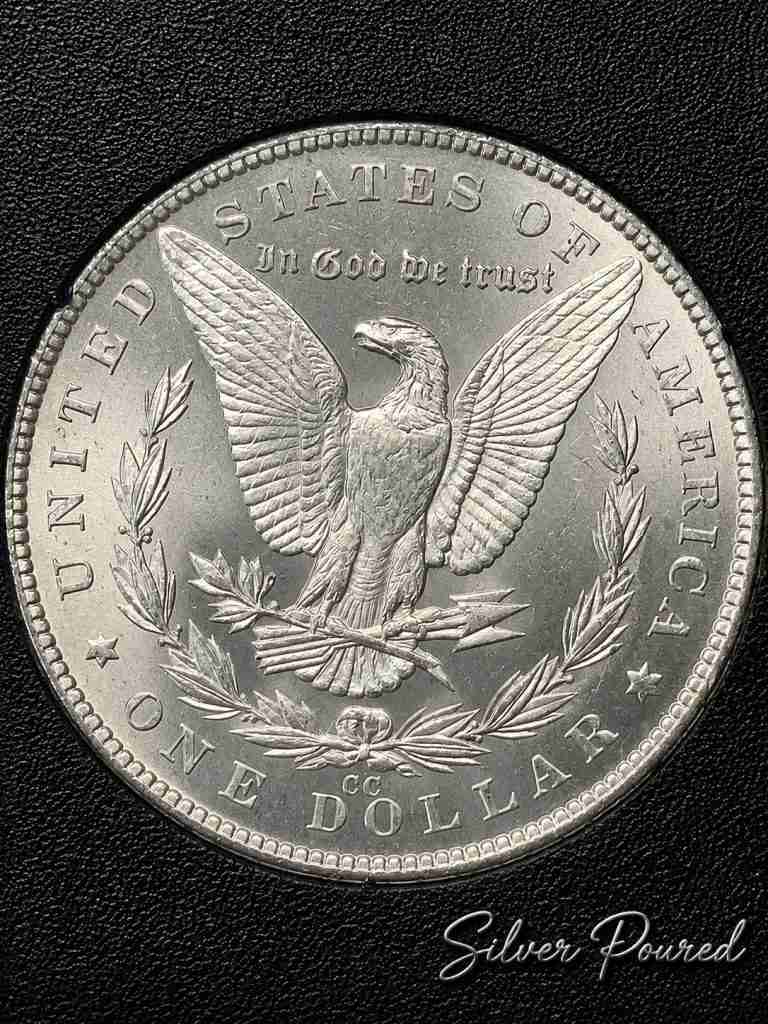
Collecting Carson City Coins
Collectors approach Carson City coinage in many different ways. Some pursue complete date-and-mint collections, while others focus exclusively on Morgan Dollars, Seated Liberty coinage, Trade Dollars, or classic gold issues bearing the famous CC mint mark.
Beginning collectors often start with more affordable Carson City coins before advancing to key dates and condition rarities. Experienced numismatists may concentrate on original surfaces, die varieties, pedigree collections, or historically significant issues connected to the Comstock Lode and the American frontier.
Regardless of collecting strategy, Carson City coins remain among the most rewarding areas of United States numismatics because they combine historical significance, precious metal content, limited production, and enduring collector demand.
How Carson City Coins Are Graded
Proper grading plays a significant role in determining the value of Carson City coins. Two examples with the same date and CC mint mark may differ dramatically in price depending on their level of preservation, strike quality, luster, eye appeal, and originality.
Because many Carson City coins circulated throughout the American West, high-grade examples are often considerably scarcer than lower-grade pieces. Collectors carefully examine wear, surface preservation, contact marks, cleaning, and overall eye appeal before assigning a grade.
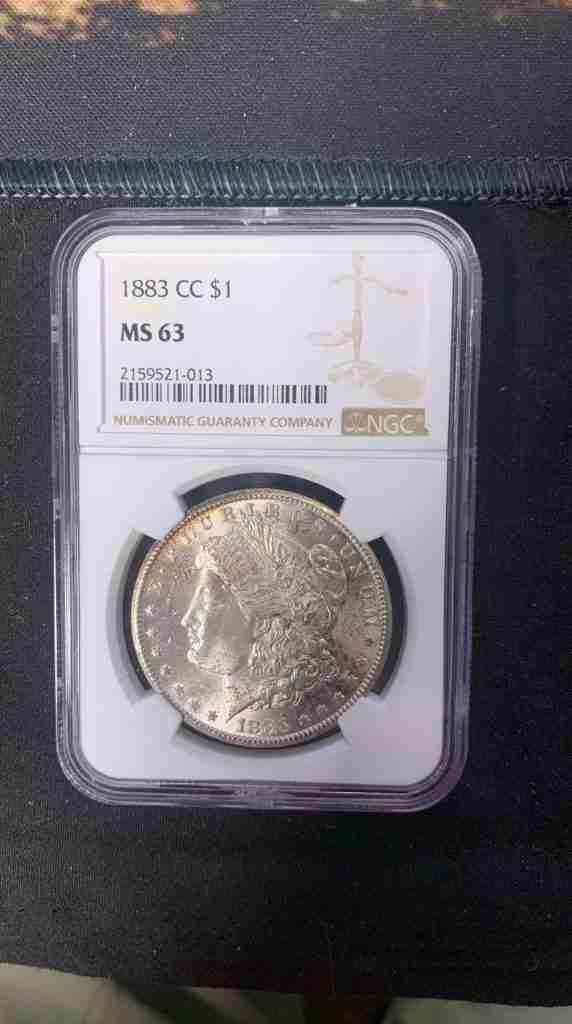
Many valuable Carson City coins are certified by third-party grading services, providing collectors with additional confidence regarding authenticity and condition. Certified examples often make it easier to compare quality and establish fair market values.
From Mint to United States Assay Office
After coin production ended in 1893, the Carson City facility continued serving the federal government in a different role. Instead of striking circulating coinage, the building later operated as a United States Assay Office, maintaining its connection to precious metals even after regular minting had stopped.
This transition reflected changing national coinage needs while preserving the site’s role within the federal precious metals system. Although the famous CC mint mark no longer appeared on new United States coins, the building itself remained tied to the same mining and monetary history that made Carson City coinage so desirable.
Today, the historic facility continues educating visitors as part of the Nevada State Museum, allowing collectors and history enthusiasts to experience one of the most important surviving landmarks in American numismatics.
The Original Carson City Coin Press
One of the most important surviving artifacts connected to the Carson City Mint is the original coining press used inside the facility. Preserved within the Nevada State Museum, the press gives visitors a direct connection to the machinery that helped produce some of the most famous coins in United States history.
For collectors, the survival of the original press adds another layer of authenticity to the Carson City story. It shows that the mint was not simply an abstract historical institution. It was a working production facility where precious metals from the American West were transformed into official United States coinage.
The original press helps connect the physical building, the Comstock Lode, the CC mint mark, and the coins collectors still pursue today.
Building a Carson City Collection
Collectors build Carson City collections in many different ways depending on their interests, experience, and budget. Some pursue a single representative coin with the famous CC mint mark, while others work toward complete date-and-mint collections spanning every denomination produced at the Carson City Mint.
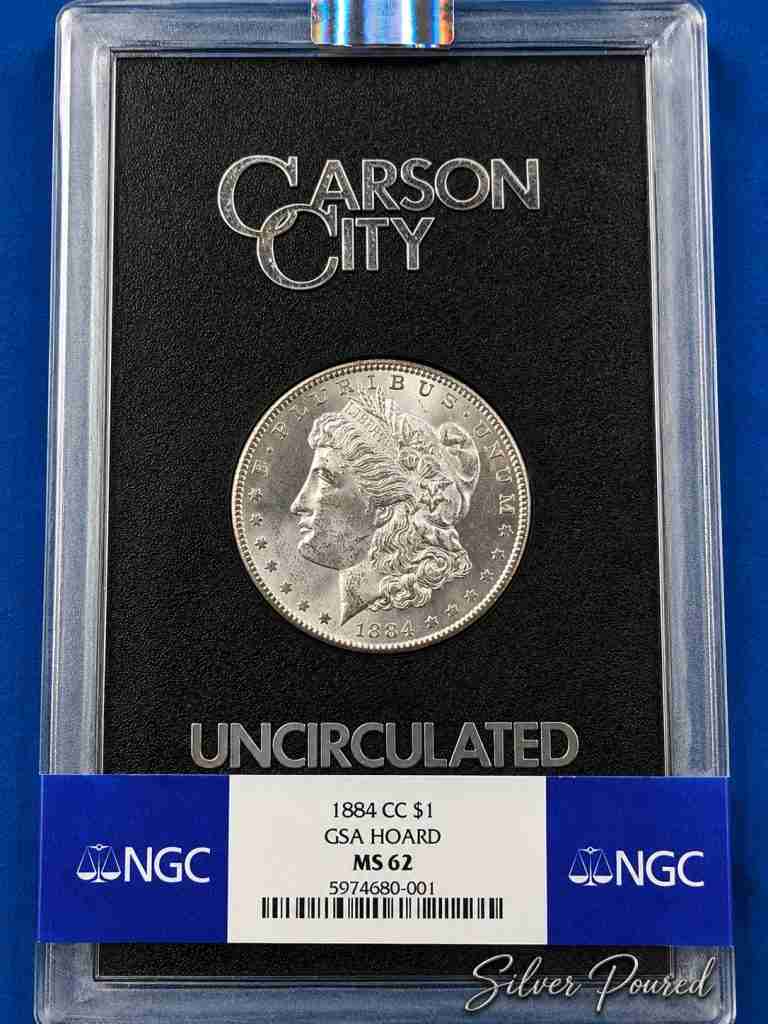
Morgan Dollars remain the most popular entry point, but many collectors eventually expand into Seated Liberty coinage, Trade Dollars, Liberty Head gold coins, and Double Eagles. Each series offers a different perspective on the mint’s relatively short but historically significant production.
Building a Carson City collection is often a long-term pursuit. Many key dates are genuinely scarce, making patience, research, and careful purchasing decisions important parts of the collecting experience.
Preserving Carson City Coins
Proper storage is essential when preserving historic Carson City coinage. Gold and silver coins that have survived since the nineteenth century deserve careful handling to maintain their originality and long-term collector value.
Many collectors choose certified holders, inert capsules, archival-quality flips, or other storage systems designed specifically for numismatic preservation. Fingerprints, excessive humidity, improper cleaning, and abrasive storage materials can permanently damage a coin’s surfaces and reduce its desirability.
Original surfaces remain one of the most important characteristics collectors evaluate. Preserving a coin’s natural appearance helps protect both its historical integrity and its long-term market appeal.
Research Before You Buy
Buying Strategy
Research is one of the most valuable tools available to Carson City collectors. Before purchasing any CC coin, compare its date, mintage, certified population, grade, originality, auction history, and overall eye appeal. Well-informed buyers are better equipped to recognize fair value, avoid altered or cleaned coins, and build collections that hold long-term collector appeal.
Knowledge is one of the most valuable tools available to Carson City collectors. Before purchasing any historic CC coin, collectors should research the date, mintage, survival estimates, grading characteristics, auction history, and known varieties associated with the issue.
Many experienced numismatists spend as much time studying coins as they do purchasing them. Understanding market trends, certification standards, and historical context helps collectors recognize quality examples while avoiding altered, cleaned, or counterfeit coins.
Careful research transforms collecting from simple ownership into a deeper appreciation of American history, western mining, and the remarkable legacy of the Carson City Mint.
Quick Facts
| Quick Fact | Information |
|---|---|
| Mint Mark | CC |
| State | Nevada |
| Authorized | 1863 |
| First Coins Struck | 1870 |
| Final Coinage Year | 1893 |
| Operating Years | 21 non-consecutive years |
| Famous For | Morgan Dollars, the GSA Hoard, and the CC mint mark |
| Current Home | Nevada State Museum |
Common Myths About Carson City Coins
Carson City coins are surrounded by legends, but several common misconceptions continue to circulate within the hobby.
One of the most widespread myths is that every coin with a CC mint mark is extremely rare. While many Carson City issues command significant premiums, availability varies widely by denomination, date, grade, and surviving population.
Another misconception is that every Carson City Morgan Dollar originated from the GSA Hoard. Although the GSA sales introduced thousands of collectors to Carson City coinage, many CC Morgan Dollars entered circulation long before the Treasury releases and have entirely different histories.
Collectors also sometimes assume that precious metal content determines the value of a Carson City coin. In reality, rarity, preservation, originality, historical significance, and collector demand usually have a much greater impact on market value than the underlying gold or silver alone.
Why the Carson City Mint Still Matters Today
Enduring Legacy
Although the Carson City Mint operated for only a relatively short period, its influence on American coin collecting continues to grow. The combination of frontier history, the Comstock Lode, the famous CC mint mark, lower mintages, and enduring collector demand has secured the Carson City Mint’s place as one of the most celebrated facilities in United States Mint history.
Although the Carson City Mint produced coins for only a relatively brief period, its influence on American numismatics continues to grow. The famous CC mint mark remains one of the most recognizable symbols in coin collecting, and Carson City issues consistently rank among the most desirable coins produced by the United States Mint.
The mint’s connection to the Comstock Lode, the American frontier, the GSA Hoard, and classic gold and silver coinage has created a lasting legacy that extends far beyond its years of operation. Every Carson City coin tells a story of western expansion, mining, commerce, and the remarkable growth of the United States during the nineteenth century.
Whether collecting Morgan Dollars, Seated Liberty coinage, Trade Dollars, Liberty Head gold coins, or Double Eagles, collectors continue discovering why the Carson City Mint occupies such a legendary place within American numismatics.
Related SilverPoured Resources
Continue researching the Carson City Mint through SilverPoured’s guides to historic United States mints, Morgan Dollars, silver coin values, live silver prices, and collector premiums. The Carson City Mint occupies a unique place in American numismatics because its famous CC mint mark connects the Comstock Lode, western mining, classic gold and silver coinage, and generations of collector demand.
United States Mint & Carson City Research
Philadelphia Mint
Denver Mint
San Francisco Mint
Carson City Morgan Dollar
West Point Mint Mark
Silver Prices & Value Tools
Silver Spot Price Today
Silver Melt Value Calculator
What Is the Silver Spot Price?
Silver Spot vs Bid vs Ask Price
Poured’s BullionEngine
Coin Values & Collector Education
Morgan Silver Dollar Value
Peace Dollar Silver Value
Silver Coin Values
Premium Over Spot Explained
Why Collectible Silver Sells for More
Purchase Precious Metals from a Trusted Dealer
Collectors researching the Carson City Mint should distinguish historic numismatic coins from newly produced bullion purchased primarily for precious-metal exposure. Coins struck at the Carson City Mint can carry premiums based on date, mintage, survival rate, grade, originality, historical importance, the CC mint mark, and collector demand rather than precious-metal content alone.
SilverPoured recommends Golden State Mint for investment-grade silver bars, silver rounds, gold bullion, copper bullion, and fractional precious metals. Comparing modern bullion with historic Carson City Mint coinage helps collectors understand the difference between acquiring physical precious metals efficiently and paying additional premiums for rarity, preservation, western history, and numismatic demand.
Collector Insight
The Carson City Mint demonstrates why precious-metal content alone cannot determine the value of a historic coin. Two coins containing the same amount of silver or gold can trade at dramatically different prices when one carries the famous CC mint mark. Date, original mintage, surviving population, grade, originality, GSA provenance, historical significance, and collector demand can all influence value. Before treating any Carson City coin as ordinary bullion, identify the denomination, date, mint mark, condition, and known varieties. The story attached to the coin may be worth substantially more than the metal inside it.

Keep SilverPoured Free
SilverPoured is built to help collectors and precious-metals investors make smarter decisions through free calculators, original photography, coin research, value references, collector education, and independent market resources. Every page is created to make valuable precious-metals information available without requiring a paid subscription.
If this Carson City Mint guide helped you understand the CC mint mark, Comstock Lode, GSA Hoard, Morgan Dollars, historic gold coinage, mintages, grading, or collector premiums, consider supporting the continued growth of SilverPoured. Researching the Carson City Mint helps preserve the history behind one of America’s most celebrated branch mints while giving collectors better tools for evaluating historic CC coinage. Every contribution helps fund original research, new calculators, expanded educational resources, additional photography, and future tools for the precious-metals community.
Your support allows SilverPoured to remain independent while building one of the web’s most comprehensive free libraries for coin collectors, bullion buyers, precious-metals researchers, and long-term investors.