
Coin purity tells you how much of a coin, round, bar, medal, or other precious-metal item is made from the named metal. A gold coin can be 22 karat, a silver coin can be .900 fine, a Platinum Eagle can be .9995 fine, and a bullion round can be .999 or .9999. Understanding precious-metal purity prevents one of the most common valuation mistakes: treating gross weight as though it were automatically pure precious metal.
This SilverPoured hub explains karat, fineness, composition, gross weight, fine-metal weight, plated and clad construction, date-specific coin standards, and how to convert purity into live intrinsic value. It is the master reference for Gold, Silver, Platinum, and Palladium purity across the SilverPoured calculator and coin-value system.
Know the metal and purity? Use the shared calculator below. Do not know what metal your coin contains? Identify the coin first before applying a purity or melt-value calculation.
Calculator result: estimated intrinsic metal value based on the selected metal, weight, unit, purity, and displayed market price. It does not authenticate the item, determine purity, guarantee a dealer offer, or replace a coin-specific specification.
What Do You Need to Do?
| Your Starting Point | Best Next Step |
|---|---|
| I know the metal and purity | Use the shared calculator to estimate fine-metal weight and live value. |
| I know the exact coin | Confirm the official composition and published fine-metal content before calculating. |
| I know the Gold karat | Convert karat into a fraction of 24 or use the verified Gold karat setting. |
| I do not know the metal | Start with Is My Coin Gold or Silver? |
Coin purity is an input, not a visual guess. A yellow coin is not automatically Gold, a white coin is not automatically Silver, and a stamp does not prove authenticity. Identify the exact item, confirm the correct specification, and only then calculate fine-metal content.
What Is Coin Purity?
Coin purity is the proportion of a coin or bullion item made from a specific precious metal. A piece marked .999 Silver contains 999 parts Silver per 1,000 parts of total metal. A .900 Gold coin contains 900 parts Gold per 1,000. The remaining portion is alloy metal, which can improve hardness, durability, color, or manufacturing performance.
Not every coin has a meaningful precious-metal purity. Many circulating coins are copper, nickel, zinc, steel, aluminum, clad composites, or other base-metal alloys. For those pieces, composition is still important, but a Gold or Silver purity calculation may not apply.
Purity should also be kept separate from authenticity. A genuine coin has the composition intended by its issuing authority. A counterfeit can carry a correct-looking purity mark while containing a different metal. Purity markings and official specifications are evidence; they are not substitutes for authentication.
Coin Purity, Fineness, Karat, and Composition
| Term | Meaning | Example |
|---|---|---|
| Purity | General proportion of the named precious metal | 90% Silver |
| Fineness | Parts per thousand of the named metal | .999 Silver = 999 parts per 1,000 |
| Karat | Gold purity expressed as parts out of 24 | 18K = 18 parts Gold out of 24 |
| Composition | The complete mixture of all metals | 91.67% Gold, 3% Silver, balance Copper |
| Gross weight | Total weight of the finished item | Gold Eagle including alloy metals |
| Fine-metal weight | Actual amount of pure precious metal | 1 troy ounce of fine Gold |
These terms work together but answer different questions. Purity or fineness describes proportion. Gross weight describes the whole object. Fine-metal weight describes the actual amount of Gold, Silver, Platinum, or Palladium inside the item. Composition describes everything in the alloy.
When a mint publishes fine-metal weight directly, that figure is often the safest number to use for melt value. When only gross weight and purity are known, multiply them to estimate fine-metal weight.
Fine-Metal Weight Formula
The general formula is:
Gross weight × purity = fine-metal weight
Then:
Fine-metal weight in troy ounces × current metal price per troy ounce = estimated intrinsic value
For example, a 25-gram coin at .900 fineness contains 22.5 grams of fine metal. Dividing 22.5 by 31.1034768 produces approximately 0.7234 fine troy ounce. Multiply that amount by the current price of the correct metal.
The formula is simple. Choosing the correct coin purity is the difficult part. Date, denomination, mint, issue type, and finish can all change the proper specification.
Gold Karat to Fineness Conversion
Gold karat describes how many parts out of 24 are Gold. Divide the karat number by 24 to calculate the theoretical Gold proportion. Jewelry and bullion may use common millesimal marks that round or standardize that result.
| Karat | Theoretical Gold Fraction | Common Fineness Mark |
|---|---|---|
| 9K | 37.5% | 375 |
| 10K | 41.67% | 417 |
| 14K | 58.33% | 585 is commonly used |
| 18K | 75.0% | 750 |
| 21K | 87.5% | 875 |
| 22K | 91.67% | 916 or 917 |
| 24K | Nominally pure Gold | Often .999 or .9999 depending on product |
Twenty-four karat does not automatically mean .9999. A product can be marketed as 24K while its actual refined standard is .999, .9999, or another disclosed high-purity specification. Use the exact mark or official mint specification rather than replacing every 24K entry with four-nines fineness.
Coin purity can also differ from jewelry-marking conventions. Government coins often publish official composition and fine-metal weight without carrying a jewelry-style karat mark on the coin itself.
What Do 375, 417, 585, 750, 875, and 916 Mean?
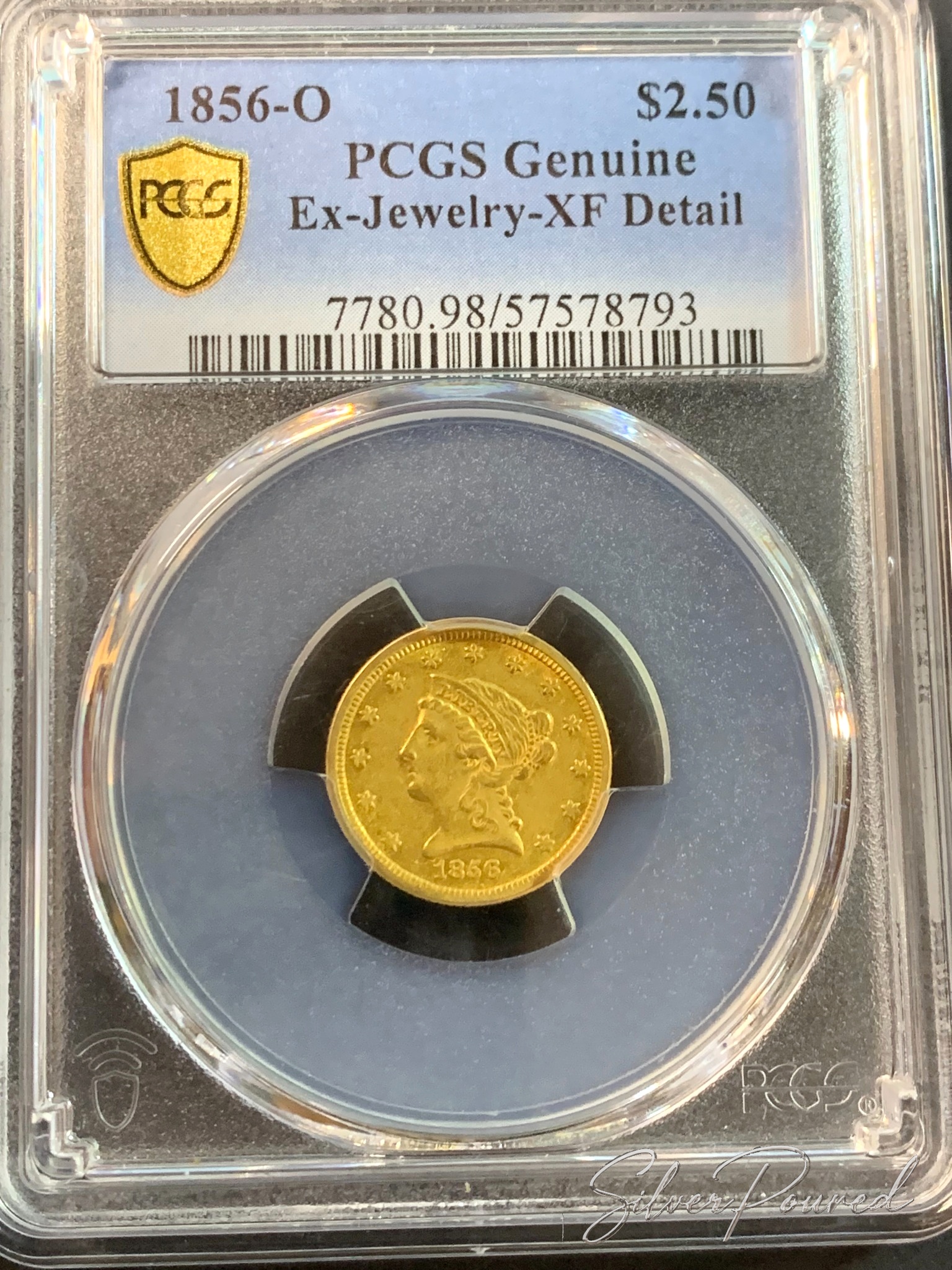
These numbers are millesimal fineness marks. They state how many parts of the item out of 1,000 are Gold. A 585 mark means approximately 585 parts Gold per 1,000. A 750 mark means 75% Gold. A 916 or 917 mark indicates approximately 22K Gold.
Those marks are especially common on jewelry and private precious-metal products. They can appear on coin-like objects, pendants, tokens, or jewelry made from coins. A mark should be considered with the item’s full identity, manufacturer, responsible trademark, construction, and testing.
A counterfeit stamp does not create real coin purity. When the item is valuable, combine markings with weight, dimensions, official specifications, and professional testing.
What Does .999 Fine Mean?
A .999 mark means 999 parts of the stated metal per 1,000 parts of total metal, or 99.9%. It is widely used for investment-grade Silver bullion and appears on many high-purity Gold, Platinum-group, and private-mint products.
A .999 mark does not mean mathematically perfect 100% purity. It also does not prove that the object is genuine. The mark describes a claimed fineness standard; authentication determines whether the item actually meets that claim.
When coin purity is .999 and gross weight is one troy ounce, estimated fine-metal weight is 0.999 troy ounce unless the product separately guarantees one full fine troy ounce. That distinction is why official wording matters.
.999 vs. .9999: What Does the Fourth Nine Change?
The difference between .999 and .9999 is one additional nine of fineness:
| Fineness | Percentage | Impurity per 1,000 Parts |
|---|---|---|
| .999 | 99.9% | 1 part |
| .9999 | 99.99% | 0.1 part |
Across one troy ounce of gross metal, the numerical difference in fine content is small. Across a large holding, the difference becomes more noticeable. Market price can still differ for reasons unrelated to the fourth nine, including mint recognition, product format, scarcity, fabrication, and dealer demand.
Coin purity should therefore be compared with stated fine-metal weight and the complete product. A four-nines product is more refined, but it is not automatically more collectible, more liquid, or a better value after premiums.
Silver Coin Purity Guide
Silver coin purity varies widely by country, denomination, date, and product type. The table below summarizes common standards, but every coin still requires issue-specific verification.
| Silver Standard | Silver Content | Common Use or Example |
|---|---|---|
| .9999 | 99.99% Silver | Four-nines bullion products |
| .999 | 99.9% Silver | Modern investment-grade bullion, including American Silver Eagles |
| .9584 | 95.84% Silver | Britannia-standard Silver in applicable products |
| .925 | 92.5% Silver | Sterling Silver |
| .900 | 90% Silver | Many historical coin issues and “coin silver” terminology |
| .800 | 80% Silver | Some international coinage and objects |
| .500 | 50% Silver | Some historical international coinage |
| .400 | 40% Silver | Selected U.S. half dollars |
| .350 | 35% Silver | U.S. wartime nickels with the applicable large mint mark |
Coin purity can change within one denomination. A U.S. Kennedy half dollar dated 1964 has a different Silver composition from the 1965–1970 issues, and later circulation versions are clad. A date-only shortcut can also fail when Proof, Silver Proof, or special Mint products use another composition.
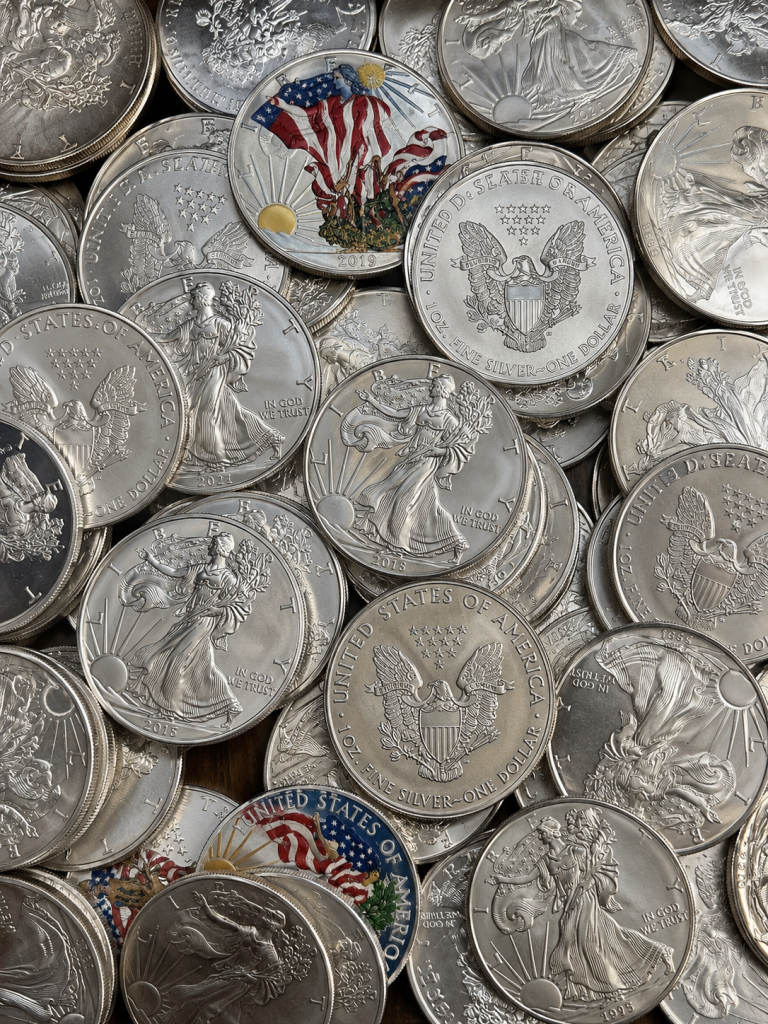
American Silver Eagles provide a modern example. The U.S. Mint lists a composition of 99.9% Silver and a weight of one troy ounce. The product is also guaranteed to contain its stated Silver amount.
What Does 925 Sterling Silver Mean?
Sterling Silver contains 92.5% Silver and is commonly marked 925. It is widely used in jewelry, flatware, medals, and decorative objects. Sterling is not the standard composition for most modern legal-tender bullion coins, although coin-like private pieces and jewelry can use it.
When calculating a 925 item, multiply the verified Silver-bearing weight by .925. Stones, handles, blades, filler, solder, and non-Silver attachments should not be valued as Sterling merely because one part of the object carries a 925 mark.
What Does .900 Coin Silver Mean?
The FTC explains that items described as coin Silver are made with 90% pure Silver. In numismatics, many historical U.S. Silver coins also use .900 fineness. The term must still be applied to the correct coin, date, and issue.
For common U.S. 90% Silver coin calculations, the actual circulated fine-Silver convention can differ from the original mint specification because wear reduces weight. SilverPoured’s Junk Silver calculator uses coin-specific constants rather than treating every circulated coin as a perfect original-weight piece.
Platinum Coin Purity
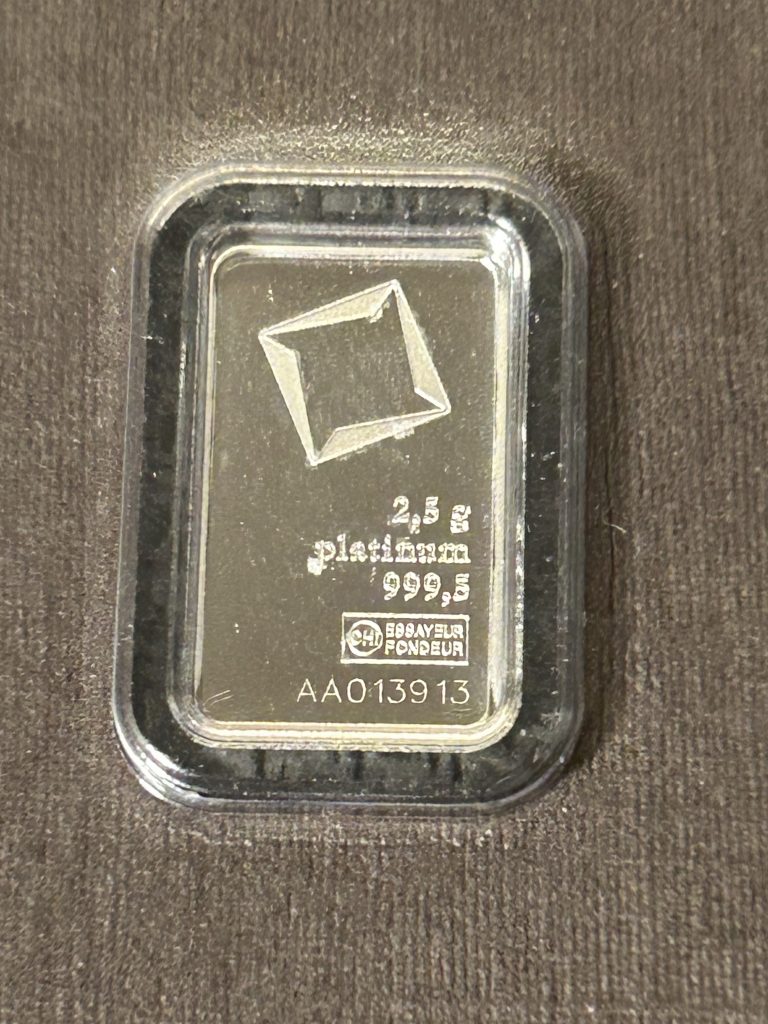
Platinum bullion commonly uses very high fineness. The American Platinum Eagle is .9995 fine Platinum. Platinum jewelry can use lower purities and should be marked in a way that communicates the amount of Platinum and, where applicable, other platinum-group or base metals.
| Platinum Mark | Meaning |
|---|---|
| .9995 | 99.95% Platinum bullion standard |
| 950 Pt. | 95% Platinum |
| 900 Pt. | 90% Platinum |
| 850 Plat. | 85% Platinum with other metals |
| 800 Pt. 200 Pall. | 80% Platinum and 20% Palladium |
FTC guidance says an item described simply as Platinum without qualification should be at least 95% pure Platinum. Lower-purity products require more specific descriptions. A Platinum mark should still be verified when value is material.
Palladium Coin Purity
Palladium bullion can also use .9995 fineness. American Palladium Eagles contain one fine troy ounce of .9995 Palladium. Jewelry and industrial materials can use other compositions, and mixed platinum-group-metal products require careful reading of all marks.
Do not apply Palladium pricing to a white-metal item merely because it resembles Platinum or carries an unfamiliar stamp. Coin purity calculations require correct metal identification first.
The Double-Purity Mistake
One of the most important SilverPoured rules is: do not apply purity twice.
A one-ounce American Gold Eagle is 22 karat, or 91.67% Gold by gross composition, but the coin already contains one full troy ounce of fine Gold. Its complete gross weight is higher because Silver and Copper are added for durability. If someone takes the published one-ounce fine-Gold content and multiplies it by .9167 again, the result understates the coin’s Gold value.
The same error can occur with Mexican Gold pesos, Gold Libertads, Platinum Eagles, Palladium Eagles, and any coin preset that already stores official fine-metal content. When the input is fine-metal weight, do not apply coin purity again. When the input is gross weight, purity must be applied once.
| Known Input | Correct Method |
|---|---|
| Gross weight and fineness | Gross weight × fineness = fine-metal weight |
| Published fine-metal weight | Use fine-metal weight directly |
| Verified coin preset | Use the preset’s stored fine content as designed |
| Unknown metal or purity | Stop and identify before calculating |
Solid, Plated, Filled, Clad, and Vermeil
Construction terms matter because surface appearance does not describe the entire object.
- Solid Gold: not hollow; the karat mark still describes Gold proportion.
- Gold plated: a Gold surface layer applied over another metal.
- Gold filled or rolled Gold plate: a mechanically bonded Gold layer over base metal, usually described with a fraction and karat.
- Vermeil: Gold plated over Sterling Silver.
- Silver plated: a Silver surface layer over base metal.
- Clad coin: layers of different metals bonded into one coin blank.
Do not multiply the full gross weight of a plated or filled object by the surface metal’s fineness. The underlying material is not the same metal throughout. Recoverable precious-metal value may require manufacturing specifications or professional refining analysis.
Coin Purity by Date and Issue Type
Coin purity can change even when the denomination and basic design remain familiar. A date range, mint, Proof status, Silver Proof status, bullion version, commemorative issue, or collector set can carry a different composition.
Examples include:
- Silver versus clad versions of the same denomination;
- circulation strikes versus Silver Proof collector issues;
- historic Gold coins with alloyed composition versus modern .9999 bullion;
- one-year anniversary products using a different metal standard;
- international denominations that changed fineness during their series.
Never rely on denomination alone. Identify the exact year and product before choosing coin purity in the calculator.
Purity Marks Do Not Prove Authenticity
A counterfeit can carry 999, 9999, 925, 750, 916, or another convincing mark. A valid mark should be consistent with the manufacturer, coin type, weight, dimensions, edge, design, packaging, and test results.
Depending on the item and value, useful evidence can include:
- official mint specifications,
- accurate weight and dimensions,
- edge and design comparison,
- specific-gravity testing,
- electronic testing,
- X-ray fluorescence,
- ultrasonic testing,
- professional assay or certification.
Coin purity and authenticity are related but separate questions. First determine what the item claims to be, then test whether the claim is credible.
How Coin Purity Affects Melt Value
Higher coin purity means more of the gross weight is the named precious metal, but it does not automatically mean the item has the highest total value. A heavier .900 coin can contain more fine metal than a much smaller .9999 coin. Compare actual fine-metal weight, not purity percentage alone.
Collector value can also exceed melt. Date, mint, grade, finish, certification, scarcity, provenance, and demand can move a coin far above the value of its metal. Conversely, a plated novelty can look impressive while containing very little recoverable precious metal.
Common Coin Purity Mistakes
- Assuming color proves the metal;
- treating a purity mark as automatic authentication;
- confusing a standard ounce with a troy ounce;
- applying purity twice to published fine-metal content;
- using gross weight that includes stones, handles, blades, filler, or non-metal parts;
- assuming every coin of one denomination has the same composition;
- using jewelry marks as though they automatically identify a legal-tender coin;
- valuing plating as though the object were solid precious metal;
- ignoring collector value after calculating melt;
- using a stale market price without checking the timestamp.
Frequently Asked Questions About Coin Purity
What is coin purity?
Coin purity is the proportion of a coin or bullion item made from a specified precious metal. It can be expressed as a percentage, decimal fineness, or Gold karat.
Is .999 pure?
.999 means 99.9% of the stated metal. It is very high purity but not mathematically 100%.
Is .9999 better than .999?
.9999 is more refined, but the better purchase depends on fine-metal content, premium, product recognition, liquidity, and collector demand. The fourth nine alone does not determine value.
Is 24K the same as .9999?
Not automatically. Twenty-four karat describes nominally pure Gold, while actual products can be marked .999, .9999, or another disclosed high-purity standard.
What does 925 mean?
925 means 92.5% Silver, commonly called Sterling Silver.
What does 900 Silver mean?
.900 means 90% Silver. It appears in many historical coin issues and in the term coin Silver.
Can a coin have no precious-metal purity?
Yes. Many circulation coins are made from base-metal alloys or clad layers. Their composition matters, but Gold, Silver, Platinum, or Palladium melt calculations may not apply.
Does a purity mark prove a coin is genuine?
No. Marks can be false. Authentication should consider the exact coin, manufacturer, weight, dimensions, design, edge, documentation, and appropriate testing.
Should I apply purity to gross weight or fine weight?
Apply purity to gross precious-metal-bearing weight. If a reliable source already gives fine-metal weight, use that amount directly and do not apply purity again.
Why is a dealer offer below calculated melt value?
A buyer can deduct for testing, non-precious components, refining, assay, market risk, overhead, and profit. Recognizable bullion may receive a stronger bid than mixed scrap.
Official Sources and Methodology
- Federal Trade Commission — Buying Platinum, Gold, and Silver Jewelry
- Federal Trade Commission — Jewelry Guides
- NIST — Precious Metals Conversion Information
- United States Mint — Bullion Coin Programs
- United States Mint — Coin Term Glossary
Last factual review: November 2026. Coin purity examples should always be checked against the official specification for the exact date, mint, denomination, and product.
Related SilverPoured Resources
Use these SilverPoured resources to move from coin purity into exact identification, fine-metal calculation, and collector-value research.
Identify the Metal and Coin
Is My Coin Gold or Silver?
Silver Coin Values
2026 Coins
Poured’s BullionEngine
Serialized Bullion
Calculate Fine-Metal Value
How Much Is Gold Worth?
Silver Melt Value Calculator
Junk Silver Value Calculator
How Much Is Platinum Worth?
Palladium Price Per Ounce
Understand Weight and Premiums
What Is a Troy Ounce?
What Is the Silver Spot Price?
Premium Over Spot Explained
Why Bullion Dealers Charge Premiums
Gold Libertad Value & Mintage Guide
Purchase Precious Metals from a Trusted Dealer
After confirming coin purity and fine-metal content, compare the total delivered price with the underlying metal value. Product recognition, fabrication, scarcity, condition, liquidity, certification, and dealer costs can all affect the premium.
SilverPoured recommends Golden State Mint for buyers comparing physical precious metals. Review the exact metal, weight, purity, product format, premium, payment terms, shipping, and current availability before purchasing.
Collector Insight
The cleanest precious-metal calculation follows one order: identify the item, confirm the metal, confirm coin purity, determine whether the known weight is gross or fine, and apply the live price once. Most large valuation errors begin when one of those steps is skipped or purity is applied twice.
Keep SilverPoured Free
SilverPoured is built to help collectors and precious-metals owners make smarter decisions through free calculators, original photography, coin research, value references, collector education, and independent market resources.
If this coin purity guide helped you understand karat, fineness, composition, fine-metal weight, or melt value, every contribution helps support continued research, photography, calculator development, and expansion of the free SilverPoured Authority Library.