
Libertad value begins with silver, but the market for Mexico’s flagship bullion coin is shaped by far more than metal content alone. Silver Libertads combine .999 fine silver with relatively unpredictable production levels, multiple sizes and finishes, historic national imagery, grading competition, and a collector base that often treats scarce issues more like modern numismatic coins than ordinary bullion.
That is why two Libertads containing the same amount of silver can trade at dramatically different prices. Date, mintage, size, finish, condition, certification, eye appeal, market availability, and collector demand can all influence Libertad value above the intrinsic value of the silver.
This guide separates those factors so collectors can evaluate a Libertad as the exact coin it is rather than assuming every ounce of government-issued silver should trade alike. Whether you are buying, selling, grading, or building a date-and-size collection, the goal is to understand where the premium comes from and whether the market supports it.
What Is a Libertad Worth Today?
A Silver Libertad is generally worth at least the market value of its fine silver content, but many issues command meaningful premiums above melt. Common bullion dates may trade closer to ordinary sovereign-bullion pricing, while low-mintage dates, scarce fractional sizes, proofs, reverse proofs, antiqued pieces, and high-grade certified coins can sell for substantially more.
The first step in estimating Libertad value is therefore to separate intrinsic value from collector premium. Melt value answers what the silver is worth. Collector value asks what buyers are paying for the specific date, size, finish, condition, and scarcity profile of the coin in front of them.
A high asking price is not proof of market value. Completed sales, dealer bids, auction results, grading populations, and current availability provide stronger evidence. The more of a coin’s price that comes from collectibility rather than silver, the more important comparable market data becomes.
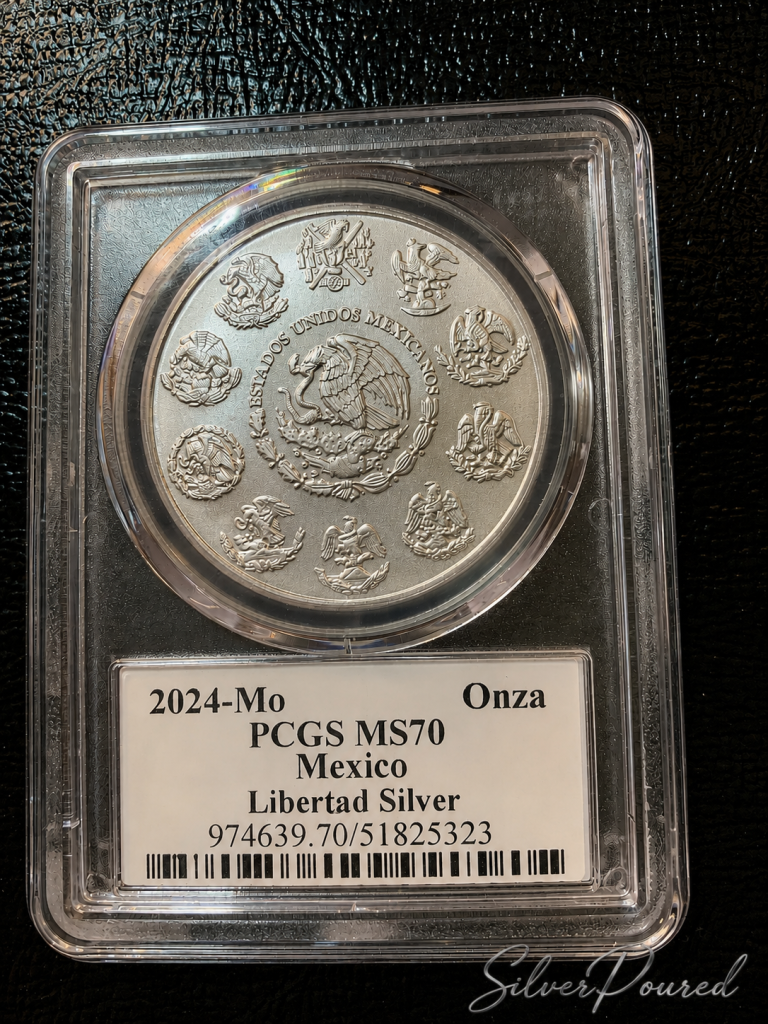
What Is a Silver Libertad?
The Silver Libertad is part of Mexico’s Serie Libertad, issued under Banco de México and struck by the Casa de Moneda de México. The modern silver series entered the market in 1982 after Mexico authorized a one-troy-ounce .999 fine silver piece using national imagery tied to the Centenario tradition.
Unlike most modern sovereign bullion coins, the Libertad does not display a conventional peso face-value denomination. Banco de México describes the silver ounce as a piece whose reference value is tied to the international silver market rather than a printed nominal value. That unusual monetary structure is one of the characteristics that distinguishes the series.
Collectors also recognize the series for its design. One side carries Mexico’s national coat of arms, while the other depicts the Winged Victory of the Angel of Independence with Popocatépetl and Iztaccíhuatl in the background. Those symbols give the coin a national identity that extends beyond its role as a vehicle for physical silver ownership.
History of the Libertad Series
Banco de México records show that the original silver Libertad program began with the one-ounce format. In 1991, fractional silver pieces of one-half, one-quarter, one-tenth, and one-twentieth ounce were added, giving collectors more ways to build size sets and creating several markets where very small production totals can matter disproportionately.
The series was later redesigned. The New Libertad Series changed the perspective of Winged Victory and expanded the silver program with two-ounce and five-ounce pieces. The one-ounce, two-ounce, and five-ounce coins also adopted an obverse treatment showing the current national coat of arms surrounded by earlier eagle designs used throughout Mexican history.
A one-kilogram format added another large-scale collecting category. Proof and other specialty finishes expanded the program further. The result is a series in which Libertad value can behave very differently depending on whether the collector is evaluating a one-ounce bullion coin, a fractional issue, a large-format piece, a proof, or a specialized finish.
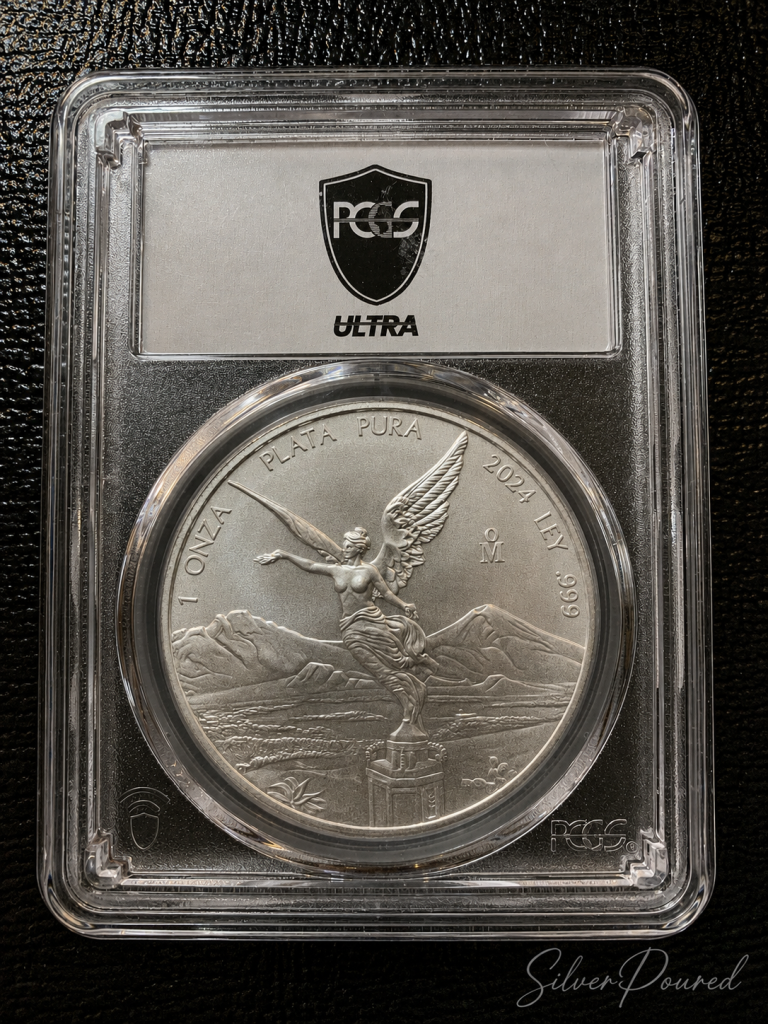
Silver Content, Purity, and Sizes
Silver content establishes the intrinsic foundation for Libertad value. Banco de México lists the silver series at .999 fineness and recognizes multiple sizes ranging from fractional ounces through one kilogram. The standard one-ounce coin contains one troy ounce of fine silver, while larger formats increase the bullion floor proportionally.
| Silver Libertad Size | Fine Silver | Collector Context |
|---|---|---|
| 1/20 oz | .05 troy oz | Small fractional format with specialized collector demand |
| 1/10 oz | .10 troy oz | Fractional issue often collected by date and finish |
| 1/4 oz | .25 troy oz | Fractional format with its own mintage history |
| 1/2 oz | .50 troy oz | Half-ounce format offered in bullion and collector finishes |
| 1 oz | 1 troy oz | Core bullion and date-set format |
| 2 oz | 2 troy oz | Large-format issue with lower annual production than the core one-ounce series in many years |
| 5 oz | 5 troy oz | Large-format collector bullion with strong visual impact |
| 1 kg | Approximately 32.15 troy oz | Oversized collector format with specialized presentation and certification markets |
Fineness and weight should not be confused with rarity. Every five-ounce Libertad has far more intrinsic silver value than a one-ounce coin, but a scarce one-ounce date can still carry a stronger percentage premium. Libertad value depends on both the metal and the market for the exact format.
Think of Libertad value as two layers. The first layer is measurable: the coin’s fine-silver content multiplied by the current silver price. The second layer is collectible: scarcity, finish, condition, certification, eye appeal, and demand. A sound valuation explains both layers instead of treating a premium as automatically justified because the coin is a Libertad.

Why Some Libertads Are Worth More Than Others
Not every Libertad is valued the same way. The strongest Libertad value premiums usually come from a combination of limited supply and sustained demand rather than from a single characteristic. Mintage establishes original production, but survival, market availability, condition, finish, and collector awareness determine how difficult a coin actually is to acquire.
Size matters because each format has its own production history. A low-mintage fractional Libertad cannot be evaluated by looking at the one-ounce mintage for the same year. Proofs and specialty finishes also need their own comparison groups. A coin can look almost identical to another issue while belonging to a much smaller production run.
Condition introduces another layer. Spotting, scratches, fingerprints, haze, contact marks, unattractive toning, or cleaning can reduce collector demand. Conversely, an unusually clean raw coin or a certified piece with strong eye appeal may attract buyers willing to pay above the typical market level for that date.
Libertad Mintages and Scarcity
Mintage is one of the most closely watched inputs in Libertad value because annual production can vary significantly. Banco de México’s economic information system tracks Libertad production by metal, size, finish, and period, giving collectors a primary-source starting point rather than forcing them to rely entirely on copied dealer charts.
Low mintage does not automatically mean high value. A small issue can remain relatively affordable if collector demand is weak, while a somewhat larger issue may command a stronger premium if it is heavily pursued and rarely offered. The market becomes especially interesting when a low original production figure combines with a mature collector base and limited secondary-market availability.
This is why Libertad value should be studied by exact date and format. The one-ounce bullion series has its own scarcity hierarchy, fractional coins have another, and two-ounce, five-ounce, kilogram, proof, and specialty issues can each develop independent key dates.
2013 5 oz Silver Libertad: A Large-Format Example
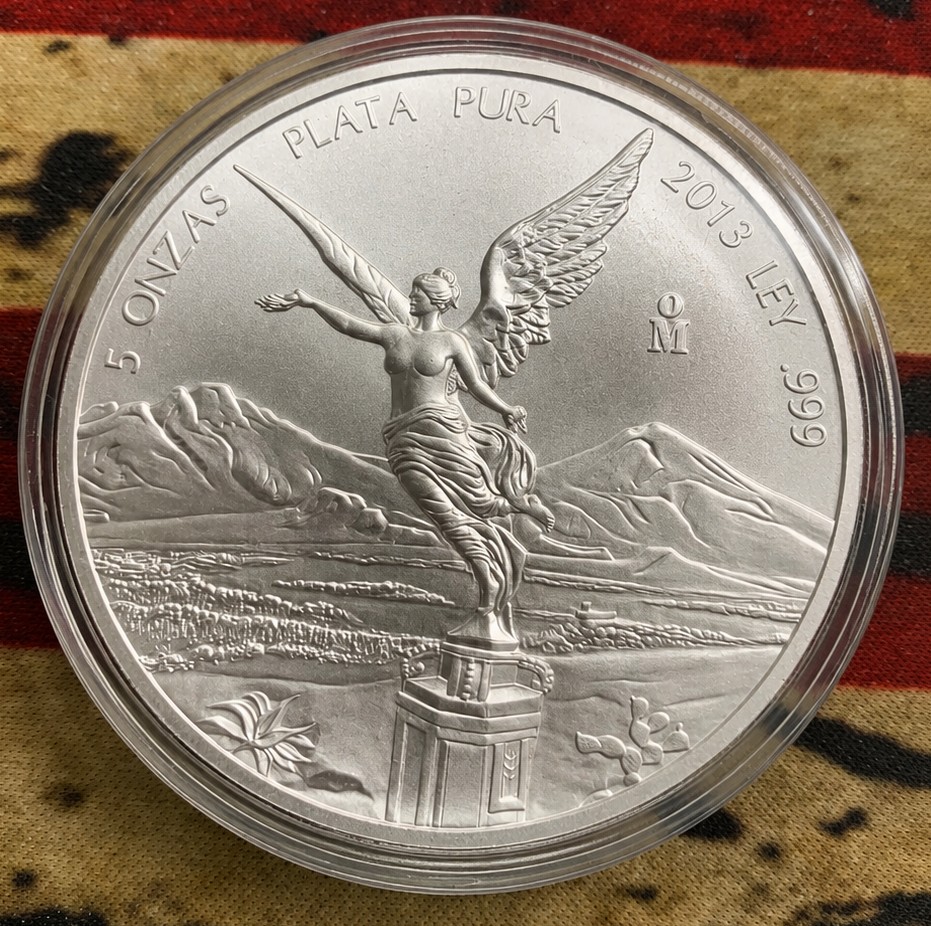
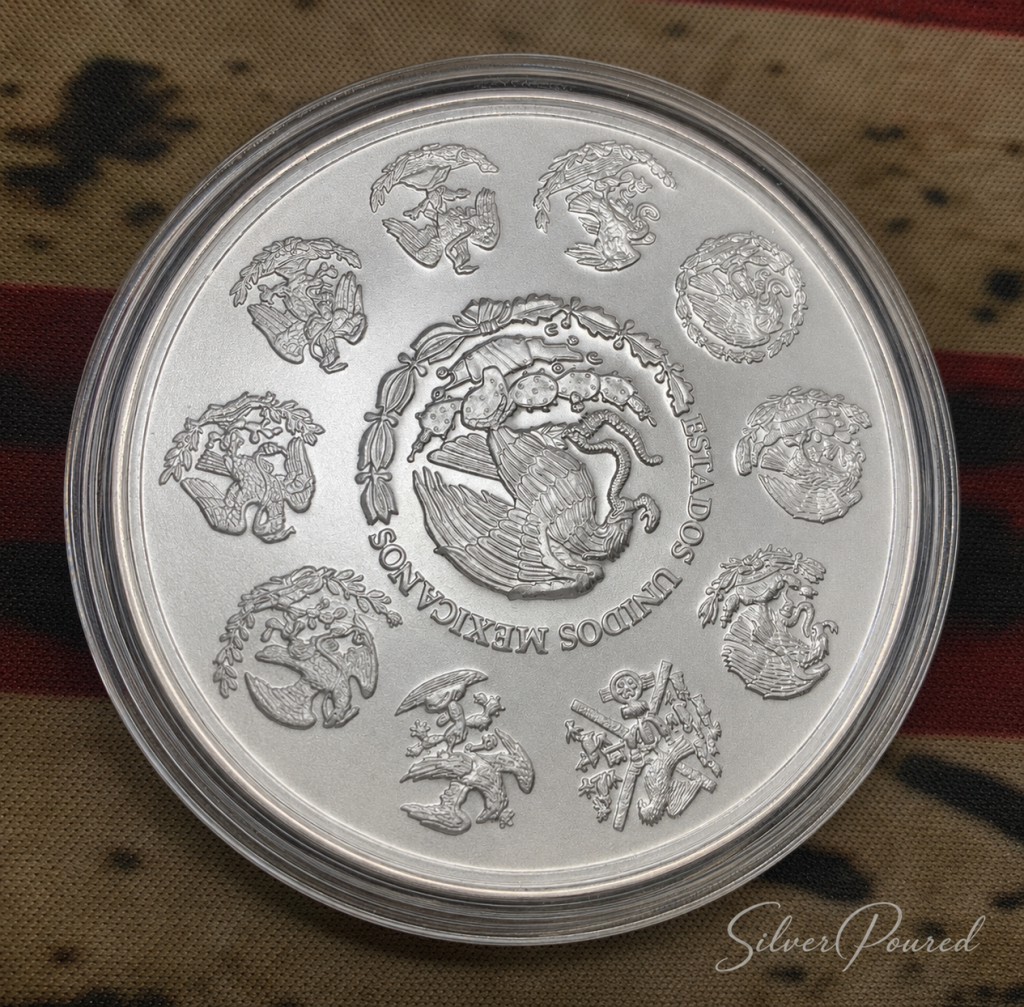
The 2013 five-ounce Silver Libertad is a useful example of how size and production interact. Published mintage references list 10,400 bullion pieces for the year. With five troy ounces of .999 silver, the coin already has a substantial melt-value floor, but its collector market also reflects the relatively small supply of the large-format issue.
That does not mean every 2013 five-ounce coin deserves the same premium. Capsule condition, spotting, surface preservation, toning, certification, and current availability still matter. Large silver coins provide broad fields where marks and handling can be especially noticeable, so eye appeal can materially influence Libertad value.
The larger lesson applies across the series: compare like with like. A five-ounce Libertad should be researched against other examples of the same date, size, finish, and condition rather than against one-ounce bullion coins that happen to carry the same annual design.
A mintage number is most useful when it identifies the exact product. One year can contain fractional bullion coins, one-ounce bullion coins, two-ounce and five-ounce pieces, proofs, and other specialty releases. When researching Libertad value, never transfer the mintage of one size or finish to another simply because the date matches.
Key Date Libertads
Collectors often use “key date” broadly when discussing Libertads, but the term should always be tied to a format. A key one-ounce bullion date may not be the key proof date, and the scarcest fractional coin can come from a completely different year. That makes key-date research more complicated than simply sorting one mintage column from lowest to highest.
Early issues receive attention because they represent the foundation of the series, while later dates can become important when production contracts sharply. Some collectors pursue every bullion date. Others focus on proofs, fractional sizes, large formats, or certified coins. Each collecting path creates its own supply pressure and its own Libertad value hierarchy.
When evaluating a supposed key, verify the exact mintage, check how often examples actually appear, and compare the premium with neighboring dates. A scarce coin should have a scarcity story that can be explained with evidence rather than a seller’s label alone.
Proof Libertads
Proof Libertads are produced for collectors and belong to a different market from standard bullion strikes. Their mirrored fields and frosted design elements create a distinctive presentation, and proof mintages can be much smaller than bullion production for the same year.
That difference can materially affect Libertad value, especially when a proof issue has low production and strong demand from date-set or registry collectors. A proof should therefore be compared with the same proof size and year rather than with the ordinary bullion version.
Packaging and presentation can also matter. Some collector products are sold with capsules, boxes, or certificates. A complete original presentation may appeal more strongly to collectors than a loose coin, although the effect varies by product and buyer.
Reverse Proof and Antiqued Libertads
Reverse proof and antiqued Libertads create additional specialty markets. Reverse proofs invert the conventional proof contrast, while antiqued finishes deliberately emphasize relief and texture through a darkened, aged appearance. Both formats appeal to collectors seeking something visually different from standard bullion.
Specialty finishes can carry substantial premiums when production is limited and demand is strong. That premium is not simply payment for silver. Libertad value in these categories reflects product scarcity, presentation, collector preference, and the availability of comparable examples.
Collectors should identify the finish carefully before comparing prices. A standard bullion coin, proof, reverse proof, and antiqued coin may share the same weight and year while representing four different products with separate production figures and secondary markets.
Fractional Libertads
Fractional silver Libertads are an important part of the series because they combine very small silver weights with production levels that can be modest relative to mainstream bullion products. Banco de México added one-half, one-quarter, one-tenth, and one-twentieth ounce silver Libertads in 1991.
Fractional coins often carry a high premium per ounce even before numismatic scarcity is considered. Manufacturing and distribution costs are spread over less metal, and collector demand can push prices still higher. As a result, Libertad value on a one-twentieth-ounce coin should not be judged by multiplying spot silver by .05 and expecting the market to remain close to that figure.
For collectors, the correct comparison is the same fractional denomination, date, finish, and condition. This is another area where a seemingly tiny coin can be much more difficult to replace than its silver content suggests.
Large-Format Libertads
Two-ounce, five-ounce, and kilogram Libertads appeal to collectors who want greater silver exposure and a larger canvas for the design. They also operate in thinner markets than the standard one-ounce coin because fewer buyers pursue complete large-format sets and annual production can be comparatively limited.
Large-format Libertad value can therefore be affected by both a high intrinsic silver floor and a scarcity premium. Storage, capsules, handling, and surface quality become especially important because larger coins provide more area for scratches, haze, spotting, or fingerprints to become visible.
Graded Libertads and Registry Competition
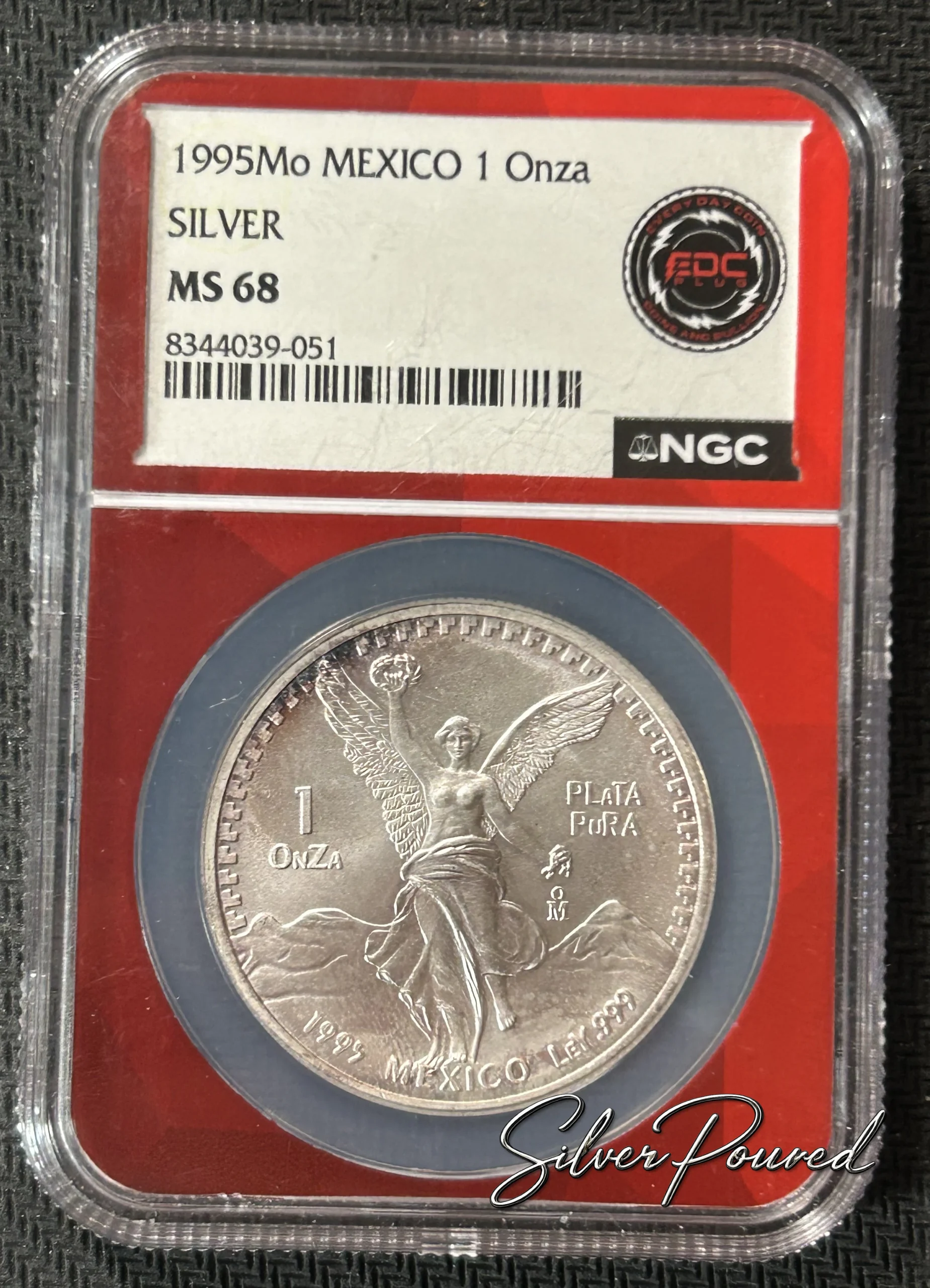
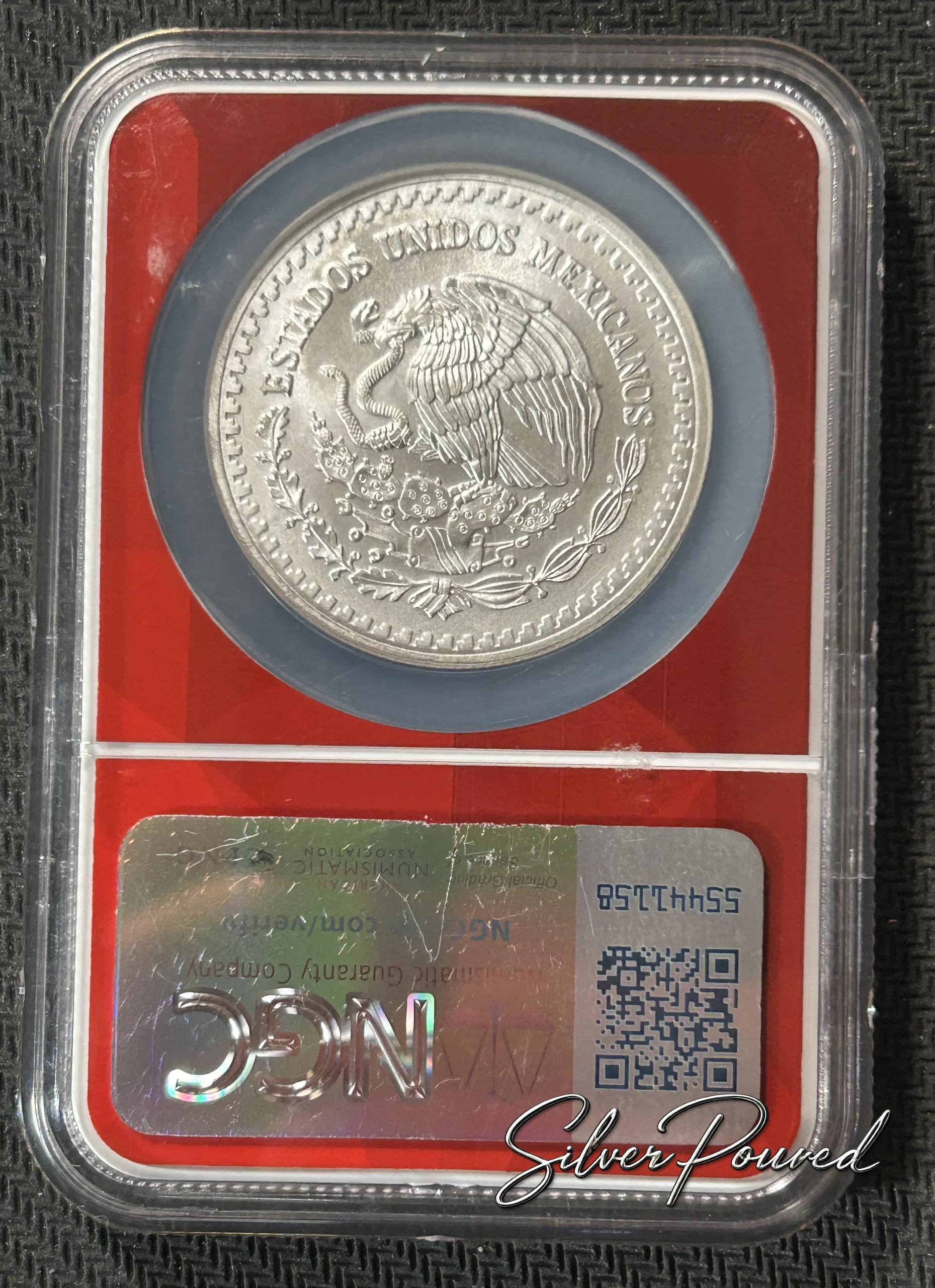
Third-party certification can influence Libertad value by providing an independent opinion of authenticity and condition. NGC and PCGS holders also make it easier for collectors to compare populations and build certified sets across dates, sizes, and finishes.
A numerical grade is not the entire valuation. Two coins with the same grade can differ in strike, luster, spotting, toning, contact marks, label designation, and overall eye appeal. One may be clearly more attractive to the market even though both holders display the same number.
Population reports are useful but should not be mistaken for exact survival censuses. Coins can be resubmitted, crossed between grading services, or remain uncertified. The strongest assessment of certified Libertad value combines population data with real-world availability and completed sales.
Certification reduces uncertainty, but the holder should not replace the coin. When two Libertads share the same numerical grade, compare the surfaces, strike, spotting, toning, and overall eye appeal. The strongest Libertad value premiums usually belong to coins that are desirable examples of the grade, not merely coins that technically achieved it.
Toning, Spotting, and Eye Appeal
Silver is reactive, and Libertads can develop toning, spotting, haze, or other surface changes over time. Those characteristics do not alter the coin’s fine-silver content, but they can materially affect collector demand.
Attractive natural toning may add interest for buyers who seek unique color, while dark or uneven toning may reduce demand. Milk spots, fingerprints, scratches, and improper cleaning can be more problematic because they may limit grade or make the coin less appealing to collectors who prefer original surfaces.
Because eye appeal is subjective, toned Libertad value can vary more widely than the value of a standardized bullion coin. Sellers should compare similar surface character rather than assuming any colorful coin deserves an automatic premium.
Libertad Melt Value vs. Collector Value
Melt value is the simplest part of the calculation. Multiply the coin’s fine-silver content by the current silver price to establish an approximate intrinsic value. A one-ounce Libertad tracks one ounce of silver; a five-ounce coin begins with five times that metal exposure.
Collector value is the amount the market adds for the specific coin. Libertad value can move far above melt when a date, size, proof format, specialty finish, grade, or visually exceptional example is difficult to replace.
This distinction matters when selling. A generic bullion buyer may quote primarily from silver content, while a specialist dealer or collector may recognize a scarce issue and pay for the premium. It also matters when buying because a rare-looking listing can be overpriced even when the coin is genuinely scarce.
How Libertads Compare With Other Silver Bullion Coins
Libertads compete for collector attention with American Silver Eagles, Canadian Maple Leafs, Australian Kookaburras, Chinese Silver Pandas, and other government-linked bullion programs. Equal silver weight does not mean equal market behavior.
American Silver Eagles benefit from enormous U.S. recognition and deep dealer liquidity. Maple Leafs emphasize .9999 purity and modern security features. Kookaburras use changing annual designs, while Pandas have a long-standing design-change tradition of their own. Libertads stand apart through Mexican national imagery, no conventional printed peso denomination, multiple sizes, specialty finishes, and frequently limited production.
Those differences help explain why Libertad value cannot be estimated by looking only at another one-ounce bullion coin. Premiums reflect the market for the particular series as well as the silver content.
How to Evaluate a Libertad Before Buying
Begin with identification. Confirm the year, silver weight, finish, mint mark, certification status, and whether the coin belongs to a special presentation or set. A one-ounce proof and one-ounce bullion Libertad from the same year are not interchangeable products.
Next, verify mintage from a reliable source. Banco de México publishes Serie Libertad specifications and economic information tables that allow collectors to research production by format and finish. Secondary references can be useful, but primary-source data should anchor the scarcity claim whenever it is available.
Then evaluate condition and market evidence. Inspect the surfaces for spotting, scratches, fingerprints, haze, toning, or cleaning. If the coin is certified, compare the population and grade with recent transactions. The best estimate of Libertad value combines silver content, verified scarcity, condition, and multiple realistic comparable sales.
Before paying a large premium, make sure you can explain it. Strong Libertad value premiums should usually connect to a specific characteristic: low mintage, scarce size, proof or specialty finish, exceptional condition, recognized certification, superior eye appeal, or unusually limited market availability. If the premium has no identifiable reason, compare more examples before buying.
How to Evaluate a Libertad Before Selling
Sellers should perform the same identification process before accepting an offer. Determine whether the coin is a common bullion date, key issue, fractional size, large format, proof, reverse proof, antiqued coin, certified example, or specialty product.
A melt-based offer may be reasonable for ordinary bullion but inappropriate for a scarce collector coin. Conversely, an online asking price may exaggerate Libertad value if comparable examples repeatedly sell for less. Completed transactions and multiple informed bids provide better evidence than a single listing.
For expensive pieces, documentation can help. Original packaging, certificates, grading labels, purchase records, and clear photographs make it easier to communicate exactly what is being sold and compare it with the correct market.
Are Silver Libertads a Good Investment?
Silver Libertads combine exposure to precious metal with exposure to collector demand. The silver provides intrinsic value, while scarcity, condition, and collectibility can create an additional premium. That hybrid structure is one reason the series attracts both bullion buyers and numismatists.
Collector premiums are not guaranteed to rise. Demand can change, new coins can be certified, market liquidity can tighten, and silver itself can move sharply. Libertad value should be treated as a market price rather than a promised investment return.
The safest distinction is to know what portion of the purchase is bullion and what portion is collectible premium. The higher the premium above metal value, the more important rarity research, condition analysis, and exit-market liquidity become.
Frequently Asked Questions About Libertad Value
How much is a one-ounce Silver Libertad worth?
A one-ounce Silver Libertad is worth at least approximately the market value of one troy ounce of silver, but actual Libertad value may be significantly higher. Date, mintage, finish, condition, certification, and collector demand determine the premium above melt.
Are Libertads .999 silver?
Yes. Banco de México lists the Silver Libertad series at .999 fineness. The program includes fractional, one-ounce, two-ounce, five-ounce, and kilogram formats, each containing the stated quantity of fine silver for its size.
Why do Libertads have no peso denomination?
The silver Libertad does not display a conventional nominal peso value. Banco de México has explained that the ounce instead has a reference value linked to the international silver market. This makes the Libertad unusual among widely collected sovereign bullion coins.
What makes a Libertad a key date?
A key date generally combines limited supply with sustained collector demand, but the exact key depends on size and finish. One-ounce bullion, fractional coins, proofs, and large-format Libertads each have their own mintage histories, so Libertad value should be researched within the correct category.
Are proof Libertads worth more?
They can be. Proofs are collector products with different finishes and frequently lower production than standard bullion coins. Proof Libertad value depends on exact mintage, size, condition, certification, packaging, and market demand rather than the proof label alone.
Are graded Libertads worth more?
High-grade certified examples can command premiums, particularly when populations are low or registry demand is strong. Certification does not guarantee a premium, and collectors should still compare eye appeal, population data, and recent sales when evaluating graded Libertad value.
Do toned Libertads have extra value?
Attractive natural toning can add collector interest, but toning is subjective. Exceptional color may strengthen Libertad value for the right buyer, while unattractive or questionable surfaces can reduce demand. Each coin should be evaluated individually.
Does low mintage guarantee a valuable Libertad?
No. Low production creates potential scarcity, but collector demand, survival, condition, finish, and market availability determine whether that scarcity becomes a meaningful premium. Libertad value is strongest when limited supply and sustained demand occur together.
Final Thoughts on Libertad Value
Libertad value is best understood by separating the silver from the collectible premium. Fine-silver content creates the intrinsic floor. Everything above that level should be explainable through date, mintage, size, finish, condition, certification, eye appeal, packaging, scarcity, or collector demand.
The series rewards exact identification because there is no single rarity ranking that applies to every Libertad. One-ounce bullion coins, fractional pieces, two-ounce and five-ounce issues, kilogram coins, proofs, reverse proofs, and antiqued finishes all operate in related but distinct markets.
For collectors evaluating Libertad value, the strongest process is straightforward: identify the exact coin, verify silver content and production data, examine condition, and compare genuine market activity. When the premium can be tied to real scarcity and real demand, the price becomes much easier to understand.
Related SilverPoured Resources
Continue researching Libertad value through SilverPoured guides covering collectible world silver coins, scarce mintages, bullion premiums, live silver prices, melt value, and the market forces that separate ordinary bullion from premium collector issues.
World Silver Coin Values
Kookaburra Value
Chinese Silver Panda Value
Maple Leaf Value
American Silver Eagle Values
Silver Coin Values
Collector Premiums & Bullion Education
Limited Mintage Silver
Premium Over Spot Explained
Silver Bullion Premiums
Fractional Silver Premiums
Why Collectible Silver Sells for More
Silver Prices & Value Tools
Silver Spot Price Today
Silver Price
Silver Melt Value Calculator
What Is Silver Melt Value?
Best Silver Coins for Stacking
Purchase Precious Metals from a Trusted Dealer
Collectors researching Libertad value may also choose to own physical silver through investment-grade bullion. Collectible Libertads can carry premiums based on date, mintage, size, finish, condition, certification, and collector demand, while newly minted bullion generally places greater emphasis on precious-metal content and prevailing market premiums.
When purchasing physical precious metals, compare purity, silver content, product premiums, dealer reputation, shipping policies, and total delivered cost. Understanding the difference between a collectible-coin premium and a bullion premium helps buyers determine whether they are paying primarily for metal, scarcity, or collectibility.
Collector Insight
Libertad value becomes easier to understand when the premium has a specific explanation. Low mintage, scarce size, proof or specialty finish, exceptional condition, strong certification, superior eye appeal, or limited market availability can all justify paying above melt. The important step is identifying which characteristic actually creates the scarcity instead of assuming every Libertad deserves the same premium.
Keep SilverPoured Free
SilverPoured is built to help collectors and precious-metals investors make smarter decisions through free calculators, original photography, coin research, value references, collector education, and independent market resources. Every page is created to make valuable precious-metals information available without requiring a paid subscription.
This Libertad value guide is designed to help collectors distinguish silver melt value from premiums created by mintages, fractional and large-format scarcity, specialty finishes, condition, certification, and collector demand. Every contribution helps support continued research, original photography, calculator development, and expansion of SilverPoured’s coin and precious-metals resources.
Your support allows SilverPoured to remain independent while building one of the web’s most comprehensive free libraries for coin collectors, bullion buyers, precious-metals researchers, and long-term investors.