
Fractional silver often carries higher premiums because smaller bullion products cost more to manufacture, distribute, and package.
Why Fractional Silver Costs More
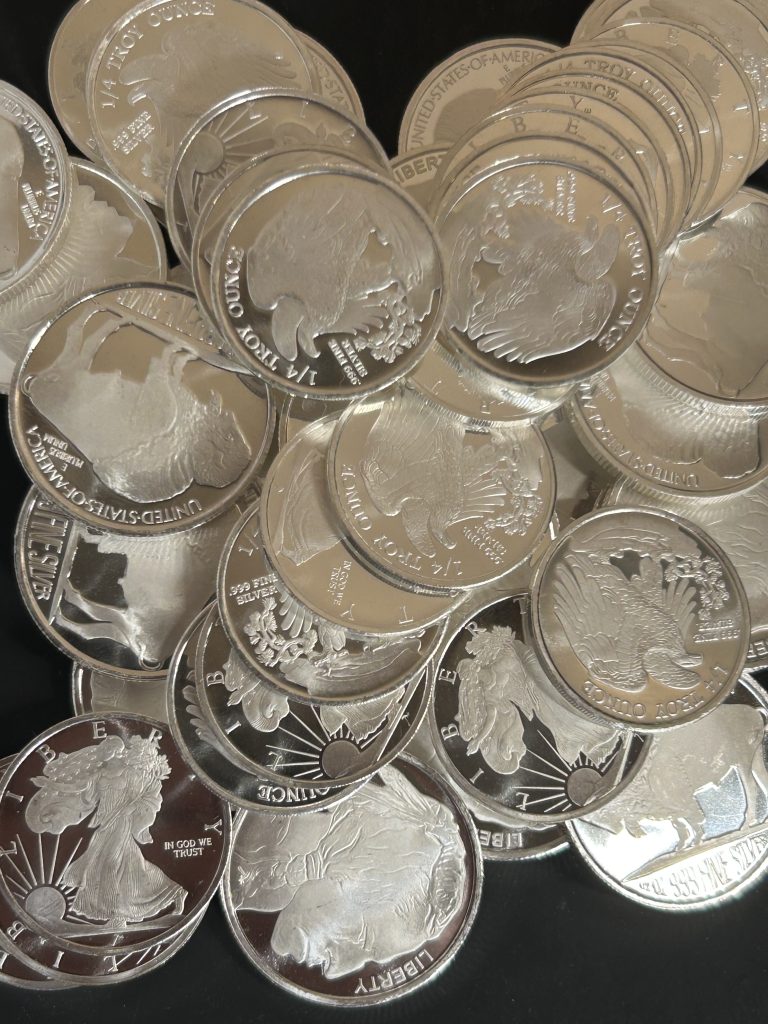
Fractional silver often carries higher premiums because smaller bullion products cost more to manufacture, distribute, and package.
While larger silver bars usually trade closer to spot price, small fractional premium silver products frequently carry substantially higher premiums on a per-ounce basis.
As bullion markets evolve, smaller silver products continue appealing to collectors and stackers seeking affordability, flexibility, craftsmanship, and access to specialty releases.
What Is Fractional Silver?
Fractional silver refers to bullion products weighing less than one troy ounce. Common examples include gram-denominated silver bars, fractional-ounce silver rounds, mini poured silver products, and smaller bullion bars designed for collectors and investors. These products remain popular because they provide a lower-cost entry point into precious metals ownership while offering greater purchasing flexibility than larger bullion products. Many collectors and stackers also appreciate fractional silver because smaller products can combine affordability with collectible appeal.
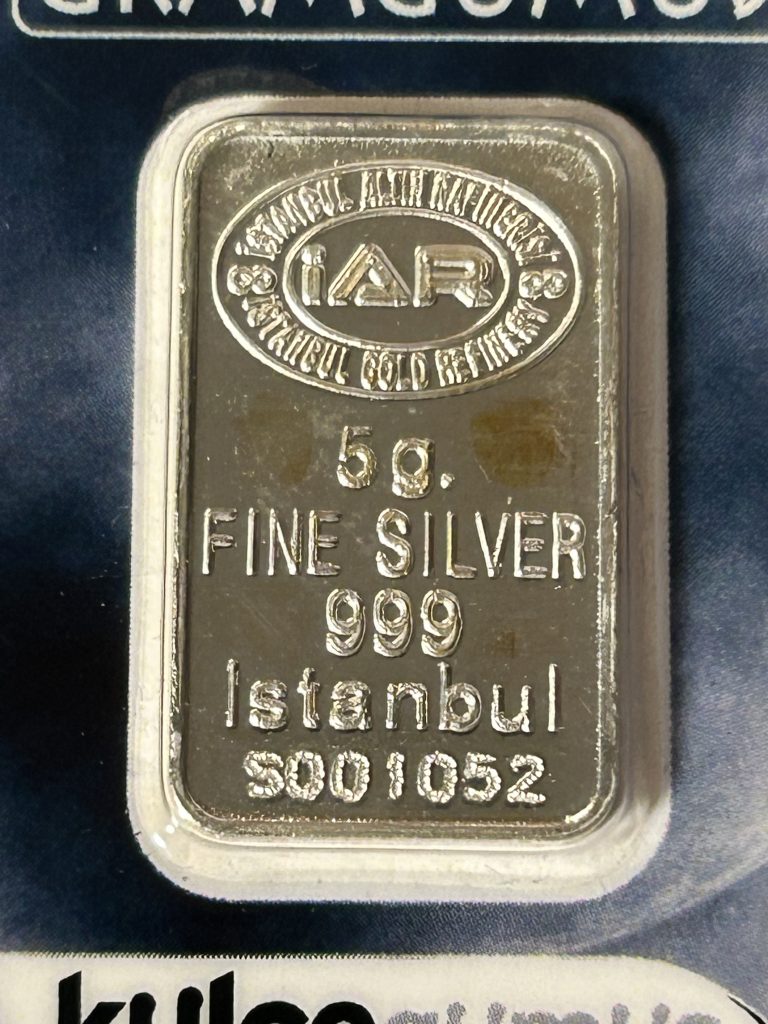
Why Fractional Silver Carries Higher Premiums
Fractional silver products frequently trade above melt value because many production expenses remain relatively fixed regardless of product size. Refining, minting, packaging, distribution, labor, security, and dealer operating costs all contribute to the final price of a bullion product. Although fractional bullion contains less silver, many of the costs associated with producing and distributing the product remain similar to those of larger silver bars. This is one of the primary reasons premiums per ounce tend to increase as bullion products become smaller.
Smaller bullion does not require proportionally less work to produce. Refining, fabrication, quality control, packaging, handling, inventory, and distribution still create costs even when each piece contains only a fraction of an ounce. Spreading those expenses across less metal is a major reason fractional products often carry higher premiums per ounce.

Fractional Hand Poured Silver
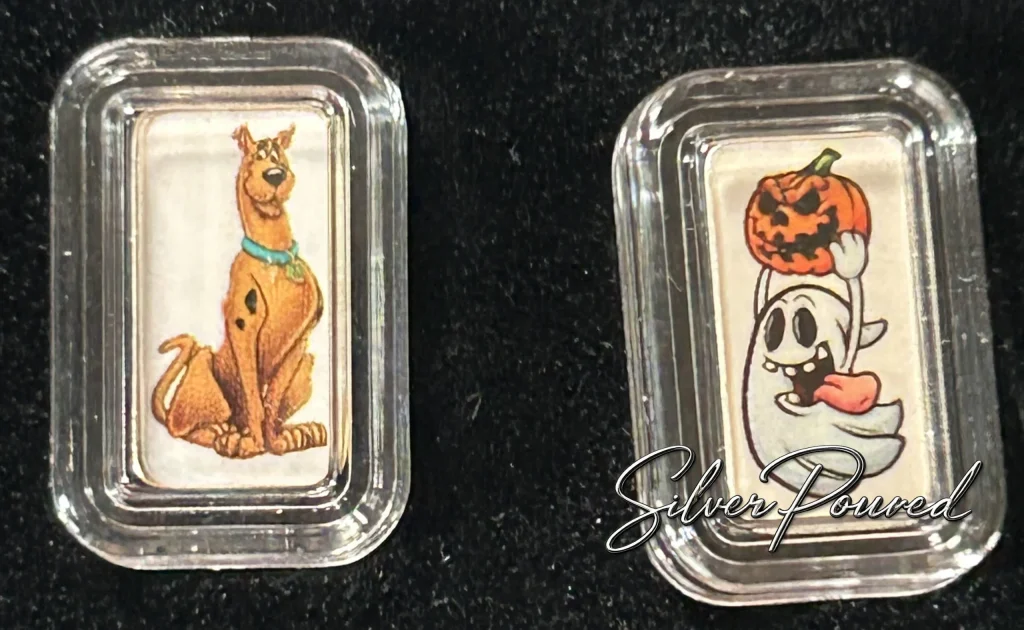
Fractional hand-poured silver remains especially popular within collectible bullion markets because it combines precious metals ownership with craftsmanship and individuality. Unique cooling lines, hand stamping, artisanal textures, small-batch production methods, and individual pour characteristics create pieces that often feel more like collectible artwork than standard bullion products. This uniqueness helps explain why many fractional pours develop strong collector communities and long-term secondary-market demand.
Scarcity and Fractional Bullion
Scarcity often plays a major role in fractional silver pricing because collector demand frequently increases while available supply declines. Limited-production bullion, serialized mini silver bars, mini poured silver products, vintage fractional bullion, and small-batch pours often become increasingly difficult to locate as they move into private collections. When buyers compete for a shrinking supply of desirable products, premiums may rise substantially above underlying silver value.
Manufacturing cost explains only part of a fractional premium. Limited production, hand-poured craftsmanship, serialization, unusual weights, and shrinking secondary-market availability can add collector value beyond the underlying silver. Buyers should separate ordinary fabrication premiums from additional premiums supported by genuine scarcity and sustained demand.
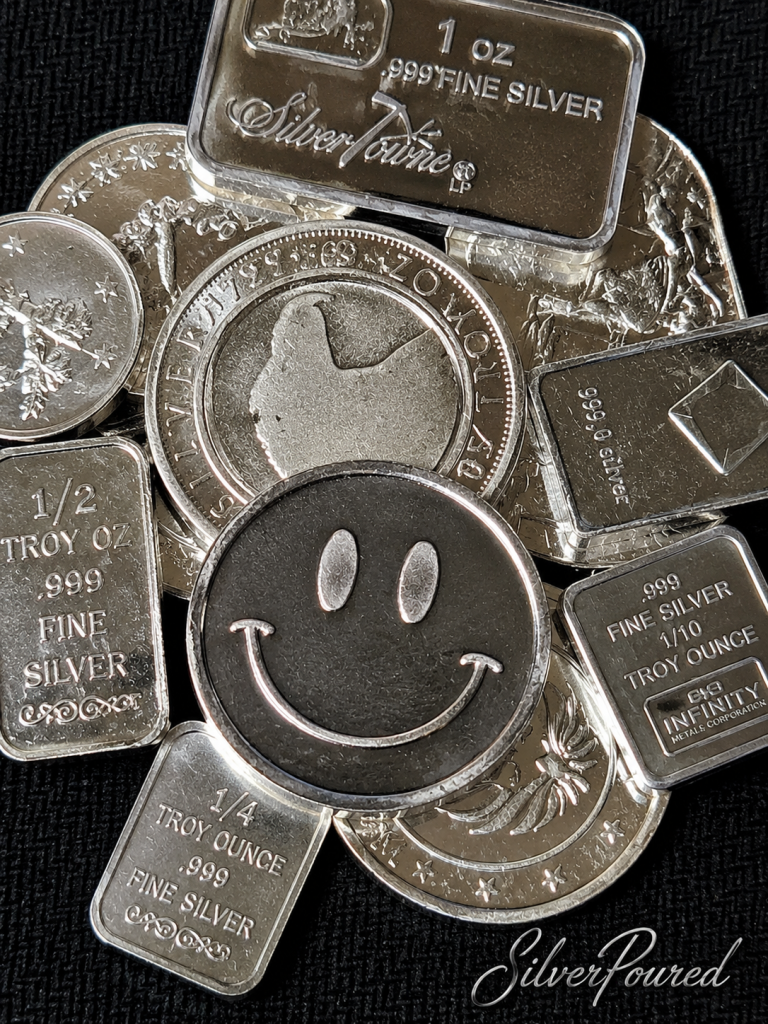
When Paying Higher Premiums Makes Sense
Paying a higher premium is not automatically a bad decision. The key is understanding what you receive in return for that additional cost. Some buyers focus almost entirely on acquiring the greatest amount of silver possible, while others place greater value on craftsmanship, limited production, or collectible appeal.
Small bullion products often require nearly the same manufacturing, handling, packaging, inventory, and distribution processes as larger bars. Those fixed production expenses are spread across less silver, naturally increasing the cost per ounce. When combined with collector demand or limited availability, premiums may rise even further.
Collectors also recognize that many limited-production fractional products become increasingly difficult to replace after they sell out. Hand-poured pieces, serialized bullion, and small artisan releases frequently develop active secondary markets because supply remains limited while collector interest continues growing.
For buyers who appreciate craftsmanship and long-term collectibility, paying a higher premium may represent reasonable value rather than unnecessary expense.
Fractional Silver for New Stackers
Many first-time precious metals buyers begin with smaller silver products because they provide an affordable introduction to physical bullion ownership. Purchasing a few fractional pieces allows new collectors to become familiar with different refiners, production styles, and bullion products without making a large financial commitment.
Smaller products also provide greater purchasing flexibility. Rather than waiting until enough funds are available for a large silver bar, buyers can gradually add to their collection over time. This approach allows steady accumulation while spreading purchases across different market conditions.
Many experienced stackers continue purchasing fractional bullion even after expanding into larger bars because smaller products remain useful for trading, gifts, emergency liquidity, and building a more diversified collection.
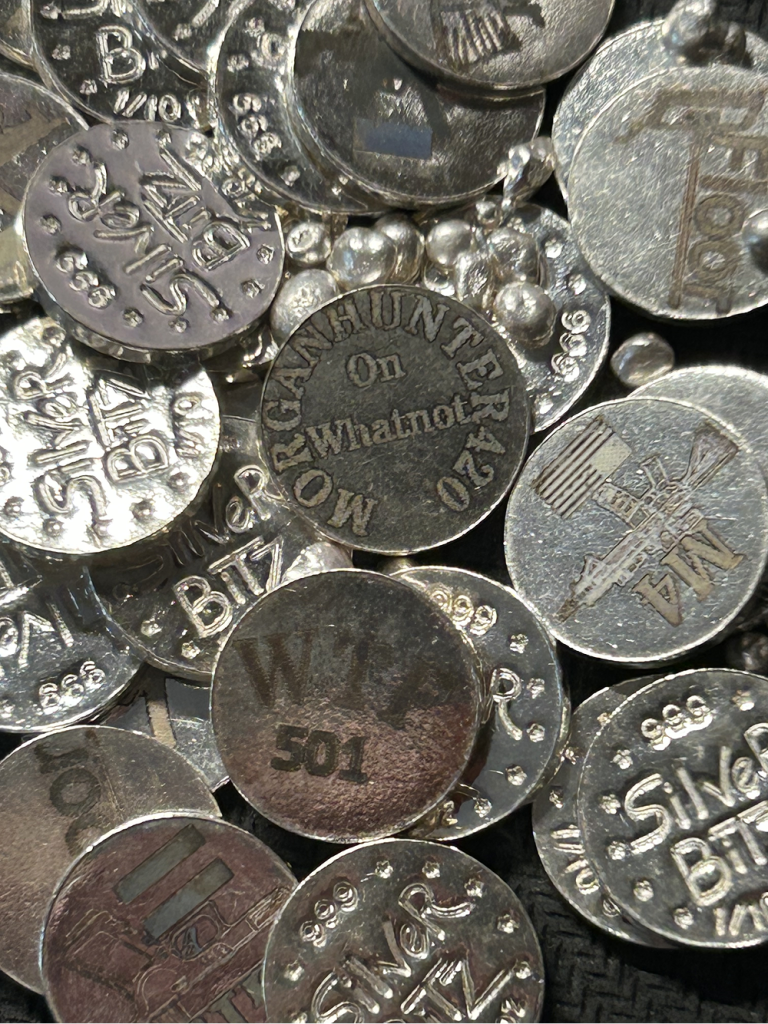
Comparing Fractional Bullion Products
Not every fractional bullion product offers the same value. Buyers frequently compare several characteristics before making a purchase.
| Comparison Factor | Why It Matters |
|---|---|
| Weight | Smaller pieces generally carry higher premiums per ounce. |
| Production method | Hand-poured products often command stronger collector interest. |
| Limited production | Scarcity may increase long-term demand. |
| Refinery reputation | Established producers often attract stronger buyer confidence. |
| Secondary-market demand | Popular products may retain premiums more effectively. |
Looking beyond the price tag helps buyers understand why similar amounts of silver may sell for different prices. Evaluating multiple characteristics provides a more complete picture of overall value than comparing silver weight alone.
Compare fractional products by total delivered cost rather than premium percentage alone. Weight, producer reputation, craftsmanship, packaging, availability, and resale demand can all affect overall value. A higher-premium piece may still make sense when it provides useful flexibility or established collector appeal that a generic alternative does not offer.
| Feature | Fractional Silver | One-Ounce Silver | Larger Silver Bars |
|---|---|---|---|
| Premium Per Ounce | Highest | Moderate | Lowest |
| Entry Cost | Lowest | Moderate | Highest |
| Liquidity | Excellent | Excellent | Good |
| Collector Appeal | Often strongest | Moderate | Generally investment focused |
| Best For | Flexible stacking and collecting | Balanced ownership | Maximum silver weight |
Fractional Silver During Different Market Conditions
The market for fractional silver does not always move in the same way as larger bullion products. During periods of strong demand, smaller bars and rounds may become more difficult to find because they are popular with first-time buyers, gift purchasers, and collectors seeking affordable additions to their collections.
When inventories become limited, premiums on smaller bullion products may increase more rapidly than premiums on larger bars. This difference does not necessarily reflect changes in the value of the silver itself. Instead, it often reflects increased competition for products that are inexpensive, widely recognized, and easy to purchase.
During quieter markets, buyers may discover more opportunities to compare products, evaluate premiums, and select pieces that best match their collecting or stacking goals. Understanding these market cycles helps buyers make purchasing decisions based on long-term value rather than short-term market emotion.
Fractional Silver vs Fractional Gold
Both silver and gold are available in fractional sizes, but the reasons buyers choose them are often different.
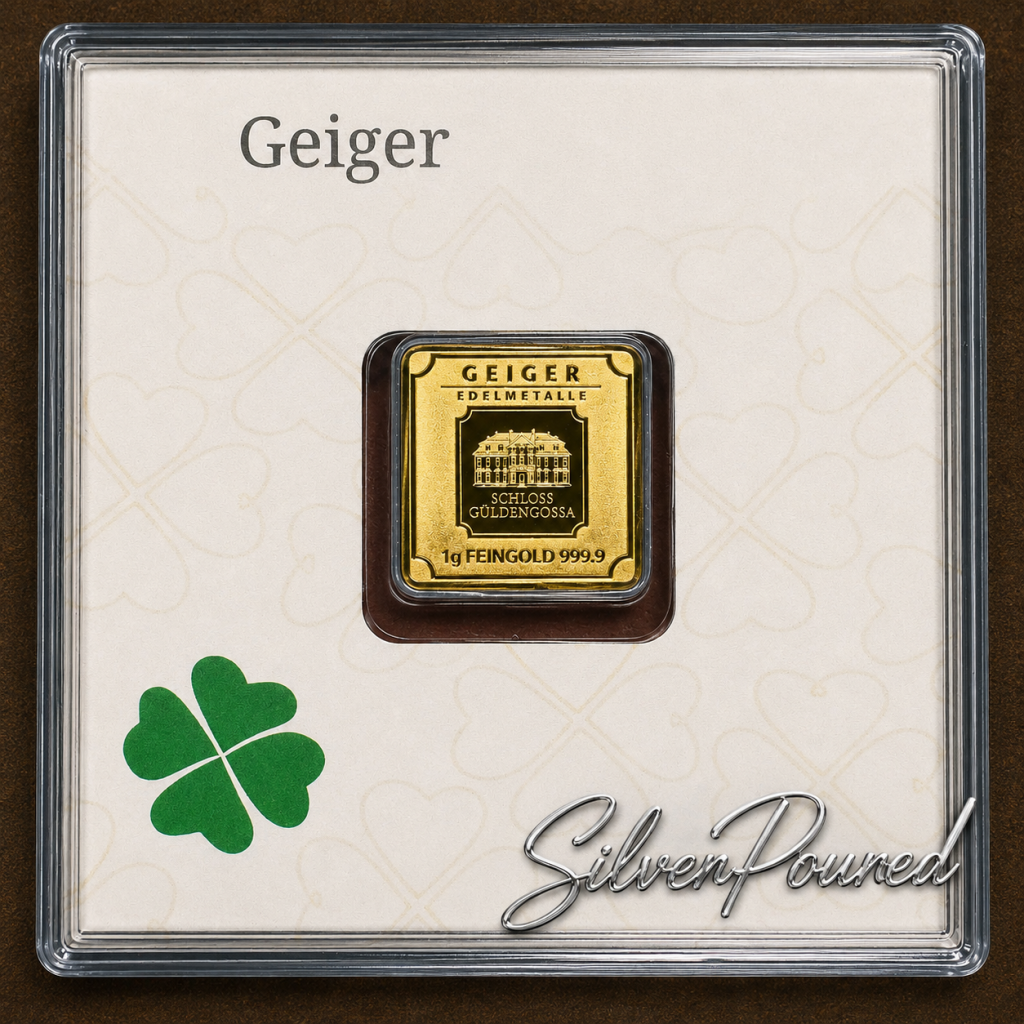
Fractional gold is frequently purchased because full-ounce gold products require a larger financial commitment. Fractional silver, by comparison, appeals to buyers because it offers flexibility, collectibility, and access to unique products that are not always available in larger sizes.
Hand-poured bullion, limited-production releases, and serialized products are especially common in the fractional silver market, giving collectors a wide variety of designs and production styles to choose from. While both metals can carry higher premiums in smaller sizes, collectors often approach the two markets with different goals.
Who Should Consider Fractional Silver?
Fractional bullion appeals to a wide range of precious metals buyers.
New stackers often appreciate the lower entry cost and the opportunity to build a collection gradually over time. Experienced collectors may seek fractional products because of their craftsmanship, scarcity, or historical significance. Others enjoy assembling complete sets of poured bars, serialized issues, or limited-production releases from favorite refiners.
| Buyer Type | Why Fractional Bullion Appeals |
|---|---|
| New stackers | Lower initial investment |
| Collectors | Scarcity and collectible appeal |
| Gift buyers | Affordable precious metals gifts |
| Hand-poured enthusiasts | Unique craftsmanship |
| Diversified stackers | Greater flexibility across different product sizes |
Because every buyer has different objectives, there is no single “best” fractional product. Understanding your own collecting goals, budget, and long-term strategy helps determine which products provide the greatest overall value.
Long-Term Perspective
Many collectors view fractional bullion as more than simply small pieces of silver. These products often represent craftsmanship, limited production, artistic design, and collecting enjoyment in addition to their underlying precious metal value.
Whether purchased to diversify a stack, begin a collection, or pursue limited-production bullion, smaller silver products continue attracting buyers who appreciate both the flexibility of fractional ownership and the unique character often found in artisan bullion.
Buying Fractional Silver with Confidence
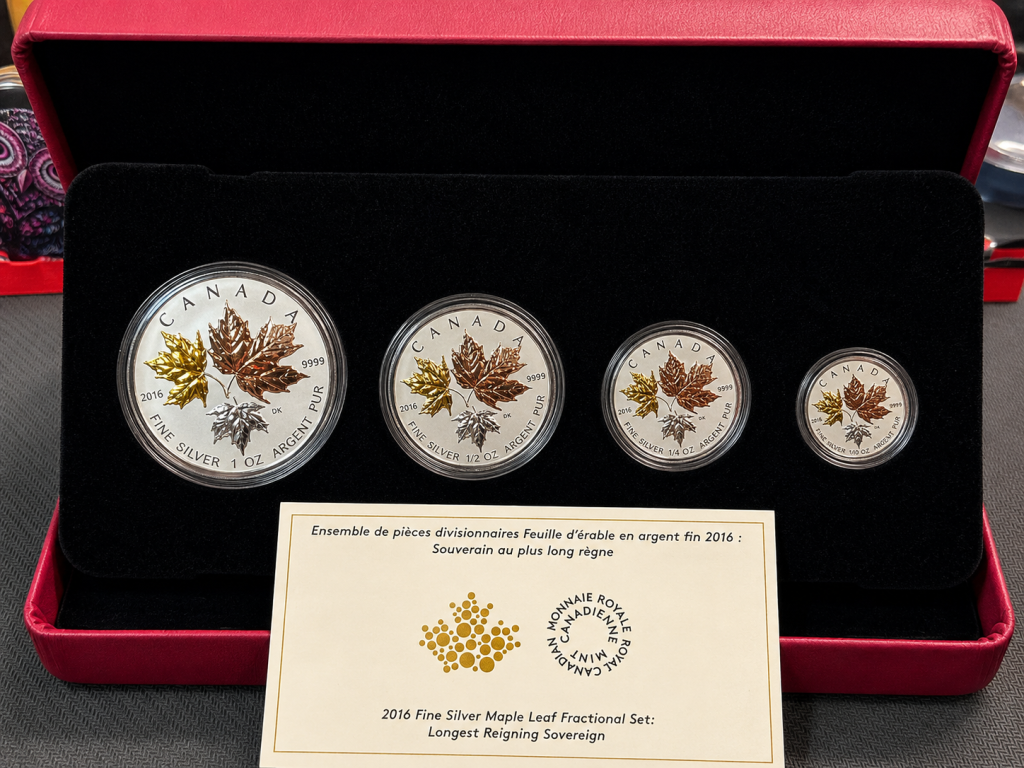
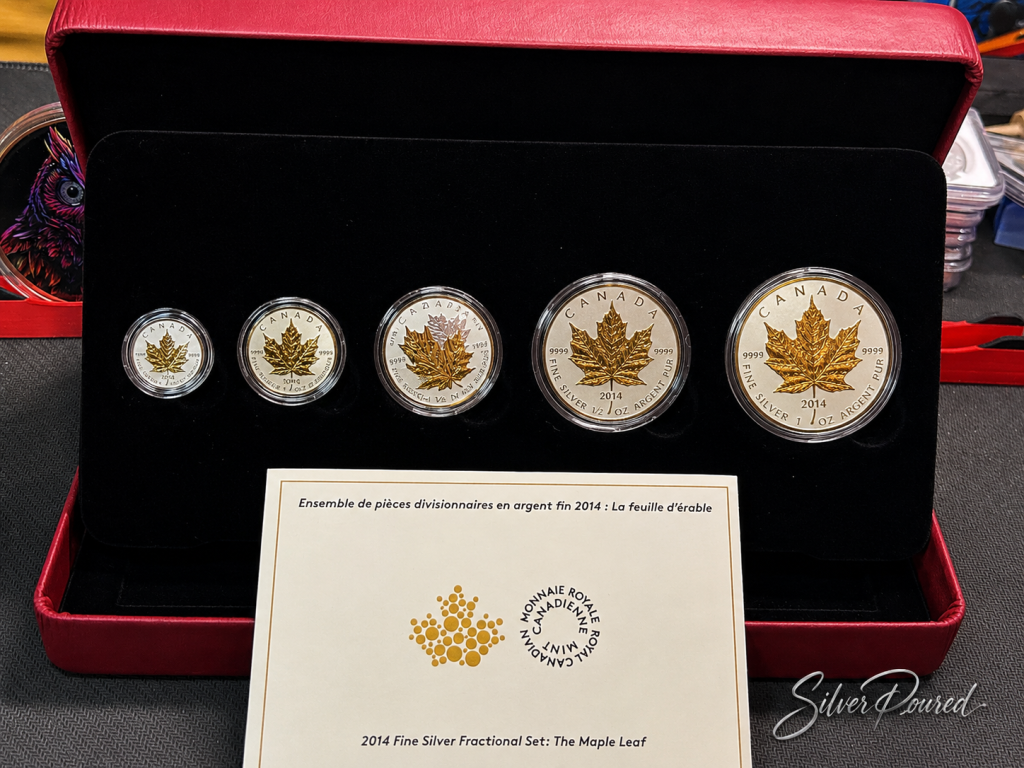
Building a fractional silver collection is often a gradual process rather than a single large purchase. Many collectors compare products from several reputable bullion dealers before deciding which items best match their collecting goals, budget, and long-term strategy. Looking beyond the initial purchase price helps buyers understand the balance between silver content, craftsmanship, availability, and collectible appeal.
Some buyers concentrate on acquiring recognizable bullion products from established refiners, while others prefer artisan hand-poured pieces, serialized releases, or limited-production designs. Neither approach is inherently better. The right choice depends on whether the primary objective is maximizing silver ownership, assembling a collectible set, or enjoying the artistic qualities of handcrafted bullion.
Taking time to research different product categories also helps buyers recognize how premiums vary between standard bullion and specialty releases. Comparing several examples before making a purchase often leads to more informed decisions and a better understanding of the physical silver market.
Storing Fractional Bullion
Although fractional bullion contains less silver than larger bars, proper storage remains equally important. Many collectors protect smaller products in capsules, archival flips, or protective storage boxes that reduce unnecessary handling and help preserve original surfaces.
Organizing fractional bullion by weight, refinery, production style, or collection theme also makes it easier to inventory a collection and locate specific pieces when needed. Maintaining photographs, purchase records, and receipts can be useful for insurance purposes, estate planning, or future resale.
Collectors generally avoid unnecessary cleaning or polishing because original surfaces, natural toning, and manufacturing characteristics often contribute to the long-term appeal of collectible bullion products.
Common Misconceptions About Fractional Bullion
Several misconceptions continue to appear within the precious metals community.
Some buyers assume that smaller bullion products always represent poor value because of higher premiums. In reality, premiums reflect many factors beyond silver content, including production costs, collector demand, limited availability, and manufacturing methods.
Others believe only large silver bars are suitable for long-term ownership. While larger bars often provide the lowest premium per ounce, many collectors intentionally include fractional products because they offer flexibility, collectible appeal, and greater variety within a diversified precious metals collection.
Another common misconception is that every fractional product performs the same in the secondary market. Demand varies widely depending on the refinery, production method, scarcity, craftsmanship, and collector interest. Understanding these differences helps buyers evaluate products more effectively rather than relying on assumptions based solely on size.
As experience grows, many collectors discover that fractional bullion occupies its own unique place within the precious metals market, combining practical ownership with collecting opportunities that larger bullion products do not always provide.
Selling Fractional Bullion
Many owners eventually decide to sell part of their precious metals holdings, making resale an important consideration when selecting bullion products. Fractional pieces are often attractive to buyers because they provide affordable purchasing options and allow collectors to acquire physical silver without committing to larger bars.
Dealer demand, collector interest, product recognition, condition, and overall market activity can all influence resale opportunities. Well-known refiners and respected private mints often enjoy stronger buyer confidence, while limited-production releases may appeal to collectors searching for specific products that are no longer readily available.
Resale prices are influenced by more than the underlying metal value. Manufacturing quality, presentation, rarity, and secondary-market demand all contribute to how buyers evaluate individual pieces. Understanding these factors before making a purchase helps collectors build a collection that aligns with their long-term objectives.
Building a Balanced Precious Metals Collection
Many experienced precious metals owners avoid concentrating on only one product size. Instead, they combine larger bars, standard one-ounce bullion, and smaller pieces to create a collection that offers flexibility across different situations.
Larger bullion products often maximize metal ownership because they generally carry lower premiums per ounce. Smaller products provide different advantages, including easier gifting, greater purchasing flexibility, and access to collectible releases that may not be available in larger formats.
A balanced collection allows owners to enjoy the benefits of several product categories while reducing reliance on a single buying strategy. Collectors frequently select products that reflect both practical precious metals ownership and personal collecting interests.
Factors That Influence Long-Term Demand
Demand within the physical bullion market changes over time as collector preferences, refinery reputations, production methods, and market conditions evolve. Some products remain popular because of broad recognition, while others become desirable because they are difficult to replace after production ends.
Handcrafted bullion, serialized releases, limited mintages, and distinctive production techniques often continue attracting collector attention long after their initial release. Historic significance, visual appeal, and manufacturing quality may also contribute to sustained buyer interest.
Understanding these broader market influences helps collectors evaluate physical bullion from more than one perspective. Rather than focusing solely on purchase price, experienced buyers often consider long-term collectibility, availability, craftsmanship, and overall market appeal when expanding their collections.
Fractional Silver in Today’s Bullion Market
Fractional silver continues gaining popularity as collectors and investors seek flexible ways to accumulate precious metals without purchasing larger bullion products. Growing interest in collectible bullion, increased awareness of precious-metals ownership, and the affordability of smaller purchases have all contributed to stronger demand. Comparing product sizes, premiums, craftsmanship, and availability helps buyers evaluate fractional bullion more effectively across the broader precious-metals market.
Do Fractional Silver Premiums Matter?
Fractional silver premiums can dramatically impact both acquisition costs and long-term resale value because pricing is influenced by more than silver content alone. Product size, scarcity, collector demand, production methods, brand reputation, and secondary-market availability all contribute to how buyers value a fractional silver product. Two products containing the same total amount of silver may sell for significantly different prices depending on these factors, particularly when collector demand and product availability vary.
Final Thoughts on Why Fractional Silver
Fractional silver remains one of the strongest premium categories within modern bullion markets.
Because manufacturing costs, scarcity, craftsmanship, and collector demand all influence pricing beyond melt value alone, many fractional bullion products continue carrying substantial premiums above silver spot price.
Many collectors also appreciate fractional bullion because smaller silver products often combine affordability, scarcity, craftsmanship, and long-term collectible appeal within modern precious metals markets.
Some buyers specifically pursue limited-production fractional bullion because smaller silver products may become increasingly difficult to locate over time as more pieces enter private collections.
Many collectors monitor the live silver spot price before purchasing fractional bullion products.
Collectors frequently compare premium pricing between fractional bullion and larger silver bars to better understand how manufacturing costs and collector demand influence secondary-market value.
As collectible bullion markets continue evolving, fractional bullion remains increasingly popular among stackers, collectors, and premium bullion buyers. Growing precious metals awareness, expanding collector demand, and continued interest in flexible bullion ownership are helping support long-term demand for fractional silver products.
Related SilverPoured Resources
Continue exploring SilverPoured’s fractional-bullion, premium, collectible-silver, and pricing resources to understand how product size, fabrication costs, scarcity, craftsmanship, liquidity, and collector demand influence the prices paid for physical silver.
Fractional Silver and Premiums
Fractional Silver Premiums
Premium Over Spot Explained
Silver Bullion Premiums
Why Silver Premiums Change
Small Silver Bars
Collectible and Hand-Poured Silver
Why Collectible Silver Sells For More
Why Collectors Pay More for Silver
Why Hand Poured Silver Is Collectible
Limited Mintage Silver
Serialized Silver Bars
Silver Prices and Value
Silver Spot Price Today
Silver Spot vs Bid vs Ask Price
Silver Melt Value Calculator
What Is Silver Melt Value?
Silver Coin Values
Purchase Precious Metals from a Trusted Dealer
Understanding why fractional silver costs more helps buyers compare smaller bullion products with one-ounce rounds and larger bars while considering manufacturing expenses, craftsmanship, scarcity, product recognition, liquidity, and collector demand.
Golden State Mint offers silver bars, silver rounds, gold bullion, copper bullion, and fractional precious metals for collectors and investors. Comparing different weights and production styles can help buyers determine whether lower entry cost, flexibility, collectible appeal, or reduced premiums per ounce best fit their precious-metals goals.
Collector Insight
Fractional bullion should not be judged by premium percentage alone. Smaller pieces can provide lower entry costs, flexible accumulation, easier gifting, partial liquidity, and access to collectible formats unavailable in larger bars. The strongest buying decisions compare those benefits with total delivered cost, silver content, product recognition, craftsmanship, scarcity, and realistic secondary-market demand.
Keep SilverPoured Free
SilverPoured is built to help collectors and precious-metals investors make smarter decisions through free calculators, original photography, coin research, value references, collector education, and independent market resources. Every page is created to make valuable precious-metals information available without requiring a paid subscription.
This guide explains why fractional silver costs more by examining product size, manufacturing expenses, craftsmanship, scarcity, flexibility, liquidity, collector demand, and premium differences across physical silver products. Every contribution helps support continued precious-metals research, original photography, free calculators, bullion education, and expansion of the SilverPoured Authority Library.
Your support allows SilverPoured to remain independent while building one of the web’s most comprehensive free libraries for coin collectors, bullion buyers, precious-metals researchers, and long-term investors.