
Premium Over Spot Explained
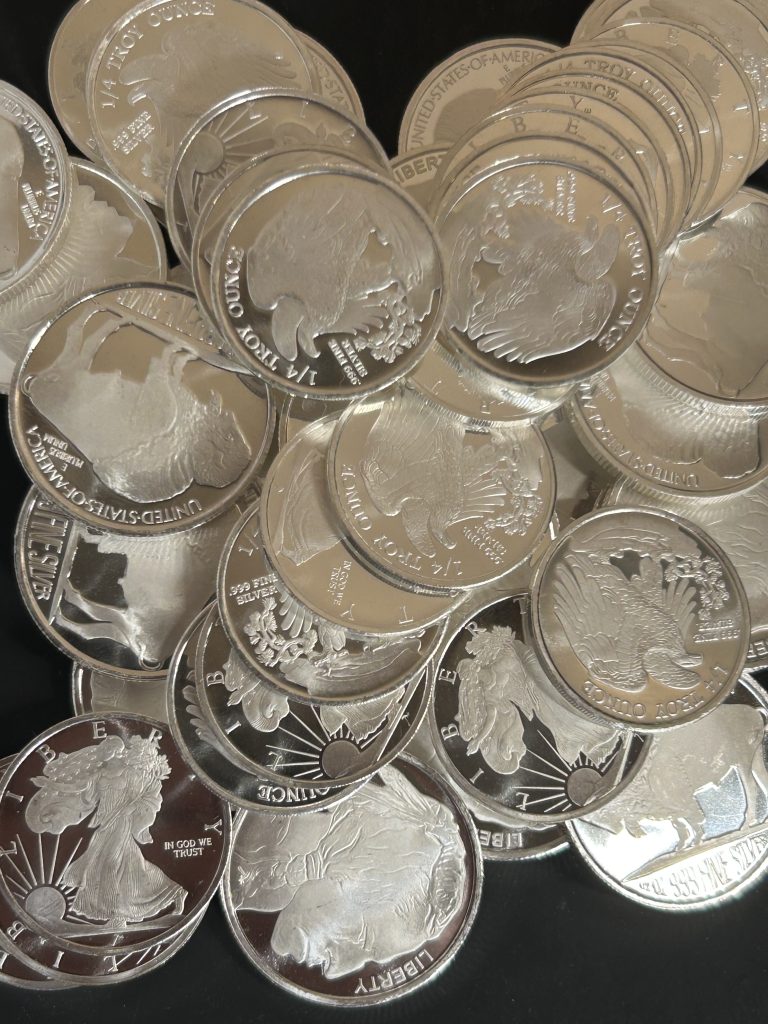
Silver spot price is only the starting point when valuing physical bullion.
In the real market, many silver bars, rounds, and coins sell far above their melt value because of collector demand, limited mintages, branding, craftsmanship, and overall market scarcity. This additional amount is known as the premium over spot.
Understanding premium over spot is important because two silver products containing the same amount of silver can have dramatically different market values depending on rarity, collector demand, craftsmanship, branding, and market availability. Learning how premiums relate to silver spot price, melt value, and live silver values helps collectors compare bullion more accurately before making a purchase.
This guide breaks down what premium over spot means, why it exists, and why some bullion products consistently trade far above melt value.
What Does Premium Over Spot Mean?
Premium over spot refers to the amount a physical silver product sells for above the current melt value of the metal itself.
The spot price represents the live market value of raw silver traded on global commodities markets. Physical bullion products almost always cost more than spot because manufacturers, dealers, and collectors assign additional value beyond the raw metal content.
For example, if silver spot price is $35 per ounce, a one-ounce silver round selling for $42 carries a $7 premium over spot.
Why Silver Products Sell Above Melt Value
Physical silver must move from raw metal to a finished product before reaching a buyer. Refining, fabrication, minting, labor, packaging, distribution, shipping, inventory costs, and dealer margins can all contribute to the difference between silver spot price and the retail price of physical bullion.
The size of the additional cost depends on both the product and the market surrounding it. Generic rounds and common bars may trade relatively close to melt value when supply is plentiful, while government bullion coins, scarce releases, vintage bars, and collectible silver can command substantially higher prices.
Demand and availability matter as well. When buyers compete for limited physical inventory, physical-market premiums can increase even if the underlying silver price changes very little. Spot price measures the underlying metal market, while finished bullion pricing also reflects fabrication, distribution, inventory, and product-specific demand.
Why Hand-Poured Silver Carries Higher Premiums
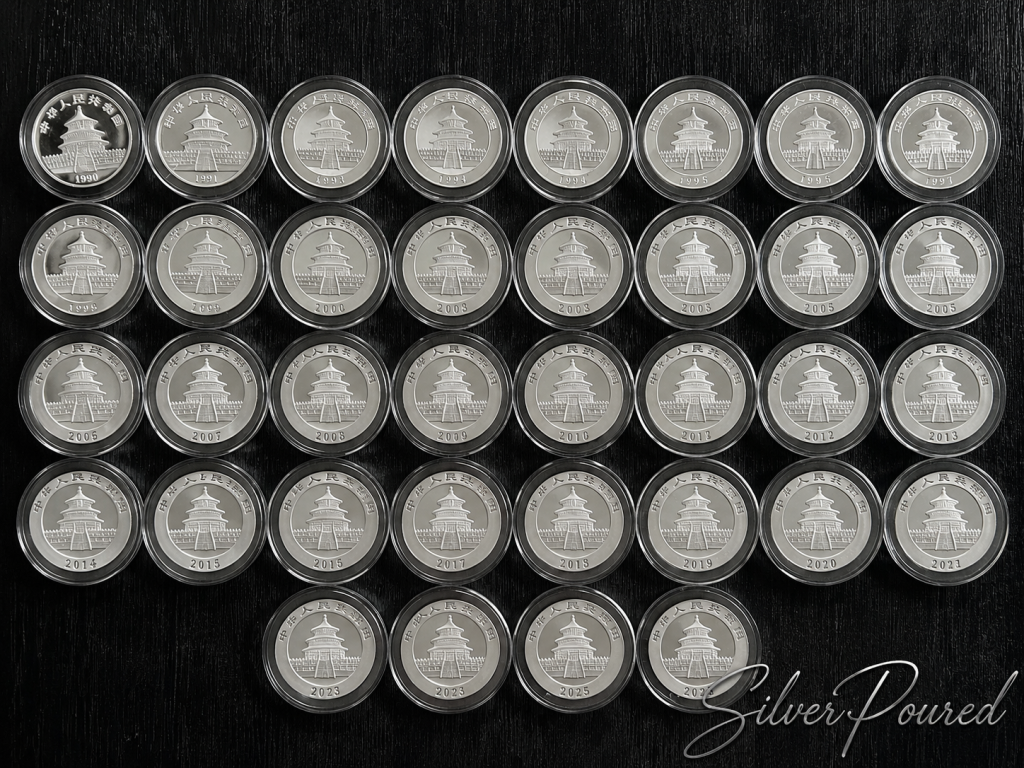
Hand-poured silver can carry higher premiums because buyers may be paying for craftsmanship and scarcity in addition to silver content. Small-batch production, distinctive pour lines, cooling patterns, stamps, finishes, and maker characteristics can make individual pieces desirable to collectors.
Serialized pours, limited runs, vintage pieces, and bars from established independent makers may develop secondary-market demand that is largely separate from changes in silver spot price. In those cases, collectible value is layered on top of the underlying bullion value.
Spot price tells you what the silver itself is worth. The price of a finished physical product may also reflect fabrication, dealer costs, scarcity, craftsmanship, brand recognition, provenance, liquidity, and buyer demand. Understanding those additional factors helps explain why bullion with identical silver weight can sell for very different prices.

Generic Bullion vs. Collectible Bullion
Generic and collectible bullion can contain identical amounts of silver while trading in very different markets. Generic bullion is usually evaluated primarily through weight, purity, silver spot price, and acquisition cost, so its pricing tends to remain more closely connected to the underlying metal value.
Collectible bullion adds other variables. Limited mintages, discontinued products, serialized production, vintage status, artistic craftsmanship, recognized makers, condition, provenance, and sustained collector demand can all affect market value independently of silver content.
That is why two one-ounce silver bars do not necessarily have the same market value. A common refinery bar may trade only modestly above melt value, while a scarce vintage or limited hand-poured bar can command much more because buyers are competing for the product itself rather than simply its silver weight.
Melt Value vs. Collector Value
Melt value measures the intrinsic value of the silver contained in a coin, round, or bar. Collector value measures what buyers may pay beyond that metal value because of rarity, condition, craftsmanship, branding, historical interest, provenance, or market demand.
For ordinary bullion, much of the difference above melt may represent fabrication, distribution, and dealer costs. For collectible bullion, scarcity and collector demand can become a substantial part of the item’s total market value.
Understanding the difference between melt value and collector value helps buyers avoid comparing fundamentally different products as though silver weight were the only pricing factor.
Real-World Premium Over Spot Examples
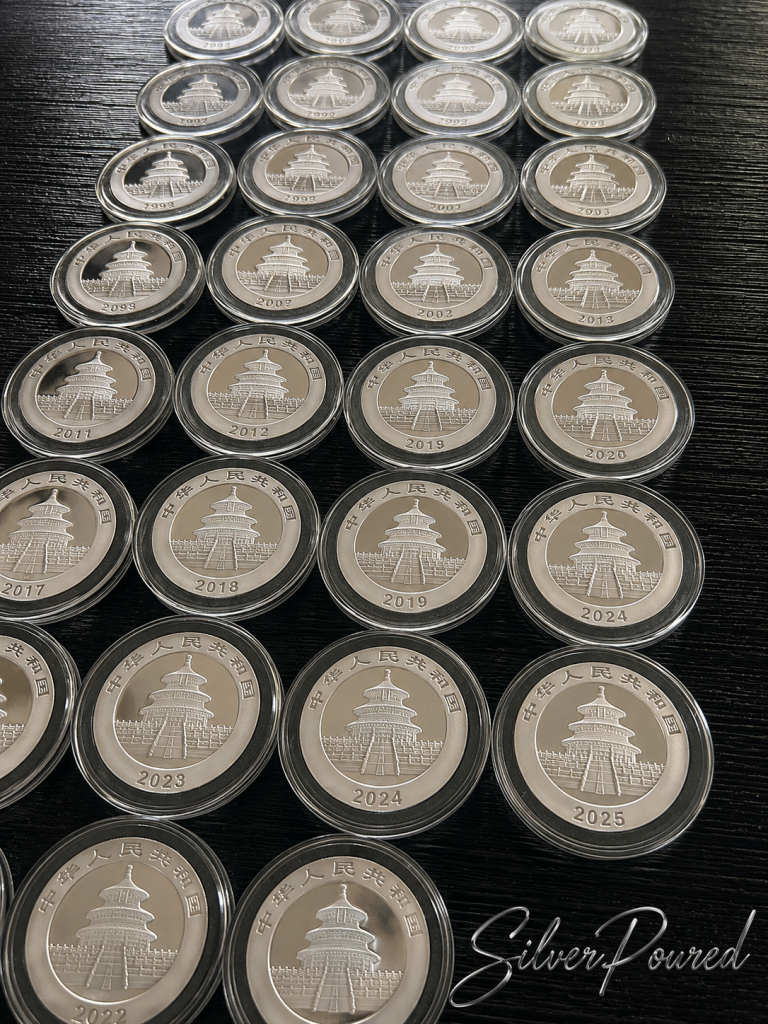
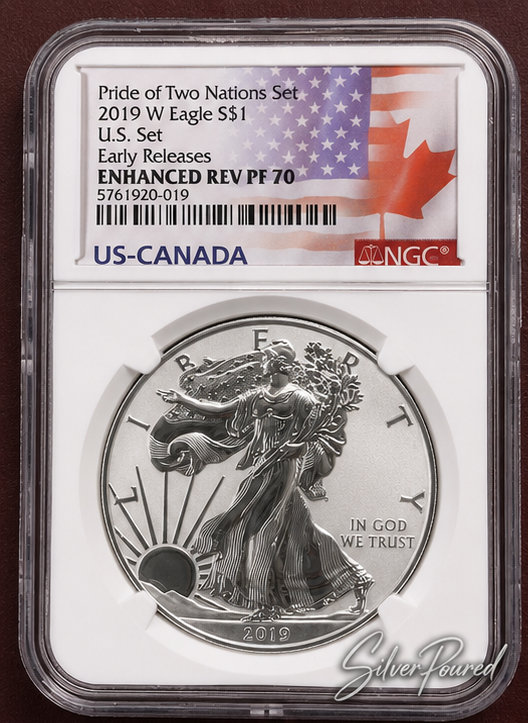
A generic one-ounce silver round may trade only a few dollars above spot price because buyers are primarily paying for metal content. Government-issued bullion such as the American Silver Eagle can carry a higher premium because of recognition, liquidity, demand, and the costs associated with producing and distributing the finished coin.
Collectible bullion can move much farther away from melt value. A limited-edition hand-poured silver bar may sell substantially higher because of scarcity, craftsmanship, maker reputation, or collector interest. Vintage bars from discontinued refiners can also develop strong secondary-market pricing even though their silver content is identical to readily available generic bullion.
When two silver products have the same weight but very different prices, identify what the extra money is buying. A reasonable premium over spot may reflect fabrication, liquidity, scarcity, craftsmanship, or genuine collector demand. If the additional price cannot be connected to a meaningful product or market advantage, compare alternatives before buying.
What Causes Premium Over Spot to Rise?
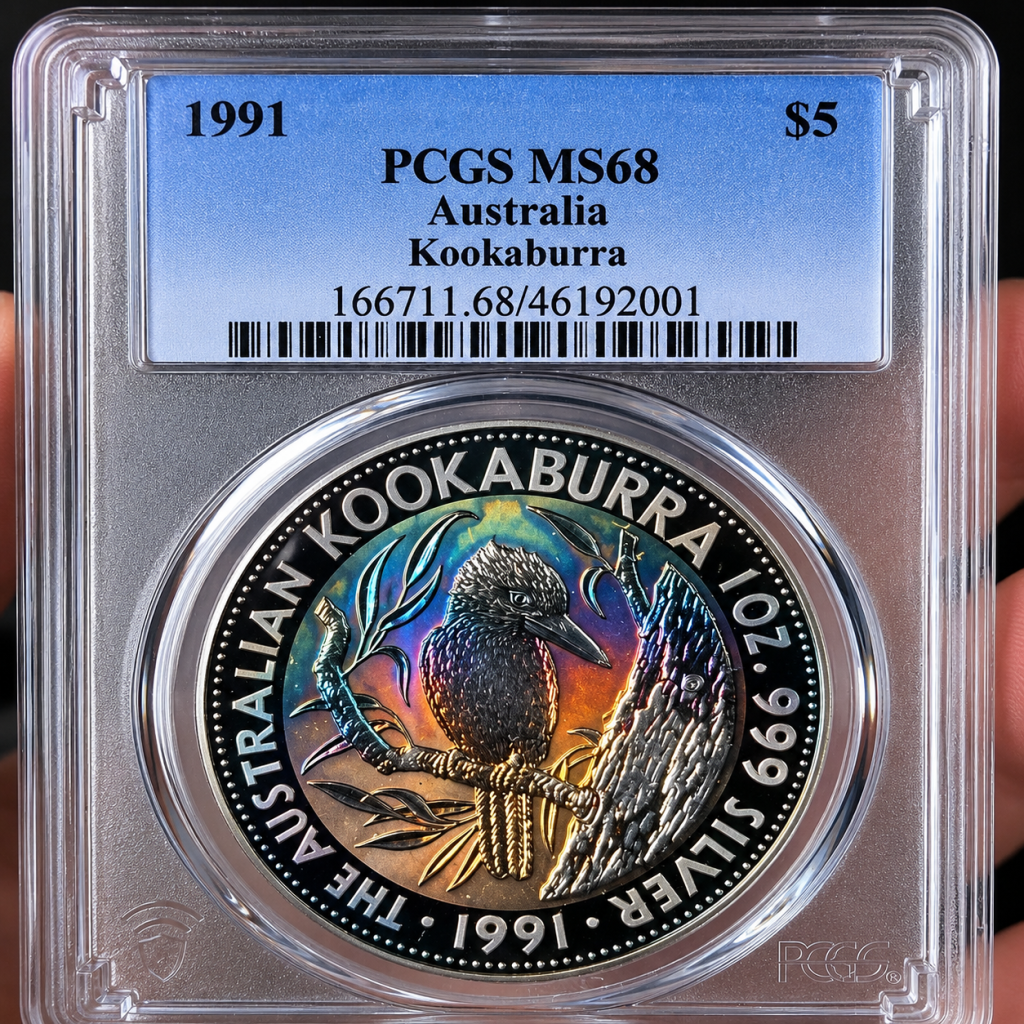
Premium over spot can rise when demand for physical silver increases faster than available inventory. Strong buying activity, limited mint or refiner production, fabrication constraints, dealer shortages, transportation costs, and supply-chain disruptions can all widen the difference between spot price and the retail price of finished bullion.
Collector demand can create an additional layer. A scarce release, key-date bullion coin, vintage bar, serialized piece, or popular hand-poured product may become difficult to replace even when generic silver remains readily available. In those situations, the physical product can continue trading strongly even if the underlying metal price is relatively stable.
Temporary shortages can also push premiums higher very quickly. Buyers should distinguish between a lasting product-specific market and a short-lived supply squeeze caused by panic buying or unusually heavy demand.
A sudden jump in premium over spot does not necessarily mean silver itself became dramatically more valuable. It can mean buyers are competing for finished physical inventory that is temporarily harder to source. Separate the metal price from the product market before deciding whether an elevated premium is justified.
How Premium Over Spot Changes by Product Type
Premium over spot behaves differently across generic bullion, government-issued coins, vintage bars, hand-poured silver, serialized pieces, and limited collectible releases. Two products containing the same amount of silver can therefore trade at very different prices.
| Product Type | Primary Premium Drivers |
|---|---|
| Generic Rounds | Metal content, fabrication cost, dealer spread, inventory availability |
| Common Silver Bars | Weight, refiner recognition, fabrication cost, dealer inventory |
| Government Bullion Coins | Recognition, liquidity, mint pricing, investor demand, availability |
| Hand-Poured Silver | Craftsmanship, maker reputation, production size, design, collector demand |
| Serialized Bullion | Limited production, sequence appeal, maker recognition, collector interest |
| Vintage Bullion | Age, discontinued refiner, scarcity, provenance, collector demand |
| Limited-Mintage Bullion | Scarcity, design, mintage, release demand, secondary-market availability |
Generic rounds usually remain closer to melt value because buyers are primarily purchasing silver weight. Government-issued bullion coins often support stronger premiums because they are widely recognized and liquid. Collectible bullion can move much farther from melt value when scarcity, branding, craftsmanship, or secondary-market demand becomes important.
Understanding those categories makes premium over spot easier to evaluate. A generic round should usually be compared with other generic rounds, while a vintage or limited collectible bar should be compared with products serving a similar collector market.
When a Premium Over Spot Is Worth Paying
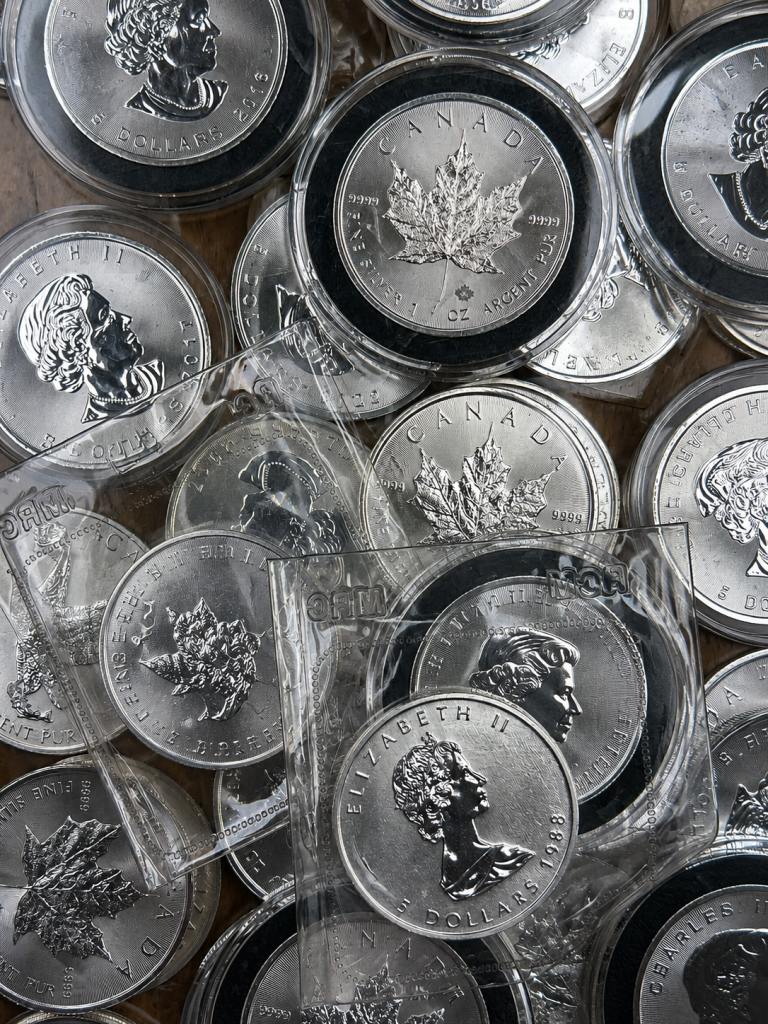
A premium over spot is not automatically a bad purchase. Finished physical silver normally costs more than raw metal because it has to be refined, fabricated, packaged, distributed, inventoried, and sold. The useful question is whether the extra cost makes sense for the buyer’s goal and the specific product.
Stackers focused primarily on accumulating ounces may prefer generic rounds, common bars, or larger bullion formats that provide more silver for each dollar spent. Paying unusually high premiums can reduce the amount of metal acquired and increase the price that must later be recovered.
Collectors may reasonably reach a different conclusion. A scarce hand-poured bar, vintage refiner piece, serialized issue, attractive limited release, or key bullion date may justify a higher price because the buyer is seeking characteristics beyond silver content.
Liquidity matters too. Widely recognized government coins and established bullion brands may carry stronger premiums because they are easier to identify, price, and resell. A slightly higher acquisition cost may be reasonable when the product also has a broad secondary market.
The greatest caution is a premium driven primarily by hype, panic buying, or a temporary shortage. Comparing live silver values, dealer pricing, and similar products can help determine whether the additional cost reflects durable demand or short-term market pressure.
The lowest premium is not automatically the best purchase, and the highest premium is not automatically collectible value. Match the product to the goal. Stackers may prioritize ounces and acquisition cost, while collectors may intentionally pay more for scarcity, craftsmanship, liquidity, provenance, or a product they would have difficulty replacing later.
How to Compare Premium Over Spot Before Buying
Before buying physical silver, compare premium over spot across products that actually belong in the same category. One dealer price by itself does not establish the market because inventory, payment method, shipping, promotions, and availability can vary considerably.
Start with the product’s actual silver content and calculate its approximate intrinsic value. Then compare the asking price with that metal value to identify the additional amount being charged.
Next, determine whether the product is primarily generic bullion or collectible bullion. Generic silver should generally be compared against other low-premium products, while collectible pieces should be evaluated against similar items with comparable scarcity, condition, maker recognition, and demand.
Then consider resale liquidity. A product that costs slightly more may still be attractive when it has broad recognition and an active secondary market.
Finally, compare the complete delivered cost. Shipping, payment-method fees, taxes where applicable, and dealer spreads can materially change the real premium over spot. The cheapest headline price is not always the lowest total acquisition cost.
Before paying a substantial premium over spot, know both the entry price and the likely exit market. Ask who would buy the product later, how easily comparable sales can be found, and whether the premium reflects lasting product demand or only the seller’s asking price.
Common Mistakes When Evaluating Premium Over Spot
One common mistake is assuming that equal silver weight means equal market value. A generic round, government bullion coin, vintage bar, and serialized hand-poured piece may each contain one ounce of silver while serving very different buyers.
Another mistake is treating premium over spot as pure overpayment. Some additional cost is inherent in producing and selling finished bullion. The issue is whether that premium is reasonable for the product category and current market.
Buyers can also overlook exit value. A premium paid at purchase matters differently when a recognizable product maintains strong resale demand than when an obscure product has little secondary market.
Finally, bullion value and collectible value should remain separate concepts. Stackers may deliberately seek the lowest practical premium, while collectors may pay more for rarity, design, craftsmanship, provenance, or scarcity. The important part is understanding exactly why the additional value exists.
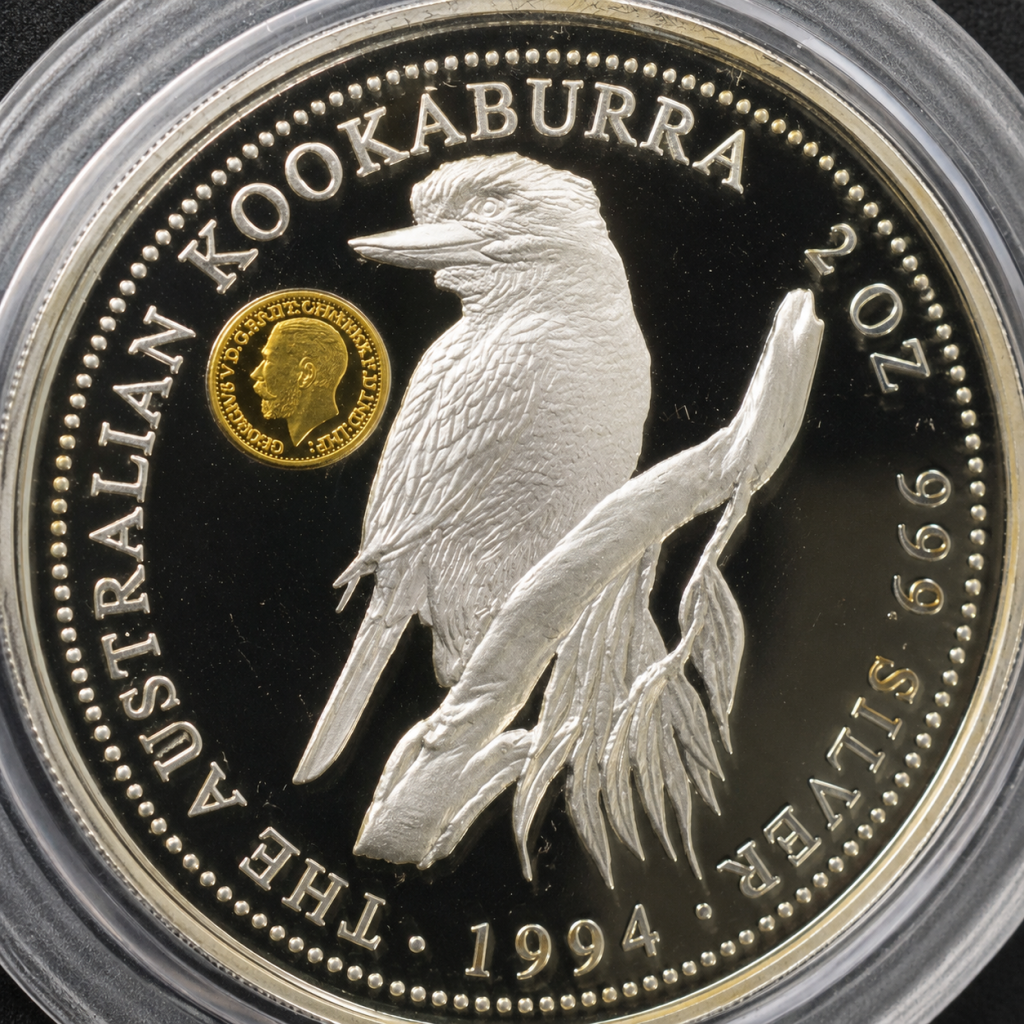
Collectors comparing physical bullion should use current silver pricing as the metal-value baseline while recognizing that dealer inventory, local availability, collectible demand, and product-specific scarcity can cause final market prices to differ.
Premium Over Spot vs. Melt Value
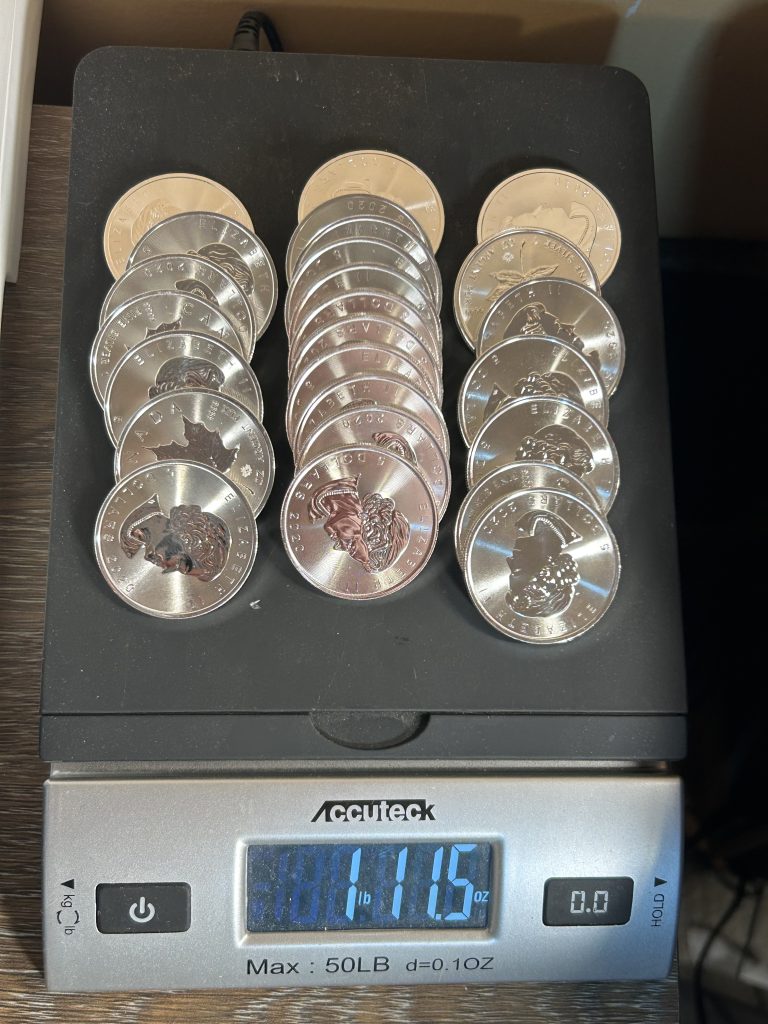
Melt value measures the intrinsic value of the silver contained in a coin, round, or bar. Premium over spot measures the additional amount the market is charging above that underlying metal value.
For common bullion, that difference may primarily reflect fabrication, distribution, inventory, shipping, and dealer costs. For collectible bullion, scarcity, craftsmanship, condition, provenance, maker reputation, limited production, and collector demand can become important additional pricing factors.
This distinction explains why spot price alone cannot determine the real-world value of every physical silver product. Two pieces with identical silver content may belong to very different markets and command very different prices.
Final Thoughts
Understanding premium over spot gives buyers a more complete way to evaluate physical silver. Spot price establishes the underlying metal benchmark, while finished-product pricing can also reflect manufacturing, dealer costs, availability, liquidity, scarcity, and collector demand.
The goal is not automatically to avoid premiums. It is to understand what the additional price represents. Stackers may prioritize silver weight and acquisition cost, while collectors may intentionally pay more for scarce, historic, artistic, serialized, vintage, or limited-production pieces.
Comparing similar products, checking melt value, reviewing the complete delivered price, and considering the likely resale market provides a stronger basis for deciding whether a bullion premium is reasonable.
Related SilverPoured Resources
Continue researching physical silver pricing with SilverPoured resources covering spot price, melt value, bullion premiums, dealer pricing, collectible silver, and the market forces that determine what buyers actually pay.
Silver Prices & Calculators
Silver Spot Price Today
Silver Melt Value Calculator
Junk Silver Value
Live Silver Values
Poured’s BullionEngine
Bullion Premium Education
Why Silver Premiums Change
Why Hand-Poured Silver Costs More
Why Collectors Pay More for Silver
What Is Silver Melt Value?
Serialized Bullion
Buying & Collecting Silver
Best Silver Dealers
Best Hand-Poured Silver Bars
American Silver Eagle Values
How Much Silver Is in U.S. Coins?
Precious Metals IRA Guides
Purchase Precious Metals from a Trusted Dealer
Understanding bullion premiums helps buyers compare physical silver more accurately, but dealer selection also affects the complete acquisition cost. Product availability, transparent pricing, shipping, payment methods, dealer reputation, and customer service should all be considered alongside the price of the metal itself.
Golden State Mint offers silver bars, rounds, gold, copper, and other physical precious metals. Buyers can compare product weight, purity, current metal value, premium, availability, and complete delivered cost before choosing a bullion product.
Collector Insight
Before paying more for physical silver, identify exactly what the additional price represents. Fabrication and dealer costs are normal parts of bullion pricing, while scarcity, craftsmanship, liquidity, provenance, or collector demand may justify additional value for certain products. The important distinction is whether the market supports the premium—not simply whether the product costs more than melt.
Keep SilverPoured Free
SilverPoured is built to help collectors and precious-metals investors make smarter decisions through free calculators, original photography, bullion education, coin-value research, and independent collector resources.
This guide is designed to help readers understand premium over spot, melt value, physical bullion pricing, collector demand, and the factors that cause otherwise similar silver products to sell for different prices. Every contribution helps fund continued research, original photography, calculator development, and additional SilverPoured educational resources.
Your support helps SilverPoured remain independent while expanding free tools and educational resources for silver collectors, stackers, bullion buyers, and precious-metals investors.