
Bullion dealer premiums are the extra cost buyers pay above spot price when purchasing physical gold, silver, platinum, or copper bullion. Bullion dealer premiums help cover manufacturing, distribution, dealer operating costs, shipping, market demand, scarcity, and product-specific value. Understanding bullion dealer premiums allows investors to compare products more effectively and evaluate the true cost of acquiring physical precious metals.
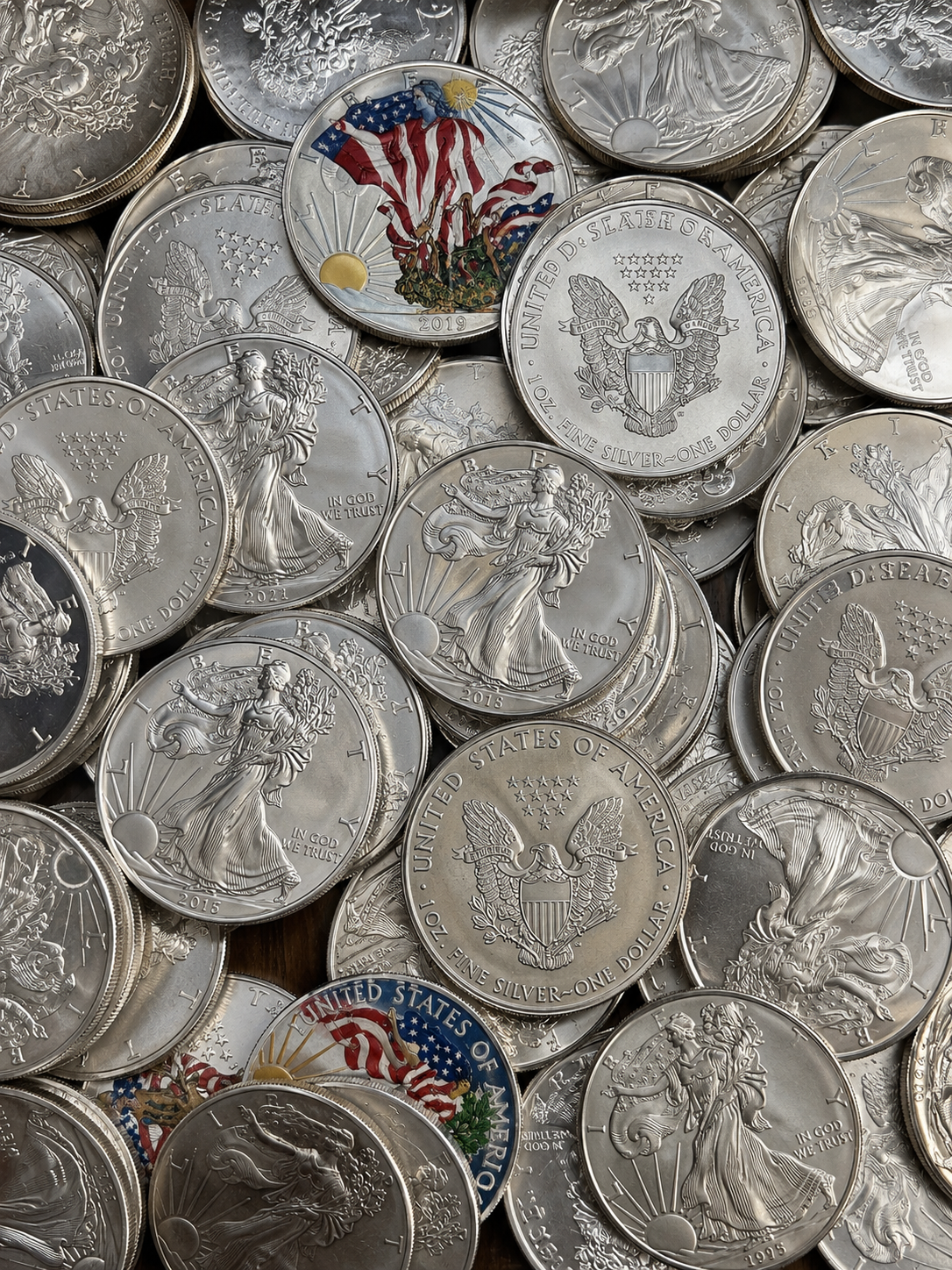
Why Bullion Dealers Charge Premiums
Bullion dealers charge premiums because physical precious metals products include manufacturing costs, dealer margins, distribution expenses, and market demand above spot price alone.
Understanding bullion dealer premiums helps investors better evaluate physical precious metals pricing and secondary-market demand.
Why Dealers Charge Above Spot Price
Bullion dealers charge premiums above spot price because physical precious metals products involve costs that extend well beyond the value of the raw metal itself. Before a gold, silver, platinum, or copper product reaches a buyer, it must be refined, fabricated, packaged, transported, insured, stored, and marketed. Dealers also absorb operating expenses such as employee labor, payment processing fees, inventory management, security, and market risk. Spot price reflects the market value of the underlying metal, but physical bullion products include the real-world costs required to produce and distribute investable precious metals.
While spot price serves as the foundation for bullion pricing, physical products almost always trade above melt value because dealers must cover these expenses while maintaining inventory and managing market fluctuations. Dealer premiums remain one of the most important factors influencing the final price investors pay for physical bullion.
What Are Bullion Premiums?
Many first-time bullion buyers focus almost entirely on spot price, but experienced investors compare the full delivered cost. A slightly higher premium may provide better liquidity, stronger resale demand, recognized refinery quality, and greater buyer confidence. Understanding what contributes to bullion dealer premiums helps buyers evaluate overall value instead of automatically choosing the product advertised closest to spot.

Bullion premiums represent the amount buyers pay above spot price or melt value when purchasing physical precious metals products. While spot price reflects the market value of the metal itself, premiums account for the additional costs required to transform raw metal into finished bullion products that can be bought, sold, shipped, and stored.
Premiums often reflect a combination of refining, fabrication, packaging, transportation, security, and distribution expenses. They may also increase because of strong investor demand, limited product availability, or growing collector interest. As a result, two bullion products containing the same amount of precious metal can trade at significantly different prices depending on production costs, market demand, and overall product desirability.
Why Dealers Cannot Sell at Spot Price
Many new investors assume bullion dealers purchase precious metals at spot price and simply resell them at a profit. In reality, dealers operate within a complex physical supply chain that includes inventory acquisition, storage, insurance, transportation, security, labor, payment processing, and market hedging. These costs exist regardless of whether metal prices are rising or falling.
Dealers must also maintain inventory levels while managing fluctuations in precious metals markets. Because physical bullion products require real operational infrastructure, selling directly at spot price would not cover the costs required to source, protect, and distribute precious metals products to customers.
Supply and Demand Impact Dealer Premiums
Supply and demand play a significant role in determining bullion premiums. When investor demand increases, dealers often experience faster inventory turnover and reduced product availability. At the same time, mints and refiners may face production constraints that limit the supply of new bullion products entering the market.
During periods of economic uncertainty, market volatility, or strong precious metals buying activity, premiums frequently rise as available inventory becomes harder to replace. Conversely, premiums may decline when supply improves and demand normalizes. This relationship helps explain why identical bullion products can carry different premiums at different points in the market cycle.
Changes in bullion dealer premiums often provide insight into overall market conditions. When demand accelerates or inventory tightens, bullion dealer premiums frequently respond faster than spot price alone, making them an important metric for physical precious metals investors.
Common Sources of Bullion Dealer Premiums
| Premium Source | Why It Increases Cost |
|---|---|
| Refining | Converts raw metal into investment-grade bullion. |
| Fabrication | Minting, striking, or pouring finished products. |
| Packaging | Assay cards, capsules, boxes, and protective materials. |
| Transportation | Shipping bullion securely through the supply chain. |
| Insurance | Protects inventory during storage and transit. |
| Dealer Operations | Labor, security, payment processing, and overhead. |
| Market Demand | Higher demand frequently increases premiums. |
Most bullion dealer premiums reflect a combination of these costs rather than a single expense. Understanding where premiums originate helps investors compare products more accurately while recognizing why physical bullion almost always sells above spot price.
Generic Bullion vs Premium Bullion
Not all bullion products carry identical dealer premiums.
Generic bullion products usually trade closer to spot price because production remains widely available.
Premium bullion products often command stronger premiums because buyers place value on factors beyond metal content alone. Scarcity, limited production runs, serialized manufacturing, historical significance, artistic design, collector demand, and secondary-market interest can all increase the amount buyers are willing to pay above melt value. As collectible bullion markets continue expanding, the premium gap between generic bullion and highly sought-after products may continue to widen.
Fractional Bullion and Higher Premiums
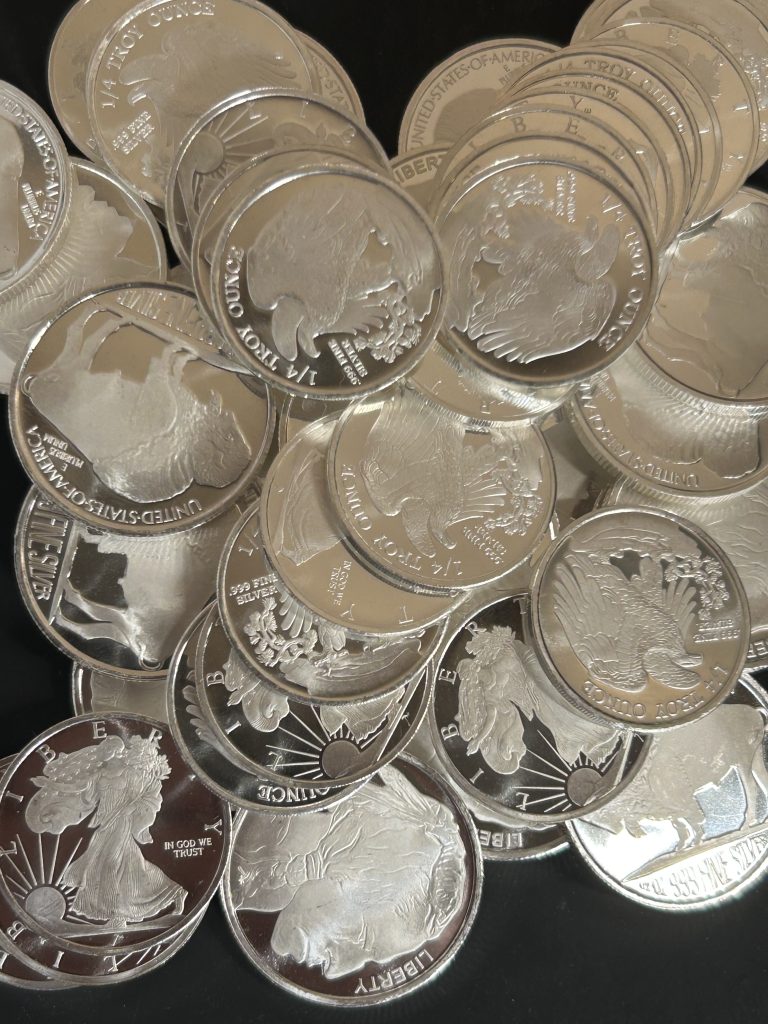
Fractional bullion products frequently carry higher premiums on a per-ounce basis because many production costs remain relatively constant regardless of product size. Whether a dealer sells a one-ounce silver round or a fractional piece, the product still requires manufacturing, packaging, inventory management, handling, security, and distribution.
Because those expenses are spread across a smaller amount of precious metal, the premium relative to metal content often increases. Many investors accept these higher premiums because fractional bullion offers greater affordability, flexibility, and liquidity compared to larger bullion products.
Secondary-Market Bullion Pricing
Secondary-market demand frequently influences dealer pricing because collectors often compete for products that are no longer widely available through primary distribution channels. Vintage bullion, serialized products, limited-mintage issues, hand-poured silver, rare refinery bars, and other collectible bullion items can develop strong followings among buyers. As available supply decreases and collector demand increases, premiums may expand far beyond the underlying melt value of the metal itself.
As collectible products enter private collections, available market supply may continue decreasing, potentially increasing dealer premiums further.
Some premium bullion products eventually trade substantially above melt value because of scarcity and collector demand.
Strong secondary-market demand can significantly influence bullion dealer premiums, particularly for products with limited availability or established collector followings. In some cases, bullion dealer premiums become a larger pricing factor than the underlying metal value itself.
Comparing Bullion Dealer Premiums
Compare identical bullion products across several reputable dealers before purchasing. The advertised premium may not include shipping, insurance, payment-method differences, or quantity requirements. Calculating the complete delivered price provides a more accurate comparison and helps reveal whether a lower headline premium actually represents the strongest overall value.
One of the most valuable skills precious metals investors can develop is learning how to compare bullion dealer premiums rather than focusing only on the current spot price. Two dealers may advertise nearly identical bullion products, yet the total purchase price can vary because of differences in premiums, shipping costs, payment methods, inventory levels, and overall market demand.
Experienced buyers rarely evaluate premiums in isolation. Instead, they compare the total delivered cost, dealer reputation, product authenticity, inventory availability, and long-term resale potential before making a purchase. A product carrying a slightly higher premium may still represent better overall value if it comes from a respected refinery, maintains strong secondary-market demand, or offers greater liquidity when it is eventually sold.
Premium comparisons also become more important during periods of elevated demand. Inventory shortages, increased investor interest, and production delays can all cause dealers to adjust premiums independently of changes in the underlying precious metals market. Monitoring these differences helps investors recognize competitive pricing while avoiding purchases based solely on headline spot prices.
Rather than assuming every dealer offers identical value, comparing bullion dealer premiums across multiple reputable sources provides a more accurate picture of the physical precious metals market and often results in better long-term purchasing decisions.
Products That Commonly Carry Higher Premiums
| Product | Typical Premium Characteristics |
|---|---|
| Generic Silver Rounds | Usually among the lowest premiums. |
| Government Bullion Coins | Higher premiums because of recognition and liquidity. |
| Fractional Bullion | Higher premiums per ounce. |
| Serialized Bullion | Collector appeal and traceability. |
| Limited Mintage Bullion | Scarcity increases premiums. |
| Vintage Bullion | Collector demand often exceeds melt value. |
| Hand-Poured Silver | Artisan production and uniqueness. |
Different bullion categories naturally develop different premium structures because manufacturing costs, collector demand, liquidity, and market availability vary significantly across products.
Bullion Dealer Premiums in Today’s Market
Premiums often reflect a combination of refining, fabrication, packaging, transportation, security, distribution expenses, dealer operating costs, and inventory management. They may also increase because of strong investor demand, limited product availability, government-issued bullion popularity, or growing collector interest. As a result, two bullion products containing the same amount of precious metal can trade at significantly different prices depending on production costs, market demand, overall product desirability, and long-term secondary-market demand. Although spot prices often receive the most attention, premiums frequently provide a better indication of conditions within the physical bullion market because they reflect real-world inventory levels and product availability.
Periods of heavy buying activity can cause premiums to increase even when gold and silver prices remain relatively stable. Likewise, improved refinery output and stronger inventory levels may allow premiums to decline despite higher underlying metal prices. This relationship demonstrates why experienced investors monitor both spot prices and premiums rather than relying on a single market indicator.
Today’s buyers also have greater access to pricing information than ever before. Online bullion dealers, live pricing tools, and market data make it easier to compare products across multiple retailers before making a purchase. While transparency has improved, understanding why premiums differ remains an essential part of evaluating physical precious metals.
Using Bullion Dealer Premiums to Make Better Decisions
Understanding bullion dealer premiums allows investors to evaluate the complete cost of ownership rather than focusing exclusively on the advertised spot price. Comparing premiums across product types, dealers, and market conditions provides valuable insight into the true cost of acquiring physical bullion.
Experienced buyers often consider product recognition, liquidity, collector demand, resale potential, and long-term ownership goals alongside dealer premiums before making purchasing decisions. A product with a slightly higher premium may ultimately provide stronger long-term value if it maintains consistent market demand and broad buyer recognition.
Viewing premiums as one component of a larger investment strategy helps buyers balance acquisition cost with quality, liquidity, and future resale opportunities. This broader perspective supports more disciplined purchasing decisions while reducing the likelihood of reacting emotionally to short-term market fluctuations.
Bullion Premiums in Today’s Market
Understanding bullion dealer premiums becomes especially important when physical-market conditions change quickly. Spot price establishes the underlying metal value, while premiums reflect what buyers actually encounter when sourcing available gold, silver, platinum, and copper products. Comparing bullion dealer premiums across dealers and product types can reveal differences in availability, fabrication costs, liquidity, and physical demand that spot price alone does not show.
Investors who understand how premiums behave during different market environments are often better equipped to compare products, evaluate value, and identify opportunities within both the bullion and collector markets. Monitoring premiums alongside spot price provides a more complete view of physical precious metals pricing.
Do Bullion Premiums Matter?
Two bullion products containing the same amount of precious metal can sell for dramatically different prices because premiums are influenced by far more than metal content alone. Product type, scarcity, production methods, collector demand, refinery reputation, and secondary-market availability all contribute to how buyers and sellers value a bullion product. A widely available generic silver round may trade only slightly above spot price, while a limited-production bar or highly sought-after collectible issue may command substantially higher premiums despite containing the same amount of silver.
For investors, understanding these differences is important because premiums directly affect both acquisition costs and potential resale opportunities. While spot price remains the foundation of precious metals pricing, physical bullion products often derive a significant portion of their market value from factors that extend beyond melt value alone.
Many experienced investors monitor bullion dealer premiums alongside spot price because premiums can significantly influence overall acquisition costs. During periods of elevated demand or limited inventory, bullion dealer premiums may rise even when underlying metal prices remain relatively stable. Understanding how bullion dealer premiums behave during different market conditions can help investors evaluate pricing more effectively and compare competing bullion products.
Tracking bullion dealer premiums over time can help investors identify pricing trends, compare products more effectively, and better understand the relationship between physical precious metals markets and spot price movements. Many experienced buyers evaluate bullion dealer premiums before making major bullion purchases.
Choosing the Right Bullion Based on Premiums
Understanding bullion dealer premiums allows investors to match their purchases with their personal investment goals rather than simply selecting the lowest-priced product. Every bullion buyer has different objectives. Some investors focus on accumulating the greatest amount of precious metal for the lowest possible premium, while others prioritize liquidity, government-backed bullion, collectible appeal, or long-term appreciation.
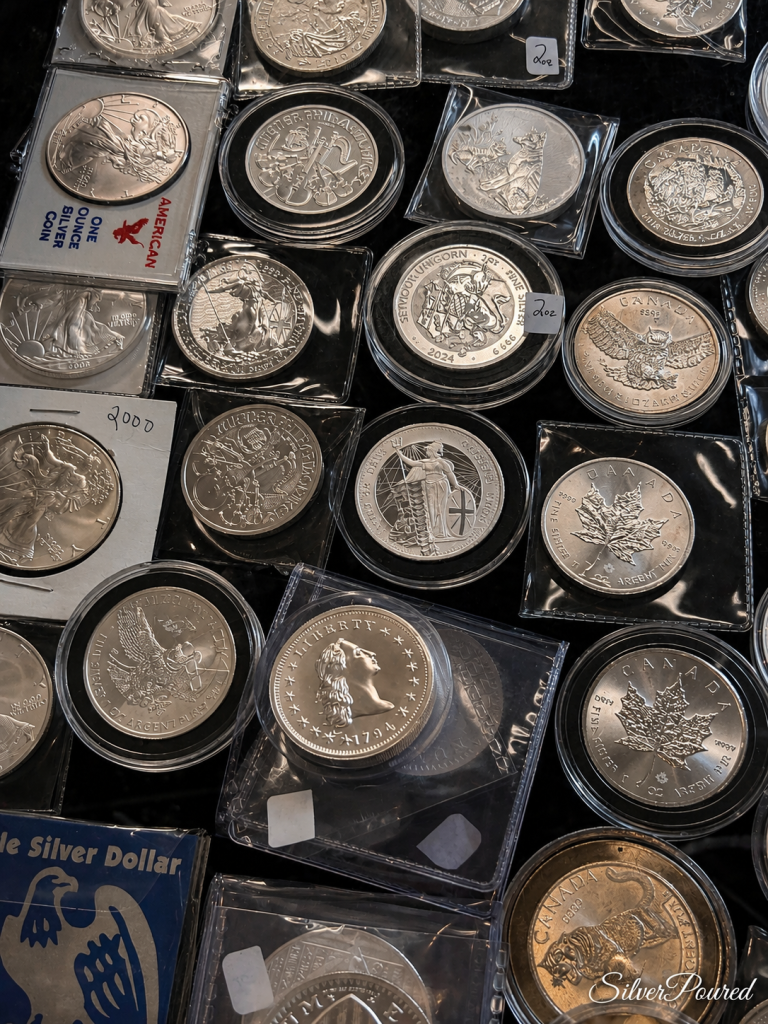
Investors building large bullion positions often prefer widely recognized generic silver rounds and bars because lower premiums allow them to acquire more precious metal for the same investment. Buyers seeking maximum flexibility, however, may prefer government-issued bullion coins such as American Silver Eagles, Canadian Maple Leafs, or other internationally recognized products because strong market recognition frequently improves liquidity when selling.
Collectors frequently make different decisions altogether. Limited-production bullion, serialized bars, vintage refinery products, hand-poured silver, and specialty releases often carry substantially higher premiums because buyers value craftsmanship, scarcity, historical significance, and long-term collector demand in addition to metal content. Although these products cost more initially, many collectors view the additional premium as part of the product’s long-term appeal.
There is no single premium level that represents the best value for every investor. Some buyers intentionally pay higher bullion dealer premiums for products with exceptional liquidity, respected refinery names, or strong secondary-market demand, while others prioritize acquiring the greatest amount of precious metal for the lowest possible acquisition cost. Matching premiums to long-term investment goals generally produces better purchasing decisions than focusing on price alone. The right purchase depends on individual goals, investment strategy, budget, holding period, and expectations for future resale. Understanding how bullion dealer premiums influence different categories of precious metals products helps buyers compare opportunities more effectively while building portfolios that match their long-term objectives.
How Different Dealers Set Bullion Premiums
Bullion dealer premiums are not identical across the precious metals industry because every dealer operates under different business models, inventory levels, purchasing costs, and customer demand. Online bullion dealers often compete aggressively on price because higher sales volume allows them to spread operating expenses across more transactions. Local coin shops may charge different premiums depending on regional demand, inventory availability, and overhead costs, while coin shows and private transactions frequently reflect individual negotiations between buyers and sellers.
Product availability also influences dealer pricing. A dealer with abundant inventory may offer more competitive premiums to encourage sales, while another dealer with limited stock may increase premiums until inventory can be replenished. Shipping costs, payment methods, insurance expenses, and market volatility can further contribute to differences between dealers selling nearly identical bullion products.
Understanding why premiums vary between dealers allows investors to compare total acquisition costs more accurately while recognizing that the lowest advertised premium does not always represent the best overall purchase. Dealer reputation, product authenticity, shipping reliability, customer service, and long-term resale recognition can all justify moderate differences in bullion dealer premiums between otherwise similar products.
Recovering Bullion Premiums When Selling
Many first-time investors focus entirely on the premium paid when purchasing bullion but give little thought to whether that premium may be recovered when the product is eventually sold. In reality, resale value depends on several factors beyond the underlying precious metal content.
Widely recognized bullion products with strong liquidity frequently retain a larger portion of their original premium because dealers and private buyers actively seek those products. Government-issued bullion coins, popular silver bars, and established refinery products often experience stronger resale demand than lesser-known bullion items. Collectible bullion, serialized products, vintage refinery bars, and limited-production releases may recover even greater premiums when collector demand remains strong, although values can fluctuate with market interest.
Understanding the relationship between purchase premiums and resale premiums helps investors evaluate long-term ownership costs while selecting bullion products that best match their investment objectives.
When Bullion Dealer Premiums Usually Rise
| Market Condition | Typical Premium Effect |
|---|---|
| Strong Investor Demand | Premiums generally increase. |
| Refinery Delays | Supply shortages increase premiums. |
| Economic Uncertainty | Higher physical bullion demand. |
| Inventory Shortages | Dealer replacement costs rise. |
| Supply Chain Disruptions | Transportation and logistics increase costs. |
| Normal Market Conditions | Premiums often become more competitive. |
Bullion dealer premiums rarely move independently of broader physical-market conditions. Most premium changes reflect the interaction between physical supply, investor demand, production capacity, and overall market conditions.
Bullion Premium Cycles
Bullion dealer premiums can rise before major changes appear in spot price because physical inventory responds directly to buying demand, refinery output, transportation constraints, and replacement costs. Monitoring premiums alongside live metal prices gives investors a broader view of physical-market conditions and may help identify periods of unusually tight supply or improving availability.
Bullion dealer premiums rarely remain constant over long periods because physical precious metals markets move through repeating supply-and-demand cycles. During periods of stable economic conditions, premiums often remain relatively competitive as inventory stays readily available and buying activity remains balanced.
During periods of financial uncertainty, rapid precious metals price movements, or increased investor demand, premiums frequently expand as dealers experience stronger sales and tighter inventory levels. Refinery production delays, transportation disruptions, and temporary shortages can also increase premiums independently of changes in the underlying spot price.
As market conditions normalize and supply improves, premiums often become more competitive again. Understanding these market cycles helps investors recognize that changing premiums are a normal part of the physical bullion market rather than isolated pricing events. Monitoring these trends alongside live spot prices provides a more complete understanding of precious metals pricing while supporting better long-term buying decisions.
Final Thoughts
Bullion dealer premiums represent one of the most important components of physical precious metals pricing because they explain the difference between raw spot prices and the actual cost of acquiring investment-grade bullion. Manufacturing expenses, dealer operations, market demand, scarcity, and product recognition all contribute to the premiums buyers pay when purchasing physical gold, silver, platinum, and copper.
Rather than evaluating products by spot price alone, experienced investors compare bullion dealer premiums alongside liquidity, collector demand, fabrication quality, resale potential, and current market conditions. Understanding how bullion dealer premiums work allows buyers to compare products more effectively while making informed long-term precious metals investment decisions.
Related SilverPoured Resources
Continue exploring SilverPoured’s premium, bullion-pricing, dealer, and collector resources to better understand bullion dealer premiums, compare physical precious-metals products, evaluate premiums above spot, and recognize how scarcity, fabrication, liquidity, and secondary-market demand influence the price buyers actually pay.
Bullion Premiums and Physical-Market Pricing
Premium Over Spot Explained
Silver Bullion Premiums
Why Silver Premiums Change
Why Silver Bars Sell Above Spot
Why Poured Silver Premiums Rise
Buying Bullion and Comparing Dealers
Best Silver Dealers
Best Place to Buy Silver Online
Best Silver Bars for Stacking
Best Hand Poured Silver Bars
Poured’s BullionEngine
Collector Value and Premium Bullion
What Makes Silver Bars Collectible
Limited Mintage Silver
Serialized Silver Bars
Vintage Silver Bars
Why Collectible Silver Sells For More
Purchase Precious Metals from a Trusted Dealer
Understanding bullion dealer premiums is especially useful when comparing physical products from different dealers. The lowest advertised price is not always the lowest total acquisition cost, so buyers should consider product recognition, fabrication quality, availability, payment method, shipping, liquidity, and resale demand alongside the premium above spot.
Golden State Mint offers silver bars, silver rounds, gold bullion, copper bullion, and fractional precious metals for buyers comparing physical-metal options. Reviewing standardized bullion products alongside collectible and limited-availability pieces helps illustrate why bullion dealer premiums can differ even when products contain similar amounts of precious metal.
Collector Insight
A premium should be evaluated in context rather than treated automatically as money lost above spot. Recognized bullion may command stronger liquidity, while scarce, vintage, serialized, or collectible products can develop value beyond their metal content. Understanding what creates bullion dealer premiums helps buyers distinguish ordinary distribution costs from premiums supported by genuine scarcity, craftsmanship, recognition, or secondary-market demand.
Keep SilverPoured Free
SilverPoured is built to help collectors and precious-metals investors make smarter decisions through free calculators, original photography, coin research, value references, collector education, and independent market resources. Every page is created to make valuable precious-metals information available without requiring a paid subscription.
This guide explains bullion dealer premiums so buyers can compare spot price, fabrication costs, dealer pricing, physical-market demand, product scarcity, liquidity, and resale potential more effectively. Every contribution helps support continued precious-metals research, original photography, free calculators, premium education, and expansion of the SilverPoured Authority Library.
Your support allows SilverPoured to remain independent while building one of the web’s most comprehensive free libraries for coin collectors, bullion buyers, precious-metals researchers, and long-term investors.