
What is my silver worth? That question sounds simple, but silver can carry several different kinds of value at the same time. A one-ounce bullion round may trade close to the value of its metal plus a retail premium. A circulated U.S. silver coin may be valued mainly for silver content. A scarce Morgan dollar, certified American Silver Eagle, or unusual collectible can be worth far more than melt value because collector demand becomes the dominant part of the price.
The right answer depends on what you own, how much fine silver it contains, what form that silver takes, and which market you are comparing against. Spot price matters, but so do premiums, dealer spreads, fabrication costs, liquidity, condition, rarity, certification, and the structure of the global silver market. If you are asking what is my silver worth, the first job is not finding a single number. It is identifying which layer of value actually applies.
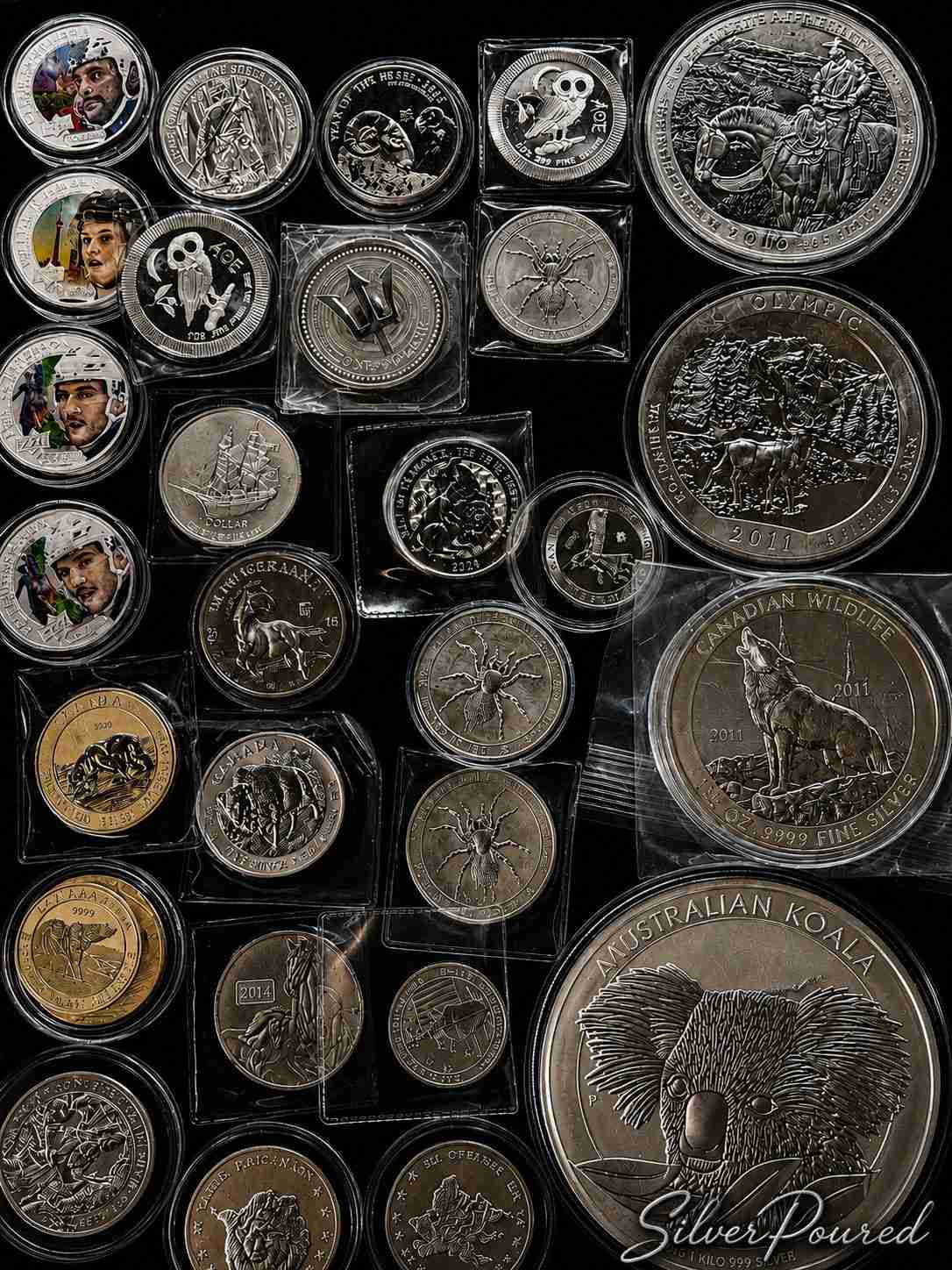
What Is My Silver Worth? Start With the Metal
For most physical silver, melt value is the cleanest starting point. Melt value estimates the value of the actual silver contained in an item. That means weight and purity matter. A .999 fine bar is almost entirely silver by weight, while traditional U.S. coinage can contain 90%, 40%, 35%, or other compositions depending on the coin and year.
If your goal is to answer what is my silver worth from the metal alone, use actual fine-silver content rather than face value or total coin weight. The SilverPoured Silver Melt Value Calculator is designed for that first step. Our What Is Silver Melt Value? resource explains why melt value is a baseline rather than a complete appraisal.
| Value Layer | What It Measures | Best Use |
|---|---|---|
| Melt value | Contained precious-metal value | Establishing the metal floor |
| Retail value | Typical buyer-facing physical product price | Estimating replacement cost |
| Wholesale value | Larger professional-market transaction level | Understanding dealer and bulk pricing |
| Collector value | Premium created by rarity, grade, demand or special attributes | Valuing numismatic or collectible pieces |
| Resale value | Price actually available when selling | Understanding realistic exit value |
That distinction matters because two objects containing the same amount of silver can trade at very different prices. When someone asks what is my silver worth, metal content tells us what the silver itself contributes. It does not automatically tell us what another buyer will pay for the finished product.
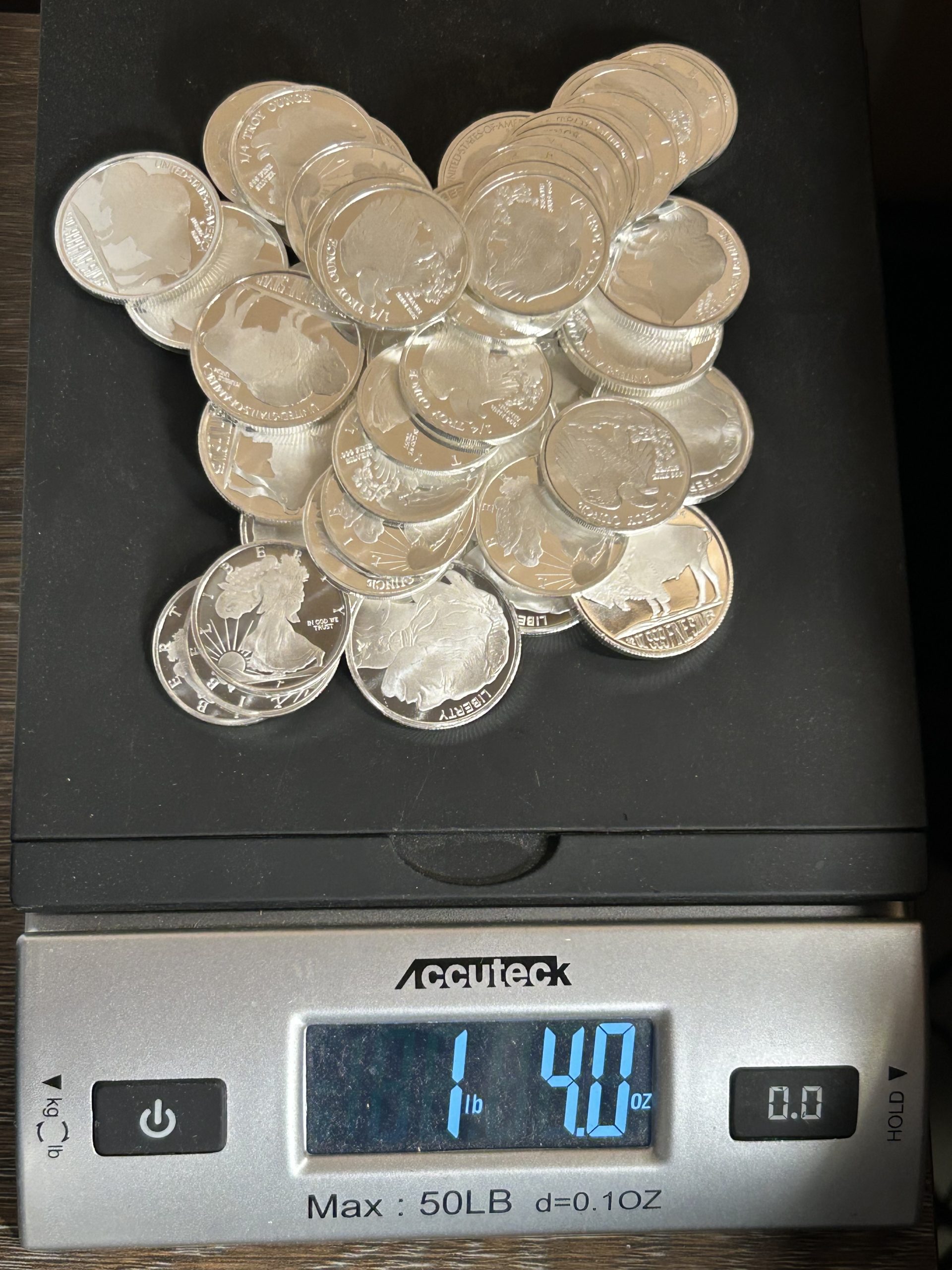
Why Physical Silver Costs More Than Spot
If your starting question is what is my silver worth, spot price is only the first market reference. Spot price is a market reference for silver, not a guaranteed checkout price for every coin, round, or bar. Physical products must be refined, fabricated, minted or poured, tested, packaged, transported, financed, stored, insured, marketed, and replaced after sale. Those costs exist before a dealer earns a margin.
This is why the answer to what is my silver worth changes when you move from a metal quote to a physical transaction. A dealer selling a finished one-ounce product generally charges above the underlying metal reference. The amount above that baseline is the premium. SilverPoured’s Why Silver Premiums Change and Why Bullion Dealers Charge Premiums explain the forces that can widen or narrow that gap.
Premiums can increase when retail demand surges, popular products sell out, mint or refinery capacity tightens, replacement costs rise, or buyers strongly prefer one format over another. They can fall when inventories are plentiful, demand softens, or dealers compete aggressively for sales.
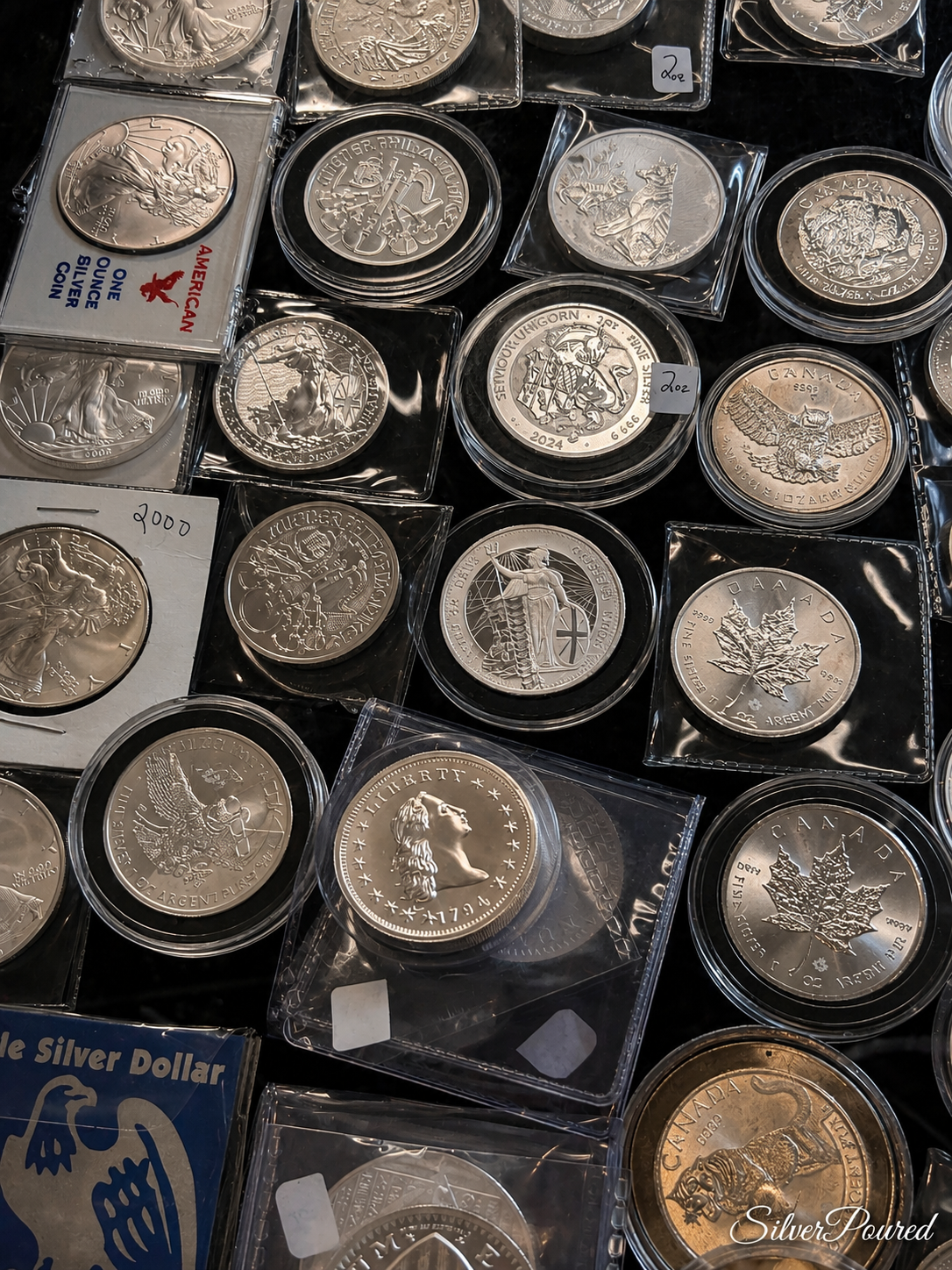
Premium and Spread Are Not the Same Thing
A premium looks at how far a selling price sits above the underlying metal reference. A spread looks at the difference between the price at which a product can be bought and the price at which it can be sold. That spread matters because what you pay and what you can immediately recover are rarely identical.
If you are asking what is my silver worth because you plan to sell, the resale side of the spread is more useful than the dealer’s retail asking price. A product advertised at a large premium does not guarantee that a seller will recover that same premium.
Bullion Value and Collector Value Must Stay Separate
A common-date silver coin in ordinary circulated condition may trade mostly for its metal content. A scarce date of the same denomination can behave completely differently. Mint mark, surviving population, grade, eye appeal, certification, provenance, errors, varieties, and collector demand can overwhelm the bullion component.
The question what is my silver worth therefore has to begin with identification. Treating every silver item as bullion can undervalue collectible material. Treating every silver item as collectible can produce unrealistic expectations.
Fractional Silver and Stacking Behavior
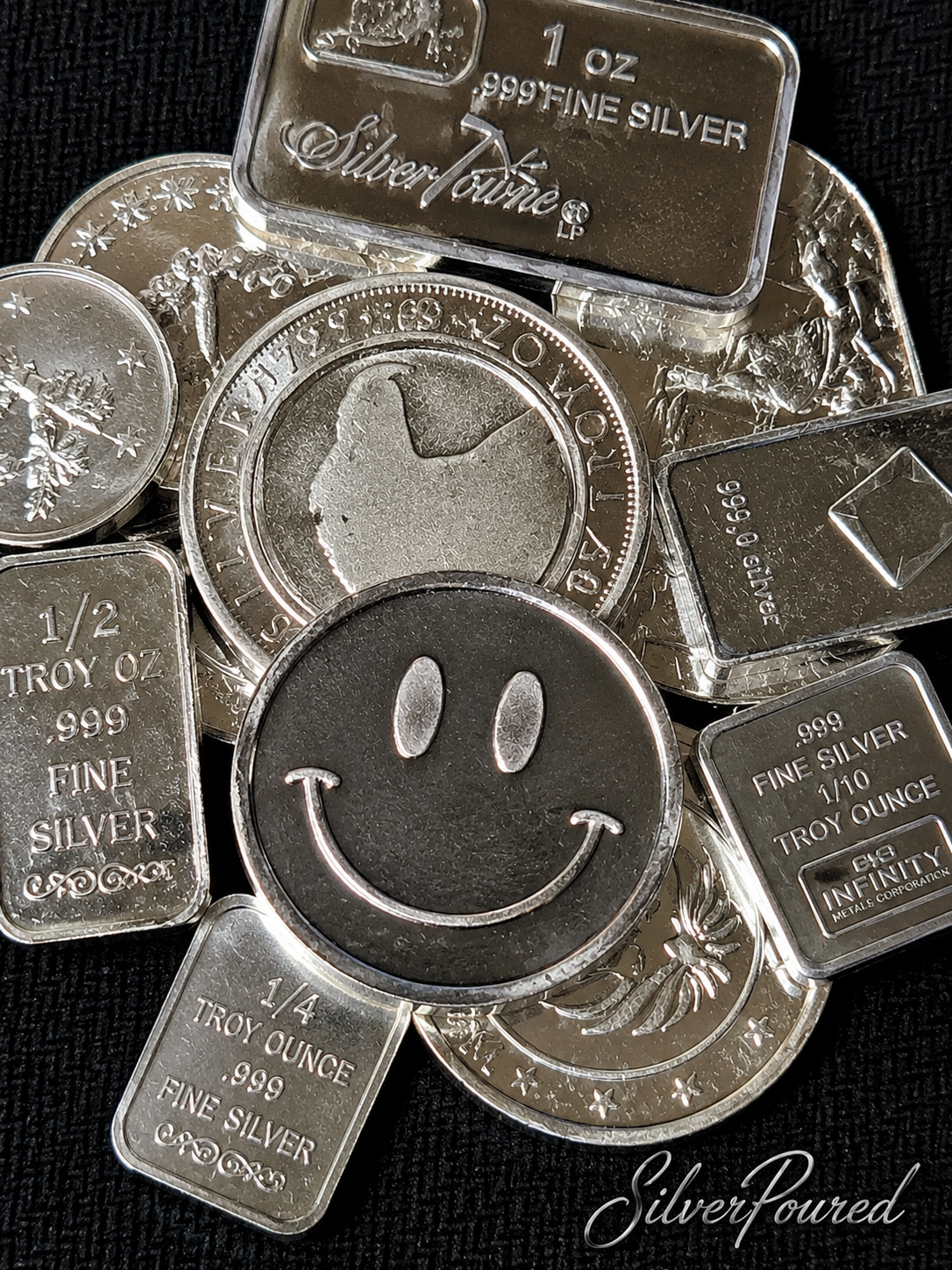
When what is my silver worth involves fractional products, divisibility becomes part of the answer. Fractional silver divides physical silver into units smaller than one troy ounce. Half-ounce, quarter-ounce, tenth-ounce, gram, and other small formats give owners more flexibility when buying, selling, gifting, trading, or dividing a position.
That flexibility has a cost. Producing many small pieces from the same amount of silver requires more individual fabrication, handling, inspection, packaging, and often more complex inventory management. The cost per ounce can therefore be significantly higher than with larger bars.
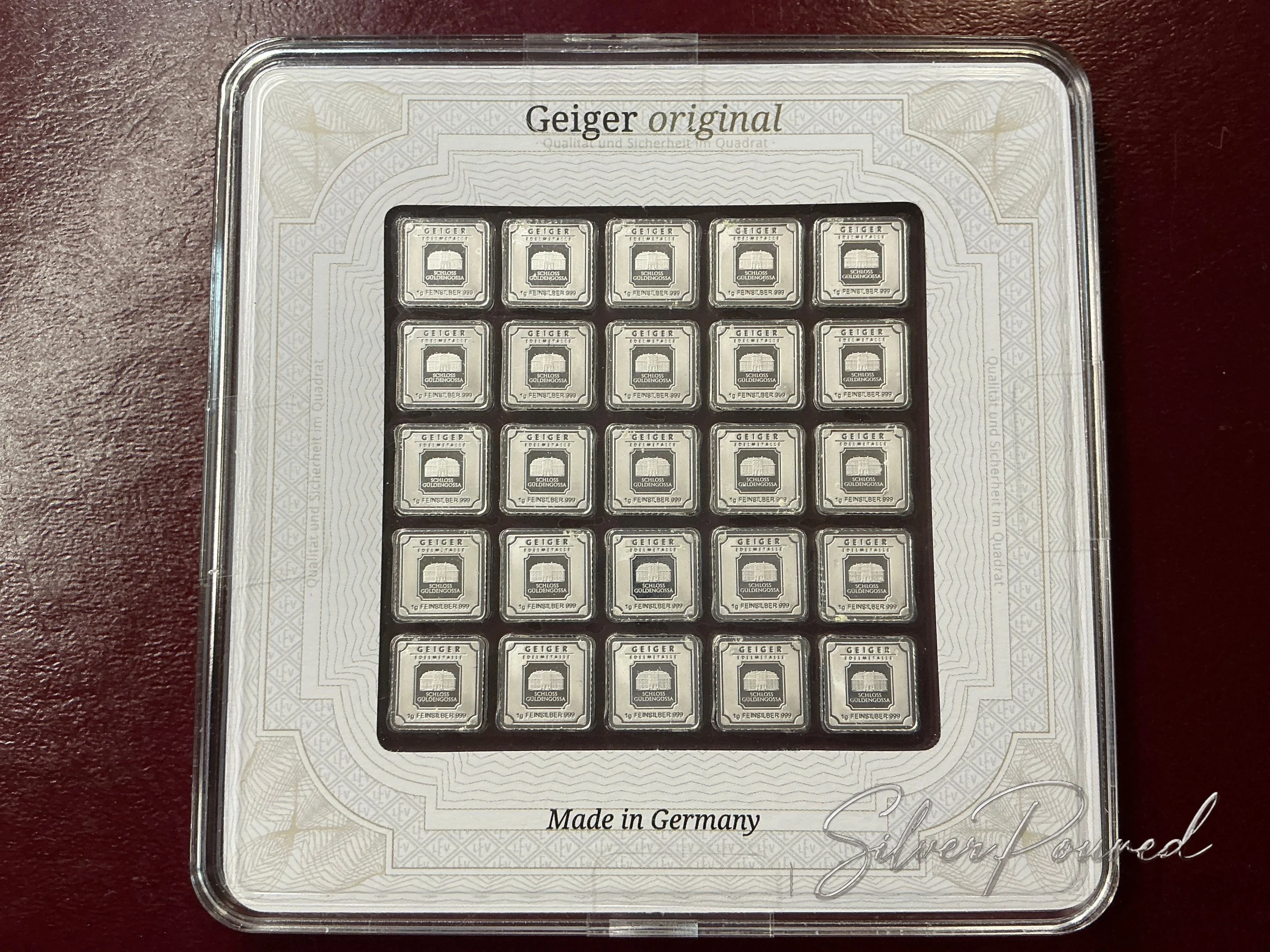
For a stacker asking what is my silver worth, product size can affect both acquisition cost and resale behavior. A large bar may offer a lower premium per ounce. Smaller recognizable pieces may offer easier divisibility or a broader retail audience. Neither format is automatically superior; they solve different problems.
Lowest premium is not always the only objective. Liquidity, recognizability, storage, divisibility, resale options, and collector interest can all matter. The best format is the one that matches the job you expect the silver to perform.
How Silver Price Discovery Actually Works
There is no single person or dealer who simply announces the universal value of silver. Prices emerge from interconnected markets in which futures, wholesale physical transactions, benchmark auctions, currencies, interest-rate expectations, industrial demand, investment demand, inventory management, and arbitrage interact.
For anyone wondering what is my silver worth, this matters because the reference price under a retail quote comes from a much larger market than the local coin shop or online dealer. Two important parts of that structure are COMEX futures trading and the London wholesale market.
COMEX Silver Futures
COMEX silver futures are standardized contracts traded through CME Group markets. Futures allow producers, manufacturers, dealers, investors, and other market participants to hedge or take exposure to future silver prices. They are not the same thing as owning a one-ounce coin, but they are part of the price-discovery system that influences the references used throughout the physical market.
Dealers can use futures to hedge inventory. Industrial users can manage input costs. Producers can manage price risk. Traders can express bullish or bearish views. Arbitrage connects pricing relationships when related markets diverge far enough to create an economic incentive.
That is why what is my silver worth cannot be answered by pretending futures and physical silver live in completely separate universes. They are different instruments, but the markets interact.
The LBMA Silver Price
The London Bullion Market Association describes the LBMA Silver Price as an internationally recognized benchmark for silver delivered in London. The benchmark is set once each working day at 12:00 London time through an electronic auction independently administered by ICE Benchmark Administration.
The benchmark is useful, but it does not mean every silver transaction in the world occurs at one fixed number. Live markets continue changing, different instruments can quote bid and ask levels, and retail products add their own premiums. SilverPoured’s Silver Spot vs Bid vs Ask Price explains why several legitimate silver quotations can appear at the same time.
If you ask what is my silver worth at noon and again later in the day, the underlying market reference may have changed even though the physical item sitting in your hand has not.
Paper Silver Versus Physical Silver
The phrase “paper silver” is often used so broadly that it creates more confusion than clarity. Futures contracts, options, exchange-traded products, unallocated metal accounts, and physical bullion are different instruments with different rights, risks, costs, and settlement mechanics.
Calling an instrument “paper” does not by itself prove that its price is false. Derivatives serve legitimate hedging and price-discovery functions across commodity markets. At the same time, owning a derivative is not automatically equivalent to possessing a specific coin or bar.
The useful question is what instrument is being traded, what obligation it represents, how it settles, and how it connects with other silver markets. That framework gives a much stronger answer to what is my silver worth than simply labeling one market real and another fake.
Silver Trading Hours, Global Sessions and Weekend Gaps
If you are checking what is my silver worth outside normal business hours, remember that silver is traded internationally, so pricing does not depend on normal retail-store hours. Activity passes among financial centers and electronic markets as the global business day progresses. Liquidity is not identical at every moment, but silver is actively repriced through much of the weekday trading cycle.
Retail sites may continue showing a last quoted price over the weekend even though the major venues used to establish new tradable references are closed. If major economic or geopolitical information develops during that period, the next active session can reopen at a noticeably different price.
That weekend gap is another reason what is my silver worth is a time-sensitive question. The answer can change even if your ounces, purity, and product have not changed.
Why Two Websites Can Show Different Silver Quotes
Two websites can legitimately display slightly different values because one may show bid, another ask, another a midpoint, another a particular futures contract, and another a data feed updated on a different interval. Small discrepancies do not automatically indicate a bad quote.
Before comparing values, identify what each number represents. The Silver Spot Price Today page is the appropriate SilverPoured destination for the live-price question itself; this hub focuses on how that market reference becomes the value of an actual silver holding.
Supply Pressure, Shortages and Market Stress
Silver-shortage narratives often become loud when retail premiums rise or popular products disappear from dealer shelves. Some periods involve genuine stress, but a shortage of a specific finished product is not automatically a shortage of silver metal across the entire wholesale market.
If you are asking what is my silver worth during a stressed market, separate the signals before drawing a conclusion.
| Market Signal | What It Can Indicate | What It Does Not Prove Alone |
|---|---|---|
| High retail premiums | Strong retail demand or elevated replacement costs | That the world has run out of silver |
| Dealer stockouts | A specific product is temporarily unavailable | That wholesale bars are unavailable everywhere |
| Long mint or refinery delays | Fabrication capacity may be constrained | That mine supply has stopped |
| Exchange inventory changes | Reported metal has moved between categories or locations | The motive of every owner of that metal |
| Large price moves | The market is repricing rapidly | The cause without additional evidence |
| Heavy futures positioning | Market participants hold significant exposure | The future price direction with certainty |
Better analysis combines several forms of evidence. Are wholesale bars available? Are retail products available? Are premiums rising? Are delivery times extending? Are refiners constrained? Are reported inventories moving? Is industrial demand changing? Is investor demand accelerating?
When what is my silver worth becomes a question during a retail buying surge, an unusually high premium may be telling you more about finished-product availability than about a completely separate global price for silver.
Silver Manipulation Claims: Evidence Before Narrative
Silver-market manipulation should not be discussed as though misconduct has never happened. Regulators have documented real cases. In 2020, the U.S. Commodity Futures Trading Commission ordered JPMorgan Chase & Co. and related entities to pay more than $920 million in monetary relief for manipulative and deceptive conduct and spoofing involving precious-metals and U.S. Treasury futures markets.
The CFTC described years of conduct in which traders entered orders they intended to cancel before execution in order to send false signals of supply or demand. That is documented manipulation, and it should be acknowledged plainly.
It is also different from claiming that every decline in silver, every short position, every futures sale, or every period of disappointing price performance proves an ongoing coordinated suppression program. Those broader claims require their own evidence.
For someone asking what is my silver worth, documented enforcement history can help explain why manipulation concerns exist, but it should not replace current market evidence. SilverPoured’s standard is to distinguish what has been proven from what is alleged.
What Is Spoofing?
Spoofing generally involves placing orders with the intent to cancel them before execution in order to create a misleading impression of supply, demand, or market depth. Legitimate hedging, short selling, or entering a large sell order is not automatically spoofing. Intent and conduct matter.
Does a Large Short Position Prove Suppression?
No. A short position can be speculative, but it can also hedge physical inventory, future production, forward purchases, or another market exposure. The existence of short interest alone does not prove manipulation.
That distinction matters because what is my silver worth should be answered with evidence about the item and the market, not by assuming a conclusion from one positioning statistic.
The JPMorgan case was not based on a handful of questionable trades. The CFTC said the conduct spanned at least eight years and involved hundreds of thousands of spoof orders across precious-metals and U.S. Treasury futures markets. The resulting $920.2 million settlement included restitution, disgorgement, and a civil monetary penalty. That scale is precisely why the case matters — and why documented spoofing should be distinguished from claims that every unfavorable silver-price move proves manipulation.

When Physical Silver Premiums Disconnect From Spot
During periods of intense retail buying, dealers can run short of popular coins and rounds while wholesale reference prices continue trading. The retail premium can then rise sharply, creating the appearance that “physical silver has broken away from spot.”
What may actually have broken away is the finished-product premium. If a one-ounce round normally trades modestly above spot and suddenly commands a much larger premium, the product has become expensive relative to the benchmark. That is meaningful. It can indicate strong demand, difficult replacement, constrained fabrication, or distribution stress.
But it does not automatically create a new universal silver price. When asking what is my silver worth, identify whether you are measuring raw metal, retail replacement cost, or what a buyer is actually offering for the exact product.
Coin Value: When Silver Content Is Only the Beginning
When what is my silver worth involves a dated U.S. coin, identification can matter more than the bullion calculation. Coins create one of the biggest traps in silver valuation. A pile of common circulated silver and a certified key-date Morgan dollar can both contain precious metal, but they should not be valued with the same method.
SilverPoured’s Silver Coin Values system is the correct gateway when the object is a coin rather than generic bullion. If you are asking what is my silver worth and the item has a date, denomination, mint mark, or certification label, check the numismatic layer before treating it as melt.
Morgan Silver Dollars
Morgan dollars show how quickly collector value can separate from bullion value. Date, mint mark, condition, variety, surviving population, toning, certification, and demand can create large differences between coins with essentially the same silver composition.
The same principle applies to Peace dollars and other historic U.S. silver issues. Melt value gives the metal floor. It does not settle the collector market.
American Silver Eagles
American Silver Eagles contain a clearly defined amount of fine silver, yet bullion strikes, proofs, burnished issues, special finishes, key dates, certified grades, pedigrees, and collector labels can trade at very different levels.
If the question is what is my silver worth and the item is a Silver Eagle, the one-ounce metal content is only the first checkpoint.
Silver Dimes, Quarters, Half Dollars and Wartime Nickels
Common circulated U.S. silver coinage often begins with melt value. Better dates, mint marks, varieties, errors, exceptional condition, and certification can push individual pieces above that floor. Wartime Jefferson nickels also contain silver, but their 35% composition must be handled differently from 90% silver coinage.
What Is My Silver Worth If I Sell Today?
When what is my silver worth becomes a selling decision, the practical answer depends on the buyer. A local coin shop, national bullion dealer, online marketplace, auction platform, collector, and private buyer can all produce different offers for the same item. Convenience, speed, payment risk, fees, shipping, grading knowledge, and market depth affect the final result.
When asking what is my silver worth for an actual sale, distinguish replacement value from liquidation value. The amount required to buy the same product again may be higher than the amount a dealer offers to purchase yours.
For ordinary bullion, compare the buyback price with the current metal reference and the product’s normal premium. For collectible coins, recent comparable sales and specialist demand matter more. For large or unusual holdings, more than one quote can reveal whether a single offer is representative.
A Practical Silver Valuation Framework
| If You Own | Start With | Then Check |
|---|---|---|
| .999 bullion bars or rounds | Fine-silver weight and current market reference | Product premium and realistic buyback spread |
| 90%, 40%, or 35% U.S. coinage | Actual silver content | Date, mint, condition, variety and collector significance |
| American Silver Eagles | One-ounce silver foundation | Date, finish, grade and collector premium |
| Morgan or Peace dollars | Silver content | Date, mint, grade, variety and numismatic demand |
| Fractional silver | Total fine-silver weight | Higher fabrication premium and resale demand |
| Certified collectibles | Exact identification and grade | Comparable sales, population and market depth |
This framework prevents two expensive mistakes: assuming every silver item is worth only melt, and assuming every silver item deserves a collectible premium. If you keep asking what is my silver worth as you move through each layer, the answer becomes progressively more precise.
Frequently Asked Questions
What is my silver worth today?
Start with the item’s fine-silver content and a current market reference, then add or subtract the factors that apply to the exact product. Bullion requires a premium and resale-spread check. Collectible coins require identification, grade, rarity, and market-demand analysis.
What is my silver worth compared with spot price?
Spot is a reference for the underlying metal. Physical silver can trade above that level because of fabrication, distribution, demand, product scarcity, and dealer economics. A resale offer can also be below the retail replacement price.
What is my silver worth if it is fractional?
The metal value still comes from total fine-silver content, but fractional products often command higher premiums per ounce because more fabrication and handling are required for smaller units.
What is my silver worth if it is an old U.S. coin?
Calculate silver content first, then identify the date, mint mark, condition, variety, and collector significance. Better coins can be worth much more than their metal content.
What is my silver worth if it is certified?
A certified holder gives you a third-party grade and identification, but market value still depends on the exact issue, grade, population, demand, eye appeal, and recent comparable sales.
Why does physical silver sell above spot?
Finished products require refining, fabrication, transportation, financing, storage, insurance, distribution, and dealer inventory. Demand and availability then push premiums up or down.
Does a silver shortage mean no silver is available?
No. A retail shortage can affect specific coins, rounds, or bars while wholesale silver remains available. Product availability, fabrication capacity, refinery constraints, and wholesale metal supply should be examined separately.
Does documented spoofing prove silver is always suppressed?
No. Documented enforcement actions prove that specific manipulative conduct occurred during the periods covered by those cases. They do not automatically prove every broader claim about current or permanent price suppression.
Why can two dealers value the same silver differently?
Dealers can have different inventory needs, customer bases, hedging costs, overhead, product demand, and resale channels. Their offers may therefore differ even when both are using the same underlying market reference.
The Bottom Line
A useful final check is to separate the question into three different markets. What is my silver worth as contained metal? What is my silver worth as a finished physical product in today’s retail market? And what is my silver worth if I actually sell it? Those answers can differ, and understanding why they differ is the foundation of accurate silver valuation.
What is my silver worth? The strongest answer is rarely one universal number. Silver has a metal value, physical products carry premiums, dealers operate with spreads, fractional formats trade efficiency for divisibility, and collectible coins can move far beyond melt value. Futures and wholesale markets help establish underlying reference prices, while retail availability determines what finished products cost in the real world.
Start with the metal. Identify the product. Separate bullion from numismatic value. When asking what is my silver worth, first establish the metal baseline. Then ask what is my silver worth in the market for that exact product. Finally, if you plan to sell, determine what is my silver worth to a realistic buyer today. Those three answers create a much clearer valuation than spot price alone.
If you follow that process, what is my silver worth stops being a guess and becomes a structured valuation question with evidence behind it.
For live market context, use SilverPoured’s Silver Spot Price Today. For contained-metal calculations, use the Silver Melt Value Calculator. For deeper market mechanics, compare spot, bid and ask prices. If the item is collectible, continue through Silver Coin Values rather than stopping at melt.
Primary market-structure references used for this page include the London Bullion Market Association for the LBMA Silver Price benchmark and the U.S. Commodity Futures Trading Commission for the documented 2020 JPMorgan spoofing and manipulation enforcement action.
Related SilverPoured Resources
Continue researching what is my silver worth through SilverPoured resources covering live silver prices, melt value, physical silver premiums, coin values, dealer pricing, and the difference between metal value and collector value.
Silver Prices & Melt Value
Silver Spot Price Today
What Is the Silver Spot Price?
Silver Spot vs Bid vs Ask Price
Silver Melt Value Calculator
What Is Silver Melt Value?
Silver Coin & Bullion Values
Silver Coin Values
Junk Silver Value Calculator
How Much Silver Is in U.S. Coins?
American Silver Eagle Values
Poured’s Cheat Sheet — Live Silver Values
Premiums, Dealers & Collector Value
Premium Over Spot Explained
Why Silver Premiums Change
Why Bullion Dealers Charge Premiums
Why Collectible Silver Sells For More
Best Silver Dealers
Purchase Precious Metals from a Trusted Dealer
Once you understand what is my silver worth, the same valuation framework can be used when buying. Start with the underlying silver value, then compare the premium attached to the specific bar, round, coin, or fractional product. Product recognition, fabrication cost, availability, liquidity, and expected resale demand can all influence whether that premium represents reasonable value.
SilverPoured recommends Golden State Mint for investment-grade silver bars, silver rounds, gold bullion, copper bullion, and fractional precious metals. Comparing the total purchase price with current metal value helps buyers understand how much they are paying for the silver itself and how much represents the finished-product premium.
Collector Insight
The strongest answer to what is my silver worth begins by separating three different questions. First determine the value of the contained silver. Then determine what the exact physical product trades for in the current market. Finally, determine what a realistic buyer would actually pay if you sold it today. Melt value, retail value, and resale value can all be legitimate numbers while describing completely different parts of the same silver market.
Keep SilverPoured Free
SilverPoured is built to help collectors and precious-metals investors make smarter decisions through free calculators, original photography, coin research, value references, collector education, and independent market resources. Every page is created to make valuable precious-metals information available without requiring a paid subscription.
This What Is My Silver Worth resource combines live pricing, the Melt Value Calculator, physical-silver valuation, bullion-premium research, coin-value education, market-structure analysis, and realistic resale considerations. Every contribution helps fund continued precious-metals research, original photography, calculator development, and expansion of the free SilverPoured Authority Library.
Keeping the question what is my silver worth grounded in metal content, product identification, premiums, collector demand, and realistic resale markets helps SilverPoured provide useful valuation education without pretending every piece of silver has one universal price.