
Shop Silver
Shop Silver at SilverPoured and explore silver bullion, collectible silver coins, hand-poured silver bars, fractional silver, vintage bullion, graded coins, and premium physical-silver products for modern stackers and collectors.
The SilverPoured Shop Silver hub is designed to help buyers understand the different roles physical silver can play within a collection. Some products are purchased primarily for their silver content, while others trade at substantial premiums because of craftsmanship, rarity, grading, historical significance, limited production, market recognition, or collector demand.
That distinction matters because two products containing the same amount of silver can behave very differently in the marketplace. Buyers who shop silver intelligently compare not only weight and purity but also premium, liquidity, condition, recognition, availability, and the reason a particular product costs more than its melt value.
Why People Buy Physical Silver
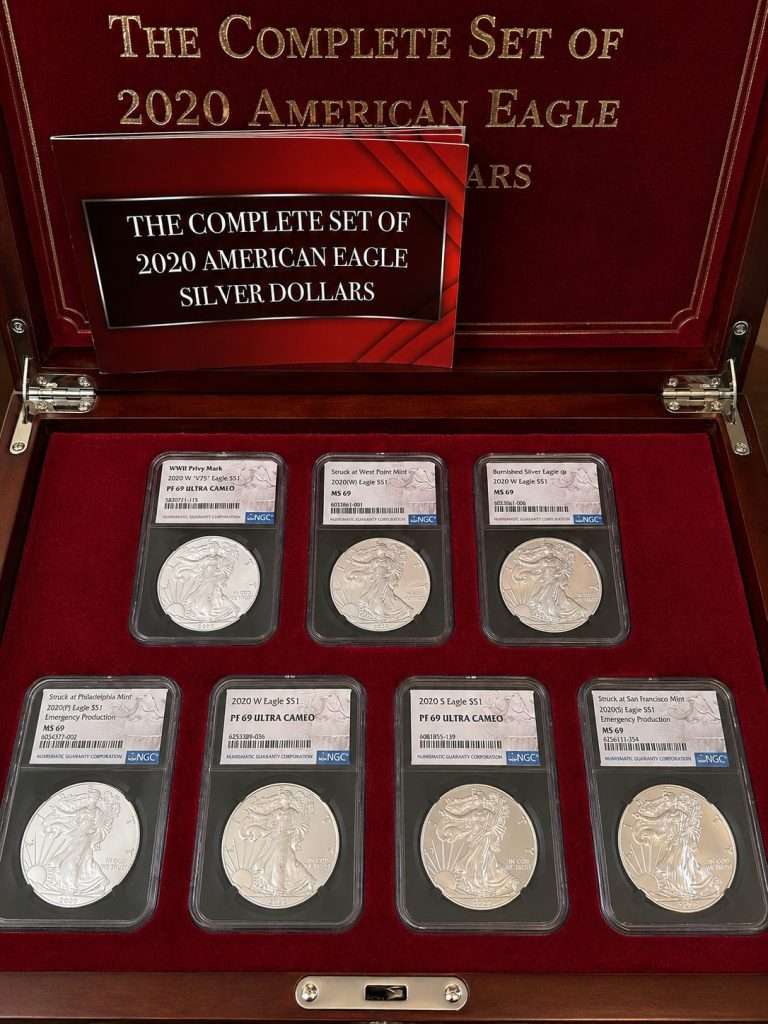
Physical silver attracts both stackers and collectors because the market supports many different ownership goals. A buyer can accumulate lower-premium bars and rounds, collect government-issued bullion coins, pursue historic U.S. coinage, build sets of graded coins, collect vintage bars, or focus on handcrafted and limited-production silver.
Affordability is an important part of silver’s appeal. Compared with gold, silver generally allows buyers to acquire more individual pieces and experiment with different product categories at a lower initial cost. That accessibility can make it easier for new collectors to learn how premiums, liquidity, condition, and collector demand affect physical precious metals.
Many experienced buyers shop silver for more than one reason. Part of a collection may emphasize efficient bullion accumulation, while another part may contain products chosen for history, artistry, scarcity, grading, or personal interest. Keeping those objectives separate makes it easier to evaluate whether the premium attached to each purchase is justified.
Understanding the Main Silver Categories
The physical silver market can be divided into several broad categories. Standard bullion bars and rounds are generally purchased with metal value and premium efficiency in mind. Government-issued bullion coins add sovereign-mint recognition. Historic and numismatic coins can derive substantial value from date, mint, condition, variety, and collector demand. Hand-poured, vintage, graded, and limited-production products can occupy the space between bullion and traditional numismatics.
Collectors who shop silver should understand which category they are evaluating before comparing prices. A generic one-ounce round and a certified key-date coin may contain similar amounts of silver but should not be valued using the same methodology. One may trade primarily on metal value and dealer spread, while the other may depend heavily on scarcity and collector demand.
| Silver Category | Primary Value Drivers | Common Buyer Goal |
|---|---|---|
| Generic bars and rounds | Silver content, premium, liquidity | Efficient stacking |
| Government bullion coins | Silver content, mint recognition, demand | Recognizable bullion ownership |
| Historic U.S. silver coins | Date, mint, condition, rarity, collector demand | Numismatic collecting |
| Hand-poured silver | Metal content, maker, craftsmanship, scarcity | Artisan bullion collecting |
| Vintage silver bars | Refiner, age, rarity, provenance, demand | Specialized bullion collecting |
| Graded or limited releases | Grade, population, mintage, presentation, demand | Premium collector ownership |
Bullion Silver vs Collectible Silver
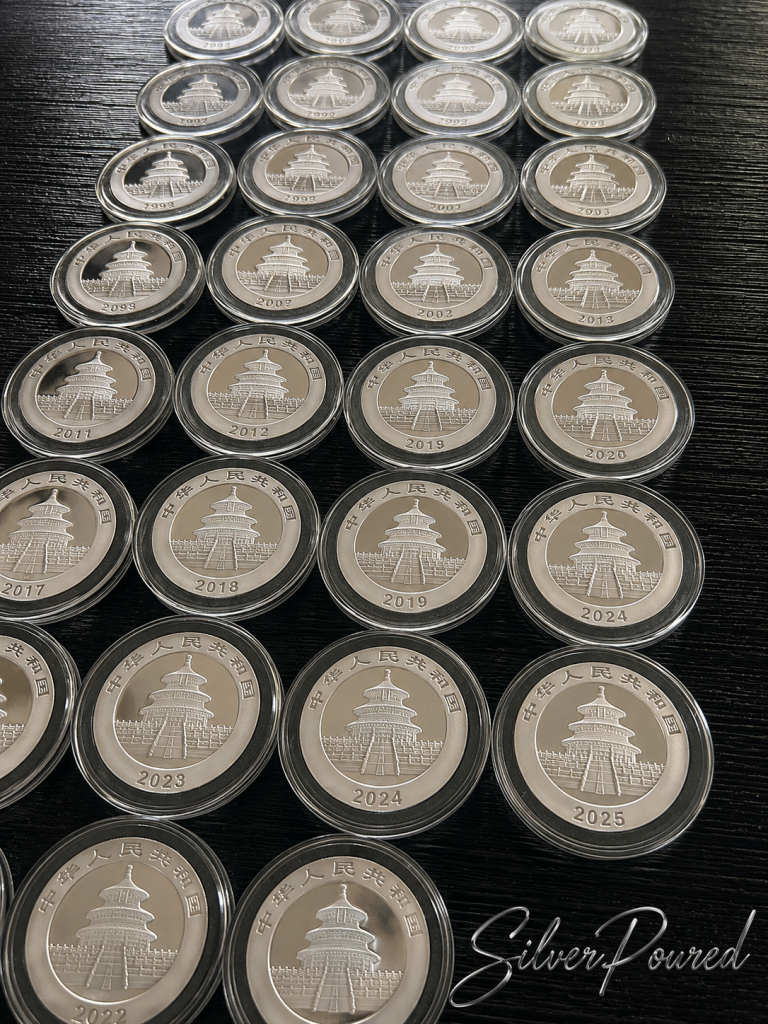
Bullion-focused buyers generally place greater emphasis on fine-silver weight, premium over spot, product recognition, and ease of resale. Generic bars and rounds can be attractive when the objective is accumulating ounces efficiently because their price is usually tied more closely to the underlying silver market than to individual collector characteristics.
Collectible silver operates differently. A vintage bar, certified coin, limited release, historic dollar, or scarce variety may trade substantially above melt because buyers are competing for something beyond its silver content. In those markets, rarity, condition, provenance, grading population, design, and sustained collector interest can matter more than a small movement in spot price.
Many collectors shop silver across both sides of the market. Lower-premium bullion can provide physical metal exposure and liquidity, while carefully selected collectible pieces can add history, craftsmanship, or specialized collector interest. The important step is knowing which value proposition applies before making the purchase.
Two silver products with identical weight and purity can have very different markets. One may trade primarily as bullion while the other depends on rarity, maker, grade, provenance, or collector demand. Buyers who shop silver should identify what creates the premium before deciding whether two products are truly comparable.

How to Shop Silver by Purpose
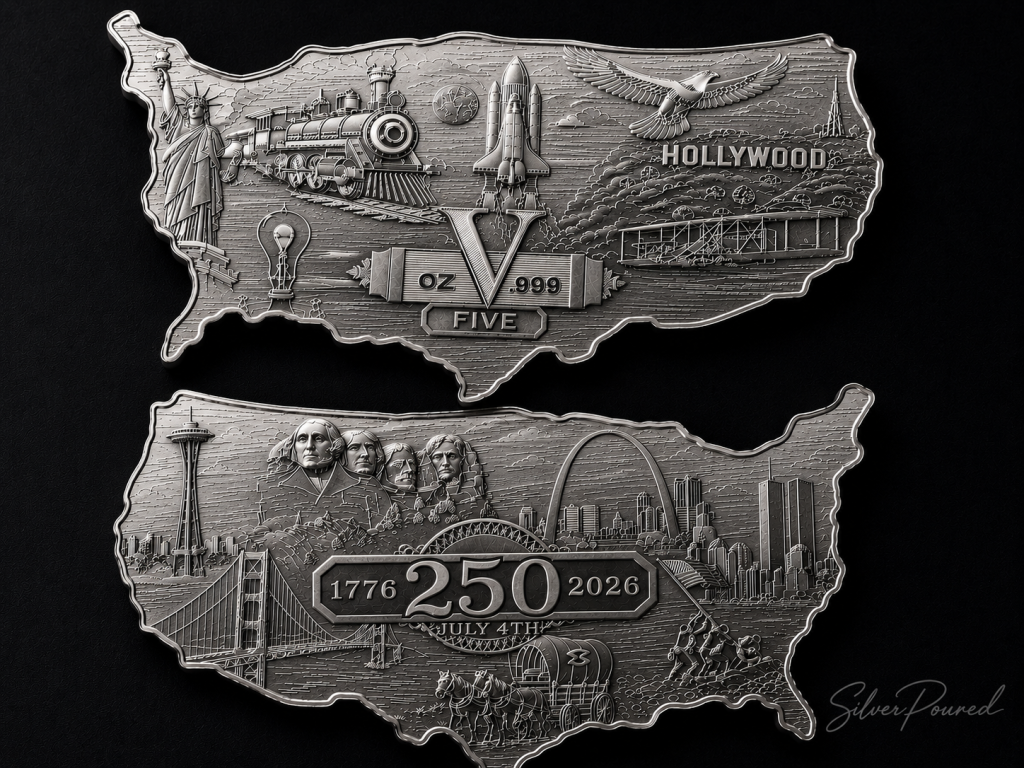
The simplest way to compare silver products is to begin with the intended purpose. A buyer focused on maximizing ounces may favor low-premium bars and rounds. Someone who values worldwide recognition may prefer established government bullion coins. A collector may instead prioritize historic coins, vintage bars, hand-poured pieces, certified issues, or limited releases.
Collectors who shop silver by purpose avoid forcing every product into the same comparison. Paying a higher premium can make sense when the buyer deliberately wants a scarce, collectible, or highly recognized product. The same premium may make little sense to someone whose only goal is acquiring the greatest amount of fine silver for a fixed budget.
Budget and storage also influence product choice. Larger bars can consolidate more silver into fewer pieces, while one-ounce products and smaller denominations provide greater flexibility. Collectible coins may require capsules, certified holders, or more careful storage because condition and presentation can affect value.
Understanding Silver Premiums Over Spot
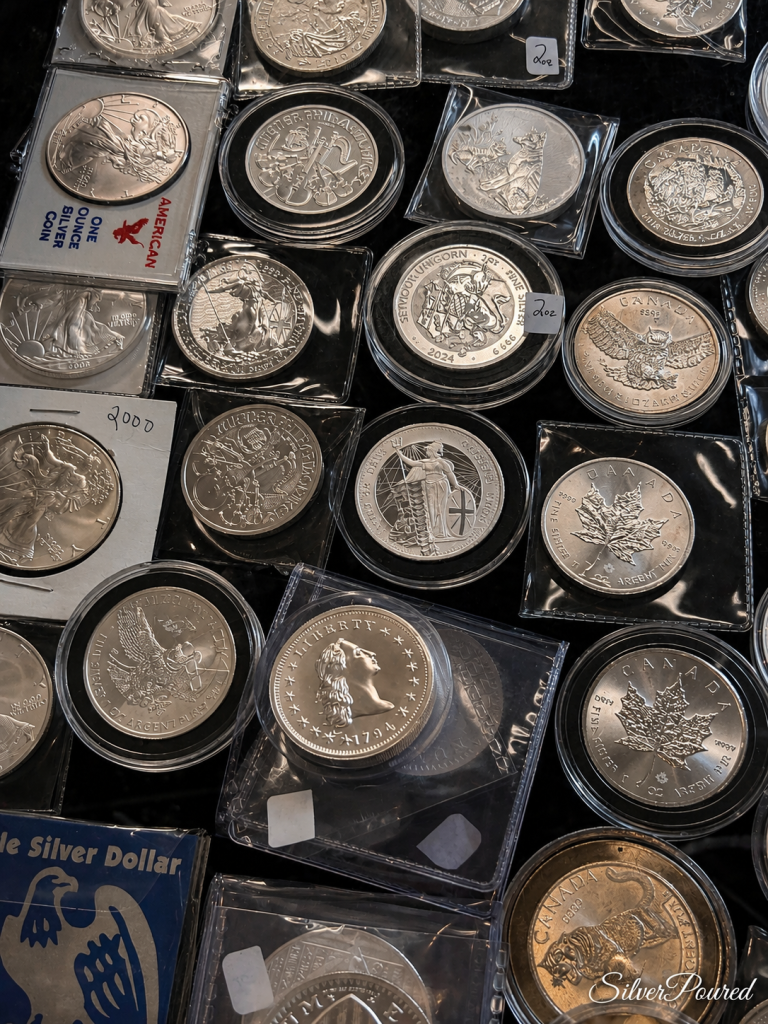
The silver spot price provides a benchmark for the underlying metal, but a physical product normally costs more than its raw silver content. Refining, fabrication, minting, distribution, dealer operating costs, shipping, inventory conditions, and market demand can all contribute to the premium paid above spot.
Premiums can also vary substantially by product. Government-issued bullion coins may carry stronger premiums because of recognition and demand. Fractional products can cost more per ounce because manufacturing and handling costs are spread across smaller amounts of silver. Hand-poured and collectible pieces may include additional premiums for craftsmanship, scarcity, or collector interest.
Buyers who shop silver during periods of heavy physical demand may see premiums move independently of spot. Dealer inventories can tighten even when the underlying silver price is stable, while premiums can contract when supply improves or demand weakens. The delivered price of physical silver therefore reflects more than the headline market quote.
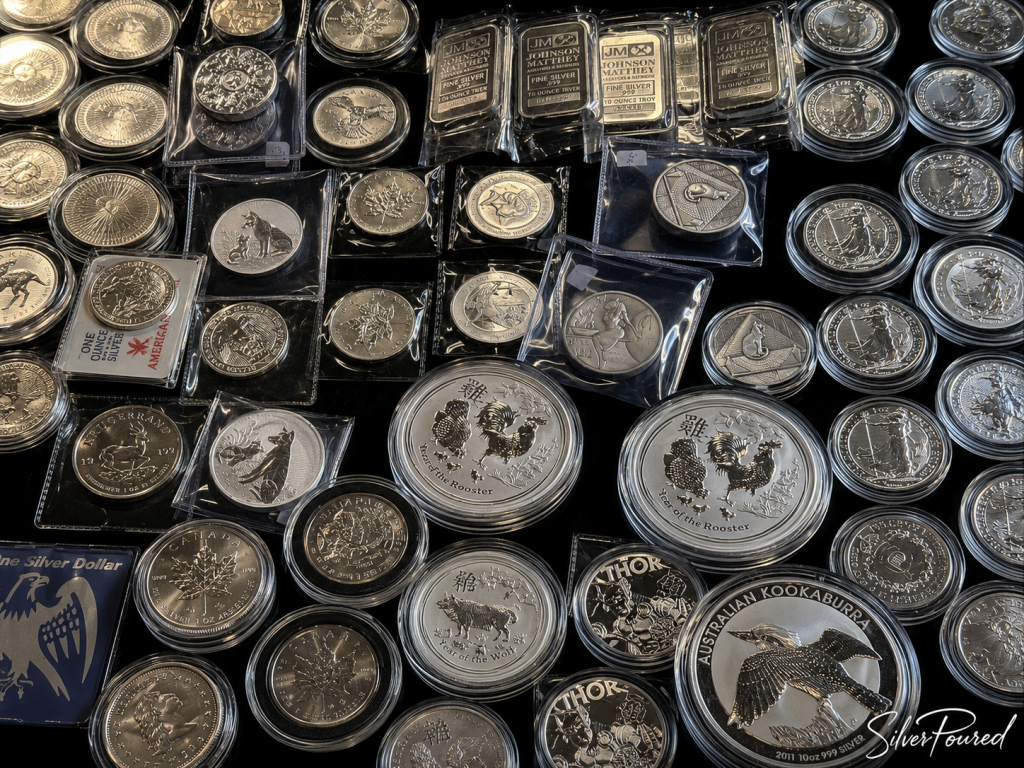
What Creates a Collectible Silver Premium?
A collectible premium should have an identifiable source. Historic significance, limited production, condition rarity, grading population, recognizable maker, discontinued design, provenance, unusual format, or sustained collector demand can all influence the amount buyers are willing to pay above melt value.
Not every premium has the same durability. A scarce vintage bar with an established collector following may behave differently from a newly released product experiencing temporary demand. Buyers who shop silver for collectible value should research why a premium exists and whether the characteristic creating that premium is likely to remain meaningful to future buyers.
Certification can also influence premiums when grade matters. A certified coin may command more than an uncertified example because buyers can evaluate the assigned grade and certification information. That does not mean every graded coin is rare or valuable; population, issue, condition, and collector demand still need to support the premium.
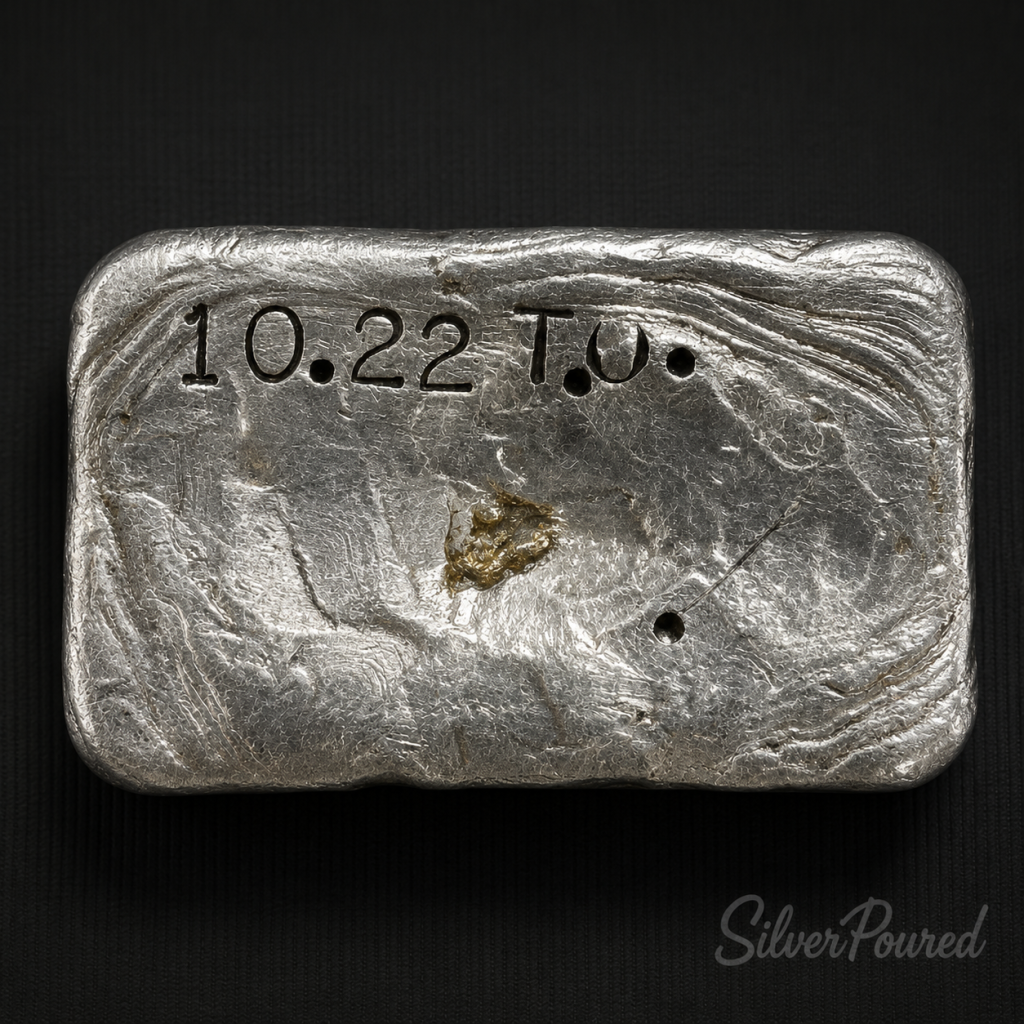
Comparing Silver Products Before Buying
| Factor | Why It Matters |
|---|---|
| Weight and purity | Establish the fine-silver content of the product |
| Premium | Shows how much is being paid above underlying metal value |
| Recognition | Can influence buyer confidence and resale familiarity |
| Liquidity | Affects how readily the product may be sold |
| Condition | Can materially affect collectible or certified silver |
| Scarcity | May support collector premiums when genuine demand exists |
| Dealer or seller | Influences confidence, service, authenticity, and transaction risk |
Using the same evaluation framework across purchases makes it easier to shop silver without being distracted by marketing alone. A buyer can identify what portion of the price represents metal value, what portion reflects ordinary product premium, and what portion depends on collectible characteristics.
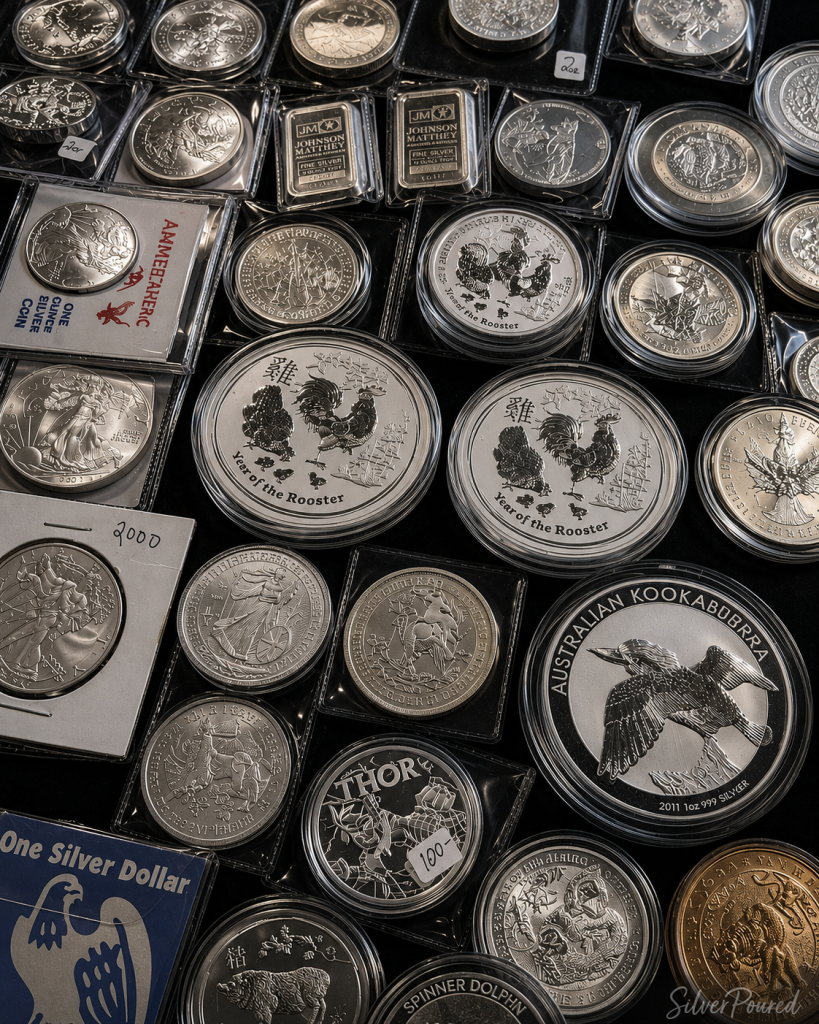
Silver Premiums and Physical Market Demand
Silver spot price establishes the underlying metal value, but it does not determine the final price of every physical product. Refining, fabrication, minting, distribution, dealer inventory, shipping, product recognition, and collector demand can all contribute to the premium above spot. Buyers who shop silver should therefore compare the complete delivered price rather than assuming two equal-weight products represent the same value.
Premiums can also change independently from the silver spot price. During periods of strong physical demand, dealer inventories may tighten and popular products can become more expensive even when spot moves very little. At other times, premiums may contract as supply improves or collector attention moves elsewhere.
Collectors who shop silver should distinguish ordinary bullion premium from collectible premium. A generic bar may carry a price largely determined by fabrication and dealer spread, while a scarce vintage bar, certified coin, limited-mintage issue, or sought-after hand-poured piece may carry additional value because buyers want that specific product.
A high premium is not automatically evidence of a better investment. Premiums can expand or contract, and collector demand can change. Understanding why the premium exists helps buyers decide whether they are paying for silver content, manufacturing cost, market scarcity, product recognition, or genuine collector appeal.
Silver Collector Intelligence and Market Research
The physical silver market becomes easier to understand when buyers track more than one number. Spot price, melt value, dealer premium, bid and ask spreads, auction activity, grading populations, product availability, and secondary-market demand can each reveal something different about how an individual product is trading.
Collectors who shop silver regularly often develop a feel for normal premium ranges within the categories they follow. That familiarity makes unusual pricing easier to recognize and helps separate genuine scarcity from temporary inventory pressure or aggressive retail marketing.
Research matters even more when a product carries significant collectible value. Certification records, mintage data, original packaging, documented provenance, maker information, archived sales, and clear photographs can help determine whether a premium has a defensible basis. The more a price depends on rarity or collector demand, the less useful melt value becomes as the only comparison.
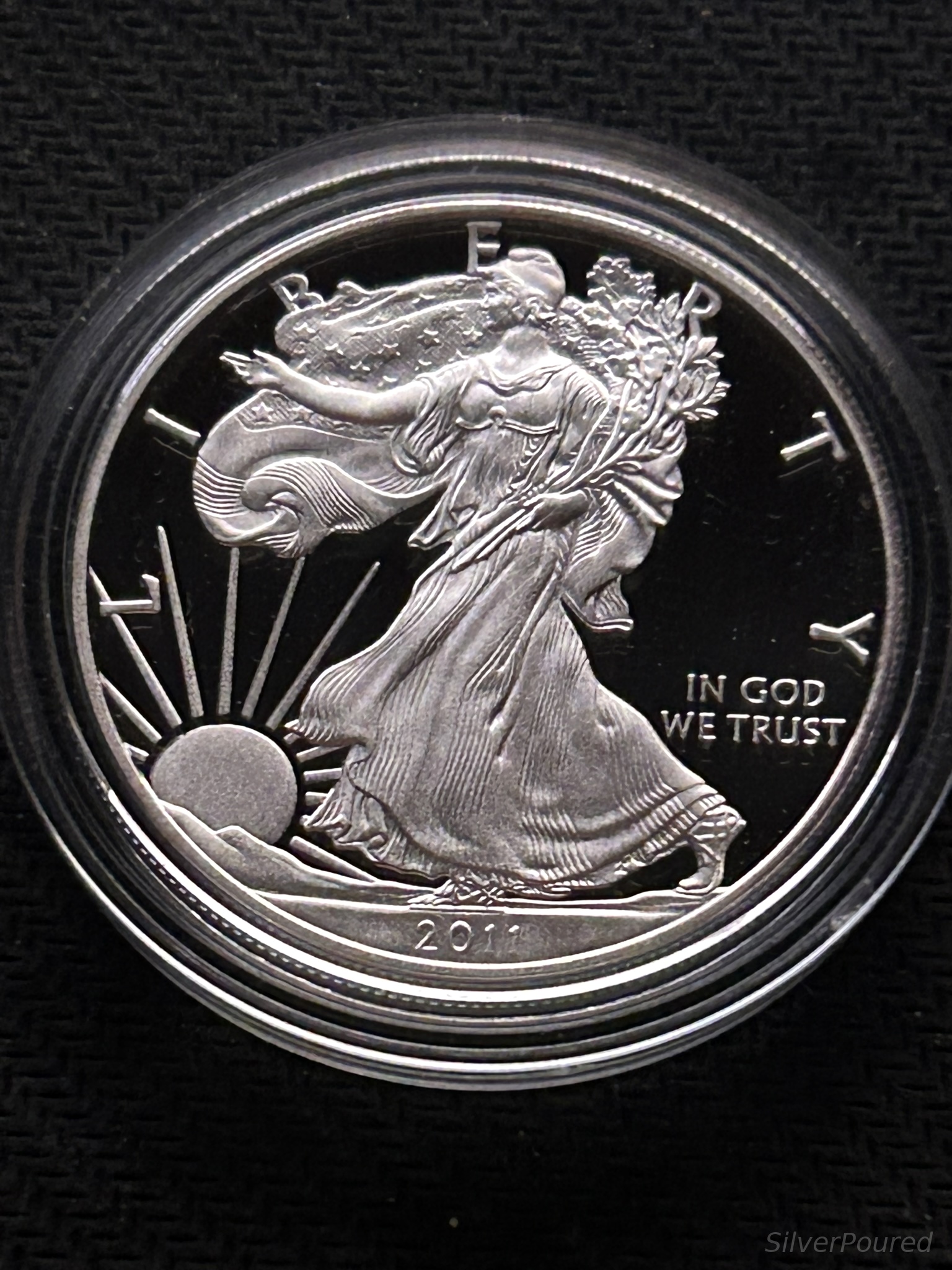
Building a Long-Term Silver Collection
Most successful collections develop gradually. A buyer may begin with simple bullion and later expand into government-issued coins, historic U.S. silver, vintage bars, fractional pieces, hand-poured products, or certified collectibles as knowledge and interests change. Collectors who shop silver over time often become more selective rather than simply accumulating every available product.
Diversification within physical silver can serve practical as well as collecting purposes. Lower-premium bars and rounds can emphasize total ounces, government bullion can provide strong recognition, and specialty pieces can add historical, artistic, or collector interest. The appropriate mix depends on the owner rather than on a universal formula.
Keeping simple acquisition records can improve long-term decision-making. Purchase date, dealer or seller, weight, purity, price paid, premium, certification, serial number, and original packaging can all become useful later. Buyers who shop silver across several categories can use those records to understand which purchases performed as expected and which premiums were difficult to recover.
A balanced silver collection does not require equal amounts of every product type. One collector may emphasize low-premium ounces while another prefers historic coins, certified pieces, or artisan bullion. Experienced buyers who shop silver build around their own goals while understanding how premium, liquidity, recognition, and collector demand differ across categories.
Bullion, Numismatic, and Collector Silver
Physical silver is not one uniform market. Bullion products are generally purchased primarily for their silver content, while numismatic coins can derive substantial value from date, mint, grade, rarity, historical significance, and collector demand. Between those categories is a large modern market for products that combine intrinsic silver with collectible characteristics.
| Silver Category | Primary Value Driver | Typical Buyer Priority |
|---|---|---|
| Generic Bullion | Silver content plus ordinary premium | Efficient ounce accumulation |
| Government Bullion | Silver content, recognition, and demand | Liquidity and familiar products |
| Numismatic Coins | Rarity, grade, history, and demand | Traditional coin collecting |
| Modern Collector Silver | Metal value plus scarcity or presentation | Collectibility and specialty releases |
| Hand-Poured or Vintage Bars | Metal, maker, history, and scarcity | Artisan or vintage bullion collecting |
This distinction helps buyers shop silver with realistic expectations. A generic round should not be evaluated by the same standards as a rare Morgan Dollar, just as a vintage refiner bar should not automatically be compared with newly manufactured bullion only by price per ounce.
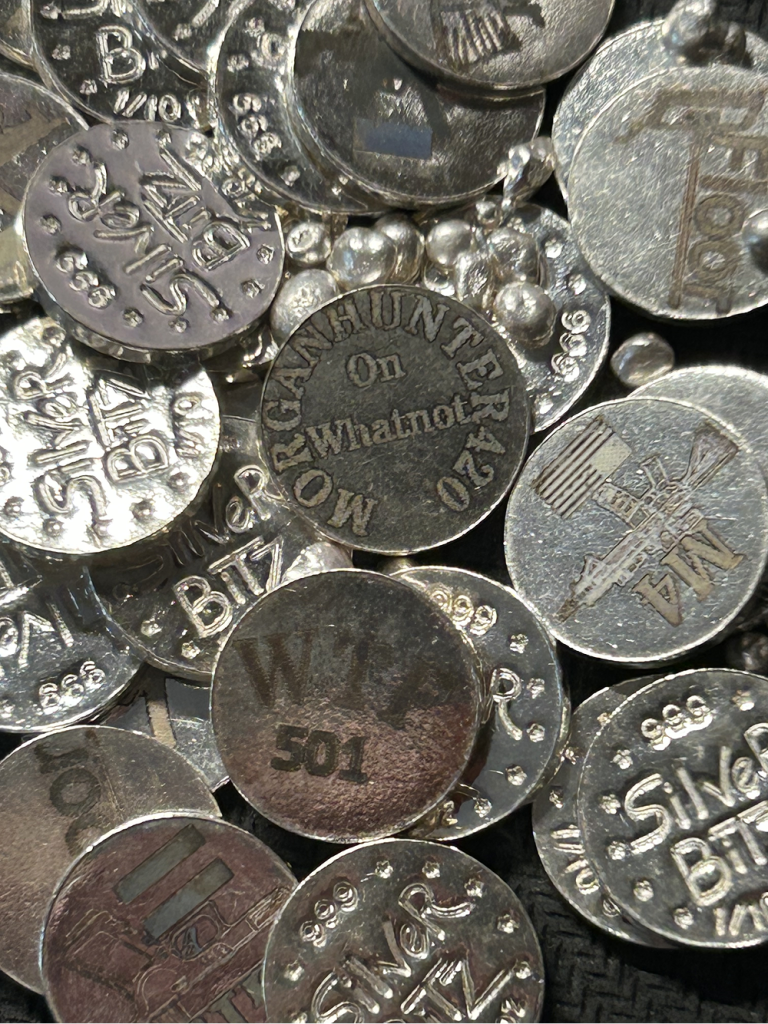
Understanding Liquidity in the Silver Market
Liquidity describes how easily a silver product can be converted back into cash at a competitive price. Widely recognized bullion coins, rounds, and bars often benefit from broad dealer familiarity because their weight, purity, and market role are easy to identify. Collectible products can also be liquid, but their resale value may depend more heavily on finding buyers who understand the specific issue.
Collectors who shop silver with future resale in mind should consider both recognition and the size of the likely buyer pool. A common bullion coin may have relatively modest collector upside but broad market acceptance, while a specialized collectible may carry a larger premium but appeal to fewer potential buyers.
Dealer spreads also matter. The retail price a buyer pays and the amount a dealer is willing to pay back at the same moment are normally different. Comparing only the advertised selling price can hide this important part of physical silver ownership.
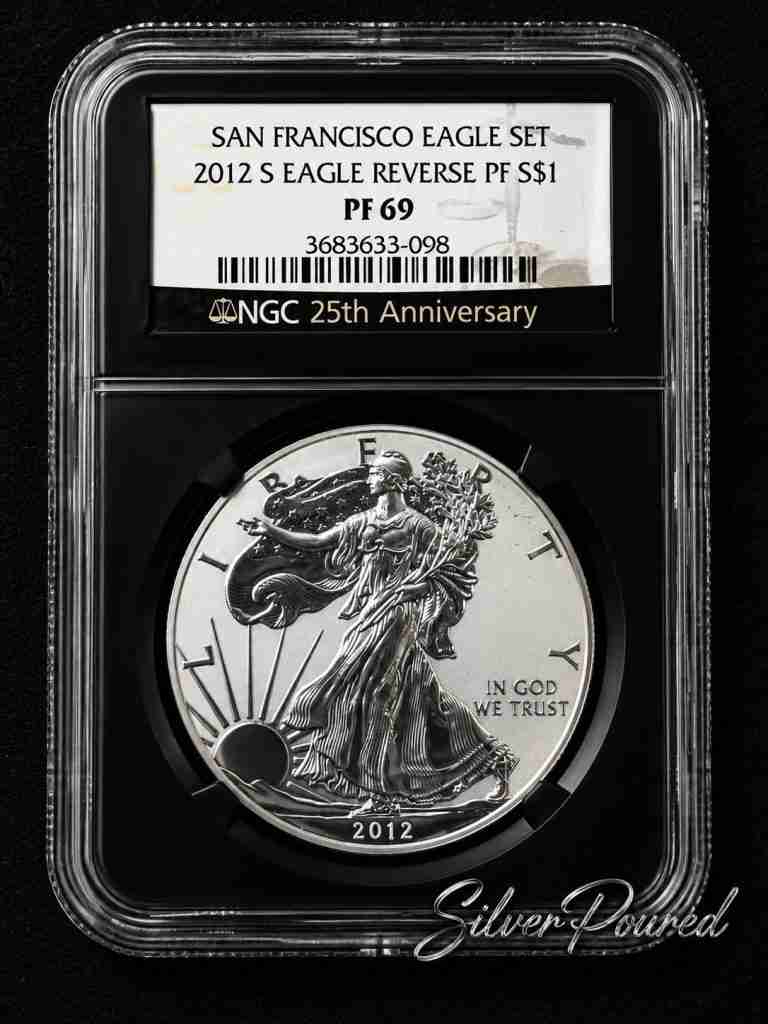
Recognition, Authentication, and Condition
Recognition can support liquidity, but recognizable appearance should not be confused with authentication. Buyers who shop silver should understand when weight, dimensions, purity testing, certification, provenance, or professional verification become appropriate. The more valuable the premium component of a purchase, the more important reliable identification becomes.
Condition also affects different categories in different ways. Minor surface marks may have little importance on generic stacking bullion, while cleaning, scratches, altered surfaces, damaged holders, or missing packaging can materially affect collectible coins and premium releases. Vintage and hand-poured bars may have their own accepted surface characteristics that differ from modern mint products.
Original packaging and documentation can therefore deserve preservation. Certificates, assay cards, grading holders, purchase records, photographs, serial numbers, and maker information may help explain what a product is and support buyer confidence when it is eventually sold.
Common Silver Buying Mistakes
One common mistake is assuming the lowest price per ounce is always the best purchase. Buyers who shop silver should compare product recognition, premium, dealer reputation, liquidity, shipping, condition, and resale expectations along with raw metal content.
Another mistake is assuming every collectible premium will increase. Scarcity and sustained demand can support higher values, but popularity changes and some retail premiums are difficult to recover later. A buyer should understand the reason for a premium before treating it as long-term value.
Collectors can also become overextended by buying too many categories before learning what they actually enjoy. Building gradually gives buyers time to compare products, understand normal premiums, and identify the areas of the market that best fit their objectives.
Shop Silver with a Long-Term Strategy
Successful silver ownership is usually built through repeated informed decisions rather than one perfect purchase. Buyers who shop silver over time can compare premiums under different market conditions, learn how products behave on resale, and refine their preferences as their experience grows.
A long-term strategy can include bullion, government coins, historic U.S. silver, fractional products, vintage bars, hand-poured pieces, and certified collectibles without requiring equal exposure to every category. The strongest collection is one in which each purchase has a clear reason for being there.
Education remains the common thread. Understanding metal value, premium structure, liquidity, recognition, condition, authenticity, and collector demand makes it easier to shop silver without relying on short-term hype or isolated price movements.
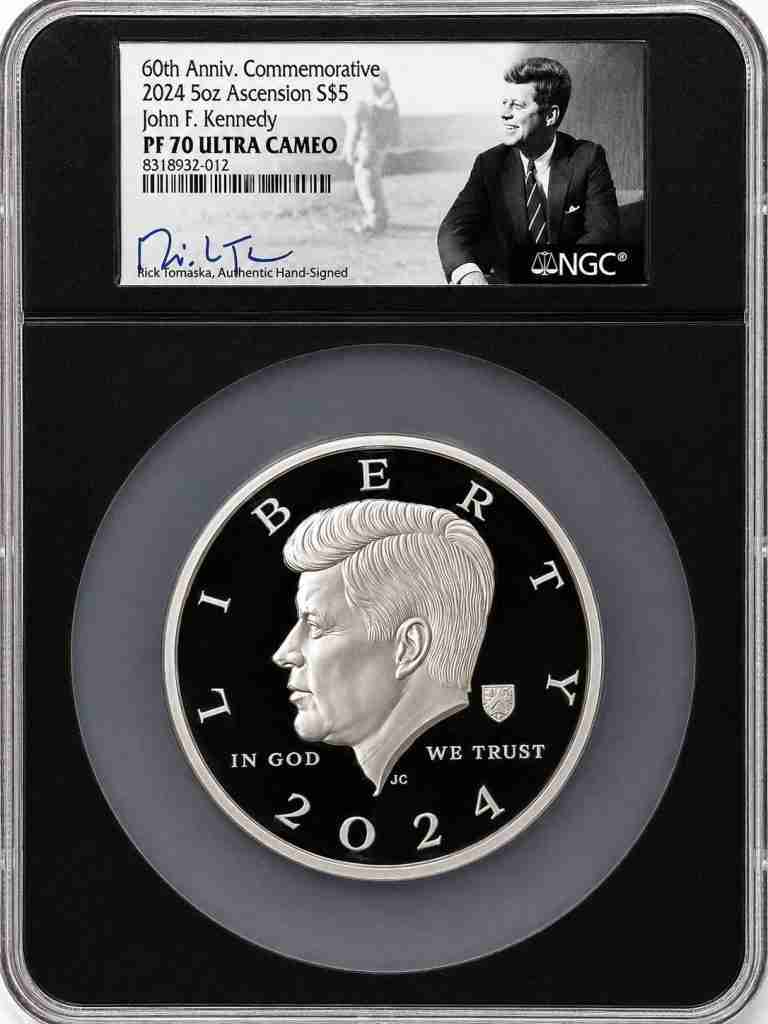
Shop Silver with SilverPoured
Shop Silver was created to help buyers understand the full physical silver marketplace rather than treating every ounce as interchangeable. Bullion bars, rounds, government coins, historic coinage, hand-poured products, vintage bars, fractional silver, and certified collectibles all respond differently to premiums, liquidity, scarcity, and collector demand.
Collectors who shop silver with a clear framework can compare these categories more effectively. Start with the purpose of the purchase, identify how much of the price reflects silver content, understand the premium being charged, and consider how recognition and resale demand fit the long-term plan.
Whether you are building a first stack or refining an established collection, informed ownership comes from combining market knowledge with disciplined buying. Shop Silver is designed to support that process while connecting collectors with SilverPoured pricing tools, calculators, bullion education, coin-value research, and long-term collector resources.
Related SilverPoured Resources
Continue researching Shop Silver through SilverPoured resources covering live silver prices, melt value, bullion premiums, collectible silver, hand-poured bars, coin values, and physical precious-metals buying.
Silver Prices and Value Tools
Silver Spot Price Today
What Is the Silver Spot Price?
What Is Silver Melt Value?
Silver Melt Value Calculator
Poured’s BullionEngine
Buying Silver and Understanding Premiums
Best Place to Buy Silver Online
Best Silver Dealers
Premium Over Spot Explained
Why Silver Premiums Change
Why Bullion Dealers Charge Premiums
Silver Bullion and Collector Guides
Best Hand-Poured Silver Bars
Vintage Silver Bars
Limited Mintage Silver
Morgan Silver Dollar Value
Peace Silver Dollar Value
Purchase Precious Metals from a Trusted Dealer
Collectors who shop silver may compare bullion bars, rounds, government-issued coins, fractional products, and collectible releases before deciding what best fits their goals. Silver content establishes the intrinsic metal foundation, while premium, recognition, liquidity, condition, scarcity, and collector demand can influence the total purchase price.
Golden State Mint offers silver bars, silver rounds, gold, copper, fractional precious metals, and other modern bullion products for collectors and stackers. Buyers who shop silver through an established dealer can compare available weights, purity, product specifications, premiums, and formats before deciding which physical-metal products fit their strategy.
Collector Insight
The strongest way to shop silver is to identify what each purchase is expected to accomplish before comparing price. Generic bullion can emphasize efficient ounce accumulation, government coins can emphasize recognition and liquidity, and historic or specialty pieces can emphasize collector demand. Separating silver content from product premium makes very different categories easier to compare without assuming the cheapest or most expensive option is automatically the best choice.
Keep SilverPoured Free
SilverPoured is built to help collectors and precious-metals investors make smarter decisions through free calculators, original photography, coin research, value references, collector education, and independent market resources. Every page is created to make valuable precious-metals information available without requiring a paid subscription.
This Shop Silver resource combines original SilverPoured photography with education covering bullion, collectible coins, hand-poured bars, premiums, liquidity, authentication, market recognition, and long-term physical silver ownership. Readers who shop silver can use these resources to compare products while understanding the difference between intrinsic metal value and collectible premium. Every contribution helps fund continued precious-metals research, original photography, calculator development, and expansion of the free SilverPoured Authority Library.
Your support allows SilverPoured to remain independent while building one of the web’s most comprehensive free libraries for coin collectors, bullion buyers, precious-metals researchers, and long-term investors.