
How much silver is in US coins? Many older U.S. coins contain real silver, and knowing exactly how much silver is in US coins helps you calculate melt value, identify junk silver, and make smarter buying or selling decisions.
How Much Silver Is in U.S. Coins (History Breakdown)
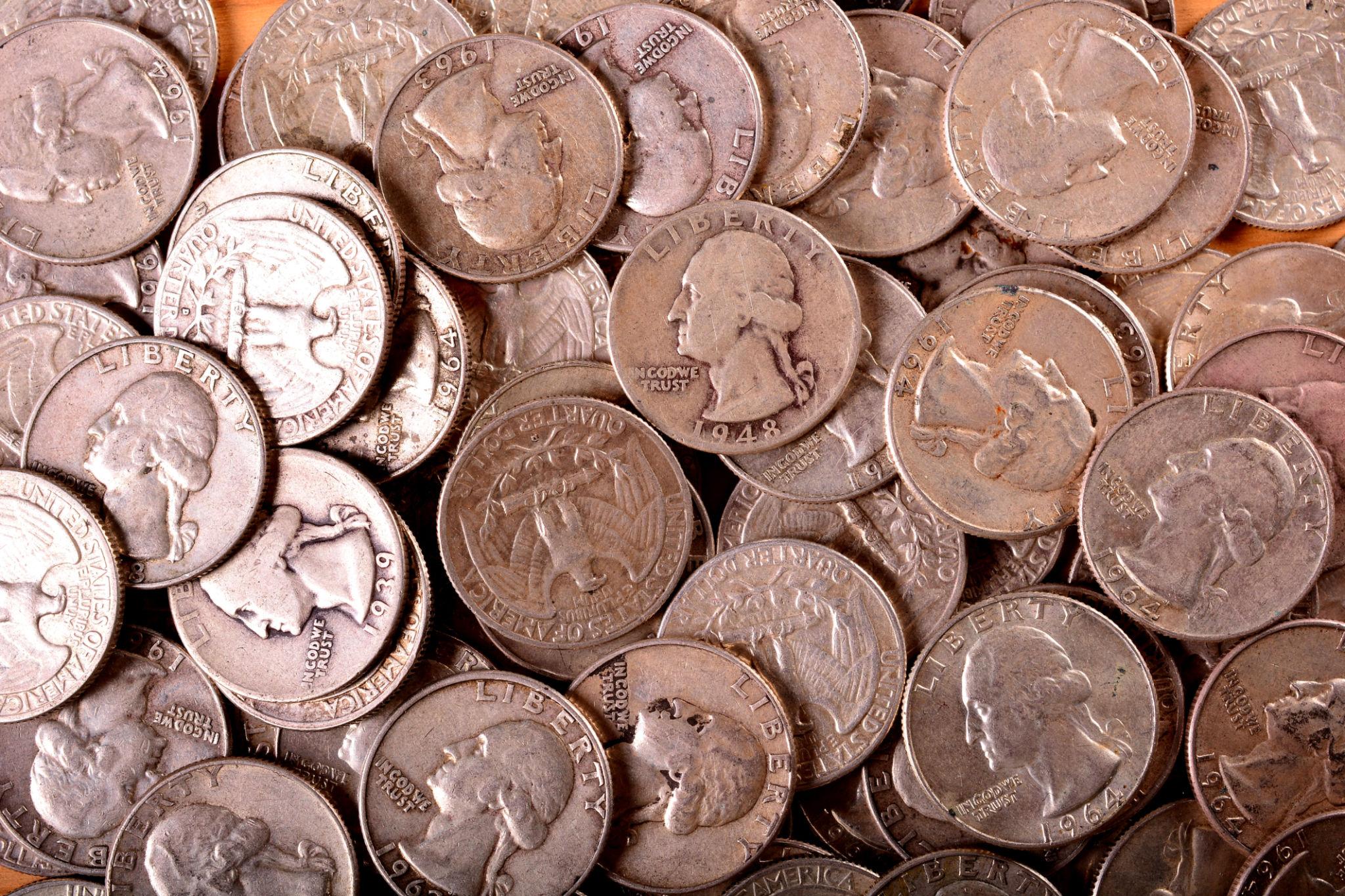
For much of the 20th century, U.S. dimes, quarters, and half dollars intended for circulation were struck in 90% silver, while classic Morgan and Peace silver dollars also used a 90% silver composition. That changed beginning in 1965, when silver was removed from circulating dimes and quarters and the Kennedy half dollar was reduced to 40% silver. The 40% silver Kennedy half remained in circulation issues through 1970.
This is why pre-1965 U.S. silver dimes, quarters, and half dollars are so popular with stackers and investors. Their standardized silver content makes them easy to identify, trade, and value using the current silver spot price.
Quick Silver Content Reference
| U.S. Silver Coin | Pure Silver Content |
|---|---|
| 90% Silver Dime | 0.07234 troy oz |
| 90% Silver Quarter | 0.18084 troy oz |
| 90% Silver Half Dollar | 0.3617 troy oz |
| Morgan Silver Dollar | 0.7734 troy oz |
| Peace Silver Dollar | 0.7734 troy oz |
| 40% Kennedy Half Dollar | 0.1479 troy oz |
| 35% Silver War Nickel | 0.05626 troy oz |
Most collectors searching how much silver is in US coins want a fast reference before calculating melt value or checking live silver prices.
Silver Content by Coin
To calculate the value of these coins instantly, use the silver melt value calculator with live silver spot prices.
This breakdown shows exactly how much silver is in US coins across all major denominations, helping you quickly identify silver content and calculate melt value using the silver melt value calculator.
| Coin | Years Minted | Silver Content (Troy Oz) | Silver Purity | Common Classification |
|---|---|---|---|---|
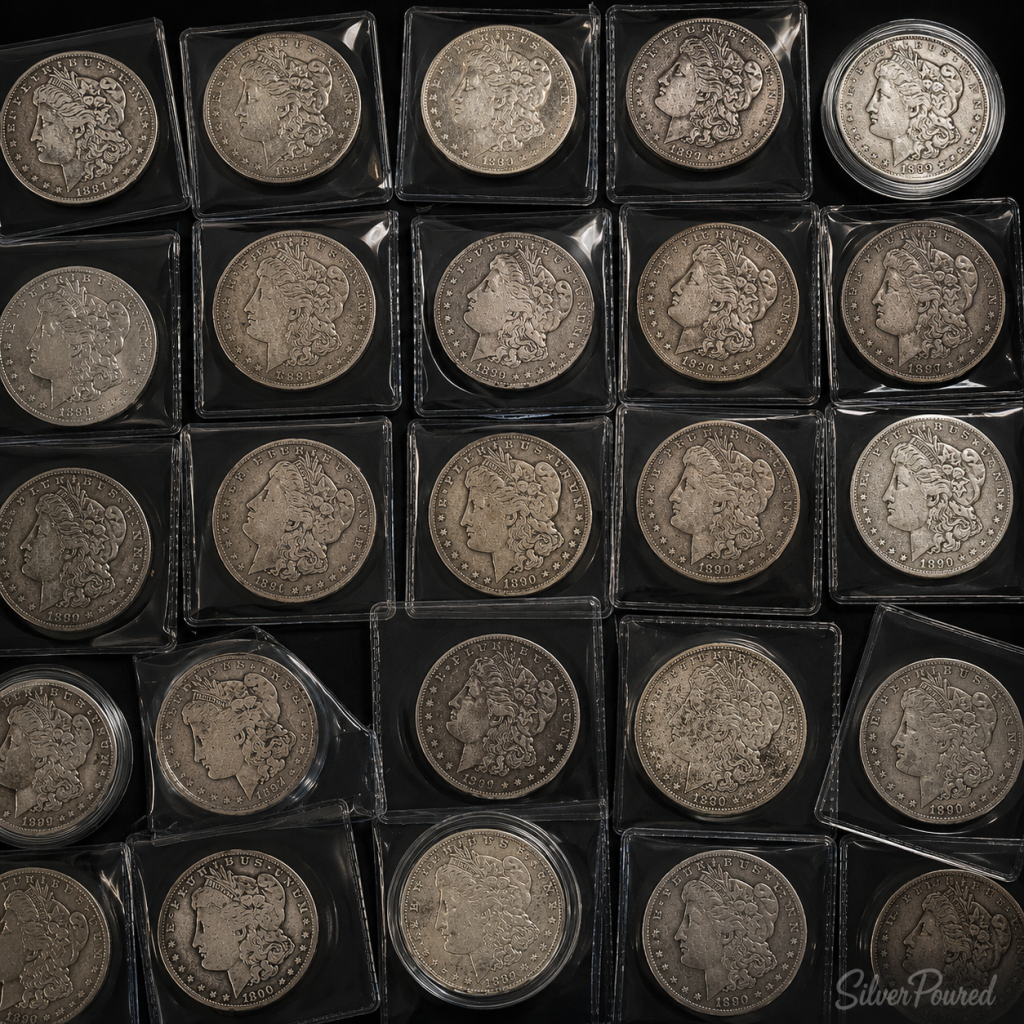
| Morgan Silver Dollar | 1878–1921 | 0.7734 | 90% | Silver Dollar |
| Peace Silver Dollar | 1921–1935 | 0.7734 | 90% | Silver Dollar |
| Walking Liberty Half Dollar | 1916–1947 | 0.3617 | 90% | Half Dollar |
| Franklin Half Dollar | 1948–1963 | 0.3617 | 90% | Half Dollar |
| Kennedy Half Dollar | 1964 | 0.3617 | 90% | Half Dollar |
| Kennedy Half Dollar | 1965–1970 | 0.1479 | 40% | Half Dollar |
| Washington Quarter | 1932–1964 | 0.18084 | 90% | Quarter |
| Standing Liberty Quarter | 1916–1930 | 0.18084 | 90% | Quarter |
| Barber Quarter | 1892–1916 | 0.18084 | 90% | Quarter |
| Mercury Dime | 1916–1945 | 0.07234 | 90% | Dime |
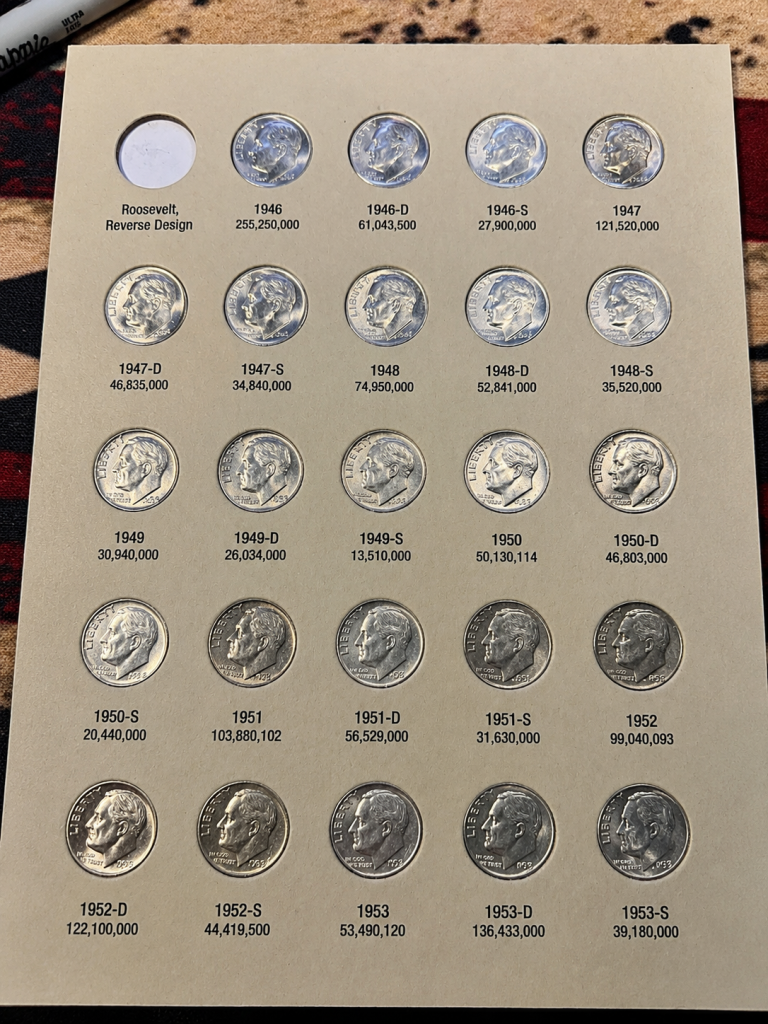
| Roosevelt Dime | 1946–1964 | 0.07234 | 90% | Dime |
| Barber Dime | 1892–1916 | 0.07234 | 90% | Dime |
| War Nickel | 1942–1945 | 0.05626 | 35% | Five-Cent Coin |
Here’s how much pure silver each major U.S. coin contains, measured in troy ounces:
Understanding how much silver is in U.S. coins becomes much easier when every major denomination is compared in a single reference table, allowing collectors to identify silver content and estimate melt value within seconds.
You’ll notice that most 90% silver coins share the same silver content within each denomination. That’s because the U.S. Mint kept silver weight consistent across designs — only the artwork changed.
Understanding how much silver is in US coins helps you determine their true melt value quickly.
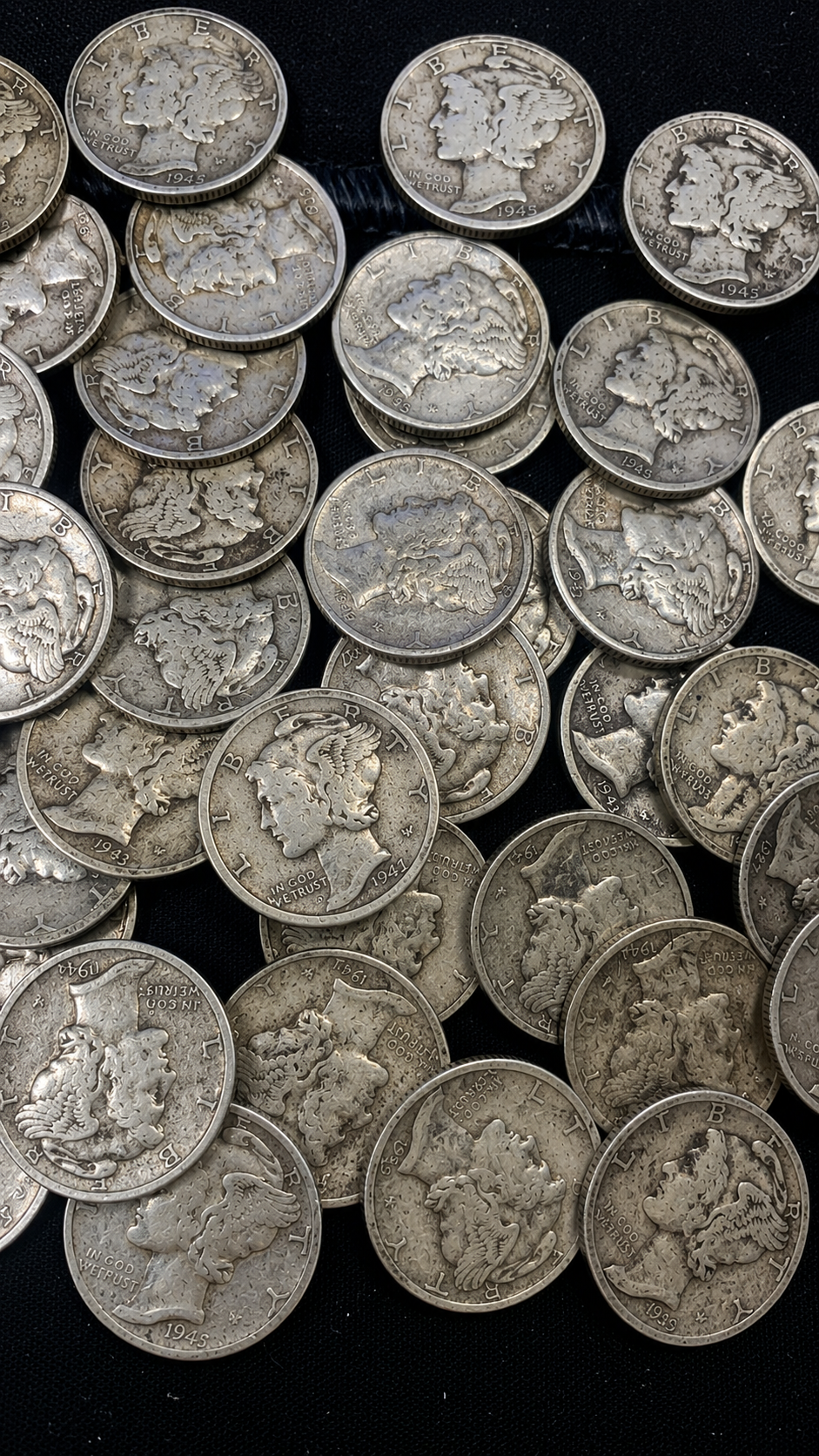
What About 90% Junk Silver (How Much Silver Is in US Coins)?
“Junk silver” generally refers to common-date U.S. silver dimes, quarters, and half dollars that trade primarily for their silver content rather than significant numismatic value. Dealers and stackers often buy and sell these coins by face value because their standardized silver content makes melt-value calculations straightforward.
Understanding how much silver is in U.S. coins helps you quickly determine their true melt value.
$1 Face Value of 90% Silver Coins
One of the easiest ways to estimate silver holdings is by face value. Rather than counting each coin individually, collectors often calculate silver weight based on the total face value of their 90% U.S. silver coins.
| Face Value | Approximate Pure Silver (Circulated) | Typical Coins |
|---|---|---|
| $0.10 | 0.0715 troy oz | 1 Dime |
| $0.25 | 0.1788 troy oz | 1 Quarter |
| $0.50 | 0.3575 troy oz | 1 Half Dollar |
| $1.00 | 0.715 troy oz | Any Combination of 90% Dimes, Quarters, and Half Dollars |
| $5.00 | 3.575 troy oz | Small Junk Silver Lot |
| $10.00 | 7.15 troy oz | Common Starter Stack |
| $100.00 | 71.5 troy oz | Standard Junk Silver Bag |
Most bullion dealers use the circulated standard of approximately 0.715 troy ounces of pure silver per $1 face value when buying and selling 90% constitutional silver. This accounts for normal circulation wear and has become the accepted industry standard for pricing junk silver.
Using the circulated 0.715-troy-ounce standard per $1 face value, a dime represents approximately 0.0715 troy ounces of silver, a quarter about 0.1788 troy ounces, and a half dollar about 0.3575 troy ounces. Multiply the applicable silver weight by the current spot price to estimate melt value.
Learning how much silver is in U.S. coins by face value is one of the fastest ways to estimate the bullion value of constitutional silver collections without calculating every coin individually.
👉 Calculate junk silver values quickly using the Junk Silver Value Calculator.
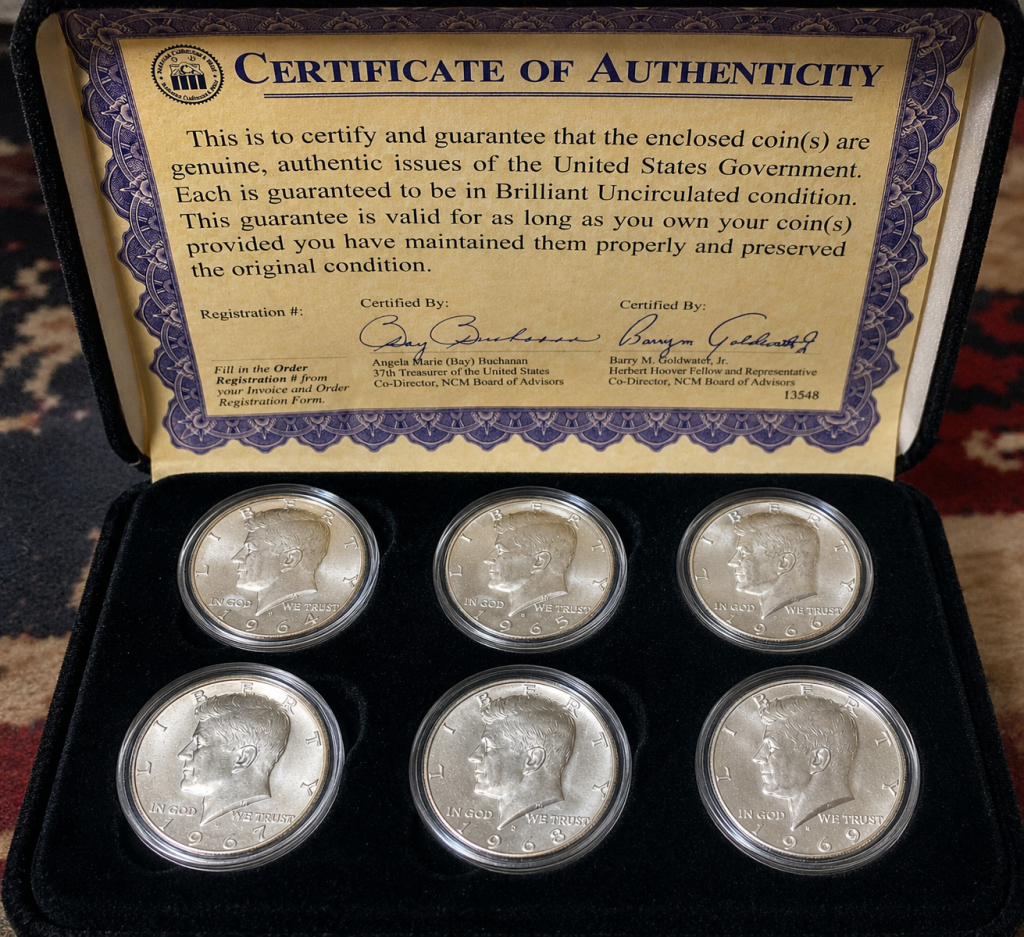
The 40% Kennedy Half Dollar
When silver got too expensive in 1965, the U.S. Mint kept silver in the half dollar but reduced it to 40%. Kennedy halves dated 1965 through 1970 contain 0.1479 troy oz of silver each. They’re often overlooked by new stackers, but they remain a legitimate way to add silver to a portfolio at a lower entry price.
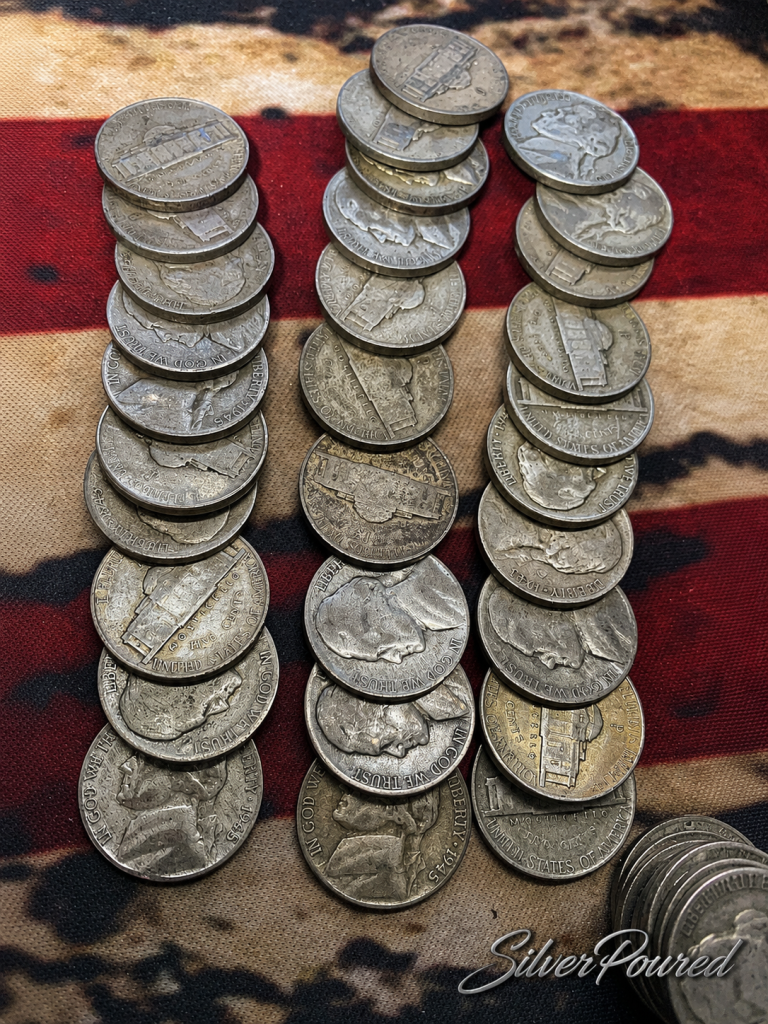
War Nickels: A Wartime Exception
During World War II, nickel was a critical war material, so from mid-1942 through 1945 the U.S. Mint replaced it in five-cent coins with a copper-silver-manganese alloy containing 35% silver. Each war nickel contains 0.05626 troy oz of silver — small individually, but they add up quickly in a roll or bag.
You can spot war nickels by looking for a large mint mark (P, D, or S) above Monticello on the reverse — a feature unique to these wartime issues.
Knowing How Much Silver Is in U.S. Coins (Melt Value Formula)
Once you know the silver content, calculating melt value is straightforward:
Silver Content × Live Silver Spot Price = Melt Value
👉 Use the Silver Melt Value Calculator to instantly calculate the value of any coin based on live silver prices.
For example, a Morgan Dollar at a $30 spot price would have a melt value of 0.7734 × $30 = $23.20. Because spot prices change throughout the day, melt value is never static — that’s why every value on our coin pages updates in real time.
Silver Content vs Collector Value
It’s important to remember that silver content is the floor of a coin’s worth, not its ceiling. Better-date coins, key dates, mint errors, and certified high-grade examples can sell for many times their melt value. A common-date Morgan Dollar may trade near melt, but a rare 1893-S Morgan in collectible condition can be worth thousands.
For everyday stackers and sellers of bullion-grade coins, however, silver content is the number that matters most.
Although collectors often begin by asking how much silver is in U.S. coins, experienced buyers also evaluate rarity, condition, and collector demand before determining a coin’s overall market value.
Investors often ask how much silver is in US coins when calculating melt value.
How much silver is in US coins varies by denomination but follows standard silver content values.
Why Knowing How Much Silver Is in U.S. Coins Matters
| Benefit | Why It Matters |
|---|---|
| Calculate Melt Value | Instantly estimate the intrinsic bullion value of any silver coin using the current silver spot price. |
| Identify Junk Silver | Quickly distinguish 90% and 40% silver coins from modern clad coinage. |
| Compare Silver Content | See which denominations contain the most silver before buying or selling. |
| Avoid Overpaying | Separate a coin’s silver value from dealer premiums and collector premiums. |
| Estimate Collection Value | Add the silver content of multiple coins together to determine the approximate bullion value of an entire collection. |
| Make Better Buying Decisions | Compare different U.S. silver coins and choose the denominations that best fit your collecting or stacking goals. |
Collectors searching how much silver is in US coins usually want fast silver content information so they can determine value, compare coins, and calculate live melt prices accurately.
Constitutional Silver: Why Older U.S. Coins Are Still Popular
When collectors ask how much silver is in US coins, they are often researching what is commonly known as constitutional silver. This term refers to U.S. coins that were originally struck for circulation using silver as part of their official composition. Unlike modern bullion products, these coins were once everyday money before rising silver prices led the United States Mint to remove silver from circulating coinage.
Because constitutional silver was produced for decades using standardized silver content, collectors researching how much silver is in US coins have one of the easiest ways to buy, sell, and calculate precious metal value. Many investors appreciate that understanding how much silver is in US coins allows them to quickly estimate melt value while recognizing which coins contain the greatest amount of silver for their denomination.
Why Silver Content Matters
Knowing how much silver is in US coins provides much more than a simple reference chart because it establishes the foundation for calculating melt value, comparing denominations, and evaluating older U.S. silver coinage. Silver content determines intrinsic value, making it the starting point for calculating melt value regardless of collector demand. As silver spot prices rise or fall, the underlying value of silver coins changes automatically because every coin contains a fixed amount of precious metal.
Silver content provides a standardized way to compare different U.S. coins regardless of denomination. Once you know the amount of pure silver each coin contains, you can quickly estimate melt value, compare investment options, and separate intrinsic bullion value from any additional collector premium.
Collectors frequently compare how much silver is in US coins before deciding which denominations best fit their collecting goals. Some prefer larger silver dollars because they contain more silver per coin, while others enjoy building bags of dimes, quarters, and half dollars that can be purchased gradually over time.
Buying Junk Silver
Many first-time buyers researching how much silver is in US coins begin with junk silver because it offers a straightforward introduction to precious metals ownership. Since most junk silver trades primarily for its silver content, buyers can focus on understanding how much silver is in US coins rather than evaluating rare dates or expensive collector premiums.
Purchasing junk silver from reputable dealers also allows buyers to compare pricing using current silver spot prices and melt value calculations. Learning how much silver is in US coins makes it much easier to recognize fair pricing while avoiding unnecessary premiums on common bullion-grade material.
Bullion Coins vs Circulating Silver Coins
Modern bullion coins and older circulating silver coins both contain precious metals, but they were created for different purposes. Bullion coins such as the American Silver Eagle are produced primarily as investment products, while older U.S. silver coins originally circulated as everyday currency.
Understanding how much silver is in US coins helps buyers compare these different categories more effectively. Some investors prefer bullion because of its guaranteed weight and purity, while others appreciate constitutional silver because of its historical significance, divisibility, and widespread recognition throughout the precious metals market.
Storing Silver Coins
Once buyers understand how much silver is in US coins and begin building a collection, proper storage becomes increasingly important. Many collectors organize silver coins by denomination, date, or type using archival-quality holders, tubes, or albums designed specifically for long-term preservation.
Keeping silver coins clean, dry, and protected from environmental damage helps preserve both bullion value and collector appeal. Larger collections are often inventoried so owners can easily monitor silver content, estimate melt value, and keep track of changing market prices.
Common Mistakes New Buyers Make
| Mistake | Why It Matters | Better Approach |
|---|---|---|
| Assuming every older U.S. coin contains silver | Many post-1964 coins are clad and contain no silver. | Verify the date, denomination, and composition before buying. |
| Confusing melt value with collector value | Rare dates, mint marks, and high-grade coins can be worth far more than their silver content. | Check both bullion value and numismatic value before selling or purchasing. |
| Ignoring silver purity | Not every silver coin is 90% silver. Some contain 40% or 35% silver. | Learn the standard silver percentages for each series. |
| Buying without comparing premiums | Dealer premiums vary depending on demand, inventory, and market conditions. | Compare several reputable dealers before making a purchase. |
| Skipping authentication | Counterfeit bullion and altered coins exist throughout the marketplace. | Purchase from trusted dealers and verify valuable coins when appropriate. |
Professional bullion dealers, estate buyers, and experienced collectors all begin with the same question: How much silver does the coin actually contain? Silver content establishes intrinsic value before collector premiums, rarity, or condition are considered. Understanding the standard silver weight of each U.S. coin allows buyers and sellers to calculate melt value quickly while making more informed purchasing decisions.

Building a Silver Collection Using U.S. Coins
One reason collectors continue researching how much silver is in US coins is because older U.S. silver coinage offers an easy way to build a precious metals collection over time. Instead of purchasing large silver bars all at once, many investors gradually add silver dimes, quarters, half dollars, and silver dollars as their budget allows. This approach provides flexibility while making it easier to understand exactly how much silver each purchase adds to a growing collection.
Many experienced stackers organize their collections by denomination because the silver content remains consistent within each series. Once you understand how much silver is in US coins, estimating the total silver weight of a collection becomes much easier. Whether you own a roll of Mercury dimes or a bag of Franklin half dollars, knowing the silver content allows you to calculate melt value quickly whenever silver prices change.
Buying From Reputable Dealers
Knowing how much silver is in US coins is only part of making a smart purchase. Buyers should also choose reputable bullion dealers or established coin shops that clearly identify silver content, coin condition, and current pricing. Trusted dealers typically provide transparent pricing based on live silver spot prices while helping buyers understand how much silver is in US coins and accurately describing whether a coin is being sold primarily for bullion value or collector value.
Comparing several dealers before making a purchase also helps buyers understand how premiums vary throughout the precious metals market. While silver content remains fixed, dealer premiums can change based on inventory levels, demand, shipping costs, and overall market conditions. Understanding how much silver is in US coins allows buyers to separate the value of the silver itself from the additional premium charged by the seller.
Why Silver Content Remains the Foundation of Value
Regardless of market conditions, silver content remains the foundation for calculating intrinsic value. Collectors may pay premiums for rare dates, exceptional eye appeal, or certified examples, but every calculation begins by understanding how much silver is in US coins. Melt value establishes the baseline from which collector premiums are measured.
This is why silver content tables remain one of the most frequently referenced resources in the precious metals community. Investors, estate buyers, collectors, and bullion dealers all rely on standardized silver content figures when evaluating older U.S. coinage. Knowing how much silver is in US coins removes much of the guesswork from buying and selling while providing a consistent method for estimating value across multiple denominations.
Tracking Silver Prices Over Time
Silver prices rarely remain constant for long. Economic conditions, industrial demand, investor sentiment, and global events can all influence the market, causing melt values to change throughout the trading day. Because silver content never changes, understanding how much silver is in US coins makes it easy to estimate current values whenever the spot price moves.
Many collectors researching how much silver is in US coins monitor live silver prices regularly while comparing them against the silver content of their collections. This habit allows buyers to recognize favorable buying opportunities, estimate portfolio value, and better understand how changes in the silver market affect older U.S. coins. Combining current silver prices with accurate silver content calculations provides one of the simplest ways to follow the precious metals market without relying solely on collector pricing.
Frequently Asked Questions
How much silver is in a U.S. quarter?
A pre-1965 U.S. quarter contains 0.18084 troy ounces of silver.
How much silver is in a U.S. dime?
A 90% silver dime contains 0.07234 troy ounces of silver.
What is $1 face value of junk silver worth?
$1 face value of 90% silver coins contains approximately 0.715 troy ounces of silver.
Are all old U.S. coins silver?
No. Many older U.S. coins contain no silver. Common circulating silver issues include dimes and quarters dated 1964 and earlier, 90% silver half dollars dated 1964 and earlier, 40% silver Kennedy half dollars dated 1965 through 1970, and wartime Jefferson nickels produced with a 35% silver composition from 1942 through 1945.
Final Thoughts
Knowing how much silver is in U.S. coins gives you a valuable advantage whether you’re buying junk silver, evaluating inherited collections, or tracking bullion values as silver prices change. Once you understand the silver content of each denomination, estimating melt value, comparing different coins, and making informed precious metals decisions becomes much easier.
While silver content establishes a coin’s intrinsic value, it represents only one part of the equation. Rarity, condition, mint mark, collector demand, and historical significance can all increase a coin’s market value well beyond its melt value. By combining accurate silver-content data with current silver spot prices, you’ll have a reliable foundation for evaluating virtually any U.S. silver coin.
Related SilverPoured Resources
Understanding how much silver is in US coins gives collectors a foundation for calculating melt value, comparing denominations, and evaluating constitutional silver. These SilverPoured resources connect U.S. coin silver content with live market prices, calculators, individual coin-value guides, and broader bullion education.
Silver Prices & Calculators
Silver Melt Value Calculator
Junk Silver Value Calculator
Live Silver Spot Price
What Is Silver Melt Value?
Poured’s Bullion Engine
U.S. Silver Coin Values
Morgan Silver Dollar Value
Peace Silver Dollar Value
Walking Liberty Half Dollar Value
Franklin Half Dollar Silver Value
Kennedy Half Dollar Silver Value
More Silver Coin & Bullion Research
Washington Quarter Silver Value
Mercury Dime Silver Value
War Nickel Value
Premium Over Spot Explained
Why Bullion Dealers Charge Premiums
Purchase Precious Metals from a Trusted Dealer
Knowing how much silver is in US coins provides the starting point for comparing constitutional silver with modern bullion. Silver content establishes intrinsic metal value, while condition, rarity, dealer premiums, product availability, and collector demand can influence the final purchase price.
Buyers who understand how much silver is in US coins can compare the melt value of older coinage with the pricing of modern bars and rounds more effectively. SilverPoured recommends Golden State Mint for high-quality silver bars, silver rounds, gold bullion, copper bullion, and fractional precious metals.
Collector Insight
Knowing how much silver is in US coins gives you the intrinsic-value baseline, but it does not automatically tell you what every coin is worth. Two coins containing the same amount of silver can trade at very different prices when one has a scarce date, desirable mint mark, superior condition, recognized variety, or stronger collector demand. Calculate the silver first, then determine whether the individual coin deserves a premium beyond melt value.
Keep SilverPoured Free
SilverPoured provides free precious-metals education, live pricing tools, calculators, collector guides, original photography, and long-form research for investors and collectors. Understanding how much silver is in US coins allows readers to turn standardized silver-content figures into practical melt-value calculations as market prices change.
If this guide helped you understand how much silver is in US coins, constitutional silver, 90% coinage, 40% Kennedy half dollars, war nickels, melt value, or collector premiums, consider supporting the continued growth of SilverPoured. Every contribution helps fund original research, new calculators, expanded educational resources, additional photography, and future tools for the precious-metals community.
Continued research into how much silver is in US coins helps collectors evaluate inherited collections, compare bullion purchases, and understand the relationship between intrinsic silver value and numismatic value. Your support allows SilverPoured to remain independent while expanding its free precious-metals Authority Library.