
Silver Ask Price
The silver ask price is the lowest price a seller is currently willing to accept for silver. It represents the selling side of the precious metals market and serves as the starting point for nearly every physical silver purchase. While the silver spot price establishes the global market value of silver, the silver ask price reflects what dealers and sellers are requesting before additional product premiums, taxes, or shipping costs are considered.
Whether purchasing silver bars, silver rounds, junk silver, government-issued bullion coins, or collectible silver products, understanding the silver ask price helps buyers evaluate current market conditions and compare dealer pricing more effectively. Experienced collectors and investors rarely rely on spot price alone. Instead, they compare the silver ask price with the silver spot price, dealer premiums, and overall market demand before making purchasing decisions.
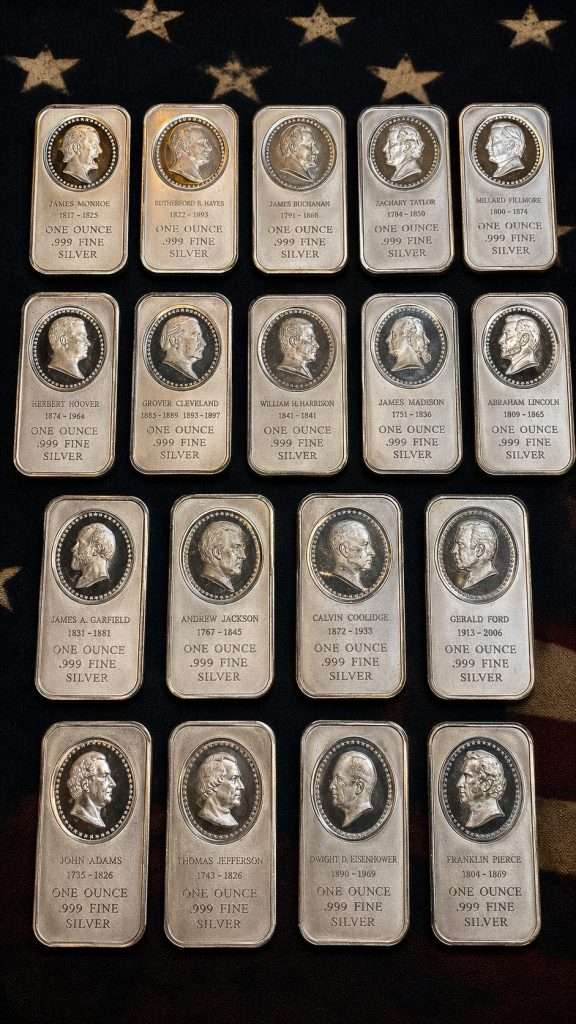
What Is Silver Ask Price?
The silver ask price represents the lowest amount a seller is currently willing to accept for physical silver. Bullion dealers, wholesalers, refiners, and private sellers continuously adjust asking prices as market conditions change throughout the trading day.
Unlike the silver spot price, which reflects the current market value of raw silver, the silver ask price includes the realities of selling physical precious metals. Inventory costs, operating expenses, product demand, fabrication, distribution, and market liquidity all influence the asking price buyers see when shopping for silver.
Although asking prices often move closely with the live silver spot price, they rarely match it exactly because physical silver requires manufacturing, storage, transportation, insurance, and dealer support before reaching the buyer.
Why Silver Ask Price Matters
Understanding asking prices helps buyers evaluate the true cost of purchasing physical silver rather than focusing only on the published spot price. While spot price provides an important market benchmark, the ask price represents the amount required to actually acquire bullion in today’s marketplace.
Comparing silver ask prices across multiple reputable dealers allows buyers to identify competitive pricing while recognizing that differences often reflect product availability, dealer inventory, operating expenses, and current market demand rather than dramatic changes in the underlying value of silver.
Whether purchasing investment-grade bullion, collectible silver bars, hand-poured silver, or constitutional silver, understanding the silver ask price creates a stronger foundation for making informed precious metals decisions.
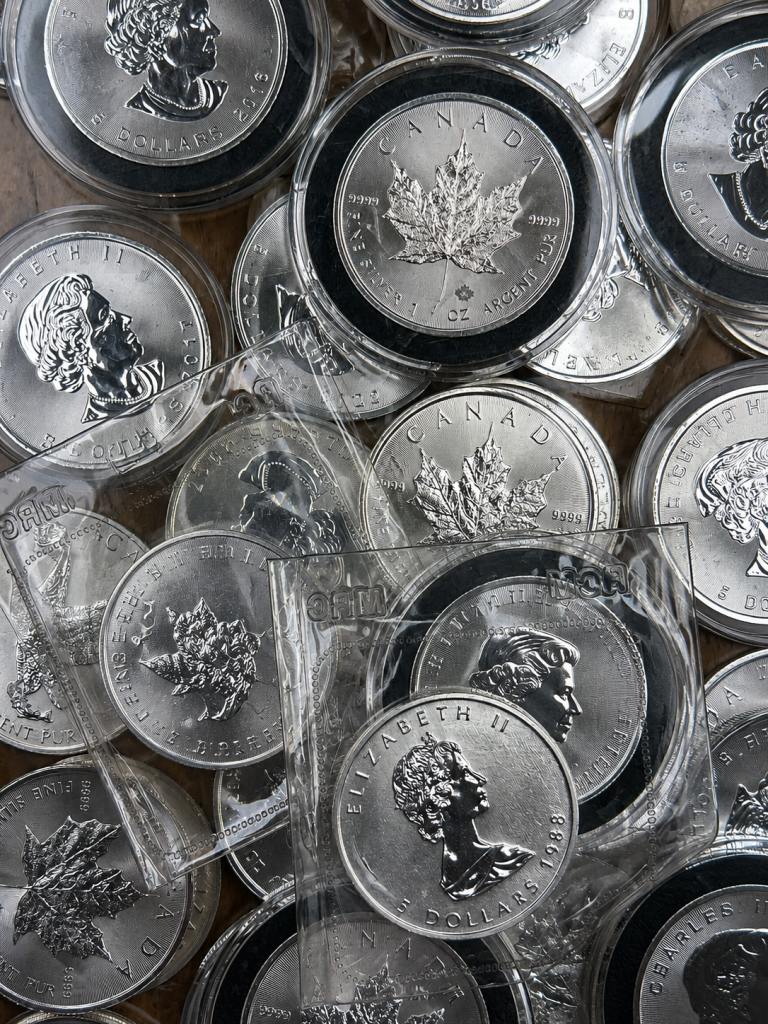
How Silver Ask Price Is Determined
The silver ask price is not established by a single company or exchange. Instead, it develops through continuous market activity as bullion dealers, wholesalers, refiners, private sellers, and precious metals businesses adjust their selling prices throughout the trading day. Although the current silver spot price provides the starting point, several additional factors influence the final asking price displayed to buyers.
Dealer operating expenses, fabrication costs, inventory levels, shipping, insurance, payment processing, and overall market demand all contribute to the silver ask price. During periods of strong buying activity or limited physical silver availability, asking prices may rise even if the underlying silver spot price changes very little.
Many first-time bullion buyers assume every dealer should charge nearly identical prices for the same silver product. In reality, inventory costs, operating expenses, payment processing, shipping, insurance, product availability, and changing market demand can all affect the price a dealer asks. Comparing several reputable dealers helps buyers distinguish normal pricing differences from unusually high premiums.

Understanding how asking prices are determined helps buyers recognize that physical silver pricing reflects both the value of the metal itself and the real-world costs associated with bringing bullion products to market.
Silver Ask Price vs Silver Spot Price
Although the silver ask price and the silver spot price move closely together, they represent different parts of the precious metals market. The silver spot price reflects the global market value of raw silver, while the silver ask price represents the amount sellers request when offering physical silver products for sale.
Because physical bullion must be manufactured, stored, transported, insured, and marketed, asking prices almost always exceed the published spot price. This difference does not necessarily indicate that silver is overpriced. Instead, it reflects the additional costs required to produce and distribute physical precious metals.
Understanding the relationship between asking prices and the silver spot price allows buyers to compare dealer pricing more effectively while developing realistic expectations before purchasing bullion.
Silver Ask Price vs Silver Bid Price
Although the silver ask price and the silver bid price are closely connected, they represent opposite sides of the same transaction. The silver ask price reflects what sellers are requesting for physical silver, while the silver bid price represents what buyers are currently willing to pay.
The difference between these two prices is known as the bid-ask spread. Every physical silver transaction takes place somewhere within this range as buyers and sellers respond to changing market conditions. While the spread may appear small on individual purchases, it plays an important role in dealer pricing, inventory management, and overall market liquidity.
Understanding the relationship between ask prices and the silver bid price helps buyers compare dealer pricing more effectively while helping sellers better understand current purchasing offers.
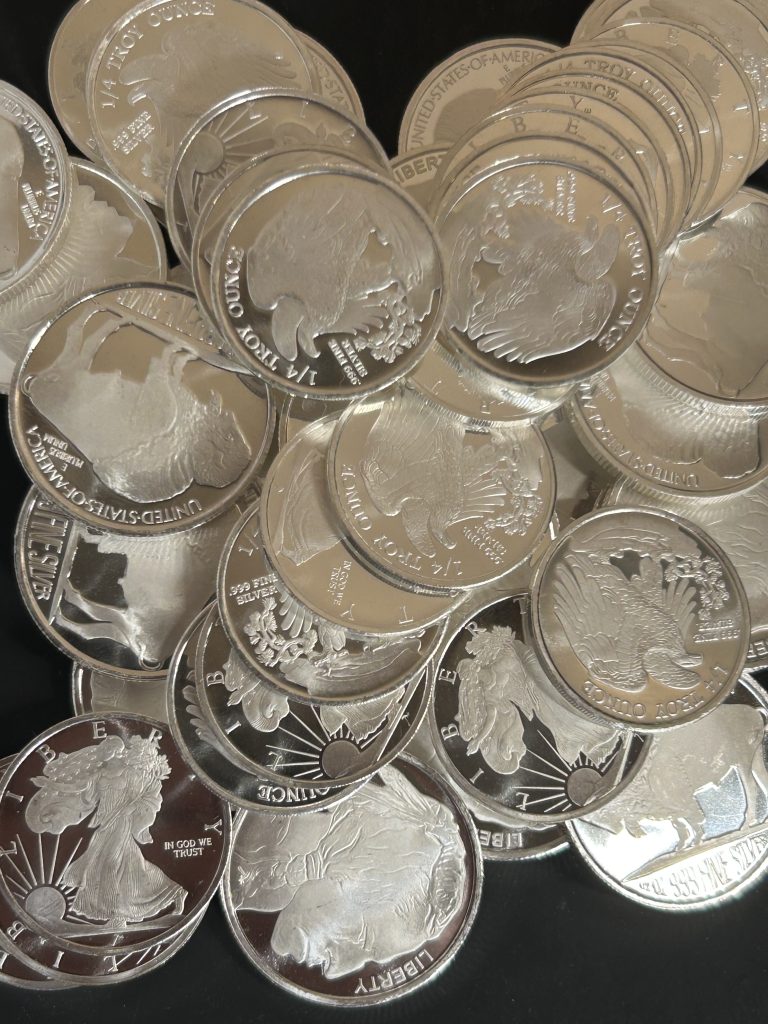
Understanding the Bid-Ask Spread
The bid-ask spread represents the difference between the highest buying price and the lowest selling price available within the precious metals market. Every bullion dealer maintains a spread to help cover operating expenses, inventory costs, insurance, payment processing, shipping, and normal business risk.
During periods of stable market activity, spreads often remain relatively narrow. During periods of increased volatility, heavy buying demand, or limited bullion availability, spreads may widen as dealers respond to changing market conditions.
Monitoring the spread gives buyers additional insight into current market conditions while helping explain why physical silver rarely trades exactly at the published spot price.
The bid-ask spread changes as precious-metals markets react to supply, demand, volatility, inventory conditions, and trading activity. During periods of heavy buying or limited bullion availability, wider spreads can reflect increased dealer risk and replacement costs rather than a sudden change in the intrinsic value of the silver itself.
Why Dealers Sell Above Spot
Many first-time buyers assume physical silver should always sell at the current spot price. In reality, the silver ask price almost always exceeds spot because dealers must recover the costs associated with manufacturing, transporting, storing, marketing, and selling physical bullion.
Product demand also influences asking prices. Government-issued bullion coins, hand-poured silver bars, limited-production releases, vintage bullion, and collectible silver products frequently command higher asking prices because buyers are purchasing more than the intrinsic silver content alone.
Understanding why dealers sell above spot helps buyers evaluate asking prices within the proper market context rather than comparing every product solely to the published silver spot price.
How Product Type Influences Pricing
Not every physical silver product carries the same asking price, even when two items contain identical amounts of pure silver. Government-issued bullion coins, privately minted silver rounds, hand-poured silver bars, junk silver, vintage bullion, collectible silver products, and serialized issues all occupy different areas of the precious metals market.
Product recognition, fabrication quality, limited mintages, collector demand, brand reputation, liquidity, and overall availability all influence the final selling price. Widely recognized bullion products often maintain competitive pricing because they are actively traded, while collectible products may command substantially higher prices because buyers value rarity and long-term collectibility in addition to silver content.
Understanding these differences helps buyers evaluate asking prices within the proper market context instead of comparing every product strictly by its silver weight.
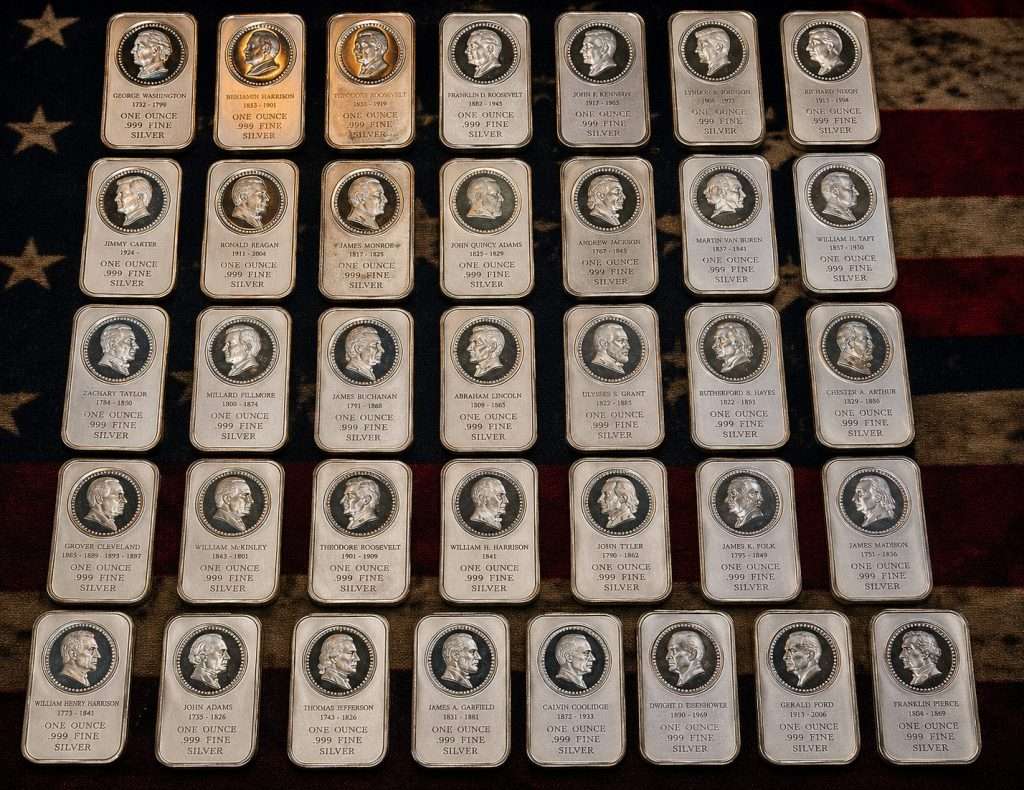
Buying Physical Silver
Experienced bullion buyers evaluate considerably more than the published selling price before completing a purchase. Many compare dealer reputation, inventory availability, premium levels, shipping policies, payment methods, authentication procedures, and current market conditions before selecting a bullion product.
Comparing several reputable dealers helps buyers identify competitive pricing while providing a clearer understanding of prevailing market conditions. Consistently comparing multiple sources also helps buyers recognize whether pricing differences reflect normal market conditions or unusually high dealer premiums. Looking beyond the initial selling price also helps investors recognize the long-term value of purchasing products that are widely recognized and easier to trade within the secondary market.
Developing a consistent buying process allows collectors and investors to compare dealer pricing more objectively while reducing the likelihood of paying unnecessary premiums or purchasing products that do not match their long-term goals.
Common Mistakes Buyers Make
One of the most common mistakes new bullion buyers make is assuming that every dealer should sell identical products for exactly the same price. In reality, each dealer operates under different inventory levels, operating expenses, customer demand, shipping costs, and business models, all of which influence final pricing.
Another common misunderstanding is focusing only on the lowest advertised selling price without considering dealer reputation, product authenticity, liquidity, customer service, or overall buying experience. Evaluating the complete transaction rather than a single price often leads to better long-term purchasing decisions and greater confidence when building a precious metals portfolio.
Silver Ask Price in Today’s Market
Today’s precious metals market operates continuously, allowing asking prices to adjust throughout the global trading day as silver markets respond to changing conditions. Live pricing systems, electronic trading platforms, dealer inventory management, and increased pricing transparency have made it easier than ever for buyers to compare physical silver prices before making a purchase.
Although technology provides immediate access to pricing information, the final selling price of physical silver continues to depend on real-world factors beyond the underlying value of the metal. Product availability, fabrication costs, shipping, dealer inventory, collector demand, and overall market activity all contribute to the prices buyers encounter when purchasing bullion.
Understanding how today’s market functions helps buyers place asking prices into proper context while recognizing that physical silver pricing extends beyond the published spot price alone.
Future of Silver Ask Price
As precious metals markets continue evolving, buyers have access to more pricing information than ever before. Live dealer pricing, mobile applications, online bullion marketplaces, and educational resources allow collectors and investors to compare products quickly while monitoring changes in the broader silver market.
Although technology continues improving market transparency, the purpose of the ask price remains unchanged. It represents the current selling price for physical silver and serves as one of the most important benchmarks buyers use when evaluating bullion products. Understanding how asking prices interact with spot price, bid price, premiums, and market demand will remain an essential part of successful precious metals investing.
Silver Ask Price Context
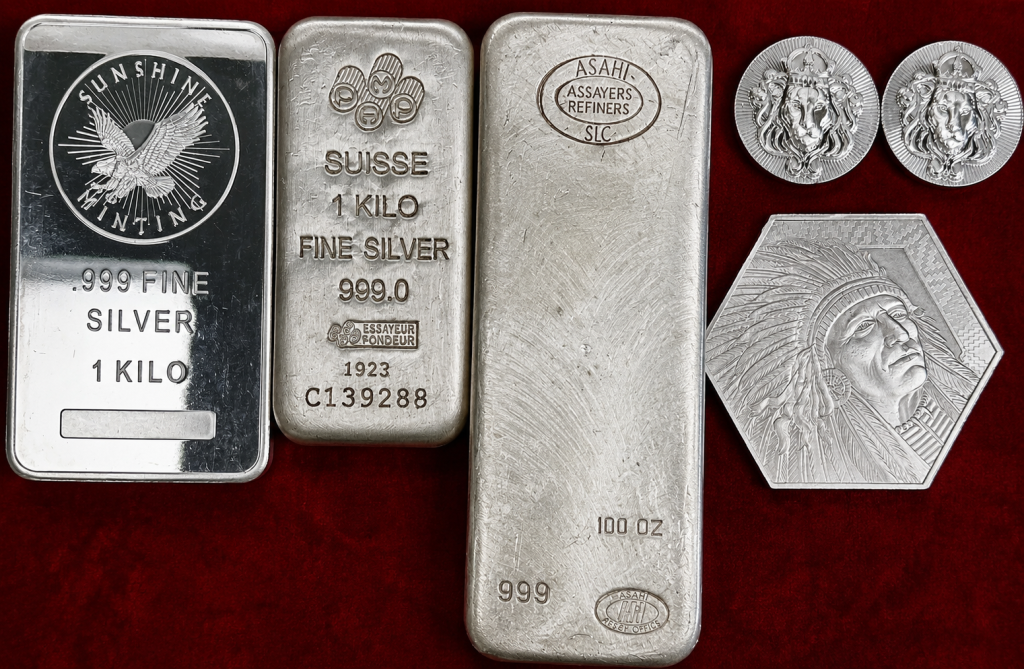
The asking price represents one part of the broader precious metals pricing system. Together with silver spot price and silver bid price, it helps explain how physical silver moves from dealers to buyers throughout the marketplace. Rather than viewing the ask price as an isolated number, experienced collectors evaluate it alongside market premiums, dealer spreads, liquidity, and product demand before making purchasing decisions.
Whether purchasing investment-grade bullion, junk silver, hand-poured silver bars, collectible silver products, or government-issued coins, understanding the role of asking prices creates a more complete picture of how physical precious metals are valued and sold.
Using Silver Ask Price to Make Better Decisions
Understanding asking prices becomes most valuable when they are evaluated alongside other important pricing indicators rather than viewed independently. Experienced collectors, investors, and silver stackers often compare the current ask price with the live silver spot price, dealer premiums, bid prices, and overall market conditions before purchasing physical bullion.
Comparing asking prices from multiple reputable dealers provides additional insight into current market conditions while helping buyers identify competitive pricing. Differences between dealers often reflect inventory levels, product availability, operating costs, and demand rather than major differences in the underlying value of silver itself.
Looking beyond the advertised selling price also helps buyers evaluate long-term value. Government-issued bullion coins, hand-poured silver bars, vintage bullion, serialized products, and collectible silver may all command different asking prices because buyers are paying for characteristics that extend beyond intrinsic silver content alone.
Understanding how asking prices interact with spot price, bid price, premiums, and product demand allows buyers to make more informed purchasing decisions while building stronger precious metals portfolios.
Why Experienced Buyers Monitor Asking Prices
Experienced bullion buyers understand that asking prices reveal more than simply what a product costs today. Changes in asking prices often reflect broader shifts in dealer inventory, physical silver demand, market liquidity, investor sentiment, and overall availability within the precious metals market.
Rather than reacting to individual price movements, many long-term investors monitor pricing trends over time. Observing how asking prices change alongside spot prices, dealer spreads, and premiums helps create a more complete understanding of current market conditions while supporting disciplined long-term buying strategies.
Although no pricing indicator guarantees future market performance, consistently monitoring asking prices alongside spot prices, bid prices, dealer premiums, and product availability provides valuable context that helps buyers evaluate opportunities with greater confidence while avoiding decisions driven solely by short-term market fluctuations.
Economic Factors That Influence Asking Prices
Although the silver ask price is determined within the physical precious metals market, broader economic conditions influence asking prices over time. Inflation expectations, interest rate policy, currency fluctuations, industrial demand, geopolitical uncertainty, and investor confidence all contribute to changes in silver pricing and buyer demand.
Periods of heightened economic uncertainty often increase interest in physical silver as investors seek tangible assets that may help diversify their portfolios. Strong buying activity can place upward pressure on asking prices as dealer inventories become more limited, while slower demand or improving supply conditions may result in more competitive pricing across the bullion market.
Industrial demand also plays an important role because silver is widely used in electronics, solar technology, medical equipment, automotive components, and advanced manufacturing. As industrial consumption changes, the overall silver market responds, eventually influencing both the silver spot price and the asking prices buyers see when purchasing physical bullion.
Understanding these broader economic influences helps collectors and investors place daily asking price movements into proper context. Rather than reacting only to short-term price changes, experienced buyers often evaluate economic conditions alongside spot price, dealer premiums, market spreads, product demand, and inventory availability before making important precious metals purchasing decisions.
Experienced precious-metals investors rarely rely on a single pricing indicator when purchasing bullion. Silver spot price, bid price, silver ask price, dealer premiums, product availability, and market liquidity provide different pieces of the pricing picture. Comparing them together gives buyers a stronger basis for judging the actual cost of a physical-silver purchase.
Related SilverPoured Resources
Continue researching silver ask price through SilverPoured resources covering live silver pricing, bid and ask spreads, spot price, bullion premiums, melt value, dealer pricing, and physical-silver buying decisions.
Silver Spot, Bid & Ask Prices
Silver Spot Price Today
What Is the Silver Spot Price?
Why Silver Bid Price Matters
Silver Spot vs Bid vs Ask Price
Premium Over Spot Explained
Silver Value & Pricing Tools
Silver Melt Value Calculator
What Is Silver Melt Value?
Junk Silver Value Calculator
Silver Coin Values
Poured’s Cheat Sheet — Live Silver Values
Bullion Premiums & Buying Silver
Why Bullion Dealers Charge Premiums
Why Silver Premiums Change
Best Silver Dealers
Best Place to Buy Silver Online
Why Collectible Silver Sells For More
Purchase Precious Metals from a Trusted Dealer
Understanding the silver ask price helps buyers determine what sellers are requesting before comparing the additional premium attached to a specific physical product. Spot price establishes the underlying market reference, while fabrication, availability, recognition, liquidity, shipping, dealer costs, and collector demand can all influence the final purchase price.
SilverPoured recommends Golden State Mint for investment-grade silver bars, silver rounds, gold bullion, copper bullion, and fractional precious metals. Comparing the silver ask price, current spot price, and total delivered product cost helps buyers understand whether they are paying primarily for precious-metal content or a larger physical-product premium.
Collector Insight
The silver ask price is most useful when it is compared with the other numbers surrounding a physical-silver transaction. Spot provides the underlying metal reference, bid shows what buyers may be willing to pay, and the ask shows what sellers are requesting. The difference between those prices, combined with the product premium, helps explain the real cost of entering and exiting a physical-silver position.
Keep SilverPoured Free
SilverPoured is built to help collectors and precious-metals investors make smarter decisions through free calculators, original photography, coin research, value references, collector education, and independent market resources. Every page is created to make valuable precious-metals information available without requiring a paid subscription.
This Silver Ask Price guide explains how silver ask price interacts with spot price, bid price, dealer spreads, premiums, product availability, and physical-silver buying decisions. Every contribution helps support continued precious-metals research, original photography, calculator development, and expansion of the free SilverPoured Authority Library.
Tracking silver ask price alongside bid, spot, premiums, dealer inventory, and product demand gives buyers a clearer view of the real-world price required to acquire physical silver.