
Collectible silver often sells for significantly more than melt value because rarity, scarcity, craftsmanship, and collector demand all influence premium pricing.
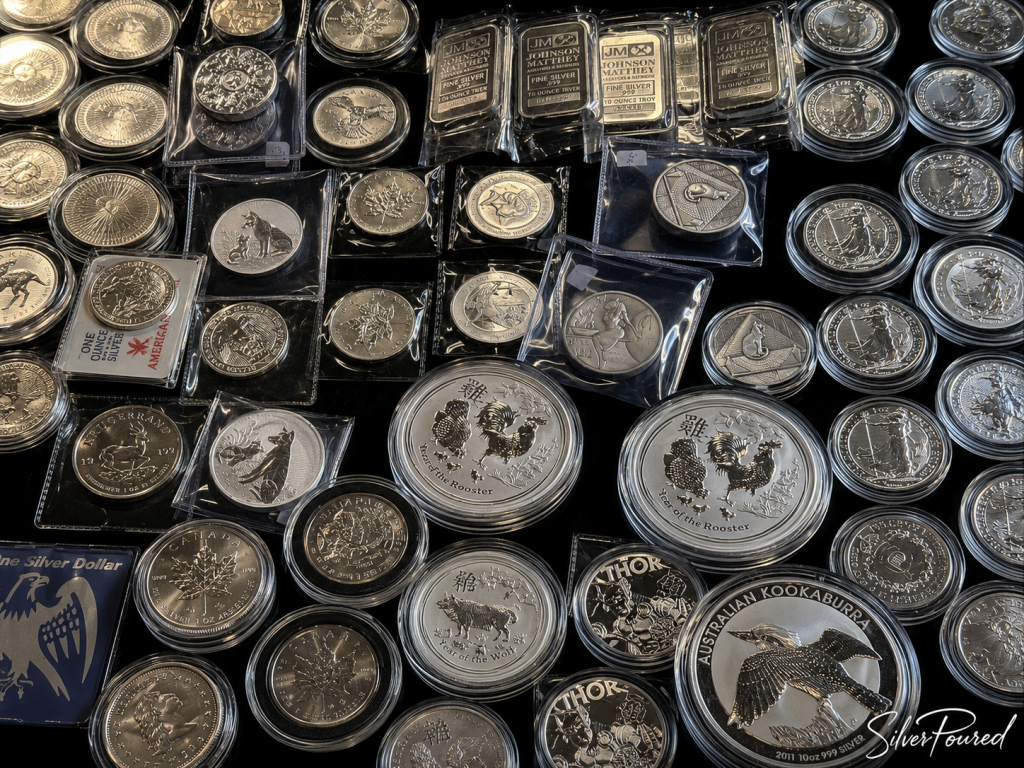
Why Collectible Silver Sells For More
Collectible silver often sells for significantly more than melt value because rarity, scarcity, craftsmanship, and collector demand all influence premium pricing.
While silver spot price remains the foundation of bullion value, many collectible bullion
products develop strong secondary-market premiums that go far beyond metal content alone.
As collectible bullion markets continue evolving, understanding why collectible silver sells for more has become increasingly important for stackers, investors, and precious-metals collectors.
Many collectors monitor the live silver spot price before buying premium bullion products.
What Is Collectible Silver?
Collectible silver derives its value from more than precious metal content alone. Scarcity, craftsmanship, documented production history, and sustained collector demand often influence premiums just as much as silver weight. Learning to recognize these characteristics helps buyers compare premium bullion more confidently while avoiding products that simply carry high prices without long-term collector support.

Premium bullion products often carry additional value beyond raw silver weight because collectors recognize qualities that extend beyond precious metal content alone.
Many premium bullion products become desirable because they offer qualities beyond silver content alone. Limited mintages, hand-poured craftsmanship, vintage refinery history, serialized production, unique designs, historical significance, and collector demand can all contribute to stronger market interest. Certain mint marks, including Carson City, San Francisco, Denver, and Philadelphia issues, may also attract additional collector attention depending on rarity and availability. Unlike generic bullion, collectible silver frequently trades based on both precious metal content and overall desirability within the collector market.
Characteristics That Make Collectible Silver Valuable
| Characteristic | Collector Impact |
|---|---|
| Limited Mintage | Creates long-term scarcity. |
| Vintage Production | No longer manufactured. |
| Hand-Poured Craftsmanship | Every piece is unique. |
| Serialized Production | Adds traceability and collector appeal. |
| Historic Refinery | Established collector recognition. |
| Original Packaging | Improves authenticity and resale. |
| Documented Provenance | Strengthens collector confidence. |
Most collectible silver combines several of these characteristics rather than relying on a single feature. The strongest long-term collector premiums usually develop when rarity, craftsmanship, authenticity, and sustained collector demand work together.
Why Collectible Silver Carries Higher Premiums
Premium bullion premiums often rise when buyers compete for products that are difficult to replace. Low production numbers, discontinued releases, vintage pours, independent refiners, secondary-market scarcity, and strong collector communities can all contribute to increasing premiums. As availability declines and demand grows, certain collectible bullion products may trade for substantially more than their underlying silver value, particularly when collectors view them as difficult-to-find pieces.
In many cases, collectible bullion products eventually trade for several times melt value depending on rarity, documented scarcity, collector demand, and long-term secondary-market interest.
Hand Poured Silver and Collectibility

Hand poured silver remains one of the most collectible areas of the bullion market.
Collectors often value hand-poured bullion because no two pieces are exactly alike. Unique cooling lines, hand stamping, artisanal textures, small-batch production methods, and individual pour character create a level of uniqueness that machine-produced bullion cannot easily replicate. This combination of precious metal ownership and craftsmanship helps explain why hand-poured silver remains one of the most collectible areas of the bullion market.
Unlike machine-produced bullion, hand poured silver often combines precious metal ownership with artistic collectible appeal.
Vintage Silver and Scarcity
Vintage silver products remain especially popular because older bullion products become increasingly difficult to locate over time.
Many collectors actively seek vintage silver bars, vintage poured bullion, serialized silver products, discontinued refinery issues, and limited production runs because these items become increasingly difficult to locate over time. As more pieces disappear into long-term collections, available supply often shrinks while collector demand remains strong. This combination can create substantial premiums above melt value for sought-after vintage silver products.
As supply decreases and collector demand rises, premiums may increase dramatically above spot price.
Fractional Collectible Bullion
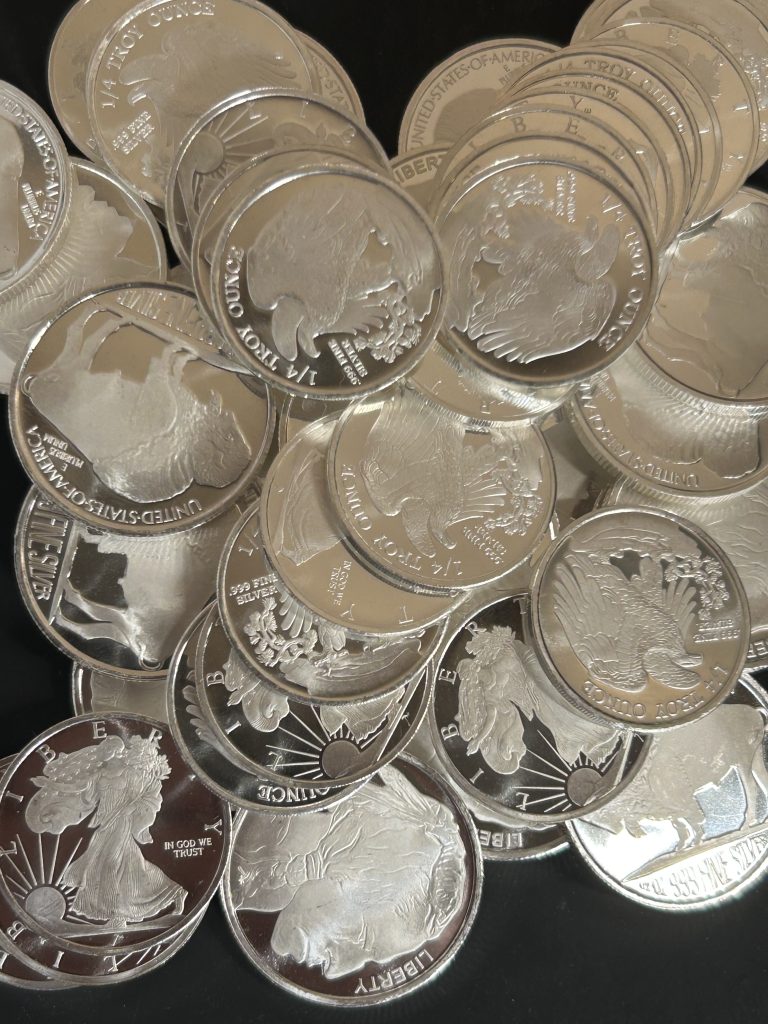
Fractional premium bullion has also become increasingly popular within modern bullion markets.
Fractional premium bullion has become increasingly popular because smaller products often combine affordability with scarcity. Fractional silver bars, mini poured silver pieces, collectible rounds, small-batch bullion products, and limited fractional pours frequently appeal to both new collectors and experienced stackers. Because many of these products are produced in smaller quantities, premiums can remain substantially higher than those associated with larger bullion products.
Because smaller products often combine scarcity with collectible appeal, fractional silver premiums may remain substantially higher than larger bullion products.
Collectible silver continues attracting growing interest in 2026 as investors and collectors seek products that combine precious metal ownership with scarcity and long-term demand. While generic bullion remains popular for low-premium silver accumulation, many buyers are increasingly drawn to collectible bullion because of its potential for stronger secondary-market performance. Understanding why collectible silver sells for more helps buyers evaluate premiums, identify desirable products, and compare collectible opportunities across the broader precious metals market.
Collectible Silver vs Generic Bullion
Many experienced collectors own both generic bullion and collectible silver. Generic products often maximize silver weight for the money, while collectible bullion may provide stronger secondary-market opportunities through rarity, craftsmanship, and collector demand. Balancing both categories allows buyers to diversify beyond melt value alone.
Many investors eventually compare premium bullion to generic bullion when deciding how to build a precious metals portfolio. While generic silver products often provide the lowest premium exposure to silver ownership, collectible silver frequently attracts buyers seeking scarcity, craftsmanship, historical significance, and long-term secondary-market demand.
Generic bullion products typically trade close to melt value because they are widely available and easily replaced. Collectible silver operates differently because buyers often compete for products that cannot be reproduced once production ends. Limited mintages, serialized bullion, rare silver bars, hand-poured pieces, vintage refinery products, and discontinued releases can all create scarcity that supports stronger premiums over time.
Collectors are often willing to pay more for premium bullion because ownership extends beyond metal content alone. Unique designs, small production runs, artistic craftsmanship, historical importance, and market availability all contribute to perceived desirability. As a result, collectible silver may experience premium appreciation that is independent of movements in the underlying silver spot price.
This distinction helps explain why two products containing identical silver weight can trade at dramatically different prices. While generic bullion primarily follows silver market movements, collectible silver frequently reflects the combined influence of rarity, collector demand, secondary-market activity, and long-term availability. Understanding these differences can help buyers determine whether collectible silver or generic bullion better aligns with their collecting goals and investment objectives.
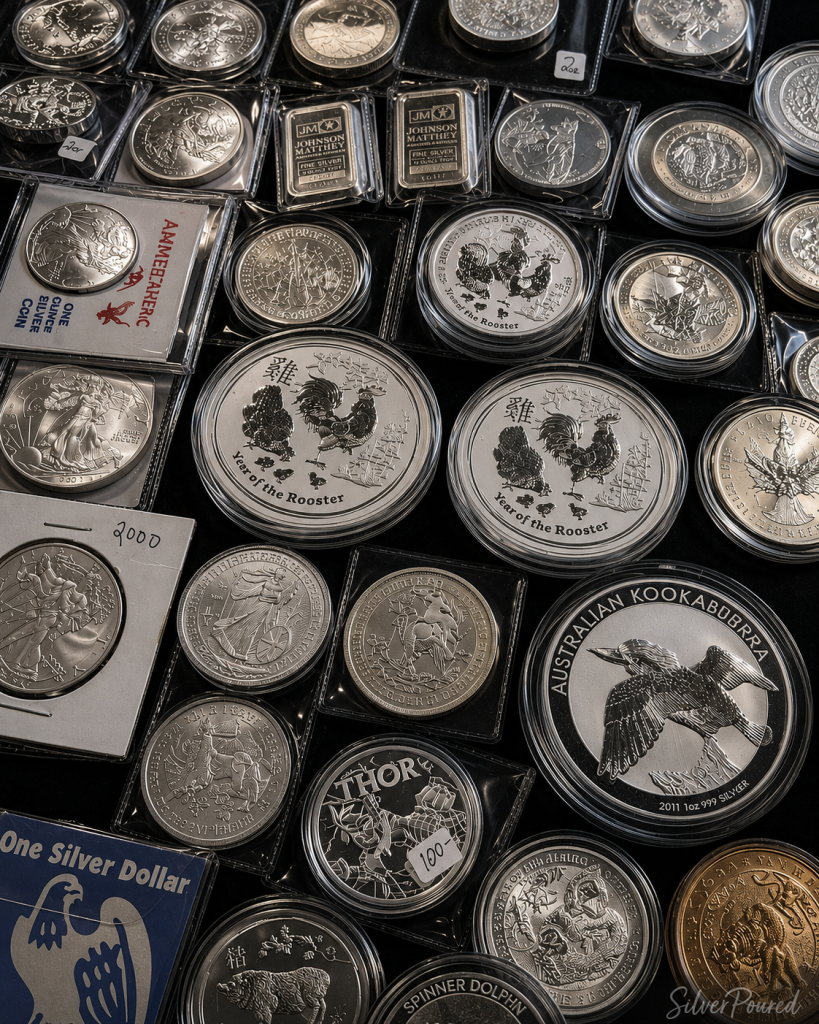
Serialized Bullion and Limited Mintage Collectible Silver
Serialized bullion and limited mintage releases represent another important segment of the collectible silver market. Many collectors actively pursue collectible silver products that include unique serial numbers or documented production limits because scarcity can often increase long-term desirability.
When collectors know that only a small number of pieces were produced, demand may remain strong even after the original release sells out. This is especially true for collectible silver created by respected refiners, independent artists, specialty mints, and hand-poured silver producers. As more examples move into private collections, available supply often decreases while collector interest remains active.
Because scarcity, documented production limits, and collector demand frequently work together, serialized and limited mintage collectible silver products often become some of the most sought-after categories within the broader bullion market.
Major Categories of Collectible Silver
| Category | Why Collectors Buy It |
|---|---|
| Vintage Silver Bars | Historic refinery products. |
| Hand-Poured Silver | Artisan craftsmanship. |
| Serialized Bullion | Unique identification numbers. |
| Limited Mintage Bullion | Fixed production totals. |
| Art Bars | Creative designs and themes. |
| Historic Coin Silver | Numismatic and bullion crossover. |
Each category appeals to different buyers, but all combine precious-metal ownership with scarcity, history, or craftsmanship that extends beyond melt value.
Rare Silver Bars and Secondary Market Demand
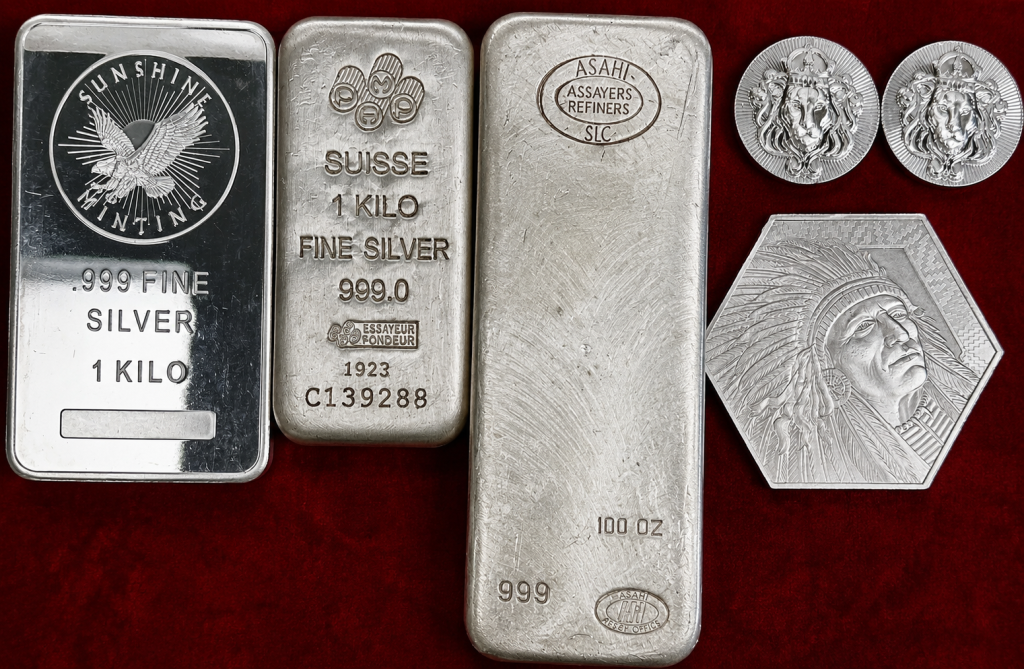
Rare silver bars remain one of the strongest premium categories within the bullion market because availability often declines over time. Many older refinery products, discontinued designs, small-production releases, and historic poured bars become increasingly difficult to locate once they disappear into long-term collections. As supply tightens and buyer interest remains active, secondary-market prices may rise well beyond underlying melt value.
Unlike newly manufactured bullion products, older silver bars often carry a history that collectors find appealing. Refinery reputation, production era, design characteristics, and survival rates can all influence market demand. These factors help explain why certain bars command premiums that far exceed their metal content alone.
Grading, Authentication, and Buyer Confidence
Condition and authenticity also influence premium bullion markets. Third-party grading companies such as PCGS and NGC provide authentication and condition assessments that help buyers evaluate pieces with greater confidence. Certified examples often attract additional interest because the condition has been independently verified.
In some areas of the market, small differences in preservation quality can create meaningful price differences. Buyers frequently place greater value on examples that display exceptional eye appeal, strong surfaces, and superior overall preservation. Authentication can also reduce uncertainty when purchasing higher-premium products through the secondary market.
Why Collectors Compete for Certain Pieces
One of the strongest drivers of premium pricing is simple competition among buyers. Many enthusiasts enjoy searching for difficult-to-find pieces, completing themed collections, acquiring discontinued products, or locating examples with unique characteristics. When multiple buyers pursue a limited supply of the same item, premiums often rise regardless of changes in the underlying silver price.
This behavior helps explain why certain products continue appreciating even during periods when silver prices remain relatively stable. Demand is often driven by scarcity, collecting goals, and long-term ownership rather than metal content alone.
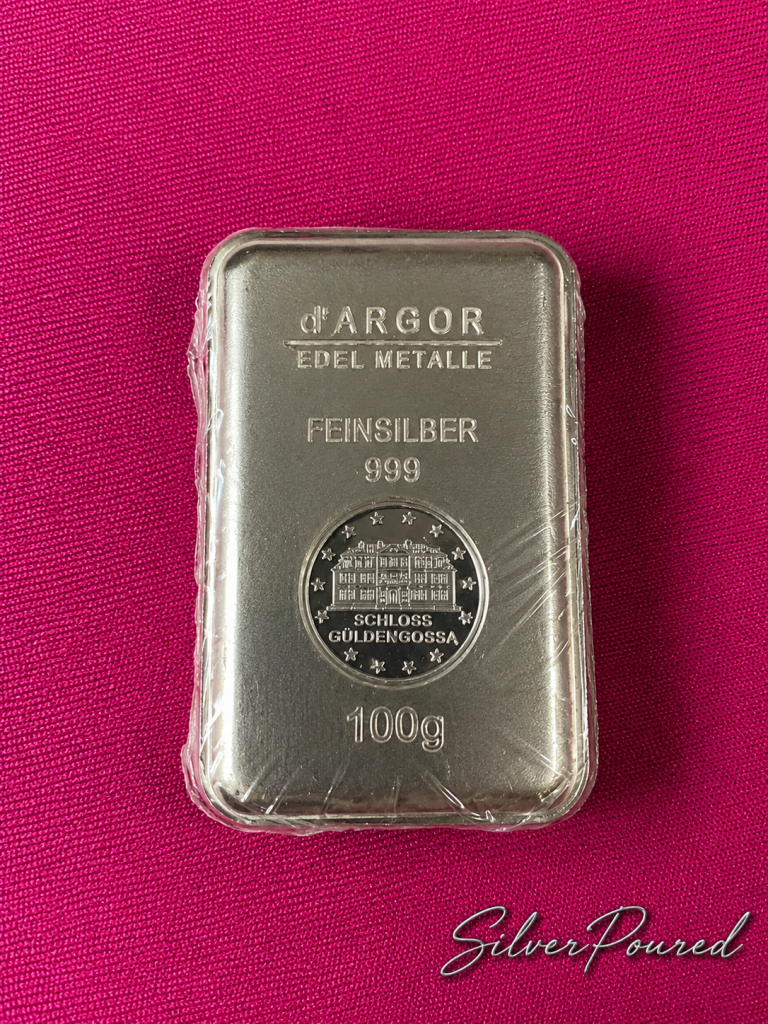
Limited Mintages and Long-Term Scarcity
Production numbers play a major role in determining future availability. Products released in small quantities may become increasingly difficult to locate as more examples move into private collections. Over time, shrinking supply can strengthen demand among buyers seeking specific releases, refiners, designs, or production runs.
This relationship between limited availability and buyer demand has helped create some of the strongest-performing premium categories within the bullion market. While no premium is guaranteed, products with documented scarcity often attract greater long-term interest than widely available alternatives.
Serialized Silver and Numbered Bullion
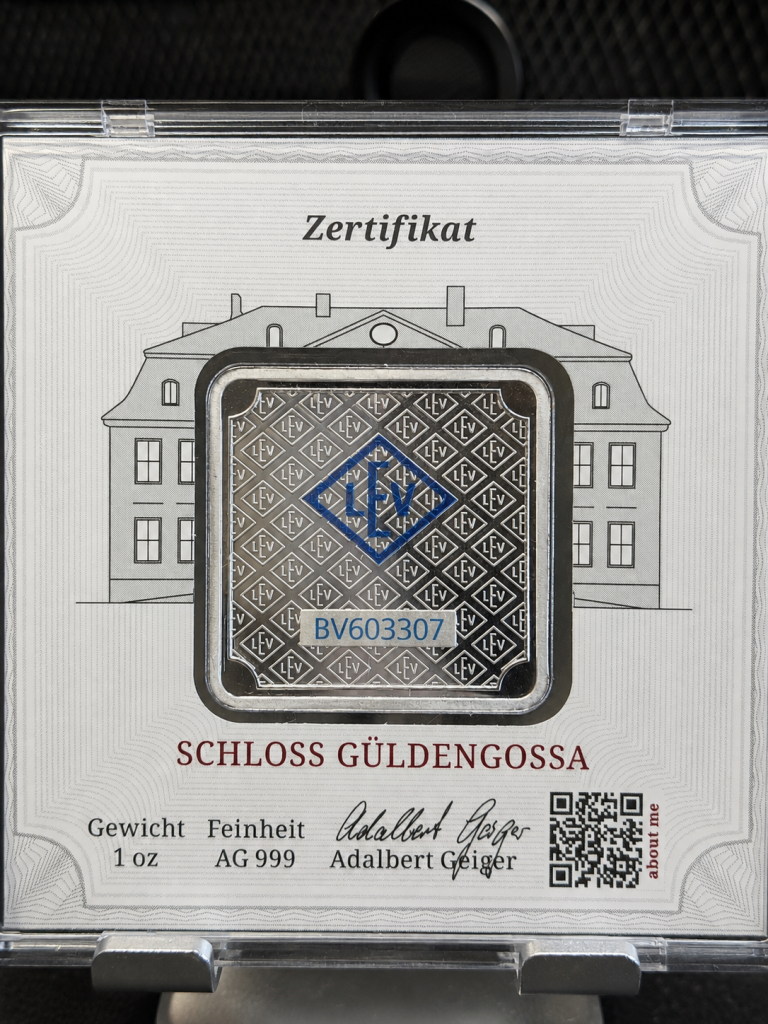
Serialized silver products often attract stronger collector interest because each piece carries an additional layer of identity. A serial number can make a bar, round, or poured piece feel more specific than a standard bullion product, especially when collectors pursue low numbers, matching sets, consecutive serials, or early production runs.
Numbered bullion also gives buyers a clearer way to compare pieces within the same release. When production is limited and each item can be individually identified, collectors may assign extra value to examples that feel more desirable or harder to replace. This is one reason serialized products often develop stronger secondary-market demand than ordinary bullion with no unique identifying features.
Why Some Premiums Hold and Others Fade
Not every premium remains strong forever. Some products sell above melt value when they are new but lose demand later if collector interest fades, production numbers were too high, or similar products become easy to find. Strong premiums usually require more than attractive design alone.
Premiums are more likely to hold when a product has lasting scarcity, recognizable demand, limited availability, strong craftsmanship, or a collector base that continues searching for examples over time. This is why some collectible silver products maintain stronger premiums while other releases eventually trade closer to ordinary bullion value.
Secondary-Market Liquidity
Liquidity often determines whether a collectible premium can be realized in the future. Products with established collector followings, respected refinery names, documented scarcity, and broad market recognition generally attract stronger buyer interest than equally rare pieces with limited visibility. Understanding liquidity helps collectors evaluate long-term marketability alongside rarity.
Secondary-market liquidity matters because collectors eventually want to know how easily a premium product can be sold, traded, or valued. A piece may be rare, but if few buyers recognize it or actively search for it, resale demand may be limited.
Stronger liquidity often appears when a product belongs to a known category, respected maker, popular series, or active collector community. Vintage bars, serialized releases, hand-poured pieces, and limited mintage products may perform better when buyers can easily understand what they are and why they matter. This helps explain why market recognition can be just as important as scarcity when evaluating premium bullion.
Does Spot Price Still Matter?
Silver spot price still plays an important role within collectible bullion markets.
While silver spot price remains an important pricing benchmark, many collectible silver products ultimately trade based on factors that extend beyond metal content alone. Scarcity, collector demand, historical significance, craftsmanship, and secondary-market availability often play major roles in determining value. This helps explain why two products containing the same amount of silver can sell for dramatically different prices within the collector market.
This is one reason why two silver products containing identical silver weight may carry dramatically different market values.
Collectors often monitor the live silver spot price before purchasing collectible bullion products, but many collectible pieces ultimately trade far above melt value alone.
Understanding premium bullion pricing can help buyers evaluate premiums more effectively and identify products with stronger long-term collector demand. While silver content remains important, many of the most desirable bullion products derive a significant portion of their value from scarcity, craftsmanship, history, and market interest beyond melt value alone.
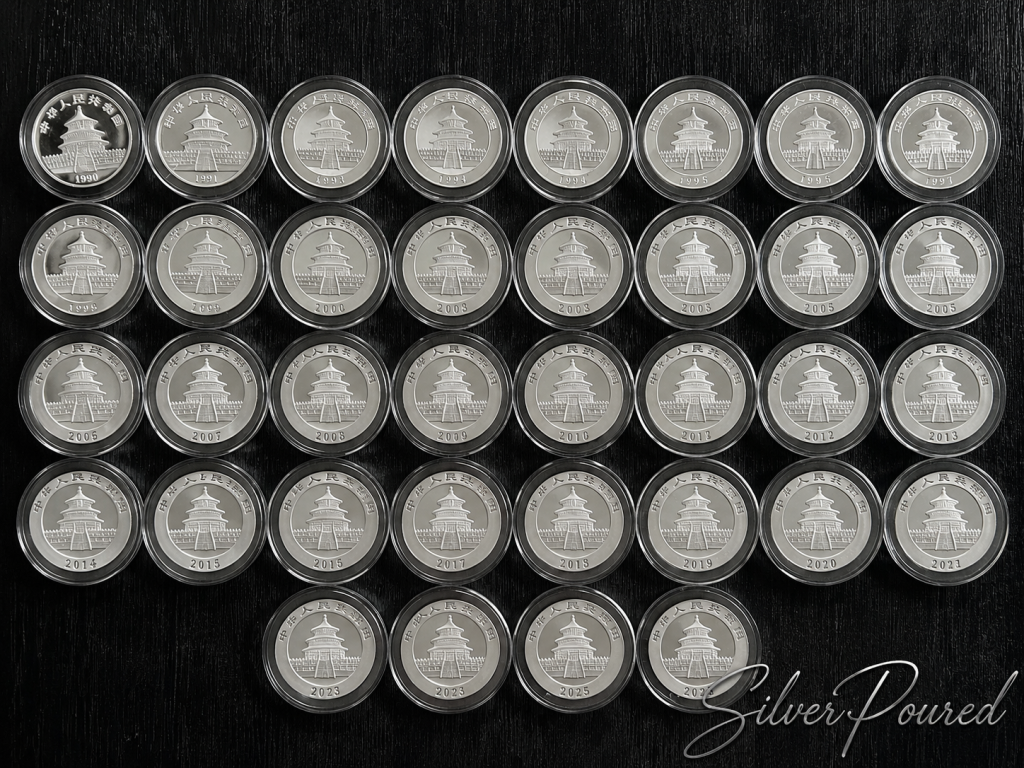
Primary Drivers of Collectible Silver Premiums
| Factor | Effect on Premium |
|---|---|
| Rarity | Lower availability increases demand. |
| Collector Demand | More buyers strengthen premiums. |
| Craftsmanship | Unique production increases desirability. |
| Historical Significance | Adds long-term collector appeal. |
| Condition | Original surfaces command stronger prices. |
| Authentication | Improves buyer confidence. |
| Market Recognition | Supports stronger secondary-market liquidity. |
Strong collectible premiums usually result from several of these characteristics working together rather than from any single factor alone.
Collectible Bullion in Today’s Market
Collectible bullion continues evolving as one of the fastest-growing segments within the modern precious metals market. Growing interest from stackers, investors, and collectors has expanded demand for products that combine precious metal ownership with rarity, craftsmanship, and long-term collector appeal.
Many collectors also appreciate premium bullion because it combines silver ownership, historical significance, artistic craftsmanship, and long-term secondary-market demand within today’s precious metals market.
Because rarity, craftsmanship, scarcity, and collector demand all influence pricing beyond silver content alone, many buyers view premium bullion as both precious-metal ownership and a long-term collecting opportunity.
Common Mistakes When Buying Collectible Silver
Many new buyers focus almost entirely on silver weight while overlooking the characteristics that often separate ordinary bullion from highly desirable collector pieces. Although silver content establishes a baseline for value, scarcity, craftsmanship, production history, and long-term collector demand frequently have an even greater influence on premium pricing.
Another common mistake is assuming every limited-edition release will become highly valuable. Some products are issued with large production numbers or fail to develop an active collector following after the initial release. Before paying substantial premiums, buyers should research the manufacturer, documented mintage, secondary-market activity, and overall reputation within the precious metals community.
Condition also plays an important role. Scratches, fingerprints, damaged packaging, or improper storage may reduce buyer interest and resale potential. Collectors generally prefer bullion that has been carefully preserved from the time it was originally purchased.
Building a Long-Term Collectible Bullion Collection
Many experienced collectors gradually build their collections around specific themes rather than purchasing random pieces. Some focus on vintage refinery products, while others specialize in hand-poured silver, serialized bullion, fractional issues, limited mintages, or historic mint releases.
A focused collecting strategy often makes it easier to understand market trends, identify opportunities, and recognize products that become increasingly difficult to locate over time. As collections mature, many buyers develop a deeper appreciation for the history, artistry, and craftsmanship behind premium bullion in addition to its underlying precious metal content.
Successful collectors also recognize that patience is often rewarded. Waiting for the right opportunity, purchasing from reputable dealers, and researching market history can produce better long-term results than making impulse purchases based solely on short-term demand. Combining careful research with a long-term collecting approach helps create a collection that is both enjoyable to own and easier to expand over time.
Who Buys Collectible Silver?
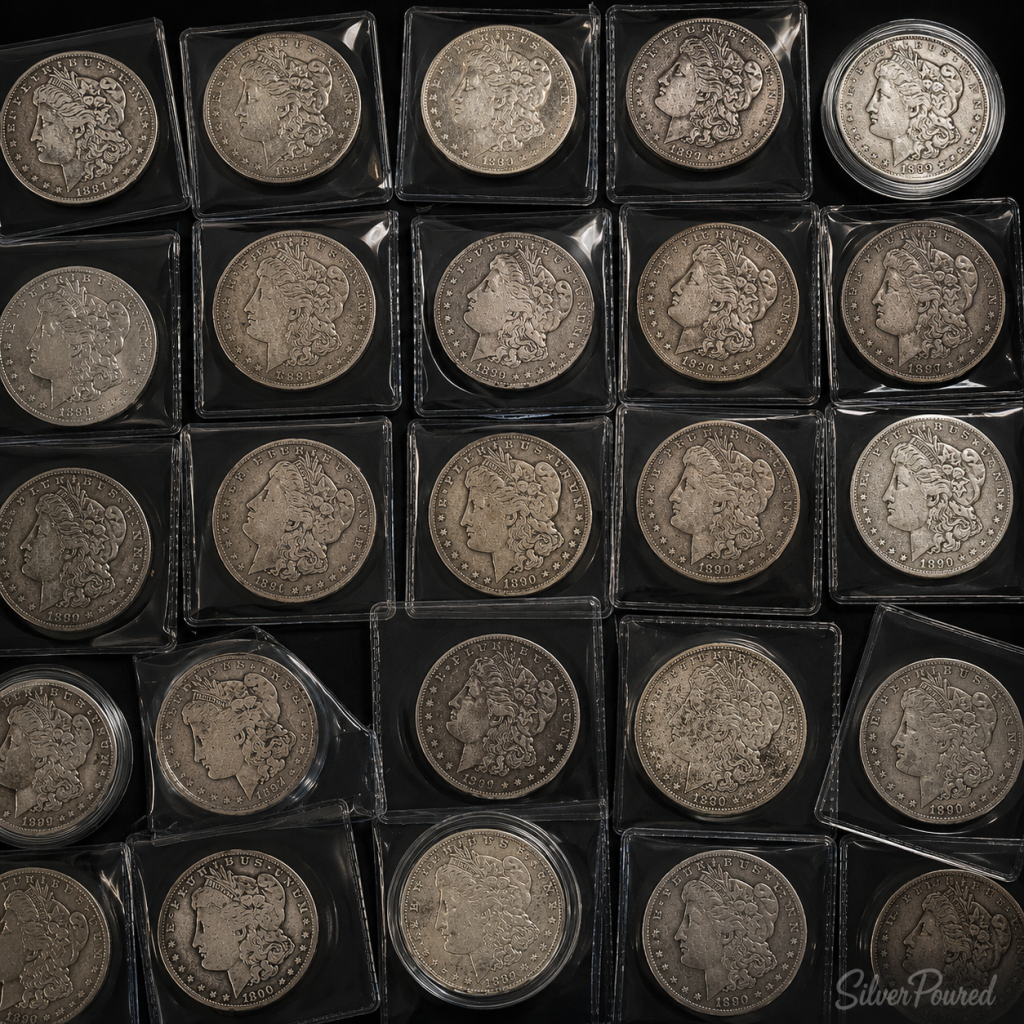
Premium bullion appeals to a wide range of buyers because it combines precious metal ownership with historical significance, craftsmanship, and long-term collector interest. Some investors purchase collectible bullion to diversify beyond standard silver bars and rounds, while others focus on building themed collections centered around specific refiners, artists, mintages, or historical periods.
New collectors are often attracted to collectible silver because many pieces offer unique designs and limited production runs that are unavailable in generic bullion. Experienced stackers frequently add collectible products to complement low-premium bullion holdings, creating a balanced portfolio that includes both intrinsic silver value and potential secondary-market appreciation.
Collectors interested in hand-poured bullion, serialized bullion, vintage refinery products, and limited mintage releases often develop specialized collections over time. As knowledge and experience grow, many buyers begin focusing on rarity, provenance, condition, and long-term market demand rather than silver content alone. Understanding these different buyer profiles helps explain why premium bullion continues attracting strong interest across multiple segments of the precious metals market.
Related SilverPoured Resources
Continue exploring SilverPoured’s collector guides, premium-bullion research, scarcity education, and pricing resources to understand how craftsmanship, limited production, provenance, market recognition, and secondary-market demand can create value beyond precious-metal content alone.
Collectible and Scarce Silver
What Makes Silver Bars Collectible
Vintage Silver Bars
Serialized Silver Bars
Limited Mintage Silver
Why Hand Poured Silver Is Collectible
Premium Bullion Education
Premium Over Spot Explained
Why Silver Premiums Change
Why Bullion Dealers Charge Premiums
Why Rare Silver Bars Cost More
Why Limited Mintage Bullion Costs More
Silver Prices and Buying
Silver Spot Price Today
Silver Melt Value Calculator
What Is Silver Melt Value?
Best Silver Dealers
Best Place to Buy Silver Online
Purchase Precious Metals from a Trusted Dealer
Collectors evaluating premium bullion should consider more than silver weight alone. Product authenticity, craftsmanship, documented scarcity, manufacturer recognition, condition, liquidity, and secondary-market demand can all influence whether a premium is supported by lasting collector interest.
Golden State Mint offers silver bars, silver rounds, gold bullion, copper bullion, and fractional precious metals for collectors and investors. Comparing standardized bullion with scarce, serialized, vintage, and artisan products helps buyers understand how fabrication, availability, recognition, and collector demand can influence prices above melt value.
Collector Insight
Silver weight establishes an important baseline, but lasting collector premiums usually require something more. Documented scarcity, distinctive craftsmanship, recognizable makers, provenance, condition, and an active secondary market can separate genuinely desirable pieces from products carrying temporary premiums. The strongest collector markets develop when limited availability is matched by sustained buyer demand.
Keep SilverPoured Free
SilverPoured is built to help collectors and precious-metals investors make smarter decisions through free calculators, original photography, coin research, value references, collector education, and independent market resources. Every page is created to make valuable precious-metals information available without requiring a paid subscription.
This guide explains why collectible silver sells for more by examining rarity, scarcity, craftsmanship, condition, provenance, authentication, liquidity, and long-term collector demand. Every contribution helps support continued collector research, original photography, free pricing tools, bullion education, and expansion of the SilverPoured Authority Library.
Your support allows SilverPoured to remain independent while building one of the web’s most comprehensive free libraries for coin collectors, bullion buyers, precious-metals researchers, and long-term investors.