
Serialized bullion often commands higher premiums than comparable non-serialized precious metals because each piece carries a unique identifying number that distinguishes it from every other example produced. That individual identity can strengthen collector confidence, improve documentation, support provenance, and make certain bullion products more desirable within the secondary market.
While a serial number alone does not guarantee additional value, it can become an important part of a bullion product’s story when combined with limited production, trusted manufacturers, strong collector demand, original packaging, and complete documentation. Understanding why serialized bullion costs more begins with separating identity from authentication and recognizing how documentation, scarcity, craftsmanship, and provenance influence buyer confidence.
Serialized bullion appears across a wide range of precious metals products, including investment-grade gold bars, silver bars, platinum bullion, limited-production releases, collectible rounds, and hand-poured bullion. Manufacturers use serialization in different ways, but the basic purpose remains consistent: assigning a permanent identity to an individual bullion product.
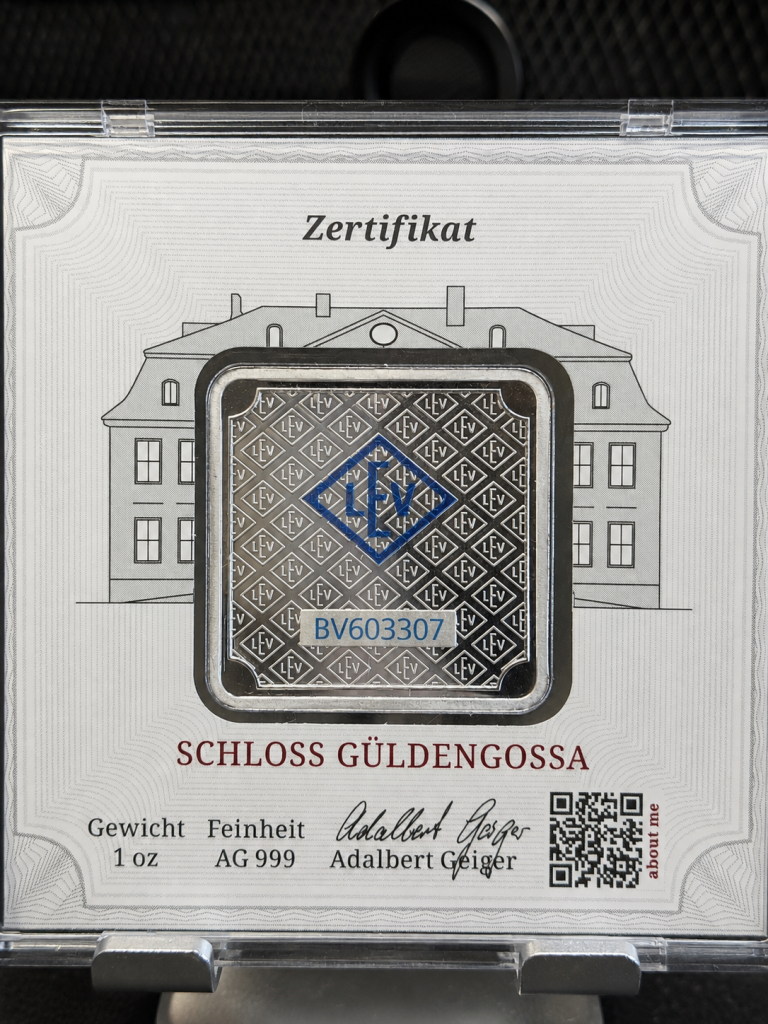
What Is Serialized Bullion?
A serial number creates identity, but identity alone does not create value. Premiums are more likely to develop when serialization is supported by trusted manufacturers, limited production, documentation, collector demand, condition, and long-term market recognition.

Serialized bullion is any precious metals product carrying a unique serial number assigned by its manufacturer or issuing mint. Unlike generic bullion, where pieces within the same production run may appear virtually identical, serialization allows one individual bar, round, or ingot to be distinguished from every other example.
The serial number may be stamped directly into the metal, engraved during production, laser marked, or associated with an assay card or certificate. The method varies by manufacturer and product type, but the result is the same: the bullion receives an individual identifying reference.
That identity can be useful throughout ownership. Collectors can record a specific piece in photographs, inventories, insurance records, purchase documentation, auction histories, or collection records rather than describing only its weight, purity, and manufacturer.
Identity should not be confused with value. Two serialized bars from different manufacturers may carry dramatically different premiums despite both having unique numbers. Mint reputation, production size, collector demand, condition, rarity, craftsmanship, documentation, and secondary-market recognition remain important when evaluating serialized bullion.
Why Serialized Bullion Costs More
Serialized bullion often carries higher premiums because buyers may be paying for more than precious metal content alone. Individually numbered products can offer identity, production traceability, collector appeal, documentation opportunities, and greater confidence when distinguishing one example from another.
Limited production is an important driver of many serialized bullion premiums. Some numbered products are manufactured in relatively small quantities, and once production ends the available supply cannot simply be replenished. As pieces move into long-term collections, fewer examples may remain available through dealers and secondary-market sellers.
Collectors also appreciate being able to identify one specific bullion product rather than owning an interchangeable example. A unique number can be referenced during buying, selling, photographing, documenting, insuring, or cataloging a collection. Those practical benefits can become increasingly useful as a collection grows.
Serialized products may also appeal to more than one type of buyer. Precious metals investors value the underlying gold, silver, or platinum content, while collectors may additionally consider the serial number, production quantity, craftsmanship, manufacturer reputation, historical significance, condition, or original packaging.
Understanding why serialized bullion costs more therefore requires looking at the complete product. A number by itself does not manufacture scarcity or collector demand. Stronger premiums generally require additional characteristics that give buyers a reason to prefer one individually identifiable product over ordinary bullion.
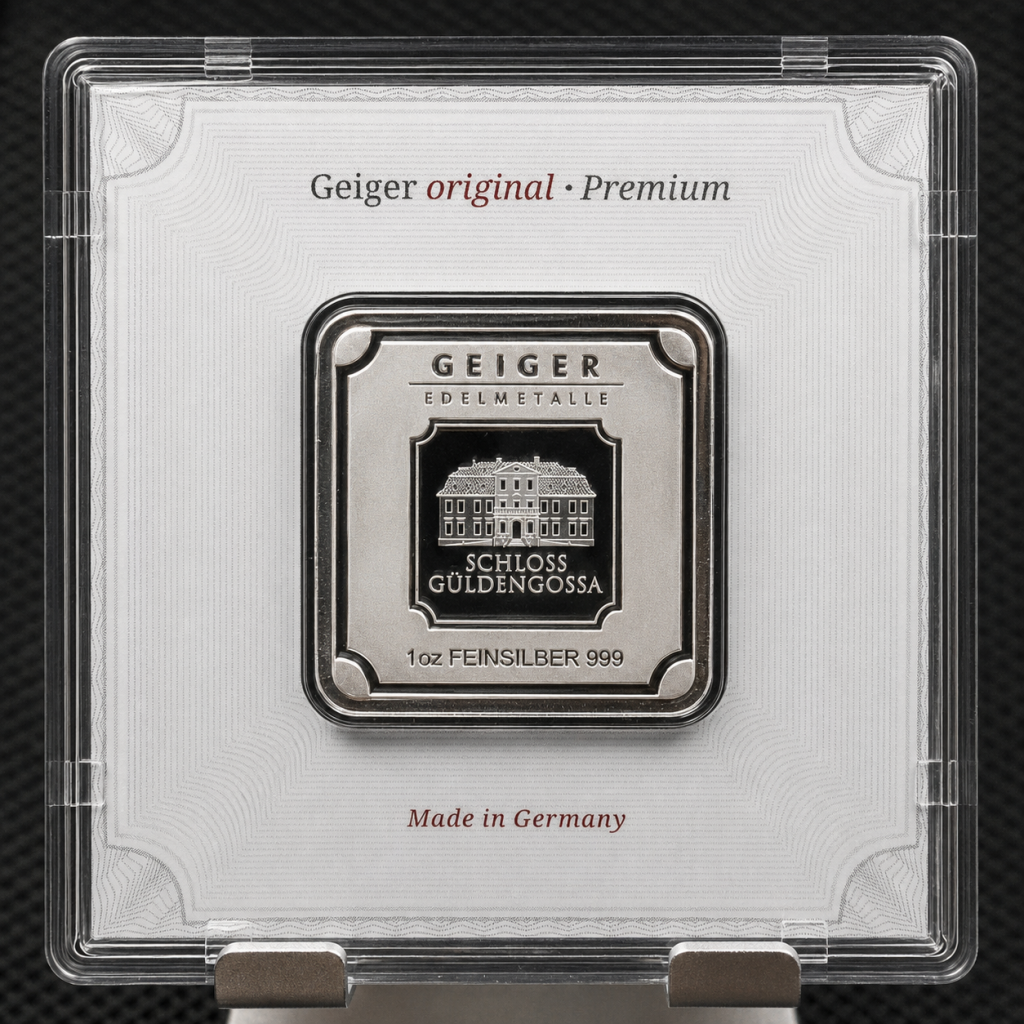
Serial Numbers and Authentication
Authentication verifies whether bullion is genuine, while serialization identifies one specific piece. A convincing counterfeit can copy a serial number just as it can copy a logo or design, so experienced collectors evaluate the complete product rather than treating the number itself as proof of authenticity.
One of the most common misconceptions surrounding serialized bullion is that a serial number automatically proves authenticity. It does not. A serial number establishes identity by distinguishing one product from another, while authentication determines whether that identified product is genuine.
Authenticating serialized bullion may involve examining manufacturer reputation, stated weight and purity, dimensions, design details, production methods, surface characteristics, and identifying marks. Comparing the piece with known genuine examples can provide additional context.
Original packaging, assay cards, certificates, purchase receipts, and other documentation may strengthen confidence, particularly when information on those materials corresponds with the bullion itself. None of these features should automatically be treated as proof in isolation.
Collectors should remember that counterfeiters can reproduce serial numbers. A fake may display a plausible number while containing incorrect dimensions, improper markings, lower purity, or manufacturing characteristics inconsistent with a genuine product.
Purchasing from established dealers, respected private mints, or trusted secondary-market sellers can reduce risk. Clear photographs, accurate descriptions, complete specifications, and supporting documentation all help buyers evaluate serialized bullion more confidently.
Low Serial Numbers
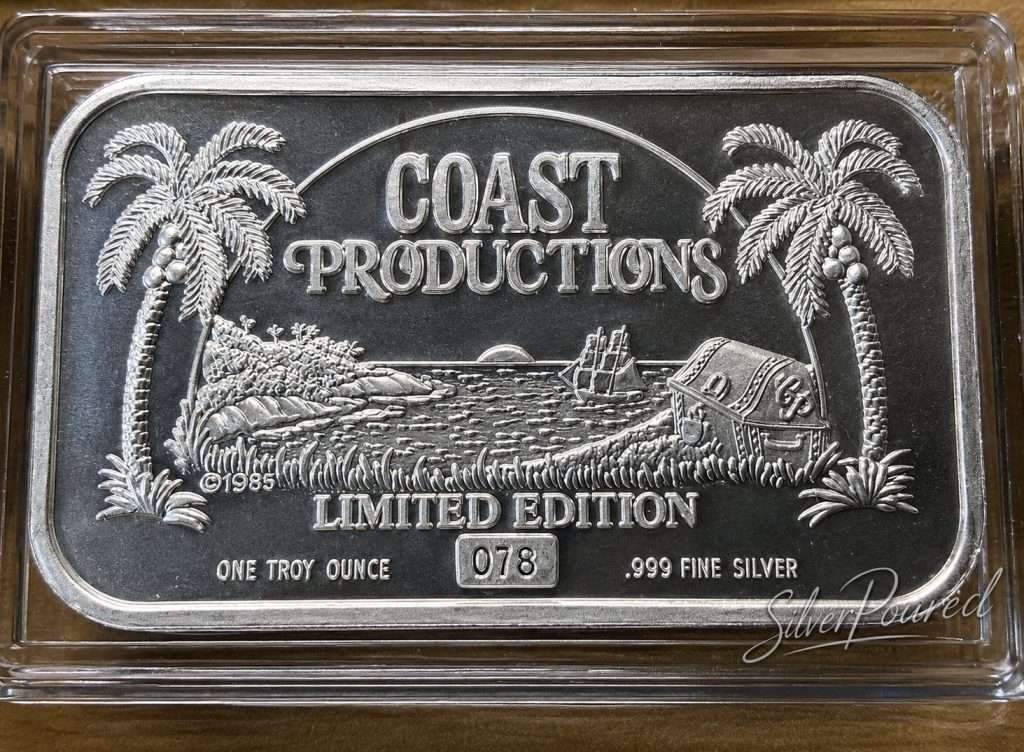
Not all serial numbers receive equal attention from collectors. Low numbers may attract additional interest because they can represent early examples from a production run. Single-digit numbers, numbers such as 001, or other early-production examples may be especially appealing when the underlying bullion product already has an established collector following.
The appeal of low serial numbers is primarily collectible rather than intrinsic. A one-ounce silver bar marked 0005 contains the same amount of silver as serial number 0875, yet some buyers may prefer the earlier number because of its position within the production sequence.
That preference matters most when collectors already value the manufacturer, series, craftsmanship, scarcity, or production history. A low number on an otherwise common product does not automatically create a meaningful premium.
Some collectors intentionally pursue low-number collections or attempt to obtain matching numbers across different products from the same maker. These collecting strategies add another dimension to serialized bullion by combining precious metal ownership with the challenge of locating specific examples.
Consecutive Serial Numbers
Consecutive serial numbers create another form of collectibility. Rather than pursuing one desirable number, some collectors seek two or more pieces produced in uninterrupted numerical order. Serial numbers 124, 125, and 126, for example, document a direct relationship within the production sequence.
Matching sets can become difficult to assemble after a production run is distributed among different buyers. Once consecutive pieces enter separate collections, reuniting them may require searching dealers, auctions, shows, and private sales.
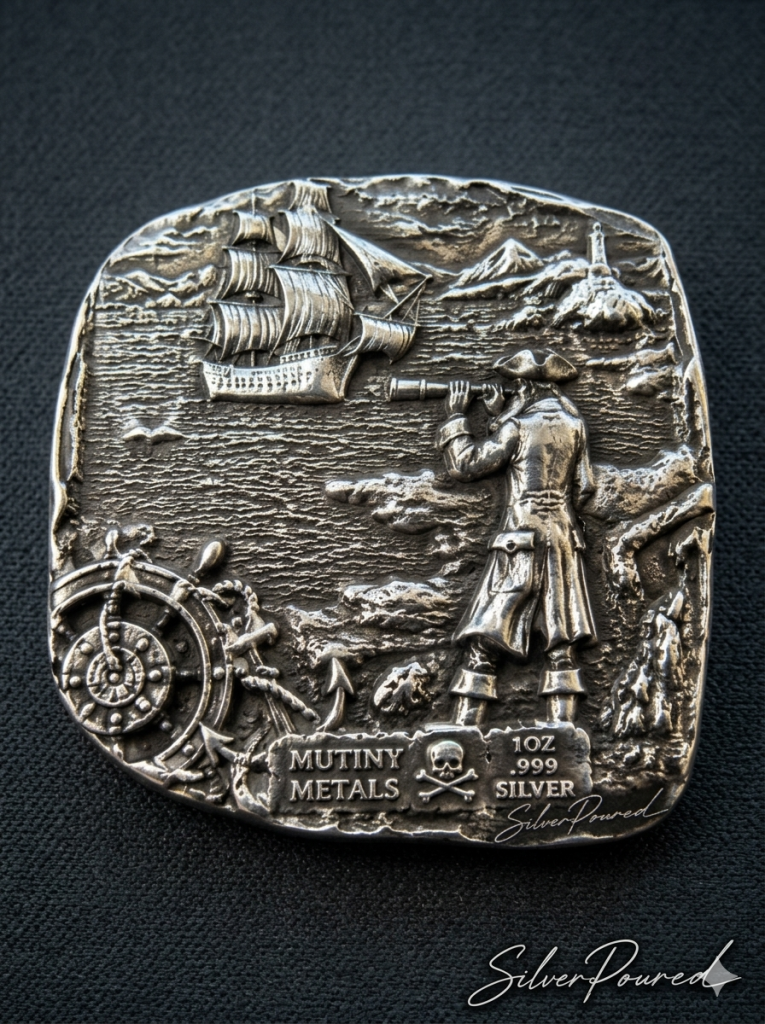
Consecutive numbering can be especially interesting with hand-poured bullion because the pieces share a production sequence while retaining individual physical characteristics. Similar weights, matching designs, distinctive pour textures, and sequential numbers can create an appealing set with documented production continuity.
As with low numbers, consecutive serials do not guarantee substantial premiums. Collector demand, manufacturer reputation, overall scarcity, condition, and the desirability of the underlying bullion series determine whether matching numbers add meaningful market value.
Serialized Hand-Poured Bullion
Serialization is especially meaningful with hand-poured bullion because every piece is already physically individual before a number is applied. Unlike mass-produced minted bars designed for uniformity, hand-poured bullion develops variations through melting, pouring, cooling, stamping, and finishing.
Cooling lines, surface texture, edge shape, hand stamping, and other production characteristics can distinguish one pour from another. Adding a unique serial number gives that naturally individual piece a permanent identifying reference.
This combination of craftsmanship and serialization can create a stronger collectible profile. The serial number identifies the specific bar, while the physical appearance records characteristics of its individual production. Collectors can then associate photographs, documentation, purchase history, and other records with that exact example.
Small-batch production can further strengthen the appeal. Independent refiners and artisan makers may produce far fewer pieces than large commercial mints. As those products move into collections, available supply may decline, making identifiable examples increasingly interesting to collectors researching a maker or production run.
Understanding why serialized bullion costs more is particularly useful in this category because the premium may reflect several characteristics at once: intrinsic metal value, individual craftsmanship, restricted production, identifiable ownership records, and sustained collector demand.
Vintage Serialized Bullion
Vintage serialized bullion occupies a distinctive position within the precious metals market because many older bars originated from refiners and manufacturers that no longer produce those products. Once production ends, surviving pieces become part of a fixed historical supply.
Older serial-number systems can provide an additional layer of historical interest. Collectors may study known number ranges, stamping methods, refinery marks, manufacturing periods, and production styles when researching individual bars. Not every serial number reveals a precise production date, but serialization can help distinguish and document surviving examples.
Condition matters as well. Original surfaces, readable serial numbers, complete hallmarks, and well-preserved appearance generally provide collectors with more information than heavily damaged examples. Original packaging or supporting documentation can further strengthen the historical record when those materials remain with the bullion.
Surviving populations are often uncertain. Some older bullion was melted, damaged, lost, or dispersed into collections over decades. As a result, the number of examples still available may be substantially smaller than original production figures suggest.
For many collectors, vintage serialized bullion represents the intersection of precious metal ownership, industrial history, individual identity, and long-term collectibility. Those combined characteristics help explain why certain older numbered bars develop premiums beyond their underlying gold or silver content.

History of Serialized Bullion
Serialization has been used within the precious metals industry for decades as refiners and manufacturers developed better ways to identify individual bullion products. Investment-grade bars from recognized refiners often carried serial numbers that distinguished one bar from another while supporting inventory control, documentation, and buyer confidence.
As private mints and collectible bullion producers expanded, serialization developed beyond a purely practical identification system. Individually numbered bullion became increasingly attractive to collectors who valued limited production, recognizable craftsmanship, and the ability to identify one specific piece within a larger series.
Modern serialized bullion therefore serves both practical and collectible purposes. Investors may appreciate identifiable products for organization and documentation, while collectors may value the additional scarcity, manufacturing history, and individual identity associated with numbered bullion.
Modern Serialized Bullion
Modern serialized bullion appears across silver, gold, platinum, and other precious metals products. Contemporary manufacturers may use engraved numbers, laser marking, sealed assay packaging, certificates, branded holders, and detailed production information to help buyers identify individual pieces.
Limited releases are particularly common within the modern collectible bullion market. Rather than manufacturing unlimited quantities, some producers establish predetermined production runs and assign individual numbers to each piece. Serialization then helps document the release while distinguishing specific examples from the total production.
Presentation has also become increasingly important. Protective packaging, assay cards, certificates, and clearly displayed serial numbers can make it easier for collectors to preserve condition and maintain organized ownership records. These features do not change intrinsic metal value, but they may improve buyer confidence and long-term resale presentation.
Online marketplaces and collector communities have made individual serial numbers easier to research. Buyers can compare photographs, documented sales, production runs, and specific examples before purchasing. This increased visibility has helped collectors understand why serialized bullion costs more when identity is supported by limited availability, recognized manufacturers, and sustained secondary-market interest.
Not every modern serialized product will develop a significant collector premium. Manufacturer reputation, production quantity, condition, craftsmanship, precious metal content, documentation, and buyer demand remain more important than the presence of a number by itself.
Serialized Silver vs. Serialized Gold
Silver and gold bullion are both commonly serialized, but buyers often approach the two markets differently because of metal value, typical product size, liquidity, and collector behavior.
Serialized silver is generally accessible across a wide range of weights and price points. Collectors may pursue complete series, matching sets, consecutive serial numbers, private-mint products, vintage refinery bars, or hand-poured silver without committing the amount of capital typically required for comparable gold holdings.
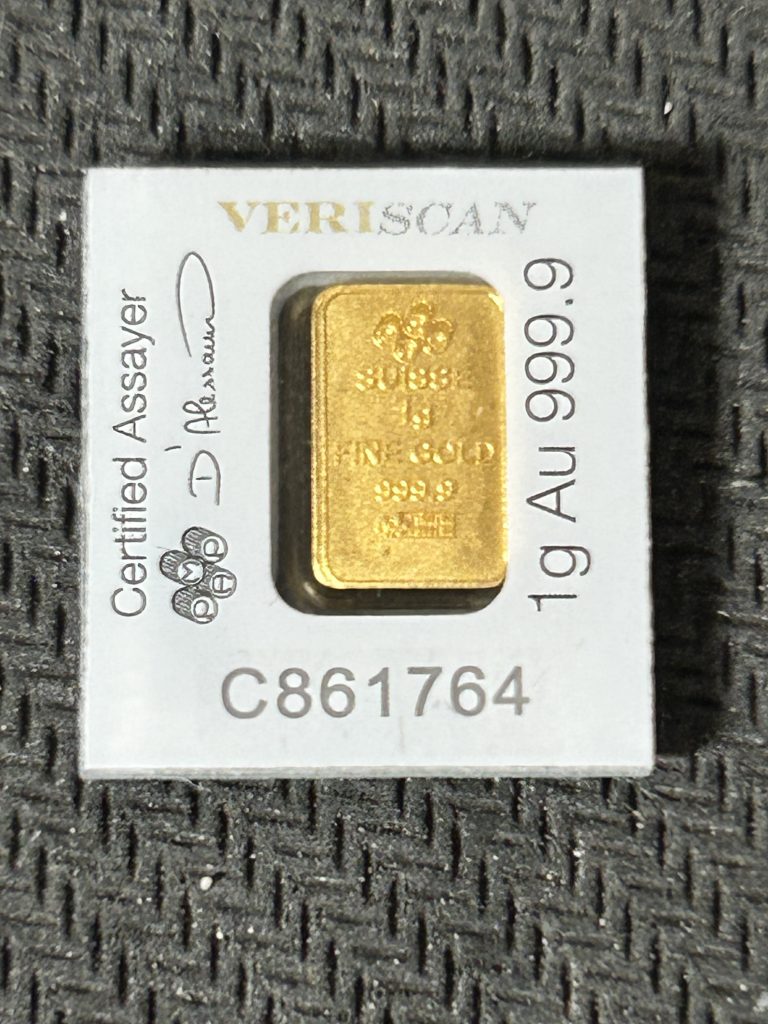
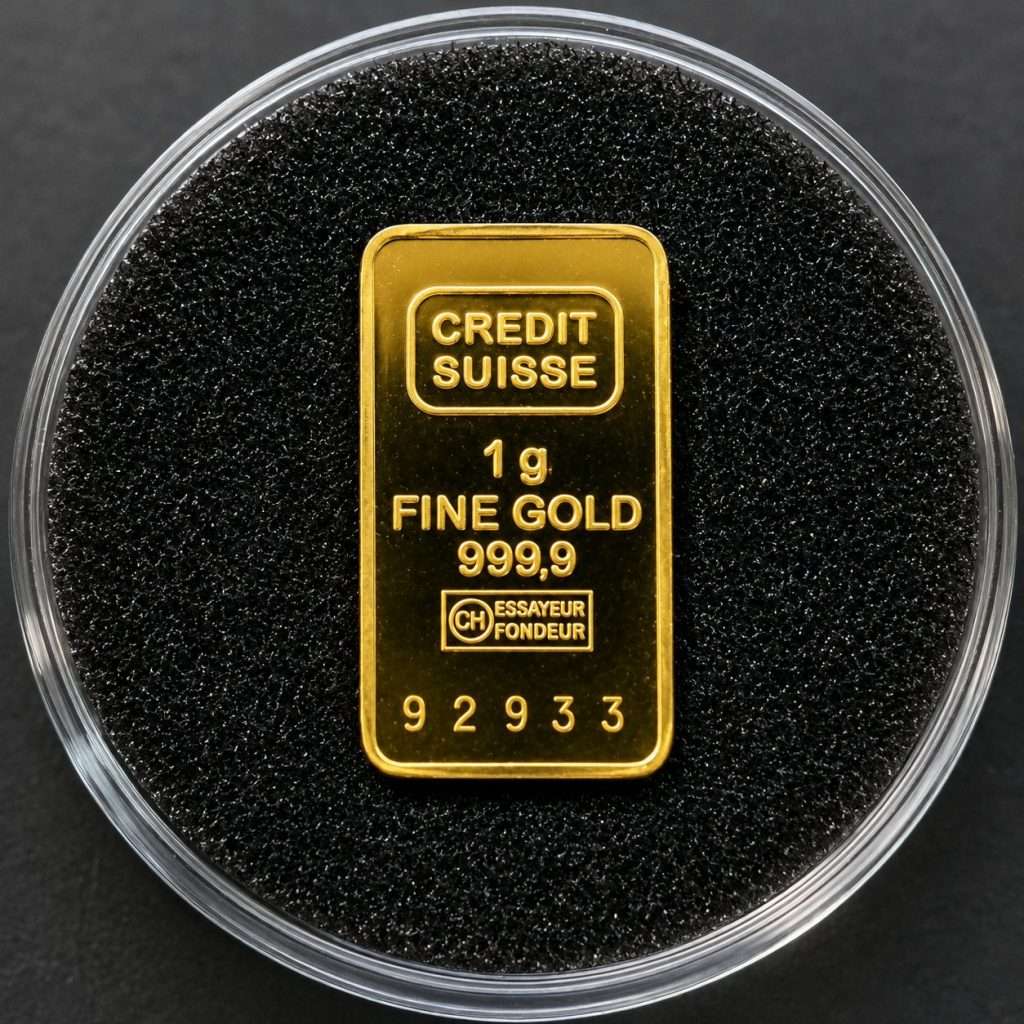
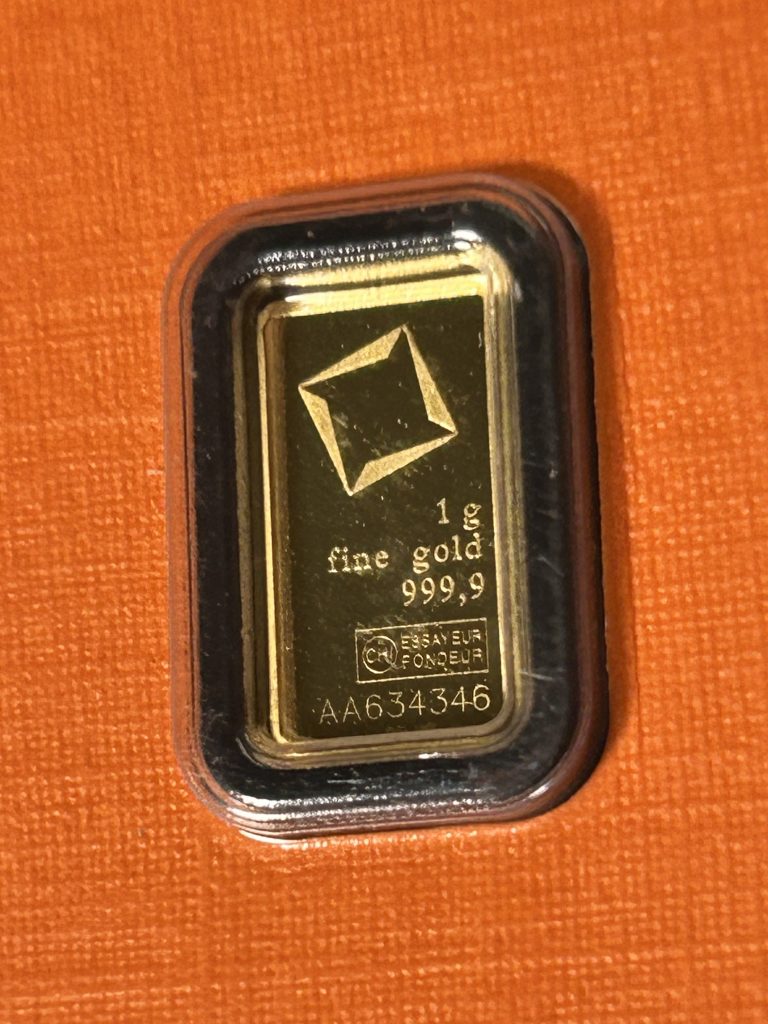
Serialized gold often places greater emphasis on authentication and documentation because each piece usually represents substantially greater intrinsic value. Even small gold bars may be sealed in assay packaging with serial numbers that correspond with manufacturer information, improving confidence during purchase and resale.
Collector behavior also differs. Silver buyers frequently emphasize artistic design, hand-poured craftsmanship, unusual production methods, limited releases, and collectible series. Gold buyers may place greater weight on manufacturer recognition, liquidity, assay documentation, and long-term wealth preservation.
Neither metal automatically becomes more valuable simply because it carries a serial number. Understanding why serialized bullion costs more requires evaluating the complete market context surrounding the product rather than assuming serialization creates value by itself.
Identity, Authentication, Documentation, and Provenance
Identity, authentication, documentation, and provenance work together, but each serves a different purpose when evaluating serialized bullion. Keeping those concepts separate helps collectors understand exactly what a serial number does—and what it does not do.
| Concept | What It Establishes |
|---|---|
| Identity | What specific bullion product is being referenced. |
| Authentication | Whether the identified bullion product is genuine. |
| Documentation | What records support the product and its ownership. |
| Provenance | What documented history has accumulated around the specific piece. |
A serial number establishes identity by distinguishing one bullion product from every other example. It provides a permanent reference that can be associated with photographs, purchase records, assay information, grading information, auction appearances, insurance records, or inventory documentation.
Authentication answers a different question: whether the identified bullion product is genuine. Weight, purity, dimensions, manufacturer characteristics, stamps, design details, packaging, and other evidence may all contribute to an authentication decision.
Documentation preserves the supporting records associated with the piece. Receipts, invoices, assay cards, certificates, original packaging, dealer correspondence, and high-quality photographs can help maintain continuity between the bullion product and its ownership history.
Provenance develops as verifiable information accumulates over time. A newly manufactured numbered bar has identity immediately, but meaningful provenance may develop later through documented ownership, auction appearances, historical records, preserved packaging, or other traceable events.
These distinctions are particularly important when considering why serialized bullion costs more. Identity can strengthen documentation and provenance, but neither identity nor provenance automatically creates value. Collector demand still determines whether those characteristics command meaningful premiums.
Documentation and Record Keeping
Documentation is one of the most practical advantages of serialized bullion because a unique identifying number gives collectors a specific reference around which records can be organized.
Purchase receipts, invoices, assay cards, certificates, original packaging, dealer correspondence, and photographs should be retained whenever practical. Images showing the serial number, overall condition, manufacturer markings, and both sides of the bullion product can become especially useful over time.
Good documentation does not guarantee a higher resale price. Instead, it reduces uncertainty and makes it easier for future buyers, insurers, heirs, or collectors to understand exactly which piece the records describe.
Organized records are also useful for inventory management, insurance documentation, estate planning, and future resale. Serialized bullion is naturally suited to this type of record keeping because every individual piece can be cataloged by its unique identifying number.
Common Types of Serialized Bullion
Serialized bullion is produced in several different forms, and the role of the serial number varies depending on the manufacturing method, precious metal, and intended market.
| Type | Typical Role of Serialization |
|---|---|
| Minted bars | Individual identification, assay matching, and inventory control. |
| Cast bars | Identification alongside naturally varied cast characteristics. |
| Hand-poured bullion | Permanent identity for an already unique artisan-made piece. |
| Limited editions | Identification within a predetermined production run. |
| Gold and platinum bars | Identification and documentation for higher-value bullion. |
Minted bars are manufactured to consistent specifications and may include engraved serial numbers, assay cards, protective packaging, and certificates. Since individual pieces can otherwise look nearly identical, serialization provides a straightforward way to distinguish one bar from another.
Cast bullion is produced from molten metal poured into molds. Surface texture and casting characteristics may already give each bar some individuality, while a serial number provides an additional permanent reference.
Hand-poured bullion combines serialization with naturally individual craftsmanship. Cooling patterns, texture, stamping, shape, and finishing may vary from piece to piece, and numbering allows collectors to permanently identify a specific example.
Limited-edition products may use serialization to document individual pieces within a fixed production run. Anniversary releases, commemorative bullion, private-mint designs, and specialty issues can all use numbering to reinforce production records.
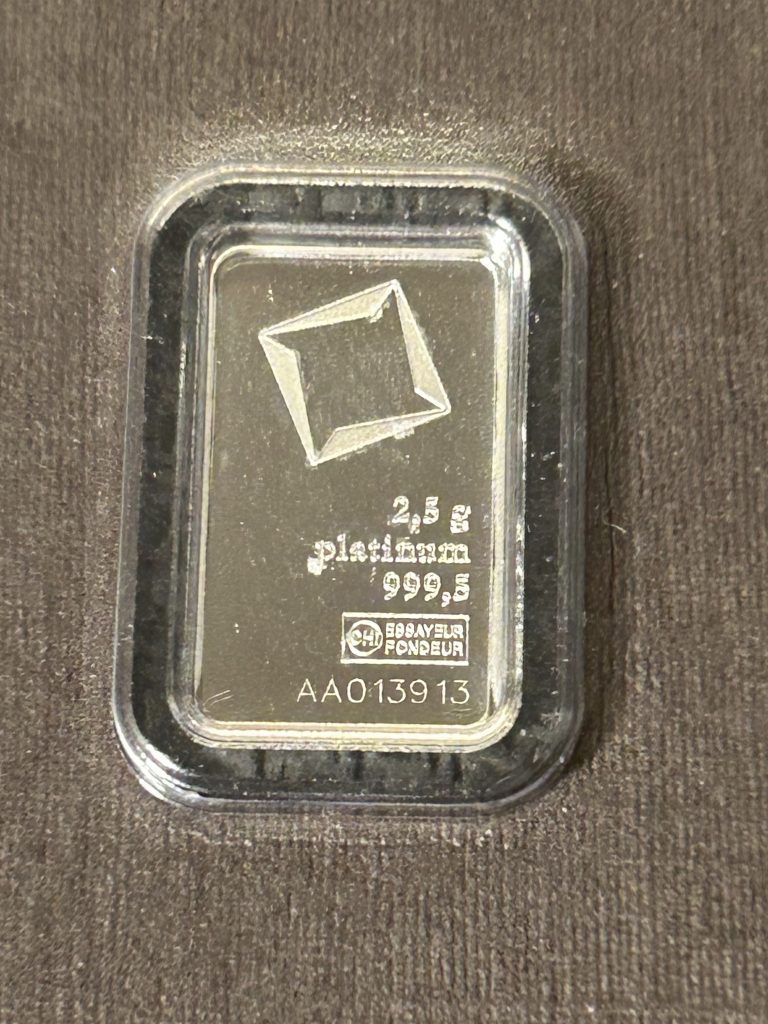
Gold and platinum bullion also commonly use serialization, particularly when products are sealed in assay packaging. Because these metals may represent significant value in relatively small physical sizes, accurate identification and preserved documentation are especially important.
Buying Serialized Bullion
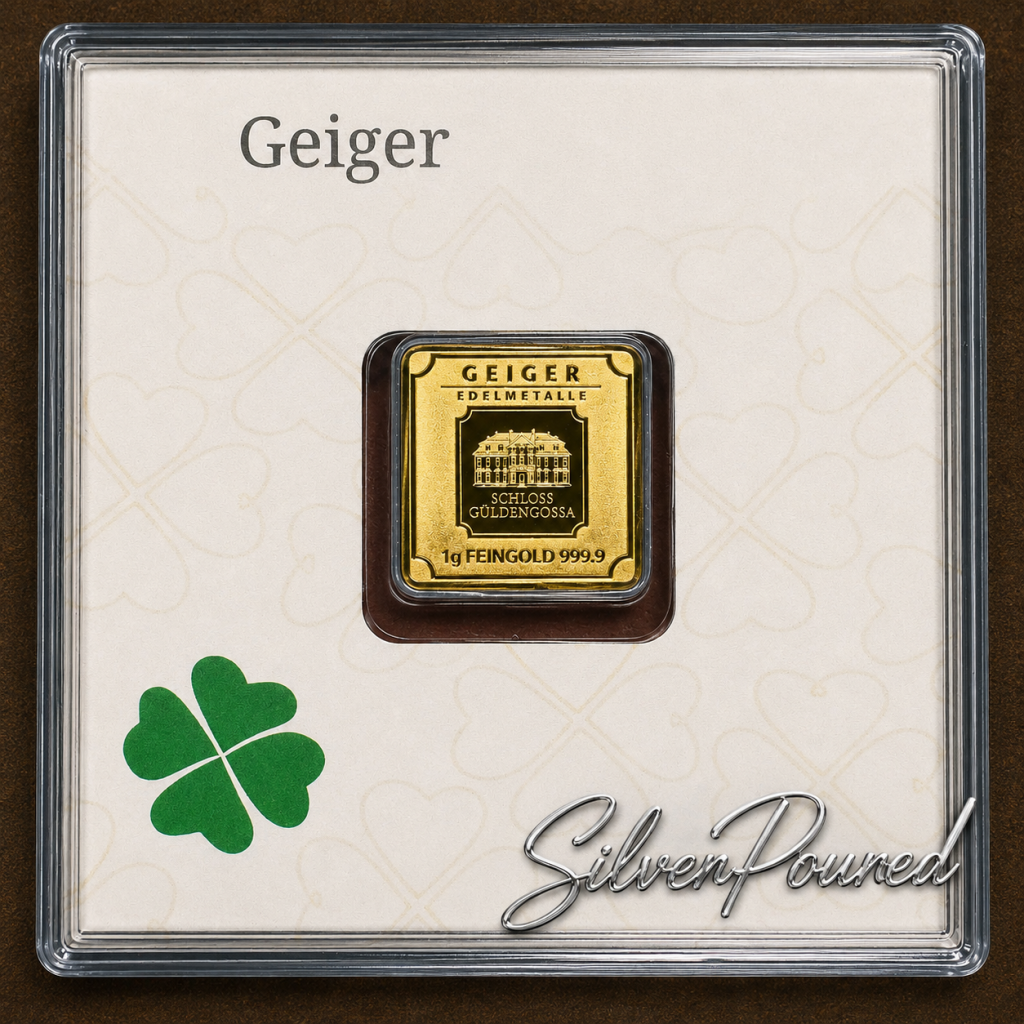
Collectors often pay stronger premiums for serialized bullion that retains original packaging, assay cards, documentation, and clear ownership records because those materials strengthen confidence in the specific piece. The serial number identifies the bullion, while the supporting records help preserve the history associated with it.
Buying serialized bullion begins with the same fundamentals that apply to other precious metals purchases. Buyers should evaluate manufacturer reputation, stated weight and purity, condition, authenticity, market pricing, and the reputation of the seller before paying an additional premium.
Photographs are especially useful. Clear images of the front, reverse, serial number, manufacturer markings, packaging, and documentation allow buyers to compare the product with its description before completing a purchase.
Original assay cards, certificates, receipts, and manufacturer packaging should also be considered. These materials may strengthen buyer confidence and simplify future collection management, particularly when the identifying information corresponds directly with the bullion product.
Collectors should avoid paying excessive premiums merely because a number exists. Understanding why serialized bullion costs more means determining whether the premium is supported by scarcity, manufacturer reputation, craftsmanship, condition, documentation, historical importance, or sustained collector demand.
Research, patience, and realistic expectations remain important. Comparing several similar products can help buyers determine whether a particular serial number or production run has genuine secondary-market interest or is simply being marketed aggressively.
Selling Serialized Bullion
Selling serialized bullion effectively begins with accurate presentation. Listings should clearly identify the manufacturer, metal, weight, purity, condition, serial number, and any characteristics that distinguish the piece from comparable bullion.
High-quality photographs should show both sides of the bullion, the serial number, identifying marks, original packaging, and any supporting documentation. Clear images reduce uncertainty and allow buyers to evaluate condition before making an offer.
Documentation can strengthen presentation during resale. Original receipts, assay cards, certificates, invoices, and ownership records help demonstrate continuity between the numbered bullion product and the information associated with it.
Original packaging should also be preserved whenever practical. Sealed assay cards, protective sleeves, presentation boxes, and certificates may contribute to the completeness and marketability of collectible serialized bullion.
Ultimately, successful resale depends on more than the number itself. Market demand, fair pricing, accurate descriptions, seller reputation, manufacturer recognition, condition, and documentation all influence the buyer’s decision.
Storage and Protecting Serial Numbers
Proper storage helps preserve both the physical condition of serialized bullion and the identifying information that makes each piece individually recognizable.
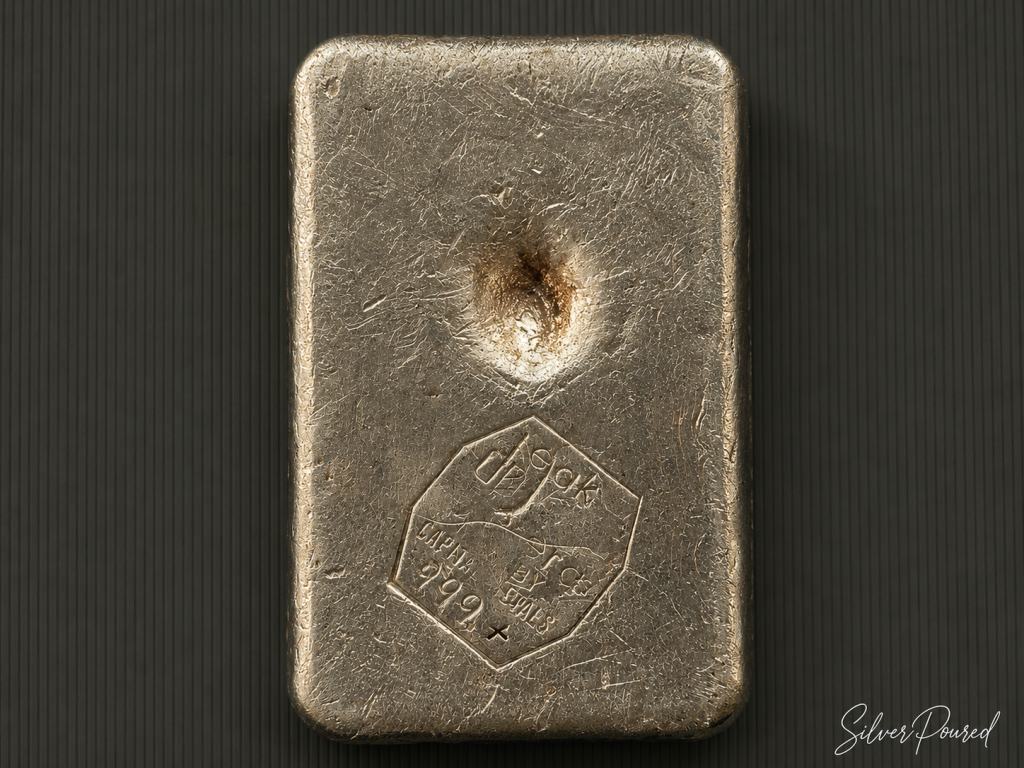
Collectors should handle numbered bullion carefully, particularly when serial numbers are stamped or engraved directly into the metal. Scratches, abrasion, improper cleaning, or other surface damage may reduce collector appeal and make identifying characteristics more difficult to evaluate.
Protective holders, capsules, archival-quality sleeves, sealed assay cards, and original manufacturer packaging can reduce unnecessary handling while helping preserve condition.
Photographs provide another useful form of preservation. Images showing the serial number, front, reverse, packaging, and accompanying documentation create a record that can support inventory management, insurance, estate planning, and future resale.
Cleaning collectible bullion is generally best avoided. Original surfaces, toning, casting characteristics, hand-poured texture, and manufacturing marks may form part of the product’s collectible identity. Altering those surfaces can reduce desirability even when intrinsic metal content remains unchanged.
When Serialization Matters Most
Serialization provides the greatest benefit when it accompanies bullion that already possesses characteristics collectors value. Limited production, respected manufacturers, artisan craftsmanship, historical significance, discontinued refiners, strong documentation, and active collector demand can all make individual identification more meaningful.
Hand-poured bullion provides a strong example. Each pour already has its own physical characteristics, and serialization permanently identifies that individual piece. Craftsmanship and numbering work together rather than relying on the serial number alone.
Vintage bullion is another category where serialization can become important. Bars from discontinued refiners may carry historical value, and readable numbers can help collectors research production ranges, compare surviving examples, and preserve ownership records.
Limited mintage bullion can also benefit because production is intentionally restricted. Numbering allows collectors to distinguish individual pieces within the fixed issue while supporting documentation of specific examples.
Understanding why serialized bullion costs more is easiest when these qualities are evaluated together. Serialization matters most when it supports a product that collectors already recognize for scarcity, quality, craftsmanship, history, or sustained market demand.
When Serialization Matters Less
Serialization contributes relatively little when buyers have no reason to value individual identity. Generic bullion manufactured in very large quantities may carry numbers without developing meaningful collector premiums because the market remains focused primarily on weight, purity, liquidity, and price.
Products from unknown manufacturers may receive limited benefit as well. Without an established reputation, collector following, recognized craftsmanship, or documented production history, a serial number may create identity without creating additional demand.
Poor documentation can also reduce the practical benefits of serialization. Missing packaging, discarded receipts, unreadable photographs, altered markings, or damaged identifying features make it more difficult to preserve the history associated with an individual bullion product.
Suspicious serial numbers deserve additional scrutiny. Duplicate numbers, inconsistent stamping, altered markings, or production characteristics that do not match known genuine examples should encourage further research rather than automatic confidence.
A serial number should therefore be treated as one component of a broader evaluation that includes authenticity, precious metal content, manufacturer reputation, condition, documentation, scarcity, and collector demand.
Common Mistakes with Serialized Bullion
One common mistake is assuming every serial number creates additional value. Serialization establishes identity, while market premiums depend on whether buyers value the complete combination of scarcity, craftsmanship, documentation, condition, manufacturer reputation, and collector demand.
Another mistake is focusing on the serial number while ignoring the bullion product itself. Weight, purity, authenticity, production quality, and condition remain fundamental. An appealing number cannot compensate for questionable authenticity or a badly damaged product.
Collectors may also overpay for ordinary numbers because they assume all serialized bullion will eventually become collectible. Market demand varies considerably between manufacturers and production runs. Completed sales and comparable products provide better evidence of market value than assumptions about future rarity.
Discarding documentation is another avoidable mistake. Original assay cards, receipts, certificates, packaging, and photographs may become useful years later when a collector needs to identify, insure, research, sell, or transfer a specific bullion product.
Finally, failing to photograph serialized bullion can leave a gap in the ownership record. Clear photographs taken when the piece enters a collection provide useful evidence of the identifying number, packaging, and condition at that point in time.
Final Answer: Why Serialized Bullion Costs More
Serialized bullion can cost more because the identifying number becomes part of a larger collectible and documentation framework. The precious metal establishes intrinsic value, while serialization can add individual identity, production traceability, record-keeping benefits, provenance potential, and collector interest.
A serial number alone does not create rarity or guarantee appreciation. Stronger premiums are more likely when serialization is combined with respected manufacturing, limited production, craftsmanship, condition, documentation, original packaging, historical significance, and sustained buyer demand.
Understanding why serialized bullion costs more also helps buyers distinguish practical benefits from collectible premiums. Investors may value identifiable bullion for inventory and documentation, while collectors may place additional value on low numbers, consecutive sets, vintage refinery history, artisan production, limited issues, or well-documented individual pieces.
The strongest approach is to evaluate the complete bullion product rather than the number alone. Identity, authentication, documentation, provenance, manufacturer reputation, condition, scarcity, precious metal content, and actual secondary-market demand all contribute to a more accurate assessment of value.
Why Serialized Bullion Matters
Serialized bullion sits at the intersection of precious metals ownership, collectible bullion, authentication, documentation, and long-term record keeping. Individually numbered products provide a permanent reference that can follow a specific piece throughout its ownership lifecycle.
That identity becomes more useful as information accumulates around the bullion. Photographs, assay documentation, purchase records, auction history, ownership records, original packaging, and condition notes can all be associated with one identifiable example rather than an anonymous piece of generic bullion.
Collectors who understand these concepts are better prepared to evaluate premium bullion, preserve important records, authenticate purchases, and make informed decisions when buying or selling. Understanding why serialized bullion costs more provides a useful foundation for evaluating individually identifiable precious metals without assuming that every serial number automatically creates collectible value.
Related SilverPoured Resources
Continue exploring SilverPoured’s serialized-bullion, collectible-silver, premium, and pricing resources to understand how identity, documentation, scarcity, craftsmanship, manufacturer reputation, and collector demand influence precious-metals values.
Serialized and Collectible Bullion
Why Rare Silver Bars Cost More
Why Hand-Poured Silver Costs More
Why Hand Poured Silver Is Collectible
Limited Mintage Silver
Vintage Silver Bars
Bullion Premium Education
Premium Over Spot Explained
Why Bullion Dealers Charge Premiums
Why Silver Premiums Change
Why Poured Silver Premiums Rise
Why Limited Mintage Bullion Costs More
Silver Prices and Value
Silver Spot Price Today
Silver Melt Value Calculator
What Is Silver Melt Value?
Silver Coin Values
Best Silver Dealers
Purchase Precious Metals from a Trusted Dealer
Understanding why serialized bullion costs more helps buyers compare individually identifiable precious metals with generic bullion while considering manufacturer reputation, scarcity, documentation, authentication, provenance, condition, craftsmanship, and sustained collector demand.
Golden State Mint offers silver bars, silver rounds, gold bullion, copper bullion, and fractional precious metals for collectors and investors. Comparing standard bullion with serialized products can help buyers understand how individual identity, assay packaging, manufacturer recognition, production history, and collector interest may influence premiums beyond intrinsic metal value.
Collector Insight
A serial number creates individual identity, but durable value depends on the complete product. Respected manufacturers, limited production, original packaging, readable identifying marks, strong documentation, preserved condition, craftsmanship, and sustained collector demand can all strengthen the market appeal of serialized bullion. Completed secondary-market sales provide useful evidence of whether those characteristics are producing genuine collectible premiums.
Keep SilverPoured Free
SilverPoured is built to help collectors and precious-metals investors make smarter decisions through free calculators, original photography, coin research, value references, collector education, and independent market resources. Every page is created to make valuable precious-metals information available without requiring a paid subscription.
This guide explains why serialized bullion costs more by examining individual identity, manufacturer reputation, scarcity, documentation, authentication, provenance, condition, craftsmanship, and long-term collector demand. Every contribution helps support continued precious-metals research, original photography, free calculators, bullion education, and expansion of the SilverPoured Authority Library.
Your support allows SilverPoured to remain independent while building one of the web’s most comprehensive free libraries for coin collectors, bullion buyers, precious-metals researchers, and long-term investors.