
Collectors pay more for silver because certain bullion products combine scarcity, craftsmanship, historical significance, and strong collector demand above melt value alone.
Why Collectors Pay More for Silver
While generic bullion products often trade close to spot price, collectible silver products frequently develop stronger secondary-market premiums because supply becomes increasingly limited over time.
As collectible bullion markets continue evolving, understanding why collectors pay more for silver has become increasingly important for collectors, investors, and stackers evaluating premium bullion.
Why Buyers Pay Higher Silver Premiums
Collectors pay more for silver when products offer qualities that extend beyond metal content alone. Limited mintages, serialized bullion products, vintage refinery bars, hand-poured craftsmanship, rarity, and strong secondary-market demand can all contribute to higher premiums. As products become more difficult to locate and collector interest grows, premiums often expand well beyond melt value. This is one of the primary reasons premium bullion products frequently command significantly higher prices than generic silver bars and rounds.

Why Some Silver Products Become Collectible
Not all silver products are viewed equally within collectible bullion markets. Products often become collectible when they possess characteristics that distinguish them from mass-produced bullion. Limited production runs, vintage refinery markings, serialized production, rare logos, historic designs, fractional production, and small-batch manufacturing can all increase collector interest. As availability decreases and demand rises, these features may contribute to premiums that significantly exceed silver melt value.
Scarcity and Collector Demand
Scarcity remains one of the strongest drivers of collectible bullion premiums because collector demand often continues increasing while available supply declines. Vintage bullion, serialized silver, rare refinery bars, fractional poured silver, limited-production issues, and older collectible products frequently become more difficult to locate as they move into private collections. When buyers compete for a shrinking supply of desirable products, premiums may rise substantially above underlying silver value.
Scarcity alone does not guarantee a strong premium. The most durable collectible markets usually combine limited availability with recognizable products and sustained buyer demand. This helps explain why collectors pay more for silver when desirable pieces become difficult to replace while an active community continues competing for the surviving supply.

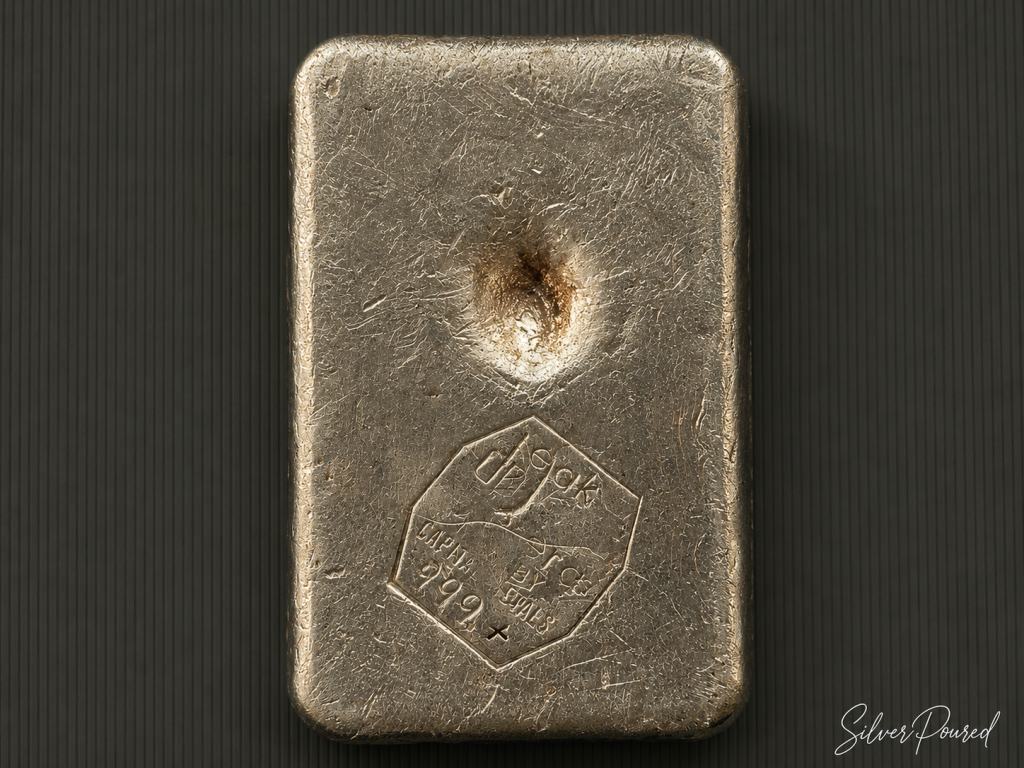
Hand Poured Silver and Artistic Appeal
Hand-poured silver remains especially popular among collectible bullion buyers because it combines precious metals ownership with craftsmanship and individuality. Unique cooling lines, hand stamping, artisanal textures, small-batch production methods, and individual pour characteristics create pieces that often feel more like collectible works of art than standard bullion products. This uniqueness helps explain why many hand-poured silver products develop strong collector communities and long-term secondary-market demand.
Vintage Bullion and Historical Significance
Vintage bullion products often become highly desirable because they preserve pieces of precious metals history that can no longer be recreated. Historic refinery names, older manufacturing methods, rare hallmarks, discontinued designs, and low surviving populations all contribute to collector interest. As vintage bullion becomes harder to locate over time, scarcity and historical significance often combine to create premiums well above melt value.
Serialized Bullion and Numbered Products
Serialized bullion products frequently command strong premiums because numbering adds an additional layer of collectibility. Collectors often pursue low serial numbers, consecutive serials, matching sets, early production runs, and limited-production releases because these features create rarity within already limited products. As desirable serial numbers disappear into collections, premiums can increase significantly as buyers compete for increasingly scarce examples.
Why Premium Silver Products Hold Value
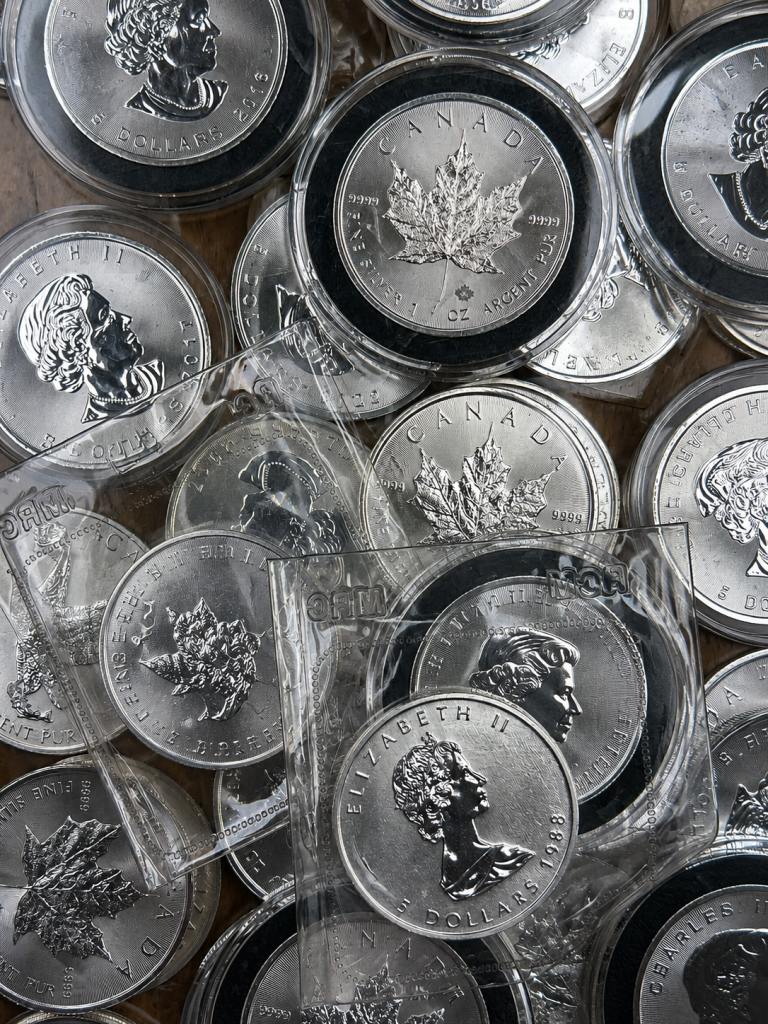
Many experienced buyers understand why collectors pay more for silver because long-term premiums are supported by far more than precious metal content alone. Products backed by scarcity, historical significance, craftsmanship, and sustained collector demand often continue attracting buyers long after their original release.
Collectible Silver in Today’s Market
Collectors continue showing strong interest in premium silver products because many pieces combine precious-metal ownership with rarity, craftsmanship, and long-term collector demand. While generic bullion remains popular for low-premium silver accumulation, collectible products often appeal to buyers seeking scarcity and stronger secondary-market potential. Understanding why collectors pay more for silver helps investors and collectors evaluate premiums more effectively across different bullion categories.
Understanding why collectors pay more for silver can help buyers identify products with stronger long-term collectible appeal and evaluate premiums more effectively. While silver content remains the foundation of value, scarcity, craftsmanship, history, and collector demand frequently play equally important roles in determining market pricing.
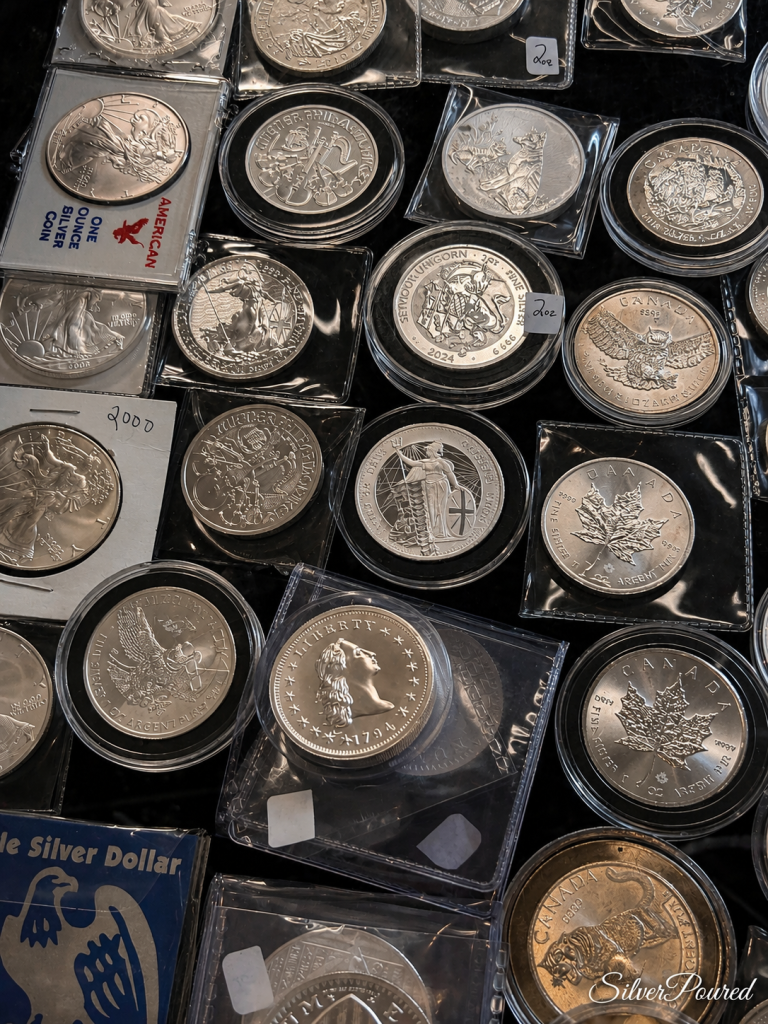
Secondary-Market Bullion Pricing
Secondary-market pricing plays a major role in collectible bullion markets.
Unlike generic bullion products that primarily trade based on silver content, collectible silver products may develop pricing influenced by collector competition, rarity, and historical desirability.
Some premium bullion products eventually trade for several times melt value because collectors become willing to pay significantly higher premiums to secure difficult-to-find items.
Secondary-market pricing plays a major role in collectible bullion markets because buyers often compete for products that are no longer readily available through primary distribution channels. Vintage refinery bars, serialized bullion, limited-production pours, rare hand-poured silver, fractional collectible bullion, and discontinued products frequently develop strong secondary-market followings. As collector communities grow and supply becomes increasingly limited, premiums may expand substantially beyond silver melt value.
Completed secondary-market sales can provide more useful evidence of collectible demand than asking prices alone. When scarce products repeatedly sell above melt value, those transactions help show what buyers are actually willing to pay. Understanding this distinction is an important part of learning why collectors pay more for silver and whether a premium has meaningful market support.
As collectible communities continue growing online, many buyers actively track premium pricing trends and secondary-market sales to better understand long-term collectible bullion demand.
Many collectors monitor the live silver spot price before purchasing premium bullion products.
Many collectors also believe premium bullion products combine tangible precious metals ownership with collectible market opportunity in ways generic silver products often cannot provide. This balance between intrinsic metal value and long-term collector appeal is one of the primary reasons experienced buyers willingly pay higher premiums for exceptional bullion.
Understanding why collectors pay more for silver helps buyers better evaluate rarity, scarcity, and long-term collectible bullion demand.
Many experienced collectors study why collectors pay more for silver because premium bullion products often behave differently than generic silver bars and rounds. Understanding why collectors pay more for silver can help buyers evaluate scarcity, collector demand, and long-term premium potential when comparing collectible bullion opportunities.
Understanding Collector Psychology
One of the biggest reasons collectors pay more for silver is that many purchases are driven by emotion as much as investment value. While generic bullion is often bought simply for its precious metal content, collectible silver frequently appeals to buyers because of the story behind the piece. Historic refineries, famous engravers, limited production runs, artistic designs, and memorable releases can all create lasting interest that extends well beyond melt value.
Collector psychology also influences how premiums develop over time. As certain products become recognized within the collecting community, demand can continue increasing even if silver prices remain relatively stable. Buyers often seek complete collections, matching serial numbers, discontinued series, or pieces from respected private mints, creating additional competition whenever these items return to the secondary market.
Communities built around hand-poured silver, vintage bullion, and limited-edition releases further strengthen this effect. Online auctions, collector forums, and social media allow enthusiasts to share new discoveries, discuss rarity, and document sales, making desirable products more visible to future buyers. Increased exposure can reinforce collector demand and help explain why some silver products continue appreciating in premium long after their original release.
For buyers evaluating premium bullion, understanding collector psychology provides valuable context beyond simply tracking the live silver price. Recognizing why collectors pay more for silver can help distinguish products supported by lasting collector demand from those whose premiums are based primarily on short-term market excitement.
How Collectible Silver Markets Mature Over Time
One of the most important reasons why collectors pay more for silver is that collectible markets often strengthen as products become harder to replace. Unlike newly released bullion that can usually be purchased from multiple dealers, older collectible silver pieces gradually disappear into long-term collections. As fewer examples remain available for sale, buyers frequently compete for a shrinking supply, creating premiums that can increase independently of changes in the silver spot price.
This gradual reduction in available inventory is especially noticeable with hand-poured silver, vintage refinery bars, serialized bullion, and limited-mintage releases. Many collectors purchase these products with no intention of selling them, reducing the number of examples circulating on the secondary market. Years after production ends, even relatively modern releases can become difficult to locate simply because most surviving pieces are held by dedicated collectors rather than active sellers.
Understanding why collectors pay more for silver also requires recognizing the role of reputation within the bullion community. Private mints and refiners that consistently produce high-quality products often develop loyal followings. Collectors become familiar with certain artists, pouring styles, refinery hallmarks, and limited series, creating demand that extends beyond the precious metal itself. As these brands establish long-term credibility, earlier products frequently attract renewed attention from buyers attempting to complete collections or acquire discontinued pieces.
Market transparency has also changed how collectible bullion is valued. Online auctions, dealer inventories, collector forums, and social media have made it much easier for buyers to compare sales, verify rarity, and track premium trends over time. Increased visibility often strengthens demand because collectors can better identify scarce products and recognize when exceptional pieces become available.
For both experienced investors and new collectors, understanding why collectors pay more for silver provides valuable perspective when evaluating premium bullion. While no collectible product is guaranteed to appreciate, pieces supported by genuine scarcity, respected craftsmanship, historical significance, and sustained collector demand have historically demonstrated the strongest ability to maintain premiums above melt value throughout changing precious metals markets.
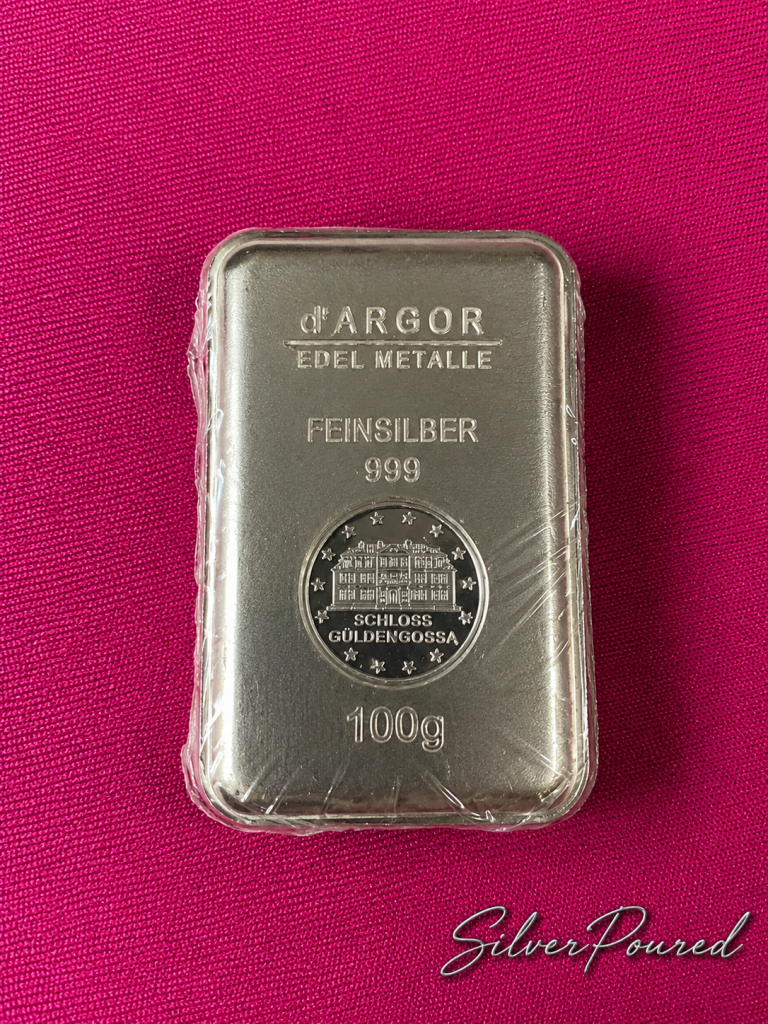
How Experienced Collectors Evaluate Premium Silver Before Buying
Understanding why collectors pay more for silver also means understanding how experienced buyers evaluate premium bullion before making a purchase. Rather than focusing solely on the silver content, knowledgeable collectors examine the complete picture surrounding each piece. They often consider the mint or refiner, production method, historical significance, condition, originality, collector demand, and long-term market reputation before deciding whether a premium is justified.
Authenticity is one of the first considerations. Collectors generally prefer bullion that can be confidently identified through recognizable hallmarks, serial numbers, original packaging, certificates of authenticity when applicable, and established mint reputations. Pieces with clear provenance and documented origins often inspire greater buyer confidence, particularly when they become increasingly scarce on the secondary market.
Condition also plays an important role in premium pricing. Many collectible silver products acquire natural toning or light handling marks over time, but excessive damage, harsh cleaning, or alterations can reduce collector interest. Experienced buyers typically look for original surfaces and examples that have been well cared for, especially when purchasing vintage refinery bars, hand-poured silver, or limited-production releases.
Another reason why collectors pay more for silver is that many buyers value complete collecting opportunities. Consecutive serial numbers, matching sets, first releases, discontinued series, and products from respected private mints often attract additional attention because they are more difficult to assemble as time passes. Completing a collection may justify paying a higher premium than would normally be associated with the silver content alone.
Collectors also pay close attention to market liquidity. Products with active collector communities, consistent auction results, and broad recognition are generally easier to buy and sell than obscure issues with limited interest. While future premiums can never be guaranteed, strong collector participation often contributes to healthier long-term demand.
Ultimately, understanding why collectors pay more for silver helps buyers make more informed purchasing decisions. Evaluating craftsmanship, authenticity, rarity, historical importance, and collector demand alongside silver content provides a more complete picture of a product’s market appeal. This balanced approach allows collectors to build collections that reflect both their personal interests and the qualities that have historically supported premium bullion values.
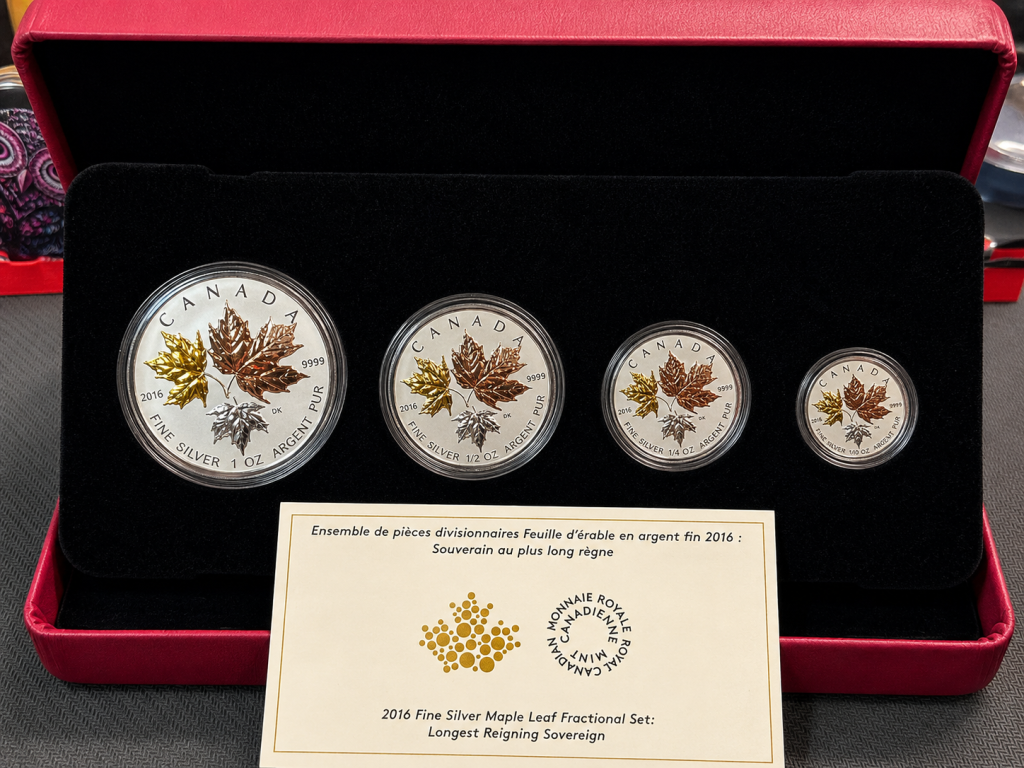
| Feature | Generic Bullion | Collectible Bullion |
|---|---|---|
| Primary Value Driver | Silver content | Scarcity, craftsmanship, collector demand, and silver content |
| Typical Premium | Lower premium over spot | Often significantly higher than spot |
| Availability | Readily available | May become difficult to replace |
| Collector Appeal | Generally limited | Often strong and long-lasting |
| Secondary Market | Closely follows bullion pricing | May outperform melt value because of rarity and demand |
| Best For | Low-premium stacking | Collectors seeking long-term premium potential |
Comparing Collectible Silver to Generic Bullion
One of the easiest ways to understand why collectors pay more for silver is to compare collectible bullion with standard generic silver products. Generic bars and rounds are typically purchased for their precious metal content and usually trade much closer to the current spot price. Collectible silver, on the other hand, often attracts buyers who place additional value on rarity, craftsmanship, historical significance, and long-term collector demand.
This difference in buyer motivation creates two distinct markets. Investors focused on accumulating the maximum amount of silver for the lowest premium may prefer generic bullion, while collectors often seek products that offer something unique beyond their metal weight. Limited mintages, discontinued designs, vintage refinery names, serialized issues, and hand-poured craftsmanship can all influence purchasing decisions in ways that melt value alone cannot explain.
Understanding why collectors pay more for silver also helps buyers decide which products best fit their own goals. Someone building a low-premium silver stack may choose generic bullion, while another buyer may intentionally pay more for pieces that are difficult to replace and supported by active collector demand. Neither approach is inherently better, but each serves a different purpose within a precious metals portfolio.
For anyone entering the bullion market, learning why collectors pay more for silver provides valuable perspective when comparing products across different price ranges. Recognizing the factors that separate collectible bullion from generic silver can lead to more informed buying decisions and a better understanding of how premiums develop over time.
Authenticating Collectible Silver Before Paying a Premium
One of the most important skills buyers can develop is learning how to authenticate collectible bullion before paying substantial premiums. Understanding why collectors pay more for silver also means recognizing that higher premiums can attract counterfeit products, altered bars, and misleading listings that attempt to imitate genuine collectible pieces. Taking time to verify authenticity helps protect both the investment and the long-term collectibility of premium silver.
Experienced collectors typically begin by researching the mint or refiner that produced the piece. Recognizable hallmarks, accurate weight, proper dimensions, consistent design details, and high-quality craftsmanship often provide the first indications that a product is genuine. Many collectible silver bars also feature serial numbers, certificates of authenticity, or original packaging that can help support provenance, although these items should be considered alongside the bullion itself rather than as standalone proof.
When purchasing vintage refinery bars or hand-poured silver, collectors frequently compare examples with known authentic pieces, reference guides, auction archives, and photographs from reputable dealers. Small differences in lettering, logos, stamps, or surface characteristics may reveal reproductions or altered products. Buying from established precious metals dealers or respected members of the collector community can also reduce risk when acquiring premium bullion.
Understanding why collectors pay more for silver includes recognizing that authenticity directly affects long-term value. A scarce bar with documented provenance and verified originality is generally more desirable than a similar piece with uncertain history. Collectors are often willing to pay stronger premiums when they have confidence in a product’s authenticity, condition, and origin.
A high asking price does not prove that a collectible premium is justified. Experienced buyers look for authenticity, provenance, condition, documented scarcity, recognizable craftsmanship, and evidence of actual collector demand before paying substantially above melt value. Those factors help explain why collectors pay more for silver while also helping buyers avoid premiums supported primarily by marketing or short-term excitement.
Before purchasing any high-premium bullion product, buyers should carefully evaluate the seller’s reputation, review detailed photographs, request additional information when necessary, and avoid rushing into purchases simply because a piece appears difficult to find. Patience and careful research remain two of the most valuable tools for building a collectible silver portfolio supported by genuine rarity rather than unnecessary risk.
Common Mistakes New Collectors Make When Buying Premium Silver
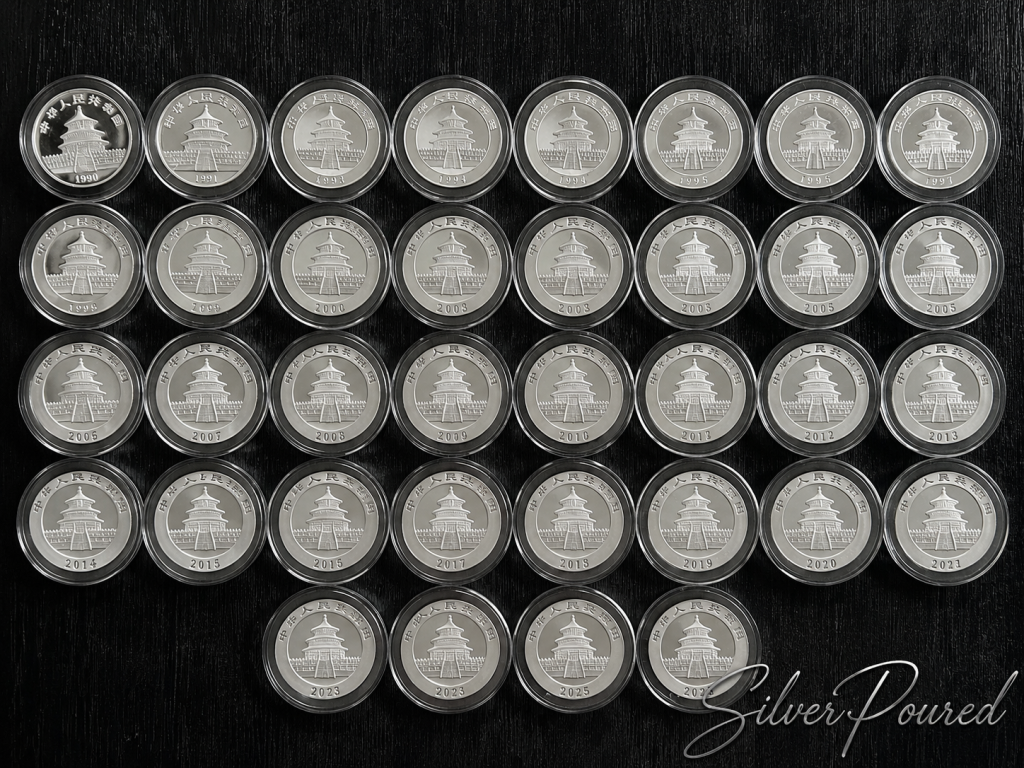
Understanding why collectors pay more for silver can help new buyers avoid some of the most common mistakes made when entering the collectible bullion market. Many first-time collectors focus entirely on a product’s appearance while overlooking important factors such as authenticity, production history, collector demand, and long-term market recognition. Learning to evaluate these characteristics before purchasing premium bullion often leads to better buying decisions and a stronger long-term collection.
One common mistake is assuming that every product selling above spot price is automatically collectible. In reality, premiums should be supported by genuine scarcity, respected craftsmanship, historical significance, or established collector demand. Understanding why collectors pay more for silver allows buyers to distinguish between products with lasting collectible appeal and those carrying temporary premiums driven by short-term excitement.
Another mistake is ignoring the importance of provenance and condition. Collectors frequently pay more for silver that retains its original packaging, certificates, serial numbers, or documented history because these details strengthen buyer confidence and help support future resale value. Damaged packaging, altered surfaces, or uncertain origins can reduce collector interest even when the silver content remains unchanged.
New collectors also benefit from researching completed auction results and reputable dealer inventories before making significant purchases. Comparing similar pieces helps establish realistic expectations and provides valuable insight into current market demand. Understanding why collectors pay more for silver becomes much easier when buyers can observe how scarcity, condition, and collector competition influence actual selling prices rather than advertised asking prices alone.
Perhaps the most important lesson is patience. Premium bullion opportunities appear regularly, and experienced collectors rarely feel pressured to purchase the first example they encounter. Taking time to verify authenticity, compare prices, and understand why collectors pay more for silver often results in better acquisitions and a collection built on quality rather than impulse buying.
Long-Term Collecting Perspective
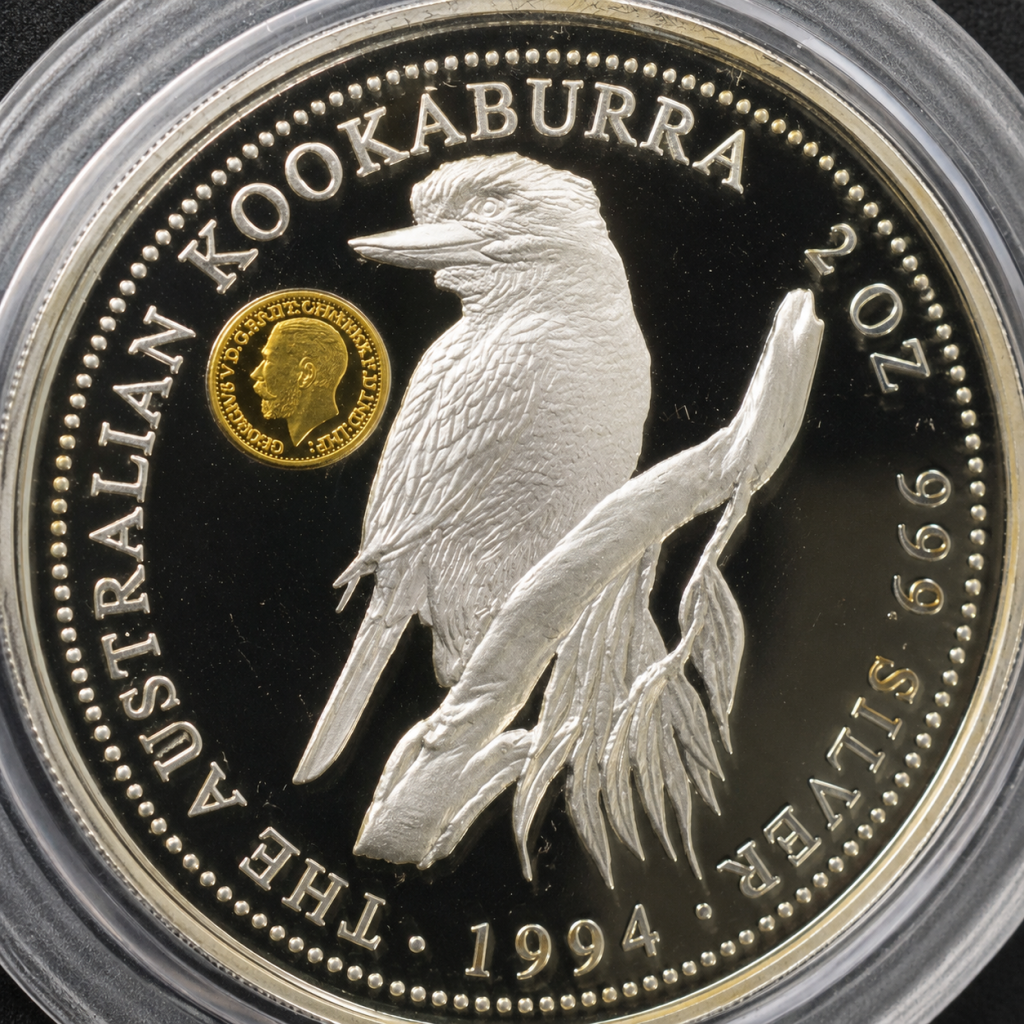
Many buyers eventually discover that understanding why collectors pay more for silver is less about chasing short-term price movements and more about recognizing lasting collector demand. Products supported by rarity, respected craftsmanship, documented production history, and strong market recognition often continue attracting buyers long after their original release. This perspective encourages collectors to evaluate premium bullion with patience and a long-term mindset rather than focusing solely on current silver prices.
Many experienced investors eventually discover why collectors pay more for silver after spending time in the bullion market and watching certain products consistently command stronger premiums than others. While silver content remains the foundation of every bullion purchase, long-term collector demand often determines which products become the most sought after over time. Understanding why collectors pay more for silver encourages buyers to look beyond melt value and evaluate factors such as rarity, craftsmanship, historical significance, and market reputation. As collections mature and market knowledge grows, understanding why collectors pay more for silver can help investors build collections that balance precious metals ownership with lasting collectible appeal.
Related SilverPoured Resources
Continue exploring SilverPoured’s collectible-bullion, premium, scarcity, and pricing resources to understand how metal value interacts with craftsmanship, rarity, historical significance, limited production, and secondary-market demand.
Collectible Silver and Premium Bullion
What Makes Silver Bars Collectible
Why Collectible Silver Sells For More
Vintage Silver Bars
Serialized Silver Bars
Limited Mintage Silver
Premiums and Collector Value
Premium Over Spot Explained
Why Silver Premiums Change
Why Bullion Dealers Charge Premiums
Why Rare Silver Bars Cost More
Why Limited Mintage Bullion Costs More
Silver Prices and Buying
Silver Spot Price Today
Silver Melt Value Calculator
What Is Silver Melt Value?
Best Silver Dealers
Best Place to Buy Silver Online
Purchase Precious Metals from a Trusted Dealer
Understanding why collectors pay more for silver can help buyers distinguish between bullion purchased primarily for metal content and products carrying additional value through scarcity, craftsmanship, provenance, condition, or established collector demand. A higher premium can be reasonable when those characteristics are supported by genuine market interest and long-term recognition.
Golden State Mint offers silver bars, silver rounds, gold bullion, copper bullion, and fractional precious metals for collectors and investors. Comparing standardized investment bullion with scarce, serialized, vintage, and artisan products helps buyers evaluate how fabrication, availability, liquidity, and collector interest affect the total price paid above underlying metal value.
Collector Insight
Understanding why collectors pay more for silver begins with recognizing that silver content establishes only the baseline. Lasting collector premiums are more likely when a product combines documented scarcity, recognizable craftsmanship, authenticity, condition, historical interest, or an established collector community. Completed secondary-market sales can then help determine whether those characteristics are producing genuine market value rather than merely a high asking price.
Keep SilverPoured Free
SilverPoured is built to help collectors and precious-metals investors make smarter decisions through free calculators, original photography, coin research, value references, collector education, and independent market resources. Every page is created to make valuable precious-metals information available without requiring a paid subscription.
This guide explains why collectors pay more for silver by examining scarcity, craftsmanship, authenticity, provenance, condition, historical significance, liquidity, and sustained secondary-market demand. Every contribution helps support continued collector research, original photography, free calculators, premium education, and expansion of the SilverPoured Authority Library.
Your support allows SilverPoured to remain independent while building one of the web’s most comprehensive free libraries for coin collectors, bullion buyers, precious-metals researchers, and long-term investors.