
Franklin half dollar silver value is based on the live silver spot price and the coin’s silver content of 0.3617 troy ounces. Because every Franklin half dollar minted between 1948 and 1963 contains 90% silver, its melt value rises and falls directly with the silver market. Use this page to calculate melt value, compare silver prices, and determine what your Franklin half dollars are worth today.
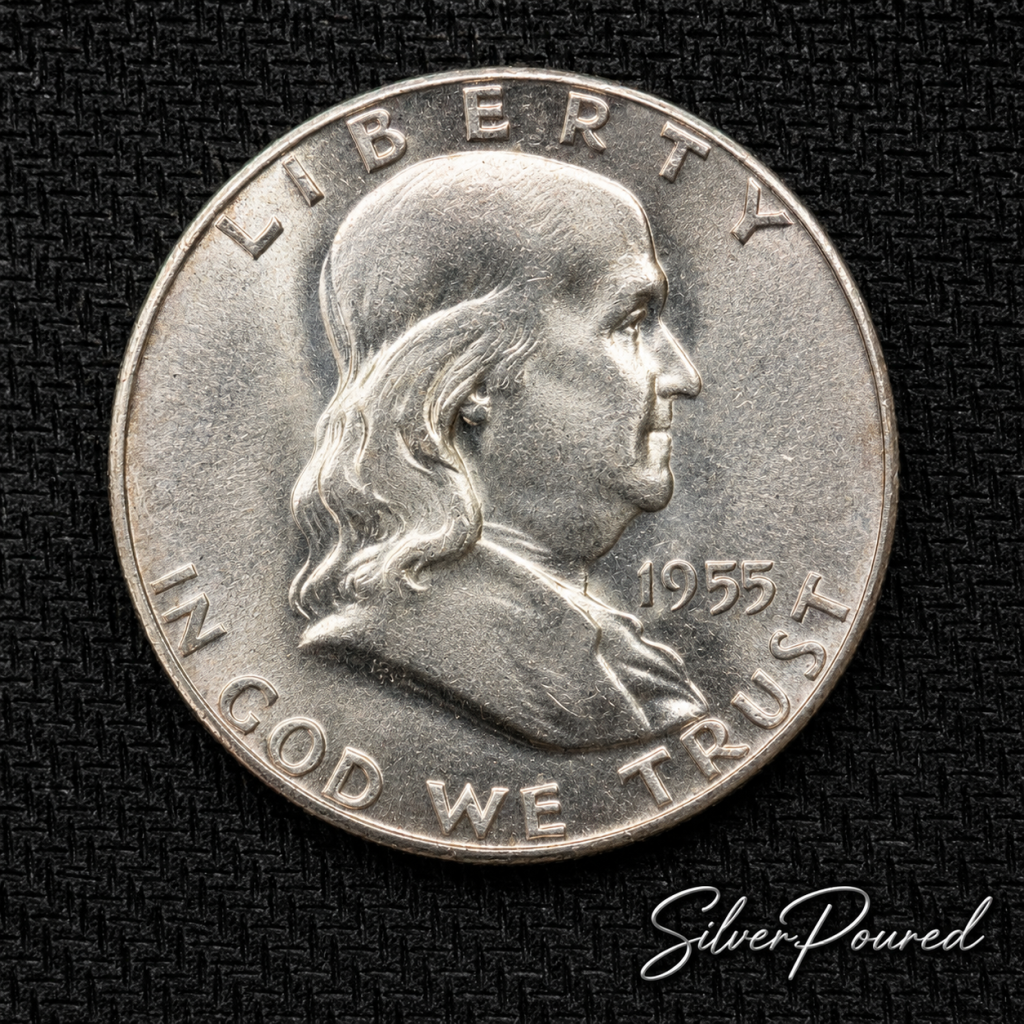
Franklin Half Dollar Silver Value
Each Franklin half dollar contains 0.3617 troy ounces of pure silver. As silver prices move, the Franklin half dollar silver value changes automatically. Collectors, investors, and silver stackers often use melt value as a baseline when evaluating these coins.
Live silver prices update automatically using real-time market data, allowing Franklin half dollar silver value to adjust automatically throughout the trading day as silver markets move.
Franklin Half Dollar Silver Value at Different Silver Prices
| Silver Price | Melt Value Per Coin |
|---|---|
| $25 | $9.04 |
| $30 | $10.85 |
| $40 | $14.47 |
| $50 | $18.09 |
| $100 | $36.17 |
| $200 | $72.34 |
These figures represent silver melt value only and do not include collector premiums, rare dates, or grading premiums.
Why Franklin Half Dollars Are Valuable
Franklin half dollars remain one of the most popular 90% silver coins in the United States. Their high silver content, recognizable design, and long-standing popularity among collectors make them a staple of the silver market.
Unlike smaller silver coins such as dimes and quarters, Franklin halves allow investors to accumulate more silver with fewer coins. Their larger size and consistent silver content make them easy to buy, sell, and trade.
Many collectors also appreciate the historical connection to Benjamin Franklin and the classic Liberty Bell reverse design. This combination of silver value and collector demand helps support long-term interest in the series.
How Franklin Half Dollar Silver Value Is Calculated
The Franklin half dollar silver value is calculated by multiplying the coin’s silver content by the current silver spot price.
0.3617 troy ounces × current silver price = melt value
While every Franklin half dollar contains exactly 0.3617 troy ounces of silver, melt value represents only the coin’s intrinsic precious metal value. As condition, rarity, Full Bell Lines designation, and collector demand increase, many Franklin half dollars trade well above their silver value because buyers are paying for numismatic appeal rather than silver content alone.

Because the silver content remains fixed, determining melt value is straightforward. As silver prices rise, Franklin half dollar values increase accordingly.
Are Franklin Half Dollars Worth More Than Melt Value?
Many experienced collectors begin with silver value, but they rarely stop there. Franklin half dollars with original surfaces, strong eye appeal, desirable toning, Full Bell Lines designation, or high certified grades often command substantial premiums because collectors compete for quality examples rather than silver content alone.
Many circulated Franklin half dollars trade close to their silver melt value. However, collector demand can increase value significantly for coins with better preservation, attractive toning, scarce dates, or higher grades.
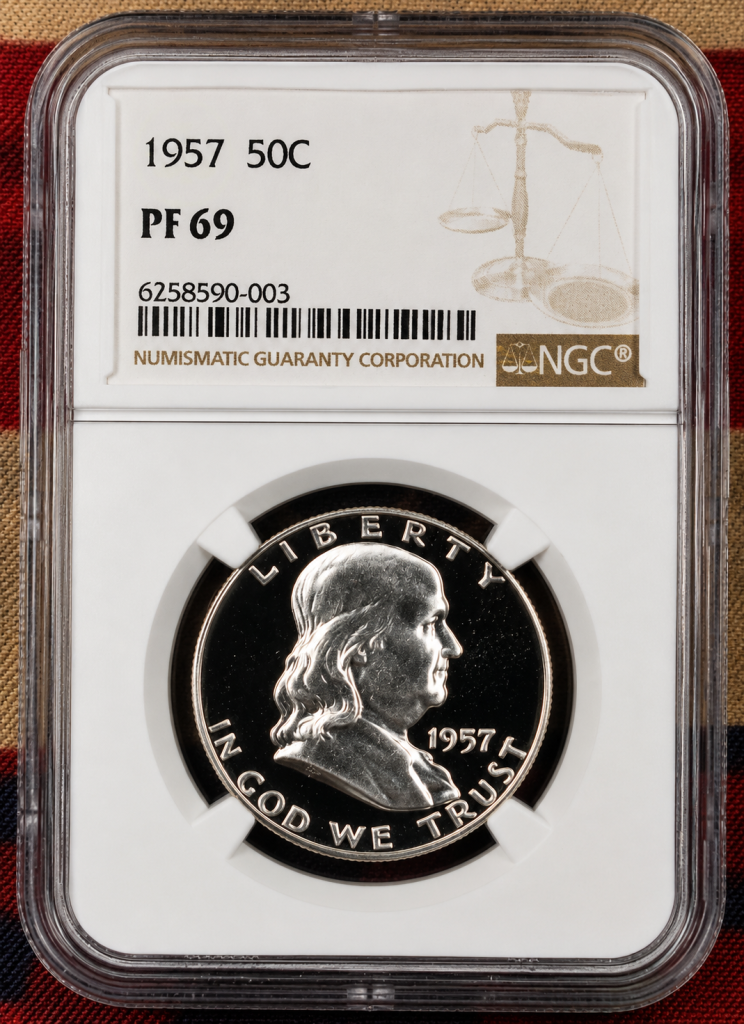
Proof examples and professionally graded coins often command premiums beyond silver value alone. Condition, eye appeal, rarity, and collector demand all contribute to market pricing.
Franklin Half Dollars vs Other Silver Coins
Franklin half dollars contain the same silver content as Walking Liberty half dollars and 1964 Kennedy half dollars. Each contains 0.3617 troy ounces of silver, making them popular choices among investors seeking 90% silver coinage.
Many silver stackers combine Franklin halves with dimes, quarters, and other constitutional silver coins to diversify their holdings while maintaining exposure to physical silver.
How to Identify a Franklin Half Dollar
Franklin half dollars feature Benjamin Franklin on the obverse and the Liberty Bell on the reverse. The series was produced from 1948 through 1963, and all regular-issue Franklin half dollars contain 90% silver.
Because every regular-issue Franklin half dollar contains 90% silver, Franklin halves remain one of the easiest U.S. silver coins to identify, calculate, and value.
Factors That Affect Franklin Half Dollar Silver Value
Several factors influence Franklin half dollar silver value beyond silver content alone. Silver spot price remains the largest driver, but condition, grading, eye appeal, toning, collector demand, and date rarity can also impact value.
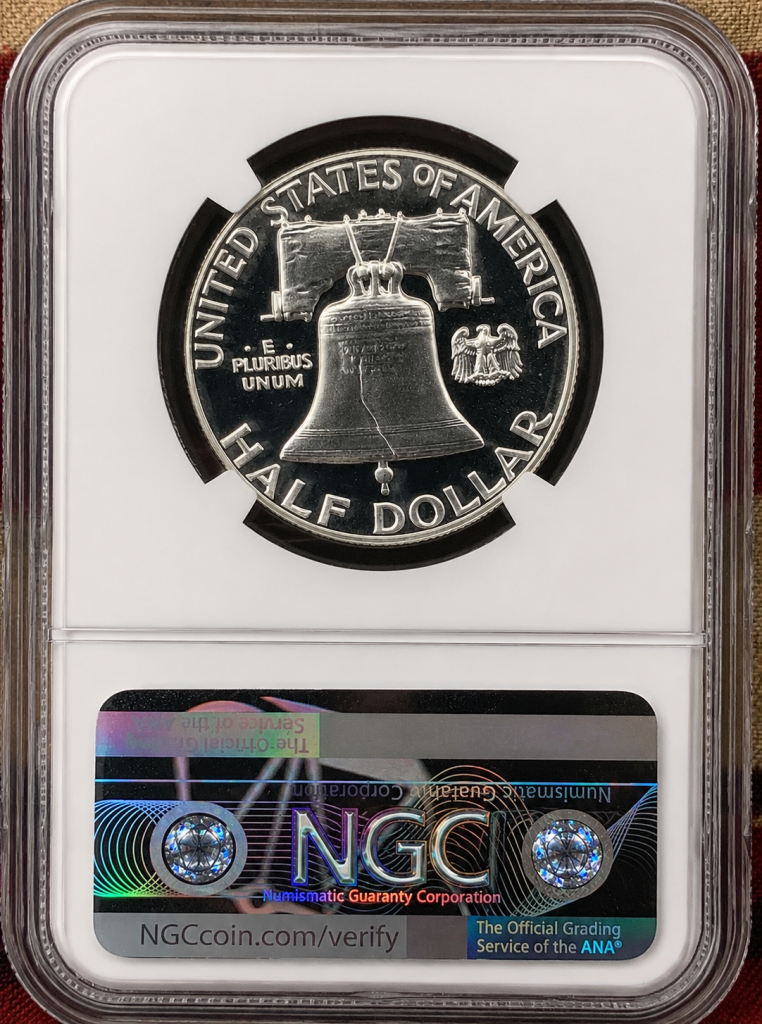
Coins certified by professional grading services frequently sell for premiums because buyers have greater confidence in authenticity and condition. High-grade examples often trade for substantially more than melt value.
Franklin Half Dollar Errors and Varieties
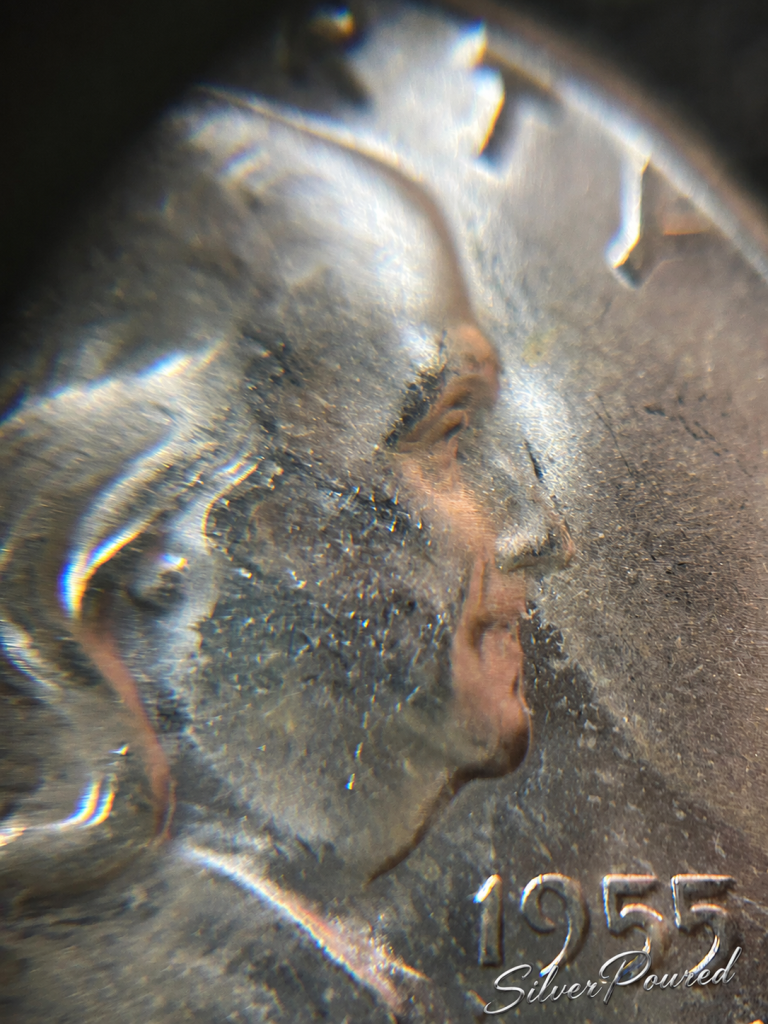
Franklin half dollar errors and varieties can add collector value beyond silver melt value, especially when the coin shows clear visual differences, strong eye appeal, or professional attribution.
One of the best-known Franklin half dollar varieties is the Bugs Bunny Franklin Half Dollar. This variety was created by die clashing, which can make Franklin appear to have buck teeth near the mouth area. PCGS recognizes the 1955 Bugs Bunny variety as FS-401, and it remains one of the most popular Franklin half dollar varieties among collectors.
Another area collectors watch is repunched mint marks, including D/D varieties. These occur when the mint mark was punched more than once, creating visible doubling or separation around the mint mark. Strong examples can attract premiums when the variety is clear and the coin is in collectible condition.
Franklin half dollar collectors also look for doubled dies, off-center strikes, clipped planchets, die cracks, broadstrikes, and dramatic strike-through errors. These errors vary widely in value depending on visibility, rarity, condition, and demand.
Proof Franklin half dollars can also carry premiums when they show cameo contrast, deep mirrored fields, strong strike quality, or high certified grades. Coins graded PF69, high-grade mint state examples, and attractive toned Franklin halves may sell well above melt value because collectors value preservation and eye appeal.
While most circulated Franklin half dollars trade close to silver value, unusual errors, strong varieties, high-grade proofs, and scarce certified examples can make certain coins worth far more than their 0.3617 troy ounces of silver.
Franklin half dollars continue to be one of the most actively traded 90% silver coins in the United States because they combine substantial silver content with strong collector demand. Investors often monitor Franklin half dollar silver value alongside the current silver market to determine whether a coin is trading primarily for its bullion value or carrying an additional collector premium. Market conditions, grading activity, and overall silver demand can all influence pricing over time. For additional precious metals market information, collectors can reference the LBMA Silver Price and compare trends with data available through Kitco Silver Charts. Following both silver spot prices and collector premiums provides a more complete picture of Franklin half dollar value than melt value alone.
Franklin half dollars also benefit from decades of market recognition, making them easy to buy, sell, and trade throughout the precious metals community. Their combination of silver content, historical significance, and collector appeal continues to support demand among both investors and numismatists.
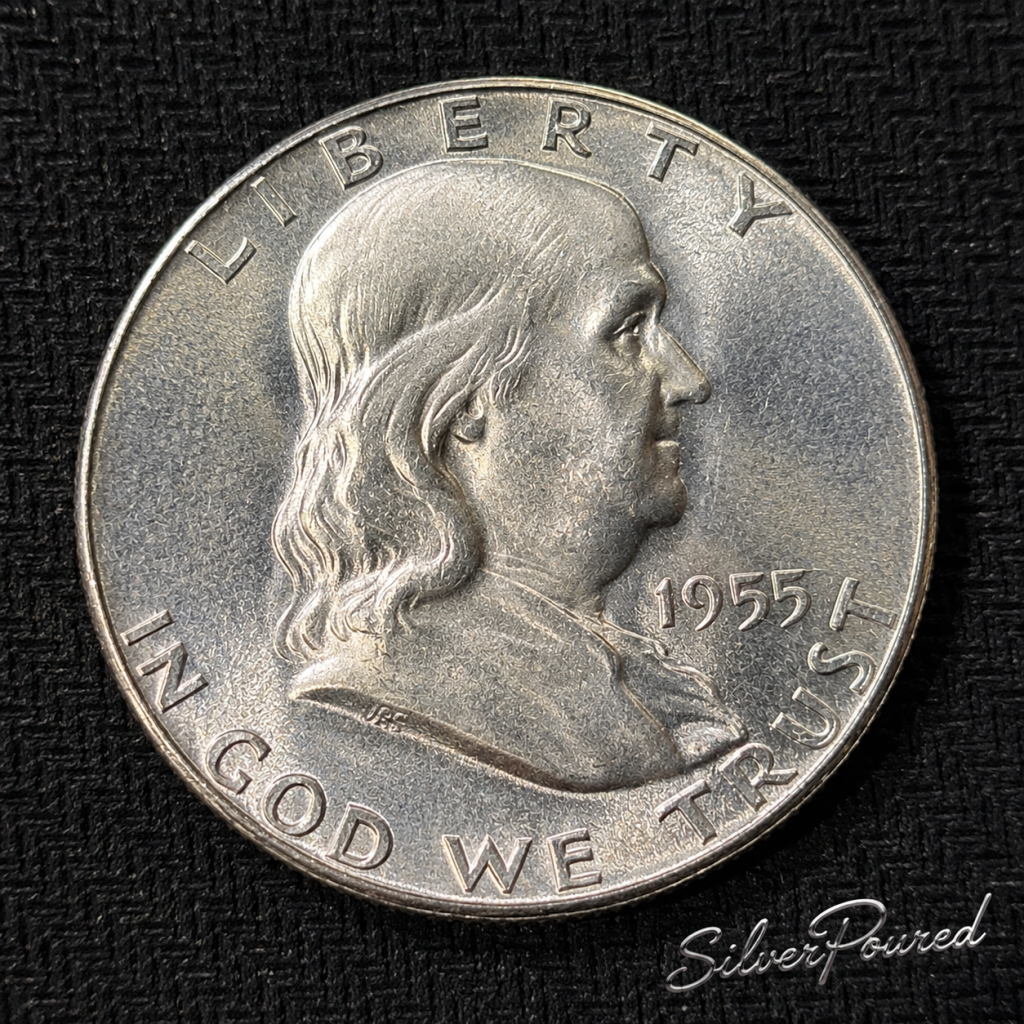
Franklin Half Dollar Mintage Chart
Mintage is one of the most important factors to review when studying Franklin half dollar silver value. Every Franklin half dollar contains the same 0.3617 troy ounces of silver, but each date and mint mark was not produced in the same quantity. Lower-mintage issues can attract stronger collector attention, especially when the coin is found in high grade, original condition, or with strong eye appeal.
| Year | Philadelphia | Denver | San Francisco | Collector Notes |
|---|---|---|---|---|
| 1948 | 3,006,814 | 4,028,500 | — | First year of issue |
| 1949 | 5,614,000 | 4,120,500 | 3,744,000 | Early-series date |
| 1950 | 7,793,509 | 8,031,600 | — | First proof year |
| 1951 | 16,859,602 | 9,475,200 | 13,696,000 | Three-mint issue |
| 1952 | 21,274,073 | 25,395,600 | 5,526,000 | Common in circulated grades |
| 1953 | 2,668,120 | 20,900,400 | 4,148,000 | Lower Philadelphia mintage |
| 1954 | 13,421,502 | 25,445,580 | 4,993,400 | Final San Francisco issue |
| 1955 | 2,498,181 | — | — | Lowest regular-issue mintage |
| 1956 | 4,701,384 | — | — | Philadelphia-only issue |
| 1957 | 6,361,952 | 19,966,850 | — | Popular proof-era date |
| 1958 | 4,917,652 | 23,962,412 | — | Lower Philadelphia mintage |
| 1959 | 7,349,291 | 13,053,750 | — | Common silver half dollar date |
| 1960 | 7,715,602 | 18,215,812 | — | Strong collector availability |
| 1961 | 11,318,244 | 20,276,442 | — | Includes proof-era interest |
| 1962 | 12,932,019 | 35,473,281 | — | Higher Denver mintage |
| 1963 | 25,239,645 | 67,069,292 | — | Final year of the series |
The mintage chart helps explain why Franklin half dollar silver value should not be judged by melt value alone. Two Franklin half dollars may contain the exact same amount of silver, but a lower-mintage date, better-preserved example, or scarcer mint mark can carry a stronger collector premium.
The 1955 Franklin half dollar is especially important because it has the lowest regular-issue mintage in the series. While many circulated examples still trade close to silver value, better-condition coins can attract additional demand from collectors building date sets. This is why Franklin half dollar silver value should be reviewed alongside mintage, grade, and market demand.
Early Philadelphia issues such as 1948 and 1953 can also receive attention because of their lower production totals compared with many later dates. Denver issues from the early 1960s were produced in much larger numbers, which generally makes them easier to locate in circulated condition. However, high-grade certified examples, strong strikes, proof coins, and attractive toned coins can still sell above melt value regardless of mintage.
Mintage does not tell the entire story. Survival rates, condition, Full Bell Lines designation, proof quality, errors, varieties, and collector demand all influence Franklin half dollar silver value. A high-mintage coin in exceptional condition may be worth more than a lower-mintage coin with heavy wear or surface problems.
For most buyers, the best approach is to start with silver content, then compare mintage, condition, and collector appeal. This makes Franklin half dollar silver value easier to understand because it separates melt value from numismatic premium.
Mintage figures explain how many Franklin half dollars were originally struck, but they do not reveal how many attractive examples survive today. Heavy circulation, cleaning, melting, and decades of handling reduced the supply of high-quality coins, which is why survival rates and preservation often have a greater influence on collector value than original production totals alone.
Buying Franklin Half Dollars Today
Understanding Franklin half dollar silver value is only one part of making a smart purchase. Buyers should also compare condition, originality, grading, and overall market demand before deciding whether a coin is worth purchasing. While many circulated Franklin half dollars trade close to melt value, higher-grade examples and attractive collector coins often command significant premiums because of their eye appeal and scarcity.
Collectors who purchase certified Franklin half dollars benefit from independent authentication and professional grading. Coins encapsulated by respected grading services provide additional confidence regarding authenticity and preservation while making future resale easier. For buyers interested in proof coins, toned examples, or better dates, certification can play an important role in determining fair market value.
Building a Franklin Half Dollar Collection
Many collectors begin with common circulated Franklin half dollars because they provide an affordable way to own 90% silver while learning about the series. As knowledge grows, collectors often expand into complete date-and-mint sets, proof issues, high-grade Mint State examples, or recognized varieties such as the 1955 Bugs Bunny Franklin Half Dollar.
Building a collection over time also allows buyers to compare strike quality, luster, toning, and overall eye appeal. While silver content remains identical across the series, these characteristics frequently influence collector demand and market pricing. Understanding Franklin half dollar silver value alongside these collectible factors provides a more complete picture of what individual coins may be worth.
Storing Franklin Half Dollars
Proper storage helps preserve both silver value and collector appeal. Many collectors keep Franklin half dollars in archival-quality flips, capsules, albums, or certified holders that protect the coins from scratches, fingerprints, and environmental damage. Proof coins and high-grade certified examples deserve additional care because even minor surface changes can affect collector value.
Collectors who own larger quantities of Franklin half dollars often maintain organized inventories that include purchase dates, certification numbers, and current silver values. Keeping accurate records makes insurance, estate planning, and future resale much easier while allowing owners to track how Franklin half dollar silver value changes as the silver market moves over time.
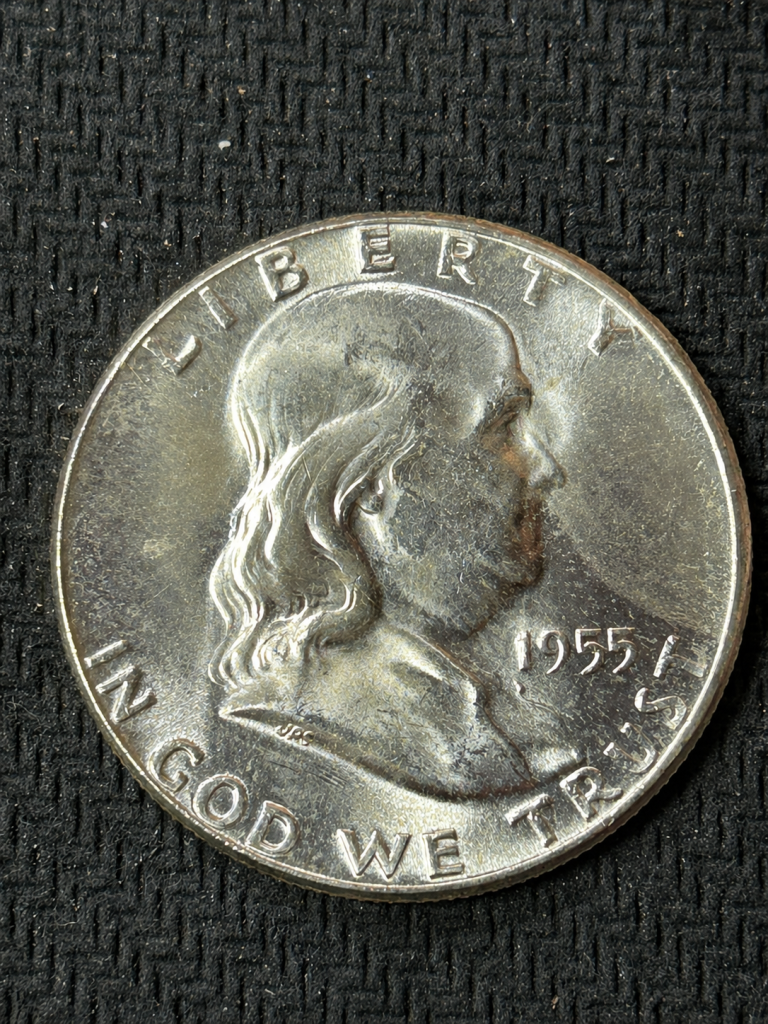
Franklin Half Dollars in the Secondary Market
Franklin half dollars remain one of the most actively traded 90% silver coins because they appeal to both bullion investors and coin collectors. Local coin shops, bullion dealers, online marketplaces, and major auctions regularly buy and sell Franklin halves, creating a highly liquid market for both common and premium examples.
Most circulated coins trade primarily according to Franklin half dollar silver value, while certified, toned, proof, and better-date coins may attract substantially higher prices because of collector demand. Understanding this distinction helps buyers recognize when they are paying for silver content alone and when they are purchasing additional numismatic value.
Common Mistakes to Avoid
One of the most common mistakes new buyers make is assuming every Franklin half dollar is worth far more than its silver content. While certain dates, varieties, and certified examples do command impressive premiums, many circulated coins remain closely tied to Franklin half dollar silver value.
Another mistake is overlooking condition. Cleaning, scratches, damage, or environmental problems can reduce collector demand even when silver content remains unchanged. Comparing multiple examples before making a purchase, buying from reputable dealers, and understanding the difference between bullion value and collectible value helps collectors build stronger collections while avoiding unnecessary mistakes.
When Franklin Half Dollar Silver Value Is Only the Starting Point
Many collectors begin by checking Franklin half dollar silver value because melt value provides a quick baseline for estimating what a coin is worth. However, experienced collectors know that silver content is often only the starting point when evaluating Franklin half dollars.
A Franklin half dollar silver value calculation assumes the coin is being valued strictly for its precious metal content. Once collector demand enters the equation, additional factors can increase market value well beyond melt value alone. High-grade Mint State coins, proof issues, attractive natural toning, scarce varieties, and professionally certified examples frequently sell for premiums that have little relationship to the underlying silver price.
Collectors also compare Franklin half dollar silver value with recent sales of similar coins. Two Franklin half dollars may contain the exact same 0.3617 troy ounces of silver, yet one may sell for only its melt value while another commands several times that amount because of exceptional preservation, Full Bell Lines designation, eye appeal, or collector demand.
For this reason, Franklin half dollar silver value should always be viewed as the foundation of the pricing process rather than the final answer. Melt value explains the intrinsic silver content, while condition, rarity, certification, and market demand determine whether a particular coin deserves an additional premium.
Whether buying, selling, or building a collection, understanding Franklin half dollar silver value alongside these collector factors provides a more complete picture of the coin’s true market value. This balanced approach helps buyers recognize when a Franklin half dollar is trading primarily as bullion and when it has crossed into the collectible market where premiums can significantly exceed silver value.
Franklin Half Dollar Value Summary
Understanding Franklin Half Dollar Silver Value helps collectors compare silver content, estimate melt value, and determine whether a coin is trading primarily for bullion value or collector demand. Because Franklin Half Dollar Silver Value changes with the silver market, many investors regularly monitor both spot prices and collector premiums before buying or selling.
Franklin half dollars remain a favorite among silver investors and collectors because they combine substantial silver content, strong market recognition, historical significance, and consistently strong Franklin half dollar silver value across changing silver markets. Monitoring Franklin half dollar silver value helps buyers and sellers make informed decisions as silver prices change.
Related SilverPoured Resources
Understanding Franklin half dollar silver value becomes easier when melt value is compared with other 90% silver coins, live silver prices, collector premiums, and broader precious-metals pricing. These SilverPoured resources provide additional research for calculating intrinsic value, comparing related half dollars, and determining when collector demand may push a coin above its underlying silver value.
Silver Prices & Melt Value
Silver Spot Price Today
What Is the Silver Spot Price?
What Is Silver Melt Value?
Silver Melt Value Calculator
Junk Silver Value
Silver Half Dollar Values
Walking Liberty Half Dollar Value
Kennedy Half Dollar Silver Value
Barber Half Dollar Value
Washington Quarter Silver Value
Mercury Dime Silver Value
Premiums & Buying Silver
What Is Premium Over Spot?
Why Silver Premiums Change
Why Bullion Dealers Charge Premiums
Why Collectible Silver Sells For More
Best Silver Dealers
Purchase Precious Metals from a Trusted Dealer
Franklin half dollar silver value provides a useful baseline when comparing historic 90% silver coins with modern bullion. Melt value reflects the coin’s 0.3617 troy ounces of silver, while condition, rarity, Full Bell Lines designation, originality, and collector demand can create additional numismatic premiums. Buyers should understand which portion of a purchase price represents silver and which portion reflects collectible value.
SilverPoured recommends Golden State Mint for high-quality silver bars, silver rounds, gold bullion, copper bullion, and fractional precious metals. Comparing modern bullion with Franklin half dollars can help buyers understand the difference between purchasing precious metals primarily for intrinsic value and purchasing historic coins whose market prices may also reflect condition and collector demand.
Collector Insight
Franklin half dollar silver value is the floor, not necessarily the final market price. Every regular-issue Franklin half dollar contains the same amount of silver, yet two examples from the same year can sell for dramatically different amounts because of grade, originality, eye appeal, strike quality, or Full Bell Lines designation. Start with melt value, then evaluate the characteristics of the individual coin before deciding whether an additional collector premium is justified.
Keep SilverPoured Free
SilverPoured provides free precious-metals education, live pricing tools, calculators, collector guides, original photography, and long-form research for investors and collectors. Tracking Franklin half dollar silver value gives owners a practical way to follow the intrinsic value of their coins as the silver market changes.
If this guide helped you understand Franklin half dollar silver value, melt value, 90% silver content, mintages, Full Bell Lines, errors, varieties, grading, or collector premiums, consider supporting the continued growth of SilverPoured. Every contribution helps fund original research, new calculators, expanded educational resources, additional photography, and future tools for the precious-metals community.
Your support allows SilverPoured to remain independent while building one of the web’s most comprehensive free libraries for coin collectors, bullion buyers, precious-metals researchers, and long-term investors.