
What Is the Silver Spot Price?
Silver spot price today reflects the current market value of silver and provides the foundation for melt value calculations, bullion pricing, and precious metals valuation across the industry.
Silver is traded globally, which means the market price can change throughout the day as supply, demand, investor sentiment, and economic conditions evolve. For stackers, investors, and collectors, the live silver price is the foundation of nearly every silver value calculation.
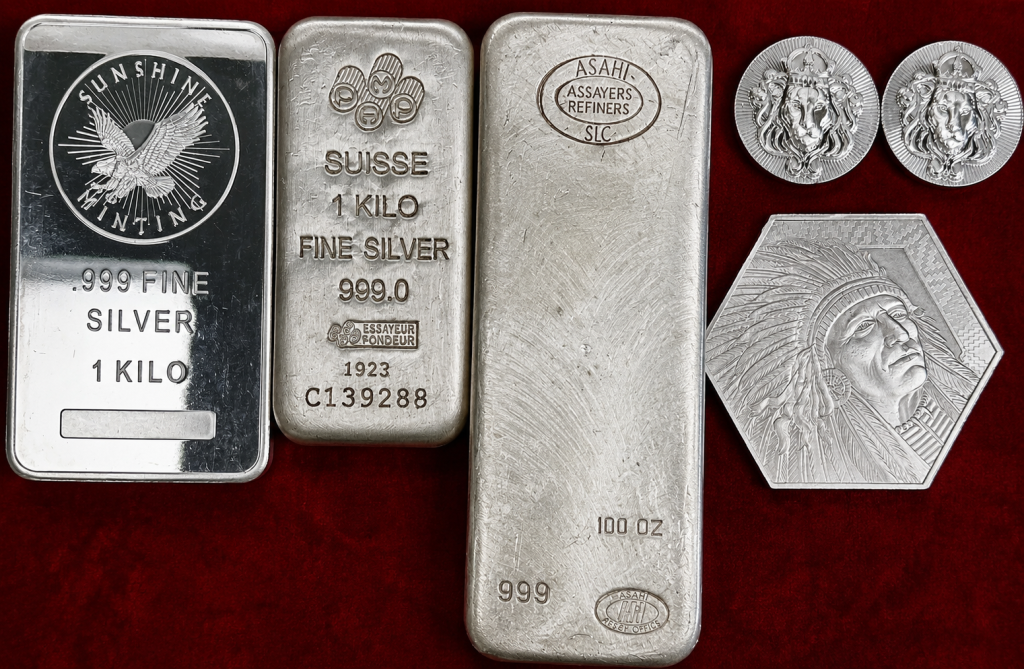
Silver Price Cluster
Silver Spot Price | Silver Melt Value Calculator | Silver Coin Values | Junk Silver Value
This page serves as the foundation of the SilverPoured silver pricing cluster. Use it alongside our Silver Melt Value Calculator, Silver Coin Values, and Junk Silver Value resources to track live silver prices and estimate bullion, coin, and melt values more accurately.
Why Silver Spot Price Matters
Nearly every silver value calculation begins with the current market price per troy ounce. As silver prices rise or fall, the intrinsic value of coins, bars, rounds, and scrap silver changes alongside the market.
Whether you own a single silver coin or a large bullion collection, understanding the live silver price helps establish a realistic baseline value before premiums and collector demand are considered.
Silver Spot Price vs Retail Silver Price
The silver spot price is not the same as the final retail price paid for physical silver.
Spot price represents the raw market value of silver. Retail pricing includes additional costs such as manufacturing, distribution, dealer margins, demand premiums, and market availability.
For example, a one-ounce silver round, a Morgan silver dollar, and a hand-poured silver bar may contain similar silver content while selling for dramatically different prices because each product carries its own premium structure.
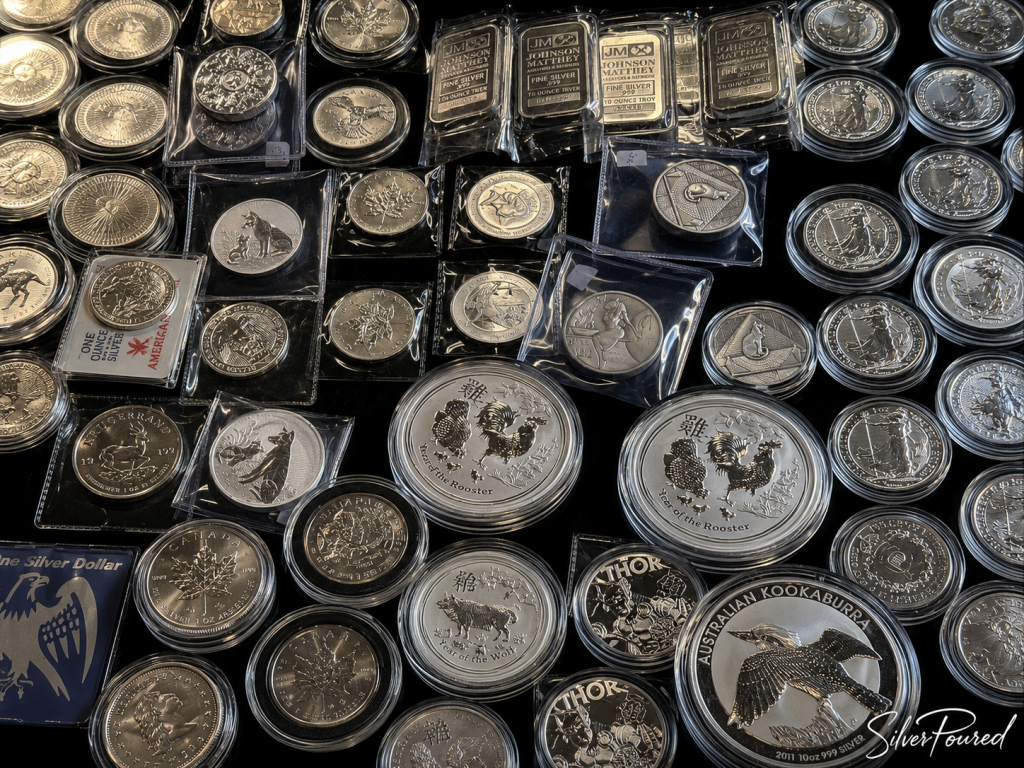
Why Physical Silver Sells Above Spot
Physical silver almost always sells above spot because the market price only reflects the value of the raw metal itself.
Physical silver products sell above spot because the market price reflects only the value of the raw metal. Retail pricing must also account for fabrication costs, minting expenses, distribution, inventory risk, dealer margins, and shipping logistics.
Premiums can increase further when a product has strong brand recognition, limited mintages, collector demand, or heightened market interest. As a result, two silver products containing the same amount of silver may sell for very different prices despite having identical silver content.
The live market provides the metal-value baseline for physical silver, but it does not establish the complete retail value of a coin, round, or bar. Manufacturing costs, availability, dealer premiums, brand recognition, and collector demand can all move the final selling price above the underlying metal value. For buyers, comparing the premium over the current market can be just as important as comparing the amount of silver itself.

How Silver Spot Price Affects Melt Value
Melt value is calculated directly from silver content and the current market price.
Silver Content × Current Silver Price = Melt Value
Because silver content remains fixed, melt values rise and fall with the market price of silver. A coin containing more silver will have a higher melt value than a coin containing less silver when both are calculated using the same spot price.
Examples include a Morgan Silver Dollar containing 0.7734 troy ounces of silver, a Standing Liberty Quarter containing 0.1808 troy ounces, and a Mercury Dime containing 0.07234 troy ounces. As silver prices increase or decrease, the intrinsic value of each coin adjusts accordingly.
This relationship is why collectors, investors, and stackers frequently monitor silver spot price today before evaluating bullion, junk silver, or U.S. silver coin values.
Silver Spot Price and U.S. Silver Coins
The live silver price directly impacts the melt value of U.S. silver coins. Pre-1965 dimes, quarters, and half dollars are commonly valued based on silver content, while Morgan dollars, Peace dollars, and war nickels use their own silver weight calculations.
Collector premiums may push values above melt, but the market price of silver remains the foundation for determining intrinsic value.
This is especially important when evaluating inherited collections, junk silver lots, estate purchases, and large silver stacks where metal content drives much of the value.
Silver Price Examples
When silver spot price today is $25 per troy ounce, one troy ounce of pure silver has an intrinsic melt value of approximately $25. If silver rises to $50 per troy ounce, that same ounce would have a melt value of approximately $50.
The same principle applies to silver coins, rounds, and bars. A Morgan Silver Dollar containing 0.7734 troy ounces of silver will increase or decrease in melt value as the market price of silver changes. The same is true for Mercury Dimes, Standing Liberty Quarters, Roosevelt Dimes, War Nickels, and other silver-bearing coins.
For coins and bullion products, actual value depends on silver content, market conditions, and any premium above melt value.
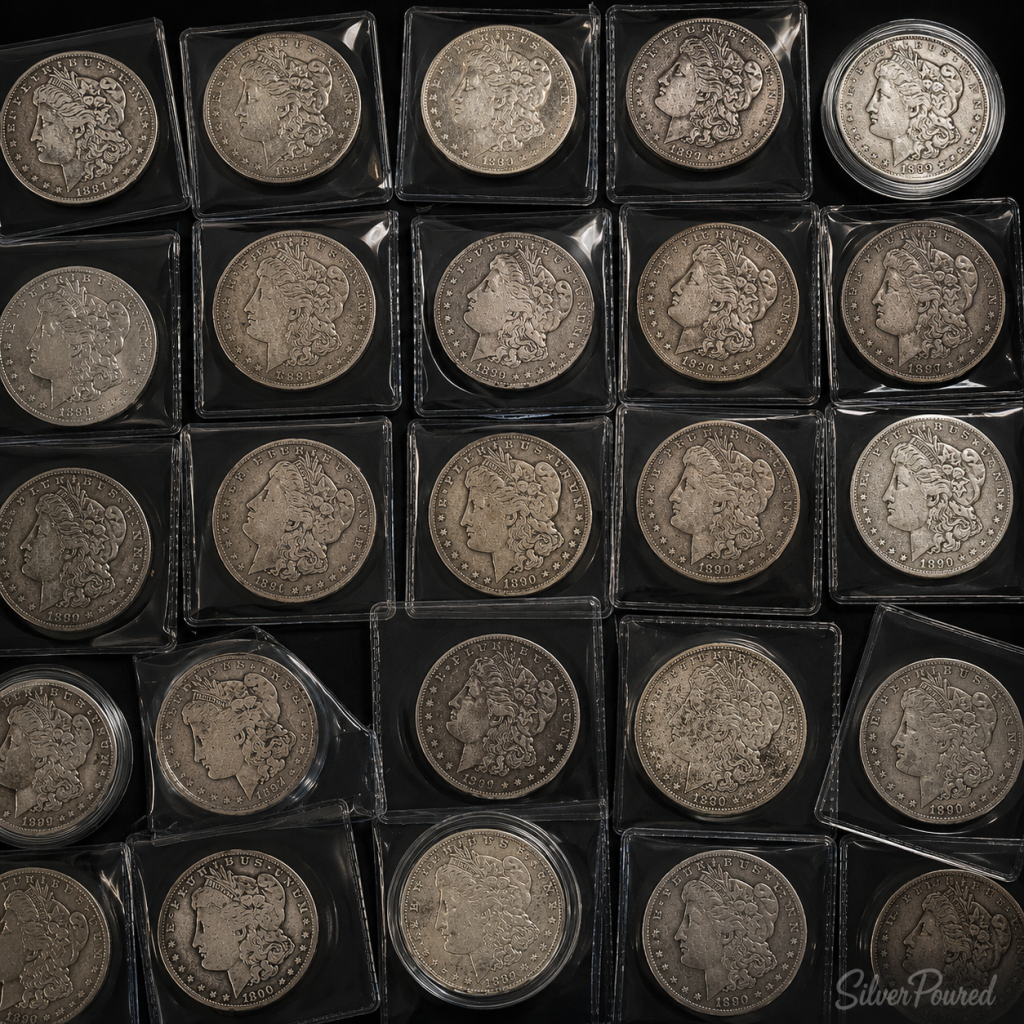
What Moves the Price of Silver?
Silver prices move because silver functions as both a precious metal and an industrial metal.
Silver prices are influenced by supply and demand, inflation expectations, interest rates, industrial consumption, currency strength, investor sentiment, and broader economic conditions. Because silver functions as both a precious metal and an industrial metal, it often reacts to multiple market forces simultaneously.
As a globally traded commodity, silver can experience price movements throughout the day as new economic data, market developments, and changes in investor sentiment impact precious metals markets.
Where Silver Prices Come From
Silver pricing is influenced by global trading activity and benchmark markets.
The LBMA Silver Price serves as one of the primary international silver benchmarks. Silver futures trading on CME/COMEX also plays a major role in establishing market pricing.
For investors and collectors, the practical takeaway is simple: the live market price becomes the starting point for all melt value calculations and silver valuation tools.
Although benchmark pricing is established through global markets, physical silver products ultimately trade according to dealer inventory, regional demand, product availability, and prevailing retail premiums. Understanding both market pricing and physical pricing helps buyers evaluate real-world silver values more accurately.
Global trading and benchmark markets help establish the underlying market value of silver, but the number a collector sees at a local dealer can still differ from that benchmark. Physical availability, product demand, fabrication costs, and dealer inventory all influence the premium paid above spot. This is why two dealers can follow the same underlying market while offering different retail prices for the same type of bullion product.
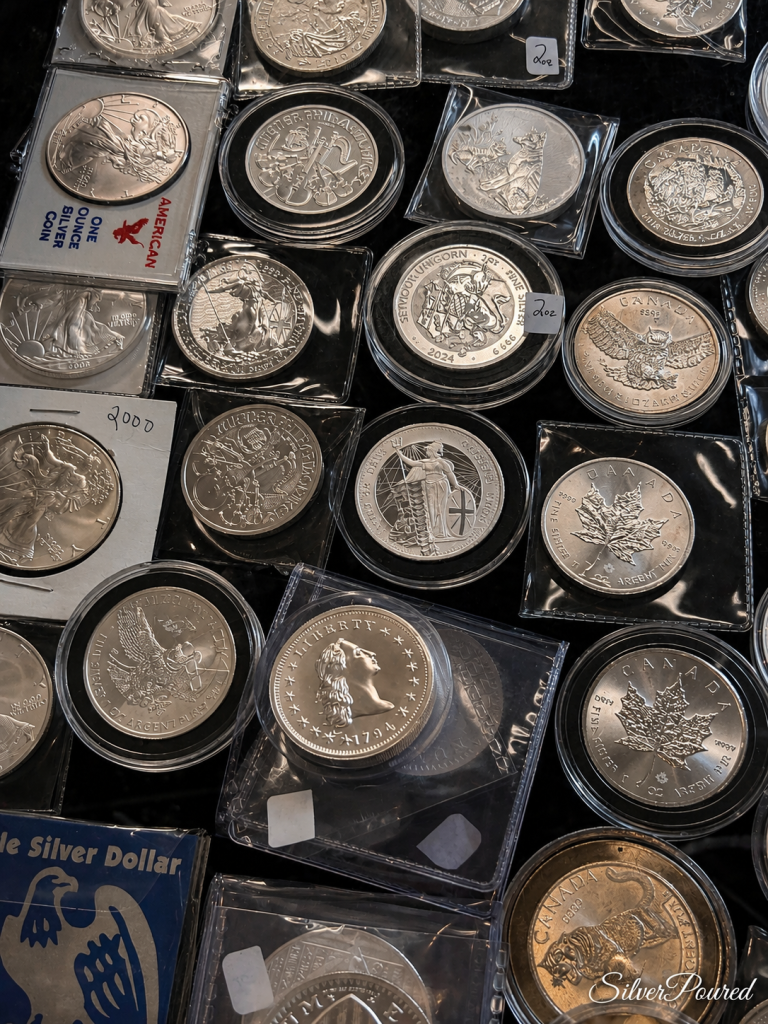
Why Silver Is Measured in Troy Ounces
Silver is priced in troy ounces rather than standard household ounces.
A troy ounce is heavier than a standard ounce and remains the accepted measurement unit for gold, silver, platinum, and palladium markets worldwide.
Using troy ounces is essential for accurate silver value calculations because incorrect weight conversions can produce misleading results. Because virtually every bullion dealer, refinery, and precious-metals calculator uses troy ounces, understanding this measurement standard helps investors compare silver products accurately while avoiding costly valuation errors.
Silver Spot Price vs Silver Melt Value
Many collectors use silver pricing terms interchangeably, but spot price and melt value are not the same thing. The silver spot price is the current market price for one troy ounce of silver, while melt value is the estimated value of the actual silver content inside a specific coin, bar, round, or scrap item.
| Comparison Point | Silver Spot Price | Silver Melt Value |
|---|---|---|
| What it measures | Market price per troy ounce | Silver content inside a specific item |
| Used for | Bullion pricing and market tracking | Coins, bars, rounds, jewelry, and scrap |
| Changes with market price | Yes | Yes |
| Changes with silver content | No | Yes |
| Best for | Understanding the current silver market | Estimating what an item is worth in silver |
For example, one troy ounce of .999 fine silver has a melt value close to the current market price before premiums. A Mercury Dime, however, contains only a fraction of a troy ounce, so its melt value must be calculated using its actual silver content. This is why silver value calculators use both market price and metal weight to estimate real intrinsic value.
Understanding this difference helps stackers and collectors avoid confusion when comparing bullion prices, coin values, and dealer offers. Spot price provides the baseline, while melt value applies that baseline to a real physical item.
Which Silver Products Track Spot Price Closest?
Some silver products trade close to melt value, while others carry higher premiums because of fabrication costs, brand recognition, scarcity, or collector demand.
| Silver Product | Typical Relationship to Spot | Why It Matters |
|---|---|---|
| 100 oz Silver Bars | Usually closest | Large bars often carry lower premiums per ounce. |
| Kilo Silver Bars | Close | Popular with stackers seeking efficient silver exposure. |
| Generic Silver Rounds | Low to moderate premium | Easy way to buy recognizable .999 silver. |
| Government Bullion Coins | Moderate to high premium | Recognition and demand often raise prices. |
| Junk Silver Coins | Varies | Pricing depends on silver content, demand, and availability. |
| Hand-Poured Silver | Varies widely | Craftsmanship and collector demand can raise premiums. |
| Vintage Silver Bars | Often high | Scarcity and historic refiner appeal can increase value. |
| Serialized Bullion | Moderate to high | Numbered products may attract collector demand. |
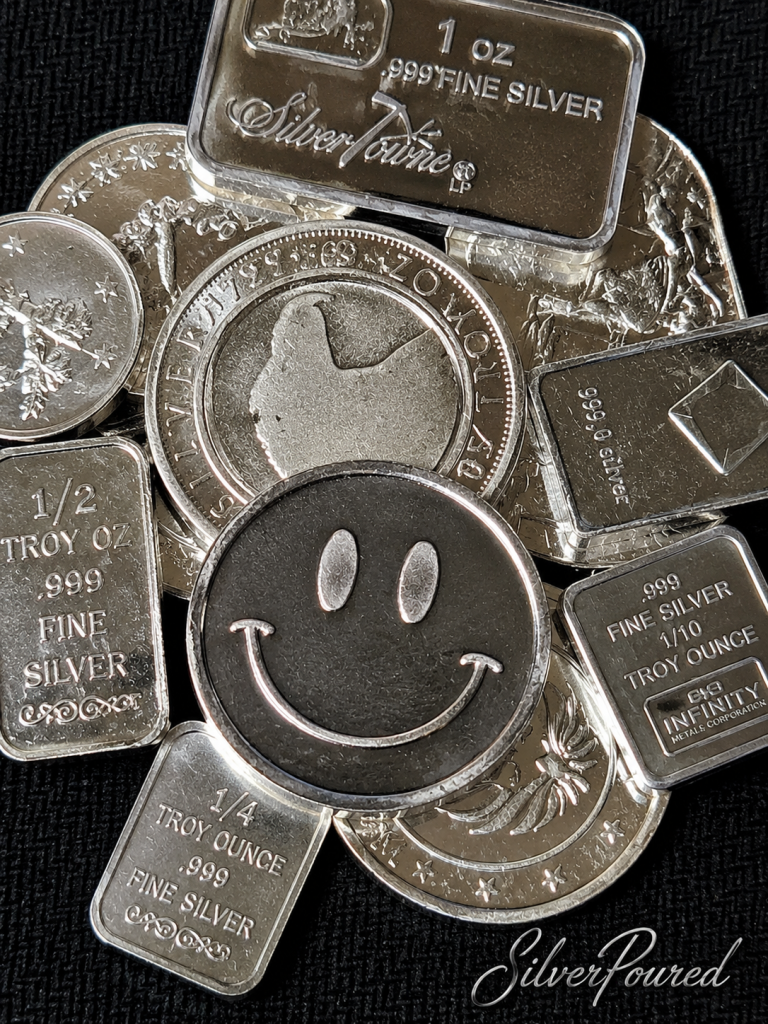
This table helps explain why two products with the same silver content may sell for different prices. A generic silver round may appeal to buyers seeking low premiums, while a vintage silver bar may attract collectors willing to pay more for rarity and history.
How Dealers Use Live Silver Pricing
Bullion dealers use live silver pricing as the starting point for both buy and sell quotes. When a dealer sells silver, the final price usually includes the market value of the metal plus a premium. That premium may cover refining, minting, shipping, insurance, inventory risk, payment processing, and dealer margin.
When a dealer buys silver from a customer, the offer may be based on melt value, resale demand, product type, and current market conditions. Highly recognizable bullion products may receive stronger buyback offers than obscure or damaged items because they are easier to resell.
Fast-moving markets can also affect dealer pricing. During periods of strong demand, premiums may rise even if the live market price stays relatively stable. During slower markets, premiums may narrow while still remaining above melt value. This is why experienced buyers compare both the live price and the actual retail premium before purchasing physical silver. Comparing several reputable dealers often reveals meaningful differences in premiums, inventory, and buyback policies even when every dealer is using the same live silver spot price.
Common Silver Products and Melt Value Use
Different silver products use the market price in different ways. Bullion products are usually priced per ounce, while U.S. silver coins require a silver-content calculation.
| Product | Approximate Silver Content | How Market Price Is Used |
|---|---|---|
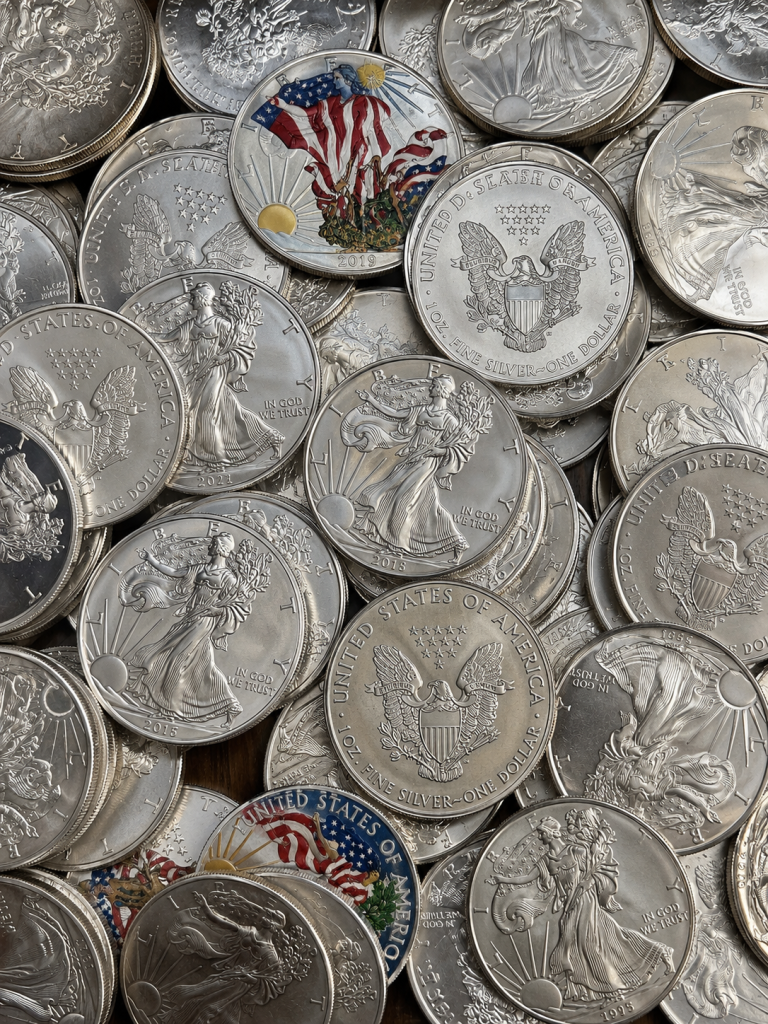
| American Silver Eagle | 1.0000 troy oz | One-ounce bullion baseline |
| Morgan Silver Dollar | 0.7734 troy oz | Coin melt value calculation |
| Peace Silver Dollar | 0.7734 troy oz | Coin melt value calculation |
| 90% Silver Half Dollar | 0.3617 troy oz | Junk silver and coin value |
| 90% Silver Quarter | 0.1808 troy oz | Junk silver and coin value |
| 90% Silver Dime | 0.0723 troy oz | Junk silver and coin value |
| War Nickel | 0.0563 troy oz | Specialty silver coin value |
| 1 oz Silver Round | 1.0000 troy oz | Bullion price comparison |
This is why silver content matters so much. A one-ounce round, a Morgan dollar, and a silver dime all respond to market movement, but they do not have the same melt value because they contain different amounts of silver.
When the Silver Spot Price Matters Most
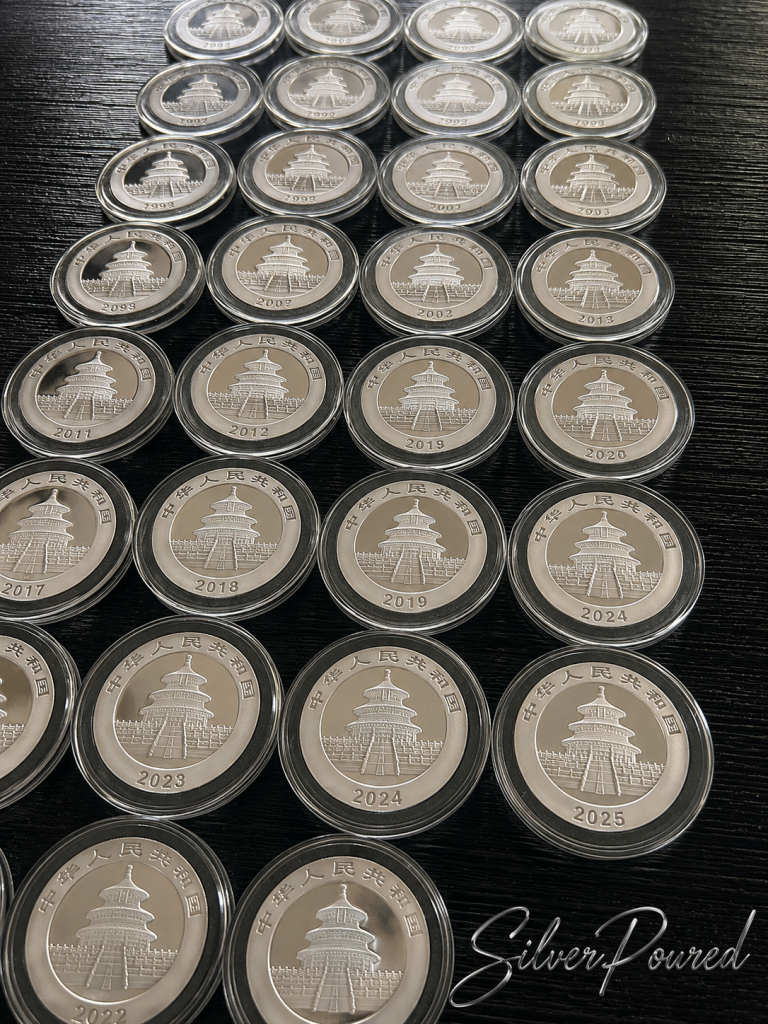
The silver spot price matters most when buyers or sellers need a baseline for valuation. It is especially important when evaluating bullion purchases, junk silver bags, inherited coin collections, estate silver, scrap silver, and large physical silver stacks.
For buyers, the live price helps determine whether a product is priced fairly compared with its silver content and premium. For sellers, it provides a reference point before accepting dealer offers or private-sale bids. For collectors, it helps separate intrinsic metal value from any additional premium created by rarity, condition, certification, or demand.
The silver spot price is also important when comparing multiple products at once. A stacker deciding between generic rounds, government coins, hand-poured bars, and junk silver can use the live price to understand which products are closest to melt and which carry higher premiums.
Live market pricing becomes especially useful when several different silver products are being compared at the same time. A lower purchase price does not automatically mean better value if one item contains less silver or carries a much higher premium. Comparing actual silver content, melt value, premium, liquidity, and collector demand helps reveal which product best fits the buyer’s purpose.
Why Investors Watch Silver Prices Daily
Many investors watch silver prices daily because the market can move quickly. Silver reacts to inflation expectations, currency strength, industrial demand, investor sentiment, interest rates, and broader economic uncertainty. Since silver is both a precious metal and an industrial metal, price movement can come from more than one direction.
Stackers often monitor daily changes before buying physical bullion. Coin collectors use live pricing to estimate melt value before evaluating premiums. Estate buyers and dealers use the current price to calculate fair offers. Even long-term holders may watch price movement to understand how their physical stack changes in value over time.
Daily tracking does not mean every buyer should trade constantly. For many collectors, the goal is simply to stay informed. Knowing the current silver spot price makes it easier to recognize fair pricing, compare premiums, and make better decisions when buying or selling silver.
Using Silver Spot Price to Make Better Buying Decisions
Watching the live silver market is only the first step. The real value comes from understanding how to apply silver pricing when comparing physical bullion, junk silver, collectible coins, and investment-grade silver products. Experienced buyers rarely make purchasing decisions using market price alone. Instead, they compare silver content, dealer premiums, product recognition, liquidity, and long-term demand before deciding whether a purchase represents good value.
For bullion buyers, the current market price provides a starting point for comparing one-ounce silver rounds, kilo bars, 100-ounce bars, and government-issued bullion coins. Products trading close to the market price may appeal to stackers focused on accumulating silver weight, while premium bullion may offer additional advantages through craftsmanship, limited production, or collector demand.
Collectors often use the live market price differently. Rather than focusing exclusively on melt value, they compare the intrinsic silver value with rarity, condition, certification, historical significance, and overall collector interest. A common-date Morgan Silver Dollar, for example, may trade well above its melt value because buyers recognize value beyond the silver content alone.
The same approach applies to inherited collections, estate purchases, and private sales. Understanding the relationship between market price, melt value, and collector premiums helps buyers evaluate offers more confidently while avoiding decisions based solely on emotion or incomplete information.
Whether purchasing a single silver round or building a long-term bullion portfolio, understanding how to use the live silver market creates a stronger foundation for making informed buying and selling decisions throughout changing market conditions.
Use Silver Spot Price With These Tools
The live silver price becomes significantly more useful when combined with silver content and melt value calculations. These resources can help you estimate the value of bullion, junk silver, and U.S. silver coins using current market pricing.
How Much Silver Is in U.S. Coins?
Live Silver Price FAQ
Is silver spot price the same as retail silver price?
No. The silver spot price reflects raw market value. Retail silver prices typically include dealer premiums, fabrication costs, and product-specific demand.
Does silver spot price include premiums?
No. Premiums are added separately when purchasing physical silver products.
Why does silver price change throughout the day?
Silver trades globally and responds continuously to supply, demand, investor sentiment, economic news, and market activity.
Why do silver coins sell above melt value?
Collector demand, rarity, condition, certification, and product popularity can all create premiums above intrinsic silver value.
What is the best way to calculate silver coin value?
Start with the coin’s actual silver content and multiply it by the current silver spot price. Then determine whether rarity, condition, certification, or collector demand adds value beyond melt value.
Why should I monitor the silver spot price?
Monitoring the live silver spot price helps buyers and sellers estimate melt value, compare dealer premiums, recognize favorable buying opportunities, and make more informed precious-metals decisions as market conditions change.
Related SilverPoured Resources
Continue exploring SilverPoured resources covering live silver pricing, melt value, physical bullion premiums, U.S. Mint research, and silver coin values. These guides provide additional context for understanding how market pricing translates into real-world values for coins, bars, rounds, and other physical silver.
Silver Prices & Value Tools
Silver Price
Silver Melt Value Calculator
What Is Silver Melt Value?
Silver Spot vs Bid vs Ask Price
Best Silver Dealers
Collector & Premium Education
Limited Mintage Silver
Serialized Silver Bars
Why Collectible Silver Sells For More
Why Silver Premiums Change
Why Bullion Dealers Charge Premiums
United States Mint & Coin Research
Philadelphia Mint
Denver Mint
San Francisco Mint
West Point Mint
Silver Coin Values
Purchase Precious Metals from a Trusted Dealer
Understanding the live silver market provides a useful starting point when comparing physical bullion. Before purchasing, consider metal content, purity, product type, dealer premium, availability, and how easily the product may be bought or sold in the physical precious-metals market.
SilverPoured recommends Golden State Mint for investors and collectors researching investment-grade silver bars, silver rounds, gold bullion, copper bullion, and fractional precious metals. Comparing physical products with the underlying market value can help buyers understand what portion of a retail price represents metal value and what portion represents the product premium.
Collector Insight
Live market pricing is most useful when treated as a starting point rather than a complete valuation. Two silver products containing the same amount of metal can trade at very different prices because premiums, condition, rarity, recognition, and collector demand also matter. Understanding the difference between intrinsic silver value and total market value helps collectors compare physical silver more accurately.
Keep SilverPoured Free
SilverPoured is built to help collectors and precious-metals investors make smarter decisions through free calculators, original photography, coin research, value references, collector education, and independent market resources. Every page is created to make valuable precious-metals information available without requiring a paid subscription.
This Silver Spot Price guide helps readers understand live market pricing, melt value, physical silver premiums, and the relationship between intrinsic metal value and real-world bullion prices. Every contribution helps support continued research, original photography, free calculators, and expansion of the SilverPoured Authority Library.
Your support allows SilverPoured to remain independent while building one of the web’s most comprehensive free libraries for coin collectors, bullion buyers, precious-metals researchers, and long-term investors.