
Silver bars above spot often carry higher premiums because collectors and investors value rarity, craftsmanship, and demand beyond simple melt value alone.
Many collectors monitor the live silver spot price before buying premium bullion products.
Why Silver Bars Above Spot Carry Higher Premiums
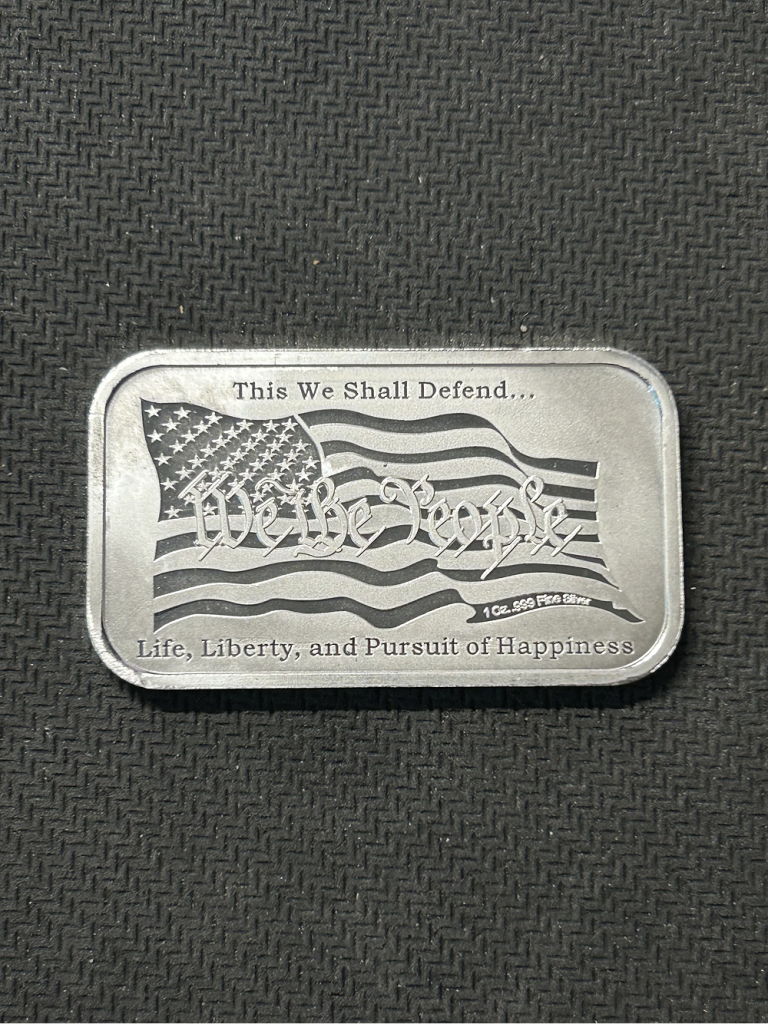
Silver bars often sell above spot price because collectors, investors, and bullion buyers value rarity, craftsmanship, limited production, and market demand beyond simple melt value alone.
While spot price represents the raw market value of silver, physical bullion products almost always carry additional premiums. If you’re new to bullion pricing, learn more about the premium over spot and why physical silver rarely sells at melt value alone. In many cases, silver bars trade significantly above melt value because of collector demand, scarcity, fabrication costs, and overall market conditions.
As the precious metals market continues evolving, understanding why silver bars sell above spot remains important for stackers, investors, and collectible bullion buyers comparing physical silver products.
What Does Above Spot Mean?
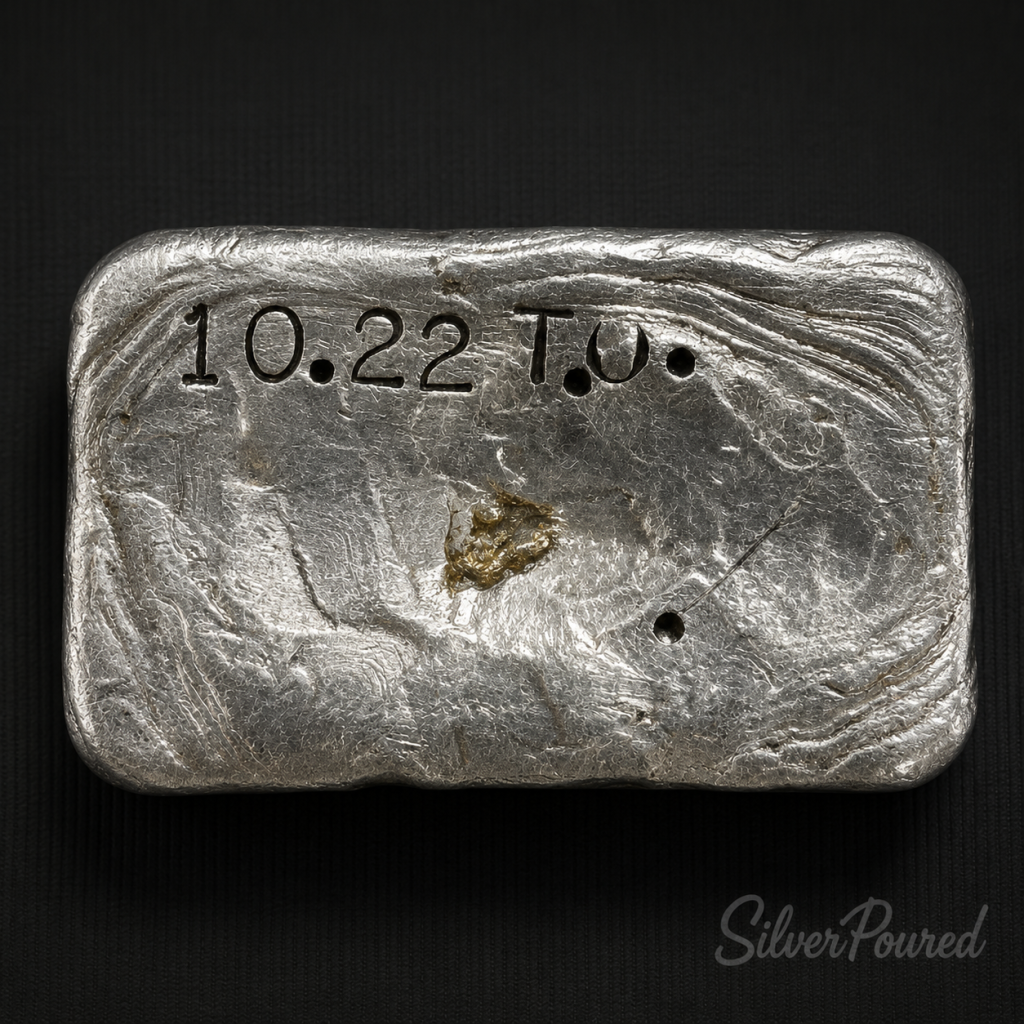
Above spot refers to the additional amount buyers pay beyond the live silver spot price.
The silver spot price represents the global market value of raw silver traded on commodities markets. Physical silver bars almost always cost more because manufacturers, dealers, refiners, and collectors assign additional value beyond metal content alone.
For example, if silver spot price is $35 per ounce, a one-ounce silver bar selling for $42 carries a $7 premium above spot.
Why Silver Bars Sell Above Spot
| Premium Factor | Effect on Price Above Spot | Why Buyers Pay More |
|---|---|---|
| Silver Spot Price | Sets the base value | Every silver bar starts with the current melt value of silver. |
| Refining & Manufacturing | Moderate | Refining raw silver into investment-grade bullion adds production costs. |
| Dealer Premium | Moderate | Dealers include shipping, inventory, insurance, and operating expenses. |
| Hand-Poured Craftsmanship | High | Every hand-poured silver bar is individually created and visually unique. |
| Serialized Bars | High | Unique serial numbers increase collectibility and buyer confidence. |
| Limited Production | High | Smaller production runs create scarcity and stronger collector demand. |
| Vintage Refiners | Very High | Older bars from discontinued refiners become increasingly difficult to locate. |
| Collector Demand | High | Popular makers and sought-after designs often command substantial premiums. |
| Secondary Market Scarcity | Very High | Bars held in private collections become harder to replace over time. |
| Brand Reputation | Moderate to High | Established private mints and respected artisans often earn stronger market premiums. |
Silver bars above spot are valued for far more than their silver content alone. While the live silver spot price establishes the base value, silver bars above spot often command higher premiums because of craftsmanship, limited production, collector demand, vintage refinery history, serialized production, and overall market scarcity. Comparing these premium factors helps collectors understand why silver bars above spot frequently sell for significantly more than generic bullion and why silver bars above spot remain one of the strongest categories within today’s collectible bullion market.
Why Some Silver Bars Carry Higher Premiums
Premiums deserve context. Two bars containing the same amount of silver can trade at very different prices when one offers stronger craftsmanship, scarcity, manufacturer recognition, historical interest, or collector demand. Comparing the reason behind a premium is often more useful than simply choosing the lowest purchase price.

Not all silver bars are priced equally. Understanding why silver bars above spot command higher premiums can help collectors evaluate bullion markets more accurately.
Some silver bars remain relatively close to melt value, while others develop strong collectible premiums because of factors that extend beyond silver content alone. Limited production runs, hand-poured craftsmanship, serialized bars, vintage refinery names, market scarcity, collector demand, unique designs, and low mintages can all contribute to higher pricing. As availability decreases and collector interest grows, premiums often expand well beyond melt value.
These factors can dramatically increase real-world pricing beyond silver content itself.
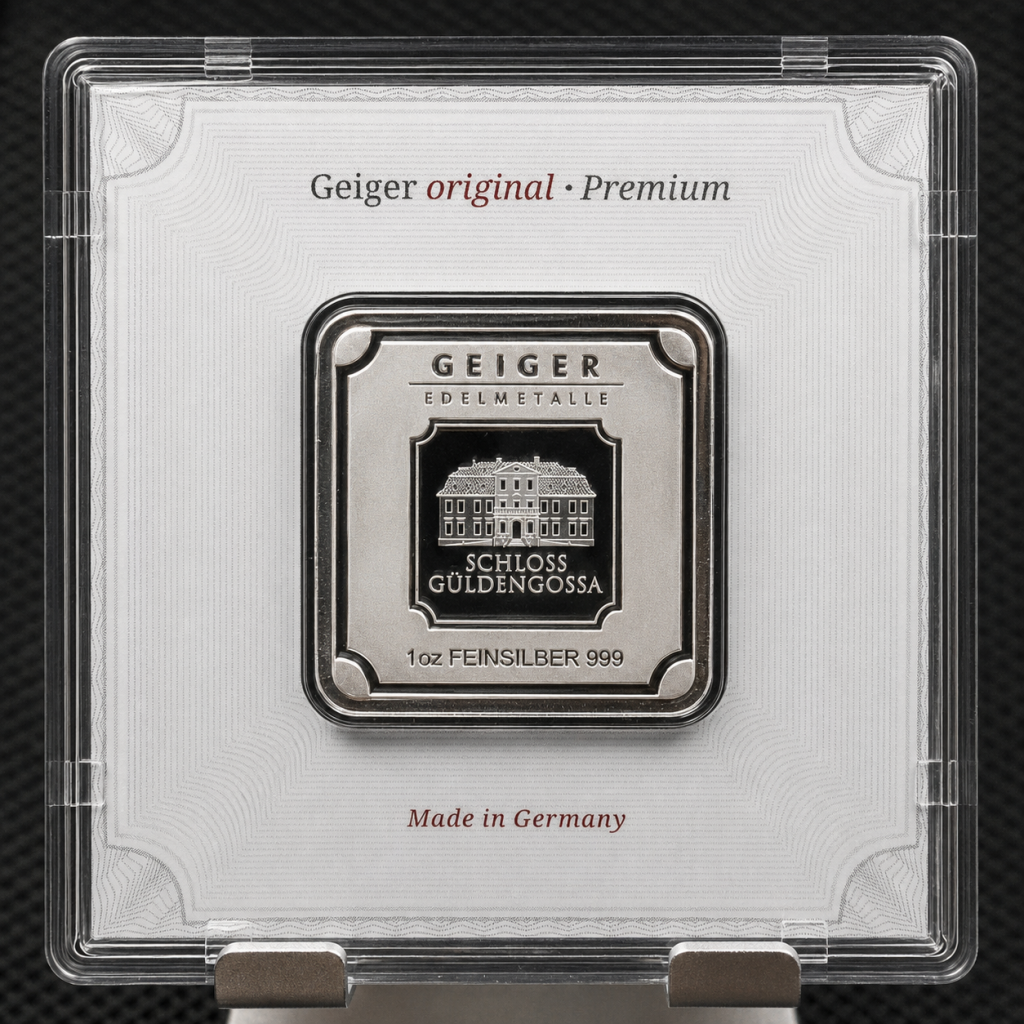
Hand Poured Silver vs Generic Bullion
Generic bullion bars are typically mass-produced and priced closer to spot value.
Hand poured silver bars often carry higher premiums because collectors value characteristics that cannot easily be replicated through industrial minting. Discover why hand poured silver costs more and why these bars often develop stronger collector demand.
Unlike machine-produced bullion, hand poured silver often develops stronger collectible demand over time.
As collectible bullion markets continue growing, hand poured silver remains one of the strongest premium categories in modern precious metals collecting.
Collector Demand and Silver Premiums
Collector demand plays a major role in determining why silver bars sell above spot price.
As collectible bullion markets continue growing, silver bars above spot remain one of the strongest premium categories in modern precious metals collecting.
Collector demand plays a major role in determining why silver bars sell above spot price because buyers often compete for products that are increasingly difficult to replace. Vintage silver bars, serialized pours, limited-release bullion, discontinued refiners, hand poured silver bars, and collectible bullion products frequently attract strong collector interest. As demand rises while supply remains limited, premiums often increase substantially above melt value.
When demand increases while supply remains limited, premiums often rise significantly above melt value. Many investors specifically search for silver bars above spot because collectible bullion often carries stronger premium potential than generic silver products.
This is one reason two products containing the exact same silver weight may carry dramatically different market values. Comparing silver bars above spot requires separating intrinsic metal value from premiums created by scarcity, craftsmanship, recognition, and collector demand.
Vintage Silver Bars and Scarcity
Vintage silver bars from discontinued refiners can become increasingly difficult to replace as surviving examples move into long-term collections. Scarcity becomes especially meaningful when refinery history, recognizable hallmarks, original surfaces, and sustained collector demand reinforce the limited available supply.
Vintage silver bars frequently command higher premiums because many are no longer produced. Learn how vintage silver bars develop scarcity and why discontinued refiners often command significant collector premiums.
Collectors often pursue discontinued bars from older refiners because rarity naturally increases over time.
Vintage silver bars frequently command higher premiums because scarcity develops naturally over time. Limited surviving inventory, historical refinery significance, vintage poured designs, collector demand, secondary-market scarcity, and serialized production all contribute to long-term desirability. As fewer examples remain available, collectors often become willing to pay substantially higher premiums to secure desirable pieces.
Some vintage silver bars eventually trade for several times spot value depending on rarity and overall collector interest. Many collectible silver bars above spot eventually develop stronger premiums as rarity and collector demand increase over time.
Silver bars above spot continue attracting strong interest as collectors and investors seek products that offer more than metal content alone. While generic bullion remains popular for low-premium silver accumulation, collectible silver bars appeal to buyers who value scarcity, craftsmanship, and long-term secondary-market potential. Understanding why silver bars sell above spot helps buyers compare premium bullion products more effectively across the broader precious metals market.
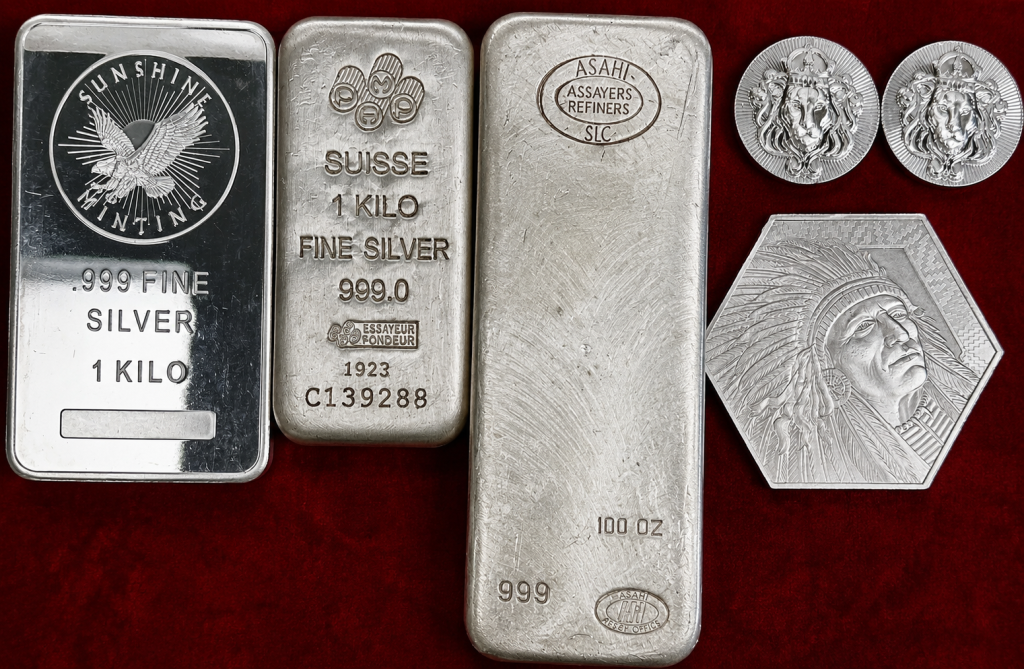
Is Buying Silver Above Spot Worth It?
Many stackers and collectors believe paying premiums above spot can be worthwhile depending on the type of bullion being purchased.
While generic silver focuses mainly on metal value, collectible bullion markets may offer additional premium appreciation driven by rarity and demand.
Collectors often monitor the live silver spot price before purchasing premium bullion products because understanding the current market price helps buyers evaluate whether premiums are reasonable.
This combination of precious metals ownership and collectible potential continues attracting new buyers into the bullion market.
Understanding why silver bars sell above spot can help buyers evaluate scarcity, craftsmanship, and collector demand when comparing different bullion products. While silver content remains important, many premium silver bars derive a significant portion of their value from rarity, history, and long-term collectible appeal.
Collectors comparing silver bars above spot should evaluate why the premium exists rather than assuming every higher-priced product offers the same long-term potential. Craftsmanship, limited production, refinery history, serialization, condition, scarcity, and demonstrated collector demand can all support premiums beyond intrinsic silver value.
Premium products can serve a different purpose than generic bullion. Buyers seeking efficient silver accumulation may prioritize low premiums, while collectors may intentionally purchase silver bars above spot when distinctive characteristics, limited availability, or established secondary-market demand provide additional collectible appeal.
How Dealer Premiums Influence Silver Bars Above Spot
Dealer premiums are one of the primary reasons silver bars sell above spot. Our guide explaining why bullion dealers charge premiums breaks down how refining, inventory, shipping, and operating costs influence retail silver prices.
Market conditions can also influence dealer premiums. During periods of strong demand or limited supply, premiums on popular silver bars may increase even if the silver spot price remains relatively stable. Conversely, when physical silver is readily available and demand slows, premiums may narrow while still remaining above melt value.
Understanding how dealer premiums affect silver bars above spot helps collectors compare products more accurately and recognize the difference between normal retail pricing and additional premiums created by rarity, craftsmanship, limited production, or collector demand. Evaluating both the spot price and the dealer premium provides a more complete picture of the true cost of owning physical silver bullion.
When Paying Above Spot Makes Sense
Not every premium is created equal. Paying above spot often makes sense when a silver bar offers qualities that extend beyond its melt value, such as limited production, hand-poured craftsmanship, serialized identification, historical significance, or strong collector demand. These characteristics can make a premium bullion product more desirable than a standard mass-produced silver bar, even when both contain the same amount of silver.
Buyers should compare the premium with the reason behind it. A modest premium for a well-known private mint may represent excellent value, while a higher premium for a vintage or serialized hand-poured silver bar may be justified by scarcity and long-term collector interest. Understanding why a product sells above spot allows collectors to make informed purchasing decisions rather than focusing solely on the lowest possible price.
Experienced stackers often balance low-premium bullion with collectible silver bars that offer additional long-term appeal. Evaluating craftsmanship, rarity, brand reputation, and market demand alongside the current silver spot price helps buyers determine whether paying above spot is appropriate for their collecting or investment goals.
Government Bullion vs Private Mint Silver Bars
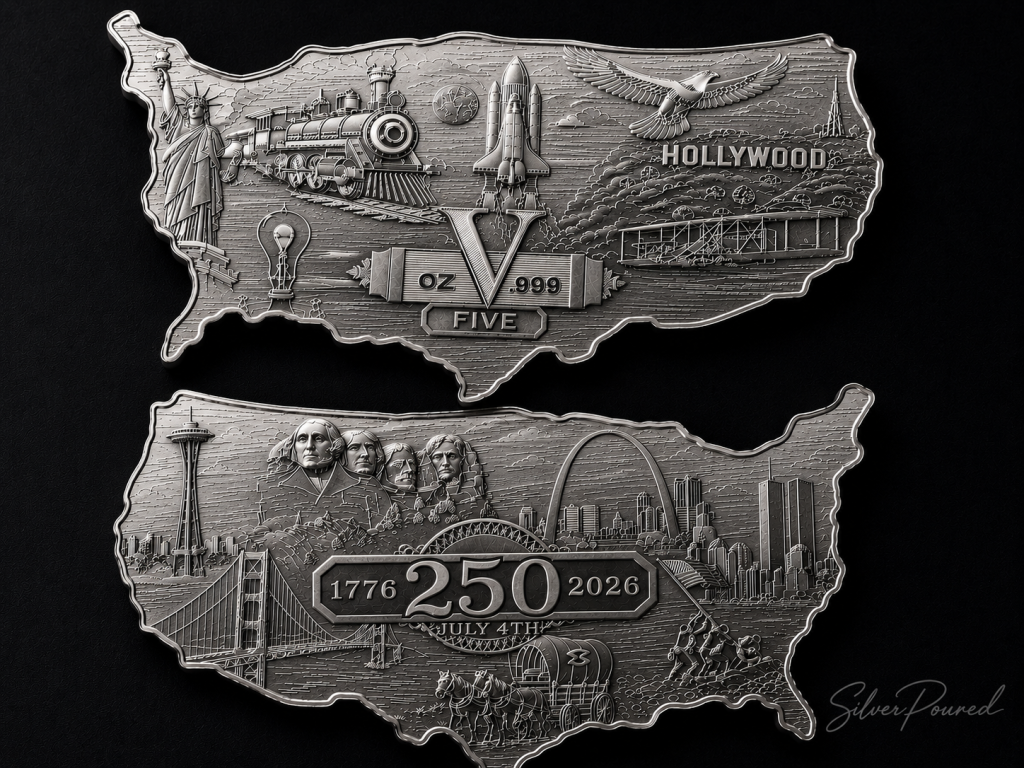
Not all premium silver products are created for the same type of buyer. Government-issued bullion coins often carry premiums above spot because they are backed by sovereign mints, widely recognized around the world, and produced to strict quality standards. Private mint silver bars, on the other hand, can range from low-premium investment bullion to highly collectible hand-poured and serialized products that command substantially higher premiums because of craftsmanship, limited production, and collector demand.
When comparing silver bars above spot with government bullion, buyers should consider more than the initial purchase price. Liquidity, brand recognition, artistic appeal, scarcity, and long-term collector interest all influence how different bullion products perform in the secondary market. Understanding these differences helps collectors determine whether a premium reflects broad market demand, collectible appeal, or the reputation of the mint or artisan that produced the bar.
How Premiums Change During Strong Silver Markets
Silver bars above spot do not always carry the same premium. During periods of rising silver prices or increased demand for physical bullion, premiums often expand as dealers work to keep popular products in stock. Higher demand, temporary supply shortages, transportation costs, refinery production schedules, and increased buying activity can all influence the premium buyers pay above the live silver spot price.
When precious metals markets become especially active, some silver bars above spot may experience premium increases that outpace the movement of silver itself. Limited-production bullion, serialized bars, vintage silver bars, and hand-poured silver products frequently experience the largest premium changes because replacement inventory is often difficult to obtain. Understanding how premium cycles work helps collectors recognize that the total purchase price of physical bullion is influenced by both silver prices and market demand.
As supply conditions improve, premiums may gradually decline even if silver prices remain elevated. For this reason, experienced collectors monitor both the live silver spot price and prevailing bullion premiums before making significant purchases.
How to Compare Silver Bars Above Spot
Comparing silver bars above spot requires more than simply choosing the lowest selling price. Experienced buyers evaluate the total value offered by each product, including craftsmanship, manufacturer reputation, rarity, production methods, and long-term collector demand. Two silver bars containing the same amount of silver may carry dramatically different premiums because they appeal to different types of buyers.
Generic bullion bars often attract investors seeking the lowest possible premium over spot, while hand-poured silver bars, serialized bullion, and vintage refinery products appeal to collectors willing to pay more for scarcity and individuality. Government-issued bullion products may also command stronger premiums because of worldwide recognition and established mint reputations.
Before purchasing silver bars above spot, many collectors compare the current spot price, dealer premium, production quality, secondary-market demand, and historical premium performance. Evaluating all of these factors together helps buyers determine whether a premium reflects genuine collectible value or simply temporary market conditions.
Which Silver Bars Best Match Your Goals?
| Buying Goal | Recommended Silver Product | Typical Premium Level | Best For |
|---|---|---|---|
| Accumulate Maximum Silver | Generic Silver Bars | Lowest | Buyers focused on acquiring the most silver for their budget. |
| Long-Term Silver Stacking | Private Mint Silver Bars | Low to Moderate | Investors seeking recognizable bullion with competitive premiums. |
| Collectible Bullion | Hand-Poured Silver Bars | Moderate to High | Collectors who value craftsmanship, uniqueness, and artistic appeal. |
| Premium Growth Potential | Serialized Silver Bars | High | Buyers interested in limited-production bullion and collector demand. |
| Historic Collecting | Vintage Silver Bars | High to Very High | Collectors pursuing discontinued refiners and scarce historic bullion. |
| Diversified Collection | Combination of Bullion Types | Varies | Buyers balancing low-premium stacking with collectible silver ownership. |
No single silver product is ideal for every buyer. Investors focused primarily on accumulating silver weight often choose lower-premium bullion, while collectors may intentionally pay more for silver bars above spot because craftsmanship, rarity, serialization, and historical significance provide additional long-term appeal. Matching the product to your collecting goals helps buyers understand when paying premiums above spot represents good value rather than unnecessary expense.
Common Mistakes When Buying Silver Bars Above Spot
One of the most common mistakes new buyers make is assuming every premium is automatically justified. While many silver bars above spot command higher prices because of craftsmanship, scarcity, or collector demand, some products simply carry higher retail markups without offering meaningful long-term advantages. Understanding why a premium exists is often more important than the premium itself.
Another common mistake is comparing products solely by price per ounce. Generic bullion, hand-poured silver, serialized bars, and vintage refinery products serve different purposes within the bullion market. Comparing these categories without considering collector demand, production methods, or rarity often leads buyers to overlook products that better match their collecting goals.
Experienced collectors also recommend researching the reputation of the refiner, private mint, or artisan before purchasing premium bullion. Well-established makers frequently maintain stronger secondary-market demand, making it easier to buy, sell, or trade silver bars above spot as collector markets continue evolving.
Can Silver Bars Above Spot Retain Their Premium?
Many buyers naturally wonder whether silver bars above spot will continue carrying higher premiums when it is time to sell. While future market prices can never be guaranteed, many premium bullion products retain a portion of their collectible value because buyers continue seeking craftsmanship, limited production, serialized identification, vintage refinery names, and respected private mints long after the original release.
Secondary-market demand often becomes an important factor in determining resale value. Silver bars produced in limited quantities or by well-known artisans may remain desirable because replacement inventory becomes increasingly difficult to obtain. Vintage refinery bars and serialized hand-poured silver frequently benefit from this type of long-term collector interest.
Understanding why silver bars above spot command premiums at both purchase and resale helps collectors evaluate premium bullion more effectively. Rather than viewing premiums as an added expense alone, many experienced buyers consider them part of the broader collectible market that exists alongside the intrinsic value of silver itself.
Building a Balanced Silver Portfolio
A balanced silver collection can combine low-premium bullion for efficient metal accumulation with collectible products chosen for craftsmanship, scarcity, refinery history, or limited production. The appropriate mix depends on whether the buyer prioritizes silver weight, liquidity, collectible appeal, or a combination of those goals.
Many experienced stackers build their collections using a combination of low-premium bullion and premium silver bars above spot. Generic bullion often provides an efficient way to accumulate silver weight close to melt value, while collectible products can add craftsmanship, rarity, and long-term collector appeal to a precious metals portfolio.
A balanced approach allows buyers to benefit from both categories. Standard bullion provides liquidity and straightforward silver exposure, while premium silver bars above spot may offer additional appreciation if collector demand increases over time. Hand-poured silver bars, serialized bullion, vintage refinery products, and limited-production releases are frequently selected to complement more traditional investment-grade bullion.
Every collector has different goals. Some buyers prioritize accumulating the greatest amount of silver for their budget, while others focus on acquiring premium bullion with distinctive craftsmanship or historical significance. Understanding why silver bars above spot command higher premiums helps collectors build a portfolio that reflects both investment objectives and personal collecting interests while making informed purchasing decisions throughout changing precious metals markets.
Final Thoughts on Silver Bars Above Spot
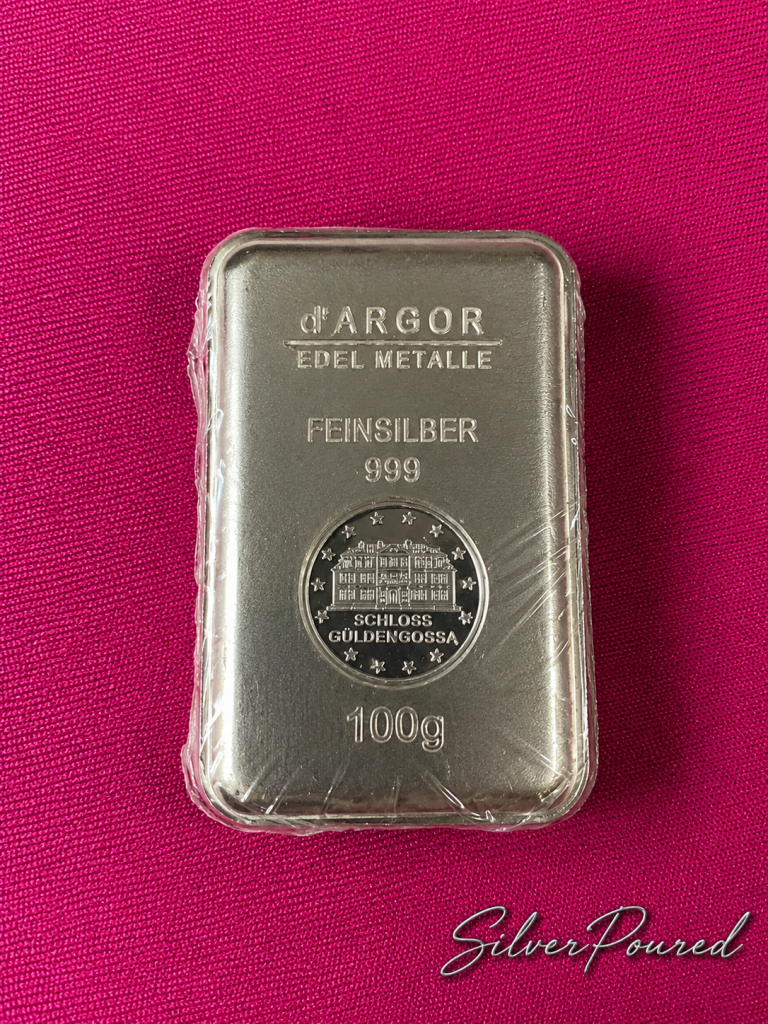
Silver bars sell above spot price because physical bullion markets value more than raw silver content alone. Collectors often pay more for silver bars above spot when scarcity, vintage status, and hand poured craftsmanship create stronger long-term market demand.
Factors such as rarity, craftsmanship, scarcity, collector demand, and historical significance all influence real-world bullion pricing.
As collectible bullion markets continue evolving, understanding why silver bars trade above spot can help collectors and investors evaluate premium silver products more accurately.
Related SilverPoured Resources
Continue exploring SilverPoured’s premium-bullion, collectible-silver, pricing, and buyer resources to understand how spot price, dealer costs, craftsmanship, scarcity, refinery history, and collector demand influence physical silver premiums.
Collectible Silver Bars
Collectible Silver Bars
Vintage Silver Bars
Serialized Silver Bars
Limited Mintage Silver
Why Hand Poured Silver Costs More
Premiums and Collector Value
Premium Over Spot Explained
Why Silver Premiums Change
Why Bullion Dealers Charge Premiums
Why Rare Silver Bars Cost More
Why Limited Mintage Bullion Costs More
Silver Prices and Buying
Silver Price
Silver Spot Price Today
Silver Melt Value Calculator
What Is Silver Melt Value?
Best Silver Dealers
Purchase Precious Metals from a Trusted Dealer
Comparing silver bars above spot requires separating intrinsic silver value from premiums created by fabrication costs, dealer expenses, craftsmanship, scarcity, refinery history, serialization, condition, and sustained collector demand.
Golden State Mint offers silver bars, silver rounds, gold bullion, copper bullion, and fractional precious metals for collectors and investors. Comparing readily available investment bullion with premium silver products can help buyers determine whether additional cost reflects ordinary retail pricing or collectible characteristics that extend beyond metal content alone.
Collector Insight
Paying above spot is not automatically good or bad—the reason for the premium matters. Fabrication and dealer costs explain part of the difference, while scarcity, craftsmanship, refinery history, condition, serialization, and collector demand can create additional value. Completed secondary-market sales can help determine whether silver bars above spot are retaining genuine collectible premiums rather than merely carrying high asking prices.
Keep SilverPoured Free
SilverPoured is built to help collectors and precious-metals investors make smarter decisions through free calculators, original photography, coin research, value references, collector education, and independent market resources. Every page is created to make valuable precious-metals information available without requiring a paid subscription.
This guide explains silver bars above spot by examining spot price, dealer premiums, fabrication expenses, craftsmanship, serialization, scarcity, refinery history, condition, and long-term collector demand. Every contribution helps support continued precious-metals research, original photography, free calculators, bullion education, and expansion of the SilverPoured Authority Library.
Your support allows SilverPoured to remain independent while building one of the web’s most comprehensive free libraries for coin collectors, bullion buyers, precious-metals researchers, and long-term investors.